
Moffat is a small rural hamlet in the northern part of Milton municipality, sitting between the urban edge of Milton and the agricultural lands of Wellington County, known for estate homes on large lots, horse properties, and a genuine rural character that has changed little over the past several decades.
Moffat sits in the northern tier of the City of Milton municipality, past the built-up town edge and into the rolling farmland that transitions toward Guelph and Wellington County. It is a hamlet in the original Ontario sense: a small settlement node along a rural road, with a handful of historic buildings marking where community once organized itself around a mill or a church. The population is small and the character is decidedly agricultural.
The hamlet’s position along the Scotch Block Road corridor gives it a slightly more defined identity than the purely open concession areas around it. Moffat has the feel of a community that knows itself as distinct from the Milton subdivisions to the south, even though it is technically part of the same municipality. The residents here chose rural life with intention and the area has attracted equestrian operations, hobby farms, and estate home owners who wanted distance from subdivision density.
The terrain in this part of Milton is gently rolling, with creek tributaries feeding southward toward Sixteen Mile Creek and eventually to Lake Ontario. The topography is not dramatic like the escarpment communities to the south but it is varied enough to give individual properties a sense of landscape that flat-lot subdivisions cannot offer. Mature hardwood trees on older properties are a feature worth noting: they take decades to grow and their presence on a rural property is a genuine asset.
Moffat’s housing market is rural estate in character. Properties typically sit on a minimum of one acre, with many on five to twenty or more acres. The housing stock includes farmhouses from the late 19th and early 20th century, postwar bungalows with additions, and custom-built estate homes from the 1980s through 2010s. The variety is significant and pricing varies accordingly.
An older farmhouse on two acres that has been reasonably maintained but not fully updated might trade in the $1 million to $1.3 million range. A custom-built estate home on five to ten acres with quality finishes, a triple garage, and established landscaping can reach $1.8 million to $2.5 million. Properties with equestrian infrastructure, proper paddocks, a serviceable barn, and adequate water supply for horses command additional premiums in the $200,000 to $400,000 range depending on the scope of the facilities.
The absence of condo or townhouse product in this area means that every transaction is freehold with private services. Well and septic are universal, rural internet is increasingly functional thanks to Bell fibre expansion and Starlink, and heating is typically propane or oil rather than natural gas. These are costs and maintenance items that buyers need to budget for and that urban buyers sometimes underestimate when comparing Moffat prices to urban detached values.
Moffat’s property market is very thin. In an active year there may be 10 to 15 transactions in the hamlet and immediate surroundings. This means pricing a specific property requires a degree of judgment and regional context that goes well beyond running automated comparables. An agent who has not done rural Halton transactions will struggle to advise you confidently here.
The broader GTA rural price movement that ran from 2019 through 2022 affected Moffat as it affected the rest of rural southern Ontario. Properties appreciated 30 to 50 percent over three years and then pulled back 15 to 20 percent from peak. The stabilization has been relatively smooth because the buyer pool for rural estate properties is less leveraged than the urban condo market and the sellers are less motivated to liquidate quickly.
Properties in good condition priced accurately tend to sell in 30 to 60 days. Properties that need significant work or are priced above what the market supports can sit for three to six months. The buyer pool here is not large and it is not growing as fast as the buyer pool for Milton subdivisions. A property that is well positioned for what buyers here want will find a buyer. A property that is overpriced relative to condition and infrastructure will simply wait.
Moffat attracts buyers who have made a definitive lifestyle choice toward rural living and have the financial means to act on it. The dominant profile is established GTA professionals: people in their 40s or 50s with two incomes and significant equity from a previous property sale, who want land, privacy, and the ability to keep horses or run a small agricultural operation. They are not moving to Moffat because it is affordable. They are moving here because it is what they want.
Equestrian buyers are a consistent and important segment of the Moffat market. The area has enough existing equestrian infrastructure, both on individual properties and at boarding facilities within 20 minutes, to support hobby riding. Buyers who are serious about horses often buy a property that already has some facilities and invest in upgrades rather than starting from scratch. The scarcity of suitable equestrian properties in accessible rural Ontario means that buyers in this category are prepared to move quickly when the right property appears.
There is also a segment of buyers who work remotely in professional fields and have found that they can live anywhere within a reasonable drive of Toronto and an airport. For these buyers, Moffat’s appeal is the combination of land, quiet, and reasonable highway access without the cost premium of the escarpment communities further south. They are less interested in the equestrian aspect and more interested in the home office space, the privacy, and the ability to own a property that does not look like its neighbours.
Moffat’s road network is the classic Ontario concession grid: Scotch Block Road running east-west, and the side roads crossing it at right angles, with properties addressed on both. The hamlet core sits at the intersection of a side road and a concession, with a few buildings marking the original settlement focus. Properties spread out from this core along the concession roads in both directions.
The best properties in the Moffat area tend to be those on the shorter side roads with good tree cover and the widest road frontage. Corner properties on the grid often have irregular lot geometry that gives more land area than a simple rectangle, which can be advantageous for equestrian use where field configuration matters. Properties set back from the road with long laneways have a sense of arrival that is part of what rural estate buyers are paying for.
The properties closest to the municipal boundary with the City of Guelph have slightly longer drives to Milton for services but are genuinely rural in character and will remain so. The properties closest to Milton’s urban boundary along Britannia Road have better service access and shorter drives to town but also greater exposure to the noise and light pollution from the expanding urban edge. Buyers valuing quiet and darkness over service convenience should look at the northern half of the Moffat area.
There is no transit service in Moffat. Every trip requires a car and the household transportation budget reflects this. Highway 401 is accessible via a drive south through Milton to either the James Snow Parkway interchange or the 401 interchanges in the Campbellville Road area. The drive from Moffat to the 401 is 20 to 30 minutes depending on where in the area you live.
Milton GO Station is approximately 25 to 35 minutes south along the concession roads and Steeles Avenue. The Milton Line’s rush-hour service is the commute option for buyers working in Toronto. Adding a 30-minute drive to the station onto the 65-minute train ride puts the total commute at nearly two hours door to downtown Toronto. This is a long commute and it is only practical if the number of days in-office is limited. Many Moffat buyers have made career arrangements that support this: remote-first employers, self-employment, or senior roles that allow schedule flexibility.
Highway 6 runs through Moffat’s immediate area, connecting south toward Hamilton and north toward Guelph. For buyers with employment connections in those directions, the highway access is genuinely convenient. Guelph is 25 to 30 minutes north and has significant employment in technology, healthcare, and manufacturing. Hamilton is about 45 minutes south and has a growing professional employment base. The 401 east toward Mississauga and Toronto is the main commute corridor but it is not the only direction that matters for Moffat buyers.
The green space in the Moffat area is primarily the agricultural landscape itself. There are no Conservation Halton holdings immediately adjacent to Moffat the way they border Campbellville. What exists instead is the open farmland and creek corridors that provide a visual landscape of space and a practical wildlife habitat that is part of what rural buyers are choosing.
For organized trail access, Rattlesnake Point and Crawford Lake conservation areas are 20 to 25 minutes south. These remain the primary outdoor recreation destinations for Moffat residents and are used regularly, particularly in the warmer months. The drive south to reach them passes through changing terrain as you descend toward the escarpment, which is one of the pleasant aspects of living in the northern Halton rural area.
The privately owned properties in Moffat often have their own creek frontage, wood lots, or natural areas that function as private green space for residents. This is part of the appeal of rural estate living: your amenity is your own land rather than a shared municipal park. A property with a 200-metre creek frontage and a mixed hardwood lot provides something that no suburban park can replicate, and it is yours rather than shared with the public.
There is no retail in Moffat itself. All commercial activity requires a drive to Milton, which is 20 to 30 minutes south depending on your specific location in the Moffat area. The Acton commercial area is about 20 minutes east along Steeles Avenue and offers a smaller range of services that can supplement the Milton trip for certain needs.
Guelph is 25 to 30 minutes north and for buyers who use Guelph for employment or specialty shopping, the retail there is substantial. The Stone Road Mall area and the York Road corridor have significant retail and service options including specialty food stores, independent restaurants, and healthcare services that Milton does not yet have at the same depth.
Managing daily retail from Moffat is a logistics exercise that rural buyers take on as part of the lifestyle. Consolidated weekly shopping trips, an adequate pantry, and a systematic approach to maintaining household supplies make the distance manageable. The practical toolkit for rural living has also improved considerably with reliable online ordering and delivery, which reduces the frequency of mandatory drives to town for non-perishable items.
Moffat students attend schools in the Milton cluster, with bussing provided over rural routes that can be lengthy. The Halton District School Board and Halton Catholic District School Board both have bus service from this area, though the routes are designed to cover large geographic areas efficiently rather than to minimize travel time for any individual student. Bus rides of 30 to 45 minutes are common for rural students in this part of the municipality.
Public secondary students attend Milton District High School on Main Street in the town of Milton. Catholic secondary students attend Bishop Reding Catholic Secondary School on Farmstead Drive. Both schools have good reputations within Halton Region. The Halton board system performs well on provincial assessments and university admission rates, and the rural origin of students from communities like Moffat does not put them at a disadvantage relative to peers in the town.
Families who want more control over their children’s educational schedule sometimes supplement bussing with parent driving for specific after-school programs, sports teams, and extracurricular activities. This is the common approach in rural communities across Ontario and it becomes part of the family’s transportation planning. The social fabric in small rural communities like Moffat is often quite tight among families with school-age children, partly because of the shared logistics of managing this.
Moffat’s development picture is largely static. The Greenbelt and agricultural protections in the northern part of Milton municipality limit subdivision development. There are no approved plans for large-scale new residential development in the Moffat area. The occasional infill lot or severance creates a property here and there, but the overall character of the community is not changing in any significant way.
The City of Milton’s urban boundary expansion has been focused on the south and east, in the Wilmont and Cobban communities currently under construction. The northern rural communities including Moffat are explicitly outside the urban boundary and this will not change during the current official plan period. This is a stable and predictable protection for buyers who are choosing Moffat because of its rural character.
Highway 6 corridor improvements are periodically discussed as the connection between Guelph and Hamilton, which passes through the Moffat area, carries increasing freight and commuter traffic. Any widening or improvement of Highway 6 through this area would affect properties along the highway directly but the concession road network away from the highway would see minimal impact. For buyers looking at properties setback from Highway 6, this is not a material concern in the near term.
What should buyers know about purchasing a rural property in Moffat versus a subdivision home in Milton town?
The practical differences are substantial. In a Milton subdivision you have municipal water, municipal sewage, natural gas, garbage collection, and snow clearing on public roads. In Moffat you have a private well, private septic, propane or oil heat, your own garbage management, and you are responsible for your driveway and the private lane to your property. Each of these has a cost and a maintenance reality that differs from urban living. The well needs annual water testing. The septic needs pumping every three to five years at around $500 to $700 per pump. Propane typically costs $3,000 to $6,000 per year depending on house size and heating efficiency. A generator for power outage backup is a practical necessity on many rural properties. None of these costs are surprising or unmanageable for buyers who are prepared for them. They are simply different from the costs of urban living and buyers who have lived in cities their whole lives sometimes underestimate them until they have lived it for a year.
Is Moffat a practical location for someone running a home-based business?
It can be, depending on the business. Trades businesses, equipment storage, light manufacturing on an appropriate lot, market gardening, and equestrian boarding are all uses that rural properties in this area can accommodate with appropriate municipal approvals. Knowledge-based businesses that operate entirely online are straightforward: with Bell fibre or Starlink, internet reliability is adequate for video calls, cloud applications, and remote work tools. Businesses that require frequent client visits, regular courier pickup, or physical retail presence face challenges from the rural location. Confirming with Halton Region planning what uses are permitted on a specific parcel before purchasing for business purposes is a necessary step that takes an afternoon and prevents expensive mistakes.
How does Moffat compare to the escarpment communities like Campbellville or rural Nassagaweya for a buyer wanting rural property near Milton?
Campbellville has better trail access, more dramatic landscape, and Victorian heritage architecture that Moffat lacks. It also has slightly better highway access via the direct 401 interchange. Moffat has slightly lower prices per acre for comparable structures, better proximity to Guelph as an alternative employment centre, and a different terrain character: rolling farmland rather than escarpment edge. Nassagaweya, further west, is more remote and more purely agricultural. The choice among these communities usually comes down to what specifically attracts the buyer: escarpment drama and trail culture favours Campbellville; equestrian infrastructure and farmland character favours Moffat; maximum quietness and agricultural scale favours Nassagaweya. We cover all of these areas and can walk you through the practical differences in a single conversation.
What is the realistic commute from Moffat to Toronto for someone working in the city three days a week?
Three days a week from Moffat is a realistic scenario for many buyers. The routine is: drive 25 to 35 minutes south to Milton GO Station, park for free in the surface lot, take the 65-minute GO ride to Union Station, and reverse in the evening. Door to downtown Toronto is approximately 100 to 110 minutes each way on a typical weekday morning. On days you are not commuting, you are in the countryside. For buyers who have negotiated hybrid arrangements and can genuinely do this three days per week, the lifestyle arithmetic works in Moffat’s favour. Where it breaks down is for five-day-per-week in-office commitments, which produce a commute that becomes genuinely difficult to sustain over years.
Buying rural property in Moffat is a research project before it is a real estate transaction. The properties vary enormously, the infrastructure questions are real, and the number of annual sales is low enough that you cannot rely on the market to correct a bad decision the way a high-volume suburban market might. Buyers who take the time to understand what they are buying, what it costs to maintain, and what the lifestyle actually looks like consistently have better outcomes than those who show up expecting a suburban transaction with extra land.
A buyer’s agent in this market should be comfortable discussing well flow rates, septic system age, propane heating costs, and rural zoning. These are not obscure topics here. They are the practical details that determine whether a property is appropriately priced for its actual operating cost. An agent who defers all of these questions to the inspection is not adequately serving a buyer in a rural market.
We cover Moffat and the rural communities in north Milton and Wellington County border areas. If you want to understand what your budget gets you here compared to the escarpment communities further south, or if you have a specific equestrian or lifestyle requirement and want to know which communities can deliver it, reach out. The conversation costs nothing and covers ground that will save you time.
Street-level knowledge is hard to find online. Our team works in Moffat every day. They know which pockets hold value, where the school catchment lines actually fall, and what the market is doing right now. Talk to us before you make a decision about Moffat.
Talk to a local agent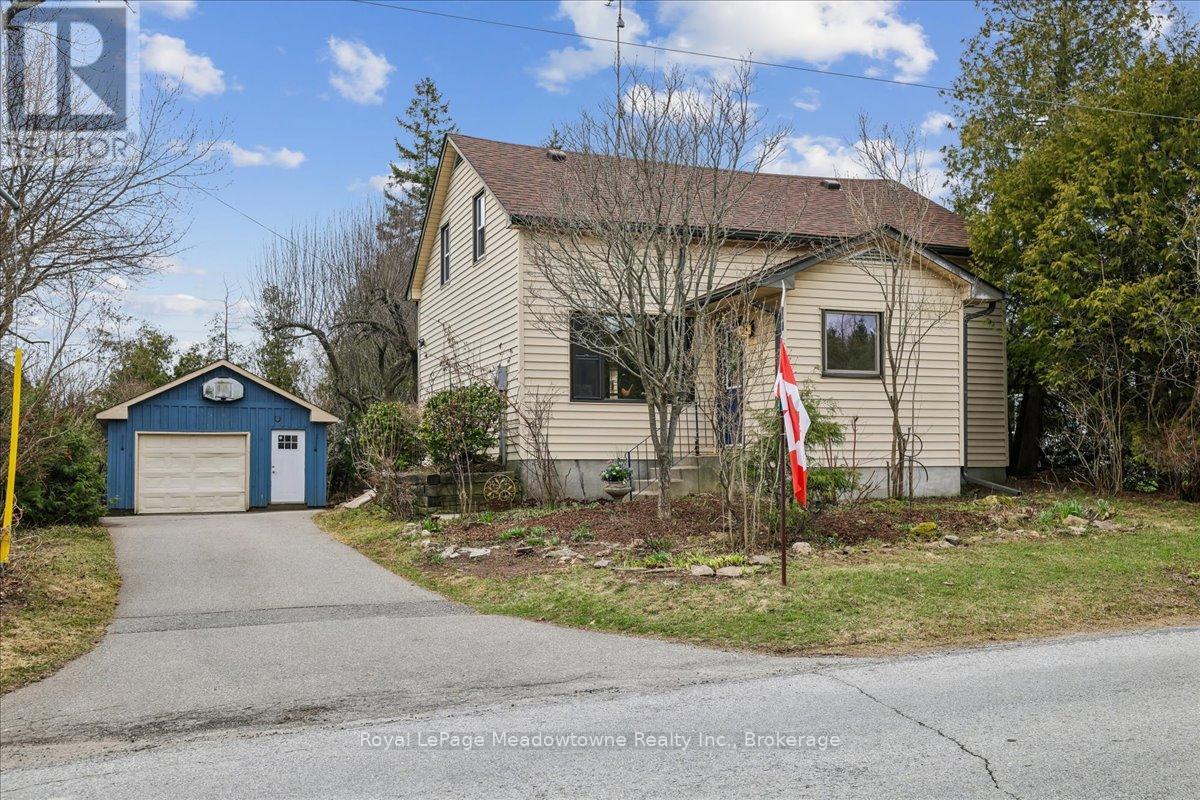 For Sale
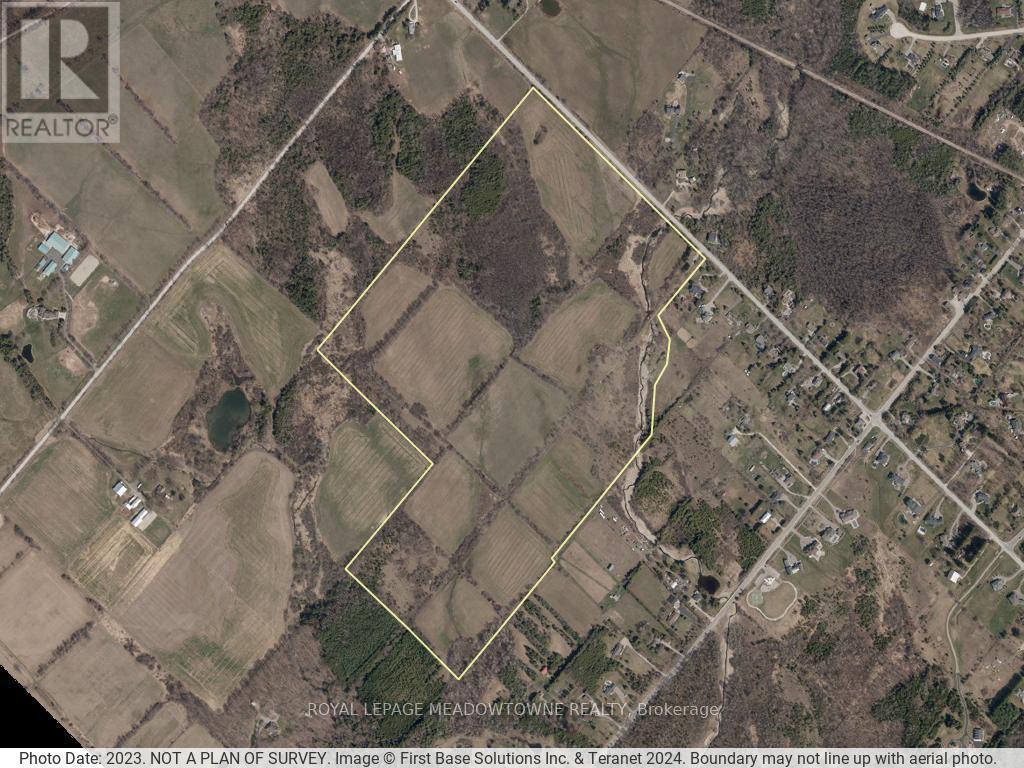 For Sale
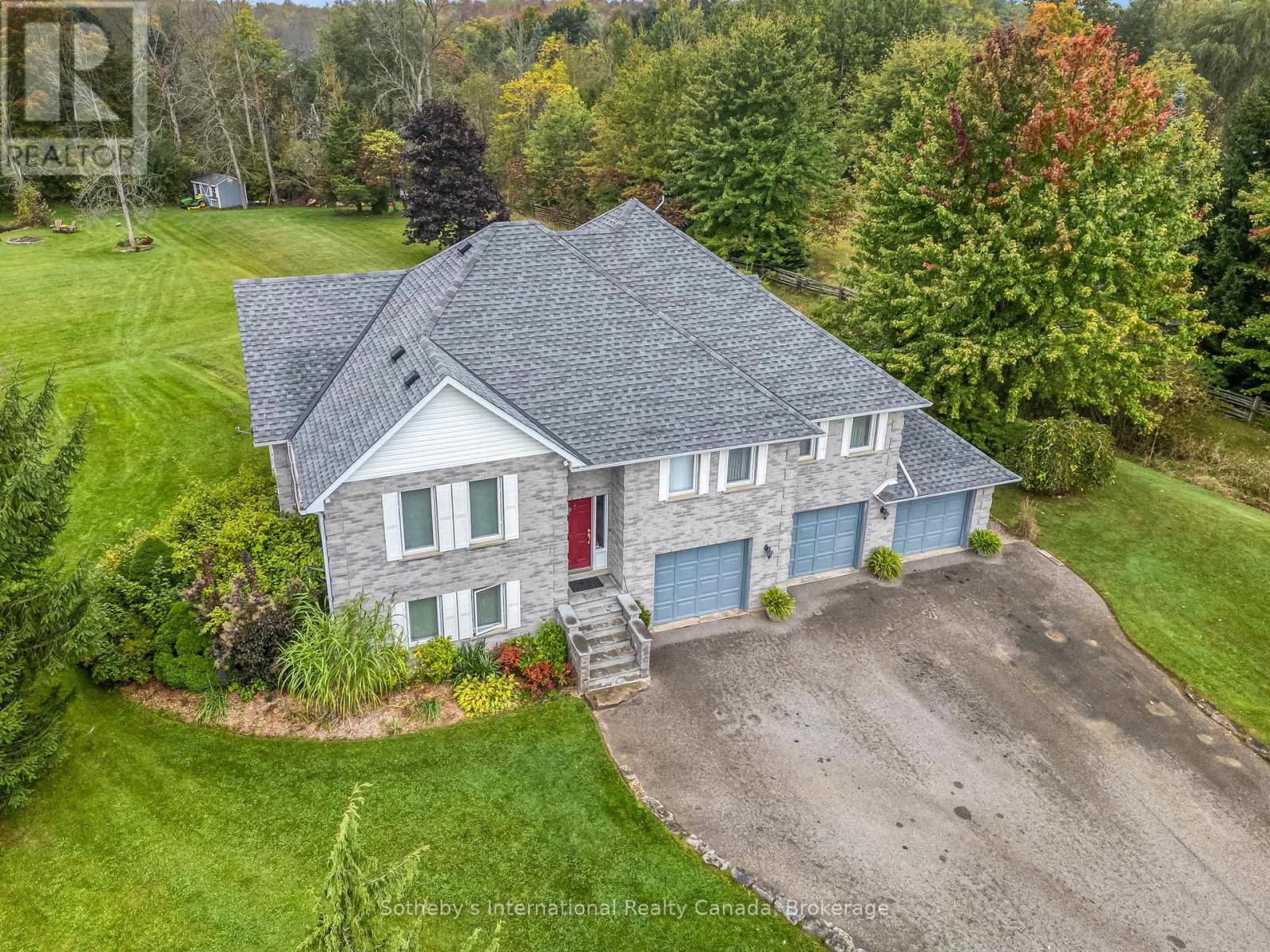 For Sale
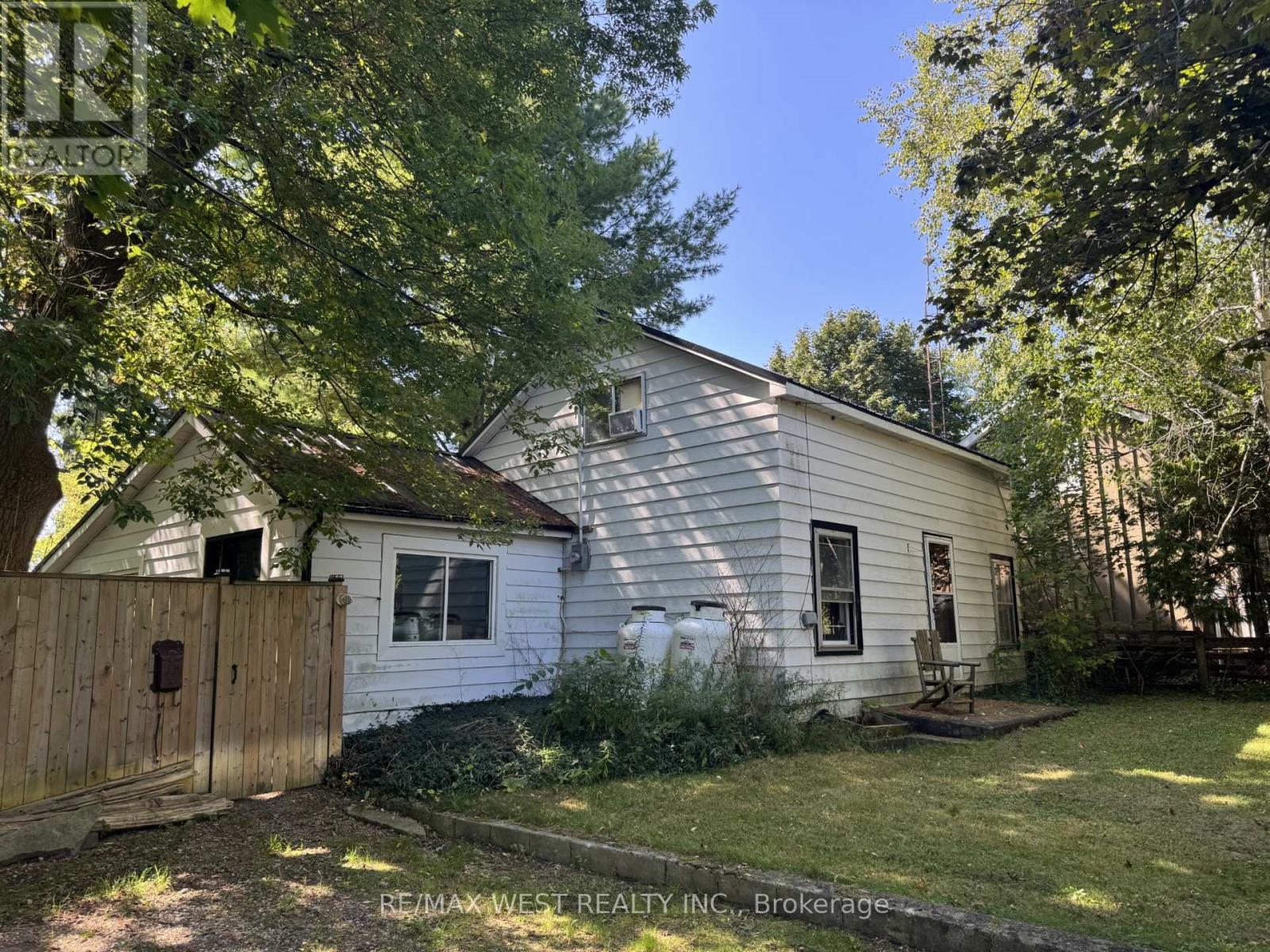 For Sale