
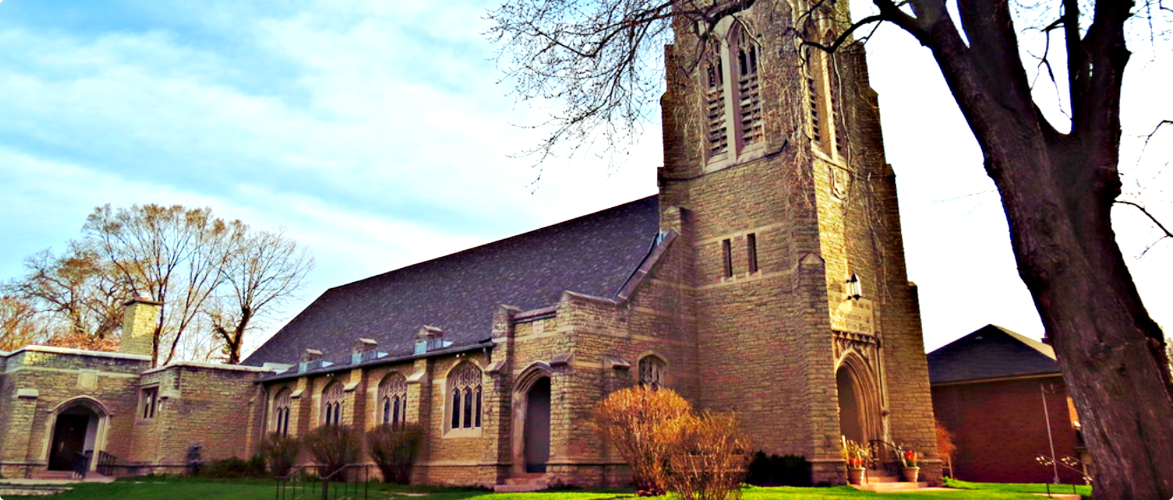
The Morningside community is a diverse, affordable neighbourhood in east Scarborough with apartment towers and townhomes near Morningside Park. Condo and low-rise units run $500K to $750K in 2026, making it one of the more accessible ownership options in Scarborough.
The Morningside community in east Scarborough is one of the less-discussed parts of the city among buyers researching Toronto neighbourhoods, which is mostly a function of how it looks from the outside rather than anything about the quality of life it delivers for people who live there. It runs along Morningside Avenue between Lawrence Avenue East and Ellesmere Road, and it’s primarily an apartment and townhouse community rather than a detached-house neighbourhood. That difference in built form is the starting point for understanding what it actually is.
The neighbourhood is diverse in every meaningful sense. The population includes South Asian, Caribbean, Black, Filipino, and Latin American households, and long-term residents who have been here through multiple decades of the neighbourhood’s evolution. Community ties are real. The towers and townhouse complexes along Morningside Ave have active resident communities, and the nearby Morningside Park provides genuine green space that the neighbourhood uses heavily.
For buyers, the price points are the most immediately relevant fact: condos and low-rise units in the $500,000 to $750,000 range make ownership achievable here for households that would be renting indefinitely in most other parts of Scarborough or Toronto. Some freehold townhomes and occasional detached homes exist in and around the neighbourhood, typically at higher price points, but the main housing stock is multi-residential.
This is not a neighbourhood in transition the way that phrase is usually applied to places like Junction Triangle or Leslieville. Morningside is a stable, affordable, working community that isn’t going to transform dramatically in the short term. Buyers should choose it because it suits their life, not because they’re betting on rapid appreciation. For buyers who need to be in the east end, want to own rather than rent, and have a budget that doesn’t stretch to detached-house prices in Scarborough, it delivers real value.
The housing stock in the Morningside community is predominantly apartment towers and townhouse complexes. The apartment towers are mostly mid-rise and highrise buildings from the 1960s through the 1980s, typical of the postwar suburban apartment construction that went up across Scarborough during that period. Units range from bachelor and one-bedroom configurations to three-bedroom family suites. Condo conversion and purchase prices in the towers sit at the lower end of the Scarborough condo market, which is the main entry point for buyers on tighter budgets.
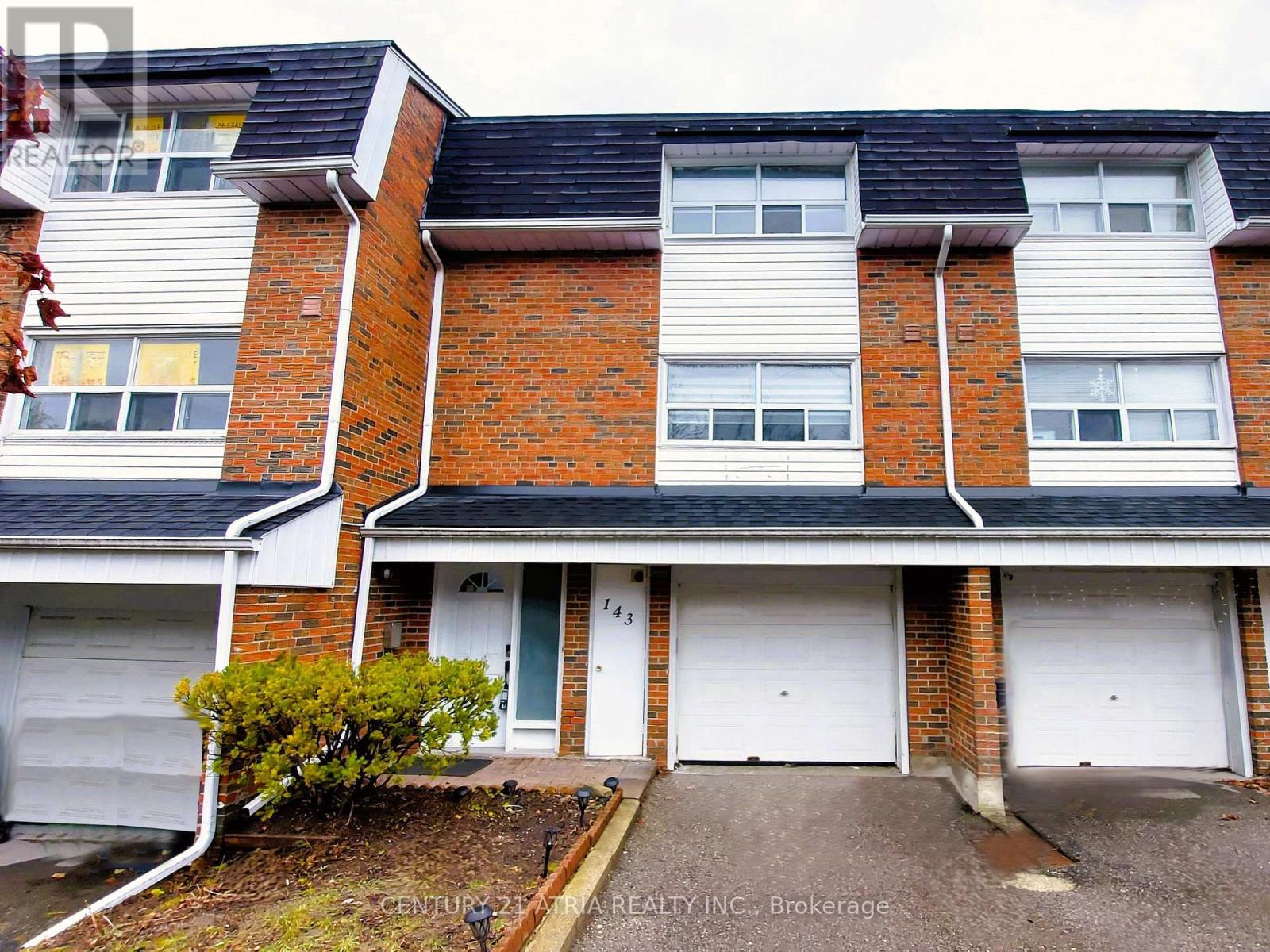
Townhouse complexes are interspersed through the neighbourhood and offer two and three-storey units with small private outdoor spaces. Some of these are condo-tenure townhouses with monthly fees; others are freehold. The freehold townhomes are the most sought-after product in the neighbourhood because they offer ground-level living, some private outdoor space, and no monthly condo fees, all at prices that are still accessible relative to the detached market across Scarborough.
True detached houses are less common in this community than in adjacent Scarborough neighbourhoods, but they do exist on the smaller residential streets away from the main Morningside Avenue corridor. When they come to market, they tend to attract significant attention because they represent a different product type than the towers and townhomes that dominate the neighbourhood’s supply.
Monthly condo fees for the apartment towers vary but tend to be in the $500 to $800 per month range for larger units, which is a meaningful addition to the carrying costs that buyers need to factor into their affordability calculations. The fees cover utilities in some buildings and not others; confirming what’s included is essential before comparing sticker prices between buildings. In 2026, condo and low-rise units in the neighbourhood run roughly $500,000 to $750,000, with the lower end representing smaller apartment units and the upper end reflecting larger townhomes or recently renovated suites.
The market in the Morningside community is quieter and less pressured than in the freehold detached-home neighbourhoods that generate more attention in Scarborough. The apartment and condo units here trade on a market where days on market are longer, competition for individual listings is less intense, and buyers have more room to negotiate than they would in a bidding-war market.
That relative quiet cuts both ways. Buyers get more breathing room to make decisions and more opportunity to conduct proper due diligence. Sellers may need to be patient and price accurately to move product. In a market where supply of condo apartments is relatively plentiful and demand is concentrated among a more financially constrained buyer pool, overpriced listings sit for a long time.
The condo market here is sensitive to interest rate changes because the buyers are almost entirely mortgage-dependent with limited equity. Rate increases that reduce the monthly payment available for a given down payment directly constrain what buyers can afford, and that feeds through quickly into how much competition there is for listings. When rates rose sharply in 2022-2023, this neighbourhood felt it quickly. When rates ease, demand returns from the buyers who were waiting on the sidelines.
Freehold townhomes, when they come to market in good condition, generate more competition than the apartment units. There’s genuine demand for that product from family buyers who want ground-level living and private outdoor space. A well-priced freehold townhome in the Morningside area can see multiple offers in an active market.
Resale values in the towers have historically grown more slowly than detached or freehold properties across Toronto. The gap has narrowed somewhat as condo appreciation has been part of the broader Toronto story over the past 15 years, but buyers should be realistic that appreciation in a Morningside apartment tower will likely trail that of a comparable investment in a freehold property in Scarborough over a long horizon.
The buyers who choose the Morningside community are typically making a practical decision that prioritizes ownership over location prestige. For households who’ve been renting in Scarborough and want to buy something without moving to the absolute fringe of the city or taking on a detached-home mortgage they can’t comfortably service, Morningside offers a path to ownership that’s real rather than theoretical.
First-time buyers with moderate incomes who’ve saved a down payment but face a hard ceiling on what they can borrow are the most common profile. The $500,000 to $650,000 price range for a condo or townhome, combined with the neighbourhood’s established infrastructure, makes ownership achievable without the financial stress that comes with overextending into a more expensive neighbourhood.
Families who are already part of the south Scarborough community, with children in local schools, relationships with neighbours and community organizations, and daily lives built around the neighbourhood’s infrastructure, choose to buy here because it’s where their life is. The community ties that come from long-term residence are real and they don’t transfer easily to a different neighbourhood. For long-term renters finally in a position to buy, staying in the community they know makes practical and emotional sense.
Investors looking at the rental market find the Morningside area interesting for smaller-scale residential units. Demand for rental housing in this part of Scarborough is consistent, and the units in the lower price range can produce reasonable rent-to-cost ratios compared to more expensive properties. That said, the condo-apartment investment market carries the specific risks of condo ownership: fee increases, special assessments, and the need to navigate condo board decisions about the building’s maintenance and capital reserves.
The neighbourhood doesn’t attract the buyer primarily motivated by status, architectural quality, or neighbourhood prestige. Those motivations will lead to other parts of the city. Morningside is for people who need it to make practical sense, and for them it does.
Morningside Avenue is the main corridor through this community, running north-south with the apartment towers and townhouse complexes clustered along and near it between Lawrence Avenue East and Ellesmere Road. The street itself is a busy bus route and arterial, which means properties fronting directly on Morningside come with road noise and commercial-edge character. The townhouse clusters and smaller residential streets set back from the avenue are quieter and feel more settled.
The best-regarded sections of the neighbourhood for ground-level housing are typically found on the smaller residential streets east and west of Morningside, where the townhouse complexes and occasional detached homes sit with more separation from the arterial traffic. Finding the quieter pockets requires knowing the specific addresses rather than the neighbourhood name, and a few minutes on a mapping tool looking at the street pattern pays dividends in understanding how the neighbourhood actually lays out.
The apartment towers themselves vary considerably in condition and management quality. Building age, reserve fund status, monthly fee structure, and the quality of property management are all factors that affect whether a condo unit in a specific tower is a reasonable purchase. Two towers a block apart can be in materially different condition and financial health. A status certificate review, which gives you the financial state of the condo corporation, is essential before purchasing a unit in any tower here.
Lawrence Avenue East and Ellesmere Road form the northern and southern boundaries and have their own commercial activity. Lawrence has more established retail and services; Ellesmere connects to Centennial College and the broader east Scarborough grid. Both are bus corridors that connect the neighbourhood to the rest of the transit network.
Morningside Park is immediately adjacent to the neighbourhood’s western edge in some sections, and proximity to the park is one of the more concrete quality-of-life differentiators within the neighbourhood. Homes and buildings nearest the park entrance benefit from easy access to one of Scarborough’s best green spaces.
The Morningside community is served by TTC bus routes, primarily the 116 Morningside bus running north-south along Morningside Avenue and connecting to the subway at Kennedy station to the south and to Scarborough Town Centre routes at the north end. The 34 Eglinton East bus runs along Ellesmere Road near the southern edge and connects into the broader Scarborough bus network. The 54 Lawrence East bus serves the northern edge.
Kennedy subway station on Line 2 is the main rapid transit connection. The bus ride from the Morningside community to Kennedy station takes roughly 15 to 20 minutes, and from Kennedy the subway runs west to downtown. Total travel time to the financial district from central Morningside on transit runs between 50 and 65 minutes on a typical weekday morning. It’s a long commute for downtown workers and buyers should factor it in honestly rather than rounding it down.
The Eglinton Crosstown LRT is the most significant transit change coming to this area. When complete, it will run along Eglinton Avenue East with stations across Scarborough, connecting at Kennedy to Line 2 and extending east. The Crosstown won’t run directly through the Morningside community, but it will significantly improve connectivity across mid-Scarborough and reduce the time needed to reach the Crosstown’s stations from the neighbourhood’s buses. The full operational timeline for the Crosstown has shifted multiple times; buyers should treat it as a medium-term improvement to the transit picture rather than an imminent change.
Driving from Morningside to downtown takes 30 to 40 minutes off-peak and can reach 50 to 60 minutes in peak traffic. The neighbourhood’s location relative to the 401 is reasonable: Morningside Avenue connects north to the highway, which handles east-west commuting effectively. For residents whose employment is in Scarborough, Pickering, or along the 401 corridor, the car commute is much less problematic than a downtown commute would be.
Morningside Park is the neighbourhood’s most significant natural asset, and it’s a genuinely good park. The park runs along the Highland Creek valley with maintained trails, open meadow areas, sports fields, and wooded sections where the creek runs below the trail. For an urban neighbourhood in east Scarborough, having this scale of green space within walking distance is a real quality-of-life factor, not a marketing claim. Families with children, dog owners, runners, and cyclists use the park throughout the year.
The park has formal amenities including picnic shelters that can be reserved for larger gatherings, baseball diamonds, and open sports areas. The trail system connects south through the creek valley and north toward the University of Toronto Scarborough campus area. In winter the trails remain walkable, and in years with adequate snowfall they’re used for snowshoeing.
Within the residential community itself, several smaller parks and green spaces are distributed through the neighbourhood. These neighbourhood parks have playground equipment and open grass areas that serve families living in the apartment buildings who don’t have private yards. The ratio of park space to population in this neighbourhood is actually reasonable compared to higher-density parts of the city, largely because of the Morningside Park contribution.
Colonel Danforth Trail connects along parts of the Highland Creek corridor and is accessible from the neighbourhood’s trail entries. It provides a longer-distance recreational route for cyclists and walkers who want to cover more ground than the park itself offers.
One of the consistent things residents mention about the Morningside community is that the park genuinely improves daily life in a way that compensates for some of the neighbourhood’s other limitations. Living in a tower with no private outdoor space is a materially different experience if there’s a quality park a five-minute walk away versus if there isn’t. This neighbourhood has that park.
The retail and services available in the Morningside community are functional rather than notable. The commercial strips along Morningside Avenue and at the Lawrence and Ellesmere intersections carry the everyday essentials: grocery stores, pharmacies, fast food, independent restaurants, and service businesses. The mix is diverse and reflects the community’s demographics, with South Asian, Caribbean, and Filipino food and grocery options alongside the mainstream national chains.
For grocery shopping, there are independent grocery stores and a Metro within the neighbourhood’s orbit that handle weekly shopping adequately. The selection isn’t what you’d find at a large suburban supermarket complex, and residents who want more variety in their grocery shopping tend to drive to Scarborough Town Centre or to the Asian grocery corridor along Sheppard or Kennedy.
The food options on Morningside Avenue are more interesting than the street suggests from the outside. Independent Caribbean and South Asian restaurants along the corridor have loyal local followings. Breakfast and lunch spots on and near Morningside serve the community well for daily meals. This is not a restaurant destination for visitors from elsewhere in the city, but for residents, the local options are genuinely useful.
Healthcare and professional services are available along the commercial strips. Centennial College’s Morningside Campus is nearby, which adds some institutional services and employment to the area. The University of Toronto Scarborough campus is a short drive north on Morningside, providing library access and other institutional resources to the broader community.
The neighbourhood’s services are shaped by its population’s income level, which means discount retailers, value-oriented grocery options, and budget-conscious service businesses dominate over premium alternatives. Residents who want premium or specialty retail typically make the trip to Scarborough Town Centre or to the Kennedy Road commercial corridor. For daily needs, the neighbourhood handles it well enough.
Schools serving the Morningside community include both Toronto District School Board and Toronto Catholic District School Board options within the neighbourhood’s catchment area. The specific schools serving a given address depend on the exact location and board, and it’s worth confirming catchment assignments directly rather than assuming based on general neighbourhood location.
Scarborough Village Public School, Charlottetown Junior Public School, and several other elementary schools serve different parts of the community. For secondary education, Sir Wilfrid Laurier Collegiate Institute and Scarborough Collegiate Institute are among the secondaries that draw from this area depending on address. Both are full-service secondary schools with academic and applied programming.
The schools in this community serve highly diverse student populations with a wide range of linguistic and socioeconomic backgrounds. Settlement services, ESL programming, and multilingual support are more prominent here than in schools serving more homogenous affluent communities, because the need is greater. That infrastructure can be genuinely useful for newly arrived families or those with children in language transition.
Centennial College’s Morningside Campus is within the neighbourhood and provides post-secondary programming in technology, health, and business. It’s relevant for families whose children are planning post-secondary education in practical and applied fields, and it’s also a significant local employer. The campus proximity brings student population and institutional activity to the neighbourhood on a daily basis.
French immersion is available in the TDSB system in this part of Scarborough. Families who want French immersion need to confirm which schools offer it at the elementary level for their specific catchment address, as not all neighbourhood schools have the program and there may be a transport requirement to access it.
School quality, measured by standardized test scores and EQAO results, is generally in the lower-middle range for Scarborough schools. Buyers who weigh this heavily should look at catchment specifics rather than making decisions based on neighbourhood-level generalizations.
The Morningside community has seen limited private development activity relative to the scale of change in other parts of Toronto. The apartment towers that dominate the neighbourhood are mostly 40 to 60 years old, and there’s been some ongoing discussion about the future of this type of postwar high-rise housing across Toronto. The City’s Tower Renewal program has supported renovation and energy improvement in some of these buildings, though progress has been uneven.
City and provincial policy increasingly supports intensification along arterial corridors like Morningside Avenue. The theory is that areas well-served by transit should accommodate more residential density. In practice, the Morningside corridor is not at the top of the development pipeline compared to corridors with subway or LRT stations directly on them. Development applications in the neighbourhood have been modest in scale and primarily infill rather than transformative.
The Eglinton Crosstown, when operational, will improve transit connectivity in mid-Scarborough broadly and may accelerate development interest in areas within reasonable transit reach of the Crosstown stations. Morningside Avenue would benefit indirectly through improved bus connections to the Crosstown. Whether that translates into significant development pressure on the neighbourhood depends on how the Crosstown reshapes development economics across east Scarborough over the next decade.
There’s a separate trajectory worth noting: the physical upgrading of the older apartment towers. As these buildings age, they require significant capital investment in mechanical systems, building envelopes, and unit interiors. Some tower owners and condo corporations are managing this well; others are deferring maintenance in ways that will eventually require large special assessments or significant fee increases. For condo buyers, the financial health of the specific building’s reserve fund is more important here than in a newer building, because the maintenance bills are larger and more predictable.
The neighbourhood’s character is likely to evolve slowly rather than transform. Buyers looking for rapid gentrification should look elsewhere; buyers looking for a stable, affordable community are buying into a picture that’s likely to remain recognizable for the foreseeable future.
What is a status certificate and why does it matter when buying a condo here?
A status certificate is a document produced by the condo corporation that discloses the financial state of the building: the reserve fund balance, the budget, any pending special assessments, any outstanding legal actions, and the rules of the corporation. When you’re buying a unit in one of the Morningside towers, reviewing this document before firming up your offer is not optional. It tells you whether the building has enough money set aside for major repairs, whether fees are likely to increase, and whether there are issues the seller hasn’t disclosed. Have your lawyer review it. The review typically takes a few business days. A building with an underfunded reserve or a pending large special assessment is a building with a hidden future cost that changes the real price of the unit you’re buying.
Are there freehold properties in this community, or is it all condos?
There are freehold townhomes and occasional detached houses within and around the Morningside community, though they’re significantly less common than condo apartments and condo townhomes. When freehold townhomes come to market here, they attract more competition than the apartment units because they’re a different product type with no monthly condo fees and ground-level living. They tend to be priced at the upper end of the neighbourhood’s range, sometimes crossing into the low $800,000s depending on condition and lot. If your priority is freehold ownership, be prepared to wait for the right property rather than choosing among a large active inventory.
How does the Morningside community compare to nearby Malvern?
Morningside and Malvern are adjacent communities with overlapping price ranges but different housing types. Malvern has more detached houses at prices similar to or slightly below what you’d pay for the better units in Morningside. If detached freehold ownership is your goal and budget allows, Malvern is usually the better path. If your budget is in the $500,000 to $650,000 range or you prefer apartment or condo living for lifestyle reasons, Morningside is the more practical option. Both are diverse, bus-dependent, and affordable relative to central Scarborough; the main difference is in the built form and the specific community character.
What should I know about living in the older apartment towers?
The buildings from the 1960s and 70s have a specific set of practical considerations. Elevator wait times in high-demand buildings can be frustrating, particularly at peak commute hours. Building amenities like laundry and gym are often shared rather than in-unit. HVAC in older buildings is sometimes central and controlled at the building level rather than individually, which affects your ability to control temperature in your own unit. Noise transmission through floors and walls is typically greater in older construction than in newer builds. Before buying in a specific building, spend time in the lobby and hallways at different times of day, talk to residents if possible, and review the maintenance and management history in the status certificate documents. Not all buildings are equal, and the differences are meaningful for daily quality of life.
Buying a condo in the Morningside community requires a different set of agent skills than buying a detached house in Scarborough. The status certificate review process, understanding condo corporation finances, and knowing which buildings are well-managed versus which have deferred maintenance are all more important here than they would be in a freehold purchase. Make sure your agent has done condo transactions in this area and can walk you through the review process rather than just forwarding documents to your lawyer and calling it done.
The price range in the neighbourhood, with condos and townhomes in the $500,000 to $750,000 band, means buyers are often at or near the limit of what they can borrow. Having a mortgage pre-approval in hand before you start seriously looking is not optional in this market. It affects what you can offer, how quickly you can move when the right unit comes up, and how you’re perceived by sellers when multiple offers are possible.
If freehold townhomes are your target, you’ll need patience. They come up less frequently than condo units and can move quickly when they do. Having a clear picture of what you want and a relationship with an agent who will contact you when the right property hits the market before the open house is more effective than refreshing listing portals every morning.
Rental income potential is real in this neighbourhood, and if you’re buying partly with the intention of generating income from a second unit or from renting while you’re away, that calculation should be done carefully before purchase rather than after. The short-term rental market in Scarborough apartment buildings is restricted by many condo corporations’ rules; confirm the corporation’s rental policies before assuming you can use the unit as an Airbnb.
TorontoProperty.ca works with buyers across east Scarborough including the Morningside community. If you’re trying to figure out whether a condo here makes more sense than renting for another few years, or which building is worth buying into versus which to avoid, get in touch for a direct conversation.
Street-level knowledge is hard to find online. Our team works in Morningside every day. They know which pockets hold value, where the school catchment lines actually fall, and what the market is doing right now. Talk to us before you make a decision about Morningside.
Talk to a local agent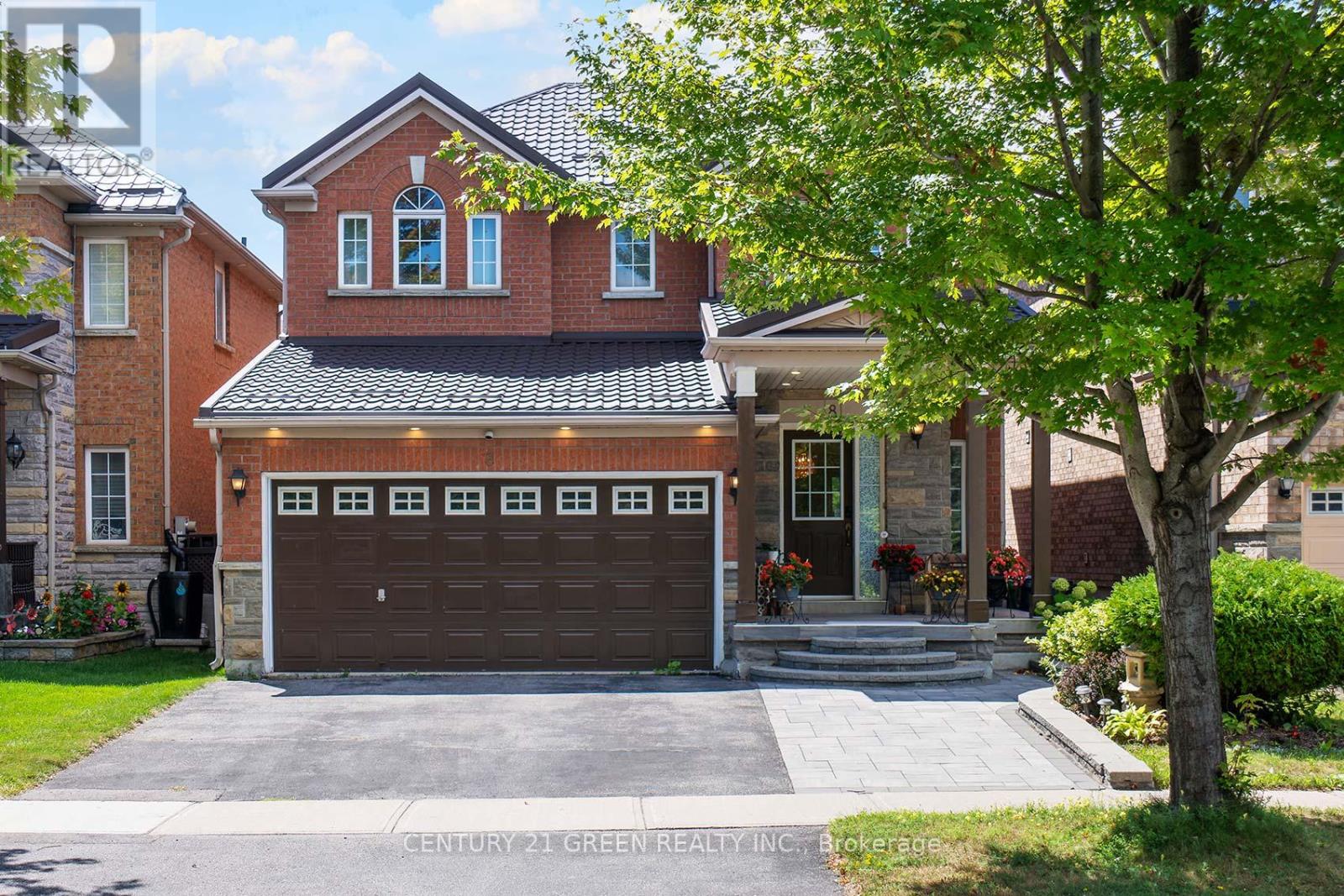 For Sale
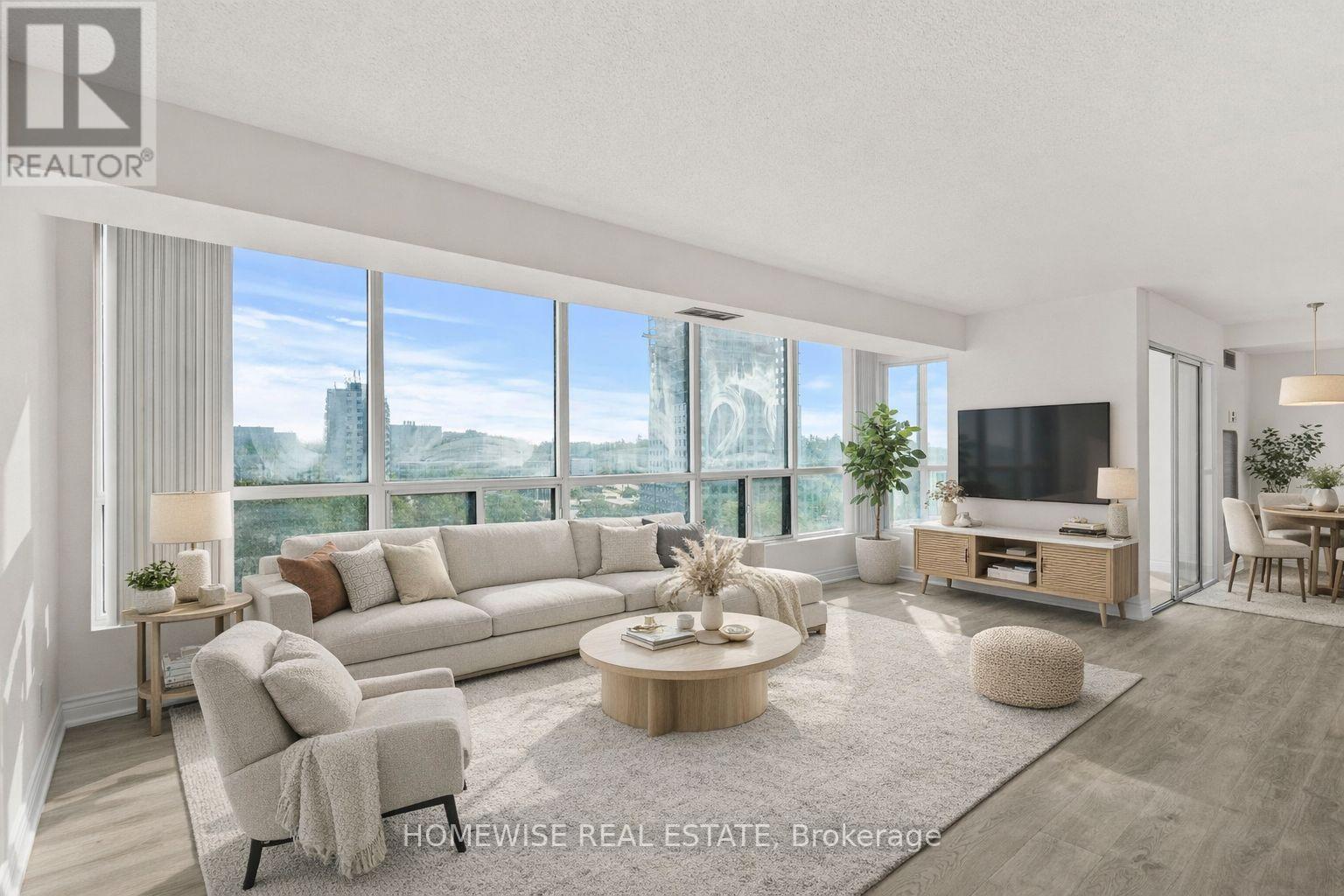 For Sale
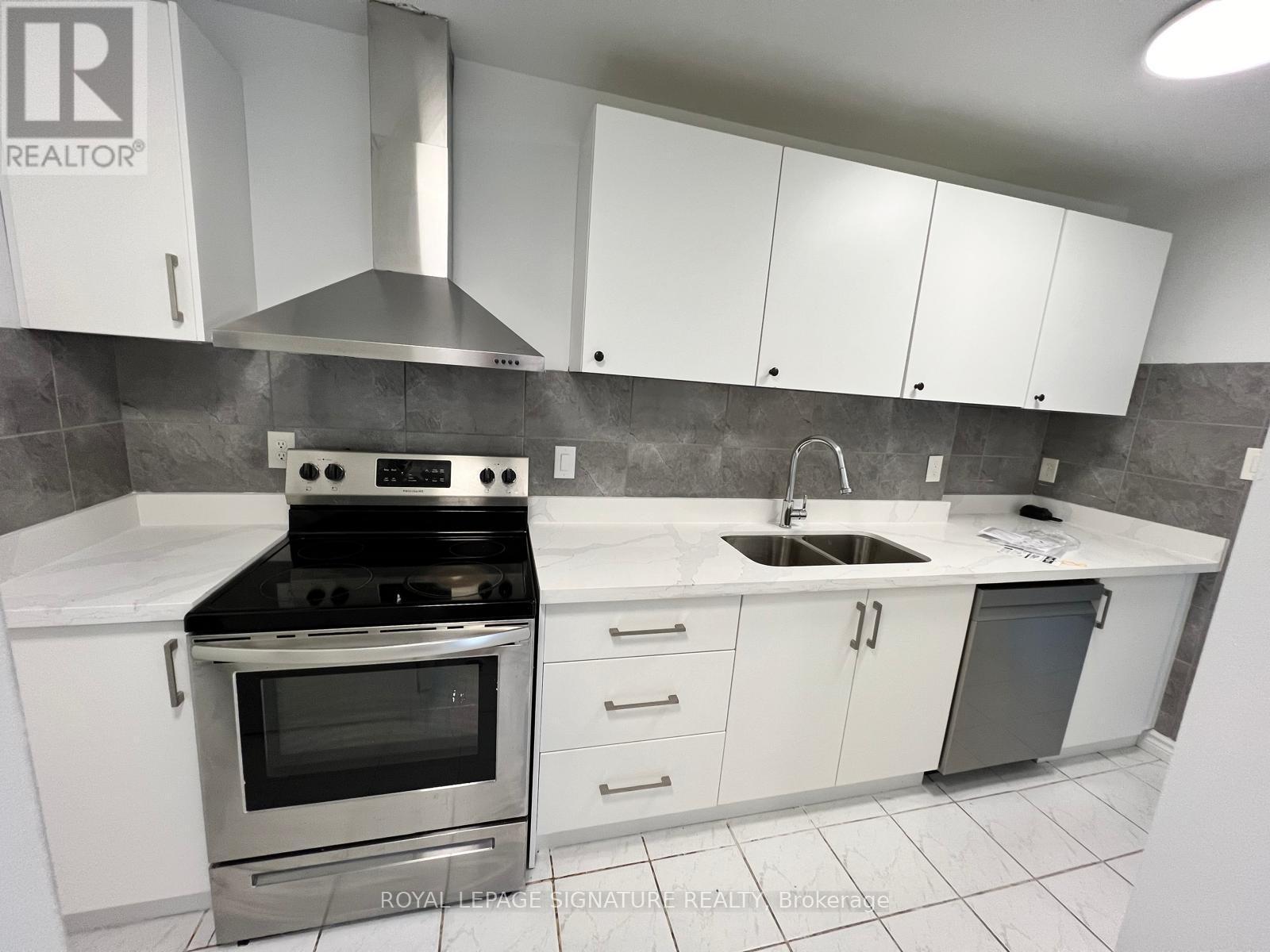 For Rent
 For Sale