
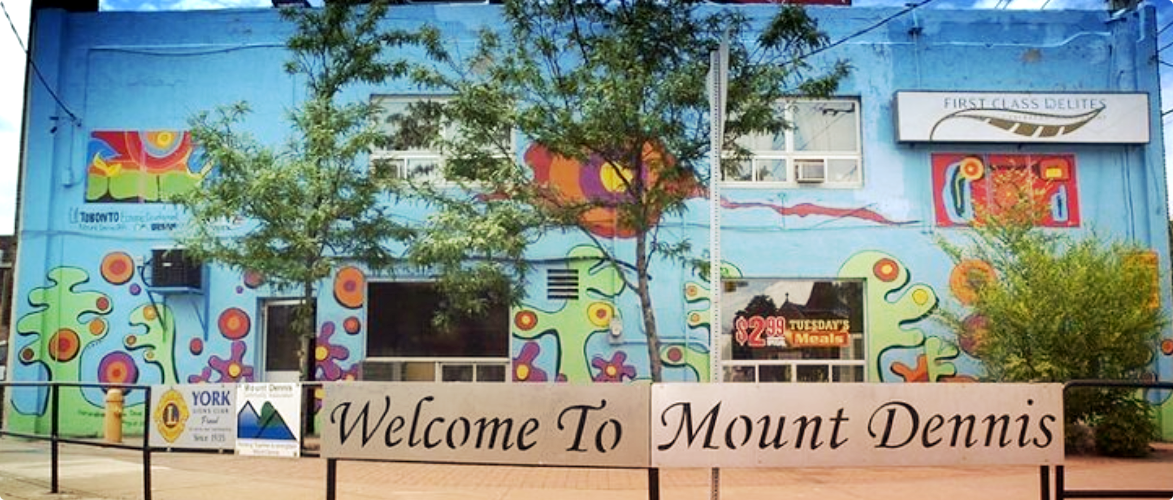
Mount Dennis is a working-class, diverse neighbourhood in northwest Toronto where the Eglinton Crosstown LRT meets the Kitchener GO line. It offers some of the most affordable freehold detached housing in Toronto within walking distance of rapid transit that reaches Union Station in under 25 minutes. The transit access is real and operational, and the market is still pricing it in.
Mount Dennis sits at the northwest corner of old Toronto, where Weston Road meets Eglinton Avenue West. For most of its history it was one of Toronto’s more overlooked working-class neighbourhoods: modest postwar housing, a commercial strip that had seen better decades, and a community that was quietly going about the business of being a real neighbourhood without attracting much attention from the broader Toronto real estate market. That changed substantially when the Eglinton Crosstown arrived.
Mount Dennis station is the most significant transit node in the neighbourhood’s history. It’s not just a Crosstown station: it’s the interchange point between the Eglinton Crosstown LRT and the Kitchener GO line, which provides service to Union Station and to stops across the 905. The combination of rapid transit east along Eglinton and GO rail south to downtown makes Mount Dennis one of the most transit-connected working-class freehold neighbourhoods in Toronto. That’s a relatively recent development, and the market is still in the process of pricing it in.
The community itself is diverse in the genuine demographic sense: a mix of long-established West Indian and African Canadian families, new immigrants from a wide range of countries, and a growing number of younger buyers who have come specifically for the transit access and the price point. There is a real community here, with social institutions, neighbourhood events, and the kind of street-level familiarity that forms over generations rather than years. The revitalization narrative around Mount Dennis sometimes flattens that existing character in ways that don’t do justice to what the neighbourhood actually is.
Buyers who approach Mount Dennis honestly, understanding what it is and what it isn’t and making the comparison to price and transit access in other neighbourhoods, consistently find that the numbers are hard to argue with. Freehold detached homes in Toronto, within walking distance of a rapid transit station that connects to GO rail, for under $1.1 million. That sentence describes a small number of places in this city, and Mount Dennis is one of them.
Housing in Mount Dennis is almost entirely postwar residential: detached and semi-detached bungalows and two-storey houses built primarily between 1945 and 1965, with the occasional wartime house from the early 1940s. Brick construction is the standard. Lots are typically 25 to 35 feet wide and 100 to 120 feet deep. This is not large-lot territory, but the housing is genuine freehold: a real house on a real piece of land, with a backyard and, in many cases, a detached garage accessed from the rear lane.
The condition of the housing stock is mixed but not unusually bad for a neighbourhood in this price range. Some properties have been well-maintained by long-tenure owners; others have significant deferred maintenance, aging electrical and mechanical systems, and finishes that haven’t been updated since the 1980s or before. The baseline quality of the construction, solid brick mid-century houses on good lots, means that the bones are generally sound even when the condition is rough. Buyers who can evaluate what’s cosmetic versus structural are at an advantage here.
Basement apartments are common, both legal and unpermitted. The neighbourhood’s working-class economics have historically pushed owners to extract rental income from the lower level, and a significant share of the housing stock has been modified to include a lower unit. For buyers who want to offset mortgage costs with rental income, this neighbourhood has more income-producing properties in a relevant price range than almost anywhere else in Toronto.
In 2026, detached properties in Mount Dennis trade in the $800,000 to $1.1 million range. The low end is genuinely distressed or original condition on the most challenged streets; the upper end is renovated, well-configured homes close to the transit station. Semis run $700,000 to $900,000. These are prices that still read as remarkable when you factor in the transit access. They won’t stay at these levels indefinitely as the neighbourhood’s profile continues to rise, which is one of the reasons buyers who’ve done their research are moving now.
Mount Dennis is an active, competitive market for properties that are correctly priced and in reasonable condition. The combination of low price point, transit access, and growing buyer awareness has compressed the days-on-market for well-presented properties significantly from where it was five years ago. Multiple offers on good properties are not unusual and in some cases the competition is sharper than buyers expect from a neighbourhood still widely described as “up and coming.”
The investor presence is strong. Buy-to-rent investors have been active in this neighbourhood for years, drawn by rental yields that work in a price range where carrying costs are manageable. More recently, speculative buyers who are buying based on transit-driven appreciation rather than current rental income have added to the competition. End-user buyers competing against firm investor offers are in a position they’re increasingly familiar with across Toronto, and the same strategies apply here: conditional offers with tight timelines, strong pre-approvals, and an agent who can present offers effectively.
Turnover is moderate. Some of the long-tenure West Indian and African Canadian families who settled here in the 1970s and 1980s are selling as they age out of their homes, creating a stream of estate and senior-downsizing properties. These tend to be original-condition houses in varying states of maintenance, and they represent most of the fixer-upper inventory. Buyers who’ve been renovated by previous owners, whether recently for resale or several years ago for rental income, constitute the other major inventory stream, and buyers should look carefully at the quality of any renovation work before assuming that “updated” means what they think it means.
The market is likely to remain competitive in the near term given the transit story. The Crosstown and GO connection are operational, they’re being used, and commute times from Mount Dennis to downtown via GO are genuinely compelling for buyers who previously couldn’t afford freehold housing in Toronto. Until prices fully reflect the transit premium, competition will continue.
Mount Dennis attracts a specific type of buyer who has done a transit-access calculation and found it compelling. The GO train from Weston Road station (immediately adjacent to the Mount Dennis Crosstown station) runs to Union Station in under 20 minutes at peak times on the Kitchener line, which is faster than many subway commutes from neighbourhoods that are priced two to three times higher. For buyers who work downtown and have a hard budget limit, this combination of price and access is difficult to match elsewhere in the city.
First-time buyers making a disciplined value decision are a core buyer group. They’ve run the numbers and concluded that a detached house with a basement rental income potential, within 20 minutes of Union Station by GO, at under $1 million is a better financial decision than a smaller condo in a more expensive neighbourhood. They’re usually right. The trade they’re making is accepting a neighbourhood that is still evolving rather than an established one, and a local retail and dining environment that is functional but not sophisticated.
Within the neighbourhood’s long-established community, there are also buyers who are returning to or moving within the area for family and community reasons. The West Indian and African Canadian community that has roots here across generations produces buyers who specifically want to stay connected to that community, and for whom the social fabric of the neighbourhood is as important as the price or the transit access.
Investors are a constant presence in the buyer mix and they’re bidding on the same properties as end users. This means end-user buyers need to be prepared to compete, either on price or on terms, and to have their financing in order before they start. An agent who understands this buyer mix and can help you position an offer effectively in a multi-offer situation is particularly valuable in this neighbourhood. Buyers who show up unprepared find Mount Dennis frustrating; buyers who arrive ready find it one of the better opportunities in the Toronto market.
Mount Dennis has meaningful variation within a small geographic footprint. The streets closest to the Mount Dennis station, within a ten-minute walk of Weston Road and Eglinton, carry the clearest transit premium and attract the most buyer competition. These are the streets where the “transit-accessible affordable freehold” narrative is most precisely true, and prices reflect that positioning.
Weston Road itself is a busy commercial arterial and properties directly on it are not what most residential buyers want. The residential quality of the neighbourhood is found on the streets running east and west off Weston Road, where the traffic noise dissipates and the character is genuinely residential. Dennis Avenue, Clissold Road, and the streets in the residential grid east of Weston are representative of what the neighbourhood looks like at its best: solid mid-century residential, well-populated with families, urban but quiet.
The area east of Weston Road toward Keele Street represents the boundary with Keelesdale-Silverthorn, and the character here is continuous with both neighbourhoods: postwar residential on the standard Toronto grid, diverse and working-class. Buyers who are considering properties in this eastern edge of Mount Dennis should compare directly with Keelesdale properties, as the two neighbourhoods are functionally adjacent and a few blocks’ difference between addresses affects which transit station is most convenient.
The Rockcliffe area to the south, toward the Humber River, is part of a different but adjacent neighbourhood and provides some context for the natural boundary at the south end of Mount Dennis. The Humber River itself is not immediate to most of Mount Dennis’s residential core, but its ravine system is accessible within a reasonable cycling or driving distance and forms part of the broader green infrastructure that the western Toronto area provides. Buyers who are drawn to the transit story but also value green space should understand that the Humber trail access is real but requires some effort to reach from the neighbourhood’s core.
Mount Dennis station is the neighbourhood’s transit centrepiece, and it deserves a clear description rather than a marketing summary. The station serves the Eglinton Crosstown LRT on the east-west axis, and it is also the closest point on the Crosstown to the Kitchener GO line. The Weston GO station, directly adjacent to the Mount Dennis transit hub, runs Kitchener line service to Union Station with trips running roughly every 15 minutes during peak periods and less frequently off-peak. Union Station from Weston Road is approximately 18 to 22 minutes by GO train. This is a materially faster connection to downtown than many subway-served neighbourhoods provide, and it’s the single most compelling fact about this neighbourhood for buyers who work downtown.
The Eglinton Crosstown runs east from Mount Dennis along Eglinton, connecting to the full LRT network including the Yonge-University interchange at Cedarvale. This provides access across the Eglinton corridor without requiring a transfer to the subway at every trip. For neighbourhood residents whose destinations are along the Eglinton corridor rather than downtown, the LRT is the primary transit tool.
Surface bus service on Weston Road provides north-south connectivity, and the 32 Eglinton West bus continues to provide local access along the Eglinton corridor for shorter trips. The transit network in Mount Dennis is now substantively better than it was five years ago, which is an unusual thing to be able to say about most Toronto neighbourhoods. The improvements are operational, not planned, and riders are using them.
For drivers, Weston Road connects north toward Highway 400 and south toward the Gardiner via Black Creek Drive. The 400 series highways are not immediately adjacent but are accessible within a reasonable surface drive. Buyers who both drive and use transit will find Mount Dennis provides genuine flexibility: the transit option is strong enough to leave the car home on weekdays and the driving option works for trips where transit isn’t the right tool.
Earlscourt Park, one of the larger parks in the immediate area, is close to the Mount Dennis boundary and provides sports fields, a community centre, and open green space. Eglinton Flats, the large open green space along the Humber River west of Keele Street, is a significant natural area with soccer pitches, open fields, and a naturalistic floodplain character that provides a genuine respite from the urban grid. Residents who drive or cycle can reach Eglinton Flats in under ten minutes from most parts of Mount Dennis.
The Humber River trail system, while not immediately at the doorstep of most Mount Dennis residents, is accessible via the Black Creek Trail, which connects south and west to the Humber River corridor. Black Creek itself runs through the western edge of the broader area and has a trail along portions of its length, though the creek corridor is an urban industrial watercourse rather than a pristine natural trail in all sections. The trail quality improves substantially once it connects to the Humber River trail system to the south.
Keelesdale Park, shared with the adjacent Keelesdale-Silverthorn neighbourhood, provides local sports and recreation facilities within the immediate area. The City of Toronto’s investment in parks and community centres in this part of the city has been ongoing, and the Mount Dennis Community Centre provides recreation programming, gymnasium space, and programming for all ages.
The honest assessment is that Mount Dennis’s green space is adequate rather than exceptional. Residents who prioritise immediate ravine access or premium park amenity should look at Lambton, the Humber Valley area, or the Old Mill corridor where the natural environment is a defining feature. For Mount Dennis buyers, the transit and price story is the primary driver, and the parks provide enough green space for everyday use without being a strong independent reason to choose the neighbourhood.
Weston Road is Mount Dennis’s main commercial artery, and it provides the working-class urban mix that this community has always had: West Indian food shops, Caribbean bakeries, African grocery stores, fast food, convenience stores, pharmacies, and the full range of service businesses that a dense urban neighbourhood generates. It’s not sophisticated, but it’s genuinely diverse and it has real food: the West Indian and African food options on Weston Road are the real thing, not a diluted version, and residents who appreciate that specific food culture find the street a significant asset.
The Eglinton Avenue West corridor adds another commercial dimension, with grocery options, fast food, and services running east and west from the neighbourhood’s northern edge. As the Crosstown continues to attract ridership and the station area develops, the Eglinton and Weston Road intersection is likely to see more retail and restaurant investment over the coming years.
For mainstream retail, Stockyards Village is accessible by bus or car and provides a full Canadian Tire, a grocery store, an LCBO, and a range of chain retailers that cover most household needs. Dufferin Mall, further east, provides similar broad retail coverage. Neither requires a long journey from Mount Dennis.
Buyers who want a curated neighbourhood commercial strip with specialty coffee shops and independent restaurants will need to travel to find it. The Junction, about fifteen minutes east on Dundas Street, is the closest neighbourhood that offers that kind of environment. Most Mount Dennis residents make that trip occasionally rather than routinely. The day-to-day commercial needs are met within the neighbourhood; the experience-focused spending happens elsewhere. This is a trade-off buyers understand before they arrive, and most find it manageable given the offsetting advantages of price and transit.
The Toronto District School Board schools in Mount Dennis reflect the neighbourhood’s diverse, working-class population. Dennis Avenue Community School serves younger elementary students and has a long history in the neighbourhood. Fairbank Memorial Public School and Runnymede Junior and Senior Public School are among the schools drawing from the broader area depending on catchment. These schools serve student populations that are highly diverse linguistically and culturally, with significant proportions of English Language Learner students, and the boards provide ESL and settlement support programs accordingly.
Denison Public School, also in the vicinity, has offered specialised programming at various points in its history. As with all school catchments, the specific school assigned to a Mount Dennis address should be confirmed directly with TDSB before purchase, as catchment boundaries shift and third-party real estate information is not always current or accurate.
On the Catholic side, the TCDSB operates in the area through St. John Bosco Catholic School and surrounding TCDSB elementary schools, with secondary students attending Father John Redmond Catholic Secondary School or other TCDSB secondary schools serving the Etobicoke area.
For secondary school within the TDSB, York Memorial Collegiate Institute is the school most commonly assigned to Mount Dennis addresses. York Memorial serves a student body that reflects the neighbourhood’s diversity and has worked through the academic and social challenges that come with high-needs urban student populations. The school has specialty programs and extracurricular offerings, and like most large Toronto secondary schools it operates as a school within a school for students in specialty tracks. Families who are making school quality a central part of their neighbourhood decision should visit the school and review current performance data directly from the school board rather than relying on aggregate ratings, which often reflect demographic factors as much as instructional quality.
Mount Dennis is one of the Toronto neighbourhoods where the development story is actively unfolding rather than speculative. The Mount Dennis station area has been identified by the City of Toronto as a priority node for transit-oriented development, and planning applications for mid-rise and mixed-use development in the station area have been filed and are moving through the approvals process. The vision is for the Weston Road and Eglinton intersection area to become a more intensive, mixed-use neighbourhood hub over the coming decade, with new residential, retail, and community uses built around the transit access.
The Metrolinx station area improvements, including the physical connection between the Crosstown station and the GO station, have been designed to facilitate this kind of transit-oriented growth. The infrastructure is in place; the development will follow, though the pace of approvals and construction is difficult to predict. Buyers purchasing near the station should understand that the immediate environment around the station is likely to look substantially different in ten years than it does today, with more density, more retail, and a different street character.
The Weston Road corridor more broadly is subject to planning that anticipates gradual intensification, consistent with the City’s policies for transit-served corridors. Properties directly on Weston Road, particularly those with commercial ground floors or on corner lots, are the most likely to be affected by mid-rise development applications over time. Buyers considering such properties should understand their development context.
In the residential interior of the neighbourhood, the change is slower and more incremental: lot severances, occasional custom infill, and renovations that bring properties to current standards. The neighbourhood fabric is not being torn up and replaced; it’s being updated gradually from within, which is a healthier trajectory than rapid displacement-driven change. Buyers who buy in Mount Dennis for the right reasons are making a long-term bet on a neighbourhood that has real community, real transit access, and a development trajectory that is positive without being disruptive.
How real is the GO train commute from Mount Dennis? It’s very real and consistently faster than buyers expect. The Weston GO station on the Kitchener line runs weekday peak service roughly every 15 to 30 minutes, with trains reaching Union Station in under 25 minutes. Off-peak and weekend service is less frequent, which means the GO commute is at its best as a weekday tool for people with predictable schedules. The combination of a short walk to Weston station, a 20-minute train ride, and then walking or connecting at Union Station makes for a total downtown commute in the 35 to 45 minute range for most parts of Mount Dennis. Compare this to a surface bus commute from a nominally better-connected neighbourhood with local subway access, and you find that the actual door-to-door time is often comparable or better from Mount Dennis, at a fraction of the real estate price.
Is the neighbourhood safe enough to buy in for a family? Mount Dennis has had crime levels above the Toronto average, and some streets within the neighbourhood have had more serious incidents than others. The neighbourhood is not uniformly characterised by this, and many family buyers have lived here for years without significant personal safety issues. The practical recommendation is to walk specific streets at different times of day before committing to a purchase. Talk to people in the neighbourhood, not just real estate agents with a stake in the transaction. The community character varies considerably within the neighbourhood, and streets near the station area have more pedestrian activity, better natural surveillance, and a different feel from some of the quieter blocks further from the commercial corridor. Your comfort level is a personal judgment that requires direct experience, not a rating from a website.
What does the tenant situation look like for properties with existing rental units? Many Mount Dennis properties currently on the market have tenants in place in the basement or in the upper unit. Under Ontario’s Residential Tenancies Act, you cannot ask sitting tenants to leave simply because you’ve purchased the property. You can give notice for personal use (if you or an immediate family member will occupy the unit) with 60 days notice and a compensation payment of one month’s rent, but tenants have the right to dispute this if they believe it’s not genuine. If you want vacant possession of a property, you need to negotiate that with the seller before closing, as it’s the seller’s responsibility to arrange vacant possession if the offer requires it. Buyers who plan to occupy a currently tenanted property should address this explicitly in the offer and understand what they’re buying before they sign.
What does Crosstown ridership actually look like, and is it growing? The Eglinton Crosstown has been operational for a limited period and ridership is growing as the Toronto transit network adjusts to the new route and as awareness of the line increases. GO ridership on the Kitchener line through Weston has also grown as the station area has improved and as buyers and renters who specifically sought out this connection have arrived. Neither line is at its long-term capacity target yet, but both are functioning services with real ridership. The honest transit picture for Mount Dennis is that the service exists, it works, and it serves the trips that residents actually need to make. Buyers who visit in person and ride the transit themselves before purchasing will come away with a clearer picture than they’d get from any summary.
Buying in Mount Dennis requires an agent who takes this neighbourhood seriously rather than treating it as a last resort for buyers who couldn’t afford somewhere better. The neighbourhood has specific dynamics, specific due diligence requirements, and a specific market logic that rewards preparation. An agent who approaches it with curiosity and local knowledge will serve you better than one who’s just running the numbers on comparable sales.
The tenant due diligence piece is particularly important in Mount Dennis. A significant proportion of properties have basement units, main floor units, or full tenancies of the main house. Before making any offer, understand the tenancy status of every unit in the property. Confirm who is in each unit, what they’re paying, whether they’re on a fixed-term or month-to-month lease, and what the seller’s understanding is of the tenant situation. Get the tenancy documentation as part of your conditional period. An agent who has experience with income properties and the Residential Tenancies Act is worth having here.
The station proximity premium should be a specific conversation with your agent on every property you consider. Not all addresses described as “near Mount Dennis station” are equally near, and the transit access picture changes meaningfully between a 5-minute walk and a 15-minute walk in an area where bus connections are the alternative. Your agent should be able to tell you the actual walking time to the station from any property you’re evaluating, and that number should inform your offer price.
Finally, the development story for the station area warrants attention in due diligence. For properties very close to the Weston and Eglinton intersection, checking whether there are any development applications affecting the immediate area is basic due diligence your agent should run through the City’s development applications database. A property next to a future mid-rise development site is a different proposition from one surrounded by stable residential homes, and you should know which one you’re buying.
Street-level knowledge is hard to find online. Our team works in Mount Dennis every day. They know which pockets hold value, where the school catchment lines actually fall, and what the market is doing right now. Talk to us before you make a decision about Mount Dennis.
Talk to a local agent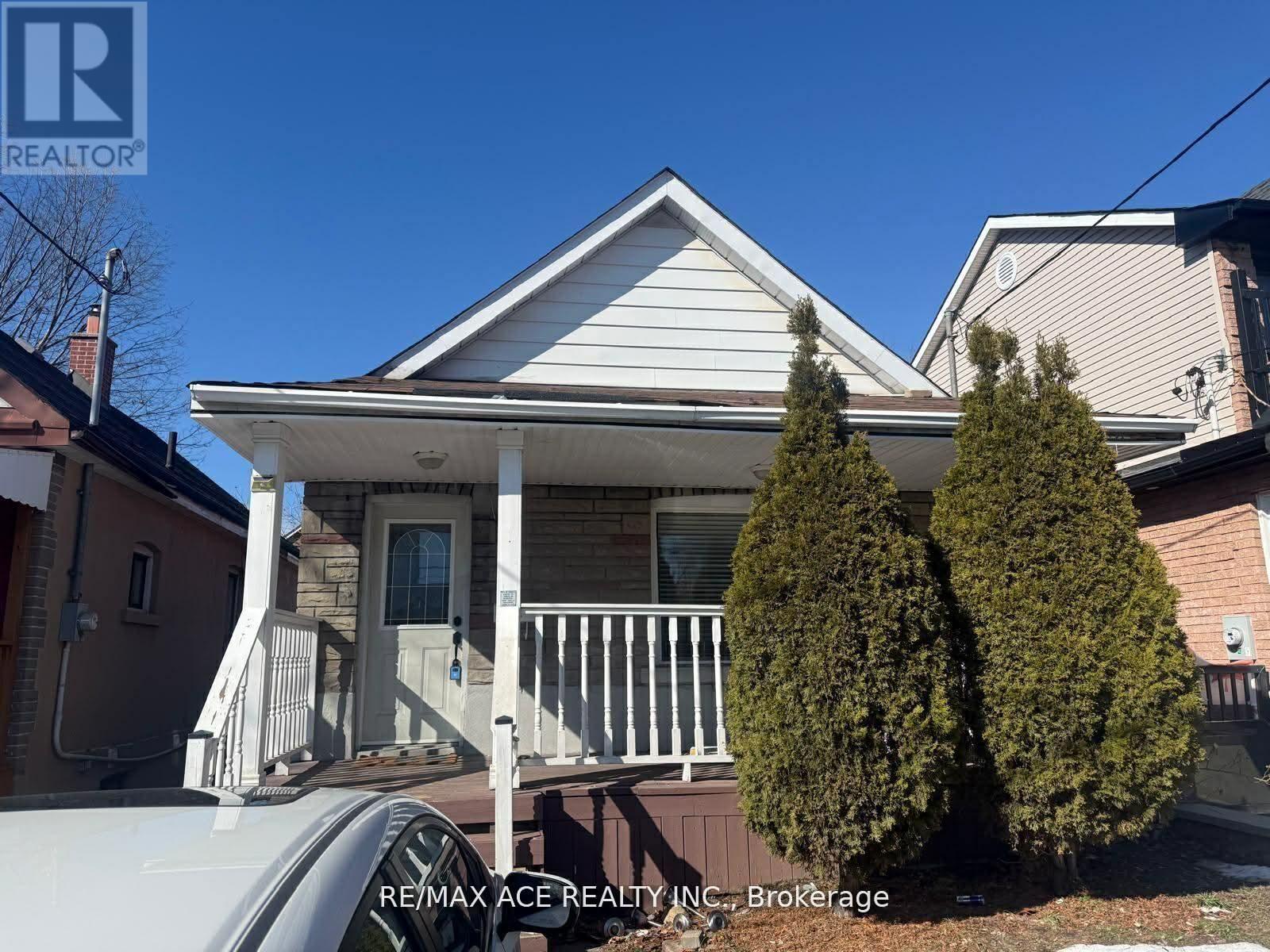 For Sale
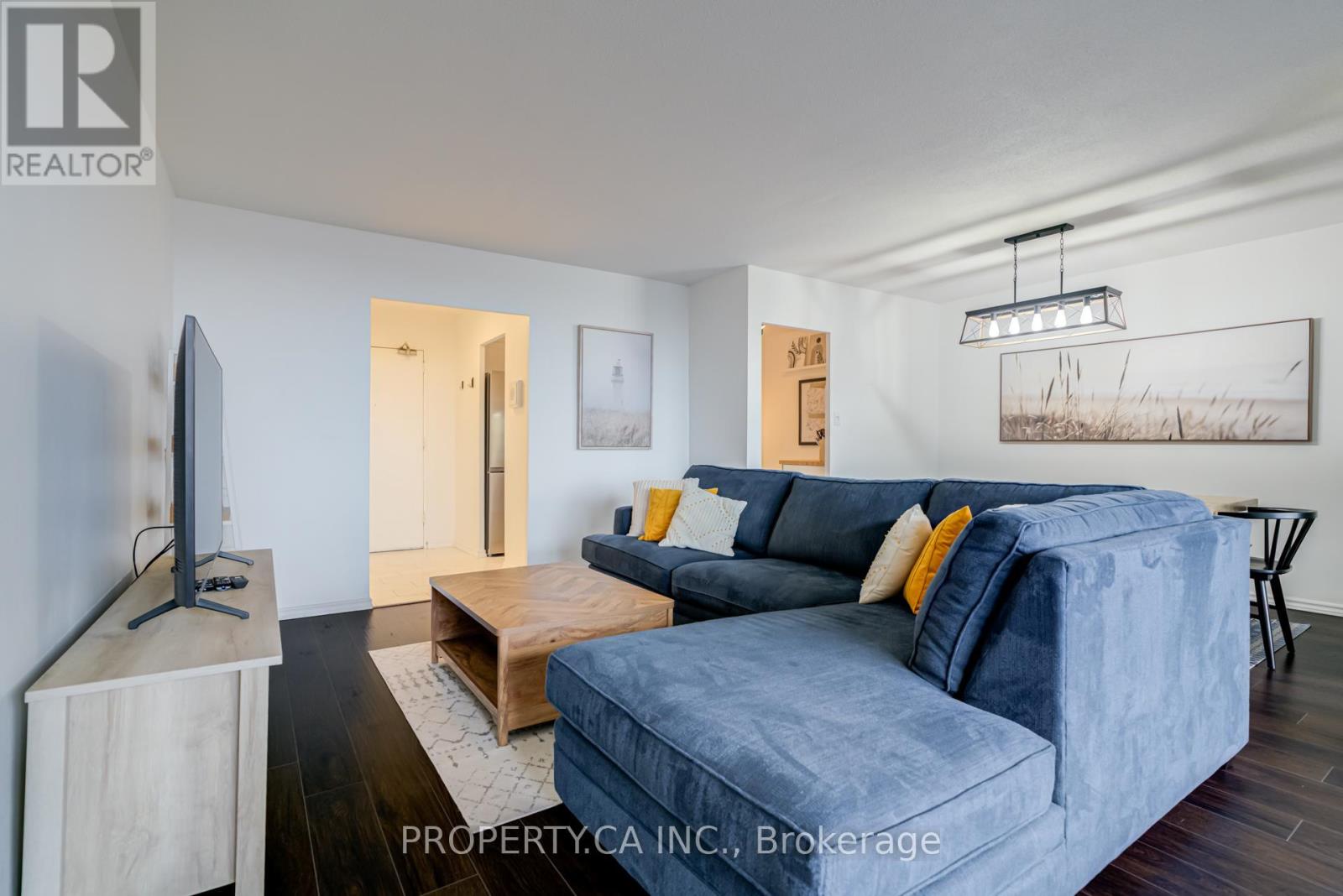 For Rent
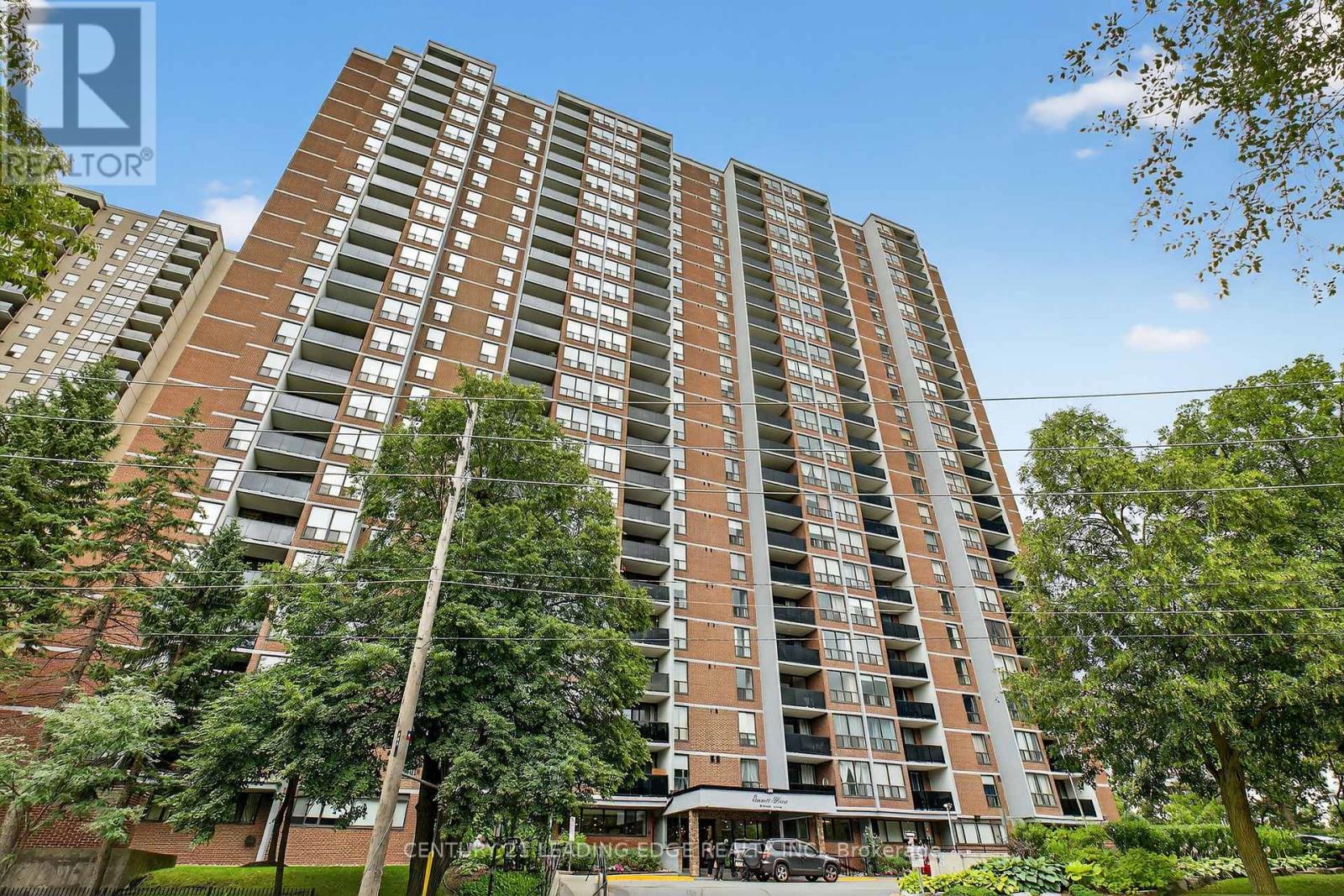 For Sale
 For Sale