
Newmarket is a town of about 88,000 people at the top of York Region, about an hour from Union Station on the Barrie GO line, with a Main Street that has kept its nineteenth-century buildings. Buyers from Toronto come up for a four-bedroom at about half the price of the average Toronto house, and they accept a train that runs to Union in the morning and back in the evening, with buses in between. Compared with Toronto, a house here is roughly two-fifths cheaper and a condo about a tenth cheaper. Newmarket's listings, as of today, are further down.
Newmarket sits on the East Holland River between Aurora to the south and East Gwillimbury to the north, with Highway 404 along its eastern edge and the farmland of King Township to the west. It’s small: 38.5 square kilometres, about an eighth the size of Mississauga, and the 2021 census counted 87,942 people on it, about 2,300 to the square kilometre. Little empty land is left inside the boundary. York Region’s planners expect the town to pass 100,000 by 2041, with nearly all of that growth planned for the Yonge Street and Davis Drive corridors rather than for new subdivisions.
Quaker families led by Timothy Rogers settled here in 1801 and dammed the river for a mill. The mill pond became Fairy Lake. Newmarket became a village in 1857 with 700 people and a town in 1880, and the commercial buildings that went up on Main Street in those decades are still standing, protected since 2013 as a provincial heritage conservation district. Most of what surrounds the old town was built from the 1960s onward as the car suburb of a regional centre. The hospital, the mall and the York Region offices sit on Davis Drive and Yonge Street, and the subdivisions filled in around them decade by decade.
The town is more mixed than its small-town reputation suggests. At the 2021 census about a third of residents were visible minorities, and after English the most common first languages were Chinese languages and Persian.
Houses are the market here. For every condo listed for sale there are about seven freehold houses, and a house costs roughly two-fifths less than the Toronto freehold average. Condos cost about a tenth less than Toronto condos, a much smaller discount, and there are few of them. Even the most expensive neighbourhood in town, Stonehaven-Wyndham, averages well below the Toronto freehold figure. The cheapest houses are in Huron Heights-Leslie Valley, Armitage and Bristol-London. The town’s live numbers run beside this text and are refreshed each day.
Most of what comes to market in Newmarket is a detached house built between 1970 and 2010, and the decade decides what you get. The 1960s and 1970s streets of Huron Heights and Gorham have bungalows, side-splits and plain two-storeys on wider lots. The 1980s and 1990s subdivisions of Bristol-London, Armitage, Glenway Estates and College Manor have the four-bedroom two-storey with a double garage that the town is mostly made of. Stonehaven-Wyndham, Summerhill Estates and Woodland Hill were built from the late 1990s into the 2010s, with bigger houses, smaller yards and the finished basements and second ensuites of that era.
Four bedrooms is the standard. Nearly half the houses for sale have four bedrooms, and a four-bedroom costs about a fifth more than a three-bedroom. A five-bedroom costs about 40 percent more than a three-bedroom, and a three-bedroom here costs less than half the average Toronto freehold.
Townhouses and semis are a real part of the stock, mostly from the 1990s onward, with Woodland Hill carrying the widest mix and Bristol-London the older semis, and they’re the way into the town below the detached price. Some are freehold; others are condominium townhouses that charge a monthly fee for the shared ground. They share a listing category, so the fee line tells you which kind you’re looking at.
Condominium apartments are few and mostly new. Central Newmarket has nearly half of all the condos for sale in town, in the buildings along Davis Drive and around Main Street, and Glenway Estates has a cluster of its own. The twin Kingsley Square towers at 705 and 715 Davis Drive, 327 units with shops at street level, were handed over to buyers through the summer of 2026. A two-bedroom condo here costs about the same as a two-bedroom house, and a three-bedroom condo only a little more than a two-bedroom, so a family that wants three bedrooms without a lawn isn’t paying much for the third room.
Renting here means renting a house or part of one. There are about ten houses, basements and semis listed for rent for every condo, and the average house rent is about a third below the Toronto freehold figure. Basement apartments and upper floors list under the same freehold heading as whole houses, and the average house rent here sits below the average condo rent, the reverse of Toronto. If a listing is a basement unit, ask whether the town has approved it as a second unit.
Newmarket’s prices move with Toronto’s. The same mortgage rates and the same buyers set both, and the town has no cycle of its own. What a buyer should watch is the gap between the two, about two-fifths on a house today. If it narrows, the discount that brings people up Highway 404 is shrinking.
The freehold market follows the school year. Family houses in Stonehaven-Wyndham, Summerhill and Glenway Estates list from late February to June and again from September to early November. From mid-December to late January, and through July and August, the choice thins out to the houses that didn’t sell. A buyer in those weeks has fewer to look at and more room to negotiate.
The train shapes the market in a way it doesn’t in Mississauga or Oakville. Newmarket GO has trains to Union in the morning and back in the evening, and nothing in between except a bus to Aurora. A household with one partner on a fixed downtown schedule can make that work. A household with two downtown jobs, or one with irregular hours, usually can’t, and that limits who buys here from Toronto. If Metrolinx runs all-day trains past Aurora, the houses within walking distance of the Davis Drive station and the proposed Mulock station are the ones that change. There’s no date for either, so don’t pay for it yet.
Condos are a thin market. One new building closing, as Kingsley Square did in 2026, changes what’s available, and a buyer has little to choose from at any one time.
The spread inside the town is wide for a place this small. The average house in Stonehaven-Wyndham costs about two-thirds more than the average in Huron Heights-Leslie Valley, and most of the difference is the age and size of the house. A buyer who would like a 1990s four-bedroom and can live with a 1970s one gets a lot more house for the money.
Many Newmarket buyers are already here or nearby. Children who grew up in Bristol-London buy in Woodland Hill. Couples who bought in Aurora or Richmond Hill in the 2000s move north for a bigger house. Families from Toronto arrive for the same reason people have moved to the edge of a city for a century: a detached four-bedroom with a garage and a yard costs about half the average Toronto house.
The trade is distance. Union Station is about an hour away by train from Davis Drive, and only in the morning and evening. Driving means Highway 404 and then the Don Valley Parkway. A buyer who needs to be on Bay Street five days a week should look at Aurora, where the trains run all day, or accept that the train is a peak-hours tool. A buyer who works in Markham, Vaughan or Richmond Hill, or at home, has a much easier decision, and about half the people who live here get to work in under half an hour.
Many residents work in town. Southlake Regional Health Centre, the Regional Municipality of York’s offices on Yonge Street, Magna’s mechatronics plant and Upper Canada Mall are the big employers. A household with one partner at the hospital and one in Toronto two days a week is a common one, and it chooses a neighbourhood by the drive to Davis Drive rather than by the walk to the station.
What a Toronto family gives up is the street life. Main Street is a real main street, with restaurants, bars, a hotel in the old post office and a square with a rink in winter, and nothing else in town is like it. Away from Main Street you drive to dinner, to the mall and to the rink. People who want to walk to coffee should look only at Central Newmarket and the Gorham streets beside it. People who want the biggest house their money buys have the rest of the town.
Newmarket’s nine neighbourhoods each get a page of their own. Here they are, from the old town outward.
Central Newmarket is the historic core around Main Street South, Fairy Lake and Riverwalk Commons, with Victorian and Edwardian houses on the streets off Main and most of the town’s condos along Davis Drive. It has more listings than any other neighbourhood, the widest range of prices, and the only walkable streets in town. Gorham-College Manor wraps around it to the east and south, with houses from the late 1800s on Gorham Street, mid-century bungalows on large lots, and the College Manor subdivision from the early 1990s, all within walking distance of Main Street and Fairy Lake.
East of Bayview Avenue, Huron Heights-Leslie Valley spreads north from Davis Drive toward Green Lane and east to the 404. The Huron Heights streets are 1960s and 1970s bungalows and split-levels on wide lots, Leslie Valley is late 1980s and 1990s, and the neighbourhood has the cheapest houses in Newmarket.
West of Yonge and north of Davis Drive, Bristol-London is the 1980s subdivision nearest Yonge, with mature trees, detached and semi-detached houses, and prices below the town average. Woodland Hill beyond it toward Bathurst Street, built in the late 1990s and 2000s around retained woodlots, has the widest spread of house types in town, from townhouses through semis to large detached, and no condos at all.
South of Davis and west of Yonge, Glenway Estates was built in the late 1980s and 1990s around the Glenway golf course, which closed in 2012 and has since been built over with newer houses. It has larger lots, a cluster of condos, and farmland at its western edge. Armitage south of Mulock Drive, between Yonge and Bathurst, was built mostly in the 1990s around Armitage Village school, with detached family houses and prices near the bottom of the town’s range.
South of Mulock and east of Yonge is the newest part of town. Summerhill Estates between Yonge and Bayview is late 1990s and 2000s family housing, priced above the town average. Stonehaven-Wyndham east of Bayview toward Leslie was built from the mid-1990s through the 2000s, with the Copper Hills phase in the 2010s, and it’s the most expensive neighbourhood in Newmarket by a clear margin. Both reach the 404 along Mulock Drive.
Each neighbourhood page walks the streets, names the schools, explains the transit and records what has sold.
Newmarket GO is at 465 Davis Drive on the Barrie line, with one platform on a single track. On weekdays ten trains run south to Union in the morning and the northbound trains come back in the afternoon and evening, and the ride takes about an hour. Between the peaks no trains stop here; hourly two-way trains run only as far north as Aurora, and GO bus 68 shuttles between Newmarket and Aurora GO to meet them. On weekends, since September 2026, trains run every two hours from 2 pm to 11 pm, an arrangement Metrolinx says lasts until spring 2027.
The province’s GO Expansion plan calls for electrified trains every 15 minutes, all day, as far as Bradford, which would pass through Newmarket. The target was once 2024, and there’s no current date. A second station, Mulock GO on Mulock Drive between Yonge and Bayview with 550 parking spaces, was approved in 2016 and remains unbuilt, with no opening year. Buy for the train that runs today.
By car, Highway 404 is the town’s spine to the south, with interchanges at Mulock, Davis Drive and Green Lane, and it has run north to Ravenshoe Road in Keswick since September 2014. Davis Drive west becomes Highway 9 and reaches Highway 400 near Bradford. The Bradford Bypass, a 16-kilometre freeway linking the 400 and the 404 across East Gwillimbury, began main construction in May 2026 and will change the drive west when it opens.
Inside town, York Region Transit runs the buses from Newmarket Terminal on Eagle Street. Viva Yellow runs along the Davis Drive rapidway, 2.7 kilometres of bus-only lanes from Yonge Street to Huron Heights Drive that opened in November 2015, and continues to a park-and-ride at the 404. Yonge Street buses run south to Richmond Hill and the Viva network. The Tom Taylor Trail along the Holland River is the main cycling route through town.
Newmarket’s green space runs north to south along the East Holland River, and the Tom Taylor Trail follows it the length of the town. The trail is the Newmarket section of the Nokiidaa Trail, more than 20 kilometres of paved and crushed-stone path from Aurora through Newmarket to Holland Landing in East Gwillimbury. Within town, it passes Fairy Lake, the marsh boardwalks and the back of Main Street.
Fairy Lake is the centre of it. The lake is the mill pond the Quaker settlers dammed in 1801, and the dam now controls flooding on the river rather than turning a wheel. The Lake Simcoe Region Conservation Authority runs the 13.4 hectares around it as the Wesley Brooks Conservation Area, with a wooded island, nesting marsh, trails and a playground. Riverwalk Commons, the public square beside the Old Town Hall a short walk north, has a splash pad in summer and a skating rink in winter. Mabel Davis Conservation Area, between Bayview Parkway and the Tannery, is a quieter stretch of the same river, land given to the conservation authority in 1969.
Mulock Park is the town’s newest. The 16-acre former Mulock estate at Yonge Street and Mulock Drive opened on 18 September 2026, with the restored Mulock House, trails through the old grounds, a natural playground and the Woodland Loop, a 340-metre refrigerated skating trail. The town calls it its most significant capital project, and the subdivisions around Yonge and Mulock now have it within walking distance.
Beyond those, Newmarket has a neighbourhood park within a few blocks of most houses and two large recreation complexes with rinks and pools, the Magna Centre on Mulock Drive and the Ray Twinney complex on Eagle Street. The farmland of King Township starts at the western edge of Glenway Estates, and the Oak Ridges Moraine rises to the south beyond Aurora.
Upper Canada Mall at Yonge Street and Davis Drive has been the shopping centre for the north end of York Region since it opened in 1974. It has about a million square feet and roughly 250 stores, lost its Hudson’s Bay when the chain closed in 2025, and is changing hands: Primaris REIT agreed in September 2026 to buy it from Oxford Properties for $411 million, with closing expected at the end of October 2026. The buyer says the mall comes first, and the 76 acres around it carry a longer plan described in section 9.
The town eats and drinks on Main Street. About 100 buildings in the heritage district, most of them nineteenth and early twentieth century, hold restaurants, bars, independent shops and the Old Town Hall of 1883, which the town restored as a cultural venue. The Postmark Hotel opened in 2024 in the 1914 post office with the clock tower at 180 Main Street, with about 50 rooms and a rooftop restaurant, and its developers call it York Region’s only boutique hotel. The clock in the tower was repaired and started again in 2025.
Southlake Regional Health Centre on Davis Drive is the regional hospital. It began as York County Hospital in 1922, runs regional cardiac, cancer and thoracic programs, and employs more than 3,000 people and more than 540 physicians. In April 2026 the province endorsed Southlake’s plan to split into two hospitals: the Davis Drive site gets renovated inpatient units, operating rooms and a larger emergency department, and a second acute-care hospital with its own emergency department will be built in Queensville in East Gwillimbury, with $10 million committed to the planning and no construction date yet.
Newmarket’s schools are split between the York Region District School Board, for English public, and the York Catholic District School Board, for English Catholic. Both boards publish an address lookup, and boundaries are drawn by the board and redrawn when a new school opens; a crescent in Woodland Hill can feed a different elementary school from the one across the road. Check the lookup for the house, not the neighbourhood, before you offer.
The public board has four secondary schools in town. Newmarket High School on Pickering Crescent dates from 1843 and is the oldest high school in York Region, with French immersion, a gifted program and specialist high skills majors. Huron Heights Secondary on Huron Heights Drive opened in 1962, and since September 2025 it has run the town’s second French immersion program, added because Newmarket High was over capacity as the only French immersion high school for Newmarket, East Gwillimbury and Georgina. Dr. John M. Denison Secondary on Bristol Road, from 1989, serves the northwest with a technology wing built in 2009. Sir William Mulock Secondary on Columbus Way, opened at the end of 2001, serves the south end of town. Sacred Heart Catholic High School on Lemar Road, from 1979, is the Catholic board’s school, with arts and health specialist majors and a regional arts program it started in 2020.
Pickering College on Bayview Avenue is the private option. Founded by Quakers in 1842 and in Newmarket since 1909, it takes day students from junior kindergarten to Grade 12 and boarders from Grade 7.
There’s no university or college campus in Newmarket. Seneca Polytechnic’s King Campus, on Dufferin Street in King City, is the nearest.
Newmarket’s growth from here is vertical, and nearly all of it is planned for two streets. The Urban Centres Secondary Plan covers about 290 hectares along Yonge Street and Davis Drive, 130 of them identified for redevelopment, and plans for 33,000 residents and 32,000 jobs there over the coming decades, in a town that has 88,000 people today. Kingsley Square’s two towers at 705 and 715 Davis Drive, 327 units completed in 2026, stand inside it. Buyers who want to be in the middle of that should look at Central Newmarket and the Davis Drive end of Huron Heights-Leslie Valley; buyers who want the town to stay as it is should look south of Mulock.
Upper Canada Mall’s 76 acres carry the biggest single plan. The town amended its official plan in November 2021 to allow more than 5,000 homes for around 8,600 people on the mall’s parking lots over 30 to 40 years, with new streets, parks and a mix of low-rise and high-rise buildings around a mall that stays. Primaris, which is buying the mall, says its first job is the shopping centre. No building has started, and a buyer in Bristol-London or Glenway Estates should expect the mall’s edges to change over decades, not years.
The town is also planning about 200 acres around the Mulock GO station site, so the Mulock Drive corridor between Yonge and Bayview is the next place to watch. The station itself has no date.
Southlake’s second hospital in Queensville, endorsed in April 2026, and the Bradford Bypass, under main construction since May 2026, both land just over the northern boundary in East Gwillimbury. The hospital moves emergency and inpatient capacity north and keeps Davis Drive as a full-service hospital; the bypass gives traffic between the 400 and the 404 a route north of town.
Is Newmarket a good place to commute to Toronto from?
It’s a good place to commute from if your downtown days are fixed and start in the morning, and a poor one if they aren’t. Newmarket GO on Davis Drive has ten trains to Union on weekday mornings and the return trains in the afternoon and evening, and the ride takes about an hour. Between those peaks no trains stop here. Hourly two-way service runs only as far as Aurora, one station south, and GO bus 68 connects the two stations, so a midday trip means a transfer. Weekend trains have been cut to every two hours from 2 pm until spring 2027. The province’s long-term plan is electric trains every 15 minutes all day as far as Bradford, and the Mulock GO station approved in 2016 would give the south end of town a second stop; neither has a date. Driving, Highway 404 runs from the Mulock, Davis and Green Lane interchanges straight into the Don Valley Parkway, and it’s also the road to the jobs in Markham and Richmond Hill. Half of Newmarket’s workers get to work in under half an hour. If you need Union Station five days a week with any flexibility, Aurora solves the problem. If you need it two or three mornings a week, Newmarket works.
Is Newmarket cheaper than Toronto, and by how much?
Yes, by roughly two-fifths for a house and about a tenth for a condo. The house gap is the one that matters, because houses are nearly all of what Newmarket sells, and it comes from land and distance: a 1990s four-bedroom an hour from Union costs about half of what an average Toronto freehold of any size costs. Even Stonehaven-Wyndham, the most expensive neighbourhood in town, averages well below the Toronto freehold figure. The condo gap is small because Newmarket has few condos and most of them are new. Two costs go up, not down. Newmarket’s property tax went up 2.99 percent for 2026 on the town’s share, about $78 on a house assessed at $711,000, and York Region added 3.28 percent plus a one percent transit and infrastructure levy on its share. And many households here run a second car, because outside Main Street nothing is walkable, and the train only runs at peak. The CAA’s all-in figure for a mainstream compact, insurance and fuel included, is roughly $9,500 a year. Put the second car and the tax into the monthly comparison before you compare mortgages. Live prices for the town and for each of the nine neighbourhoods are on their pages, with daily refreshes.
Which Newmarket neighbourhood is best for a family with children?
Stonehaven-Wyndham, Summerhill Estates and Woodland Hill have the newest family houses in town, and Armitage and Glenway Estates are the ones to look at when the budget is tighter or the lot matters more. What they share is a detached four-bedroom from the 1990s or 2000s, elementary schools built with the subdivisions, crescents with no through traffic, and the 404 within a few minutes for a parent who drives to work. Stonehaven-Wyndham is the premium version, with the largest houses in town and a price about two-thirds above the cheapest neighbourhood. Summerhill and Woodland Hill are a step down in price with the same age of house; Woodland Hill has the widest mix, from townhouses to large detached, so a family can trade up without leaving the neighbourhood. Armitage, built in the 1990s around its school, has some of the lowest prices for a detached house in town. Glenway Estates has bigger lots and the farmland edge. Families who want the old town, with Fairy Lake and the Tom Taylor Trail at the end of the street and Newmarket High School, look at Gorham-College Manor and accept an older house. A catchment line can run down the middle of a neighbourhood, so look up the exact address on each board’s site rather than trusting the area name. Mulock Park, open since September 2026, sits at Yonge and Mulock, and a family in the subdivisions around that corner can walk to it.
Should I buy a condo in Newmarket?
Buy one to live in if you want to be near Main Street or Davis Drive without a house to look after, and think hard before buying one as an investment. Newmarket has very few condos, about one listing in eight, and most are in Central Newmarket along Davis Drive or in the Glenway Estates buildings. The newest and largest are the Kingsley Square towers at 705 and 715 Davis, 327 units that closed through the summer of 2026, with shops below, on the Davis Drive rapidway near Southlake. A two-bedroom condo here costs about what a two-bedroom house costs, and a three-bedroom condo only a little more than a two-bedroom, so the extra room is cheap. For an owner, the case is the walk to Main Street, the hospital and the train, and no snow to shovel. For an investor, the problems are that the rental market here is houses and basements rather than condos, and that the town has planned 33,000 residents for the Yonge and Davis corridors. New supply will keep arriving for decades in a market where one new building can double the number of units for sale. If you buy, read the status certificate, compare the maintenance fee per square foot with the other Newmarket buildings rather than with Toronto ones, and treat a fee far above theirs as something the seller has to explain.
A Toronto agent will see that Newmarket is cheap and miss why the spread inside it is so wide. The average house in Stonehaven-Wyndham costs about two-thirds more than one in Huron Heights-Leslie Valley, and most of that is the age and size of the house, not the location. In Woodland Hill, a crescent and the road across from it can be in different elementary catchments. And the station on Davis Drive has trains at peak only, with the Mulock station approved in 2016 and still unbuilt.
The agent we refer Newmarket buyers to has those facts in hand. Say you want a 1970s bungalow in Huron Heights with the lot a renovator wants, or a Summerhill four-bedroom within ten minutes of the GO and inside one school boundary, and they’ll bring the boundary map and the last sales on the street. For a Davis Drive condo they’ll read the reserve fund first.
The nine neighbourhood pages above are the place to start. After that, get in touch and we’ll connect you with the agent.
Street-level knowledge is hard to find online. Our team works in Newmarket every day. They know which pockets hold value, where the school catchment lines actually fall, and what the market is doing right now. Talk to us before you make a decision about Newmarket.
Talk to a local agent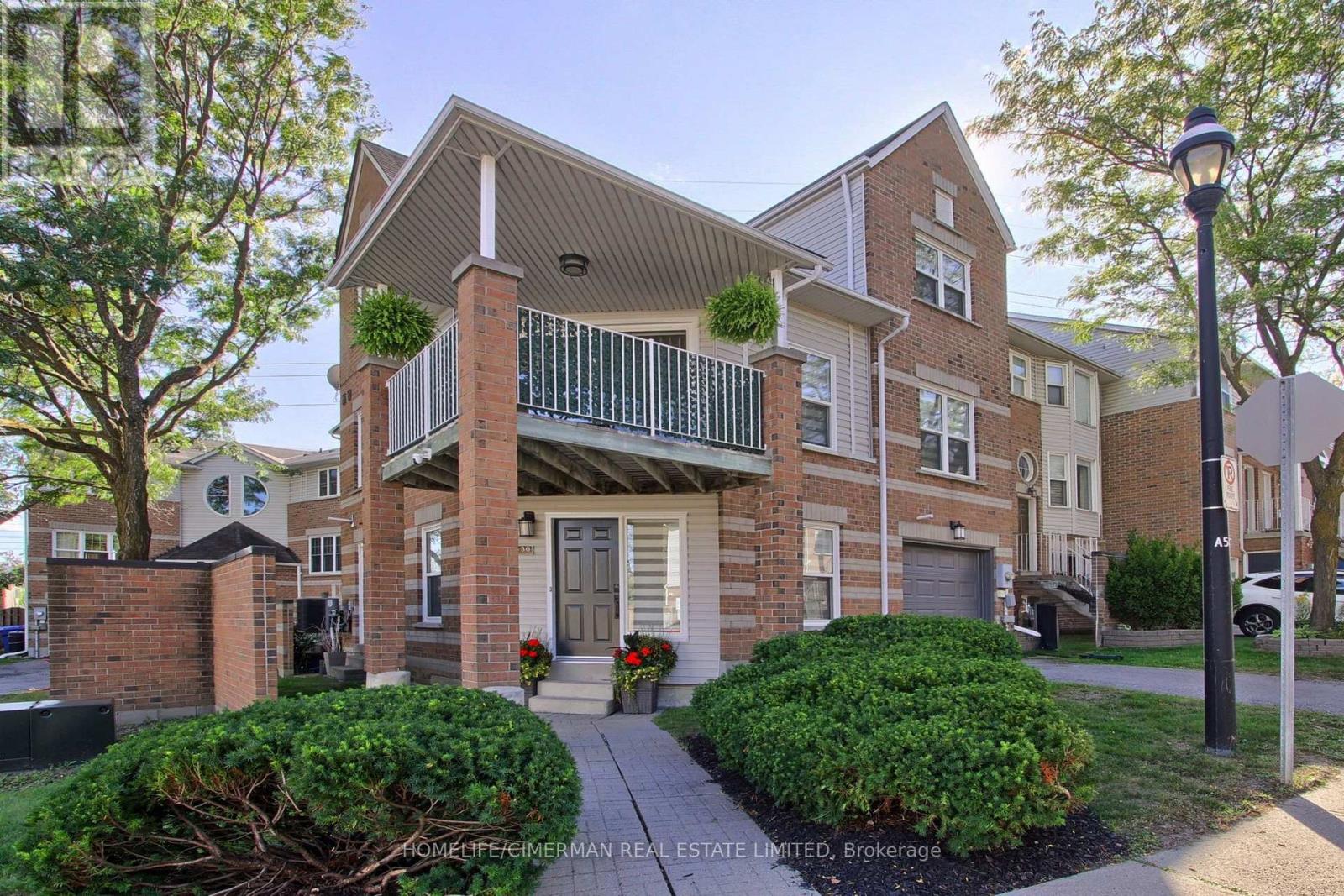 For Sale
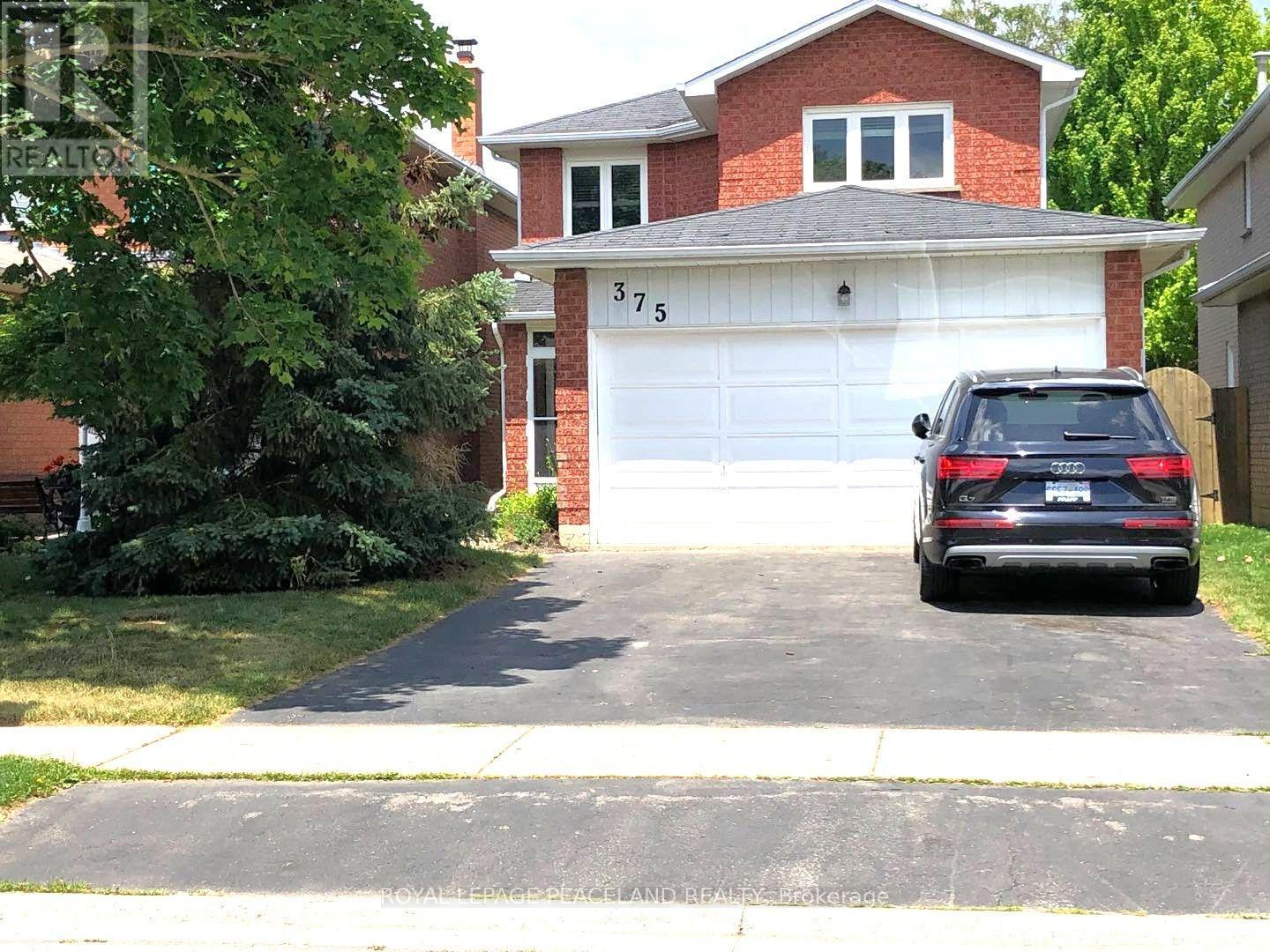 For Rent
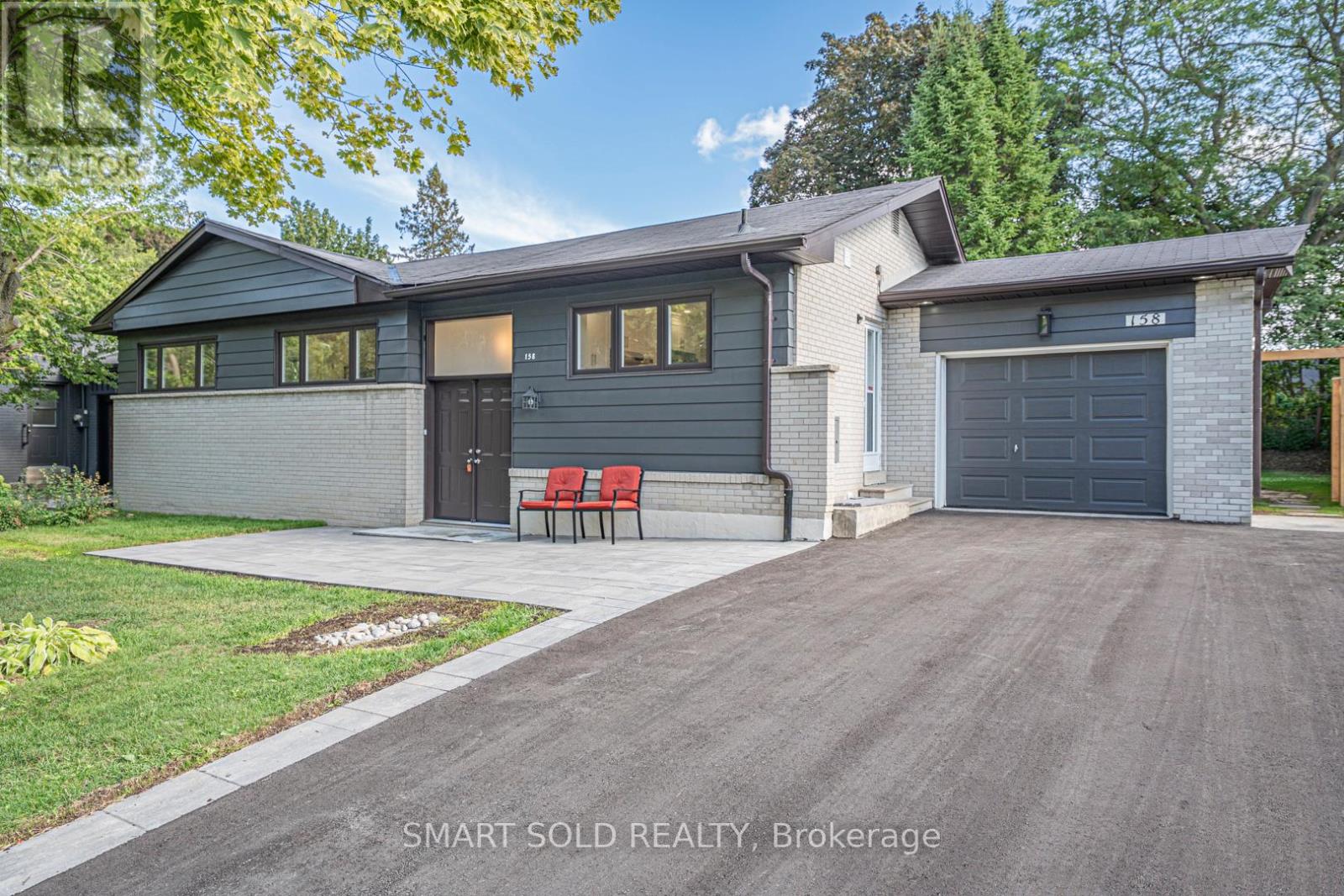 For Sale
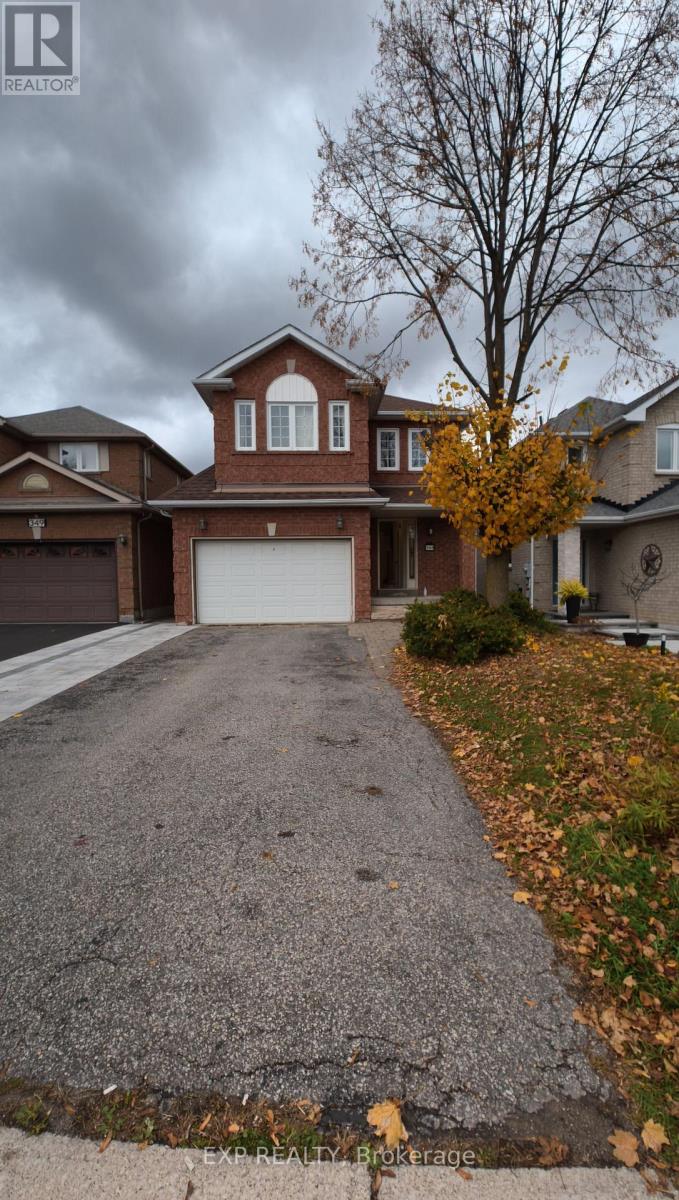 For Rent