
North Riverdale is an established East Toronto neighbourhood between the Don Valley and Pape Avenue. Victorian and Edwardian semis and detacheds line streets like Withrow and Langley, with Withrow Park at the neighbourhood centre and Riverdale Park East along the valley. Pape and Donlands subway stations give direct access to Line 2. Semis range from $1.1M to $1.6M; detacheds from $1.4M to $2.2M and above.
North Riverdale sits between the Don Valley and Pape Avenue, with Danforth Avenue as its southern border and Mortimer Avenue marking its northern edge. It’s one of the older established residential pockets in East Toronto, and that shows in the housing stock, the mature tree canopy, and the kind of community that forms when families stay for decades and newer buyers choose deliberately.
The neighbourhood’s relationship to Riverdale Park East defines a lot of its appeal. The park stretches along the valley’s west slope and gives residents a green corridor that feels genuinely removed from the city, even though Broadview subway station is a short walk west and Pape station is a few minutes east. People who live here tend to talk about the park the way others talk about a backyard they share with the whole street.
The housing on the residential streets north of Danforth is mostly Victorian and Edwardian semis and detacheds, solid brick construction, narrow lots on streets like Langley, Withrow, Sibley, and Ferrier. A lot of these homes have been renovated at least once, some extensively, but the streetscapes remain coherent because the bones are consistent and the scale doesn’t change block to block.
Withrow Park anchors the interior of the neighbourhood and draws people from surrounding streets every morning and weekend. It has a wading pool, a hockey rink, a farmers’ market in season, and enough open grass that it functions as a genuine gathering point rather than just green filler between streets.
Buyers come to North Riverdale looking for a neighbourhood that’s already arrived. The gentrification cycle here ran its course years ago. Prices reflect that. What you get in return is a place with real roots, good transit access, a walkable strip of Danforth Ave for daily errands, and residential streets quiet enough that children still play on them.
The core of North Riverdale’s housing stock is Victorian and Edwardian semis and detached homes built between the 1880s and 1920s. Most are red or yellow brick, two and a half storeys, with main floor layouts that include a living room, dining room, and kitchen. The lots are typically 20 to 25 feet wide, which is standard for the era, and the homes run deep rather than wide.
Interior conditions vary considerably. Some homes have been taken down to the studs and redone professionally, with open-concept kitchens, finished basements, and updated mechanicals. Others have had a series of cosmetic renovations over the years that didn’t address the underlying systems. When you’re buying in this price range, a thorough home inspection matters. Knob-and-tube wiring, cast iron drains, and single-pane original windows aren’t unusual in homes that look updated at the surface level.
Detached homes here typically offer three or four bedrooms, a basement that can be finished for additional living space or rented as a separate suite, and a parking pad or single-car garage off the laneway. Semis share one wall and usually share similar layouts, though the living side of the semi makes a meaningful difference in terms of light and yard configuration.
Lot depths can be generous on some streets, which translates into usable rear yards. On others, the lot is largely consumed by the footprint of the house and a small patio. If outdoor space is a priority, it’s worth looking carefully at lot dimensions, not just house square footage.
Garden suites and laneway housing have become a realistic option for many North Riverdale lots since the City approved new zoning rules. Some buyers factor this in as a longer-term income or flexibility play. Others simply want the house. Both are valid approaches to what is, at any price point, a meaningful investment in established Toronto real estate.
North Riverdale operates in a price band that’s firmly in the established East Toronto market. Semis trade between roughly $1.1 million and $1.6 million depending on condition, lot width, and how much finished space they offer. Detached homes start around $1.4 million and can push well past $2 million for renovated examples with parking and good lot depth. These aren’t prices that move a lot in either direction during quiet periods, because the neighbourhood’s desirability doesn’t swing with sentiment the way less proven areas can.
The market here tends toward competitive offers when a home is priced right. Sellers and their agents know this, and properties in genuinely good condition with parking and outdoor space regularly attract multiple bids. When you see a home sitting for two or three weeks without moving, there’s usually a reason: the price is aspirational, or there’s something in the inspection that’s deterring offers.
Inventory is limited in most years. North Riverdale doesn’t turn over quickly. Families buy here and stay, which means supply is structurally constrained. That’s good news for existing owners and challenging news for buyers who need a specific window to land something.
The spring market, March through May, typically sees the most concentrated activity. Listings come out, buyers who’ve been waiting since January make their moves, and competitive situations happen regularly. Fall, September and October, is a second strong window. Summer and winter tend to produce fewer listings but also fewer competing buyers, so motivated sellers in those seasons sometimes offer a better negotiating position.
Buyers with financing arranged and a clear sense of what they want tend to do better here than those who are still working out their priorities. The homes that tick the obvious boxes move fast. The ones with trade-offs stay available long enough to negotiate. Knowing which trade-offs matter to you is the first step.
North Riverdale attracts buyers who’ve thought carefully about what kind of neighbourhood they actually want to live in, not just invest in. The people who end up here tend to have looked at the Annex, or Leslieville, or other established East Toronto communities, and decided that this combination of transit, green space, community feel, and housing quality is the right fit.
Young families make up a substantial portion of the buyer pool. Withrow Park and Riverdale Park East are part of the calculation. So are the school catchments, the presence of other families on the street, and the sense that the neighbourhood has a stable social fabric. People who buy here with young children often stay through their kids’ teenage years and beyond.
There’s also a strong cohort of buyers who’ve been renting nearby, in Leslieville or along the Danforth corridor, and are ready to buy something permanent. They already know the streets, they already have their coffee shop and their butcher and their route to the subway. North Riverdale is the next chapter rather than a departure.
Downsizers from larger suburban homes occasionally arrive here too, drawn by the walkability and transit access that reduce car dependence. A couple who spent 20 years in a house in Scarborough or North York sometimes finds that the smaller-footprint North Riverdale semi with a walkable Danforth strip suits a new phase of life better than anything in their previous neighbourhood would.
What these different buyer types share is a preference for character over newness. Nobody comes to North Riverdale looking for a condo tower or a recently built subdivision. The Victorian bones, the brick, the mature streets, the park, the Danforth: these are things you choose. If you want them, you’ll find a community that already shares your priorities.
Withrow Avenue is the address many buyers mention first when they talk about North Riverdale. Wide lots, mature trees, and proximity to Withrow Park give it a particular character. Homes here sell at the upper end of the neighbourhood range, and they rarely need to wait long to find buyers.
Langley Avenue runs parallel a block south and has a similar feel, though the lots are slightly more variable. Sibley Avenue, which cuts through the middle of the neighbourhood, has a mix of semis and detacheds on a quieter residential block that doesn’t see much through traffic. Ferrier Avenue and Dearbourne Avenue are both solid streets with good tree cover and homes that tend to be well maintained.
The streets closest to Danforth Avenue get a bit more noise from the commercial strip, particularly on weekend evenings when the restaurants and bars are busy. Buyers who want to walk to everything on Danforth and don’t mind proximity to the activity tend to target these blocks. Those who want more quiet seek out streets set back one or two blocks from the main strip.
The eastern edge of North Riverdale, approaching Pape Avenue, tends to price slightly differently than the more central streets. The homes are often equally good, but the perception of being on the boundary of the neighbourhood rather than its heart sometimes creates an opportunity, particularly for buyers who care more about the house than the address on the block.
The western side, closer to the Don Valley, has the most dramatic setting. Some of the streets here look directly toward the valley and Riverdale Park East. The tradeoff is that Broadview Avenue, which borders the neighbourhood on the west, is a busy arterial. Homes facing Broadview itself are noisier and have a different street presence than the residential streets set back from it, but they’re also closer to the Broadview streetcar and the amenities concentrated at Broadview and Danforth.
North Riverdale is well served by Line 2 of the TTC subway. Pape station sits at the eastern end of the neighbourhood and Donlands station is a short walk from many of the residential streets. Either station puts you on a train to Bloor-Yonge in about 10 minutes, and the frequency on Line 2 means you’re not waiting long on the platform during peak hours.
Danforth Avenue itself carries several bus routes that give access to parts of the corridor not directly on the subway. The 504 King streetcar is reachable via the Broadview stop to the west, connecting to the downtown core along King Street. Broadview station is a reasonable walk for those at the western edge of the neighbourhood, though most residents use Pape or Donlands as their primary access point.
Cycling infrastructure has improved along the Danforth corridor and into the Don Valley trail system. The Don Valley trail network connects North Riverdale to the waterfront to the south and to Taylor Creek and Sunnybrook to the north, giving cyclists a largely car-free route for recreational riding or a longer commute. Bike lanes on some of the side streets make local cycling feel reasonably safe, though Danforth Avenue itself remains a shared-lane situation on most stretches.
Driving access to the DVP is convenient via Mortimer Avenue or Danforth, and from there the highway connects to the 401 and the rest of the city’s highway network. Parking on most residential streets is unrestricted or permit-based, and many homes have rear parking pads accessed by laneways. If a garage or secure parking is important to you, it’s worth confirming availability before committing to a specific property, because not every lot in the neighbourhood has rear lane access.
For daily errands, the Danforth strip covers most needs within a short walk. Grocery options, pharmacies, cafes, and a range of restaurants mean that car trips for everyday items are largely optional.
Withrow Park is the neighbourhood’s daily anchor. It spans several blocks of the interior of North Riverdale and has both active and passive space: an outdoor hockey rink that runs in winter, a wading pool for summer, tennis courts, open grass for sports and informal play, and a farmers’ market that draws residents from surrounding neighbourhoods through the warmer months. It’s the kind of park that sees consistent use from 7am to dusk, which tells you something about how central it is to daily life here.
Riverdale Park East is a different experience. The park stretches along the eastern slope of the Don Valley with expansive views across to Cabbagetown and the city centre. The open hilltop is used for everything from cricket to kite flying. The walking and cycling path down the valley slope connects to the Don Valley trail system, which gives residents access to kilometres of green space running north-south through the city. In spring the valley floor is bright with trilliums; in fall the tree canopy turns in a way that genuinely stops people mid-walk.
The Don Valley trail itself is worth mentioning as a distinct resource. From North Riverdale’s western edge you can access the trail and ride or walk south to the lake or north through Todmorden Mills and into Sunnybrook Park territory. That kind of connected green corridor is unusual for a neighbourhood this close to the city centre, and it’s one of the things that gives North Riverdale a character that newer or more urban neighbourhoods can’t replicate.
Smaller pocket parks on the residential streets add incidental greenery throughout. The neighbourhood’s tree canopy, mostly mature maples and oaks established with the original housing development more than a century ago, keeps the streets cooler in summer and gives the blocks a visual depth that newer streets tend to lack.
Danforth Avenue is the commercial spine for North Riverdale, and it covers most of what residents need. The stretch from Broadview to Pape has a concentration of independent restaurants, cafes, bakeries, and specialty food shops that hold their own against any comparable stretch in the city. There’s a reason people from other neighbourhoods come here to eat and shop rather than the other way around.
For groceries, there are several options within walking distance. The Metro at Pape and Danforth handles everyday shopping. Independent butchers, fishmongers, and produce shops on the strip itself give buyers who prefer to shop by ingredient rather than by trip something to work with. The Withrow Park farmers’ market adds a seasonal layer for those who like to source direct from producers.
The coffee culture on Danforth has matured over the past decade. There are now several serious independent coffee shops within a short walk of most North Riverdale addresses. Weekend mornings on the strip have a particular energy: the sidewalk tables fill up, people run into neighbours, and the pace slows in a way that doesn’t happen many places in Toronto on a Saturday morning.
For hardware, banking, pharmacy, and other essential services, the Danforth strip has most categories covered. The concentration of independent businesses is high relative to chain retail, which is either a feature or a limitation depending on what you’re looking for. Residents who want a large-format grocery store or a big-box hardware retailer will need to drive or take transit for those trips, but most find that the tradeoff is worth it given what the strip does well.
The Beaches and Leslieville are each a reasonable drive or bike ride away and extend the retail and dining range significantly. With those areas factored in, North Riverdale residents have access to one of the richer commercial corridors in the east end without having to go to the downtown core for anything routine.
North Riverdale falls within the Toronto District School Board and the Toronto Catholic District School Board. The public elementary school serving much of the neighbourhood is Withrow Avenue Junior Public School, which has a strong reputation among families in the area and tends to be one of the schools that factors into buying decisions. Its location adjacent to Withrow Park gives it an outdoor setting that few urban schools can match.
For secondary school, students from North Riverdale typically attend Riverdale Collegiate Institute, which offers a range of academic and arts programming and has a long history in the east end. Like most Toronto public secondary schools, the experience depends on the specific programs a student pursues, and parents who are engaged with those choices tend to find the school serves their kids well.
Catholic school families in the neighbourhood fall within the boundaries of schools in the TCDSB’s east end catchment. As with the public board, specific catchments are worth verifying directly with the board before making a purchase decision, since boundary adjustments happen periodically and online maps don’t always reflect the most current information.
Private school options in the broader area include several well-regarded independent schools reachable by car or transit. Families who are considering both public and private schooling tend to buy in North Riverdale for the neighbourhood regardless of the school decision, since the location works for both pathways.
The neighbourhood has enough young families that local schools have genuine community around them. School-related events, PA day activities at Withrow Park, and informal parent networks on the street are all part of the fabric of the area. For families with children who are making the decision partly on the basis of community, North Riverdale holds up well.
North Riverdale is not a neighbourhood in transition. The significant changes happened here over the previous two decades, and what remains is a place that’s largely settled in terms of character, price level, and land use. That’s either reassuring or limiting depending on your perspective, but it means buyers aren’t speculating on what the neighbourhood might become. They’re buying what it already is.
The most notable development-related changes happening now are at the smaller scale: laneway houses and garden suites on rear lots. Toronto’s 2018 laneway housing approval and the subsequent garden suite permissions opened up new options for North Riverdale lots, many of which have rear lane access via the laneways that run behind the Victorian streets. Some owners have built these already, either as rental income or as space for family members. Others are factoring the potential into longer-term planning.
The Danforth Avenue corridor is subject to the city’s broader intensification goals for avenues designated in the official plan. This means some of the older one and two-storey commercial buildings along Danforth are candidates for replacement by mid-rise mixed-use buildings over the coming decade or two. Residents have generally been engaged and sometimes resistant to these proposals, which tends to moderate the pace of change. The neighbourhood’s historical character designation on many residential streets provides some insulation from redevelopment pressure.
Infrastructure in North Riverdale is mature. Water mains, sewers, sidewalks, and road surfaces on many streets are at or past their replacement schedules, and the city does periodic capital works here as part of its ongoing municipal maintenance programs. Buyers occasionally encounter mid-renovation surprises related to the condition of services in older homes, which is another reason a thorough inspection before purchase is worth doing.
Overall, North Riverdale presents as a stable, established community where the investment case rests on scarcity and desirability rather than change or upside. That’s a different kind of value proposition than a transitional neighbourhood, but it’s a clear one.
How does North Riverdale compare to South Riverdale and Leslieville?
North Riverdale sits north of Danforth, which puts it geographically and culturally distinct from South Riverdale and Leslieville, both of which are south of Danforth and closer to Gerrard Street East and the waterfront. The housing stock in North Riverdale is predominantly Victorian and Edwardian, predating much of what you’ll find in Leslieville. Prices in North Riverdale tend to run higher for comparable house types because the subway access is more direct and the neighbourhood has a longer-established reputation. South Riverdale has a broader mix of housing ages and a more variable character block to block. Leslieville has more condo and infill development mixed in with the older housing. If you’re drawn to a street that feels like it’s been there a long time and isn’t still working out what it wants to be, North Riverdale is the clearest answer of the three.
What are the main costs buyers overlook in Victorian and Edwardian homes?
The biggest surprises tend to come from the systems rather than the surfaces. Knob-and-tube wiring hasn’t been installed since the 1940s, but it’s still present in a meaningful number of homes in this price range, sometimes alongside more recent wiring that was added without removing the old. Insurance companies treat this as a liability, and some won’t insure a home that has it at all. Cast iron drains, which are common in homes of this era, have a finite lifespan and can develop cracks, roots, or collapses that cost $5,000 to $20,000 to address. Foundations are often rubble stone or early poured concrete, which can move over a century and create water management issues in basements. Flat or low-slope roof sections added in later renovations are a common source of leaks. None of these are necessarily deal-breakers, but they’re all things a good home inspector should look at specifically, and they all affect what a fair price for a given property actually is.
Is there parking available in North Riverdale?
Many homes in North Riverdale have rear parking pads accessed via laneways. The network of rear lanes behind the Victorian streets means that a substantial portion of the housing stock has some form of off-street parking, though it’s not universal. Some homes have a single-car garage in addition to the parking pad. Homes without any parking do sell and do attract buyers who either don’t own a car or are comfortable relying on street permit parking, but the absence of parking affects price and the pool of competing buyers. If parking is essential to you, it’s worth specifying that clearly at the beginning of your search rather than hoping to find a workaround later. The TTC access here means that single-car or no-car households function well, and many residents do manage without a vehicle, but it helps to know going in where you stand on that.
What’s the noise situation near Danforth Avenue?
Danforth Avenue is an active commercial and transit corridor. Homes immediately on Danforth or on the first cross-street south of it will hear road traffic, TTC buses, and weekend restaurant activity in the evenings. This is urban living at a density that some people enjoy and others find disruptive. By the time you’re two or three blocks north of Danforth, the noise level drops considerably. Withrow Avenue and the streets around Withrow Park feel quiet by any reasonable Toronto standard. The Don Valley Parkway creates its own noise environment to the west, which is noticeable on summer evenings from homes on the valley-facing slope. If sound is something you’re particularly sensitive to, it’s worth visiting a property at different times of day, including a Friday or Saturday evening, before making an offer.
Buying in North Riverdale involves navigating a market where good properties move quickly and where the difference between a home that’s genuinely priced well and one that isn’t requires local knowledge to assess. A buyer’s agent who works regularly in this neighbourhood knows what semis on Withrow have been selling for versus what they’re listed at, which streets have persistent issues with water or drainage, and when a listing that’s been sitting for three weeks is sitting for a reason worth investigating versus waiting for the right buyer.
The competitive offer situations that happen regularly in North Riverdale require preparation. Having financing arranged before you start looking is not optional at this price range. Knowing your actual budget, not just the number a lender has pre-approved you for but the number you’re genuinely comfortable committing to, is equally important. Offers with conditions are less competitive here than in some markets, but they’re still possible, particularly on homes with known issues. Your agent should be helping you calibrate when conditions are worth fighting for versus when they’ll cost you the property.
Neighbourhood-specific knowledge also covers the less obvious things: which streets have active development proposals nearby, where the city is planning infrastructure work, which laneways have access complications that affect future garage or suite potential. These are the details that only come from being in the market consistently rather than just pulling listing data.
If you’re considering North Riverdale, it helps to be clear with your agent about the trade-offs you’ll accept and the ones you won’t. The inventory is limited enough that a buyer who’s chasing a perfect-on-paper property in every dimension may find themselves waiting a long time. The buyer who knows their two or three non-negotiables and is flexible on the rest tends to find something, and when they do, it usually stays with them for a long time.
Street-level knowledge is hard to find online. Our team works in North Riverdale every day. They know which pockets hold value, where the school catchment lines actually fall, and what the market is doing right now. Talk to us before you make a decision about North Riverdale.
Talk to a local agent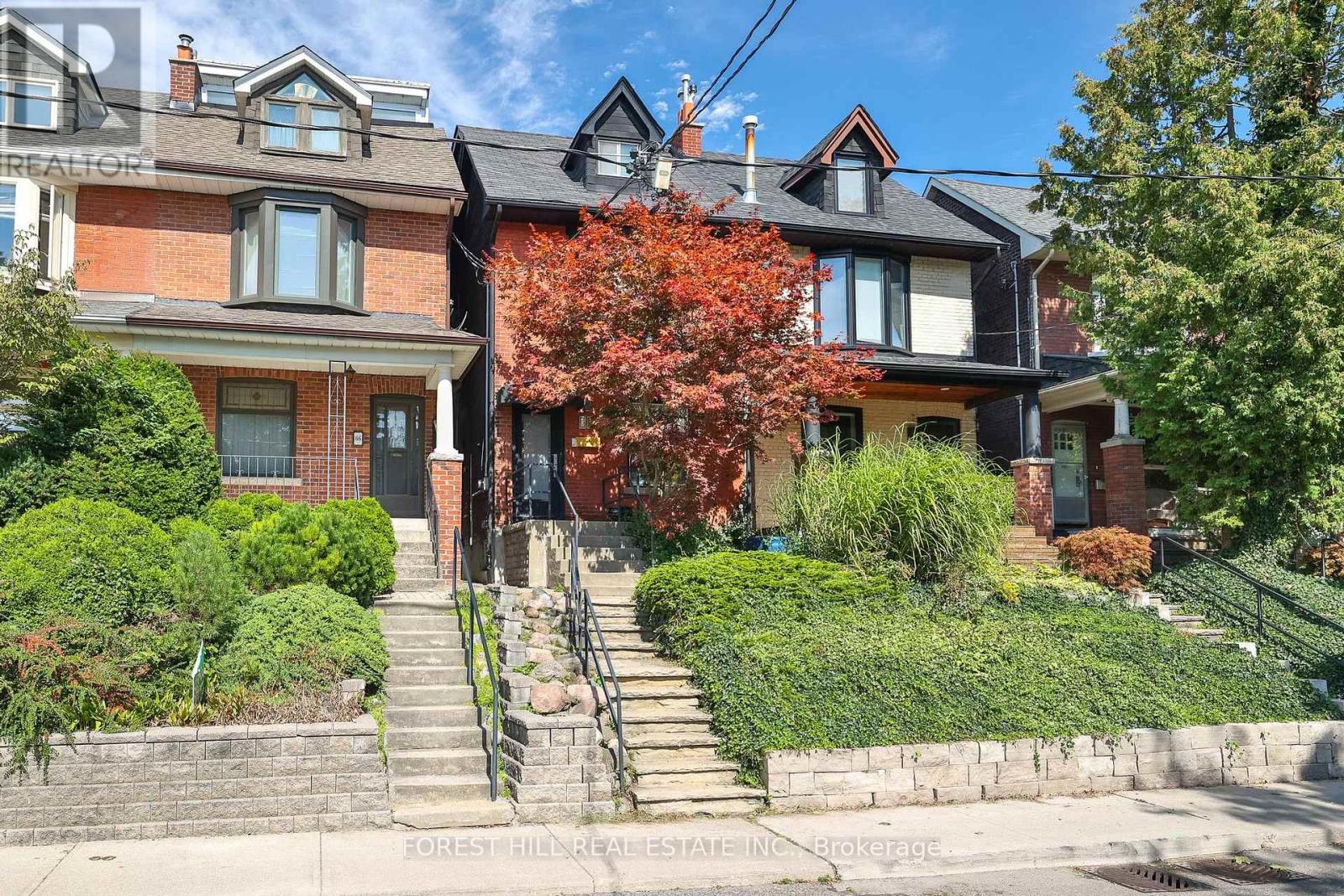 For Sale
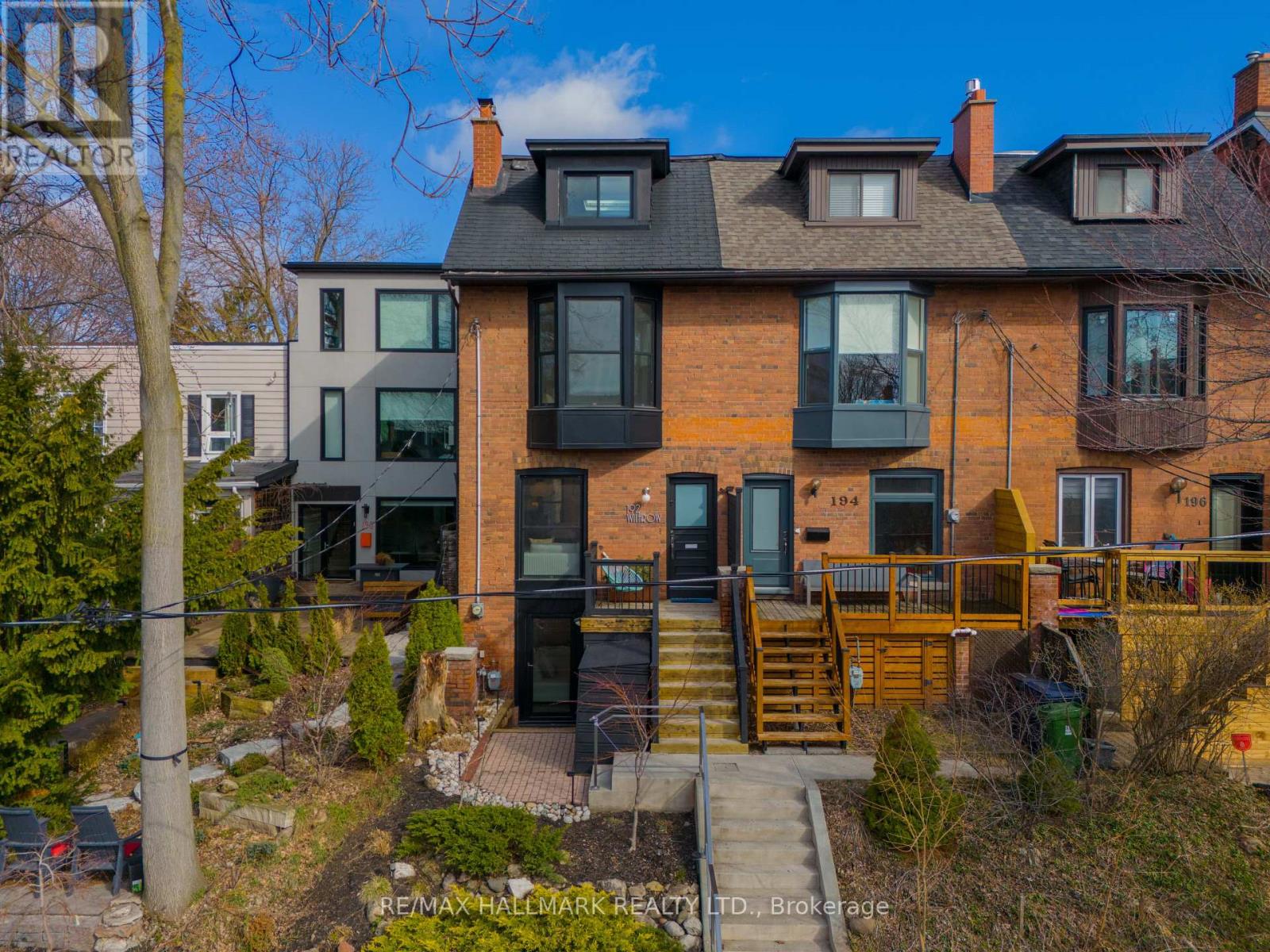 For Sale
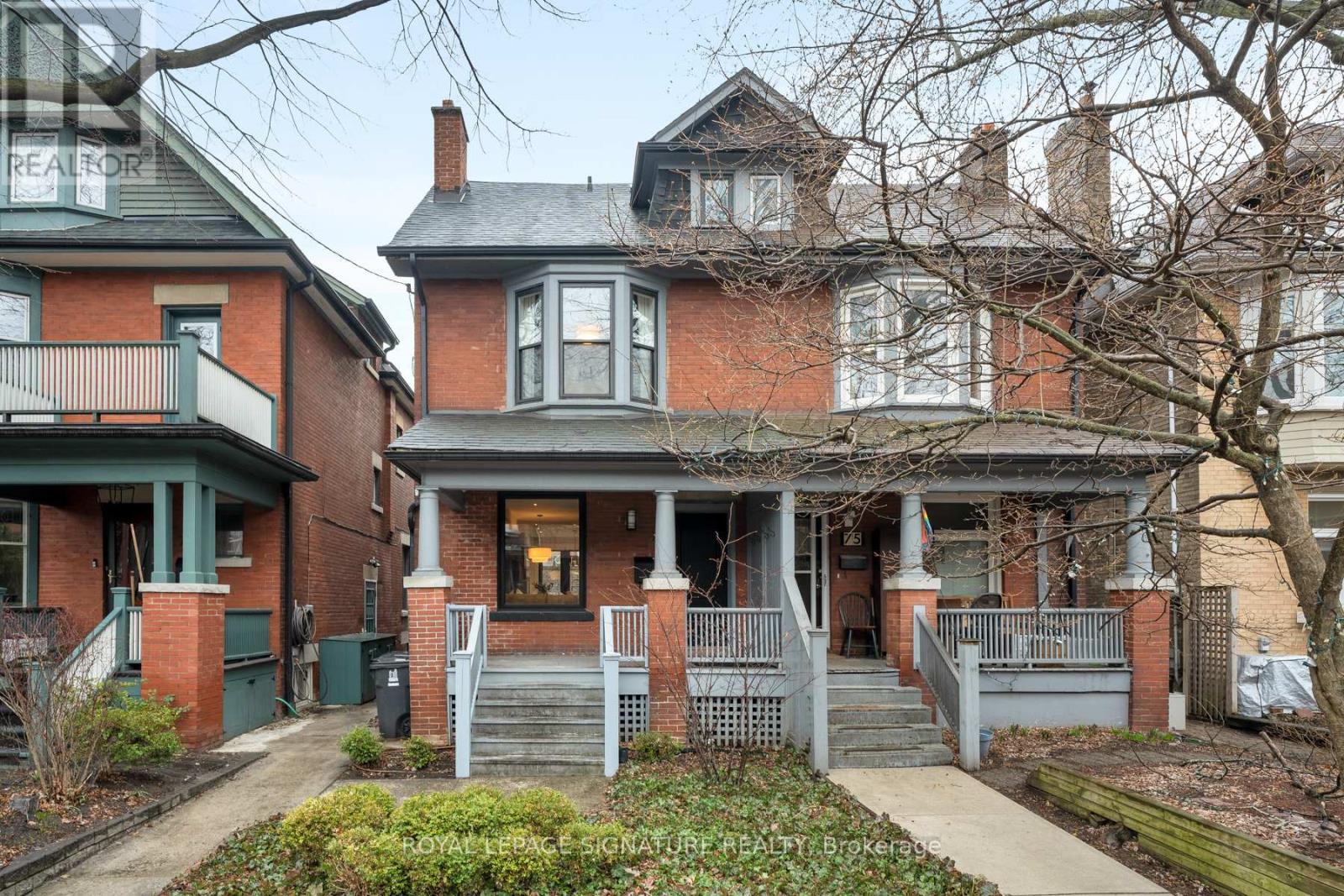 For Sale
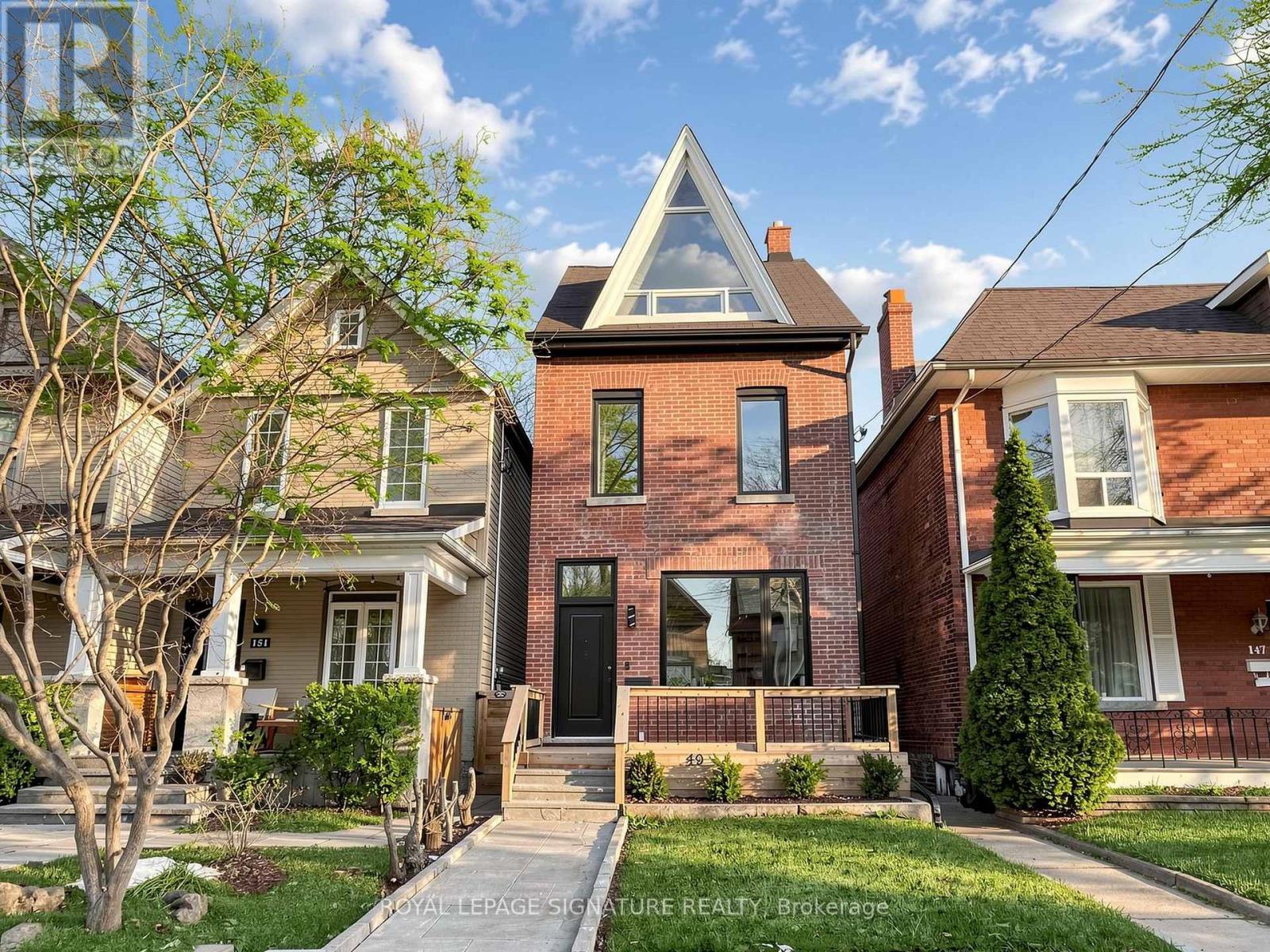 For Sale