
Northglen is a north Oshawa suburb with newer single-family homes from the 2000s and 2010s, close to the Windfields Park trail system and planned secondary school infrastructure.
Northglen is a north Oshawa residential neighbourhood sitting between Taunton Road and Rossland Road East, west of Townline Road and east of the established Centennial area. It developed primarily in the 1990s and early 2000s as Oshawa’s northern expansion pushed into what had been agricultural land, and the housing stock reflects that era: detached two-storeys and some townhouse product built for the family buyer market that was arriving from Toronto and Scarborough as prices in the west pushed eastward.
The character of Northglen is suburban in the straightforward sense. The streets are curved rather than grids, the lots are modest, the homes are large relative to those lots, and the neighbourhood is quiet in a way that families with children tend to actively value. There are no surprises about Northglen — what you see is what you get, and what you get is a practical, established north Oshawa family neighbourhood at a price point below comparable new construction in Kedron or Windfields.
The neighbourhood’s appeal rests on its established character. The trees planted in the 1990s have reached maturity. The parks are worn in and active. The schools have been operating for long enough to have reputations rather than just brand names. For buyers who want the north Oshawa family home without paying new construction prices and without living in the uncertainty of an active building site, Northglen is the option.
Detached two-storey homes from the 1990s and early 2000s dominate Northglen. The typical property is 1,600 to 2,200 square feet on a 30 to 40 foot lot, three to four bedrooms, an attached garage, and a yard that’s useful but not large. Basements are full and usually finished to varying degrees. In early 2026, this product in Northglen is typically priced from $750,000 to $950,000 depending on the specific property, lot, and condition. Updated homes with renovated kitchens and baths are at the top; properties with original finishes throughout and deferred maintenance are at the bottom.
Townhouses and freehold townhouse products exist in pockets within Northglen and offer a more accessible entry point — typically $600,000 to $750,000 for a freehold townhouse in reasonable condition. These appeal to first-time buyers or buyers downsizing from a larger detached home who want to be in the neighbourhood without paying the detached premium.
The vintage of Northglen’s construction means buyers should look carefully at the things that typically need attention in a 20 to 30 year old Ontario subdivision home: roof shingles (many are on their second or third replacement cycle), windows (original windows in 1990s builds are often drafty), HVAC systems (furnaces and air conditioners from the build period are typically past their expected service life), and basement waterproofing. These are all addressable items rather than dealbreakers, but they need to be in the budget.
Northglen is a liquid neighbourhood for the Oshawa context. The housing type — 1990s detached two-storey in established north Oshawa — is exactly what a consistent buyer profile is looking for, and that buyer profile has been steady across market cycles. Spring is the active season, fall has reasonable activity, and the neighbourhood sees a moderate number of transactions each year rather than the constrained supply conditions that characterise smaller or more niche areas.
In 2026, days on market in Northglen average three to five weeks for properties priced to current market conditions. The frenzy of 2021 and 2022 is gone. Buyers are insisting on conditions, inspections are routine, and sellers who price at peak-era values are sitting. The practical advantage for the 2026 buyer is the ability to make a considered decision: visit the property more than once, have it inspected, run the numbers properly. That’s the normal way of buying a house, and it’s back.
Northglen competes directly with Samac, Pinecrest, and other north Oshawa neighbourhoods of similar vintage. Buyers typically evaluate several of these before choosing, and the decision often comes down to the specific property rather than a strong neighbourhood preference. An agent familiar with north Oshawa can provide a useful comparison across these adjacent neighbourhoods, since they share much the same housing stock and price range.
The primary buyer is a family that has been priced out of Whitby or Pickering for the same home format and has identified north Oshawa as the accessible alternative. They want a three-bedroom detached home in an established neighbourhood with reasonable schools, parks, and proximity to the highway grid. Northglen delivers that combination at prices below Whitby and significantly below Pickering for comparable product. The 20 to 30 year old construction means there’s no builder warranty, but it also means the bugs were worked out of the property long ago.
Buyers moving from south Oshawa neighbourhoods who are upsizing for a growing family find Northglen’s detached two-storey format appropriate for their next stage. The neighbourhood offers more floor space, better schools, and a quieter environment than the denser south Oshawa bungalow areas at a price premium that’s accessible with the equity from a south Oshawa purchase.
Buyers from the GTA west — Scarborough, Markham, Pickering — who are moving east for price accessibility while maintaining highway 401 and 407 access find Northglen practical. The 407 east connects Northglen (via Taunton Road or Harmony Road) to the employment corridors of Markham, Richmond Hill, and beyond. For buyers employed in those corridors, Northglen is viable in a way that the GO train commute framework doesn’t fully capture.
Northglen’s streets follow the curved suburban pattern typical of 1990s Ontario subdivisions. The curvilinear layout reduces through-traffic on the interior streets, which keeps them quiet but can be disorienting for newcomers trying to navigate by logic. The streets back onto each other in ways that don’t follow simple patterns, and the result is a neighbourhood that rewards familiarity. Residents know their streets; visitors sometimes don’t.
The northern boundary at Taunton Road connects to the commercial strip that serves north Oshawa. Grocery, pharmacy, and the major retail nodes including the Costco warehouse are accessible on Taunton without a long drive. The commercial infrastructure on Taunton has built out over the same decades that the residential areas developed, so the amenities that Northglen residents use are close rather than requiring a cross-city trip.
The internal street network in Northglen connects to the adjacent Samac and Centennial neighbourhoods in a way that creates a broader fabric rather than an isolated pocket. Residents of Northglen use parks, schools, and commercial facilities from across the northern Oshawa neighbourhood complex, which makes the effective service area larger than the neighbourhood boundary alone would suggest.
Highway 401 is accessible south via Townline Road or Harmony Road, both within a 10 to 15 minute drive from Northglen. The Oshawa GO station at Bloor Street and Thornton Road is approximately 15 to 20 minutes south. Peak trains to Union Station take roughly 60 minutes. For downtown Toronto commuters, the total commute from Northglen to Union Station is approaching 90 minutes door to door, which is significant but sustainable for people who use the time well and accept the trade-off in housing value.
Highway 407 east is accessible via Taunton Road to the west or Harmony Road to the southwest. The 407 is the more practical highway for Northglen residents commuting to employment along the 407 corridor through Markham and York Region. The toll cost needs to be budgeted but the routing significantly reduces commute time compared to the 401 route for those destinations.
Durham Region Transit has routes on Taunton Road and the connecting arterials that provide bus service toward Oshawa GO and downtown Oshawa. Service frequency is typical for Durham Region: useful for the trip it handles, not frequent enough to be the primary transportation mode for most households. Car ownership is the practical baseline for Northglen residents.
Northglen Community Park is the neighbourhood’s primary outdoor recreation space, with sports fields, a playground, and the community facilities that families with children use regularly. The park is well established — planted in the 1990s when the development was active and now mature enough to provide shade and a settled character. The sports fields support organised recreation programs through the City of Oshawa and see regular use through the active season.
Schools in Northglen are within the north Oshawa DDSB catchment structure. Secondary school catchment for the neighbourhood flows to Maxwell Heights Secondary School or one of the other established north Oshawa secondary schools depending on the specific address. The new north Oshawa secondary school at Windfields Farm Drive East, scheduled to open September 2026, will draw some of the student population from the newer northern developments; verify the current catchment assignment for any specific Northglen address using the DDSB school locator. Elementary school catchments are served by schools in the north Oshawa system; confirm specific assignments at ddsb.ca.
Durham Catholic District School Board schools are accessible from Northglen for Catholic families, both at the elementary and secondary level. French Immersion programming through the DDSB is available at designated schools; the FI pathway for Northglen should be confirmed if this is a priority, as FI elementary feeder schools serve specific catchments that may or may not overlap with the general English program catchment for any address.
Taunton Road to the north provides the commercial backbone for Northglen and the broader north Oshawa neighbourhood complex. The Costco warehouse on Taunton Road is the most prominent retail anchor and serves families across north Oshawa with bulk food, gas, and the broader merchandise range that makes warehouse membership practical. Grocery options, pharmacy, auto services, and restaurant chains are all represented on the Taunton Road corridor within a short drive.
The commercial development along Taunton has grown with the residential area and is now substantially complete. Buyers who move into north Oshawa today find the retail infrastructure built rather than promised. The experience differs from buying in the newest Kedron phases, where commercial amenities are still arriving. Northglen’s established status means residents can count on the services being there rather than waiting for them.
Downtown Oshawa and Oshawa Centre are accessible by car in 20 to 25 minutes from north Oshawa. The city’s arts facilities, the main library, the hospital, and the civic services that the commercial strips don’t provide are all in this range. For residents who use those services regularly, the drive is manageable. For residents whose lives are structured entirely around the north Oshawa commercial corridor, the trip downtown is infrequent.
Northglen buyers typically consider Samac, Pinecrest, Centennial, and sometimes Kedron in the same search. The practical distinctions between Northglen and Samac or Pinecrest are modest — the housing type is similar, the vintage is similar, and the price ranges overlap. Specific street character, park access, and school catchment are the deciding factors at the margin. An agent who knows north Oshawa well can point out the specific streets that have the quietest character, the best park proximity, or the most established tree cover.
Compared to the newer Kedron and Windfields developments to the north and east, Northglen offers established character at a potentially lower price per square foot. The trade-off is no builder warranty, older systems, and the renovation costs that come with a 25 to 30 year old home. For buyers who want move-in ready without renovation costs, a new build in Kedron may be worth the premium. For buyers who want established character and are prepared to budget for updates, Northglen’s resale market delivers more value per dollar than the active new construction projects to the north.
Whitby buyers who are expanding their search eastward into Oshawa sometimes find Northglen as the comparable they didn’t know existed. The neighbourhood’s 1990s two-storey format at $750,000 to $950,000 is the same product that would cost $950,000 to $1.2 million in comparable Whitby neighbourhoods. The perceived stigma of an Oshawa address compared to Whitby influences some buyers but not those who are focused on the property rather than the postal code.
Northglen is stable. It is not changing rapidly in either direction. The housing stock is mature, the residents are established, and the neighbourhood infrastructure is complete. The primary dynamic affecting the area is the general Durham Region market cycle, which determines whether prices are rising or falling, and the competition from newer north Oshawa product, which gives buyers an alternative that didn’t exist when Northglen was new.
The opening of the new north Oshawa secondary school in September 2026 may shift the secondary school catchment for some Northglen addresses. This matters for families currently assigned to schools that are an inconvenient drive, and it also matters for the perception of the neighbourhood’s school quality if the new school’s catchment is seen as more or less desirable. Verify the current and proposed catchment assignment for any specific address if secondary school access is a factor in your decision.
Property values in Northglen have held better than the outer Durham Region markets through the 2022-2025 correction, reflecting the neighbourhood’s established character and the consistent demand for its housing type. It’s not immune to market cycles — nothing in Durham Region is — but it has a more stable buyer pool than the volatile new construction end of the market. For buyers making a 10-plus year hold decision, Northglen is as reliable as the north Oshawa market offers.
Q: What are home prices in Northglen in 2026?
A: Detached two-storey homes from the 1990s and early 2000s are priced from approximately $750,000 to $950,000 depending on condition, size, and lot position. Updated homes with renovated kitchens and baths, replaced roofs and windows, and newer HVAC systems are at the top of the range. Properties with original finishes and deferred maintenance are at the bottom. Freehold townhouses in the neighbourhood run $600,000 to $750,000. The 2026 market in north Oshawa is softer than 2021-2022 conditions, with more inventory available and longer time to make a decision. Buyers have room to include conditions and get proper inspections, which they should do on a home this age.
Q: How does Northglen compare to the newer Kedron developments?
A: Northglen’s established character versus Kedron’s new construction involves real trade-offs. Northglen: mature trees, established parks, schools with track records, and resale prices that can be below equivalent Kedron new construction. Kedron: new mechanicals, builder warranty coverage, ability to select finishes, and newer home formats. The key financial comparison is the all-in cost: Northglen’s purchase price plus any renovation budget versus Kedron’s base price plus builder upgrades. Run the specific numbers for properties you’re comparing. Northglen’s advantage is clearest for buyers who are comfortable doing updates over time; Kedron’s advantage is clearest for buyers who want a warranty and new systems without the renovation process.
Q: What school serves Northglen at the secondary level?
A: Secondary school catchment for Northglen addresses flows primarily to Maxwell Heights Secondary School, though the specific assignment should be confirmed using the DDSB school locator at ddsb.ca. The new north Oshawa secondary school at Windfields Farm Drive East opens September 2026 and will absorb part of the north Oshawa secondary school population. Whether your specific address is affected by that redistribution should be verified directly with the DDSB. For elementary school catchments, the DDSB locator is the definitive source for any specific address.
Q: What maintenance issues are typical in a 1990s Northglen home?
A: A 25 to 35 year old Ontario subdivision home typically needs attention to: roof shingles (15 to 20 year lifespan, many are on their second replacement); windows (single- and double-pane original windows from the 1990s are often past their effective life and leak energy); furnace and air conditioner (gas furnaces from the early 1990s are well past expected service life; if the original equipment is still operating, a replacement is imminent); basement waterproofing (parge coat on foundation walls can crack and allow moisture infiltration over time); and deck boards if a deck exists. None of these are surprises in a home this age and all are budgetable. A thorough home inspection before offer is the practical approach.
Northglen developed as part of the wave of residential expansion that moved Oshawa northward through the 1990s. The land was agricultural before subdivision approval, part of the farming geography that occupied north Oshawa before the growth plans that have since transformed it. The development proceeded through the decade as builders responded to the demand from families moving east from the Toronto area seeking more affordable detached housing in an established municipality.
The neighbourhood’s name is straightforwardly descriptive: north Oshawa, glen suggesting the gentle rolling topography that characterises this part of the city. It was not named for a family or a historical figure but for its geographic character, which is typical of subdivision naming conventions from this era. The adjacent Centennial neighbourhood, which predates it slightly, takes its name from Canada’s 1967 centennial — a different era and a different naming convention that reflects the gap in development timing between the two areas.
The growth of north Oshawa through the 1990s and into the 2000s was driven by the same forces that shaped most of Durham Region’s expansion: the relative affordability of Oshawa land compared to the GTA west, the highway accessibility provided by the 401 and later the 407 east, and the growth in Durham Region’s employment base at Ontario Tech University, Lakeridge Health, and the diversifying economy beyond the automotive sector. Northglen was built into that context and its current character reflects the buyers who came for those reasons and built community in the neighbourhood over the subsequent 25 to 30 years.
Street-level knowledge is hard to find online. Our team works in Northglen every day. They know which pockets hold value, where the school catchment lines actually fall, and what the market is doing right now. Talk to us before you make a decision about Northglen.
Talk to a local agent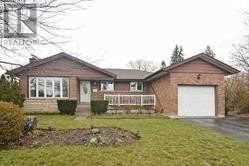 For Rent
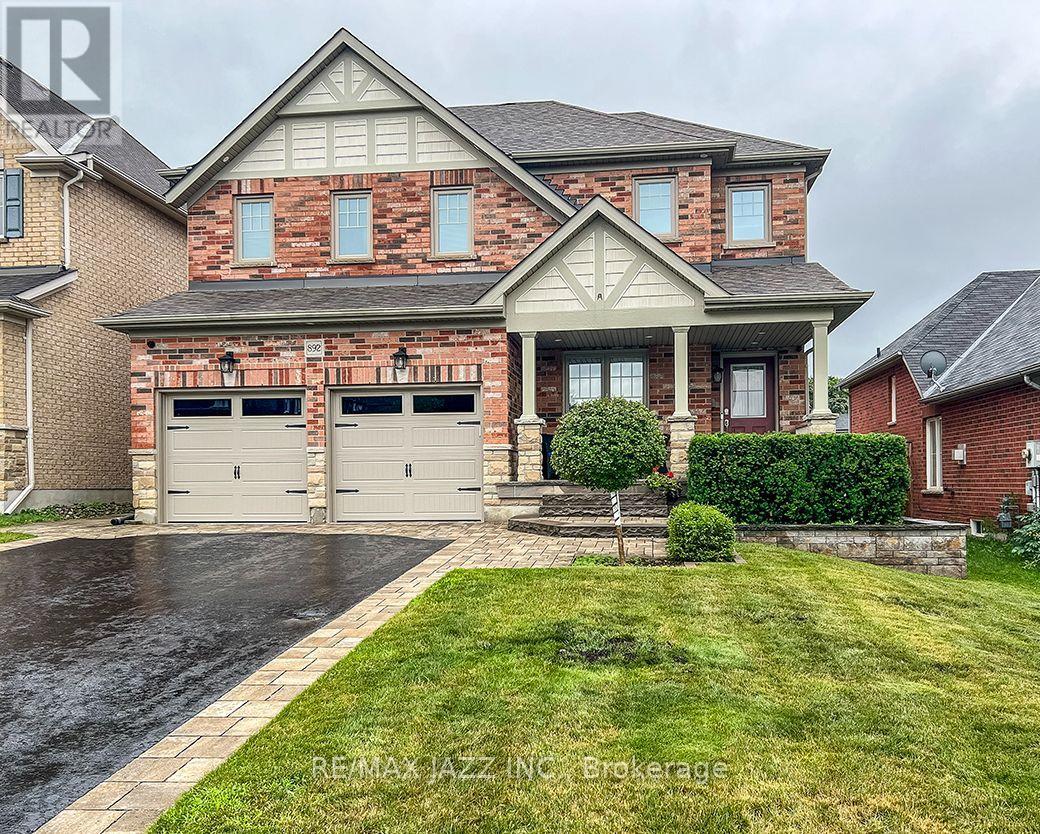 For Sale
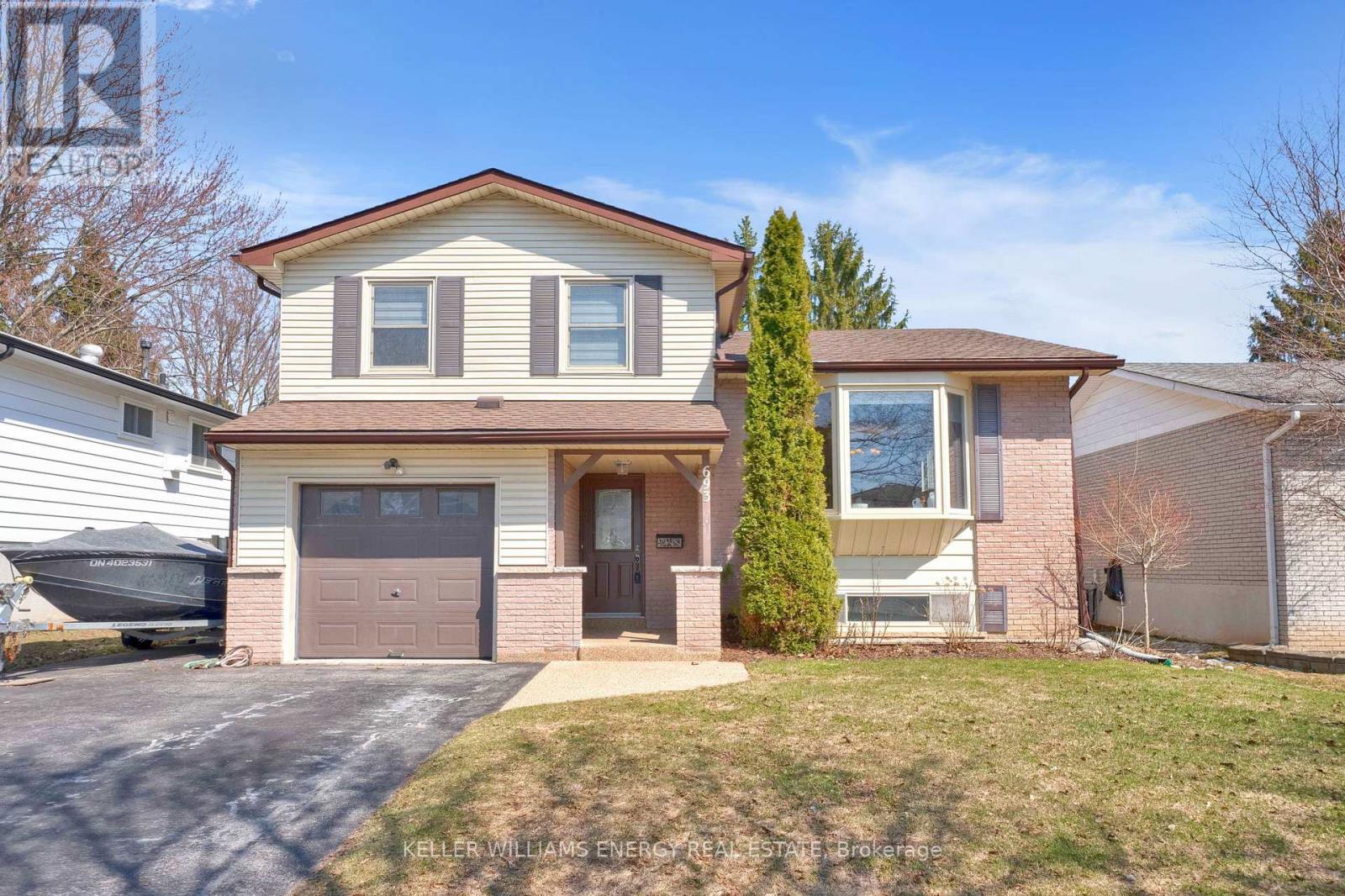 For Sale
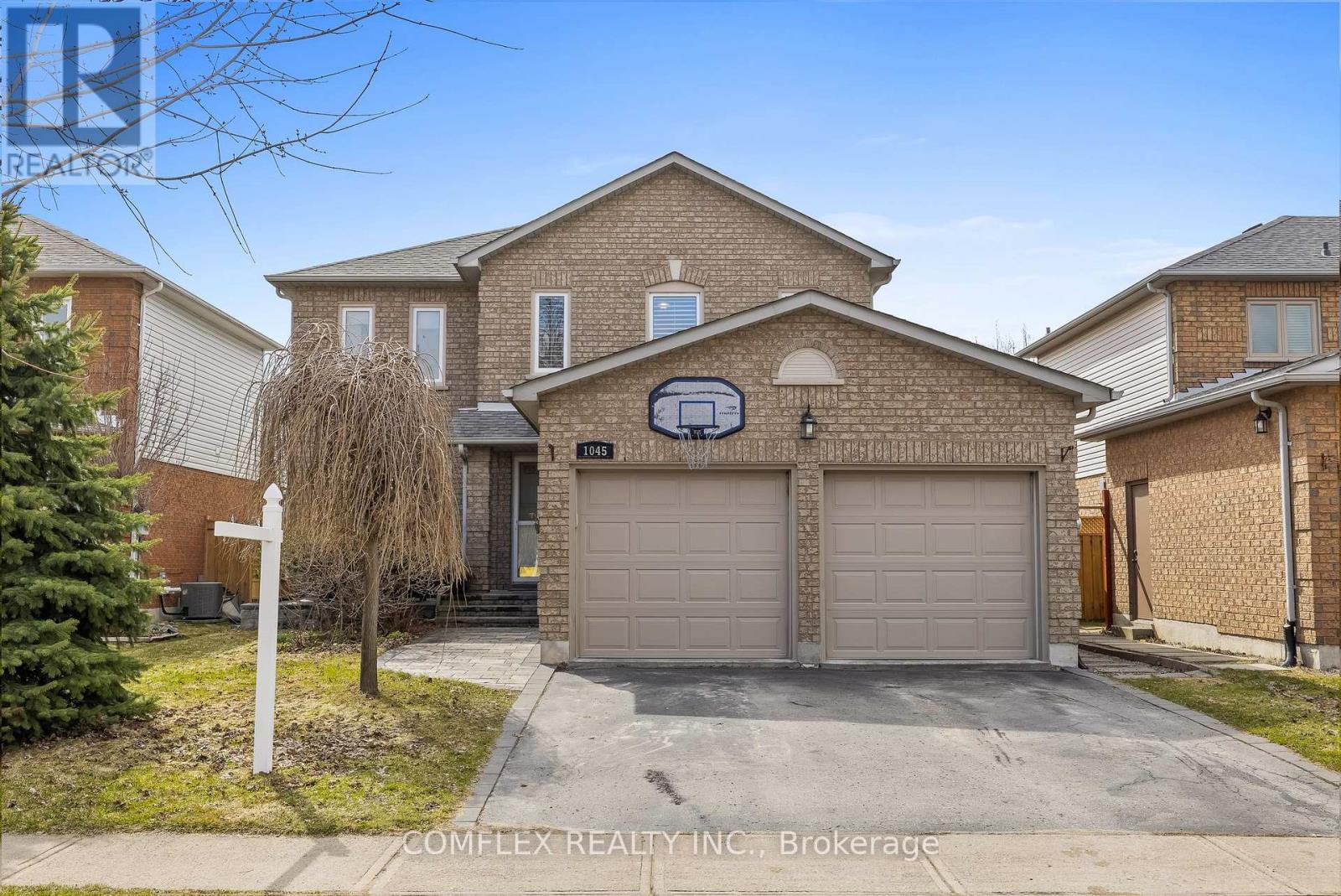 For Sale