
Northwood is a central-north Oshawa neighbourhood with established and newer homes, access to the Harmony Road corridor, and proximity to the Oshawa Valley Botanical Gardens.
Northwood occupies the northwest of Oshawa, running from Taunton Road to the south, Winchester Road to the north, Harmony Road to the east, and the Whitby municipal boundary to the west. Its position at the top of the city and adjacent to Whitby’s northern development gives it a character that’s more exurban than suburban — fewer homes, larger properties in many cases, and a sense of being at the edge of built Oshawa rather than in the middle of it. The Northwood name in the Oshawa context refers to a relatively small residential area rather than a large developed neighbourhood.
The housing in the core Northwood area tends toward larger lots and custom or semi-custom homes rather than the builder subdivision product that dominates north Oshawa. Some properties are on lots large enough for equestrian use or substantial gardens. The area around the Ritson Road North corridor carries a mix of established estate properties and newer homes built in the 2000s and 2010s that respond to the same preference for space and privacy that the original country residential properties reflected.
The proximity to Whitby’s Taunton North and Rolling Acres developments to the west creates a context where buyers evaluating Northwood are often also looking at properties just across the Oshawa-Whitby boundary. The land character is similar, the highway access is comparable, and the Oshawa address is generally lower in price than a comparable Whitby address on the same road.
Northwood is a small residential area with limited inventory at any given time. The properties that trade here range from larger executive detached homes on half-acre to acre lots — which can price from $1 million to $2 million or more for the right property — to more modest established homes on standard suburban lots in the $700,000 to $950,000 range. The wide price range reflects the genuinely mixed character of the area, which is less homogeneous than a standard suburban subdivision.
Buyers looking at Northwood for the estate property format are evaluating against Rural Oshawa, Columbus, Rural Whitby, and properties in the Taunton North area of Whitby. The Oshawa address typically prices below comparable acreage in Whitby or north Durham, reflecting the market’s assessment of the two municipalities. The property itself — the land, the house, the character of the setting — often delivers more value per dollar on the Oshawa side of the boundary than the Whitby side.
The newer housing in Northwood’s more recently developed sections is standard north Oshawa subdivision product but at the larger end of the lot spectrum. Buyers who want more land than the Kedron or Northglen subdivisions provide without going fully rural find this part of Northwood interesting. Supply is limited and new listings appear infrequently, which means buyers who target this area specifically need to be patient and ready.
Northwood’s position at the top of Oshawa gives it good highway access via multiple routes. Taunton Road connects west to Whitby and east toward the 115 corridor and Clarington. Ritson Road North runs south through the neighbourhood toward Highway 401, which is accessible at the Ritson Road interchange. Highway 407 east is accessible via Taunton Road or Winchester Road and the northern Oshawa interchange points. For commuters whose employment is along the 407 corridor through Markham and York Region, Northwood’s northern position relative to central Oshawa is not a significant disadvantage.
The lack of GO train proximity is the transit shortfall for Northwood. The Oshawa GO station is a 15 to 25 minute drive south depending on traffic. For downtown Toronto commuters who plan to use the GO train, this drive adds to the total commute and makes the overall time from Northwood to Union Station approximately 80 to 95 minutes. This is a real consideration for daily commuters, and buyers who work downtown should budget the full commute time before committing.
Within the neighbourhood, driving is the only practical transportation mode. There is no transit service in the northern Northwood area and cycling or walking to any commercial destination requires covering distances that are impractical for daily utility trips. Car ownership is not optional here in the way it might be in the more transit-accessible parts of the city.
Buyers who choose Northwood have typically made a deliberate decision about the kind of property and setting they want. They are not choosing between Northwood and a Whitby subdivision — they’re choosing between Northwood and other semi-rural or estate-style options in the Durham Region northern tier. The comparison set includes Columbus, Rural Oshawa, Raglan, and the northern Whitby and Brooklin areas.
The Oshawa address at these lot sizes and this distance from the city centre is typically $200,000 to $400,000 below what a comparable property commands in comparable Whitby or Brooklin locations. For buyers who are focused on the property itself rather than the postal code, that difference is significant. Buyers for whom the Whitby address carries a specific value will pay the premium and buy in Whitby; buyers who are focused on land, privacy, and the estate property format at the best available price will find Northwood worth serious evaluation.
Some buyers in Northwood are long-term Durham Region residents who have lived in the area for decades and are in their second or third property, each time moving to more space and less density. They know the area, they have no illusions about the commute or the commercial amenity trade-offs, and they’ve made the calculation that space and privacy are worth the compromises. These buyers are not the buyer profile that drives the main Oshawa market, but they are a consistent presence in the upper end of the north Oshawa residential segment.
Ritson Road North is the primary north-south corridor through Northwood and carries the established estate properties that give the area its character. Properties set back from Ritson on large lots with mature landscaping define what Northwood’s premium end looks like. The road itself is a rural highway with no sidewalks and modest shoulders — not a street for pedestrians or cyclists in the way that an urban street would be. The rural road character is consistent with the property type it serves.
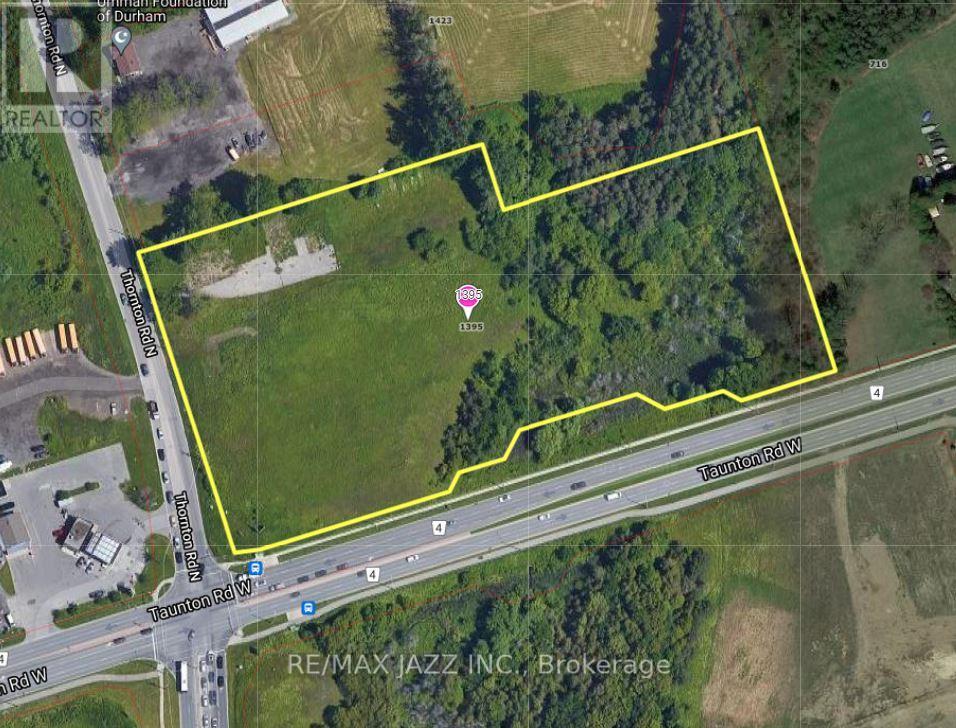
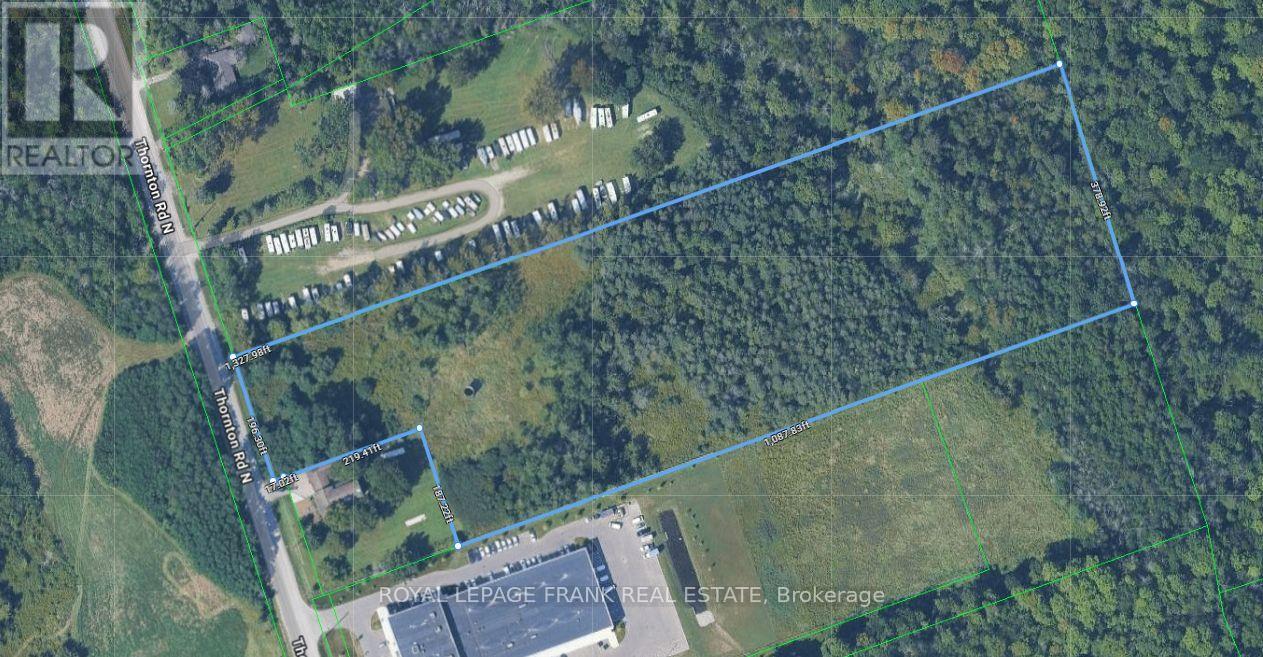
The northern fringe toward Winchester Road is more transitional: some fully rural properties, some large lots in the process of development, and the interface with the agricultural land that continues north of the city. Properties at this northern edge of Oshawa are genuinely at the urban-rural boundary. Planning designations govern what can be built and how, and buyers near the northern boundary should understand the current and proposed land use for adjacent properties before purchasing.
The western edge of Northwood borders Whitby, and the transition between the two municipalities is sometimes not obvious at street level. Properties on Taunton Road West near the municipal boundary may be in either Oshawa or Whitby depending on the specific address. The difference matters for school catchments (DDSB in Oshawa, DDSB also in Whitby but different schools), property tax rates, and municipal services. Confirm which municipality a specific property is in if you’re near the boundary.
School catchments in the Northwood area follow the DDSB structure for north Oshawa. Secondary school catchment for most addresses flows to Maxwell Heights Secondary School on Bond Street East, though the new north Oshawa secondary school opening September 2026 may absorb some addresses from this part of the city. Verify the specific catchment assignment using the DDSB school locator at ddsb.ca before purchasing. Elementary school catchments are served by the north Oshawa DDSB elementary schools; the specific school depends on the exact address.
The limited residential density in the Northwood area means that elementary schools are not within walking distance of most properties. School bus service is provided by the DDSB for students in the rural and low-density residential areas where walking to school is not practical. Confirm busing eligibility for any specific property if this is relevant to your household.
Durham Catholic District School Board schools are accessible from Northwood by car or bus for Catholic families. The DCDSB school nearest to Northwood is likely a drive or bus ride away rather than within walking distance. French Immersion programming through the DDSB requires attendance at a designated FI school; confirm the pathway from any specific Northwood address if this is a priority.
Properties in Northwood on larger lots may not have municipal water and sewer service — some are on well and septic systems. This is an important distinction that affects both the day-to-day experience of living in the property and the due diligence required before purchase. A well water test and septic inspection are essential for any property on private systems. The well should be tested for potability and flow rate. The septic system should be professionally inspected for its current condition and an assessment of remaining service life. These inspections are not optional on a property this type.
Lot size and zoning should be confirmed for any property in the northern tier of the neighbourhood. Some properties near the rural-urban boundary are in agricultural or country residential zones that restrict what can be built, altered, or used on the land. If you have specific plans for a property — a workshop, an additional structure, an agricultural use — confirm with the City of Oshawa planning department that the zoning permits it before proceeding.
Insurance on estate and country residential properties can differ from standard suburban coverage. Discuss the property type with your broker before firm — distance from a fire hall, property size, and the presence of well and septic systems all affect insurability and premium. In most cases insurance is available and affordable, but it’s not the same as insuring a standard subdivision home.
Northwood, Rural Oshawa, and Columbus all represent the large-property end of the Oshawa residential market, but they’re different. Columbus is northeast Oshawa, with a historic hamlet character and the Columbus Secondary Plan guiding its eventual development. Rural Oshawa is a broader designation for the agricultural and country residential land that hasn’t yet been absorbed into any specific neighbourhood plan. Northwood is northwest Oshawa, adjacent to Whitby, with a more established residential character than Rural Oshawa proper.
Prices in all three areas reflect the Oshawa discount relative to comparable properties in Whitby, King, or the rural municipalities to the west. Columbus rural properties trade in a wide range depending on acreage and improvements. Rural Oshawa is the most broadly priced of the three. Northwood’s established residential properties typically price in the $1 million to $2 million range for estate format, with smaller lots on the residential streets in the $700,000 to $950,000 range.
Buyers who are seriously considering any of these areas should evaluate them as a set rather than in isolation. The commute patterns, school catchments, and property types overlap enough that the right choice depends on specific properties rather than general neighbourhood preferences. An agent familiar with the northern Durham Region residential market is more valuable in this search than a general Oshawa agent who knows the subdivision markets better.
The appeal of the Northwood setting is straightforward: space. Properties in this part of Oshawa are surrounded by the sky and the horizon in a way that is not possible in the subdivisions. The lot sizes allow for mature trees to stand at real distances from the house. Gardens can be substantial. Animals can be kept. The neighbour on each side is not close enough to hear through shared walls or see through adjacent windows. For buyers who have been trying to manufacture this quality of life in a smaller suburban property, Northwood delivers it at a Durham Region price.
The Oshawa Creek passes through the northern areas and creates natural green corridors. Wildlife that is absent from the subdivisions — deer, fox, raptors — is present in the northern agricultural fringe. The property experience at the northern edge of Oshawa is genuinely different from the suburban experience of the residential neighbourhoods to the south, and for the buyer that difference is the reason they’re here.
Buyers from the GTA who are accustomed to urban density sometimes underestimate both the appeal and the practical demands of low-density rural-edge living. The drive for groceries is real. The school bus is real. The snow clearing on a long private driveway is real. These are not complaints; they are the texture of the trade-off. Buyers who know what they’re choosing and have made the choice deliberately tend to be satisfied. Buyers who discover it by accident after they’ve bought sometimes don’t.
The Northwood area is stable in the sense that large-lot residential markets in the northern Durham Region are stable: they don’t see the high transaction volumes of the subdivision markets, prices are less influenced by broad market swings, and the buyer pool is smaller and more specific. When a property comes to market in the estate or large-lot format, it takes longer to sell than a standard subdivision home because it needs to find the specific buyer who has decided they want this format and setting. But when that buyer appears, they’re usually a serious buyer.
The development of the Columbus planning area to the northeast and the continued expansion of Kedron and Windfields to the south and east will eventually bring more urban character to the northern edge of Oshawa. For buyers in Northwood proper, the established residential area is further from those development pressures than the newer planning areas, but the general direction of growth is northward and buyers should understand that the city is coming.
Property values in the estate tier of north Oshawa held relatively well through the 2022-2025 market correction compared to the volatile entry-level subdivision markets. The buyer pool for estate properties is less leverage-dependent, less driven by fear of missing out, and more focused on the specific property. Those characteristics produce a more stable price environment even as the broader market fluctuates.
Q: What are home prices in Northwood Oshawa?
A: The price range in Northwood is wide, reflecting the diversity of property types in the area. Estate-format homes on half-acre to acre-plus lots with quality construction typically trade from $1 million to $2 million depending on the property, with exceptional properties above that. Established residential homes on more standard lots in the developed sections of Northwood are in the $700,000 to $950,000 range. The Oshawa address produces a meaningful discount compared to comparable properties in adjacent Whitby — often $200,000 to $400,000 on equivalent land and building combinations. For buyers focused on the property rather than the postal code, that differential represents genuine value. Supply in the estate segment is very limited; patience is part of the search strategy.
Q: Is Northwood on well and septic or municipal services?
A: It depends on the specific property. Some parts of Northwood have municipal water and sewer; others, particularly the larger-lot properties in the northern sections, are on private well and septic systems. Confirming the service type for any specific property before proceeding with an offer is essential. Well and septic properties require pre-purchase inspections — a well water test for potability and flow rate, and a septic system inspection by a qualified inspector. These are non-negotiable due diligence items. Your real estate lawyer can confirm the municipal service connections in the property records.
Q: How does Northwood compare to Rural Oshawa?
A: Northwood, in the city’s northwest, has more established residential character than the broader Rural Oshawa designation, which encompasses the agricultural and country residential land across the northern and eastern reaches of the city. Northwood properties are generally closer to municipal services, more often on municipal water and sewer, and more clearly residential in character. Rural Oshawa properties can range from rural hobby farms to country residential lots to actively farmed land. Northwood is the more refined version of the estate residential format; Rural Oshawa is the broader and more varied category that includes properties at several different price and development stages.
Q: What school serves Northwood at the secondary level?
A: Secondary school catchment for most Northwood addresses flows to Maxwell Heights Secondary School in Oshawa. The new north Oshawa secondary school at Windfields Farm Drive East, opening September 2026, may affect catchment boundaries for some northern Oshawa addresses, including parts of Northwood. Confirm the current and updated catchment assignment using the DDSB school locator at ddsb.ca before purchasing if secondary school assignment is relevant to your decision. School bus service is provided for students in low-density areas where walking to school is not practical.
The Northwood area represents the historical rural fringe of Oshawa, the edge of the city where agricultural land gave way to residential development in different waves across the 20th century. The earliest residential properties in the area were genuinely country homes — large lots, private wells, the space and privacy of rural Ontario at the edge of the industrial city. Some of these original properties remain, now surrounded by the suburban development that followed them northward over the decades.
The interface between Oshawa and Whitby in the Northwood area reflects the historical administrative separation of two municipalities that have grown toward each other from their original cores near the lake. The boundary between the two cities runs through what is now developed residential land, and properties on either side of that line share the same landscape, the same road system, and similar character while belonging to different municipalities with different service structures and different planning priorities.
The long-term trajectory for the Northwood area, as for the rest of north Oshawa, is continued urbanisation as the city builds out under provincial growth directives. The city-owned and planned growth areas are largely to the south and east of the established Northwood residential core, which provides some buffer, but the general direction is clear. Buyers who want to preserve the current rural-edge character of a Northwood property should evaluate the long-term planning context and understand where the growth boundary is today and where it may move over their holding period.
Street-level knowledge is hard to find online. Our team works in Northwood every day. They know which pockets hold value, where the school catchment lines actually fall, and what the market is doing right now. Talk to us before you make a decision about Northwood.
Talk to a local agent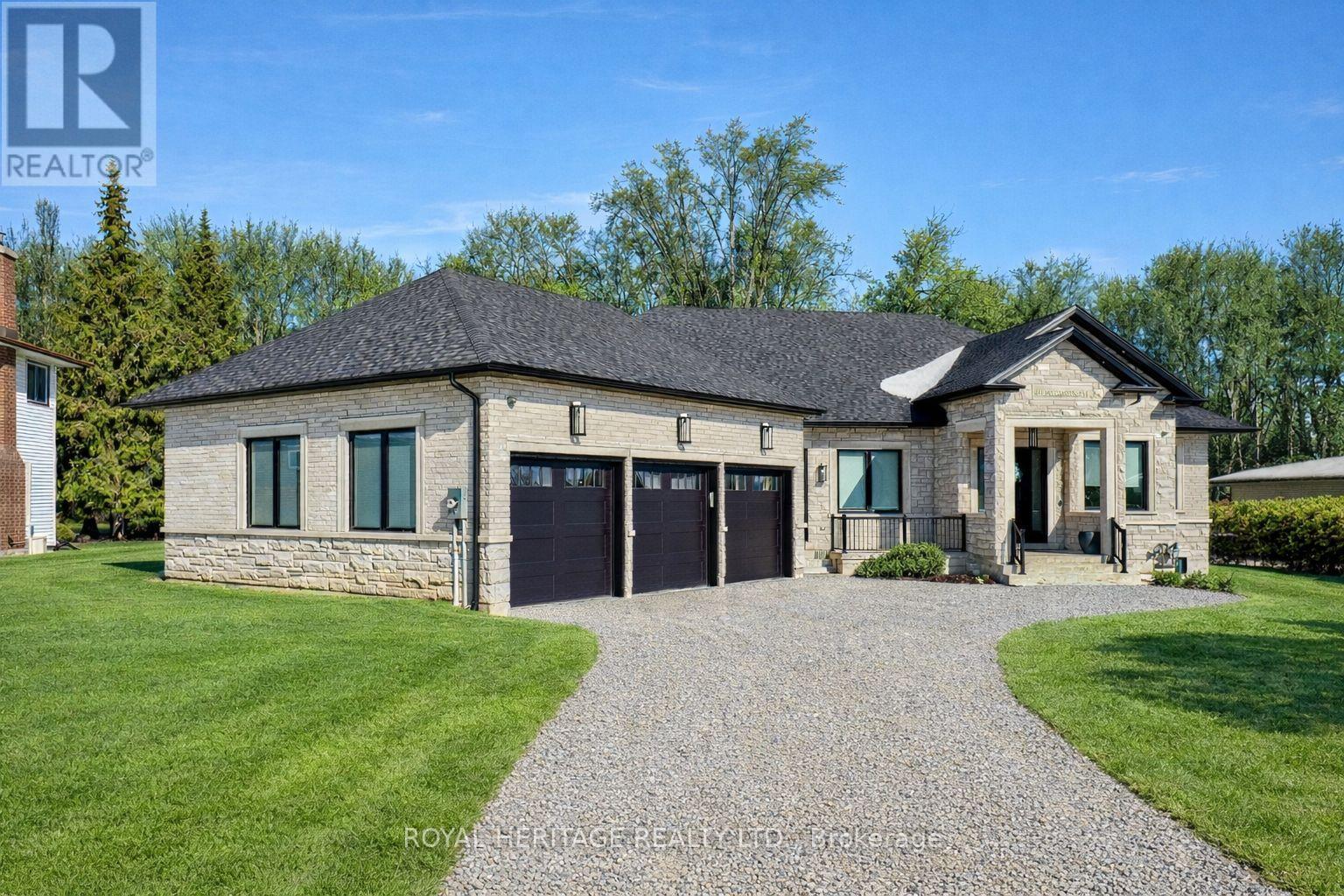 For Sale
 For Sale
 For Sale
 For Sale