
Stouffville is the urban centre of Whitchurch-Stouffville, with GO Stouffville Line service to Union Station, a genuine Main Street commercial district, and a range of housing from heritage homes to newer subdivisions.
Stouffville is the urban centre of Whitchurch-Stouffville, a municipality that occupies a transitional position in the GTA between the established York Region communities to the west and the rural fringe to the east and north. The town has grown from a small agricultural service community to a mid-sized suburban municipality over the past three decades, driven by the GO Stouffville line service and the general demand pressure that has extended York Region development eastward. The GO station, which opened for regular service in the 1990s, changed what Stouffville is and who lives there.
The urban area extends from the original historic main street core along Main Street to the newer subdivisions on the north, south, and west that have developed since the 1990s. The built form transitions from heritage commercial and residential buildings near the main street to newer builder subdivisions at the edges. This transition gives Stouffville a more varied character than single-era suburban municipalities and provides options for buyers who value different things within the same community.
The GO station is the neighbourhood’s defining locational asset for commuters. Stouffville GO on the Stouffville Line connects to Union Station in approximately 55 to 60 minutes. The service pattern on the Stouffville Line has been subject to periodic debate, with some services running express and others stopping at multiple stations. Buyers who commute by GO should check specific train times against their work schedule rather than relying on the advertised journey time alone.
Stouffville has a well-established community character that reflects its longer history as an Ontario town. The main street, the heritage buildings, the community events, and the social infrastructure of a functioning town give Stouffville a character that purely developer-built suburbs lack. This character is part of what draws buyers who want the suburb with a community identity rather than the suburb that is purely a residential product.
Prices in Stouffville reflect its York Region position and GO access. The median home price in the municipality was approximately $1.1 million in 2025, higher than most of Durham Region but below the premium York Region communities of Aurora, Newmarket, and King. This positioning makes Stouffville one of the more accessible York Region addresses for buyers who need GO access and want a community with genuine character.
Stouffville has a wide range of housing types reflecting the different eras of its development. The historic core has older single-detached homes and some heritage-designated properties from the nineteenth and early twentieth centuries. The surrounding subdivisions have newer detached homes from the 1990s through the 2010s built by multiple builders across various phases. More recently, townhouses and some condominium development near the GO station have added density and lower price points to the mix.
Detached homes in Stouffville were trading in the range of $1.0 million to $1.5 million in early 2025, with the upper end representing newer, larger homes in premium subdivisions and the lower end reflecting older or smaller homes in the established areas. The median price was approximately $1.114 million, reflecting the broad middle of the detached market.
Townhouses in Stouffville provided lower entry points, generally in the $750,000 to $950,000 range depending on size and location. The townhouse market has expanded as infill and newer phases of development have added density. These represent the accessible end of the Stouffville market for buyers who want the community and the GO access without the full detached price.
Heritage homes near the main street core carry premiums for character and location that reflect both the quality of the buildings and the walkable access to Main Street amenities. A well-maintained heritage home within walking distance of the GO station and the main street is a specific product with limited comparable inventory.
Relative to other York Region communities, Stouffville is competitively priced. Aurora, Newmarket, and Markham command higher prices for comparable housing quality, while Stouffville offers comparable GO access and community character at a lower baseline. This relative affordability within York Region is one of the community’s primary draws for buyers who need York Region services and transit but are priced out of the more expensive addresses to the west.
Stouffville has a diverse market that reflects its mixed built form and the range of buyer motivations the community attracts. GO commuters seeking transit access, families seeking community character, heritage buyers seeking older homes, and buyers looking for newer construction all participate in the Stouffville market. This diversity of demand creates a broader and more resilient market than single-segment communities.
The GO station proximity creates a specific rental demand from commuters who want to be in a community with transit access without yet purchasing. This rental demand supports an investor market in the townhouse and condominium segment near the station. Owner-occupiers dominate the detached market, while the attached and stacked forms near the GO have more investor presence.
Stouffville’s relative affordability within York Region attracts buyers from more expensive York Region communities who are looking for the next price band down. First-time buyers from Markham, Richmond Hill, and Aurora who cannot afford the detached market in their home communities find Stouffville a viable step into the detached market within York Region. This demand from buyers who are accustomed to York Region pricing creates a buyer pool that is comfortable with prices that feel high relative to Durham Region.
The spring market follows the standard Ontario suburban pattern. Multiple offers on well-priced detached homes in the desirable sections of the community are common in March through May. The fall market is functional but less competitive. Winter listings occasionally provide modest opportunities for patient buyers.
The development of new residential phases on the edges of Stouffville’s urban area continues to add supply. The balance between new builder supply and resale demand affects pricing dynamics, and buyers comparing new construction to resale should understand the all-in cost difference before making a final comparison.
York Region families who want GO transit access at prices below Aurora, Newmarket, or Markham are the most numerous buyer segment. They have done the GTA-wide comparison and determined that Stouffville offers the York Region community character and GO access combination at a price point that their budget can support. These buyers are familiar with York Region and are making a practical choice about where in the region their money goes furthest without sacrificing the community quality they are used to.
Families drawn specifically by the community character of the main street and the established neighbourhood identity are a motivated segment. Stouffville has a genuine town identity that is different from the purely developer-built suburbs that surround it. Buyers who value this character, whether because they grew up in a similar community or because they are making a deliberate move away from anonymous subdivision living, are strongly motivated and specific in their preference.
Heritage home buyers, as in Downtown Whitby, are a smaller but committed segment. Stouffville’s main street heritage buildings and the surrounding older residential streets provide heritage stock at prices that are lower than comparable heritage districts in Markham or Aurora. These buyers prioritise character and authenticity over newness and are prepared for the renovation and maintenance requirements of older homes.
First-time buyers entering the York Region detached market through Stouffville are a significant segment. For dual-income households who are committed to York Region but cannot yet access the higher-priced communities, Stouffville provides the detached market entry at a price level that is achievable without extreme financial extension by York Region standards.
Buyers from Durham Region who are trading up to York Region, attracted by the combination of GO access, community character, and a price point that is only moderately higher than premium Pickering or Whitby addresses, are also present. These buyers are making a cross-regional move and have typically done a thorough comparison across both regions before committing.
Main Street Stouffville provides the community commercial infrastructure that distinguishes Stouffville from purely residential suburbs. Local restaurants, cafes, independent businesses, and the civic character of an Ontario main street give residents walkable access to a community life that most GTA suburbs cannot offer. The farmers market, community events, and the seasonal activity of the main street reflect a genuine local identity that has been maintained through the growth of the suburban areas around the historic core.
The GO station walkability from the main street area and the surrounding residential streets is a defining lifestyle advantage. Residents of the core area who can walk to the station have a commute quality that most suburban addresses cannot match. This walkability is part of what makes the heritage core a premium within the Stouffville community and commands the pricing premium it carries.
The broader Stouffville community has the social infrastructure of a municipality that has been a functioning town rather than purely a residential development. Schools have multi-generational histories. Community organisations have established roots. The Stouffville arena, the parks, and the recreational programs reflect a community investment that goes back further than the suburban developments of the 1990s and 2000s.
The Oak Ridges Moraine provides the natural setting for Stouffville’s northern and western edges. The transition from suburban neighbourhood to Moraine landscape is relatively abrupt in this part of York Region, and residents of northern Stouffville have access to natural areas that suburban communities further south and west do not have at comparable proximity. The planned greenspace within the Stouffville urban area reflects the municipality’s commitment to maintaining connections to the natural landscape as the urban area has grown.
The community events that anchor Stouffville’s calendar, including the fall fair, community festivals, and the farmers market, provide seasonal gathering points that reinforce the town identity. For families who want their children to grow up with a sense of genuine community rather than just a residential address, these events and the culture they reflect are a meaningful part of what Stouffville offers.
Stouffville GO Station is the defining transit asset. The Stouffville Line connects to Union Station in approximately 55 to 60 minutes on express services and somewhat longer on local services. The station is walkable from the main street area and the surrounding residential streets, approximately 10 to 20 minutes on foot from most addresses in the historic core. Residents of the newer suburban areas further from the station typically drive.
Highway 404 is accessible from Stouffville via Highway 48 heading south and west, reaching the 404 in approximately 20 to 30 minutes from the urban core. The drive to Toronto from Stouffville via the 404 takes approximately 45 to 60 minutes depending on conditions. Rush hour can add significantly to this time, particularly on the 404 and in the Highway 401 or 407 merge areas.
Highway 407 is accessible from the 404 and provides east-west connections to Markham, Vaughan, and the broader 407 employment corridor. For buyers with employment along the 407, the combination of 404 and 407 makes commuting from Stouffville to the major employment nodes of the western GTA practical, though not quick.
York Region Transit provides bus services connecting Stouffville to other York Region communities, including connections to the GO station and to services along Highway 7 and Markham Road. The transit network is more functional in Stouffville than in rural Whitchurch-Stouffville but does not provide the comprehensive service that central York Region communities enjoy. A car is still practical for most daily activities, though core area residents have more walkable options than the suburban edges.
Cycling infrastructure in Stouffville has been improving as the municipality has invested in active transportation. Trails and cycling paths connect parts of the urban area and provide recreational cycling options. Some residents of the core area cycle to the GO station or to main street destinations. The flat terrain of the Stouffville area makes cycling more practical here than in topographically varied communities.
Stouffville has a well-developed parks system reflecting the investment that a municipality with a longer history makes in its outdoor infrastructure. The Civic Centre and associated green space, the Stouffville District Recreation Complex, and neighbourhood parks distributed throughout the urban area provide recreational facilities at multiple scales. The overall parks provision is better than in purely development-era suburbs of comparable size.
The Oak Ridges Moraine provides the natural backdrop to Stouffville’s northern edge. The transition from urban development to Moraine landscape is accessible within a short drive or longer walk from parts of the community. The Moraine trail network, including sections of the Bruce Trail, is accessible from the northern edge of the urban area and connects to the broader Moraine natural corridor.
Milne Dam Conservation Area and other TRCA and LSRCA conservation areas in the broader region are accessible within 20 to 30 minutes by car and provide hiking, cycling, and wildlife observation in managed natural settings. These supplement the urban parks infrastructure and provide the more substantial natural experience that neighbourhood parks cannot offer.
The farmers market and the associated outdoor seasonal activities near the main street are a form of public space activation that contributes to the community character in ways that go beyond standard park provision. The market creates a gathering place and a reason to be outside in the community context that programmed recreation facilities do not replicate.
Water features within the urban area, including portions of Stouffville Creek and the associated valley lands, provide linear green space and trail access within the community. These natural corridors are less extensive than the creek systems in Durham Region communities but contribute to the green infrastructure of the community and provide walking routes that avoid arterial roads.
Stouffville is served by the York Region District School Board and the York Catholic District School Board. Stouffville District Secondary School is the primary YRDSB secondary school, with a comprehensive academic program serving the municipality’s students. The school has a long history in the community and reflects the investment that a growing municipality has made in its educational infrastructure.
Elementary school assignments within Stouffville depend on the specific address. Multiple YRDSB elementary schools serve the urban area, with catchment boundaries reflecting the growth and population distribution across the different development phases of the community. Parents should confirm current catchment assignments with YRDSB before purchasing.
The York Catholic District School Board serves Catholic families in Stouffville through St. Mark Catholic Elementary School and other Catholic elementary schools, with secondary students attending All Saints Catholic High School in Markham or other YCDSB secondary schools depending on catchment assignments. Parents committed to the Catholic system should confirm current assignments with YCDSB.
French immersion is available within YRDSB in Stouffville. The program has been growing as the municipality’s francophone and French-immersion-interested population has increased. Current program availability and registration procedures should be confirmed with YRDSB before purchasing if French immersion is a priority.
The school landscape in Stouffville has been under growth pressure as the municipality’s population has increased. New school capacity has been added in phases, but demand has periodically exceeded capacity, leading to boundary changes and portable classrooms at some schools. Buyers with school-age children should confirm current enrollment and capacity for the schools serving their specific address before purchasing.
Stouffville is one of the faster-growing communities in York Region. New residential subdivisions on the urban area’s edge are being approved and built, adding population and infrastructure to the community. The pace of growth has been significant enough that infrastructure, including schools, community services, and commercial development, has struggled at various points to keep pace with the residential growth.
The GO Stouffville Line improvements that Metrolinx has committed to include all-day two-way service, which would substantially improve the usefulness of the GO connection for non-traditional commuters, reverse commuters, and residents with employment along the GO corridor rather than specifically downtown Toronto. The timeline for delivering this improved service has been a subject of debate, but the commitment to the improvement is established. Buyers who are valuing the GO access should understand what the current service level is rather than assuming the improved service is already in place.
The municipality’s official plan designates land for continued growth in the Stouffville urban area. New phases of development in the west and north of the urban area are in various stages of approval and construction. This ongoing growth will add thousands of residents to the community over the next decade and will continue to test the infrastructure capacity that has periodically been strained during the current growth period.
The main street heritage area is subject to intensification pressure as development value in the GO station area increases. Heritage preservation and intensification are in tension in the main street area, and the outcomes of specific development applications will shape how the heritage character is maintained or changed over the coming decade. Buyers who are purchasing specifically for the heritage character should be aware that development pressure near the GO station is ongoing.
Long-term value in Stouffville is supported by the GO transit connection, the York Region land value baseline, and the community character that makes Stouffville a specific destination rather than a generic suburb. These structural factors support continued demand and provide a foundation for long-term appreciation consistent with the York Region market.
Stouffville was founded in the early nineteenth century by Abraham Stouffer, a Pennsylvania Quaker who came to Upper Canada in 1804. The community grew around a mill site on Stouffville Creek and became a service centre for the agricultural hinterland of Whitchurch Township. The Quaker heritage of the founding settlers shaped the community’s early character and its social organisation.
The community grew steadily through the nineteenth century as the surrounding agricultural area developed and as the Stouffville area became known for its productive land and its established community institutions. By the late nineteenth century, Stouffville had the typical profile of a small Ontario market town: a main street commercial district, churches, a school, and the social infrastructure of a self-sufficient rural community.
The arrival of the Toronto and Nipissing Railway in 1871 connected Stouffville to Toronto and to the north, changing the community’s economic context. Rail access enabled the movement of agricultural goods and passengers in ways that road transport could not match in the era before automobiles. The rail corridor that became the GO Stouffville Line has roots in this nineteenth-century railway connection.
Stouffville remained a relatively small community through most of the twentieth century, growing slowly from the original core without the explosive growth that some other GTA communities experienced. This slower growth preserved the community’s small-town character while the surrounding rural municipality remained primarily agricultural. The shift to faster growth came in the 1980s and 1990s as the GTA’s development frontier extended to this part of York Region.
The GO Stouffville Line service expansion in the 1990s was the catalyst that transformed Stouffville from a small service town into a commuter suburb. The ability to travel to Toronto by train brought the community within the practical commute range for GTA workers, and residential development followed the transit investment. This pattern of transit investment driving suburban growth was repeated across the GTA and is the story of how most of Durham and York Region’s suburban communities came to be.
Q: How is the GO transit service from Stouffville actually structured?
A: The GO Stouffville Line operates from Stouffville Station on the former Toronto and Nipissing Railway corridor. Express services run during peak hours on weekdays, taking approximately 55 to 60 minutes to Union Station. Off-peak services and reverse-peak services have been limited but are subject to improvement as Metrolinx works toward all-day two-way service on the line. The Stouffville Line has historically had less frequent service than the Lakeshore East line, which serves Durham Region. Before purchasing with the GO commute as a primary factor, review the specific timetable for the trains you would need to use, not just the advertised journey time. Early morning departures and late evening returns may have specific times that either align with or do not align with your work schedule.
Q: Is the Main Street area walkable to the GO station?
A: Yes. Stouffville GO Station is within reasonable walking distance of the Main Street area. The walk from most addresses in the heritage core to the GO platform is approximately 10 to 20 minutes depending on the specific starting point. This walkable access is one of the main street area’s premium features and is part of what makes heritage core properties command higher prices than comparable homes in the suburban edges of Stouffville. If walkable GO access is a priority, confirm the specific walking distance from any target property before purchasing.
Q: What is the price difference between Stouffville and similar communities in Aurora or Newmarket?
A: Aurora and Newmarket typically command prices 20 to 35 percent higher than comparable homes in Stouffville at current market conditions. The premium reflects those communities’ longer establishment, better highway access, more comprehensive commercial services, and greater GO service frequency on their respective lines. For buyers who are flexible about the specific York Region address and are primarily looking for GO access and community character, Stouffville offers a meaningful price advantage over its western neighbours. For buyers with specific requirements that Aurora or Newmarket better satisfies, such as access to specific schools, proximity to employment in those communities, or familiarity with the areas from prior residence, the higher prices may be justified.
Q: Is Stouffville affected by the Greenbelt or Oak Ridges Moraine designations?
A: The Stouffville urban area is designated as a Settlement Area under the Oak Ridges Moraine Conservation Plan, which permits continued urban development within the urban boundary as defined in the municipal official plan. The rural and agricultural lands surrounding the urban area are subject to the Moraine designations that restrict development. For buyers purchasing within the Stouffville urban area, the Moraine designation is background context rather than a direct constraint on property use. For buyers purchasing on the urban edge or considering properties near the boundary, the transition to Moraine-designated land should be confirmed for the specific address. The Greenbelt Plan also covers portions of land in the Whitchurch-Stouffville municipality outside the urban area.
Stouffville rewards buyers who work with an agent who understands the specific micro-markets within the community. The heritage core near the main street and GO station is a different market from the newer suburban subdivisions on the urban edges. The price premium for walkable GO access and heritage character requires specific comparable analysis that distinguishes these segments accurately. An agent who treats all of Stouffville as one market will not provide the precision that buyers in the heritage core or the GO-adjacent areas need.
Heritage property due diligence in Stouffville follows the same framework as in other communities with older housing stock: heritage designation status, older construction assessment by an experienced inspector, and renovation cost estimation before purchase. Stouffville has heritage-designated properties and properties with heritage character that are not formally designated. Understanding which category a target property falls into affects what can and cannot be altered on the property.
The GO service level question should be addressed honestly with all buyers who are purchasing partly on the basis of the Stouffville Line commute. The current service is functional but less frequent and less comprehensive than the Lakeshore East service serving Durham Region. Buyers who are comparing Stouffville to Durham Region communities on commute grounds should make the comparison based on the actual current service, not on planned future improvements that may or may not be delivered on time.
Buyers comparing Stouffville to Durham Region communities, particularly to Whitby, Oshawa, or Pickering at similar price points, benefit from an agent who can frame the comparison clearly. The York Region versus Durham Region distinction involves property tax differences, school board quality perceptions, price trajectories, and community character differences that are worth understanding before making a final decision. An agent who can articulate these differences specifically and without bias toward one region helps buyers make the comparison they need to make.
For first-time buyers entering the York Region market through Stouffville, the agent relationship includes establishing realistic expectations about what the budget allows in York Region versus Durham Region. Some first-time buyers would be better served by a Durham Region purchase that allows a larger home or a lower mortgage, and an honest agent should make that comparison available to the buyer rather than pushing toward the York Region option that generates the higher transaction value.
Street-level knowledge is hard to find online. Our team works in Oak Ridges Lake Wilcox every day. They know which pockets hold value, where the school catchment lines actually fall, and what the market is doing right now. Talk to us before you make a decision about Oak Ridges Lake Wilcox.
Talk to a local agent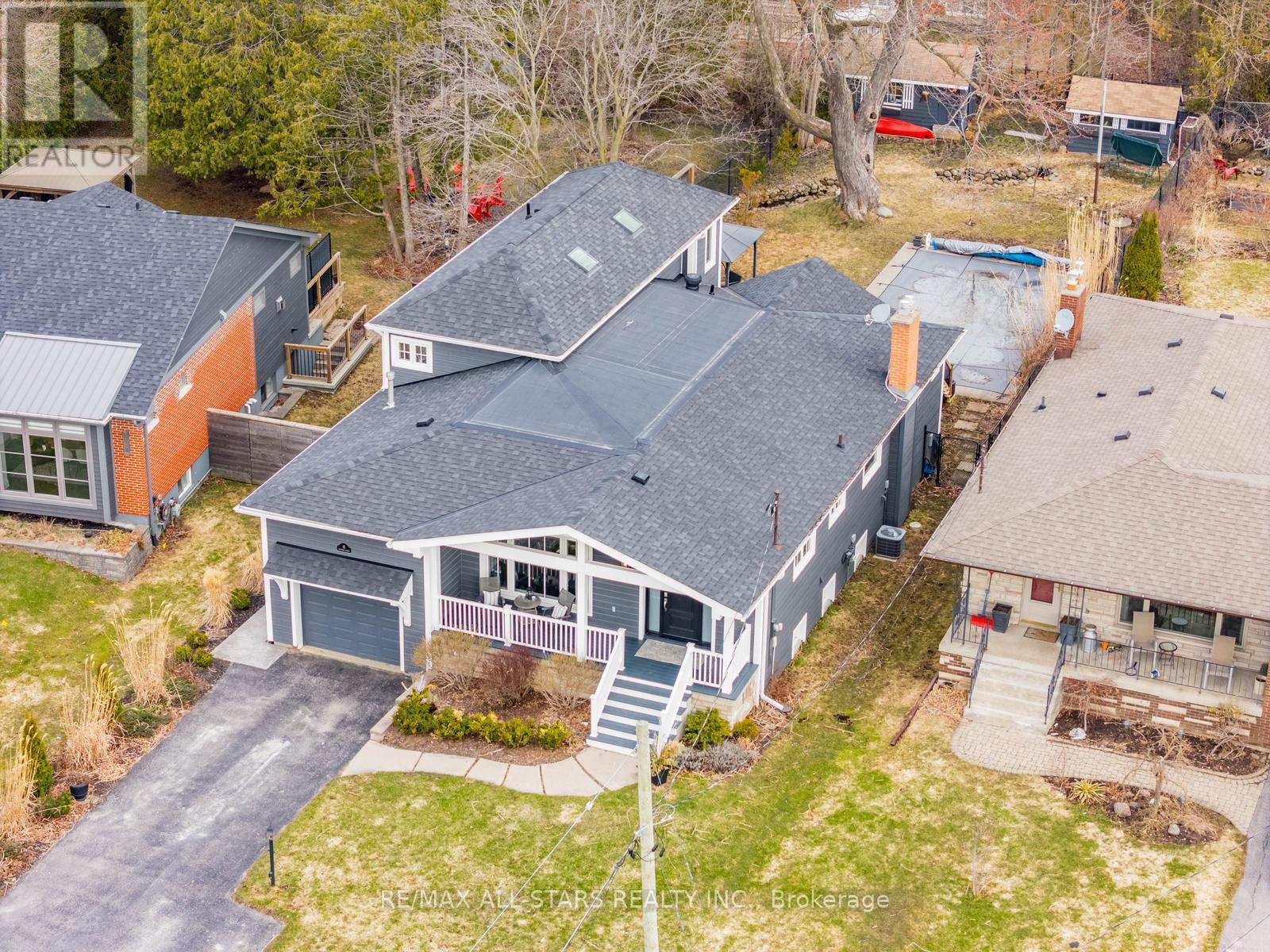 For Sale
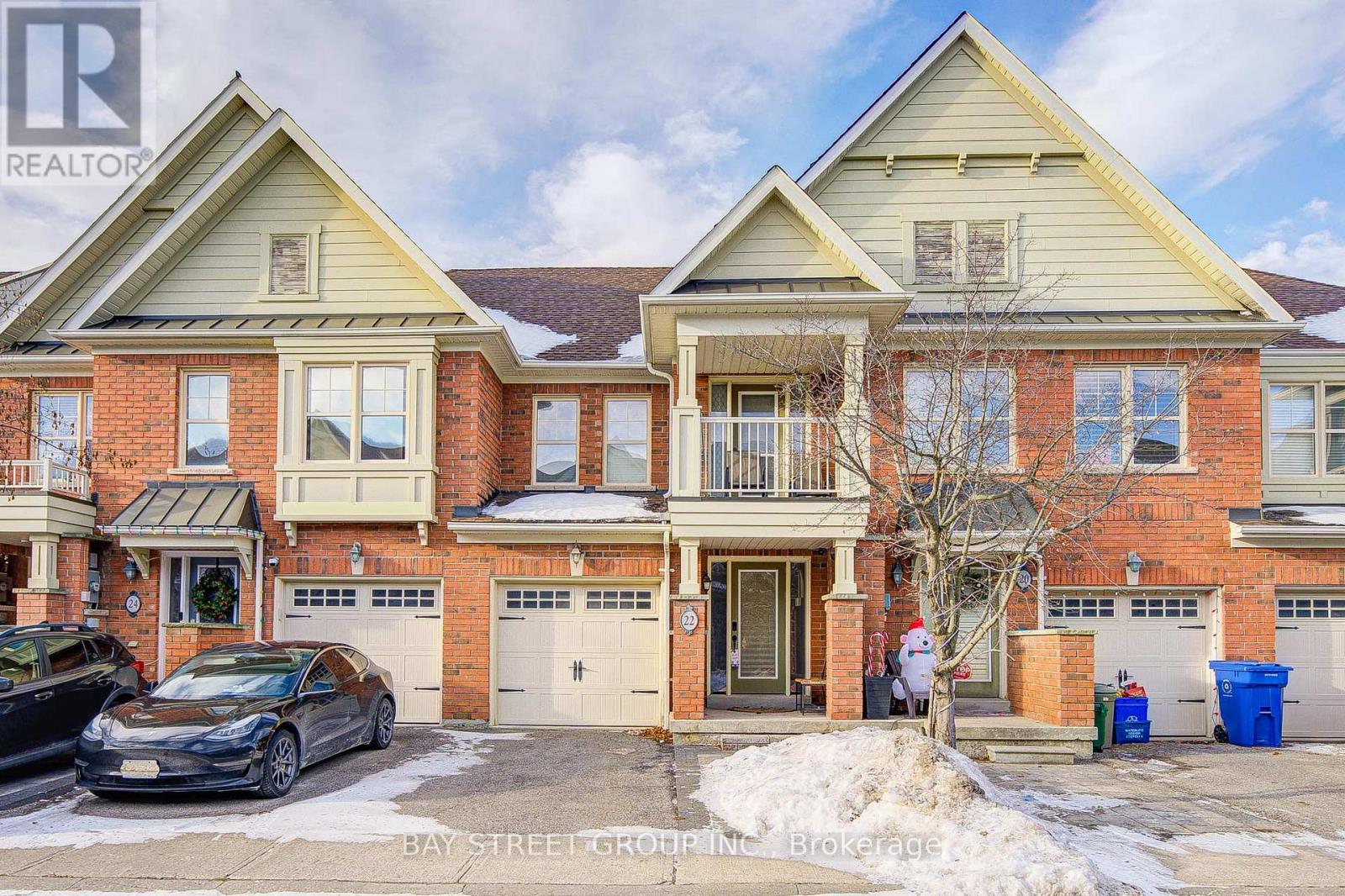 For Sale
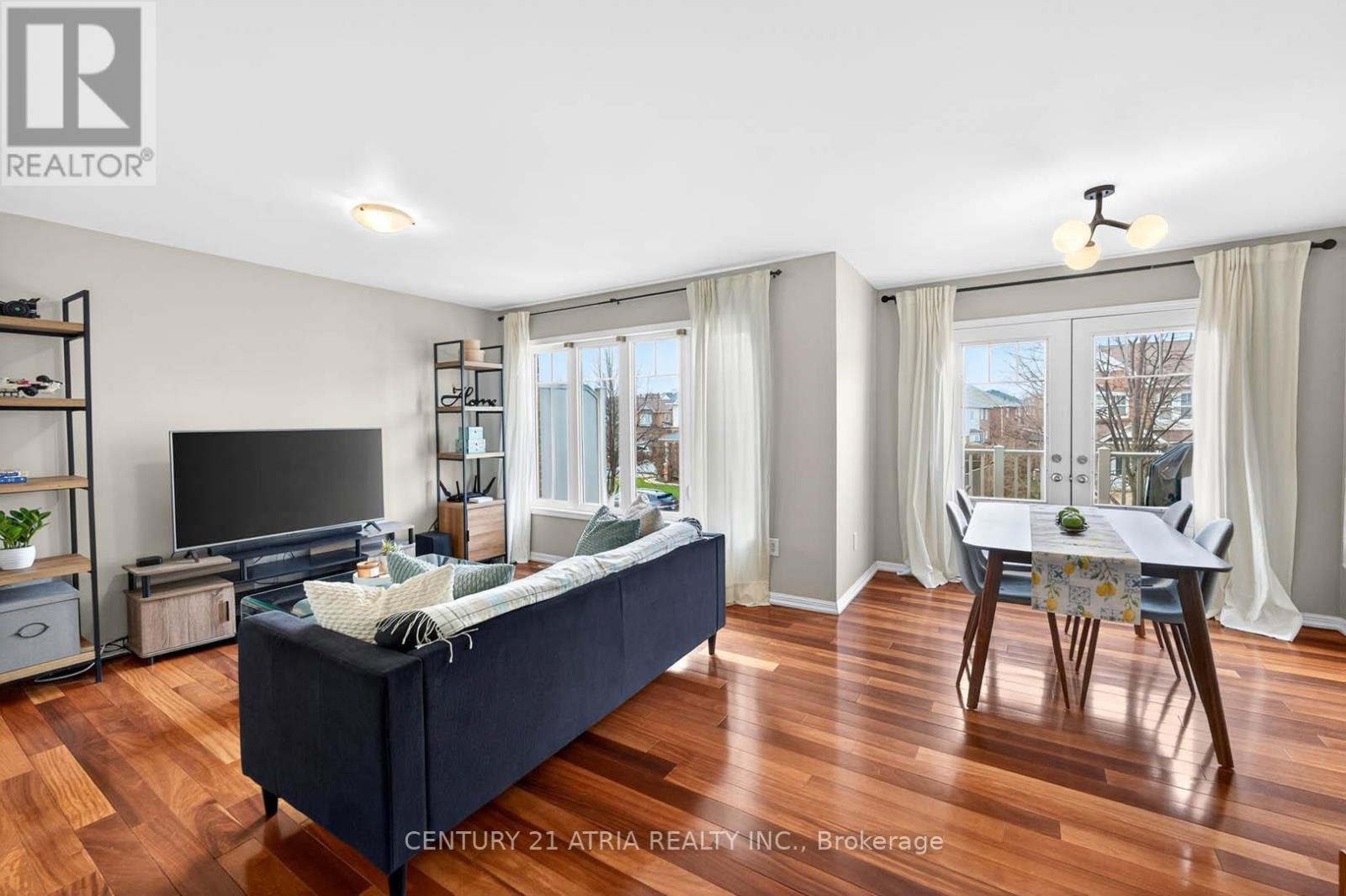 For Sale
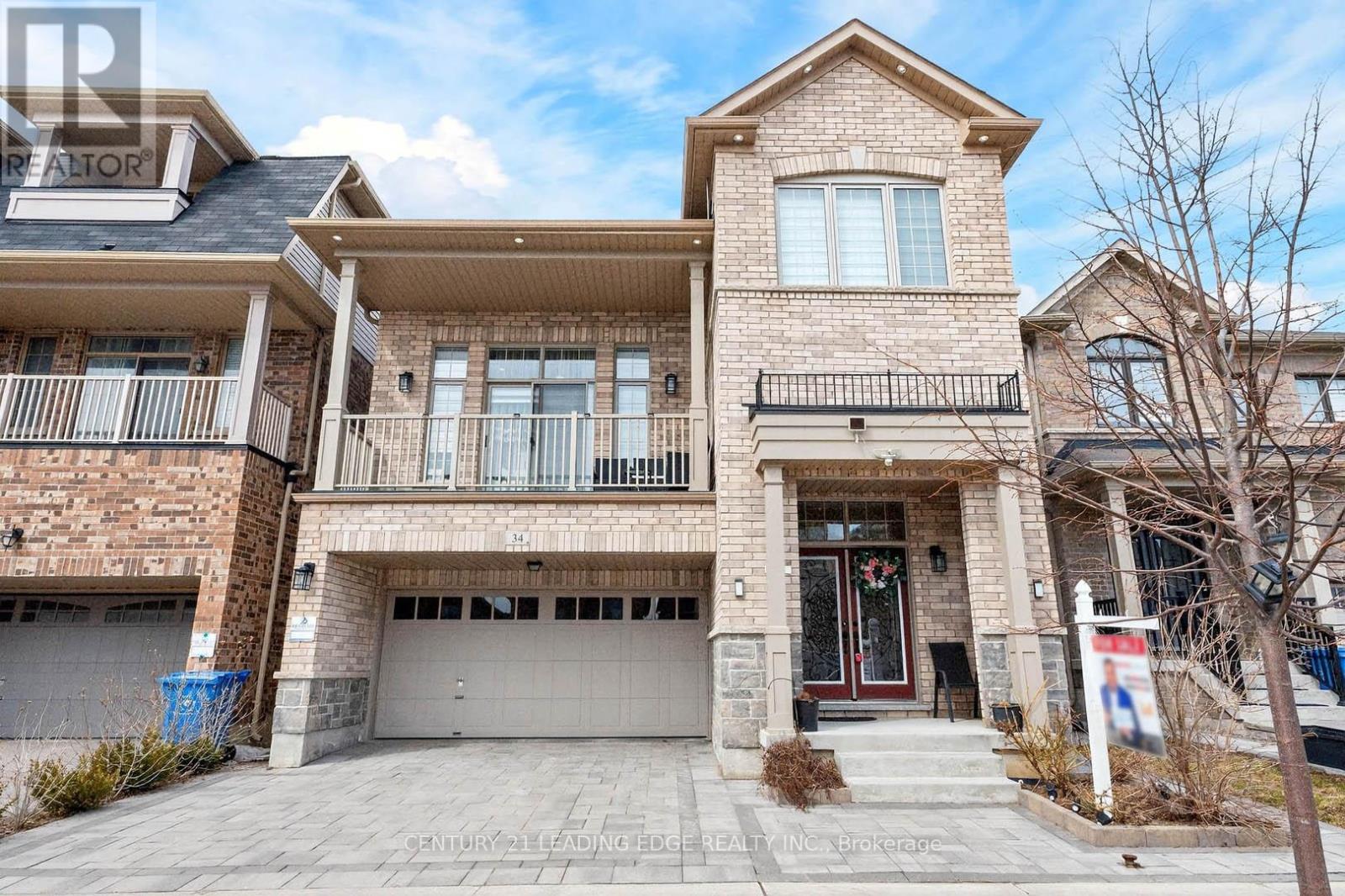 For Sale