
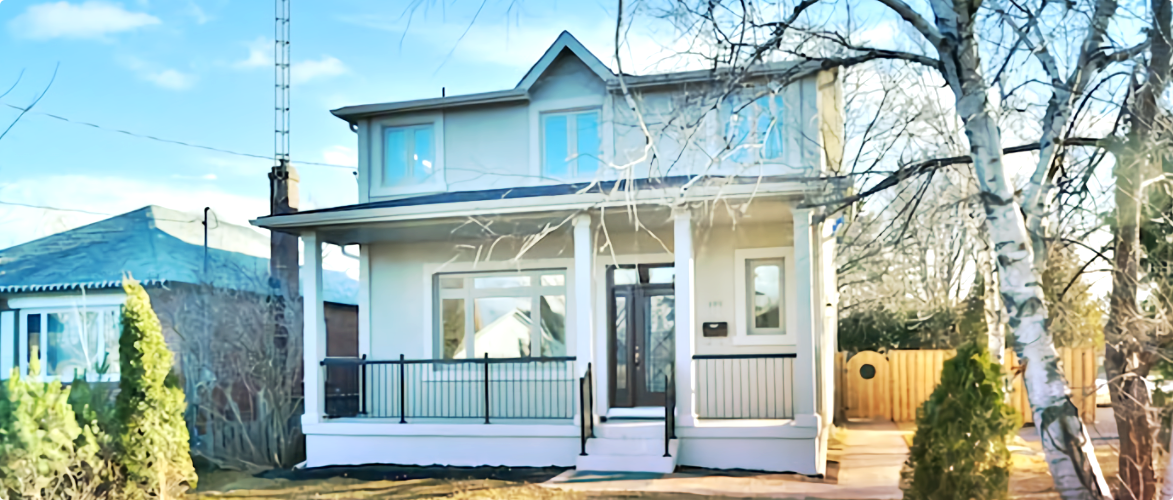
Oakridge is a quiet postwar bungalow neighbourhood in western Scarborough near Warden subway station. Established tree-lined streets, basement apartment potential, and proximity to the Eglinton Crosstown corridor. Detached homes run $850K to $1.2M in 2026.
Oakridge sits in the western part of Scarborough, between Danforth Avenue to the north and Eglinton Avenue East to the south, in the area east of Warden Avenue. It’s a postwar residential neighbourhood that developed in the 1950s and 60s and has retained much of that original character: bungalows on established tree-lined streets, low traffic, a quiet residential feel that’s unusual for a community this close to the subway.
The neighbourhood occupies an interesting position in the Scarborough market. It’s close enough to Warden subway station and to the East Toronto communities along Danforth to command buyer interest from people who want more house for their money than they can find in the Beach or Birch Cliff, but it’s far enough east of Warden that the prices reflect Scarborough rather than east Toronto. That gap is narrowing, and it’s been narrowing for years, but it hasn’t closed.
Oakridge doesn’t have a strong identity in the way that Birch Cliff or Bluffs do. It’s not a name that generates strong associations. That anonymity has historically kept prices more honest than in communities with stronger brand recognition, and for buyers who care more about the physical quality of the streets and the proximity to transit than about the neighbourhood’s cultural cachet, Oakridge can look very attractive on those terms.
The Eglinton Crosstown LRT, running along Eglinton Avenue East, will change the transit picture for the neighbourhood’s southern edge when it opens. That improvement doesn’t directly run through the heart of Oakridge, but it increases the transit options for residents and may affect buyer interest as the line becomes operational. The neighbourhood is worth paying attention to for buyers willing to do their own research rather than following the more obvious choices.
Oakridge is predominantly bungalows. The standard housing type is a detached bungalow on a 30 to 40 foot lot, built between the late 1940s and the mid-1960s, with a full basement below and a modest backyard. There are also raised bungalows and some two-storey homes, but the bungalow is the defining type and the one that most buyers are looking for when they’re searching this neighbourhood.
The lots in Oakridge are typical of this era of Scarborough development: usable but not generous. A 30-foot lot gives you a narrower living experience than the 40-and-50-foot lots common in some older Scarborough communities. Corner lots and the occasional double lot exist and are worth watching for, as they create opportunities for either more yard space or, in some cases, severance into two narrower lots for development purposes.
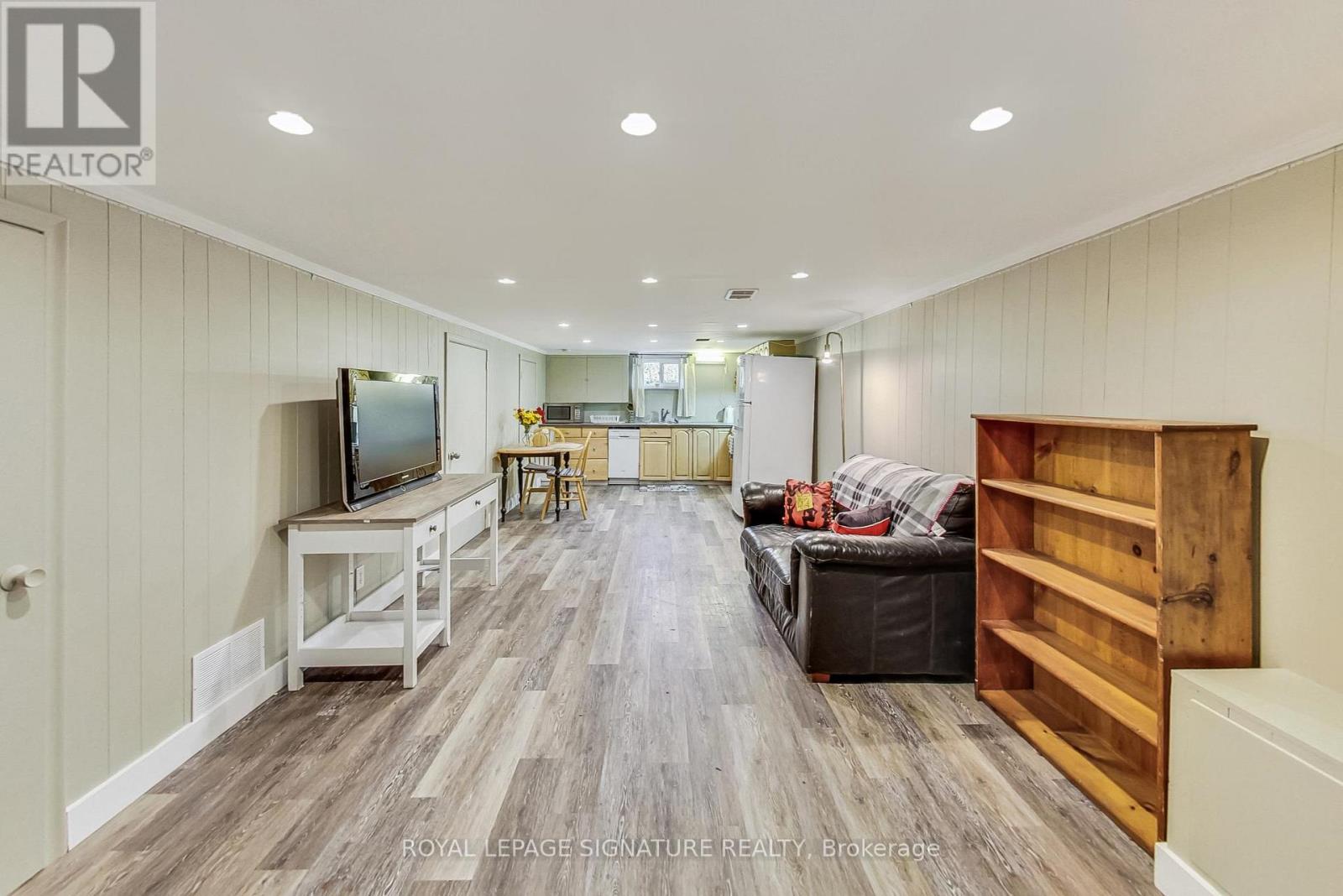
Basement apartments are common in the neighbourhood. Many of the bungalows have had basements finished over the decades, often with a separate entrance at the side or rear of the house. The quality of these conversions varies enormously: some are fully legal, well-maintained units generating market rent; others are informal arrangements that require work to bring up to code. The presence or absence of a legal basement unit, and the income it generates, is a meaningful factor in the financial case for buying in this neighbourhood.
The condition of the housing stock varies street by street and house by house. Some homes have been well maintained by long-term owners with updated kitchens, bathrooms, windows, and mechanicals. Others show the effects of age and deferred maintenance. A thorough home inspection on any specific property is essential; the price range of $850,000 to $1,200,000 doesn’t guarantee condition, and the gap between a well-maintained home and one that needs $100,000 in work can look identical from the outside.
Oakridge sits in a price band that makes it competitive with other western Scarborough communities, including Wexford to the north and parts of Clairlea to the west. The proximity to Warden subway station gives it a transit advantage over comparable-priced neighbourhoods further east, and buyers who know what they’re looking for often specifically seek out the zone around Warden when Birch Cliff or Upper Beaches prices have pushed them into Scarborough.
Multiple-offer situations happen in Oakridge on well-presented properties, particularly during the spring market. The neighbourhood isn’t at the frenzied end of the bidding-war spectrum, but a well-priced bungalow in good condition on a quiet street will generate real competition. Buyers who’ve been frustrated by bidding wars in East Danforth or Wexford sometimes find Oakridge slightly less pressured, but they should go in prepared to compete on the right listings.
The Eglinton Crosstown factor has been priced into the southern Scarborough market for years, with varying degrees of accuracy about when it would actually open. As the line approaches operability, Eglinton-adjacent neighbourhoods may see another wave of buyer interest that adjusts prices upward. Oakridge’s position a few blocks north of Eglinton means it benefits from this sentiment without being directly on the route.
Days on market for accurately priced detacheds in the $850,000 to $1,000,000 range runs two to three weeks in an active market. The upper end of the range, homes near or above $1,100,000, tends to move more slowly and is more negotiable. Sellers who’ve renovated and priced accordingly sometimes find they’re ahead of where the market has moved, and negotiations happen more often at the upper price points.
Rental income from basement apartments factors into buyer motivation here more than in some other Scarborough communities. Buyers calculating their carrying costs with a basement unit in the math need lender guidance on how that income is treated in the qualification process.
Oakridge attracts buyers who are specifically navigating the East Toronto versus Scarborough price difference. The buyer profile here is often someone who started their search in the Beach, Birch Cliff, or Upper Beaches, found that the numbers didn’t work, extended east, and eventually arrived in Oakridge or the Warden corridor generally. They know what they want in terms of the physical neighbourhood, they’ve done their research, and they’ve decided the transit access and quiet residential character are worth more than the postal code.
First-time buyers and young families make up a significant portion of purchasers. The bungalow format works for families who want a starter home with potential to grow: a modest main floor now, with the basement as a rental unit to offset costs, and the option to finish or reconfigure the basement as the family grows. That progression from income property to family home to long-term asset is a common story in this neighbourhood.
The neighbourhood’s diversity has increased over the decades and now includes South Asian, Caribbean, Filipino, and East Asian households alongside the longer-established European immigrant families who settled here in the postwar era. The community is not as homogenous as it once was, and that diversity shows up in the local restaurants and shops, though the residential streets themselves remain quiet and indistinguishable from other postwar Scarborough pockets in terms of daily character.
Buyers who are specifically looking for subway proximity in a detached-house format under $1,200,000 will arrive at Oakridge from multiple directions: from east Toronto affordability searches, from north Scarborough searches extending south, and from buyers coming out of condo living who want ground-level ownership for the first time. All three profiles show up in the buyer pool here.
What the neighbourhood doesn’t consistently attract is the buyer who needs a large home, a wide lot, or a specific school catchment that isn’t available here. The bungalow format and lot sizes limit how much living space you get, which sets a ceiling on the buyer profile.
Oakridge is a reasonably regular grid of streets running east-west and north-south between Danforth Avenue and Eglinton Avenue East, bounded on the west by Warden Avenue and extending east toward Victoria Park Avenue and beyond. The streets nearest to Warden are the most transit-accessible and tend to attract buyers specifically because of the walking distance to Warden station. The tradeoff is more foot traffic and commercial activity near the Warden and Danforth intersection, which creates a busier street environment on the northern edge of the neighbourhood.
The streets running east of Warden through the interior of Oakridge are characteristically quiet: low traffic, established trees, and the settled quality that comes from decades of residential occupation. Oakridge Drive and the streets that branch from it cut through the middle of the neighbourhood and give the area its name. These blocks represent Oakridge at its most typical and are often the streets buyers end up on when they buy here.
The Eglinton Avenue East edge on the south is the commercial and future transit corridor. Homes on or immediately adjacent to Eglinton face road noise and commercial activity; the streets one or two blocks north are quieter and more desirable from a residential perspective. As Crosstown construction has wound down and the street has begun returning to normal, this edge of the neighbourhood looks better than it did during the years of construction disruption.
Warden Avenue itself is a busy arterial running north-south through the western edge of the neighbourhood. Properties fronting on Warden have commercial neighbours and traffic noise; the side streets east of Warden are where the residential character begins. The blocks between Warden and the interior residential streets are a transitional zone that includes some commercial and some residential.
There’s no dramatic variation in quality within the neighbourhood the way there is in larger, more internally diverse communities like Malvern or Morningside. Oakridge is fairly consistent in character, with the main differentiators being distance from the subway, lot size, and individual property condition.
Warden subway station on Line 2 is the neighbourhood’s main transit asset. From the western edge of Oakridge, the station is within a 10 to 15 minute walk. From the eastern parts of the neighbourhood, it’s a bus ride or a longer walk. The walk to Warden station on a typical morning is straightforward: flat terrain, sidewalks the full way, and the route is well-used by other commuters. From Warden station, Line 2 runs west to downtown; travel time to Bloor and Yonge is about 20 minutes.
Bus service on Warden Avenue and on Eglinton Avenue East extends the transit network beyond the subway. The Eglinton East bus on Eglinton connects east across Scarborough and, eventually, will transition to using the Crosstown LRT corridor when that opens. The Warden bus on Warden Avenue runs north-south and connects Warden station to Scarborough Town Centre and north Scarborough by bus.
The Eglinton Crosstown LRT, when operational, will add a rapid transit line running east-west along Eglinton with stops at Warden and further east. For Oakridge residents, the Warden station on the Crosstown will be a short walk from the southern edge of the neighbourhood and will provide east-west rapid transit connections that currently require taking the bus. The Crosstown’s opening date has been delayed multiple times, but it is progressing toward completion as of 2026.
Driving from Oakridge is convenient. The 401 is accessible via Warden Avenue north and provides highway-speed access east and west across the region. The Danforth and Kingston Road corridors provide surface routes west toward downtown or east into Scarborough. Parking at Warden station is limited and fills on weekday mornings; most commuters from Oakridge walk or bike to the station rather than driving to it.
For daily errands by car, Scarborough Town Centre is accessible in 10 to 15 minutes by driving east, which covers most major retail needs. The Danforth commercial strip is similarly accessible to the northwest.
Oakridge Park is the neighbourhood’s main local park and provides the usual amenities for a Scarborough residential park: a playground, sports field, and open grass area. It’s functional and well-maintained, serving the immediate residential streets around it. Nearby Stan Wadlow Park, to the west in the Crescent Town area, has more facilities including a community centre and sports courts.
The more notable green space in the neighbourhood’s orbit is the Taylor-Massey Creek trail system. The creek runs roughly north-south through east Toronto and western Scarborough, connecting to the Don River valley trail network further north. Access points near the Warden and Danforth area allow for trail walking and cycling that connects into a much larger green corridor. For residents who want to run or cycle along a natural trail on a regular basis without getting in a car first, this connection is more significant than the immediate neighbourhood parks.
The Danforth corridor to the north, while primarily commercial, has pocket parks and street trees that give the commercial strip a more pleasant pedestrian character than the purely car-oriented arterials further into Scarborough. Residents who walk or cycle north to shop or eat on Danforth benefit from this difference.
Eglinton Avenue to the south has improved as Crosstown construction has concluded and the street surface has been restored. There’s a planted median and improved pedestrian infrastructure along parts of the Eglinton corridor that make the street more usable for people on foot than it was during the construction years.
The neighbourhood’s green space provision is adequate but not exceptional. It doesn’t have the ravine access that characterizes Manse Valley or the waterfront access that comes with Port Union and West Rouge. Buyers who prioritize trail access and natural environments in their immediate neighbourhood will find other options more compelling; buyers who want convenient transit and quiet residential streets are well-served by Oakridge’s green infrastructure.
Oakridge’s retail environment is anchored by the commercial activity along Danforth Avenue to the north and the Warden and Eglinton intersection area. The Danforth in this section, east of Warden and toward Victoria Park, has a mix of independent restaurants and shops, grocery options, a pharmacy, and the kinds of service businesses that make up the daily commercial life of an urban residential neighbourhood. It’s a working commercial street, not a curated dining destination, but it has enough variety to handle most everyday needs.
The Warden and Danforth area has a small commercial node with a grocery store and some service retail. For residents on the western edge of Oakridge, this intersection covers basic shopping without needing to travel further. The selection is limited; for a full grocery shop, residents typically use the larger stores at Warden and Eglinton or at Scarborough Town Centre.
Eglinton Avenue East, particularly the area west of Warden, has been improving slowly as the Crosstown construction has concluded. Some independent food businesses and service retail have moved into or returned to the strip, and as the LRT opens it’s likely that Eglinton will see continued commercial improvement. The current state is transitional and not particularly attractive, but the trend is toward more activity rather than less.
For anything beyond the local commercial strips, Scarborough Town Centre handles the full range of national retail about 15 minutes east by car or bus. The Danforth strip extends west toward Broadview and beyond, with a progressively more interesting restaurant and cafe scene as you move west. Residents who want that experience have it within driving or TTC range, just not walking distance from the residential streets.
Healthcare services are reasonably available along the Danforth and Warden corridors. The Toronto East Health Network hospital system at Michael Garron Hospital is in the east Toronto area, accessible by subway or bus from Oakridge. Dental, medical, and pharmacy services are distributed along the commercial strips and reasonably accessible for residents.
The schools serving Oakridge are part of the Toronto District School Board and Toronto Catholic District School Board catchments for western Scarborough. The specific school for any address depends on the street and board, and catchment confirmations should be done directly with the relevant board rather than assumed from the neighbourhood name.
Oakridge Junior Public School serves the elementary catchment for much of the neighbourhood in the TDSB system. Wexford Collegiate School for the Arts is a notable secondary school in the broader area and is relevant for families with students interested in arts-focused education; it draws from across Scarborough through an application process. Birchmount Park Collegiate Institute is another secondary option in the area.
The general pattern of school performance in western Scarborough is that results tend to fall in the mid range for the city. Oakridge schools are not among the highest-ranked in Toronto by standardized measures, nor are they at the lower end. Families for whom school rankings are a primary driver of neighbourhood choice should verify the specific catchment performance for their address and assess whether it meets their threshold.
The proximity to East Toronto means some families explore whether TDSB’s optional attendance or French immersion programs are accessible from this area. French immersion is available in the district, though not necessarily at the immediately local school; confirm the specific options with the board for your address if this matters for your family.
Centennial College’s Progress Campus is in the Scarborough area and is accessible from Oakridge by bus or car. Ryerson University, now Toronto Metropolitan University, is accessible by subway from Warden station. For families with older children heading into post-secondary, the neighbourhood’s transit access makes several institutions readily reachable without a car.
Oakridge’s development trajectory is being shaped primarily by two forces: the Eglinton Crosstown LRT along its southern edge and the intensification pressure that follows transit investment across Toronto. When the Crosstown opens and stations along Eglinton begin generating ridership, the corridor will attract mixed-use development proposals at a scale that hasn’t been seen in this stretch of Eglinton before. The Warden and Eglinton intersection, at the neighbourhood’s southwestern corner, is the most likely focus of initial development activity.
Within the established residential streets, the pace of change is gradual. Some bungalows are being renovated rather than replaced; others are being demolished and replaced with new custom infill homes that are taller and wider than the original buildings. The neighbourhood is not experiencing rapid replacement of its postwar stock the way some east Toronto communities have, partly because the prices haven’t yet justified the economics of large-scale replacement. That dynamic may shift as values continue to grow.
Severances, where an owner splits a lot into two narrower lots and builds two homes, have been happening on some of the wider lots in the neighbourhood. This is the lowest-scale form of intensification and it changes the visual character of individual streets without fundamentally altering the neighbourhood. The City’s planning policies generally support such severances on lots where the resulting widths meet minimum standards.
The broader Warden-Danforth area has seen investment in streetscaping and commercial improvements over the past decade that has gradually elevated the neighbourhood’s public realm quality. The replacement of older, lower-quality commercial buildings with newer mixed-use mid-rises along arterials has happened in patches and is likely to continue as the Crosstown opens and attracts developer interest.
Buyers purchasing in Oakridge today are buying into a neighbourhood that is very slowly moving in a more valuable direction. The pace of change is measured in years and decades rather than months, but the direction is consistent with a neighbourhood whose subway proximity and east Toronto adjacency are beginning to attract more attention.
How close is Oakridge to the subway, really?
It depends where in Oakridge you live. The streets immediately east of Warden Avenue are within a 10-to-12-minute walk of Warden subway station. The further east you go in the neighbourhood, the longer the walk; from the eastern end of Oakridge, near Victoria Park Avenue, Warden station is a 20-minute walk or a bus ride. If walking distance to the subway is important to you, confirm the specific walk time from the address you’re considering using a mapping tool and your actual walking pace, not the optimistic estimate that appears in listing descriptions. The difference between a 10-minute and a 20-minute walk to transit is meaningful for daily commuters.
What’s the Eglinton Crosstown going to do to property values here?
The Crosstown runs along Eglinton Avenue East along the southern edge of Oakridge, with a station at Warden and Eglinton. When it opens, residents near the Warden station will have both subway access at Warden and Danforth and LRT access at Warden and Eglinton, which is a meaningful improvement in transit options. The price impact of the Crosstown on Eglinton-adjacent Scarborough properties has been discussed and partially anticipated for years. Some of the expected appreciation has already occurred; some remains ahead if the Crosstown actually delivers the ridership and development it’s designed to support. The Crosstown is an enhancement, not a transformation, and buyers should treat it as a positive factor rather than the foundation of an investment thesis.
Are basement apartments common and are they usually legal?
Basement apartments are very common in Oakridge bungalows. Whether they’re legal is a different question. A legal second unit in Toronto requires a building permit, a fire separation between units meeting current code, separate egress, smoke and CO alarms in both units, and registration with the City. Many of the basement units in this neighbourhood were created informally over the decades without permits. An informal unit that hasn’t been registered can still generate income, but it may not be insurable as a rental unit and can create complications if there’s a fire, a tenant dispute, or a city inspection. If you’re buying a property with a basement unit partly because of the rental income, determine whether the unit is registered and what it would take to bring it into compliance before you count that income in your financial plan.
What condition should I expect for a bungalow in this price range?
The honest answer is: widely varying. At the lower end of the $850,000 to $1,200,000 range, you may be looking at a home that hasn’t been updated in 20 or 30 years. Original kitchen, original bathrooms, older windows, an aging furnace, and a roof that may be near end of life. None of these is automatically disqualifying if the price reflects the condition, but buyers who see $850,000 and assume it means a livable-tomorrow home will be surprised. Get a full inspection from an inspector who knows postwar Scarborough construction, and budget realistically for updates based on the inspection findings before removing conditions.
Buying in Oakridge benefits from an agent who tracks both the Warden-Danforth area and the western Scarborough bungalow market closely. The neighbourhood sits at the intersection of east Toronto and Scarborough buyer pools, which means the comp set for any specific property may draw on both areas. An agent who’s only familiar with one side of that divide will have an incomplete picture of value.
The walk-to-subway calculation is something to verify carefully for any specific address. Listing descriptions are not reliable on this point; some call a 20-minute walk “steps to Warden station” and some are more accurate. Use a mapping tool with real walking directions and your own judgment, then factor in what that commute looks like in February and in rain before deciding how much weight to give transit proximity in your decision.
The basement apartment situation described in the FAQ section is worth treating as a due diligence task on any property with an existing basement unit. Have your agent include a question in the listing inquiry about whether the unit is registered, and have your inspector specifically check for the fire separation between floors and the egress requirements. If the unit isn’t compliant, get an estimate on what it would cost to bring it up to standard before deciding whether the income projection justifies the purchase price.
Conditional offers are possible in Oakridge, particularly outside the peak spring market. Push for a financing condition and an inspection condition unless the competitive situation clearly rules it out. A bungalow from the 1950s or 60s has enough potential hidden issues that an inspection is worth fighting for even in a competitive offer situation.
If you’ve been searching in Birch Cliff or the Upper Beaches and been priced out, Oakridge is a reasonable next step on the same general trajectory. The commute to downtown is similar, the residential character is similar, and the prices are meaningfully lower. TorontoProperty.ca works with buyers across western Scarborough. Get in touch to talk through the search.
Street-level knowledge is hard to find online. Our team works in Oakridge every day. They know which pockets hold value, where the school catchment lines actually fall, and what the market is doing right now. Talk to us before you make a decision about Oakridge.
Talk to a local agent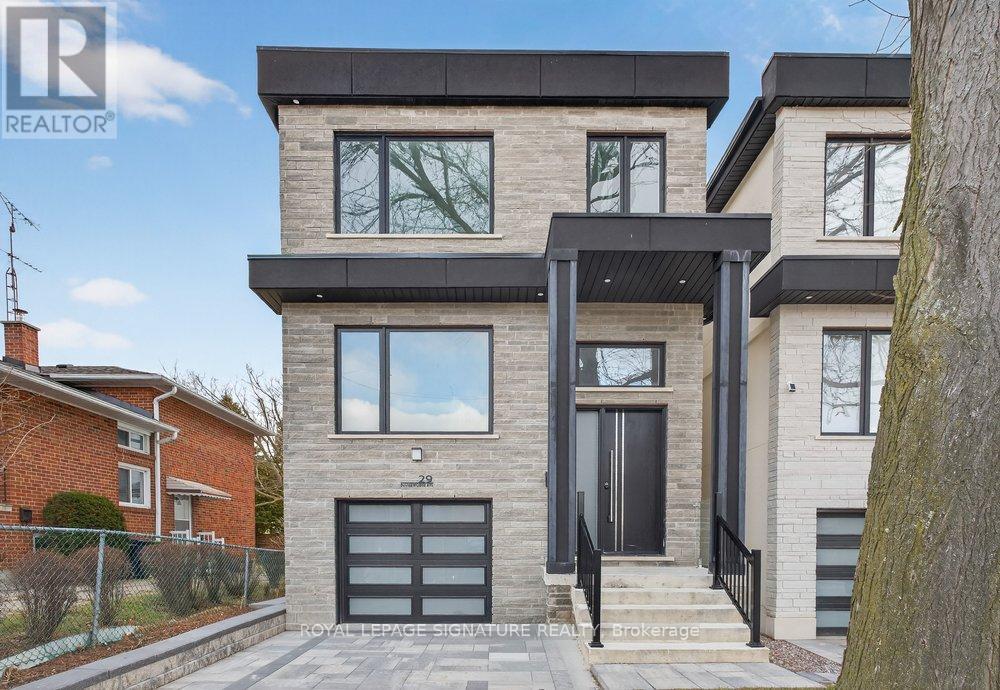 For Sale
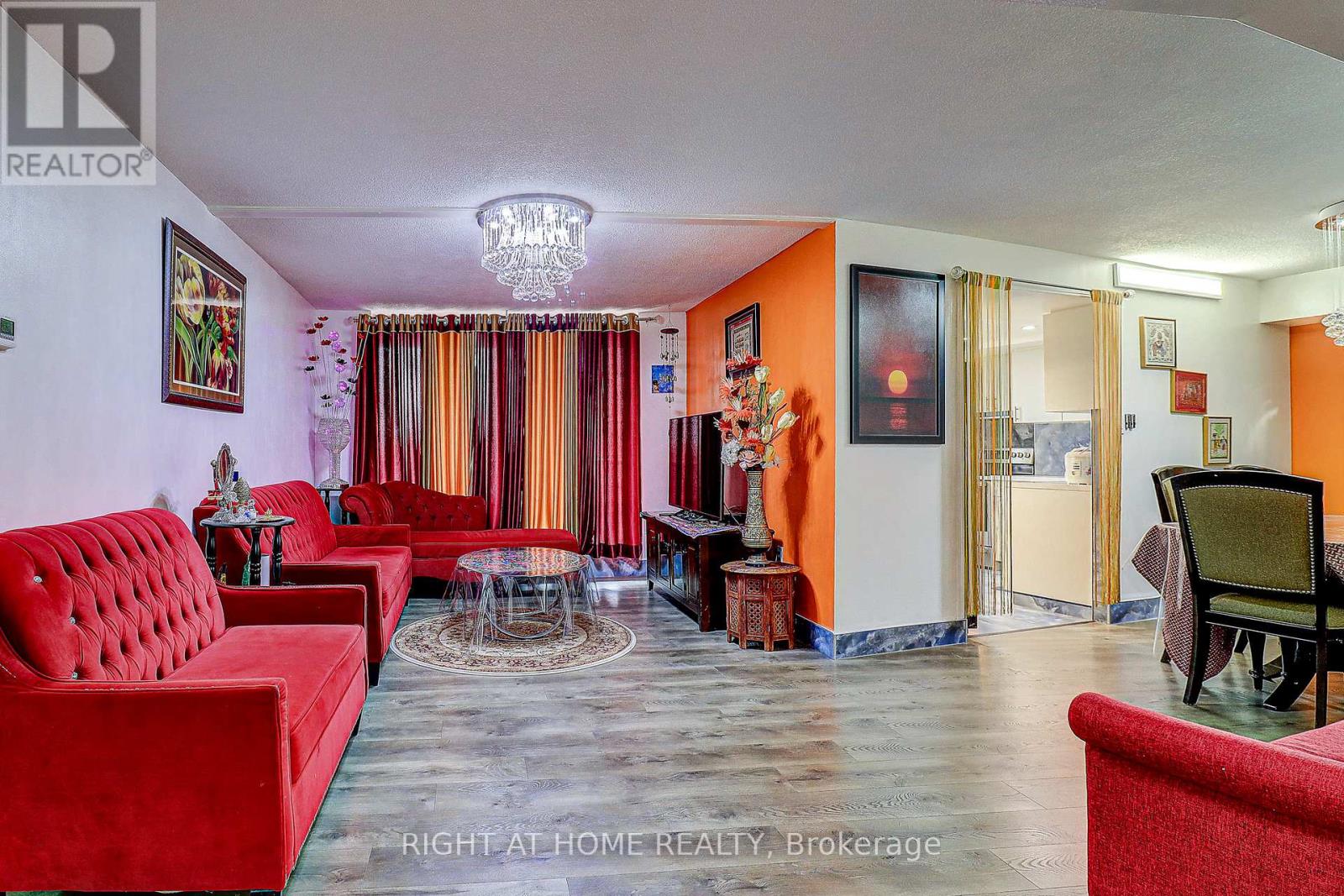 For Sale
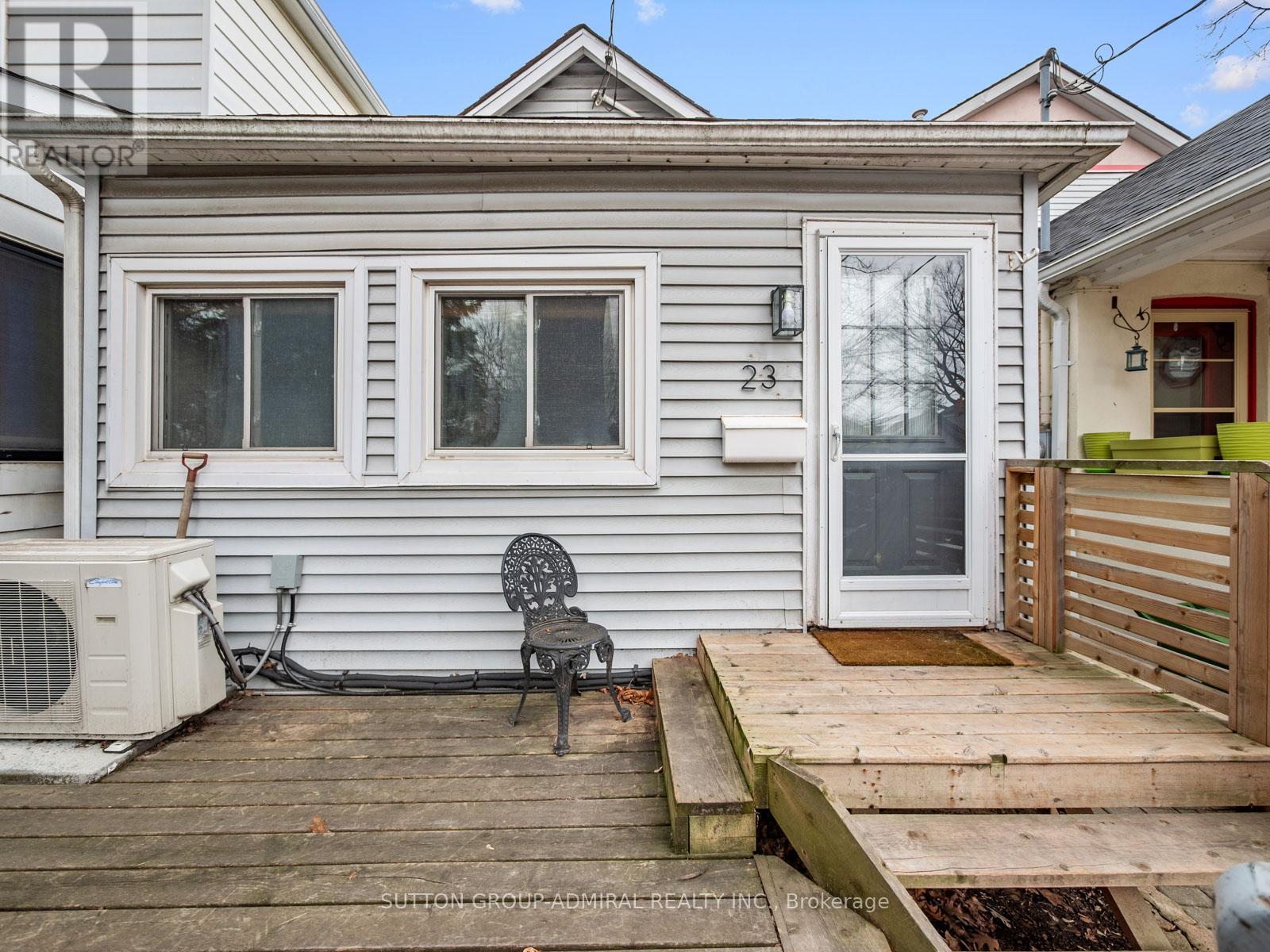 For Rent
 For Rent