
Oakwood Village is a midtown Toronto neighbourhood between St. Clair Avenue West and Eglinton Avenue West, centred on Oakwood Avenue, with a long-established Italian-Canadian character, diverse housing stock from detached homes to apartments, and street-level commercial along St. Clair Avenue West.
Oakwood Village sits between St. Clair Avenue West and Eglinton Avenue West in midtown Toronto, north of the Annex and east of Forest Hill, in territory that has maintained a working-class character while the neighbourhoods around it have gentrified. The area is centred on Oakwood Avenue, which runs north from Eglinton through the neighbourhood to St. Clair, and is framed on its western side by Bathurst Street and on the east by Chaplin Crescent and the Beltline trail. The neighbourhood has a strong Italian-Canadian heritage going back 70 years and the physical markers of that community are still present: Italian social clubs, espresso bars that opened in the 1960s, and the Catholic parish that organized community life for the first generation of immigrants.
The neighbourhood’s position between two significant transit corridors, St. Clair West streetcar to the north and the Eglinton Crosstown LRT under construction along Eglinton to the south, makes it one of the better-positioned midtown areas for transit-oriented daily life. The St. Clair streetcar connects west to St. Clair West station and east to St. Clair station on the Yonge line. The Eglinton Crosstown, when complete, will add east-west rapid transit along the southern boundary.
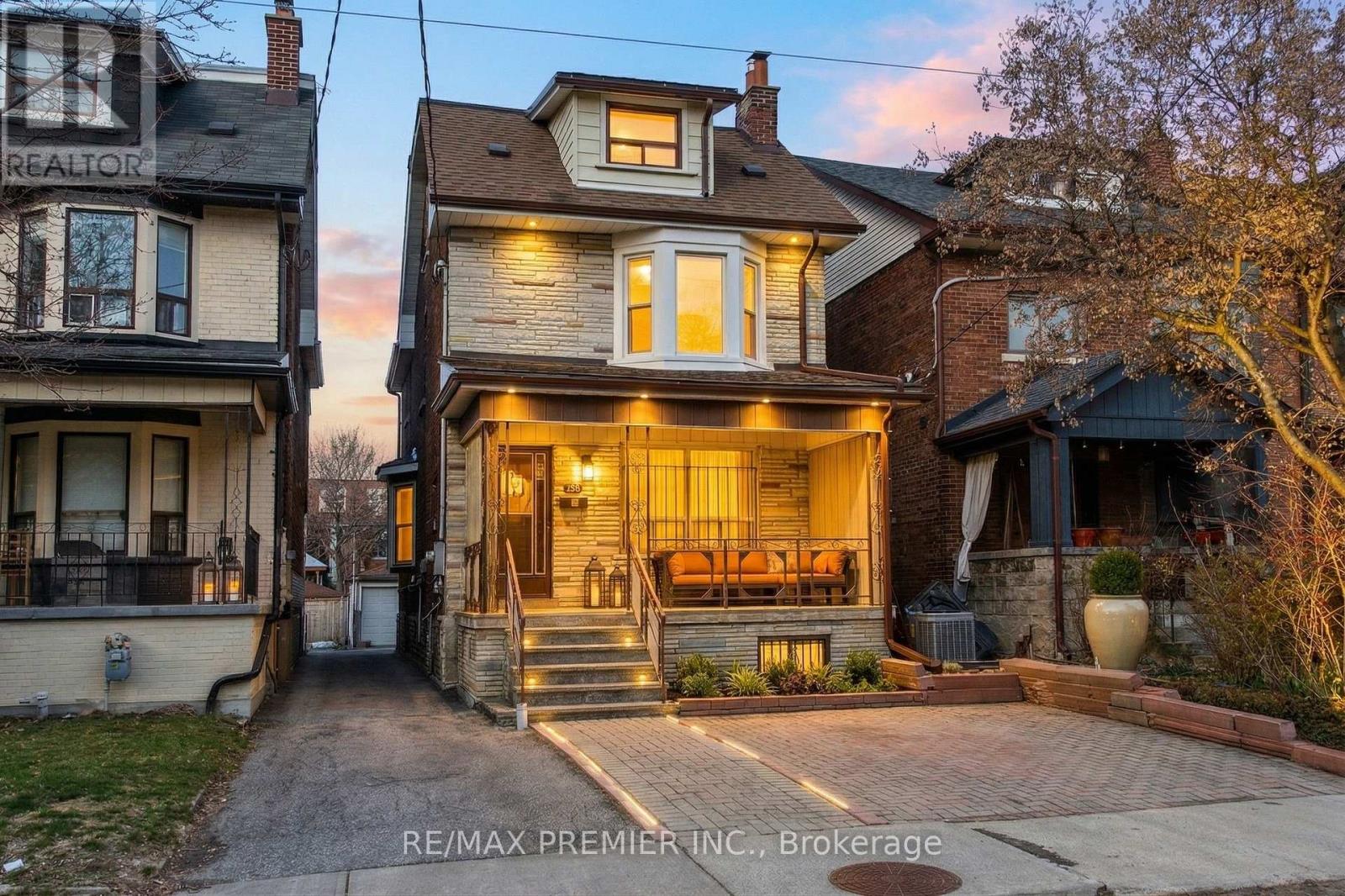
The housing stock is varied: detached and semi-detached homes from the 1910s through 1940s, walk-up apartment buildings from the postwar period, and newer condominium buildings along the Eglinton Avenue West corridor. The variety reflects the neighbourhood’s history as a working and middle-class community rather than a prestige address. This makes Oakwood Village accessible to a broader range of buyers than the more uniform prestige neighbourhoods immediately to the south and east.
Oakwood Village is a mid-range midtown Toronto market. Detached homes, which are predominantly 1920s and 1930s Toronto semi-detached and detached on standard 25 to 30-foot lots, trade between $1.2 million and $1.7 million depending on size, condition, and whether they have been updated. Semi-detached homes are the most common property type and trade between $1.1 million and $1.5 million. Both are genuinely affordable relative to comparable transit-accessible midtown addresses further south or east.
The apartment and condo segment adds a different buyer class to the neighbourhood. Older rental apartments along the main streets trade as investments when they come available. Condominium buildings along Eglinton and St. Clair offer units from $550,000 for smaller suites to $900,000 for larger two-bedroom units. This range of product types means the neighbourhood serves both first-time condo buyers and established families buying detached homes on the same set of blocks.
Lots in Oakwood Village are standard Toronto inner-city dimensions: 20 to 35 feet wide, 100 to 130 feet deep. These are not the wide lots of postwar Etobicoke and the houses sit relatively close together. This is what inner-city Toronto housing stock looks like and it reflects the period of development before zoning required larger setbacks and lot widths. The compensation is the walkability, transit access, and neighbourhood commercial that you cannot get on a 50-foot lot in the suburbs.
Oakwood Village has been on the value trajectory that characterizes midtown Toronto neighbourhoods in transition. Over the past decade, it has moved from being considered working-class and undervalued relative to its geography to being recognized as a legitimate midtown option by buyers who are priced out of Davisville Village, Moore Park, and the Yonge-Eglinton core. This repricing has been gradual and incomplete, meaning there is still a gap between Oakwood Village prices and what equivalent transit proximity costs to the east.
The 2022-2023 price correction affected the detached and semi-detached segment here as across Toronto. Prices pulled back 15 to 20 percent from the 2022 peak and have recovered partially through 2024-2025. Days on market for well-priced detached homes average 14 to 21 days. Semi-detached homes in good condition move quickly when priced accurately for current conditions.
The Eglinton Crosstown LRT will be the major market driver for this area over the next five to ten years once it opens. An Eglinton station within walking distance of most Oakwood Village addresses will meaningfully improve east-west transit and draw additional attention from buyers who are currently choosing locations further east for Yonge line proximity. The neighbourhood is positioning itself for this repricing ahead of the transit opening.
Oakwood Village draws buyers who want midtown Toronto proximity at a price that Davisville Village or Moore Park cannot deliver. The core profile is professionals in their 30s, one or both with downtown employment, looking for a semi-detached or detached home with streetcar and future LRT access. They accept a neighbourhood that is still evolving in character rather than fully arrived, because the price difference relative to equivalent transit proximity further east is real and meaningful.
Second-generation Italian-Canadian families are a consistent buyer segment. Parents who own in the neighbourhood, children who grew up there, and the community attachment that follows three generations of presence keeps the Italian-Canadian buyer pool active in Oakwood Village even as prices have risen. These buyers are not making a purely financial calculation. They are buying into a community they know and value.
The condo market draws a younger buyer cohort: people in their mid-20s and early 30s making their first purchase in Toronto, who want midtown access and are comfortable with a smaller unit. The transit picture with both streetcar and future LRT access makes Oakwood Village competitive with higher-priced midtown condo addresses. These buyers are often less concerned with the neighbourhood’s specific cultural character and more focused on the geometry of price, transit, and unit size.
The residential streets off Oakwood Avenue between St. Clair and Eglinton define the neighbourhood’s character. Albertus Avenue, Millbank Avenue, and the cross streets between them have a mix of semi-detached and detached homes in varying states of renovation. The streets closest to St. Clair Avenue West have the most pedestrian activity and the most street-level commercial presence. The blocks further south toward Eglinton are quieter and more residential in character.
The Forest Hill border to the west, where Bathurst Street forms the boundary, creates an interesting adjacency effect. Properties on the Oakwood Village side of Bathurst are priced significantly below their Forest Hill equivalents on the other side of the street, sometimes $500,000 or more for comparable properties. This differential attracts buyers who want the Forest Hill adjacency and school proximity without the Forest Hill price premium.
The Beltline Trail runs along the eastern edge of the neighbourhood, connecting south toward the midtown ravine system and north toward the Davisville and Mount Pleasant area. The trail is a popular running and cycling route and properties adjacent to it carry a small premium from the green corridor access. The trail also provides a car-free connection to midtown that residents use regularly.
The St. Clair West streetcar runs along St. Clair Avenue West at the northern boundary of the neighbourhood. The streetcar connects west to the St. Clair West subway station on the Bloor-Danforth line and east to St. Clair station on the Yonge line. The TTC 512 St. Clair streetcar is a frequent service that makes the journey to either subway station approximately 10 to 15 minutes on most days.
Eglinton Avenue West along the southern boundary will be served by the Eglinton Crosstown LRT when it opens. The LRT stations at Oakwood and Chaplin will provide east-west rapid transit with connections to the Yonge line at Eglinton station and potential connections westward toward Mount Dennis and Renforth. This will add a second rapid transit corridor to the neighbourhood and improve east-west travel times significantly relative to the current surface bus service.
The Bathurst bus runs along Bathurst Street at the western boundary, connecting north to the St. Clair West subway station area and south to downtown. This provides an additional transit option for properties on the western side of the neighbourhood. The combination of the St. Clair streetcar, the Bathurst bus, and the future Eglinton LRT gives Oakwood Village one of the better multi-corridor transit pictures of any midtown neighbourhood at its price level.
Beltline Trail, accessible from the eastern edge of the neighbourhood at Chaplin Crescent, is the primary natural corridor for Oakwood Village. The former rail corridor has been converted to a linear park and trail that connects south through the midtown ravine system and north toward the neighbourhoods above Lawrence Avenue. It is a well-maintained and heavily used path that provides a car-free green route through the neighbourhood.
Nordheimer Ravine, accessible from the St. Clair and Bathurst area, connects south to the Cedarvale Ravine system and provides additional ravine trail access. The ravine trails in this part of midtown Toronto are extensive, connecting through the Forest Hill Village and Cedarvale areas into a trail network that can occupy hours of walking without retracing a step. Oakwood Village’s position between the Beltline and the Nordheimer system gives it good natural corridor access by midtown standards.
The neighbourhood’s parks, including Oakwood and Humewood Public School grounds and several smaller vest-pocket parks, provide the standard midtown green space for children and casual outdoor use. These are functional rather than remarkable, which is typical for midtown Toronto at this density. The trail corridors are the genuine outdoor amenity and they compensate well for the absence of large open parkland within the neighbourhood boundaries.
St. Clair Avenue West through the neighbourhood and into the St. Clair West Village area to the west is the primary commercial spine. The strip has a mix of Italian cafes and restaurants reflecting the neighbourhood heritage, newer independently owned restaurants that have followed the demographic shift, and service retail handling daily needs. The quality of the St. Clair West restaurant scene is good and has improved significantly over the past decade.
The Eglinton commercial strip along the southern boundary has grocery options including a FreshCo that handles weekly shopping, along with banks, pharmacies, and the service retail of a midtown commercial corridor. The Eglinton corridor is functional for daily needs even before the LRT opens.
The Forest Hill Village commercial area on Spadina Road, just west of the neighbourhood across Bathurst Street, provides an additional retail and dining option with a higher-end character than the St. Clair West strip. The combination of the St. Clair West corridor to the north, Eglinton to the south, and Forest Hill Village just west gives Oakwood Village better retail and dining proximity than its relatively modest price point suggests. This is part of the geography argument for the neighbourhood: you get midtown access at a non-midtown price.
Oakwood Village is served by the Toronto District School Board and the Toronto Catholic District School Board. The neighbourhood sits near the edge of some highly regarded school catchments. Forest Hill Collegiate Institute, one of the strongest public secondary schools in Toronto, is close but the specific catchment boundary excludes some Oakwood Village addresses. Confirming the secondary school catchment for any specific address in this neighbourhood before purchasing is important for families for whom this matters.
Public elementary students typically attend Oakwood Public School or other TDSB schools depending on address. North Toronto Collegiate Institute is the secondary school for some parts of the neighbourhood on the eastern side. The school catchment geography here is slightly complex because the neighbourhood sits at the boundary between several high-demand secondary school catchments and the specific address determines which school a child attends.
The Italian-Canadian community heritage supports two institutions that remain active in the neighbourhood: a Catholic church with a strong parish school connection and a community centre that was established by the original immigrant generation. These institutions continue to serve the community and the Catholic school option through the TCDSB is actively used by families in the neighbourhood who align with that tradition.
The Eglinton Crosstown construction along Eglinton Avenue West has been the most significant active development affecting Oakwood Village over the past decade. The surface disruption along Eglinton during the underground tunnel construction years created noise and reduced retail activity along the corridor. The construction is largely complete and the surface has been restored, with the LRT infrastructure now in place pending systems completion and commissioning.
Condominium development along both the Eglinton and St. Clair corridors has added mid-rise and high-rise residential density to the neighbourhood edges. The interior streets have been less affected, with the development pressure concentrated at the transit corridors. Mid-rise development along St. Clair West is ongoing and the city’s planning framework for the street supports additional height along the main corridor while protecting the residential streets behind it.
The combination of Eglinton LRT completion, ongoing condo development along transit corridors, and the neighbourhood’s repricing trajectory makes Oakwood Village one of the midtown areas most likely to see continued price appreciation over the next five to ten years. Buyers who purchase ahead of the LRT opening have historically benefited from the transit-opening premium that Toronto neighbourhoods experience when new rapid transit service is introduced.
How will the Eglinton Crosstown LRT change Oakwood Village when it opens?
The LRT will add an east-west rapid transit option along Eglinton Avenue West that currently does not exist. The nearest LRT stations to Oakwood Village will be at Oakwood Avenue and Chaplin Crescent, both within walking distance of most neighbourhood addresses. The Crosstown connects east to the Yonge line at Eglinton station, midtown employment along the Eglinton corridor, and westward to Mount Dennis and eventually the Mississauga Transitway at Renforth. For residents currently using the St. Clair streetcar as their primary TTC route, the LRT adds a parallel east-west option on a faster and more reliable platform. The property market effect of transit openings in Toronto has historically been positive for the immediate neighbourhood and the Crosstown has been anticipated long enough that some of the premium is already in current prices. The full effect will be clearer after several months of actual service when commute times can be verified rather than projected.
What is the Italian-Canadian character of Oakwood Village like today?
The first generation that built the neighbourhood through the 1950s, 60s, and 70s is aging and some have passed or moved to retirement communities. Their children and grandchildren remain a significant buyer cohort in the neighbourhood. The Italian character is visible in specific businesses along St. Clair West, a few of which have been operating continuously for 50 or more years. It is also present in the Catholic parish, the community associations, and the social infrastructure that the community built. The neighbourhood is significantly more diverse today than it was 30 years ago, with newer immigrant communities and a younger demographic of Toronto professionals who chose the neighbourhood for its price point and transit access. The Italian-Canadian character is an important part of the neighbourhood’s identity and its social cohesion but it is not the whole picture of who lives here today.
How does Oakwood Village compare in value to Davisville Village or the Yonge-Eglinton area?
Davisville Village and the Yonge-Eglinton core price at 20 to 35 percent above Oakwood Village for comparable housing types. The premium reflects Yonge line proximity and the established commercial density of the Yonge-Eglinton hub. Oakwood Village buyers are making a calculation that the price difference exceeds the convenience difference. For buyers who work along the Eglinton corridor, the LRT will eventually close the transit time gap significantly. For buyers who work on the Yonge line downtown, the St. Clair streetcar and eventual LRT connection provides competitive access to the Yonge subway at a lower price. The gap in price relative to transit access has been narrowing for several years and the LRT opening will likely accelerate that process.
What are the most common issues with the older housing stock in Oakwood Village?
The housing stock is primarily 1910s to 1940s construction. Common inspection findings include knob-and-tube wiring in properties that have not had electrical updates, galvanized or lead supply plumbing in the oldest properties, insufficient insulation, aging roofs, and foundations that may have minor movement or water infiltration typical of century-old construction. The most important items to assess carefully are the electrical and plumbing, because updating these systems properly in an older Toronto semi-detached is a $20,000 to $50,000 project depending on scope. Buyers should budget for these items rather than assuming they are deal-breakers, because almost every house of this age in midtown Toronto has some version of the same list. The question is the extent and the cost to address it, not whether any of these items are present.
Oakwood Village is one of those midtown neighbourhoods where the value case is clearer now than it was five years ago, because the Crosstown LRT has moved from abstract future planning to nearly operational reality. Buyers who have been watching the neighbourhood wait for the transit opening have been watching the price differential to Davisville Village narrow in real time.
The school catchment question is the item that requires the most careful due diligence here. The catchment boundaries in this part of midtown Toronto are complex and a specific address can be in a dramatically different school catchment than the house next door. Getting this right before offer night requires verifying the TDSB and TCDSB catchment tools, not assuming from the postal code.
We cover Oakwood Village and the midtown corridor. If you want to understand the school catchment specifically, the LRT timeline and what it means for your commute, or how to compare this neighbourhood to Davisville or the Forest Hill area on specific criteria, reach out.
Street-level knowledge is hard to find online. Our team works in Oakwood Village every day. They know which pockets hold value, where the school catchment lines actually fall, and what the market is doing right now. Talk to us before you make a decision about Oakwood Village.
Talk to a local agent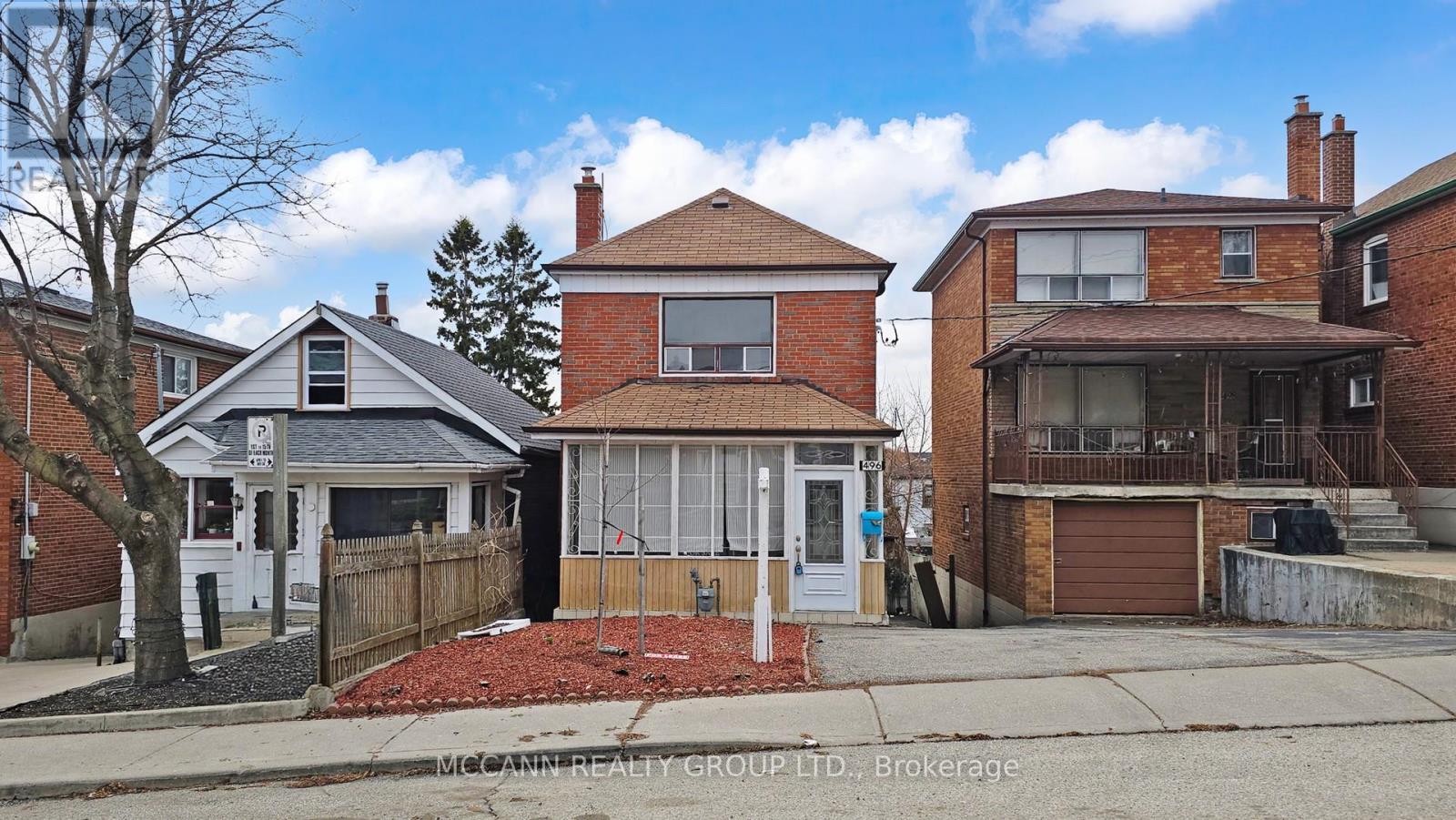 For Sale
 For Rent
 For Rent
 For Sale