
Observatory is a west Richmond Hill neighbourhood with 1980s-90s detached homes from $1.2M-$2.0M near the David Dunlap Observatory, Bayview Avenue, and Bayview Secondary School.
Observatory is a small, quiet neighbourhood in the eastern part of Richmond Hill, positioned between Bayview Avenue to the west, the Markham municipal boundary to the east, and the 16th Avenue corridor to the south. The neighbourhood takes its name from the David Dunlap Observatory, a major 20th-century astronomical research facility located within the community whose lands are undergoing a significant transformation from scientific facility to mixed residential and parkland use. This transformation is the defining development story of Observatory, and it creates a context for buying here that is unlike any other Richmond Hill neighbourhood.
The existing residential fabric of Observatory is primarily 1970s and 1980s single-family housing on a conventional suburban street grid, similar in age and character to the Harding and North Richvale communities on the west side of Richmond Hill. The housing stock is established, the lots are adequate, and the neighbourhood character is settled family suburban without the prestige of Bayview Hill or the heritage character of Mill Pond. Observatory draws family buyers who want central-east Richmond Hill access at pricing below the Bayview Hill benchmark, with the school catchments and established neighbourhood character that come with it.
The David Dunlap Observatory site itself, a significant property of over 70 acres adjacent to the Observatory neighbourhood, has been acquired by the King/Bayview Community (KBC) development interests and is being transformed through an approved plan that combines heritage preservation of the observatory buildings with new residential development and public parkland on the broader site. This transformation adds new housing to the immediate area while creating a significant new public park asset that will benefit the surrounding community.
For buyers, Observatory offers the east Richmond Hill family neighbourhood experience at accessible pricing, with the bonus of the observatory heritage parkland that will gradually improve the neighbourhood as the development proceeds. The catch is understanding the development timeline and the construction activity that will characterize the observatory site for a significant period ahead.
Observatory detached home pricing follows the east-central Richmond Hill mid-tier market. Four-bedroom detached homes in standard 1970s and 1980s condition were trading in the $1.1 million to $1.5 million range through 2024 and into early 2025, with renovated properties and larger lots reaching toward $1.8 million. This pricing is similar to the Harding and North Richvale markets on the western side of Richmond Hill, reflecting comparable housing vintage and condition characteristics.
The renovation opportunity at the lower end of the Observatory range is real. Original-condition 1970s and 1980s homes with kitchen, bathroom, and mechanical updating needed can be purchased at the lower end of the range and improved progressively. The lot sizes in Observatory are generally adequate for the housing format of the era, and the renovation upside follows the same logic as in comparable vintage communities across Richmond Hill. Buyers who are willing to take on a property that needs updating will find more purchasing power in Observatory than in the newer Bayview Hill or Devonsleigh communities.
New residential development on the David Dunlap Observatory site will add inventory near the neighbourhood as the development proceeds. This new construction product will be positioned differently from the existing 1970s and 1980s resale inventory and will likely carry prices in the $1.4 million to $2.0 million range for townhouses and detached homes depending on size, finishes, and proximity to the heritage observatory park. Buyers interested in new construction adjacent to the Observatory neighbourhood should track the DDO site development approvals and sales programs as they proceed.
Property taxes on a $1.3 million Observatory property run approximately $6,000 to $8,000 annually. Closing costs follow standard York Region patterns, with buyers above $1 million budgeting approximately 1.5 to 2 percent of purchase price for closing costs beyond the deposit.
The Observatory resale market is moderately active with days on market of 25 to 40 days for well-priced detached properties. The market is not as deep as the central Richmond Hill Doncrest or Devonsleigh markets because the buyer pool for east Richmond Hill is somewhat narrower than for centrally positioned communities on the Yonge Street corridor. The Highway 404 access advantage that serves Rouge Woods is somewhat less direct from Observatory, and the community does not have the Yonge Street commercial proximity that Doncrest and North Richvale provide.
The David Dunlap Observatory development is a factor in how buyers evaluate the neighbourhood. For some buyers, the proximity to an active development site and the uncertainty about the construction timeline creates hesitation. For others, the planned heritage park and the new parkland that the DDO site will deliver is a positive factor that they are willing to buy ahead of. These different buyer responses to the same development context mean that well-informed and patient buyers can find value in Observatory while less patient buyers self-select toward other communities.
Sale-to-list ratios in Observatory have generally been at or slightly below list for original-condition properties, with some negotiating room on properties that have been sitting due to pricing or condition challenges. Well-priced, move-in-ready properties in the established streets still attract competitive situations when they hit the market at realistic pricing, particularly from families who have specifically researched the neighbourhood for its school catchments.
The investor and developer activity in Observatory is limited relative to Harding, as the housing stock vintage is similar but the neighbourhood context lacks the Harding proximity to the Yonge Street commercial spine that attracts renovation-flip buyers. Observatory is primarily an owner-occupant family market, which produces stable demand patterns appropriate for buyers seeking a reliable long-term hold.
Observatory attracts family buyers who have researched the east Richmond Hill market and have identified it as an accessible entry point to the Richmond Hill family neighbourhood experience. South Asian and East Asian families represent a significant portion of the buyer profile, consistent with the broader Richmond Hill demographic evolution. These buyers are often evaluating Observatory alongside Rouge Woods and Doncrest and have identified Observatory as the accessible price tier that fits their budget while delivering the school catchments and neighbourhood character they are targeting.
First-time detached-home buyers from Toronto and the inner suburbs find Observatory one of the more accessible Richmond Hill options, with detached four-bedroom homes available in the $1.1 million to $1.3 million range that their financing can support after a Toronto condominium or semi-detached equity realization. These buyers are often comfortable with the renovation scope required in the older housing stock and plan to improve the property progressively over their holding period.
Buyers who specifically value the heritage character of the David Dunlap Observatory and who are drawn to the idea of a neighbourhood adjacent to a heritage astronomical landmark represent a smaller but distinct buyer segment. The observatory telescope and the heritage landscape of the DDO site are genuine cultural amenities for astronomy enthusiasts and buyers who value proximity to scientific heritage. The planned heritage interpretation and park elements of the DDO redevelopment will serve this buyer segment directly.
Move-up buyers from within east Richmond Hill, Markham, and the adjacent communities who are trading from smaller properties into a larger detached home in an established neighbourhood are a consistent demand source. These buyers know the east Richmond Hill market intimately and move quickly when the right property in Observatory is available at realistic pricing.
The interior residential streets of Observatory, away from the Bayview Avenue and 16th Avenue boundaries, have the most consistent character and the most settled suburban residential feel. These streets benefit from the established tree cover that three to four decades of growth have produced in the 1970s and 1980s subdivision context, and the neighbour consistency on these streets reflects the long-term ownership patterns of an established family neighbourhood. The best Observatory streets for family residential purposes are on these interior blocks, where traffic is minimal and the housing consistency is highest.
Streets adjacent to the David Dunlap Observatory site have the most direct connection to the heritage parkland that will result from the DDO development, and they will ultimately benefit from backing onto or facing the conservation and park components of the development. During the development and construction phase, these streets will be closest to the construction activity on the DDO site, which is a short-term inconvenience in exchange for the long-term benefit of the park adjacency. Buyers who are thinking about a 10-year hold should weigh this trade-off differently from buyers seeking immediate convenience.
The Bayview Avenue boundary of Observatory has the exposure and traffic of the Bayview commercial corridor, which is active in this section. Streets closest to Bayview have more traffic noise and more varied neighbour property character than the interior streets, but they have walking access to the Bayview commercial strip and the 16th and Bayview commercial node that handles daily and weekly shopping needs. Some buyers specifically prefer these addresses for the commercial access; others prefer the quiet interior streets for the character they provide.
The 16th Avenue boundary provides highway and commercial access on the south side of the neighbourhood. Buyers on streets adjacent to 16th Avenue will experience arterial road traffic noise at a level that varies with the specific property setback and orientation. The practical access to the 16th Avenue commercial strip from these streets is a convenience offset, and buyers should visit these addresses during peak traffic periods to assess the actual noise impact before purchasing.
Observatory transit access is functional by suburban east Richmond Hill standards. YRT bus service on Bayview Avenue and connecting routes provides access to the broader York Region transit network, with connections to GO services and to the Yonge Street corridor. The transit journey to downtown Toronto by bus and GO runs 70 to 90 minutes, typical for east Richmond Hill communities at this distance from the city.
Highway 404 is accessible from Observatory via 16th Avenue in approximately 15 to 20 minutes, providing the most practical commute route for Observatory residents driving to downtown Toronto via the Don Valley Parkway. The off-peak drive to downtown runs 45 to 60 minutes from most Observatory addresses, slightly longer than from communities with more direct 404 access but consistent with the east Richmond Hill commute pattern. Highway 407 ETR is accessible via Bayview or Highway 404 for east-west commutes across York Region and into Durham.
Richmond Hill GO station on the Stouffville line, or Richmond Hill Centre on the Barrie line, are the GO options for Observatory residents. Both require a 15 to 25 minute drive from Observatory addresses depending on which station and which part of the neighbourhood. The GO train options are viable for buyers whose employers are accessible from downtown Toronto, but the driving leg to the station is an unavoidable part of the commute from this part of Richmond Hill.
The Yonge North Subway Extension planned stations will improve transit access to the Yonge corridor from east Richmond Hill once operational, but the stations are positioned along Yonge Street and are accessible from Observatory by a 15 to 20 minute drive or bus connection. The transit improvement will matter for Observatory residents who currently commute downtown, but it will not eliminate the car dependency of daily commuting from this part of the city.
The David Dunlap Observatory site is the most significant green space development affecting Observatory, with the heritage redevelopment plan incorporating significant parkland and conservation areas within the 77-acre site. As the development proceeds, the park components will provide an unusual green amenity adjacent to the Observatory neighbourhood that is distinct from the standard urban park infrastructure of most York Region communities. The heritage observatory telescope and buildings will be accessible as part of the heritage interpretation components, and the naturalized landscape elements of the DDO site will provide trail and green space access directly adjacent to the Observatory residential streets.
The existing neighbourhood park infrastructure in Observatory provides standard family amenity, with sports fields, playground equipment, and open green space maintained by the City of Richmond Hill. These parks function as local amenities for daily recreation use and serve the family demographic of the community appropriately.
Lake Wilcox in Oak Ridges is accessible from Observatory in approximately 25 to 30 minutes by car, providing seasonal waterfront recreation as a day destination rather than a walking-distance amenity. The Oak Ridges Moraine trail network is similarly accessible by car for residents who use it for longer trail outings.
The Thornhill Community Centre and the east Richmond Hill parks along Bayview Avenue provide additional recreation infrastructure accessible by car for Observatory residents. The City of Richmond Hill recreation facilities distributed throughout the city are accessible within 15 to 25 minutes from Observatory, providing the indoor recreation programming that complements the neighbourhood park infrastructure.
Observatory commercial access is anchored by the 16th Avenue and Bayview Avenue commercial node, which provides a grocery-anchored retail cluster, pharmacy, restaurants, and the full service commercial mix within a 5 to 10 minute drive or a short bicycle ride from most Observatory addresses. The concentration of commercial at this intersection handles the majority of daily and weekly household shopping needs without requiring access to the major commercial destinations on Yonge Street.
The Bayview Avenue commercial corridor south of 16th Avenue, extending toward Thornhill, provides additional commercial variety including South Asian restaurants and food stores, East Asian specialty retail, and the range of community-specific commercial that serves the Richmond Hill demographic profile. Observatory eastern position between Bayview and Markham gives residents practical access to both the Bayview-facing south Richmond Hill commercial and the Leslie Street and Highway 7 Markham commercial corridor to the east, with the East Asian commercial infrastructure of the Markham restaurant and grocery market accessible in 20 to 25 minutes.
For enclosed mall retail, Hillcrest Mall on Yonge Street in central Richmond Hill is accessible in 20 to 25 minutes by car. The major grocery and big-box retail along the 16th Avenue and Highway 7 corridor handles large retail purchases efficiently from Observatory. South Asian grocery options along Highway 7 and the major corridors serving the Richmond Hill-Markham interface are accessible within 20 to 30 minutes for buyers in those communities who use these stores regularly.
The restaurant scene accessible from Observatory by car is diverse, reflecting the demographic mix of east Richmond Hill and the border with Markham. Chinese, Korean, South Asian, and mainstream Canadian dining options are within 15 to 20 minutes in multiple directions. The local commercial near Observatory is primarily service and convenience focused rather than restaurant-destination oriented, and most dining occasions involve a short drive to the commercial density of the adjacent corridors.
School access in Observatory is a significant driver of family buyer demand. The neighbourhood falls within YRDSB and YCDSB catchments serving east-central Richmond Hill, with elementary schools that benefit from the engaged parent community characteristic of established Richmond Hill family neighbourhoods. The secondary school catchment for Observatory addresses includes options in the Richmond Hill secondary school network, and the specific assignment depends on the civic address rather than the neighbourhood name.
Bayview Secondary School, one of the most academically regarded public secondary schools in York Region, is potentially accessible from some Observatory addresses depending on catchment boundary. Bayview Secondary IB and academic program reputation is a significant driver of family purchase decisions across central and east Richmond Hill. Buyers who are evaluating Observatory specifically for Bayview Secondary access must verify the catchment assignment for each specific address with YRDSB before purchasing, as the catchment boundary is detailed and does not follow neighbourhood boundaries cleanly.
The YCDSB Catholic school stream serves Observatory through elementary schools in east Richmond Hill and through the YCDSB secondary school network for Catholic families. The Catholic school community in this part of Richmond Hill has the consistent parent engagement and community character of established York Region Catholic schools.
French Immersion access within YRDSB for Observatory students requires designation to the relevant program schools, with transportation provided. Families committed to French Immersion from the primary years should confirm French Immersion school availability and the current transportation arrangements for an Observatory address with YRDSB, as program school locations and capacity can change with enrolment shifts.
The David Dunlap Observatory redevelopment is the primary development story in Observatory, and it will shape the neighbourhood experience for the next 10 to 15 years. The approved development plan for the 77-acre DDO site incorporates heritage preservation of the main observatory building and dome, new residential development in townhouse and some detached form, and a significant public park component that will be the major green space addition to the neighbourhood. The development is proceeding in phases, and the construction activity on the site will be a persistent feature of the neighbourhood environment until the phases are complete.
The residential units being created on the DDO site are subject to their own sales process, pricing, and development timeline that is separate from the existing Observatory resale market. These new units will add housing supply adjacent to the established neighbourhood and will eventually contribute to the neighbourhood residential character as they are completed and occupied. The heritage elements of the DDO development, including the telescope dome and heritage buildings, are being preserved as community landmarks that will give Observatory a heritage amenity unique within York Region.
Beyond the DDO development, Observatory development activity is the standard incremental infill and lot redevelopment of an established Richmond Hill residential neighbourhood. Individual lot replacements of the 1970s and 1980s housing stock are happening at a modest pace, and the neighbourhood is not undergoing the rapid bungalow replacement transition visible in Harding. The overall character change in Observatory is driven primarily by the DDO development rather than by widespread residential replacement.
Long-term, Observatory position in east-central Richmond Hill, the addition of the DDO heritage park, and the school catchment quality provide a stable demand foundation. The neighbourhood will likely see modest appreciation consistent with the broader east Richmond Hill market, with additional support from the heritage park amenity as the DDO development proceeds toward completion. It is a patient-hold neighbourhood with improving amenity rather than a short-cycle opportunity.
What is happening with the David Dunlap Observatory site and how does it affect buying nearby?
The David Dunlap Observatory, one of the largest optical telescopes in Canada when it was built in 1935, operated as an astronomical research facility until the University of Toronto sold the site in the mid-2000s. The approved redevelopment plan for the 77-acre site combines heritage preservation of the main observatory building and dome with new residential development and a public heritage park. The development is proceeding in phases under the King/Bayview Community brand. For buyers in Observatory, this creates two considerations: construction activity on the DDO site will be a feature of the neighbourhood for a significant period as development phases proceed, and the completed park and heritage elements will add an unusual public amenity to the neighbourhood once construction is done. Streets adjacent to the DDO site will experience the most construction activity during the build-out phase and will gain the most direct park adjacency when the development is complete. Whether this is a positive or negative depends on your timeline and your tolerance for transition-phase conditions.
Is Observatory in the Bayview Secondary School catchment?
Some Observatory addresses fall within the Bayview Secondary School catchment, which is one of the academically strongest public secondary schools in York Region. Whether your specific address is in the Bayview Secondary catchment must be verified directly with YRDSB, as the catchment boundary in east Richmond Hill is detailed and can vary between adjacent streets. Buyers making a purchase decision specifically for Bayview Secondary access must complete this verification before removing conditions on a purchase. The YRDSB catchment tool on the school board website allows address-level lookups. Do not rely on the neighbourhood name, the listing agent, or general descriptions of the community to confirm secondary school catchment. Verify the civic address directly with the school board.
How does Observatory compare to Rouge Woods for an east Richmond Hill family purchase?
Observatory and Rouge Woods are both east Richmond Hill family neighbourhoods, but they differ in housing vintage, pricing, highway access, and neighbourhood character. Rouge Woods was built primarily in the 1990s and 2000s, has younger and generally better-condition housing stock, and benefits from more direct Highway 404 access. Observatory has older 1970s and 1980s housing stock, provides more renovation upside at lower entry prices, and sits closer to the Bayview Avenue corridor. Rouge Woods has performed strongly in the resale market with high sale-to-list ratios and fast days on market, reflecting consistent demand from the specific buyer pool that has targeted it for school catchments and highway access. Observatory is a slower, more price-accessible market with the DDO development as a future parkland improvement. A $1.3 million budget stretches further in Observatory than in Rouge Woods, but the condition expectation for that price is different between the two markets.
What should I check on a 1970s home in Observatory before purchasing?
The same items as for any 1970s York Region home: electrical panel capacity and configuration, plumbing supply line material, foundation condition, and heating system age and type. Electrical panels from the 1970s may have less than 200 amp service, and some panels of this era had known issues that are now flagged by insurers and buyers. Galvanized water supply lines are common in homes of this age and are typically due for replacement. Foundation condition should be assessed by an inspector with experience in 1970s block or poured concrete basements in York Region, as the moisture management approaches of the era were less sophisticated than current practice. The age and efficiency of the furnace and central air unit should be assessed, as systems of this age are either already replaced or approaching end of useful life. These are budgeting items rather than dealbreakers in most cases, but buyers who treat the lower purchase price as fully available for other purposes rather than factoring in these near-term capital costs will be surprised by the actual all-in cost of ownership in the first few years.
Observatory rewards buyers who approach it with a clear understanding of what the David Dunlap Observatory development means for the neighbourhood over their planned hold period and who have verified the school catchment for their specific target address before entering into an offer. These two items, both specific to Observatory in ways that do not apply to other Richmond Hill family communities, are the due diligence foundation for a well-informed purchase here.
An agent with east Richmond Hill transaction experience will know the DDO development timeline and the specific streets that will be most directly affected during the construction phase versus those positioned to benefit from the park adjacency without the front-end disruption. They will also know the Bayview Secondary catchment boundary at the street level and the condition patterns in the 1970s housing stock that are specific to this part of Richmond Hill.
TorontoProperty.ca works with buyers across east Richmond Hill, including buyers evaluating Observatory alongside Rouge Woods and Doncrest at comparable price points. If Observatory is on your research list, reach out for a conversation about the DDO development context, the school catchment specifics, and the current pricing in this part of the market.
Street-level knowledge is hard to find online. Our team works in Observatory every day. They know which pockets hold value, where the school catchment lines actually fall, and what the market is doing right now. Talk to us before you make a decision about Observatory.
Talk to a local agent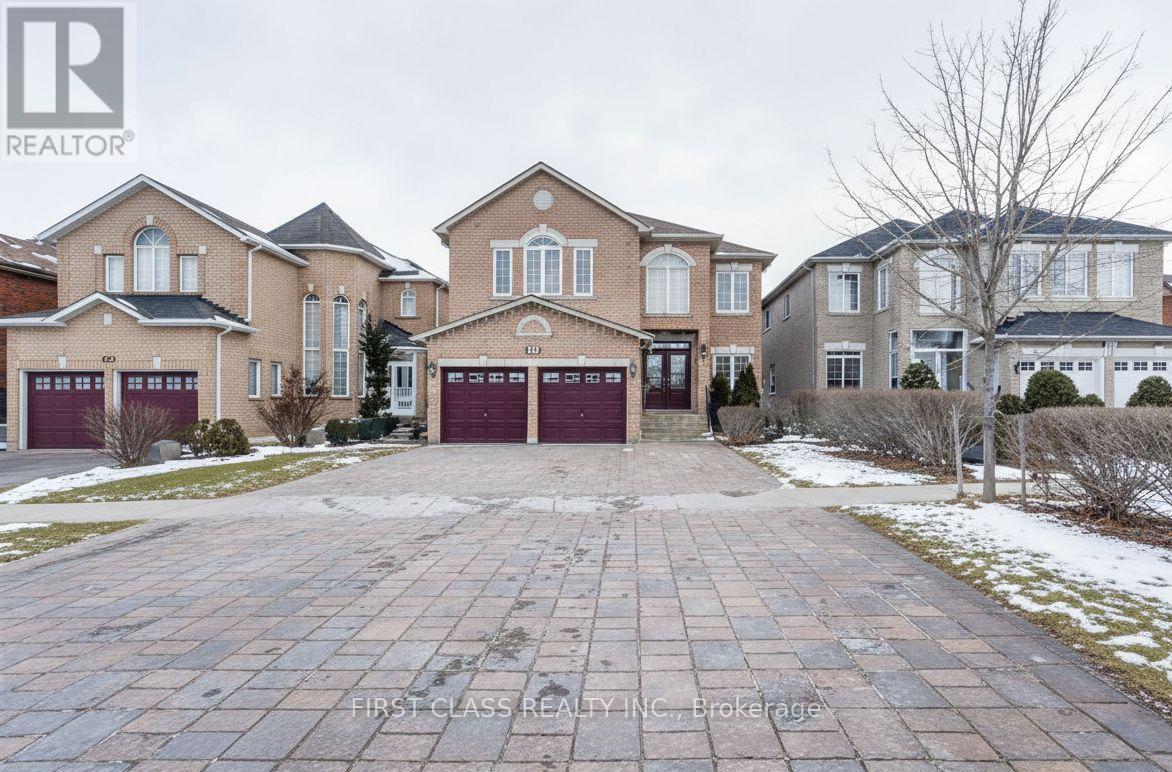 For Sale
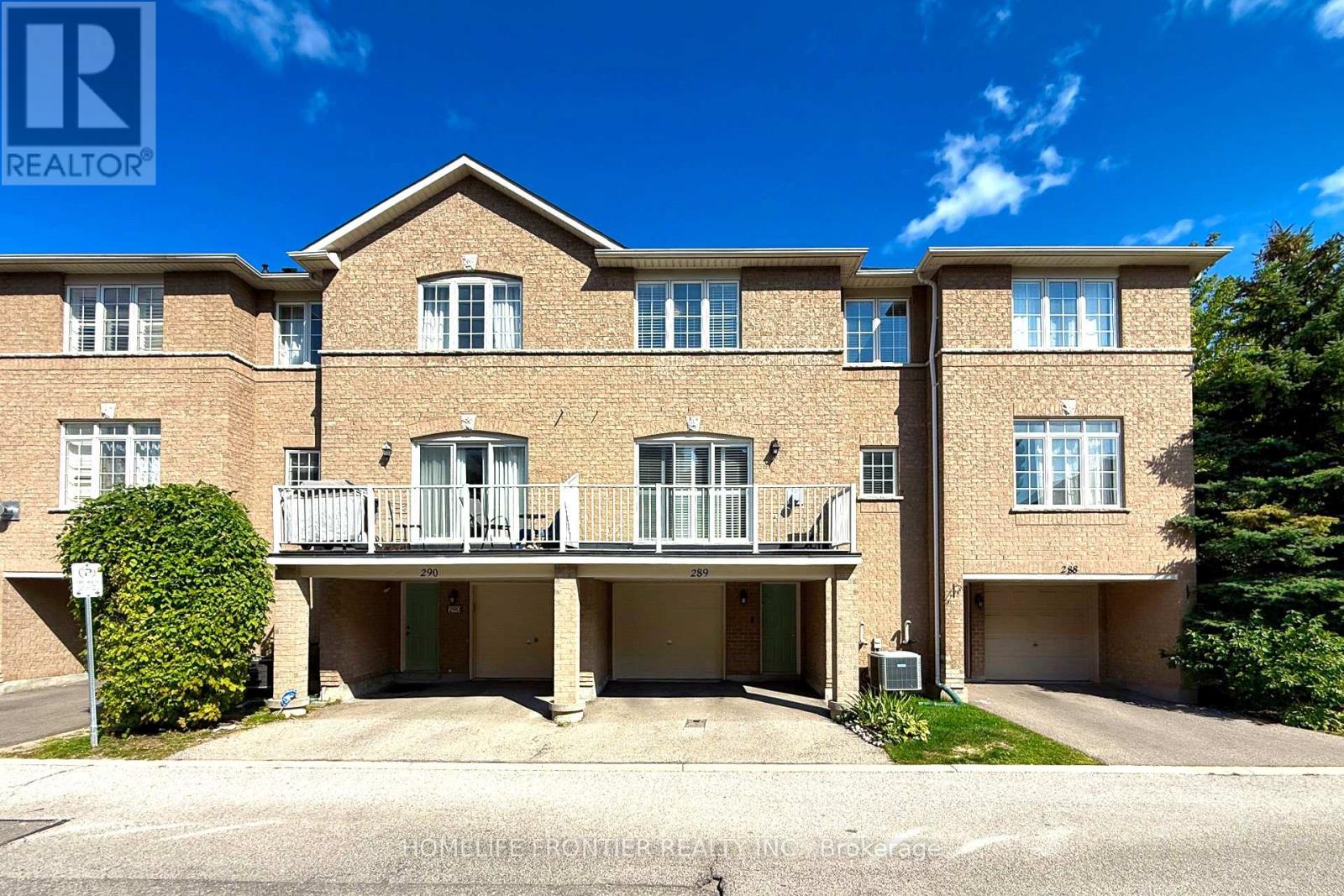 For Sale
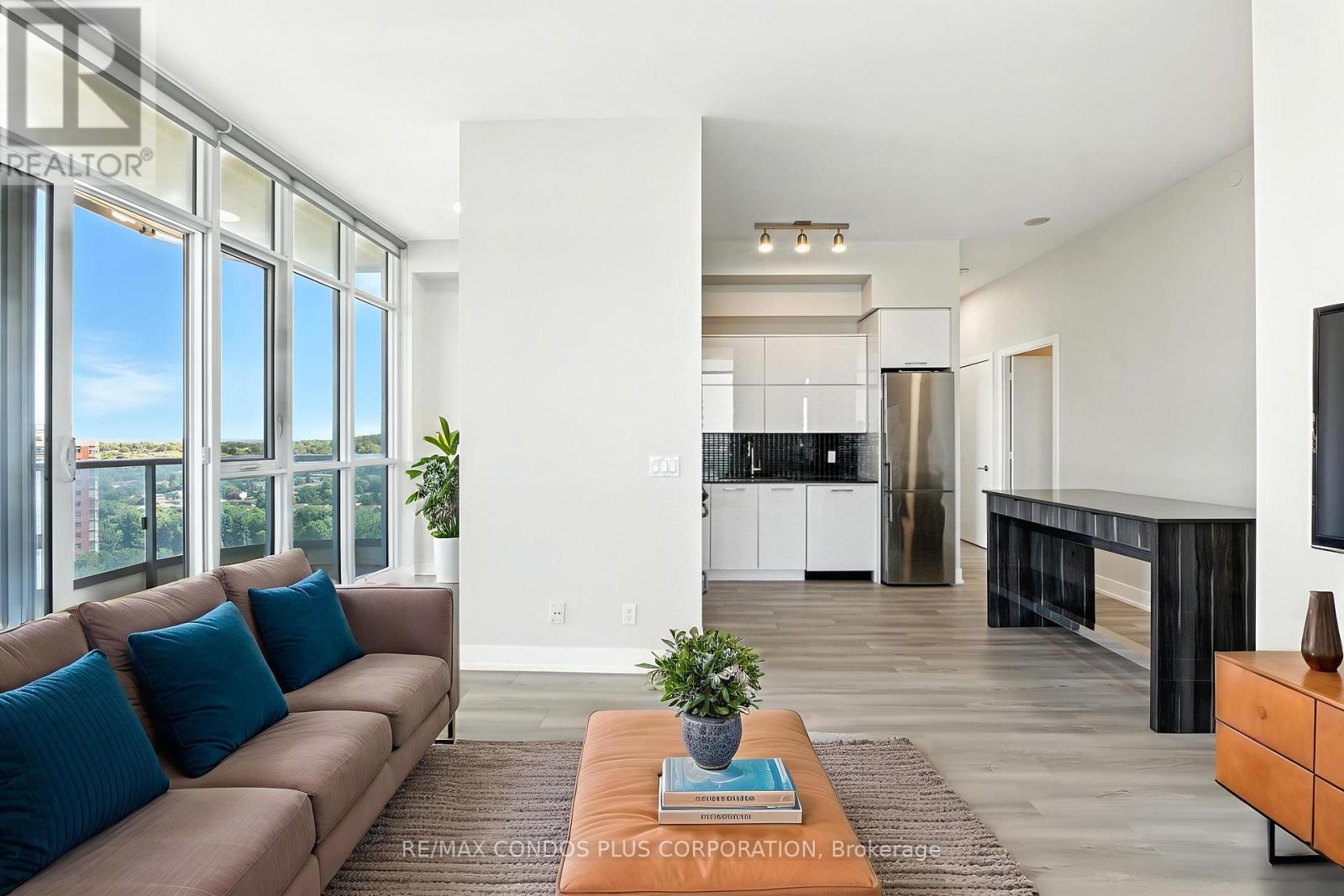 For Rent
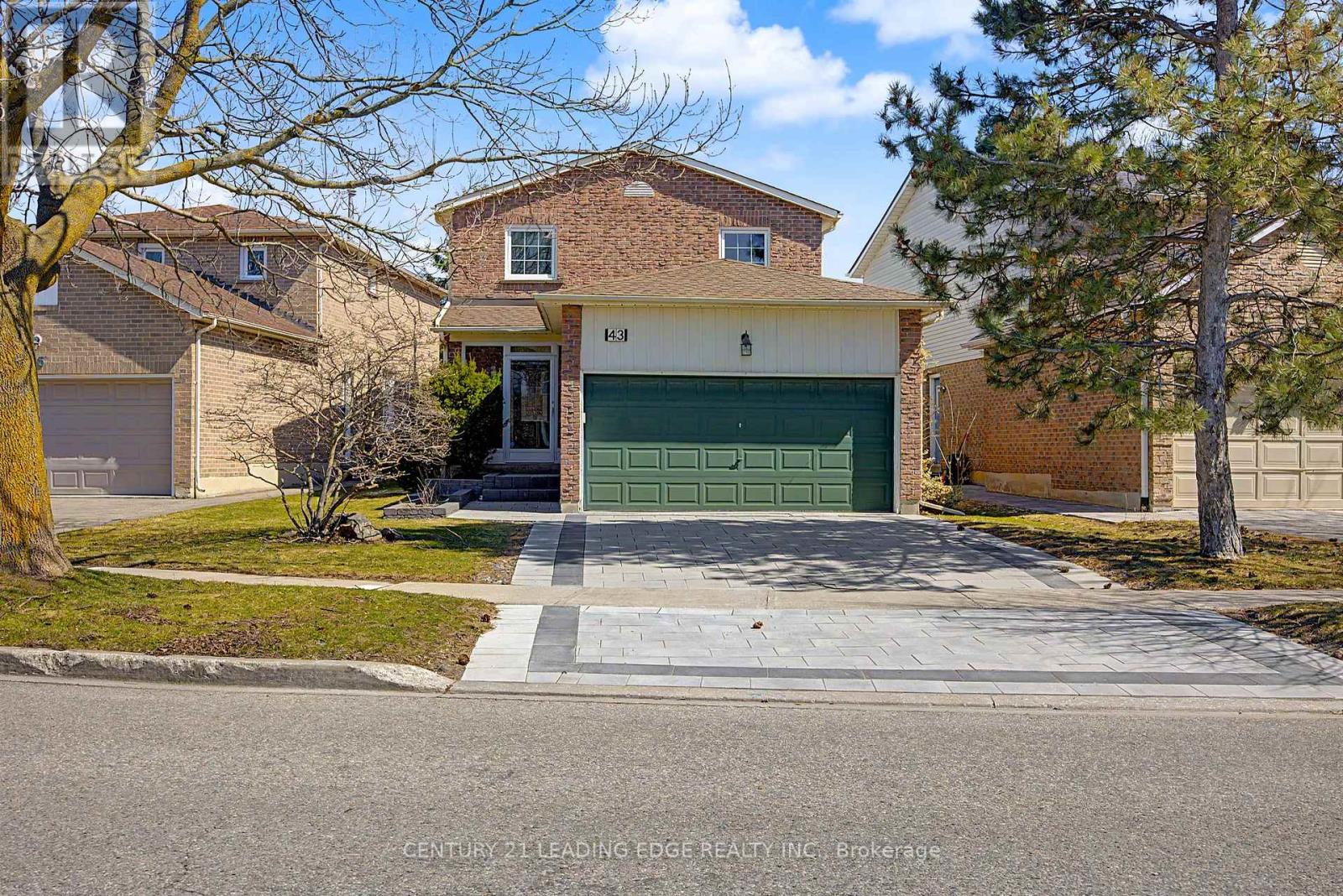 For Sale