
O'Neill is a central Oshawa neighbourhood adjacent to the Oshawa Valley Botanical Gardens. It has older housing stock from the 1950s through 1970s and is one of the city's most established residential communities.
ONeill is a central Oshawa neighbourhood in the traditional sense: a mid-city residential area that developed over several decades into a mix of housing types on a walkable street grid. It sits between Simcoe Street to the west, Rossland Road to the north, Ritson Road to the east, and Bloor Street to the south — a rectangle that places it within easy reach of downtown Oshawa to the south and the Oshawa Centre commercial complex to the southwest. It is named for ONeill CVI, the catchment secondary school that anchors the neighbourhood’s identity for families with school-age children.
The housing in ONeill spans a wider range than many Oshawa neighbourhoods. Streets immediately east of Simcoe carry smaller bungalows and semi-detached homes from the 1950s and 1960s that reflect the neighbourhood’s working-class roots. Moving east toward Ritson and north toward Rossland, the housing gets progressively newer and larger. The result is a neighbourhood where the price range is wider than the boundary suggests, and where buyers with different budgets can find appropriate product within the same community.
ONeill CVI is the dominant institutional presence in the neighbourhood. Its location and the catchment it generates is the reason a consistent proportion of family buyers specifically seek this area out. The school has a French Immersion program and is consistently cited as one of the stronger public secondary options in central Oshawa. For families who are making a secondary school catchment a significant part of their purchasing decision, ONeill the neighbourhood is where the catchment is centred.
The western portion of ONeill, closest to Simcoe Street, carries bungalows and semi-detached homes from the 1950s and 1960s at the lower end of the neighbourhood price range. Bungalows here are priced from approximately $540,000 to $680,000 depending on condition. These are practical homes on modest lots, and the investment required to bring them to current standards varies significantly by property. A house that’s been maintained and progressively updated is a different proposition from one that’s been neglected.
Moving east and north, the housing transitions to detached two-storeys from the 1970s, 1980s, and early 1990s, which are priced from $680,000 to $900,000. These larger homes are the target of family buyers who want to be in the ONeill catchment and have the budget for the family home format. The streets in this part of the neighbourhood are the ones most associated with the school catchment premium, such as it exists in central Oshawa.
ONeill also has some townhouse product, particularly in the areas closest to the main arterials, providing an entry-level alternative for buyers whose budget doesn’t reach the detached bungalow range. Freehold townhouses in the neighbourhood run $550,000 to $700,000 and represent the accessible version of the ONeill catchment for first-time buyers.
ONeill Collegiate and Vocational Institute on Rossland Road West is a DDSB secondary school offering the regular academic program, applied and locally developed pathways, and a French Immersion secondary stream. The French Immersion program is the aspect of ONeill CVI most often cited by buyers who target this catchment specifically. DDSB students who have been in the FI elementary program and want to continue to FI secondary need to be in a catchment that feeds ONeill CVI. The school is one of the named FI secondary destinations in Oshawa, which concentrates FI-focused family buying in the surrounding catchment area.
The school’s general academic program is comparable to the other DDSB secondary schools in central Oshawa. Its co-op program, vocational pathways, and extracurricular programming have been consistent features. As with any school, the experience varies by cohort and specific programs, and parents who want detail beyond what the school profile provides should visit the school and ask directly. The DDSB can provide current information on enrollment, programs, and catchment boundaries at ddsb.ca.
Catchment verification is important in ONeill. The neighbourhood name extends over an area where multiple secondary schools serve different specific addresses. Not every property in the ONeill neighbourhood is necessarily in the ONeill CVI secondary catchment. If secondary school catchment is driving your purchasing decision, confirm the specific catchment assignment for any property you’re considering using the DDSB school locator. This is particularly true if FI continuation is the reason you’re targeting this neighbourhood.
The FI family is the buyer profile that most distinguishes ONeill from its adjacent neighbours. Parents whose children are enrolled in the DDSB French Immersion elementary program need to ensure their secondary school address is in the ONeill CVI catchment for the FI continuation. This is a specific and motivated buyer who has often done the research before starting the property search and knows exactly which streets they need to be on. They’re not browsing — they’re targeting.
The broader family buyer in ONeill is the central Oshawa equivalent of the family buyer anywhere: they want a three- or four-bedroom detached home in an established neighbourhood, within reach of downtown and Oshawa Centre, with schools and parks that work for their kids. ONeill delivers this at mid-market Oshawa prices — not the cheapest options in the city, not the most expensive, but a stable and functional family neighbourhood address.
The lower-price bungalow segment attracts first-time buyers who want to be in central Oshawa and are willing to live in the western, older part of the neighbourhood while they build equity. The ONeill address and the secondary school catchment that comes with it are part of what makes these bungalows worth more than comparable properties in some other central Oshawa areas.
ONeill’s central position in Oshawa gives it genuine walkability by Durham Region standards. Downtown Oshawa is a 10 to 15 minute walk from the southern part of the neighbourhood. Oshawa Centre is a 10 to 15 minute walk from the western edge. The Robert McLaughlin Gallery, the main Oshawa Public Library branch, and the civic facilities that make a city centre useful are accessible on foot from ONeill in a way that’s not possible from the northern subdivisions.
Simcoe Street to the west is Oshawa’s primary transit corridor, with Durham Region Transit providing the most frequent bus service in the city along this route. Residents in the western part of ONeill can reach Oshawa GO station and the Ontario Tech/Durham College campuses without a car using the Simcoe Street service. This is a genuine advantage for households without two cars, for post-secondary students living in the neighbourhood, and for commuters who combine bus and GO train rather than driving to the GO station.
The Oshawa Creek trail system runs close to the neighbourhood’s western edge, providing a green off-road corridor south toward the waterfront and north toward the conservation areas. The combination of trail access, walkable downtown, and transit on Simcoe gives ONeill more non-car transportation options than most of Oshawa offers, which reflects its position in the central city rather than the suburban fringe.
Oshawa GO station on the Lakeshore East line is approximately 10 to 15 minutes south by car or bus from the core of ONeill. The GO train to Union Station runs in approximately 60 minutes on peak service. ONeill’s position south of the major north Oshawa arterials makes the drive to the GO station more direct than from the northern neighbourhoods. For downtown Toronto commuters, the total door-to-Union-Station time from ONeill is approximately 75 to 85 minutes.
Highway 401 is accessible via Simcoe Street or Ritson Road at the southern end of Oshawa — 10 to 15 minutes from the neighbourhood. Highway 407 is accessible further north. The 401 corridor is the primary highway option for ONeill residents, connecting west toward Ajax, Pickering, and Toronto and east toward Bowmanville and the eastern 401 extension.
The neighbourhood’s transit access via Simcoe Street is the best available for residential central Oshawa. For residents who want to reduce car dependence, ONeill’s combination of transit, walkability, and GO access makes it the best-positioned central Oshawa neighbourhood for non-car transportation. It’s still not an urban walkability score — this is suburban Ontario — but it’s meaningfully better than the northern subdivisions for residents who want options.
Lakeview Park and the waterfront trail are accessible by car or an extended bike ride from ONeill, south of the neighbourhood. The Oshawa Creek trail provides a north-south off-road route that passes near the western edge of the neighbourhood and connects to the waterfront to the south. These are the green resources that ONeill residents use most actively for recreation, and they’re more accessible from this central address than from most of north Oshawa.
The neighbourhood has smaller parks distributed through the residential streets that serve the local population for daily active use. ONeill Memorial Park provides a local outdoor space with play facilities. These neighbourhood parks are the right scale for daily use: close enough to walk to with children but small enough that they don’t generate the traffic and activity of a regional park. They serve the immediate residential area rather than drawing visitors from across the city.
Kinsmen Community Arena is located in the broader central Oshawa area and serves the recreational needs of families with children in hockey, figure skating, and other ice sports. The arena programming reflects the community the neighbourhood serves: a mix of recreational and competitive programs at various levels, accessible to the families who make up ONeill’s primary buyer population.
Downtown Oshawa is within walking distance of the southern part of ONeill, providing access to city hall, the main library, the Robert McLaughlin Gallery, and the growing food and beverage scene that has developed in the downtown core over recent years. The downtown is not a shopping destination in the way it once was, but it provides civic services and cultural facilities that the northern subdivisions require a car trip to access. For residents who use those facilities, the proximity is a genuine quality-of-life asset.
Oshawa Centre to the southwest provides the full retail coverage that the downtown no longer offers. From the western part of ONeill the walk to the mall is practical for the right resident — though it’s 15 to 20 minutes and most residents drive. The combination of walkable downtown and drivable mall means ONeill residents have access to the full range of retail and service options that Durham Region offers without being dependent on any single commercial cluster.
The commercial strip on King Street East, which runs along the southern edge of the neighbourhood, provides day-to-day retail: grocery, pharmacy, takeout, and the service retail that fills main street commercial strips in Ontario cities. It’s the most immediately walkable commercial area for most ONeill residents and covers the daily needs that don’t require the mall or downtown.
Buyers evaluating ONeill are often comparing it to adjacent central Oshawa neighbourhoods including Vanier, Pinecrest’s central portion, and the areas east toward Farewell. The distinctions matter primarily at the margin. ONeill’s secondary school catchment for the ONeill CVI FI program is its most distinctive feature; without that specific need, the neighbourhood competes on price, condition of specific properties, and the walkability advantage that its central position provides.
Vanier, to the south and east, overlaps in price range and housing type. Vanier’s lower end is cheaper than ONeill’s, which reflects its position further from the Simcoe Street transit corridor and the Oshawa Centre commercial node. McLaughlin, to the northwest, is closer to Oshawa Centre and has the mall adjacency that makes it slightly better positioned for walkable retail — though McLaughlin’s prices reflect that advantage.
For buyers who want central Oshawa without any specific FI catchment requirement, the comparison across ONeill, Vanier, and McLaughlin is primarily a question of specific properties and what’s available at the time of search. An experienced Oshawa agent will know which specific streets in each neighbourhood deliver the best combination of character, condition, and value for any given buyer profile.
ONeill trades in line with the central Oshawa market broadly. In early 2026, the neighbourhood is in a buyer-friendly environment: more properties to choose from, longer time to make decisions, and sellers who have adjusted expectations from the 2022 peak to what the 2026 market will actually pay. Days on market are longer than 2021 but not distressingly long for priced-correctly properties. The bungalow tier is more active than it was when rates were lower; the family home tier has normalised.
The FI catchment premium for ONeill exists but is not enormous. Buyers who specifically need the ONeill CVI FI pathway will pay a modest premium over comparable properties in areas outside the catchment, but the premium is not as pronounced as a Toronto school catchment premium would be. The Oshawa market is not stratified by school catchment to the same degree as Toronto’s premium school zones, and buyers who are inflating their budget based on school catchment expectations calibrated to Toronto should adjust their expectations.
The long-term trajectory for central Oshawa is intensification. Provincial planning policy and the city’s official plan designate the Simcoe Street corridor and downtown area for higher-density development. The residential streets of ONeill are not in the path of that intensification directly, but the broader commercial and transit activity associated with a denser urban corridor will affect the neighbourhood’s surrounding character over time. This is generally positive for property values in a central neighbourhood, but it does mean that the commercial edges will evolve and the Simcoe Street character will change.
Q: What are home prices in ONeill Oshawa in 2026?
A: Bungalows and semi-detached homes on the western streets of ONeill are priced from approximately $540,000 to $680,000 in early 2026. Detached two-storey family homes in the eastern and northern parts of the neighbourhood run $680,000 to $900,000 depending on size, condition, and specific location. Freehold townhouses are in the $550,000 to $700,000 range. The central Oshawa location, transit access on Simcoe Street, and the ONeill CVI catchment contribute a modest premium over comparable homes in east or south Oshawa that don’t share these characteristics. The 2026 market gives buyers more time and room to negotiate than the frenzied 2021-2022 period, and conditions on offers are standard practice rather than exceptional.
Q: Is ONeill CVI really a catchment people buy for?
A: Yes, specifically for the French Immersion secondary program. DDSB families who have children in the FI elementary pathway and want them to continue to FI secondary at ONeill CVI need to be in the school’s catchment. This creates a specific buyer group that targets ONeill addresses and is willing to pay the premium required to be in the right catchment. Beyond the FI question, ONeill CVI’s general program is comparable to other DDSB secondary schools in central Oshawa. The catchment premium is primarily an FI story rather than a general secondary school quality story.
Q: How walkable is ONeill compared to other Oshawa neighbourhoods?
A: More walkable than most, by Durham Region standards. Downtown Oshawa is 10 to 15 minutes on foot from the south end of the neighbourhood. Oshawa Centre is a 10 to 20 minute walk from the western edge. The Simcoe Street bus connects quickly to the GO station and the Ontario Tech and Durham College campuses. The King Street East commercial strip provides daily retail without requiring a car. By GTA suburban standards, ONeill is one of the more walkable residential areas in Oshawa, though buyers comparing it to Toronto or Mississauga urban walkability scores will still find it clearly suburban in character.
Q: What should I check before buying in ONeill?
A: The ONeill CVI catchment for your specific address, if FI continuation is the reason you’re targeting this neighbourhood. Use the DDSB school locator at ddsb.ca and confirm — not just assume based on neighbourhood name. Second, the condition of the bungalow or older home on your shortlist: houses from the 1950s through 1970s in central Oshawa vary significantly in maintenance level and mechanical condition, and a thorough home inspection is essential. Third, the noise and traffic environment near the main arterials: Simcoe Street and King Street East carry real traffic volumes, and streets immediately adjacent to these corridors experience more noise than the quieter interior blocks.
ONeill the neighbourhood takes its name from ONeill Collegiate and Vocational Institute, which was named for Robert Keating ONeill, a former Oshawa mayor whose public service during the 1920s and 1930s contributed to the city’s development during its rapid growth as an automotive manufacturing centre. The school was established to serve the growing residential population of central Oshawa and has been a secondary education anchor in the neighbourhood since. The neighbourhood name followed the school’s prominence rather than the reverse.
The residential development of ONeill proceeded through the mid-20th century in the pattern common to central Oshawa: post-war bungalow construction responding to the housing demand generated by returning veterans and the expansion of GM employment. The western part of the neighbourhood, closest to Simcoe Street and downtown, developed earliest and carries the oldest housing stock. The eastern sections developed through the 1970s and 1980s as the residential frontier pushed east.
Central Oshawa’s commercial geography, shaped by the opening of Oshawa Centre in 1973 and the subsequent decline of downtown retail, created the commercial environment that ONeill residents navigate today. The mall pulled retail westward from the downtown, leaving ONeill between a revitalising downtown to the south and a major commercial node to the west. That position remains the neighbourhood’s defining geographic characteristic and explains why it retains central-city accessibility qualities that the northern subdivisions fundamentally can’t offer.
Street-level knowledge is hard to find online. Our team works in O’Neill every day. They know which pockets hold value, where the school catchment lines actually fall, and what the market is doing right now. Talk to us before you make a decision about O’Neill.
Talk to a local agent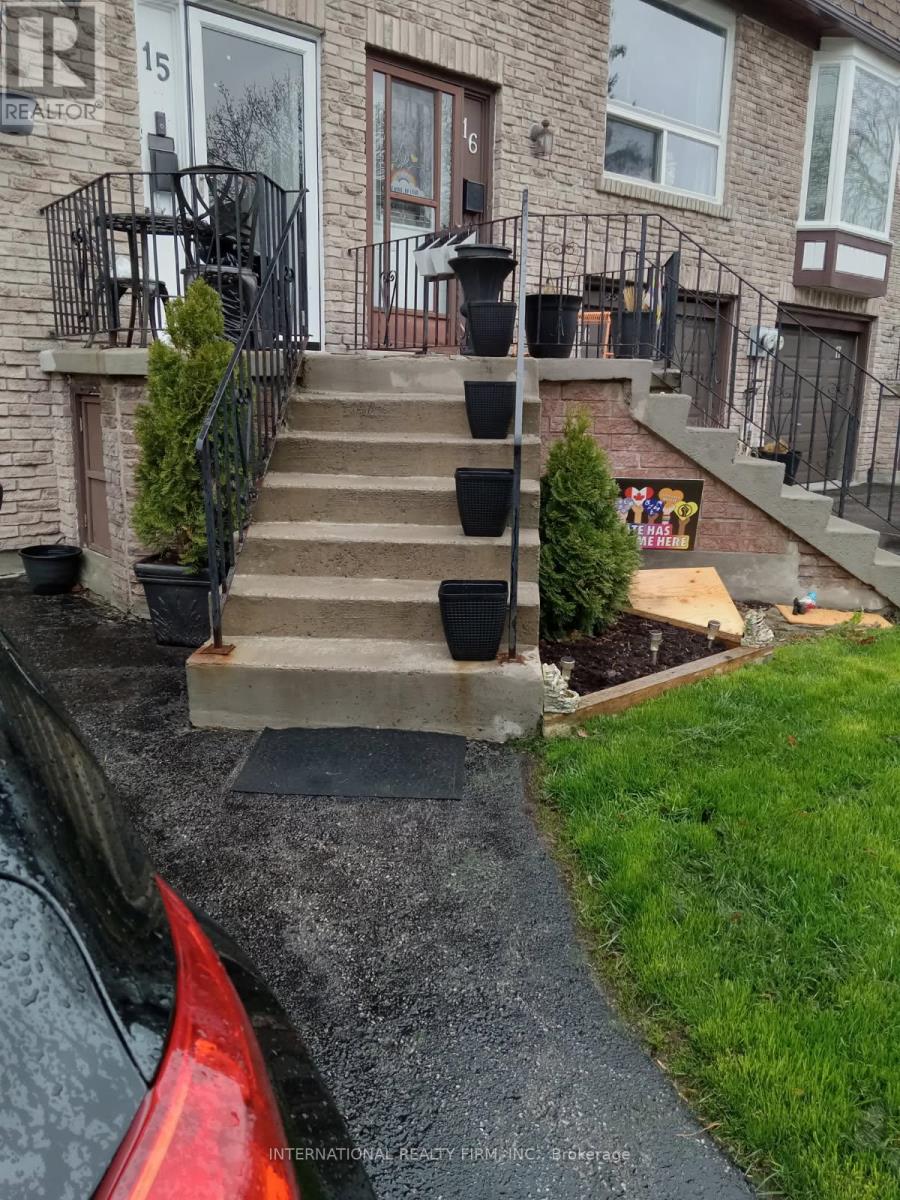 For Sale
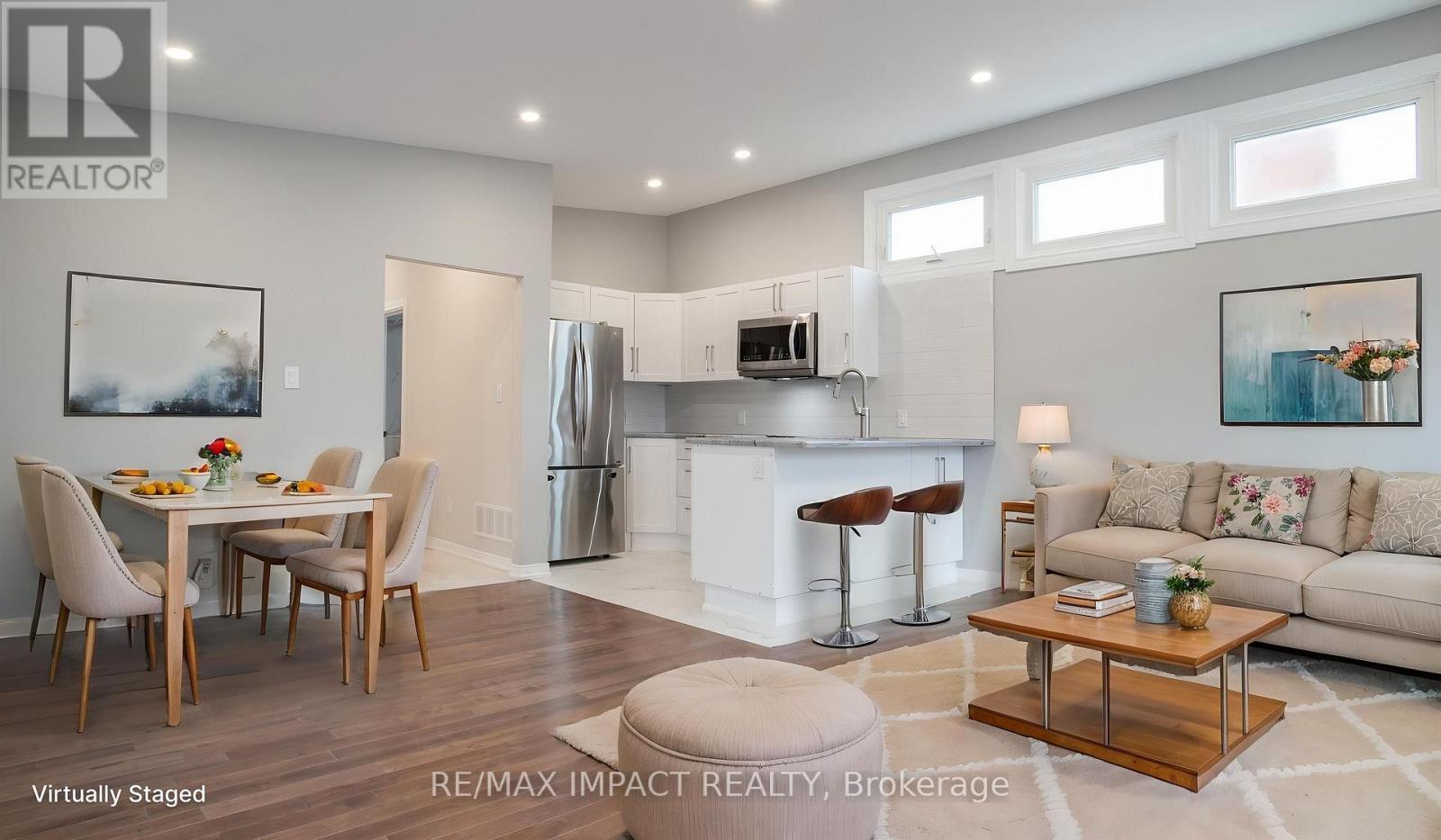 For Sale
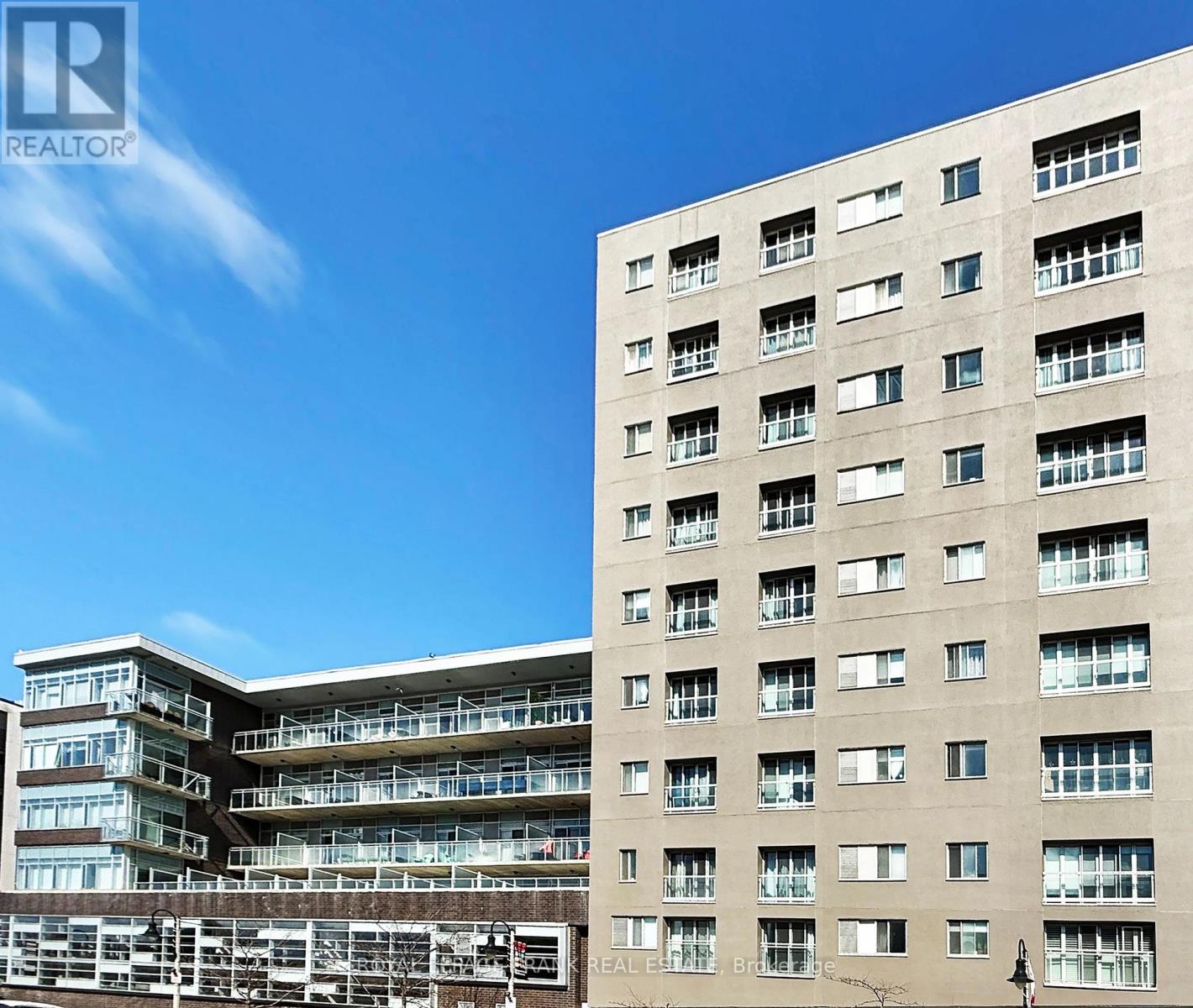 For Sale
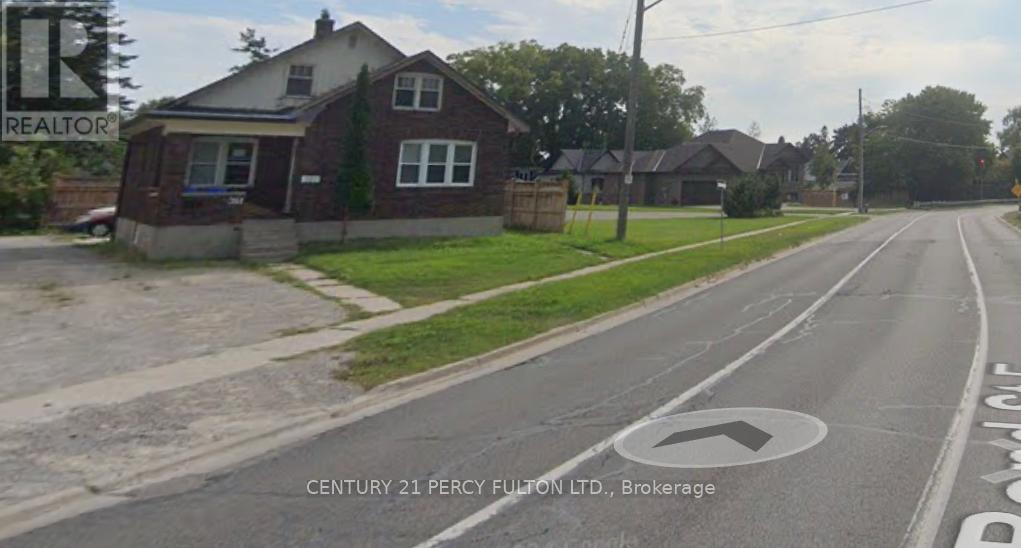 For Rent