
Orchard is a north Burlington family neighbourhood with 1990s-2000s detached homes and excellent school access including John William Boich Public School. Appleby GO is about 20 minutes. Detached homes trade from $950K to $1.25M in 2025.
Orchard is a north Burlington family neighbourhood built primarily through the 1990s and early 2000s, sitting north of Upper Middle Road between Appleby Line and Walkers Line. The community is one of Burlington’s better-known north-end neighbourhoods primarily because of John William Boich Public School, an HDSB elementary school that has consistently ranked among the top performers in the Halton region and draws buyers who specifically research school quality before purchasing in north Burlington.
The housing stock is predominantly detached two-storey homes on 35 to 40-foot lots, with some semis and limited townhouse development in certain sections. The construction is newer than Appleby or Grindstone, which means the mechanical systems, insulation standards, and building envelope quality are generally better than the 1960s-1980s housing that dominates the south Burlington family markets at comparable prices. The trade-off is smaller lots and less mature landscaping than the older communities.
Detached homes in Orchard were trading in the $950,000 to $1.25 million range in 2025, positioning it as more affordable than the south Burlington communities near Appleby GO station while offering newer housing stock than those same communities. The school premium for the Boich catchment adds measurable value over adjacent north Burlington communities without the same school assignment.
Orchard housing is primarily 1990s and early 2000s construction, which means buyers are getting homes that are 20 to 30 years old rather than the 40 to 50-year-old stock in south Burlington. Systems are on a later replacement cycle than the older communities: furnaces, air conditioning, and water heaters installed in a 2000 house will typically need replacement between 2020 and 2030. Buyers should assess the mechanical condition of any specific property against this timeline.
The construction quality in Orchard’s various phases varies somewhat by builder, as all planned communities built across multiple years and builders do. The homes are generally well-built for their era, with the standard features of late 1990s and early 2000s suburban construction: gas forced-air heating, central air conditioning, 9-foot main-floor ceilings in many models, and two-car garage configurations on larger lots.
Lot sizes in Orchard are smaller than in the older Burlington communities at comparable prices. Most detached lots run 35 to 40 feet wide on standard depths. This is the trade-off for newer construction: you get better-built systems and a more modern layout in exchange for less outdoor space. Buyers who need a large rear yard should look at older Burlington communities with wider lots.
Orchard is a consistently active Burlington family market, with steady transaction volumes and competitive dynamics that reflect the school premium. Well-priced properties in good condition sell quickly, and the Boich school catchment generates a specific type of buyer competition where purchasers have done their research, know what they want, and are willing to compete for properties that hit their criteria.
The school-driven demand provides a degree of market support that protects Orchard prices more effectively than comparable north Burlington communities without the same school draw. During market corrections, Orchard holds value better than generic north Burlington communities because the buyer pool is motivated by a specific attribute rather than pure price-per-square-foot optimization.
Multiple offers on Orchard properties are more common than in most north Burlington communities, reflecting the school premium demand. Buyers who are specifically targeting the Boich catchment should be prepared for competition and should have their pre-approval confirmed and a clear offer strategy before entering the market. An agent experienced with the Orchard school premium dynamic will give you accurate advice on current competitive conditions.
Orchard draws school-driven family buyers as its defining demographic: parents who have researched HDSB elementary school performance, identified John William Boich as a standout performer, and made the decision to buy specifically within the Boich catchment. This is a more targeted and research-oriented buyer than the general north Burlington family-home market, and the demand this creates supports Orchard’s price premium over adjacent north Burlington communities.
Move-up buyers from Burlington townhouses and condos who are ready for detached ownership and have done their school research typically land in Orchard as their first detached purchase. They have often been in Burlington for several years, have followed the school reputations, and are making a deliberate purchase decision rather than an area discovery.
Corporate transferees relocating to Burlington with children of elementary school age sometimes target Orchard specifically after researching school options. These buyers move quickly because they are transferring on a timeline, and they prioritize school quality highly given the disruption of moving. They add to Orchard’s consistent demand even in slower market periods.
Orchard is organized on a typical 1990s suburban street grid, with the residential streets running off the main arterials of Appleby Line and Upper Middle Road. The neighbourhood is internally consistent in housing type and lot size across most of its extent, with the variation being primarily in specific builder models and the specific condition and renovation status of individual homes.
Streets closest to John William Boich Public School on Thomas Alton Boulevard command the most specific interest from school-driven buyers, as walkability to the school is a genuine quality-of-life attribute for families with elementary-aged children. Properties within easy walking distance of the school often attract more competition than equivalent properties further from the school grounds.
The northern streets of Orchard transition toward the Alton Village neighbourhood as you move further north toward Dundas Street. Buyers who are comparing Orchard to Alton should understand the age difference in the housing stock and the school catchment difference: Boich is in the Orchard catchment; Alton has its own school catchment that includes newer schools in the developing Alton Village area.
Appleby GO station is the primary GO transit option for Orchard residents, accessible in about 20 minutes by car via Appleby Line south. Burlington GO station is farther and takes about 25 minutes. Neither is walkable from Orchard, so the GO commute involves driving to the station and parking or being dropped off. For buyers making a Toronto commute calculation, the total door-to-door time from Orchard to downtown Toronto by GO is approximately 75 to 90 minutes each way.
Driving to the QEW from Orchard runs about 15 to 20 minutes via Appleby Line or Walkers Line south. The 403 interchange at Walkers Line is also accessible for commuters heading west. In peak-hour traffic, the surface road portion of the commute to the QEW adds 5 to 10 minutes over off-peak times, which should be factored into the total commute calculation.
Burlington Transit serves Appleby Line with bus service connecting to downtown Burlington, the hospital, and the GO stations. Service frequency is adequate for occasional trips. Car ownership is the norm for Orchard households, and transit use is supplementary rather than primary for most daily transportation needs.
Orchard has a well-maintained network of neighbourhood parks typical of Burlington’s 1990s planned communities. Parks are distributed through the community at appropriate intervals, with playgrounds, sports fields, and open green space serving the family demographic. The neighbourhood was designed with park distribution in mind, and the parks are well-positioned relative to the residential street grid.
The Niagara Escarpment is visible from the western portions of Orchard and accessible by car in 10 to 15 minutes for Bruce Trail access and escarpment conservation area hiking. The proximity of significant natural outdoor amenity in a 15-minute drive is one of the Burlington quality-of-life attributes that distinguishes the city from comparable suburban destinations further east in the GTA.
Bronte Creek Provincial Park is accessible in about 15 to 20 minutes from Orchard, providing larger-scale natural outdoor recreation including hiking, cross-country skiing, and family programming. It serves as the primary park destination for Orchard residents who want outdoor activity beyond the neighbourhood’s local parks.
Retail access from Orchard is primarily via Appleby Line and Upper Middle Road, where grocery, pharmacy, restaurants, and services are available within 10 to 15 minutes. The Orchard neighbourhood shopping area includes a grocery anchor and surrounding service retail that handles the weekly household shopping for most Orchard residents.
John William Boich Public School and the surrounding Thomas Alton Boulevard commercial area provide some convenience retail within the neighbourhood that residents of the school-adjacent streets can access on foot or by bicycle. The local-scale commercial is modest but provides some everyday convenience that purely residential neighbourhoods without any local commercial don’t have.
Downtown Burlington is 20 to 25 minutes south from Orchard by car. The drive is practical for special occasion dining and the independent retail on Brant Street, though the distance makes it a destination trip rather than a daily habit. Most everyday commercial needs are met by the Appleby Line and Upper Middle Road corridors at the neighbourhood’s edges.
John William Boich Public School is the defining school amenity for the Orchard neighbourhood. The school offers English and French Immersion programs for JK through Grade 8, and its consistent performance in provincial assessments has established a strong reputation within the HDSB system. The French Immersion stream at Boich draws applicants from outside the immediate catchment, and in-catchment families have priority for the program. Buyers who specifically want Boich for the French Immersion program should confirm current program availability and catchment priority for their specific address before purchasing.
Secondary students from Orchard attend Hayden Secondary School on Thomas Alton Boulevard, the purpose-built HDSB high school serving the Alton-Orchard area of north Burlington. Hayden is a newer school with modern facilities and a growing reputation as it builds its track record. As the school ages and develops, its program breadth and extracurricular depth will increase. Buyers with secondary-aged children should visit the school and confirm current program availability rather than relying on reputation assessments that may lag the current reality.
The Halton Catholic District School Board serves Catholic-faith families in Orchard with elementary and secondary options. HCDSB catchment assignments for Orchard-area addresses should be confirmed with the board directly. The Catholic board has its own school quality and program considerations that are independent of the HDSB picture.
Orchard is a built-out neighbourhood within the established part of north Burlington, with the Alton Village West development occurring further north in a distinct development area. Orchard itself is not in an active development phase; the story here is gradual renovation and household turnover rather than new development or significant redevelopment.
The school premium that supports Orchard’s prices is a durable attribute as long as John William Boich maintains its performance standing within the HDSB system. School performance is not immutable, but established high-performing schools in well-maintained communities tend to maintain their standing over time. The demographic stability of the Orchard buyer base, which is consistently school-driven, reinforces the school community and the school’s performance.
Burlington’s intensification policies apply to the arterials adjacent to Orchard — Appleby Line and Upper Middle Road — rather than to the residential streets within the neighbourhood. Over time, higher-density development at the arterial commercial nodes will add density to the edges of the Orchard environment, which is consistent with Burlington’s growth management framework and will gradually increase the urban character of the neighbourhood edges.
Q: What do detached homes in Orchard typically cost in 2025?
A: Detached homes in Orchard were trading in the $950K to $1.25M range in 2025. The lower end covers properties that are original or partially updated on standard lots. The upper end reflects fully renovated homes on premium streets with good location attributes. Burlington’s granular market means that neighbourhood position, school catchment, and GO station proximity can each move a comparable property by 10 to 15 percent. Ask your agent to explain the specific drivers of value for any property you are considering rather than applying a general Burlington price-per-square-foot comparison.
Q: How far is Orchard from the nearest GO station?
A: The closest GO station for Orchard residents is Appleby GO, approximately 20 minutes by car. The full door-to-door commute to Union Station from Orchard runs approximately 60 to 80 minutes depending on time of day and specific address. Buyers who commute to Toronto by GO five days a week should honestly account for the total commute time rather than relying on quoted GO travel times alone. The time from home to the station and station to destination within Toronto adds substantially to the on-train travel time.
Q: Which high school serves Orchard?
A: Hayden Secondary School serves Orchard for secondary education through the Halton District School Board. Hayden is a newer school whose reputation is still developing, with modern facilities and a growing program offering. Catchment boundaries should be confirmed through the HDSB school locator for the specific property address rather than assumed based on general neighbourhood descriptions. The Catholic secondary option for Burlington students is through the Halton Catholic District School Board.
Q: What are property taxes in Orchard?
A: Burlington’s combined city and regional residential property tax rate is approximately 0.7 to 0.8 percent of MPAC assessed value per year. For a home purchased at $950K to $1.25M, the annual tax bill typically runs $6,000 to $9,000 depending on the specific assessed value. Burlington property taxes are competitive compared to Toronto and comparable to other Halton Region municipalities. The MPAC assessed value can be verified for any specific property through the Ontario property assessment database before you purchase.
Orchard is a well-researched Burlington market, and most Burlington buyer’s agents working in north Burlington will be familiar with the Boich school catchment premium and how it translates to specific streets. The key competency to confirm is whether your agent understands the specific catchment boundary for John William Boich — which streets are definitively in-catchment, and which are on the boundary — since this information directly affects the pricing premium that buyers are paying for Orchard properties.
The competitive offer dynamics in Orchard require an agent who can price offers accurately against recent Orchard comparables specifically, not general north Burlington trends. Properties in the Boich catchment trade at a premium to equivalent properties outside it, and recent comparables from within the catchment are the correct reference point for offer pricing. An agent who compares your offer to general Headon or Palmer sales is not accounting for the school premium that is embedded in Orchard prices.
The home inspection on a 1990s or early 2000s Orchard home should specifically address the systems that are now on their late-cycle replacement timeline: furnace, air conditioning, water heater, and the original roof covering. On homes with EIFS (synthetic stucco) cladding, a moisture investigation is essential. These are the predictable risk areas on homes of this era, and a thorough inspector familiar with late-1990s Burlington construction will know where to focus their assessment.
Street-level knowledge is hard to find online. Our team works in Orchard every day. They know which pockets hold value, where the school catchment lines actually fall, and what the market is doing right now. Talk to us before you make a decision about Orchard.
Talk to a local agent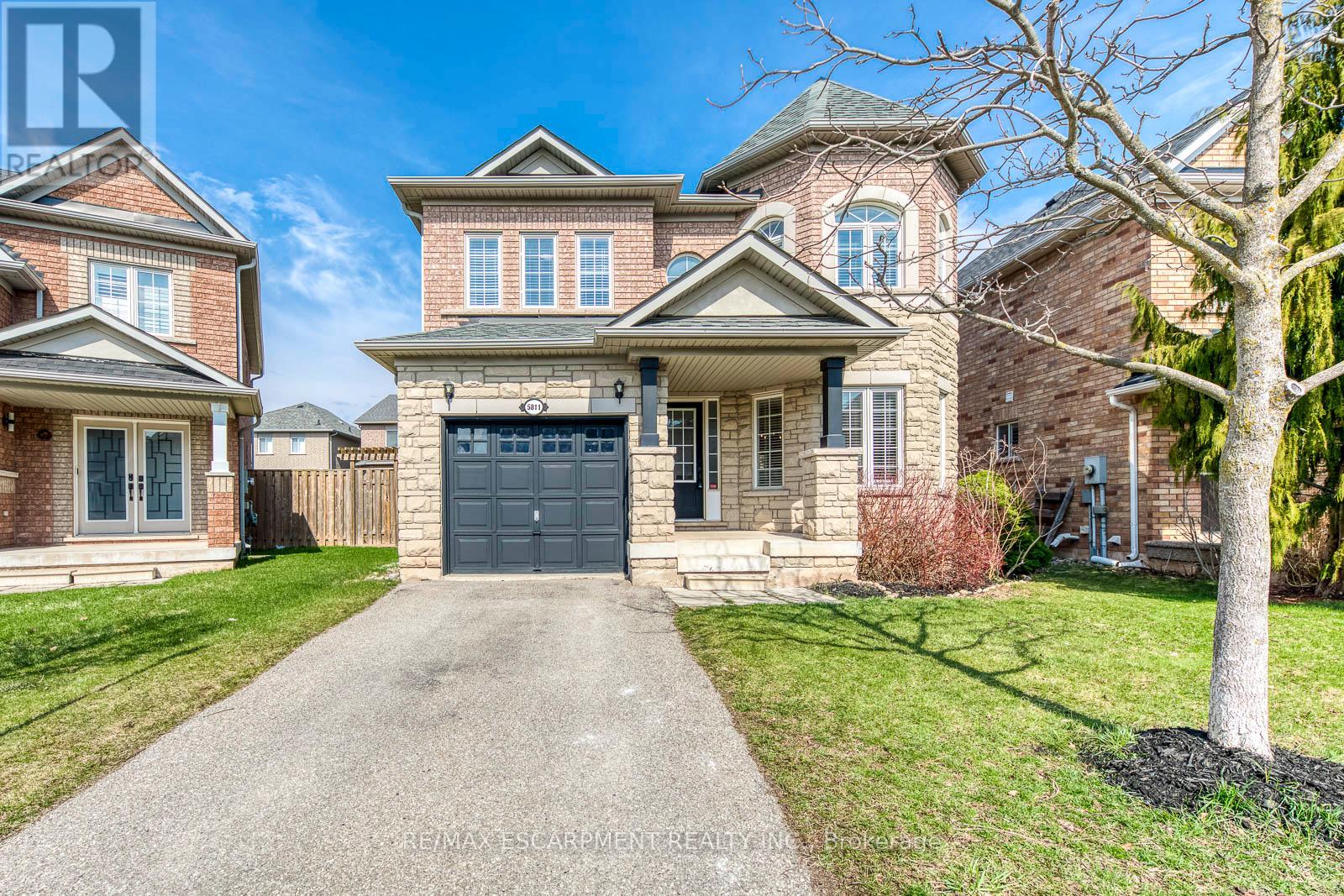 For Sale
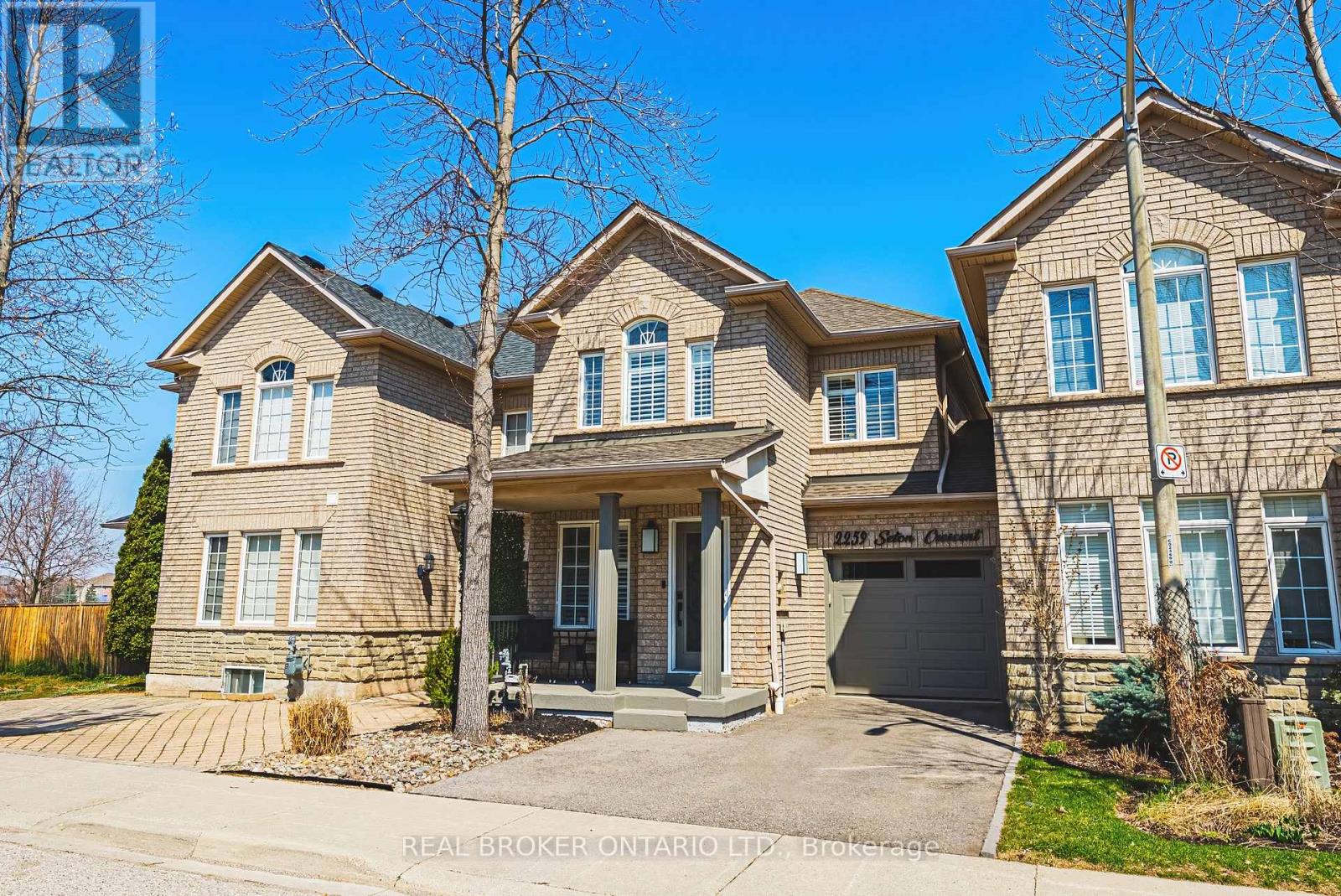 For Sale
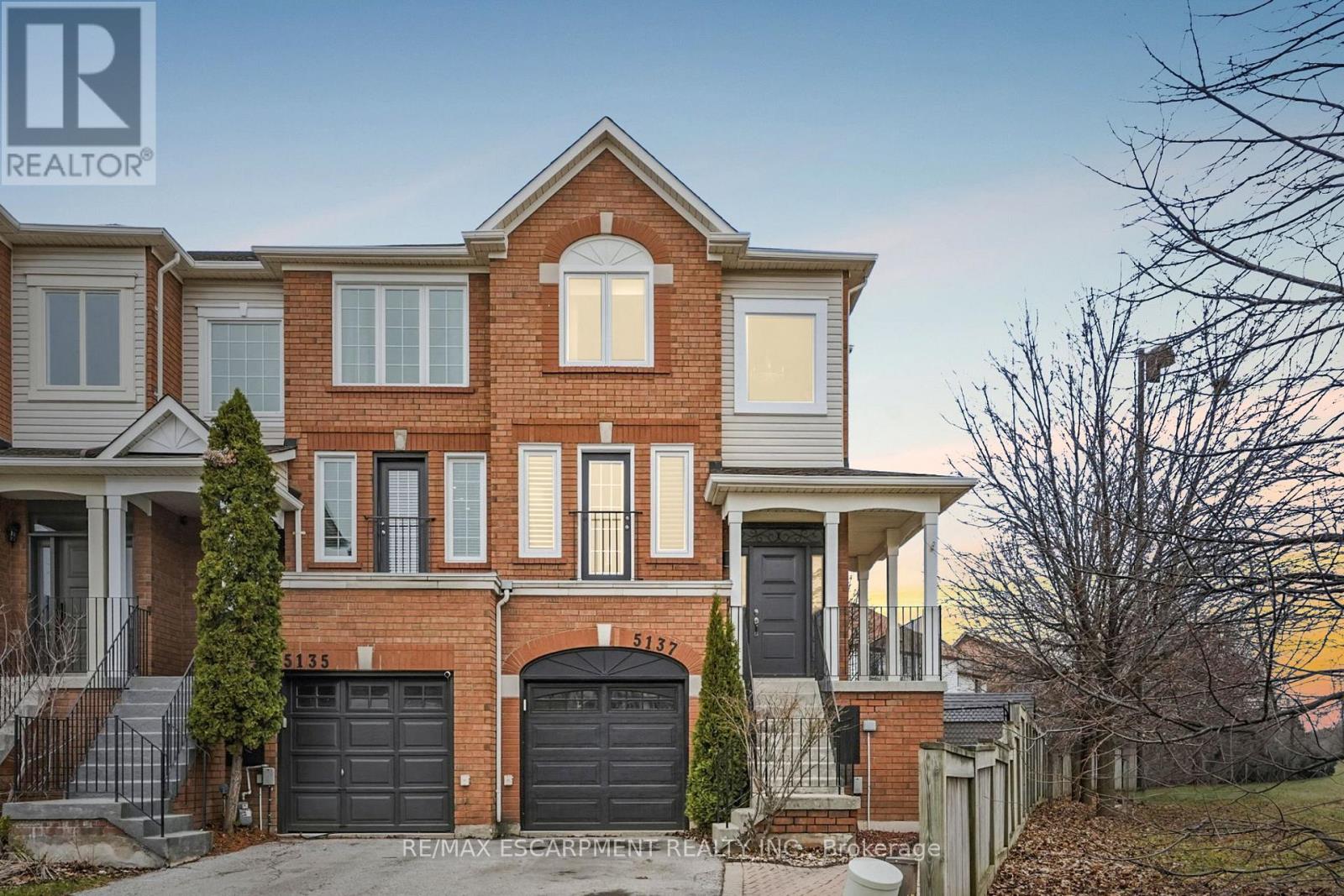 For Sale
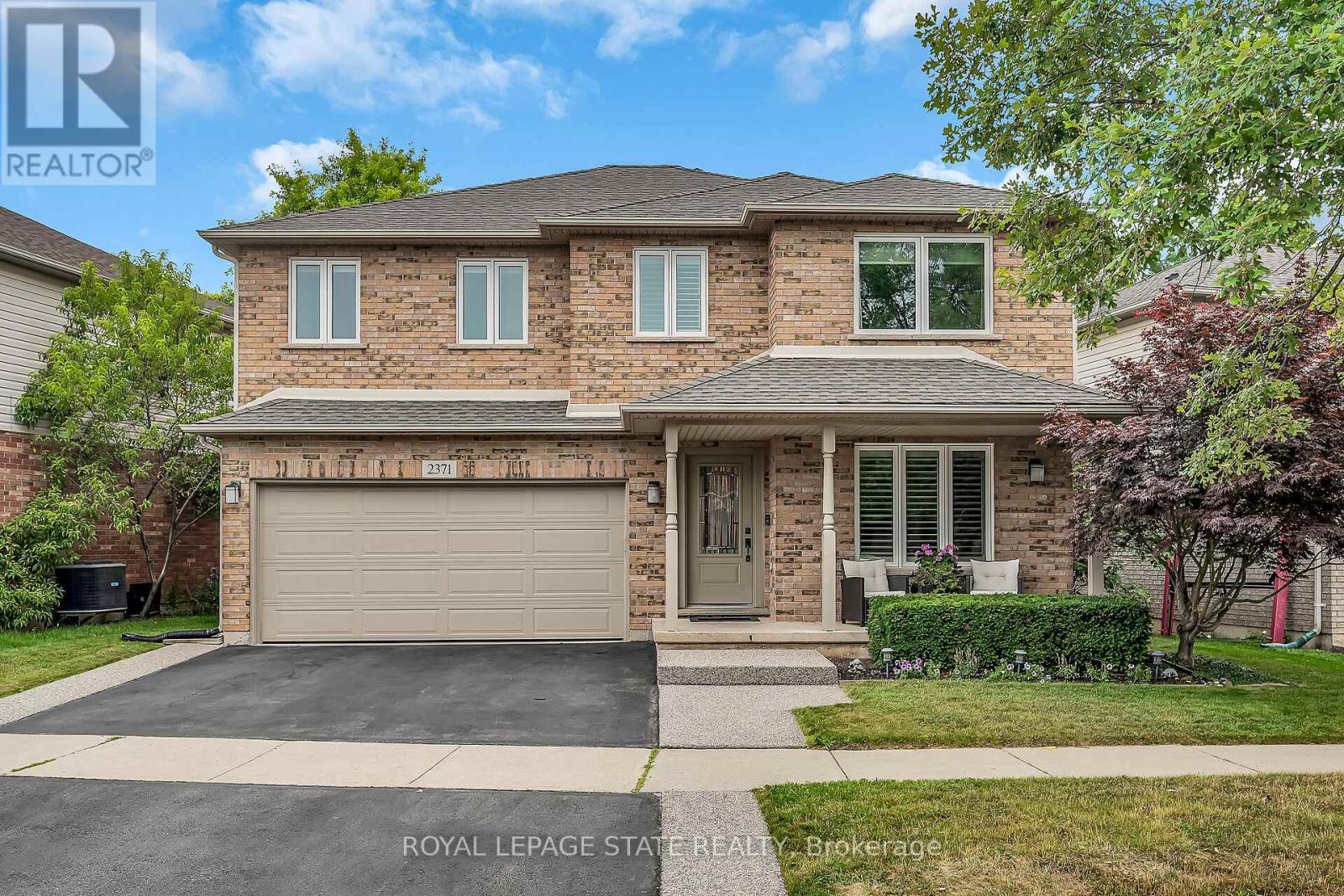 For Sale