
Oshawa is the largest city in Durham Region and the eastern end of the GTA, on Lake Ontario past Pickering and Whitby, with about 200,000 people. Houses here run about 60 percent below the Toronto average and condos about a third below, and the GO train from Durham College Oshawa station reaches Union in about an hour, all day, in both directions. It's a city of houses, built by General Motors wages and now growing north on university, hospital and head-office jobs. The homes for sale in Oshawa right now are listed below.
Oshawa fronts Lake Ontario with Whitby to the west, Clarington to the east and the Oak Ridges Moraine along its northern edge. Its 146 square kilometres held 175,383 people at the 2021 census, a tenth more than in 2016. Statistics Canada’s estimate had passed 200,000 by 2025, and the Oshawa metropolitan area, which also takes in Whitby and Clarington, added more people in 2025 than any other in Ontario except Ottawa.
The city grew up around one company. Robert McLaughlin moved his carriage works here in 1876, his son Sam built the first McLaughlin cars in 1907, and General Motors of Canada formed in 1918 with Oshawa as its home. Oshawa became a town in 1879 and a city in 1924, the year it annexed the harbour. It took its present shape in 1974, when it absorbed the rest of East Whitby Township, with the villages of Columbus, Raglan and Kedron, and joined the new Regional Municipality of Durham. That 1974 line is why the city runs so far north. Much of the land above Taunton Road is still farm and moraine, and the subdivisions have been working their way up into it for thirty years.
A house in Oshawa costs about 60 percent less than the Toronto freehold average, about half what the same house costs in Mississauga, and about a quarter less than in Whitby next door. A condo costs about a third less than in Toronto. The figures beside this text are live and refreshed every day.
Oshawa is a city of houses. Houses outnumber condominiums almost five to one in the listings, and many neighbourhoods have no condos at all. The dearest built-up neighbourhoods are Taunton and Kedron in the north, where the average sale is about double that of O’Neill or Lakeview, the two cheapest. Northwood and Rural Oshawa carry the highest averages in the city because what sells there is acreage, with a house attached.
Almost everything for sale in Oshawa is a freehold house, and the houses sort by the decade the city reached them. Downtown and the streets immediately around it have some of the oldest stock, brick houses from before the war on short blocks, with Parkwood, the McLaughlin estate, on Simcoe Street North. Lakeview, down by the harbour, mixes Victorian cottages and the small wartime houses built for plant workers with post-war bungalows on the inland streets.
The 1950s and 1960s filled in the middle of the city. GM was hiring, and Vanier, Donevan, the southern half of Eastdale, the western streets of O’Neill and the southern streets of McLaughlin filled with bungalows, semis and side-splits on lots that look generous today. Most have a full basement, and many have been finished or turned into apartments. The cheapest of these houses are in O’Neill and Lakeview, and first-time buyers, downsizers and small investors compete for the same ones.
North of Rossland Road the houses are two-storeys from the 1980s and 1990s: Samac, Pinecrest, Northglen and the streets south of Taunton Road, three and four bedrooms, attached garage, curving crescents. Windfields and Kedron north of Taunton are the new city, built from the 2010s onward on the old Windfields Farm and the fields beyond Harmony Road, and still building. Citywide, a four-bedroom is priced about a fifth over a three-bedroom, and five bedrooms about 40 percent over. The five-bedroom average is still less than half the average Toronto freehold.
Condominiums are a small market and a concentrated one. Windfields has the most listings of any Oshawa neighbourhood, and more than half of them are condos, built around the Ontario Tech and Durham College campus for students and the people who teach them. Samac has a cluster, and downtown has older apartment buildings and a few newer ones. A two-bedroom condo and a three-bedroom condo cost about the same here. A family that can’t reach a house can buy the three bedrooms for the two-bedroom price. Taunton, Donevan, McLaughlin, Vanier and Kedron rarely have a condo for sale.
Renting here means renting a house. Freehold rentals outnumber condo rentals more than three to one, and basement apartments and student houses are part of that supply. A house rents for about 30 percent less than in Toronto and a condo for about a third less. The saving on rent is smaller than the saving on purchase.
Oshawa prices follow Toronto’s, with the same rates, the same lending rules and a lot of the same buyers, and the gap between the two is the number to watch. A house here costs about 40 percent of the Toronto average. Keep your eye on that ratio, not on either price by itself. If it narrows, the reason you drove east is shrinking.
The family-house market in north Oshawa is a spring and fall market. Four-bedrooms in Taunton, Samac and Northglen list from March to June and again in September and October, timed to the school year, and thin out in summer and in the weeks from mid-December into late January. The bungalow market in the south runs on price more than season. A clean bungalow in O’Neill or Lakeview at the bottom of the city’s range draws first-time buyers, downsizers and investors at once, so expect company when you offer on one.
Windfields and the streets around the campus run on their own calendar. Landlords list for September, students sign in spring, and the condo and student-house market there moves on the academic year rather than the real estate one. A buyer who doesn’t want tenants should look elsewhere or accept that the building next door is full of them.
GM still makes the headlines. The plant that employed about 23,000 people at its peak in the 1980s announced its closure in 2018, stopped building cars in 2019, reopened for pickup trucks in 2021, cut its third shift and 700 jobs in January 2026, and will stop building the light-duty Silverado in November 2026. GM says it will keep heavy-duty trucks and the same number of workers. Lakeridge Health, Ontario Tech, Durham College and Ontario Power Generation’s head office now sit beside GM on the city’s list of major employers. Read a GM announcement against what the street you want has sold for.
Oshawa’s buyers come down the 401 and the Lakeshore East line. Families from Scarborough and the east end of Toronto who want a detached house with a garage and a yard, and who have priced Pickering, Ajax and Whitby on the way, find that in Oshawa a four-bedroom costs less than half the average Toronto house. A house here costs about a quarter less than in Whitby and about a fifth less than in Ajax.
Others already work here. Lakeridge Health Oshawa, Ontario Tech, Durham College, Trent’s Durham campus and the Queen’s medical program bring about 30,000 students and the people who teach and treat them, and Ontario Power Generation moved more than 2,000 head-office staff to the old GM Canada headquarters on Colonel Sam Drive. Many buyers are moving within the city. People who grew up in Donevan or Vanier buy a 1990s two-storey in Samac when the children arrive, and their parents sell the two-storey and buy a bungalow in Donevan with a walk to the lake.
The trade is time and the car. The train takes about an hour, and anything in Toronto after the last GO is a long drive home. North of Rossland Road you drive to everything. Downtown Oshawa is small, and the city is still working to fill it: a new urban square at Bond and Simcoe is finished, and the first downtown towers are in the planning system. A family that wants the house and the yard at a price that leaves money over will find that Oshawa is the cheapest city on the Lakeshore East line by a clear margin.
Every one of Oshawa’s fourteen neighbourhoods has its own page here, listed from the lake northward.
Lakeview is the harbour end of the city, with Lakeview Park and its beach, the Oshawa Museum, the working port behind a fence, and some of the oldest streets in Oshawa a few blocks inland. Victorian cottages and wartime houses sit beside post-war bungalows, and it shares the city’s lowest house prices with O’Neill. Donevan east of it is 1950s and 1960s bungalows and semis within a walk of the lake, with no condos.
Vanier is the central-west neighbourhood along Stevenson Road, built in the 1950s and 1960s for GM workers, with the Oshawa Centre at its corner. McLaughlin north of it runs from 1960s bungalows on its southern streets to 1980s and 1990s two-storeys further north. Eastdale on the east side does the same thing in the other direction: bungalows and split-levels south of Olive Avenue, larger 1980s and 1990s family houses north of it toward Rossland.
O’Neill is the old north end above downtown, with 1950s and 1960s bungalows and semis on its western streets and 1970s to 1990s two-storeys to the east. O’Neill Collegiate, the oldest secondary school in the city, and Parkwood both sit inside it. Its average is the lowest in Oshawa.
Pinecrest in the northeast is 1980s and 1990s two-storeys and townhouses with creek-backing lots at the top of its range. Samac between Simcoe and Harmony north of Rossland is the big 1980s and 1990s subdivision, with bungalows from the late 1970s at the bottom of its market, a cluster of condos, and student rentals creeping south from the campus at its northern edge. Northglen in the northwest is 1990s and early 2000s two-storeys around the Windfields Park trails. Taunton, the streets south of Taunton Road, is the dearest of the established subdivisions: 1990s and 2000s four-bedrooms, no condos, and Harmony Valley Conservation Area at its east end.
North of Taunton Road, Windfields is the new city on E.P. Taylor’s old thoroughbred farm, where Northern Dancer was bred. It has the Ontario Tech and Durham College campus, more listings than any other neighbourhood, more than half of them condos, and a new secondary school going up on Windfields Farm Drive. Kedron east of Harmony Road is the newest subdivision land in the city, built from the late 2010s and with 1,800 more homes planned, and its average is the highest of the built-up neighbourhoods. Northwood in the northwest corner is estate lots, custom houses and a business park on the edge of the farmland. Rural Oshawa is everything beyond: the villages of Columbus and Raglan, farms on the moraine, and the highest prices in the city because the land comes with them.
For each neighbourhood, the page lists the streets, the schools, the buses and the sold prices.
Durham College Oshawa GO station on Bloor Street West is the eastern end of the Lakeshore East line. Trains run all day in both directions, every 15 to 30 minutes depending on the hour, and the ride to Union takes about an hour. Metrolinx added six rush-hour trips between Oshawa or Whitby and Union in October 2025, and in May 2026 restored 15-minute weekend service from 3pm after a winter of half-hourly trains. Oshawa is the last stop with all-day service. Everyone east and north of it drives here to catch the train.
The Bowmanville extension will add two stations inside the city. Thornton’s Corners East sits in the west end near Thornton Road, and Ritson Road is south of downtown, a long walk or a short bus from King Street. Construction started in January 2026 after a year of early works. Metrolinx plans trains every 30 minutes at rush hour, hourly off-peak and every two hours on weekends on the new section, and has published no opening date.
The 401 runs along the south of the city and is the drive to Toronto, slowest through Scarborough in the morning and through Pickering coming home. The 407 toll highway reached Harmony Road in January 2018 and runs on to Highway 35/115 in Clarington, with Highway 418 linking it back down to the 401 in Courtice and Highway 412 doing the same in Whitby. The province removed the tolls on the 412 and 418 in April 2022; the 407 itself still charges. From north Oshawa the 407 is the fast way to Markham, Vaughan and the airport, and the tolls add up for anyone who uses it daily.
Durham Region Transit runs the buses. The PULSE 900 along Highway 2 runs at least every 15 minutes until 7pm, seven days a week, from downtown Oshawa to the University of Toronto Scarborough, where it meets the TTC. Oshawa Executive Airport in the north end handles private and corporate flights.
The Joseph Kolodzie Oshawa Creek bike path runs seven kilometres from the lake up the creek valley through the middle of the city, and the Waterfront Trail runs the length of the shoreline. Beyond those two, Oshawa was laid out for cars.
Oshawa’s waterfront is a working harbour with parks on both sides of it. Lakeview Park, west of the port, has the beach, the pier, the Oshawa Museum in three nineteenth-century houses, and the city’s biggest summer crowds. The city is finishing a renewal of its paths and grading in late 2026.
East of the port, Oshawa Second Marsh is a provincially significant wetland of about 123 hectares at the mouth of Harmony Creek. Beside it, the McLaughlin Bay Wildlife Reserve, 87 acres that General Motors gave the city, has almost seven kilometres of trails through meadow and shoreline. A 2022 agreement between the city and the port authority transferred the reserve to the city, added a buffer around the marsh and settled public access to the beach and pier for the long term, while the port spends $30 million on its docks. The Waterfront Trail ties all of it together over eleven kilometres and continues into Whitby and Clarington.
Two creek valleys run north from the lake and carry the city’s trails. The Oshawa Creek path runs seven kilometres from the harbour through downtown and north past the Oshawa Valley Botanical Gardens. The Harmony Creek trail runs four kilometres in the east, and the Harmony Valley Conservation Area at its top end, 28 hectares of forest and meadow with the city’s off-leash park, backs onto Taunton and Pinecrest.
Above the subdivisions the ground climbs onto the Oak Ridges Moraine. Purple Woods Conservation Area on Coates Road is 17 hectares of maple bush on the Oak Ridges Trail. The conservation authority taps the trees each March, and from the ridge you look south over the whole city.
The Oshawa Centre on King Street West is the largest shopping centre in Ontario east of Toronto, about 1.2 million square feet and roughly 230 stores, with Zara, Uniqlo, Aritzia and Sephora among them. A $230 million expansion in 2016 added 375,000 square feet, and Primaris REIT bought it in 2025. The big-box plazas at Taunton and Harmony serve the north end, with the grocery, hardware and furniture stores that a subdivision runs on.
Downtown is King and Simcoe Streets: the Tribute Communities Centre where the Oshawa Generals play, the Regent Theatre, the Robert McLaughlin Gallery, and a strip of restaurants and bars that serve the campus crowd and the Friday night that follows a Generals game. The city finished a new urban square at Bond and Simcoe in late 2025, with the official opening set for spring 2026. Outside downtown, Oshawa eats in its plazas, and the strips along Simcoe Street South, Stevenson Road and King Street East now mix South Asian, Caribbean, Filipino and Middle Eastern restaurants and grocers with the diners that fed the plant.
Lakeridge Health Oshawa on Hospital Court is the largest of Lakeridge Health’s five hospitals, with the R.S. McLaughlin Durham Regional Cancer Centre on site, a 90,000-square-foot facility that handles about 125,000 patient visits a year. Lakeridge Health employs nearly 9,000 staff, physicians and volunteers across the region.
The city’s payroll has spread out. General Motors still builds pickups on two shifts at the Oshawa plant and will move to heavy-duty trucks only from November 2026, with GMC Sierra HD production to be added by 2028. Ontario Power Generation moved its head office into the former GM Canada headquarters at 1908 Colonel Sam Drive, with more than 2,000 staff, and the Darlington nuclear station it runs is a short drive east in Clarington. Ontario Tech University, Durham College and Trent University’s Durham campus teach about 30,000 students between them. The Canada Revenue Agency is one of the larger office employers, and the Port of Oshawa handles bulk cargo.
In Oshawa the Durham District School Board covers English public schools and the Durham Catholic District School Board the Catholic ones. The public board offers French immersion from Grade 1 at designated schools, and both boards’ sites let you look a house up. Do that for the house, not the neighbourhood, before you offer.
O’Neill Collegiate on Simcoe Street North opened in 1909 as Oshawa High School and is the oldest secondary school in the city, with arts programs that draw students from across the board. R.S. McLaughlin Collegiate in the west end is the centre of the board’s Oshawa secondary French immersion program and offers specialist high skills majors in construction, information technology, sports and transportation. Eastdale Collegiate in the east end runs majors in construction, health and wellness, hospitality and transportation. Maxwell Heights, opened in 2009 off Harmony Road, serves the north, and G.L. Roberts the south. The board is building a secondary school at Windfields Farm Drive East and Bridle Road, with 1,387 student spaces, to take the pressure off Maxwell Heights as Windfields and Kedron fill in. Ask the board which school a house in either neighbourhood will feed once it opens.
On the Catholic side, Monsignor Paul Dwyer on Stevenson Road North added French immersion from Grade 9 in September 2024 and is to be replaced with a new Grade 7 to 12 dual-track school under a provincial announcement from 2020. Monsignor John Pereyma on Conant Street serves the south of the city with co-op and dual-credit programs.
Ontario Tech University had 12,451 students in 2024-25 and took in a record class in September 2025, with its main campus on the old Windfields Farm at Simcoe Street and Conlin Road and a second campus downtown. Durham College, with about 13,700 full-time students, shares the north campus. Trent University’s Durham campus is on Thornton Road, and Queen’s University runs a family medicine program at Lakeridge Health. Durham Region puts the combined total at about 30,000. If you buy in Windfields or northern Samac, expect student houses on the street and a landlord’s market every September.
Kedron is where the city’s new houses come from. The Kedron Part II plan covers the land east of Harmony Road and north of Taunton, and in April 2026 the province put $3.2 million into the stormwater work on Conlin Road East that 1,800 of its planned homes are waiting on. Columbus, further north, is the next planning area: the city adopted the Columbus Part II plan in October 2023 and the first applications are in.
Downtown is trying to go up. Atria Development has applied for four towers it calls Centra: three of 31, 33 and 37 storeys with 1,308 units at 111 to 117 King Street East, and a 25-storey tower with 408 units at 29 Charles Street. The applications went in during 2024. Up Simcoe Street, a 10-storey building with 386 apartments is proposed at 1804 Simcoe Street North near the campus. Buy a downtown condo for the downtown that exists now, not for the renderings.
The GO extension changes the map. When trains stop at Ritson Road, the 1950s streets south of downtown and the northern edge of Lakeview are within walking distance of a station for the first time, and Thornton’s Corners East does the same for the west end. Construction began in January 2026 and the province has given no date for trains. Buy there for the house, and treat the station as a bonus.
Is Oshawa cheaper than Toronto?
Yes, by about 60 percent for a house and about a third for a condo, and the house gap is the widest of any city on the Lakeshore East line. The reason is distance and land. Oshawa is the last city on the all-day GO line, the train takes about an hour, and the city has room: much of the land north of Taunton Road is still farmed, and the 1950s and 1960s bungalows across the middle of the city sit on lots that Toronto builders would split in two. Even a five-bedroom here, on the city average, costs less than half the average Toronto freehold. The condo gap is narrower because Oshawa has few condos, and most of them sit near the campus. A house here also costs about a quarter less than in Whitby, the next city west on the line. Property tax and the car cut into the saving. The city raised its share of property tax by 3.98 percent for 2026, and the Region of Durham raised its share by 4.8 percent, about $14 a month on an average home for the regional part alone. If the move means a second car, price that too. Count both in the monthly budget before comparing mortgages, and the saving is still large.
How long is the commute from Oshawa to downtown Toronto?
About an hour by GO train from Durham College Oshawa station to Union, and the trains run all day in both directions, every 15 to 30 minutes depending on the hour. From Clarington, Scugog or anywhere north of Oshawa you drive to a station first; from Oshawa you can walk or take a short bus. Metrolinx added six rush-hour trips between Oshawa or Whitby and Union in October 2025 and brought back 15-minute weekend service from 3pm in May 2026. VIA Rail stops at the same station on its way to Montreal and Ottawa. By car, the 401 from Oshawa to downtown Toronto is a long drive at the best of times and slow through Scarborough every weekday morning, and the 407 is faster to Markham and the airport but tolled on every trip. The Bowmanville GO extension, under construction since January 2026, will add Thornton’s Corners East and Ritson Road stations inside Oshawa, and Ritson Road puts a station within a walk of downtown and the south-end bungalow streets. Metrolinx has not said when trains will run there. For now, a house within a short drive or bus of the Bloor Street station is the practical choice for anyone who commutes daily, and the neighbourhoods that fit are Lakeview, Vanier and McLaughlin.
Which Oshawa neighbourhoods are best for families?
Family buyers end up in Taunton, Samac, Northglen, Pinecrest, Windfields and Kedron, all north of Rossland Road, and the reasons repeat: a detached three- or four-bedroom with a garage, an elementary school inside the subdivision, a park a few blocks away, and crescents with no through traffic. Taunton has the most expensive of the established houses, 1990s and 2000s four-bedrooms with Harmony Valley Conservation Area at the end of the street. Samac and Pinecrest are the same era at a lower price, with more townhouses and some late-1970s bungalows at the bottom of the range. Northglen is 1990s and early 2000s around the Windfields Park trails. Windfields and Kedron are the new houses, with a secondary school being built between them and parks still being finished. Families who need to spend less look at Eastdale, where the streets north of Olive Avenue have 1980s and 1990s four-bedrooms at a price closer to the city’s bungalow market, and at Donevan, where a bungalow with a finished basement and a walk to the lake does the job for a family of four. The catchment line matters more than the neighbourhood name. Each board’s website takes an address and returns the school; run the house through it before you offer. If French immersion matters, the public secondary program is at R.S. McLaughlin and the Catholic one at Monsignor Paul Dwyer.
Is Oshawa a good place to buy a rental property?
It can be, and the markets that work here are the student house and the basement apartment. The student market around Ontario Tech and Durham College fills houses and condos in Windfields and northern Samac every September, with about 30,000 post-secondary students in the city and more coming as Ontario Tech grows. A condo in Oshawa costs a third less than in Toronto and rents for about a third less too, so the yield is close to Toronto’s at a lower entry price. The other market is the basement apartment. A 1950s bungalow in Donevan, Vanier or Eastdale with a separate entrance and a finished lower level rents the main floor to a family and the basement to a couple. Houses make up more than three of every four rental listings in the city, so you’ll be competing with other small landlords rather than with towers. Rents here are about 30 percent below Toronto’s while prices are 60 percent below, and that arithmetic is the case for Oshawa. Against it, a condo near the campus depends on enrolment, and a 1950s bungalow depends on its tenants and on a furnace and roof that are decades old. If a listing counts basement rent, ask for the permits; a second unit that was never inspected is a liability, not an income. Treat the Bowmanville GO stations as a reason the rent may rise later rather than a reason to pay more now.
Oshawa is the last stop with all-day trains, and everything east and north of it drives here to catch one, which a Toronto agent won’t factor into a Bloor Street house price. They also won’t know that Windfields and the streets around the campus run on the academic year, with landlords listing for September, or how to read a GM announcement against what a Vanier street has actually sold for.
The agent we refer Oshawa buyers to works the bungalow market in the south and the four-bedroom market north of Rossland. Tell them you want a Donevan bungalow with a legal second unit, not one someone finished on a weekend, or a Taunton four-bedroom in a particular school boundary, and they’ll show you the permits and the boundary map. They’ll also say whether the two planned stations at Thornton’s Corners and Ritson Road, with no opening date, have crept into an asking price yet.
Read the fourteen neighbourhood pages first. When you’re ready to look, contact us and we’ll arrange the introduction.
Street-level knowledge is hard to find online. Our team works in Oshawa every day. They know which pockets hold value, where the school catchment lines actually fall, and what the market is doing right now. Talk to us before you make a decision about Oshawa.
Talk to a local agent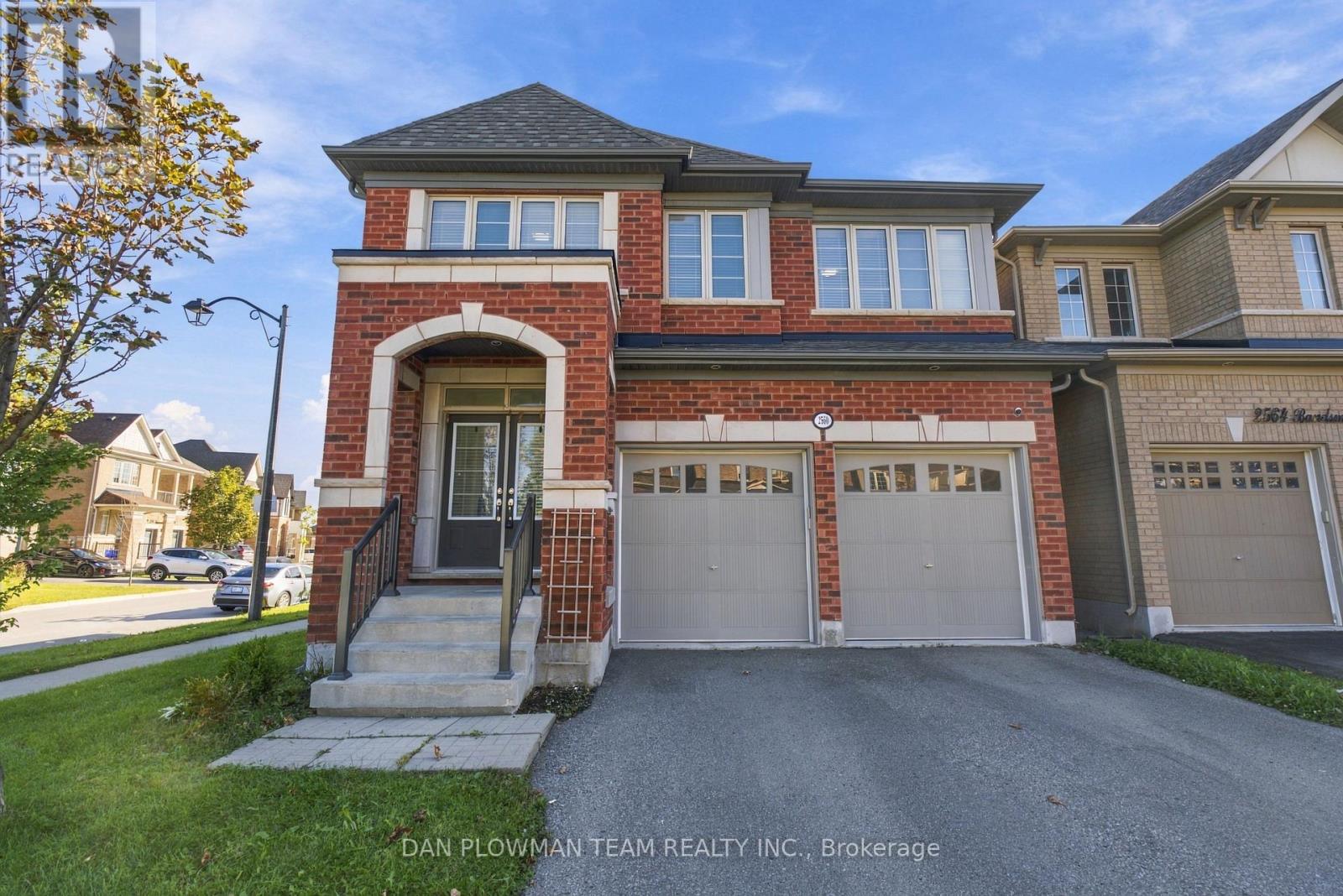 For Sale
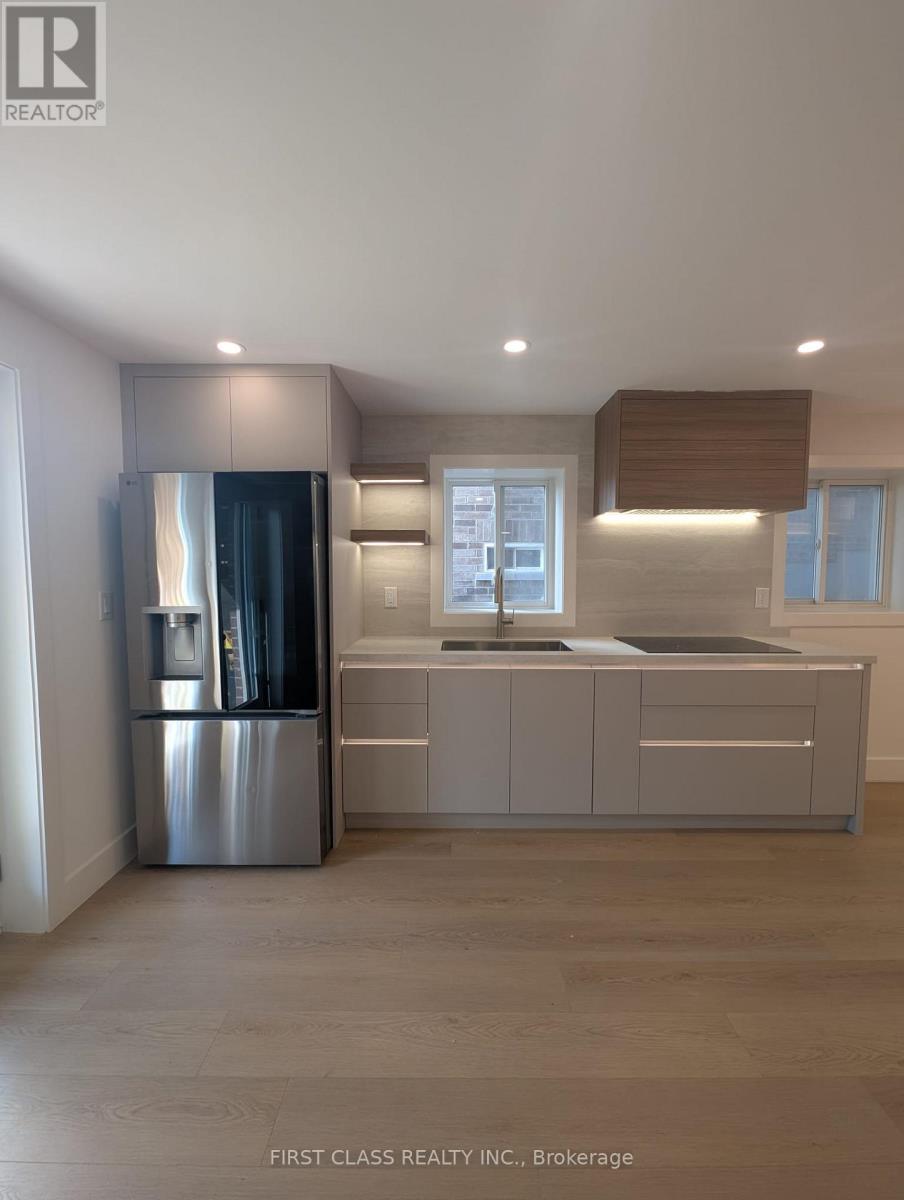 For Rent
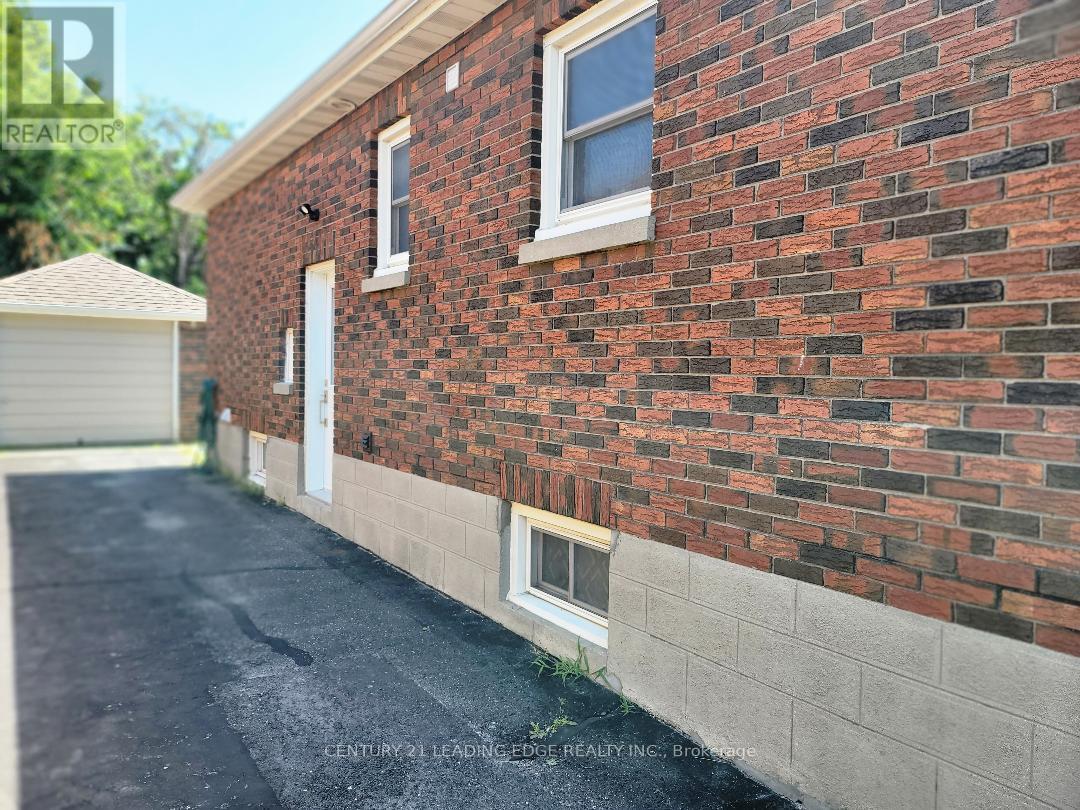 For Rent
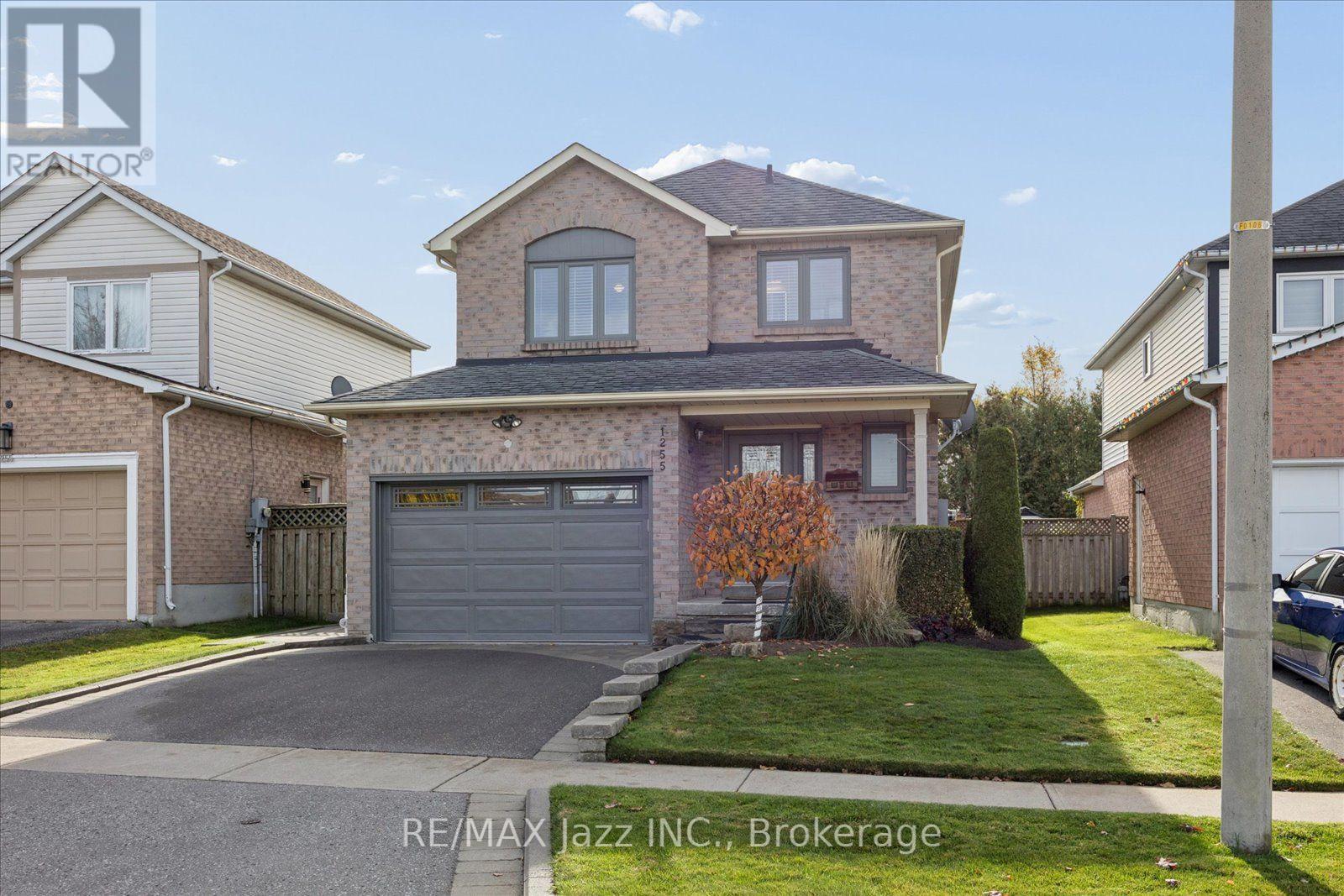 For Sale