
Patterson is a family-oriented north Vaughan neighbourhood built from the late 1990s onward. It offers newer detached homes from $1.3M, strong YRDSB and YCDSB schools, diverse professional community, and GO Transit access at Rutherford station on the Barrie line.
Patterson is what you get when thoughtful master planning and sustained buyer demand intersect over two decades. Built out primarily through the 2000s and 2010s on land in north-central Vaughan, it’s one of the more cohesive planned communities in York Region — not because a single developer controlled everything, but because the successive builders working within the same secondary plan framework produced a consistency of street character, park integration, and residential quality that’s evident when you drive through it. Families who moved here in 2008 and 2012 haven’t left. That’s the clearest indicator of a community that’s working.
Patterson GO station on the Barrie line is the community’s most significant infrastructure asset, putting Union Station roughly 40 to 45 minutes away during peak periods. This rail access distinguishes Patterson from other premium Vaughan family communities that are well-planned but require a drive to get to any rapid transit. For dual-income households where one or both partners commute to downtown Toronto, the GO station is not an incidental feature — it’s a primary reason for choosing Patterson over a comparably priced community in Maple or Vellore Village that doesn’t have as direct station access.
Highway 400 runs along Patterson’s eastern edge, and Major Mackenzie Drive serves as the community’s primary east-west arterial. The combination gives residents straightforward access to the 400-series highway network in multiple directions. The community sits north of the Rutherford Road corridor and south of King-Vaughan Road, placing it squarely in the active growth zone of north Vaughan where Vaughan’s population growth has been most concentrated over the past 15 years.
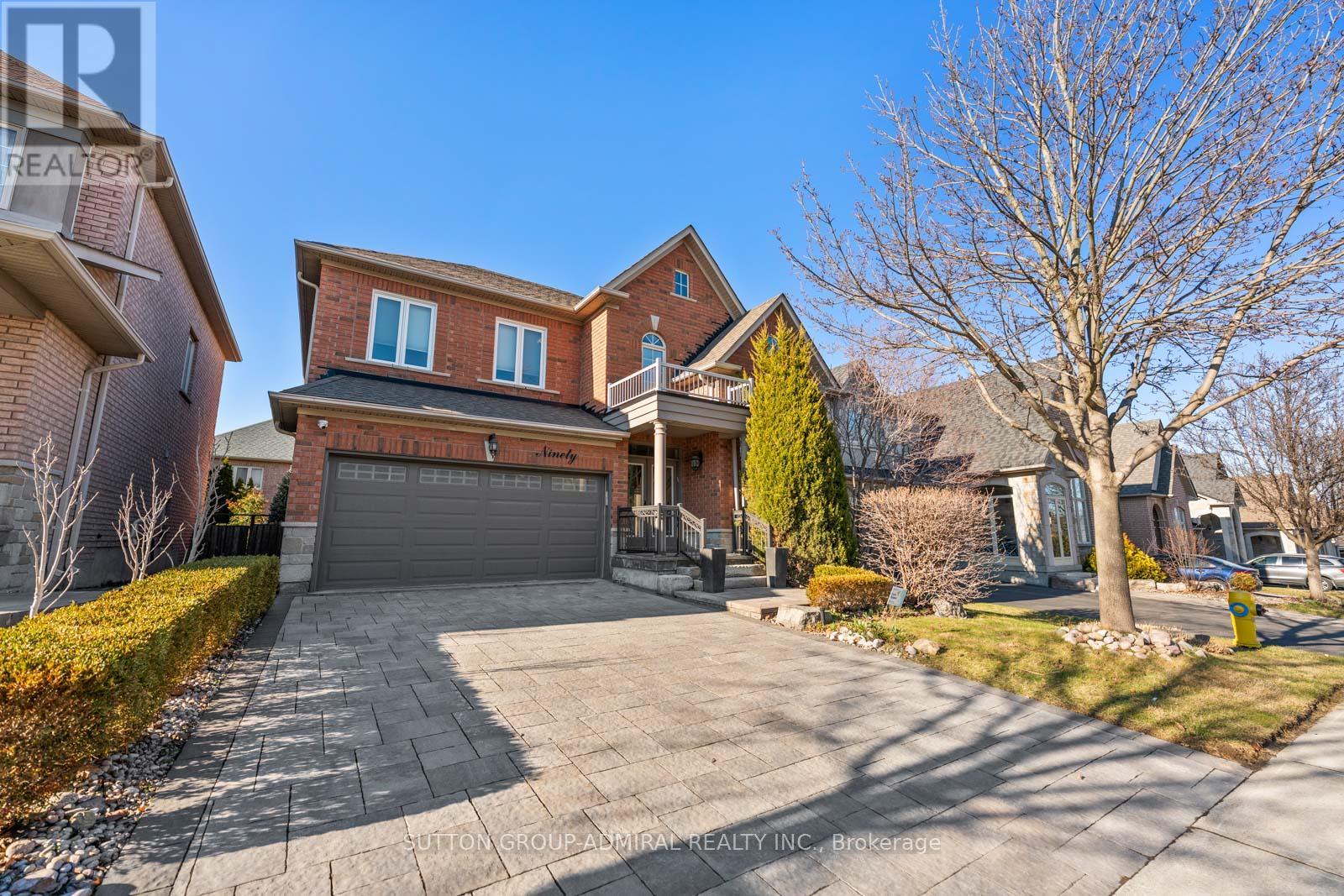
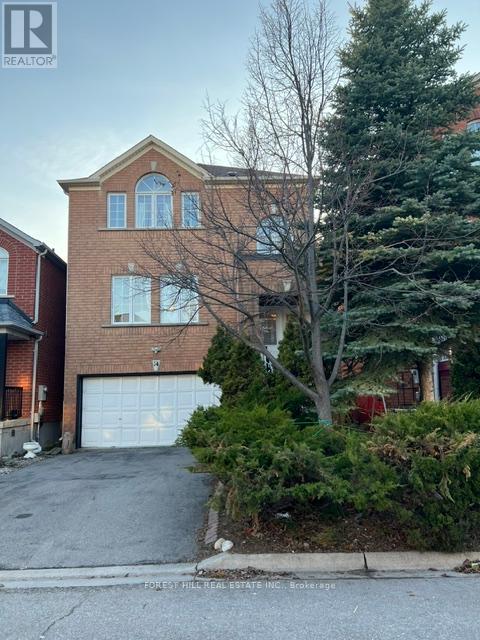
The housing stock is predominantly large detached homes on conventional suburban lots — four-bedroom-plus floor plans, double-car garages, finished basements that families have converted to recreation rooms, home offices, and occasionally in-law suites. It’s serious family housing built for the life stage of the people who bought it, and it shows in the way the streets function: school buses, backyard hockey nets, driveways with multiple vehicles. Patterson is unambiguously a family community, and that’s precisely its strength.
Patterson sits in Vaughan’s upper-mid market band. Detached homes in the established sections of the community trade in the $1.4 million to $2.1 million range, with the premium end occupied by larger homes on wider lots in the more recent phases where floor plans exceed 3,500 square feet and the construction quality and finishes are noticeably higher than in the 2005-era initial builds. Semi-detached homes and townhomes are relatively rare in Patterson compared to the volume of detached product — the community’s design intent was premium family detached, and the supply reflects that.
The GO station proximity premium operates in Patterson as it does in Maple. Streets within a reasonable drive of Patterson GO and with good Highway 400 access consistently trade at the higher end of the community’s price range. Buyers who are specifically optimizing for transit access should target the eastern sections of Patterson closer to the 400/Rutherford interchange and the Patterson GO station catchment. The premium is real but it’s expressed differently than in Maple, where walkability to the station is part of the appeal — in Patterson, you’re driving to the station, so it’s a radius premium rather than a walking-distance premium.
New construction in Patterson’s later phases has been priced significantly above the resale market on a per-square-foot basis, reflecting both the current cost environment for builders and the premium buyers have historically paid for new product. As the 2022-2024 market correction has compressed the new-to-resale premium, some resale properties in Patterson’s established sections now represent better value on a size-and-location basis than equivalent new construction in the community’s outer phases. This is a live analysis that buyers benefit from doing before committing to either path.
In 2024-2025, Patterson has been modestly more resilient than the broader Vaughan market at comparable price points, reflecting the community’s established demand base and the limited supply of detached homes in a community that people visibly don’t want to leave. Days on market for well-priced detached product in the $1.5 million to $1.8 million range have been reasonable, and the spring 2024 market showed genuine competitive pressure in this community’s most sought-after sections.
The Patterson market functions on a two-tier structure: the established early phases from the mid-2000s, where homes are 15 to 20 years old and command pricing based on lot size, location, and renovation status; and the newer phases from the 2010s and early 2020s, where the construction is newer, the floor plans are larger, and the prices reflect it. Buyers comparing across these tiers need to be precise about what they’re actually comparing — a 2006-built 2,800 sq ft home is a different product from a 2018-built 3,600 sq ft home, even if they’re three streets apart.
Inventory in Patterson is characteristically tight for a community its size. Homeowners who bought here 10 to 15 years ago are sitting on substantial equity gains even after the 2022-2024 correction, and the combination of mortgage lock-in, established school placements, and community attachment means they’re not listing unless they have a strong reason to move. This structural supply constraint supports pricing through weaker market periods better than in communities with higher turnover.
Multiple offers in the $1.4 million to $1.7 million range have remained a feature of Patterson’s spring market even through the broader correction period. The detached family home product at this price point attracts a qualified and motivated buyer pool. In softer fall and winter markets, conditions are more balanced and negotiation is more practical, but buyers who wait for fall to find a deal in Patterson should understand that the supply they’re waiting for may not materialize either.
The investor presence in Patterson is low relative to the community’s overall market, consistent with the owner-occupier character. Some secondary suite conversions have occurred as original homeowners have adapted their properties over time, and rental demand for Patterson detached homes is present from families who want the school catchments and community character but haven’t reached buying threshold. Overall, this is a market driven by long-term owners and family buyers, not speculative activity.
Patterson’s buyer profile is anchored by the professional family relocating from Toronto. The typical buyer is 35 to 48, has one or two children in elementary or junior high school, is leaving a semi-detached or smaller detached in Toronto’s north or east end, and is making the move to York Region specifically for the combination of space, school environment, and community character that Patterson delivers. These buyers have done extensive research, often visited the community multiple times, and frequently have friends or family who already live in Patterson or in neighbouring Vellore Village.
The Vaughan South Asian community — particularly Punjabi and South Indian families — is a significant and growing presence in Patterson’s buyer market. Vaughan’s Hindu and Sikh community infrastructure is well-developed, and Patterson’s school catchments, community character, and proximity to religious institutions and South Asian commercial areas along Highway 7 make it a natural destination for families in this demographic who are ready to move into the premium Vaughan detached market. The community’s demographic diversity is a feature for many buyers, not an afterthought.
Jewish families from Toronto and Thornhill represent another buyer segment that appears in Patterson, particularly those following community institutions and family networks as they expand northward in York Region. The Jewish community’s established presence in Thornhill and the ongoing growth of Jewish institutional infrastructure in Vaughan makes communities like Patterson, with their proximity to the Thornhill border and Highway 7 amenities, a natural landing point for this movement.
Buyers from within Vaughan — trading up from Maple, Concord, or older Woodbridge addresses to the premium newer stock in Patterson — are a consistent source of demand as well. These buyers know the city, they know what they’re buying, and they often have specific school or community preferences that have drawn them to Patterson specifically rather than Vellore Village or Kleinburg Summit. The within-Vaughan move-up market is an underappreciated source of sustained demand in communities like this.
Patterson’s street network divides into several distinct pockets, each with slightly different character. The area west of Bathurst Street and south of Rutherford Road carries some of the earliest Patterson builds from the late 1990s, where the lots are slightly larger and the street layouts have more breathing room than the more densely plotted sections built through the 2000s. These streets attract buyers who specifically want the older Patterson housing form, where the houses haven’t been replaced yet and the streetscape still has the feel of a built-in suburb rather than a new one.
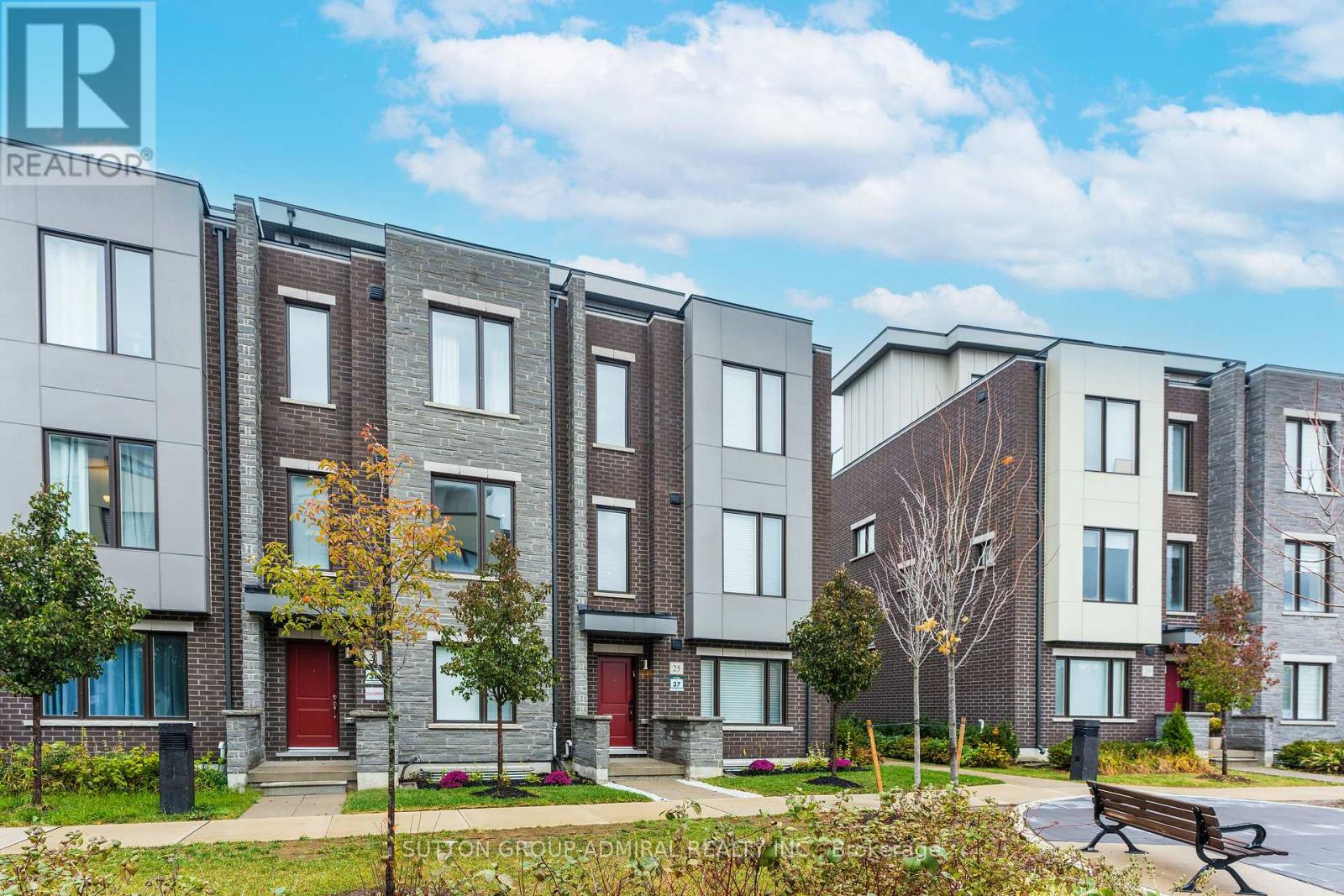
The Bathurst Street corridor east into the Dufferin-Bathurst area of Patterson carries the majority of the townhouse and semi-detached stock that brackets the neighbourhood’s lower price entry. Buyers who want a Patterson address without the full detached outlay concentrate their searches here. The townhouse product is freehold in most cases, which is a meaningful distinction from the condo townhouses that populate some of the newer Vellore Village sections to the west.
The northern section of Patterson, approaching Teston Road, contains some of the newest and largest detached product in the neighbourhood. Homes in this pocket were built from 2005 onward and tend to have more current architectural finishes and larger garage-forward designs. The trade-off is lot depth: builders maximized unit count on available land, and rear yards in this section are noticeably tighter than in the older southern sections. Buyers who prioritize yard space for children will find the southern streets more consistent with that requirement.
Kleinburg Summit sits adjacent to Patterson at the northwest boundary, and some buyers who search Patterson will end up in Kleinburg Summit based on similar product at similar price points. The distinction matters for school catchment: YRDSB and YCDSB boundary lines do not follow the neighbourhood names precisely, and the elementary school a property feeds to can differ by a few streets. Confirming the specific catchment for any address you’re considering is worth doing before the offer, not after.
Patterson’s transit situation is the honest trade-off that every buyer needs to understand before committing. The neighbourhood has no subway access. The closest TTC connection is Finch West station, roughly 25 to 30 minutes south by car, and the VMC subway terminus is accessible via the 407 or Highway 400 but adds time and transfer steps. For daily downtown commuters, the realistic option is GO Transit from Rutherford GO Station on the Barrie line, which sits south of the neighbourhood and is reachable by a 10 to 15 minute drive or by YRT bus routes that operate along Rutherford Road and Bathurst Street.
Rutherford GO to Union Station takes approximately 40 to 45 minutes on peak express trains, and the Barrie line runs frequent peak service with expanding two-way all-day options under Metrolinx’s GO Expansion program. For buyers who work at Union Station-adjacent offices, the commute is workable and many Patterson residents structure their lives around it. Park and Ride capacity at Rutherford GO fills during peak hours, so early arrival is a practical reality for heavy users.
Driving remains the dominant mode for most Patterson households. Highway 400 and Highway 407 are both accessible within 10 minutes from most Patterson streets. The 407 ETR carries a toll, which buyers who use it daily should price into their cost-of-living calculation — westbound morning tolls on a daily basis add up to several hundred dollars per month. The 400 is toll-free but carries significant congestion south of Vaughan during peak hours. Mapping the actual commute at 8:00 AM on a weekday before you purchase is the most useful research a buyer can do on this question.
YRT local routes serve Patterson with connections along Bathurst Street and Major Mackenzie Drive. Service is useful for shorter trips within York Region but is not a practical daily commute solution for most downtown-bound workers. Families with one car or households where one partner works locally find the local YRT network adequate; households with two downtown commuters will want two vehicles or a committed GO routine.
Patterson’s park system reflects the neighbourhood’s planned-subdivision origins: parks were incorporated into the development plan, which means they’re well-distributed and reasonably sized, even if they lack the wild character of conservation lands. Boyd Conservation Area forms the western and northern backdrop to much of upper Patterson and the adjacent Kleinburg area, and while the park itself is not within walking distance for most Patterson residents, the visual and ecological context it provides shapes the northern edge of the community.
Within the neighbourhood proper, smaller pocket parks and green corridors run between subdivision blocks. These parks serve the practical daily function well: they’re where children from the surrounding streets gather after school, where dogs are walked, and where the informal community interaction that makes suburban neighbourhoods feel like actual communities happens. The parks are maintained by the City of Vaughan and are well-kept.
Maple Nature Reserve is accessible from the northern edge of Patterson’s catchment area, offering trail access through conservation-managed land that gives families a meaningful outdoor experience without leaving the immediate area. The Humber River watershed trails, accessible from points in the Kleinburg and Boyd Conservation Area network, add to the active outdoor options for hiking and cycling.
For buyers with young children, the proximity of tot lots and smaller play parks to residential streets is a practical convenience that shows up in walkability assessments of specific Patterson streets. Streets that back onto green corridors rather than other houses tend to command a modest premium, partly for the privacy and partly for the usable green space beyond the rear fence line. This is a detail worth checking at the lot level when evaluating specific properties.
Patterson’s retail fabric has evolved significantly since the neighbourhood was built. The major commercial anchors are concentrated along Major Mackenzie Drive and the Rutherford Road corridor, where big-box retail including grocery, pharmacy, and home improvement stores serves the everyday needs of the surrounding communities. For most household purchases, Patterson residents drive five to ten minutes and find what they need.
The Promenade Shopping Centre in Thornhill is accessible via Highway 7 and serves as the mid-range retail destination for south Vaughan and Patterson residents. Promenade carries department stores, a range of mid-market dining, and specialty retail that fills the gap between the big-box commercial strips and the smaller boutique shopping that characterizes some of the older commercial areas. For larger shopping trips, Vaughan Mills at Highway 400 and Rutherford provides the full outlet and big-box retail concentration that serves most of north Vaughan.
Restaurant options along Major Mackenzie Drive and the commercial nodes at Bathurst and Rutherford reflect the neighbourhood’s demographic diversity. South Asian restaurants, Chinese dining options, and the Italian-influenced casual dining that characterizes much of Vaughan all appear in the commercial strips accessible to Patterson residents. The area is not a destination restaurant district, but it doesn’t need to be. The food options are functional and varied enough for most household routines.
Kleinburg Village to the northwest is accessible in under 15 minutes and offers a different commercial character: heritage buildings, independent restaurants, specialty shops, and the McMichael Canadian Art Collection, which functions as both a cultural destination and a practical green day-trip option. Patterson families who value the village character of Kleinburg’s commercial strip find it accessible enough to be a regular weekend destination without needing to live in Kleinburg at Kleinburg prices.
Schools are a primary driver of buyer decisions in Patterson, and the YRDSB elementary schools serving the neighbourhood have strong reputations that are borne out in both academic standing and parent community engagement. Holy Fathers Catholic Elementary School (YCDSB) and several YRDSB public elementary schools including Maple Creek Public School and Arrowsmith Public School serve the neighbourhood’s residential sections. Secondary school students from Patterson attend Maple High School (YRDSB) or St. Joan of Arc Catholic High School (YCDSB) for the faith-based stream.
The YRDSB secondary destination for most Patterson students is Maple High School, which has French Immersion and academic enrichment programming that attracts families who are planning their school trajectory from the elementary purchase. The school community benefits from the active parent involvement that characterizes established professional communities, and the school’s participation in arts, athletics, and academic competitions has been consistent over the past decade.
Private and independent school options are accessible from Patterson within reasonable driving distance. The Country Day School in King City, Montessori programs in the Rutherford corridor, and various faith-based independent schools in the Thornhill-Vaughan area are all within 20 to 30 minutes. Families who factor private schooling into their purchasing decision find Patterson’s highway and arterial access makes private school commuting manageable without requiring an address closer to the school.
Daycares and early childhood programs are well-represented in the Patterson commercial nodes, which is a practical consideration for families with children under school age. The concentration of young families in the neighbourhood means the daycare infrastructure developed alongside the residential growth, and waitlists at popular programs, while present, are shorter than in high-demand inner-Toronto neighbourhoods where supply has not kept pace with demand.
Patterson is a largely built-out community, which means the development activity happening around it matters more to residents than new construction within it. The major development stories adjacent to Patterson include the ongoing Kleinburg Summit expansion to the northwest, where builder parcels are still being completed, and the intensification plans along the Major Mackenzie Drive commercial corridor, where mixed-use developments have received planning approvals that will bring additional density and commercial services to the area over the coming years.
The Vaughan Official Plan and the City’s Growth Management Study designate the Major Mackenzie corridor as a priority intensification area, which means residents can expect the commercial strip they currently use for everyday retail to evolve into a more urban mixed-use environment over the next ten to twenty years. For buyers making a long holding decision, this intensification generally supports sustained property value by adding the walkable commercial services that make suburban neighbourhoods more liveable without requiring a car for every errand.
Within the existing residential fabric of Patterson, the most visible change is custom home replacement of older housing. Where lots permit and where original-condition homes have reached the end of their market cycle, individual teardown and rebuild activity is occurring. The replacement homes tend to be substantially larger, with more contemporary architectural treatments that change the street character incrementally. On some streets this is welcome; on others it creates visual discontinuity that residents have mixed views on.
Infrastructure improvements under the City of Vaughan’s capital works program address road, water, and stormwater systems in older sections of the neighbourhood. Buyers purchasing in Patterson should check the City of Vaughan’s active works calendar for any projects affecting specific streets they’re evaluating, as construction activity during a project can temporarily affect parking and access, though the improvements typically benefit the finished streetscape and property condition.
Q: How do Patterson home prices compare to Vellore Village and Maple right now?
A: Patterson and Vellore Village trade at similar price points for comparable product, with both markets centred roughly around $1.4 million to $1.9 million for standard four-bedroom detached homes as of early 2025. Patterson tends to have slightly older stock at the lower end of that range and newer builds at the upper end. Vellore Village skews newer overall, with more recent builder product and slightly higher average prices on the newer streets. Maple sits below both, with older housing stock that typically prices $200,000 to $400,000 lower for comparable square footage, but with the significant advantage of closer proximity to Maple GO station. The right choice depends on whether newer construction standards, specific school catchments, or GO commute proximity matters most to your household. There is no objectively correct answer, but the trade-offs are real and worth mapping explicitly before you commit.
Q: Is Patterson a good area to buy for long-term value appreciation?
A: Patterson has appreciated consistently since it was built in the late 1990s and early 2000s, and the fundamentals that drive that appreciation remain in place: strong schools, professional family demographics, continued demand from within-Vaughan trade-up buyers, and good arterial access to employment nodes. The neighbourhood is largely built out, which means there is no new supply competing with resale stock. The adjacent Kleinburg Summit area is still under construction, which creates some competitive supply at the upper end of the market, but Patterson proper is not directly affected. Long-term, the infrastructure investments coming to the Major Mackenzie corridor and the continued expansion of the GO network’s service levels support the investment case. As with all York Region real estate, the holding period matters: buyers who stay five years or more have consistently done well; shorter holding periods are more sensitive to market timing.
Q: What is the realistic breakdown of monthly costs on a Patterson home purchase?
A: On a $1.6 million purchase with a 20% down payment ($320,000), mortgage principal and interest at current rates (approximately 5.5% on a five-year fixed as of early 2025) runs approximately $8,200 per month on a 25-year amortization. Property tax on a $1.6 million assessment in Vaughan adds approximately $700 to $800 per month. Utilities for a four-bedroom home, including gas, hydro, and water, typically run $350 to $500 monthly. Home insurance on this property type in Vaughan averages $175 to $250 per month. Total monthly carrying cost in this scenario is approximately $9,500 to $9,750 before any maintenance reserve. Buyers should also factor closing costs of approximately 1.5 to 2 percent of the purchase price on top of the down payment. These numbers are real and should be stress-tested against your household income before you proceed.
Q: How difficult is it to find a rental property or secondary suite income in Patterson?
A: Secondary suite income is available in Patterson but varies significantly by property. Homes built in the 1990s and early 2000s often have unfinished basements or basement configurations that can be converted to legal secondary suites, though the conversion cost ranges from $40,000 to $80,000 for a proper legal suite with separate entrance, proper ceiling height, egress windows, and fire separation. The City of Vaughan has a second suite registration process, and income from a legal registered suite is more reliable and protectable than informal arrangements. Rental demand in Patterson is modest compared to transit-intensive urban markets, but the tenant pool is stable: families priced out of ownership in the neighbourhood, young professionals who work in York Region, and short-term renters between purchases. Gross rental income from a legal basement suite in Patterson runs approximately $1,700 to $2,200 per month, which provides meaningful income offset but should not be the primary justification for purchasing.
Patterson rewards buyers who approach it with specificity. The neighbourhood looks relatively homogeneous on a map, but street-level differences in lot size, school catchment, proximity to commercial noise, and the age-and-condition mix of the housing stock add up to meaningful differences in value and livability. A standard MLS search will surface dozens of Patterson listings; knowing which ones represent genuine value versus which are priced with optimism requires knowing what has actually sold and for what, and why some streets hold value more consistently than others.
The demographic context matters too. Patterson attracts buyers from a range of cultural communities, and the buyer demand from the South Asian community, the Jewish community, and families relocating from Toronto’s inner suburbs all create distinct sub-markets within the neighbourhood. An agent who works Patterson regularly understands this layering and can tell you which buyer pools are most active for your specific property type, which directly affects how you price and present when you eventually sell.
Negotiation in Patterson as of 2025 gives buyers more room than they had in 2021 and 2022. Sellers who bought at peak prices are in a different position than those who bought earlier, and the spread between list and sale price has widened on properties that aren’t correctly positioned. That room is only useful if you know what the right price actually is for a specific address, which requires current comparable data from someone who is working this market.
If Patterson is on your list, contact TorontoProperty.ca. We know this neighbourhood from recent transaction experience, not from aggregating listing data. We can tell you what a specific street is worth, what the commute reality looks like from a specific address, and what the school trajectory is for families currently enrolled. Contact us to start the conversation.
Street-level knowledge is hard to find online. Our team works in Patterson every day. They know which pockets hold value, where the school catchment lines actually fall, and what the market is doing right now. Talk to us before you make a decision about Patterson.
Talk to a local agent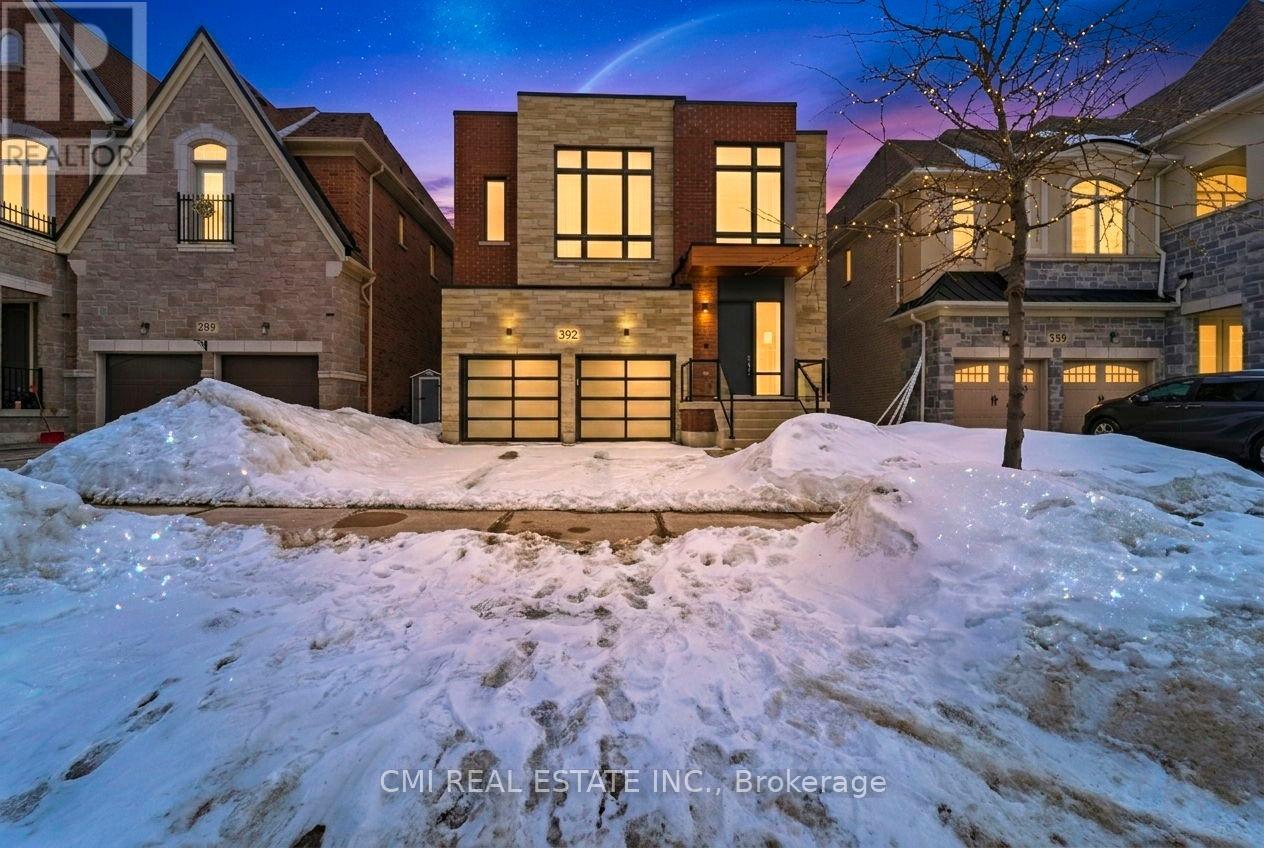 For Sale
 For Sale
 For Sale
 For Sale