
Pickering is the first city east of Toronto, on Lake Ontario across the Rouge River from Scarborough, with about 120,000 people and most of its land still farmed or protected. Toronto buyers come for a detached house on a wide lot, a 45-minute train to Union and Frenchman's Bay at the end of the street. A house here is about a third cheaper than in Toronto, a condo about a quarter cheaper. Today's Pickering listings follow.
Pickering starts at the Rouge River, the Toronto boundary, and runs east to Ajax and north through farmland to Uxbridge, with Markham and Rouge National Urban Park along its western edge and Lake Ontario at the bottom. It covers about 232 square kilometres. The 2021 census counted 99,186 people, Statistics Canada’s July 2025 estimate was 118,378, and the city plans for about 185,000 by 2042.
It was a township from 1811, became the Town of Pickering in 1974 when Durham Region was created, and has been a city since 2000. The built-up part lies between the lake and the 407, and most of it went up from the 1960s onward around the GO station, which opened in 1967, and the nuclear station, generating since 1971. North of the 407 are the old hamlets of Whitevale, Brougham, Greenwood and Claremont, the federal lands bought in 1972 for an airport that was never built, and Seaton, the new town now going up along Brock Road and Taunton Road.
Six houses in ten here are detached, and 85 percent of households own their home. Median household income was $118,000 at the 2021 census, and 53 percent of census families are couples with children.
A Pickering freehold is priced about a third below Toronto’s average, and a Pickering condo about a quarter below. Houses here cost more than in Ajax or Whitby, the next two towns east, by roughly a quarter to a third. Rosebank and Dunbarton are the dearest neighbourhoods. Town Centre, Duffin Heights and Village East, where condos and stacked townhouses make up much of what’s for sale, are the cheapest. Pickering’s live figures sit in the panel beside this text, updated daily.
About three listings in four in Pickering are freehold, and most of those are detached. This is a house city. It built single-family subdivisions from the 1960s to the 2010s, added townhouses as land got dearer, and has only recently started building towers.
The oldest houses are Bay Ridges’ and West Shore’s bungalows and side-splits from the 1950s and 1960s, south of the 401 on either side of Frenchman’s Bay. They sit on wide lots, and the ones nearest the water are bought for the lot and rebuilt. Rosebank and Rougemount in the southwest corner have the biggest lots in the city, on streets above the Rouge and Petticoat Creek valleys, and most of the custom builds are there.
The 1970s and 1980s two-storeys of Dunbarton, Liverpool, Amberlea and Highbush are the standard Pickering family house: four bedrooms, a double garage, a finished basement, on a crescent that backs onto a school or a ravine. The 1990s and 2000s subdivisions of Brock Ridge, Rouge Park and the newer parts of Amberlea are bigger again on tighter lots. Duffin Heights, north of Finch along Brock Road, is the newest finished neighbourhood, from the 2010s, and Seaton is new today.
Across the city, a four-bedroom runs about a third above a three-bedroom, and five bedrooms about two-thirds above, with the top end pulled up by the estate lots in Rosebank, Dunbarton and rural Pickering.
Townhouses are the step between. Freehold rows from the 1980s onward fill in Liverpool, Brock Ridge and Village East, and the 2010s stacked and back-to-back townhouses of Duffin Heights and Seaton are condominium townhouses, carrying a monthly fee for the shared ground and a different legal footing from a freehold at the same price. Both types sit under one listing category; find out whether there’s a fee before you compare.
Condominium apartments are concentrated in three places: the towers around the Pickering Town Centre and the GO station, the older buildings and newer mid-rises of Bay Ridges near Frenchman’s Bay, and the new buildings along Brock Road in Duffin Heights. Three-bedroom condos come to market here as often as two-bedrooms, so a family priced out of a house has somewhere to look. A house costs about two and a half times a condo on average, a wider gap than in Ajax or Whitby.
Renting is a small market, with far fewer listings than Toronto and more houses than condos among them. House rentals run from basement apartments to whole houses, so houses, on average, ask a little less rent than condos. If you’re renting a basement, ask whether the unit is registered with the city.
Pickering’s prices track Toronto’s. One set of interest rates and one pool of buyers operate on both sides of the Rouge, so the two rise and fall together. What changes is the gap, about a third on houses today. If that gap narrows, Pickering is getting dearer against Toronto, and the gap is the reason you’re looking here.
The house market is a spring and fall market, timed to the school year. In Amberlea, Liverpool, Dunbarton and Brock Ridge the family houses appear from late February through May and from September through November. In July and in January there’s less to choose from and more room to negotiate.
Rural Pickering has more listings than any other neighbourhood in the city and no condos among them, because it holds two markets with nothing in common: the new houses and townhouses of Seaton, sold by builders with their own sales offices, and the estates and farms around Claremont, Whitevale and Greenwood, which come up rarely. A Seaton resale competes with the builder’s unsold inventory down the street, so check what the builder is asking before you offer on a two-year-old house.
The condo market is thin. Town Centre is the cheapest neighbourhood in the city, and almost everything for sale there is a condo, so a buyer has choice and time. The CentreCourt towers now under construction beside the mall will add nearly a thousand units to that supply when they finish, with ten towers and 6,000 homes planned in all.
The waterfront is its own market. Bay Ridges has the city’s largest stock of condos and also its houses on Frenchman’s Bay, so its average price tells you little. The houses on the water sit with Rosebank at the top of the city’s prices, and the 1960s bungalows a few streets back don’t. West Shore, on the other side of the bay, has the same split.
For a Scarborough family, Pickering is the nearest place to buy a bigger house. The city is one exit along the 401 from the Toronto border and the next GO stop after Rouge Hill, so for a family in West Hill, Guildwood or Malvern the move is a few kilometres and a change of area code. The house at the end of it has a double garage and a backyard. Toronto buyers from further west come for the same house and accept a longer drive.
Pickering also sells houses to Pickering. Children who grew up in Amberlea buy in Duffin Heights or Seaton. Empty-nesters sell the Liverpool two-storey and buy a Bay Ridges condo a ten-minute walk from the Nautical Village. The nuclear station has brought engineers and tradespeople to the city for fifty years, and more than a fifth of Pickering’s labour force works in the energy sector.
The trade against Toronto is simple. For less than the average Toronto freehold you get a detached four-bedroom here, and you pay for it with a 45-minute train or a 401 drive, a higher property tax rate, and a car for each adult. Restaurants and shops sit in plazas along Kingston Road and Bayly Street, and a night out downtown means the last train home.
A third of residents were born outside Canada, and the 2021 census put the city’s ethnic origins at 43 percent European, 34 percent Asian and 7 percent Caribbean. Many buyers here are moving closer to family who arrived first.
Pickering’s fifteen neighbourhoods each have their own page, listed here from the Toronto border eastward.
On the lake at the Toronto border, Rosebank has the largest lots and the highest prices in the city, on quiet streets above the Rouge and Petticoat Creek valleys, with Petticoat Creek Conservation Park and the Waterfront Trail at the bottom of the hill. West Shore east of it is the 1960s neighbourhood on the west side of Frenchman’s Bay, with bungalows being rebuilt one at a time, a few waterfront condos and the Rotary Frenchman’s Bay West Park at its foot. Bay Ridges on the east side of the bay is the original GO-station suburb, with the Nautical Village and Millennium Square on Liverpool Road, the city’s biggest stock of condominiums, and waterfront houses at the top of the city’s prices.
North of Kingston Road, Rougemount sits above the Rouge valley at the Scarborough boundary, an older neighbourhood of big lots and custom builds along Rougemount Drive. Woodlands between Rosebank Road and Whites Road is 1970s and 1980s detached, with Dunbarton High School and the St. Mary Catholic campus on its edges. Highbush north of Finch Avenue has the Altona Forest at its back and houses from the 1980s and 1990s at about the price of Liverpool. Amberlea around Whites Road and Strouds Lane is 1980s four-bedrooms street after street, and the neighbourhood a Toronto family looking for a house should start with. Dunbarton south of Kingston Road between Fairport Road and Liverpool Road is the old village and the 1970s houses around it on bigger lots, a walk from the GO station. It’s the second most expensive neighbourhood in the city.
In the centre, Town Centre is the mall, city hall, the GO station and the towers between Liverpool Road and Brock Road. It’s almost entirely condominiums, the cheapest neighbourhood in Pickering and the one the CentreCourt redevelopment will change most. Liverpool north of it is 1970s and 1980s detached houses and townhouses between Liverpool Road and Brock Road, with Pine Ridge Secondary, and one of the cheapest places in the city to buy a detached house. Village East, between Brock Road and the Ajax boundary, is a mix of townhouses, condos and smaller houses, and one of the three cheapest neighbourhoods in the city.
North of Finch, Brock Ridge along Brock Road is 1990s detached on tighter lots above Duffins Creek. Duffin Heights north of it is the 2010s neighbourhood of stacked townhouses, mid-rise condos and detached houses along Brock Road, the second-cheapest neighbourhood in the city and the cheapest of the newer ones. Rouge Park at the western edge, where Altona Road meets Finch, is 2000s subdivisions with Rouge National Urban Park on one side.
Everything north of the 407 is Rural Pickering: the hamlets of Whitevale, Brougham, Greenwood and Claremont, the estates and farms between them, the federal airport lands that will now become park and whatever else Ottawa decides, and Seaton, the new community along Brock Road and Taunton Road that will one day hold 70,000 people. No other part of the city has as many listings.
The neighbourhood pages give the streets, the schools and the transit, and the prices houses there went for.
Pickering GO is on the Lakeshore East line, and the train to Union takes about 45 minutes. Trains run all day in both directions, more often in the rush hours, into the small hours and on weekends, so a Pickering commuter can work late or stay for a game downtown and still get home by rail. The station opened in 1967, has about 2,500 parking spaces in three lots and a garage, and is joined to the Town Centre side of the 401 by a 250-metre enclosed pedestrian bridge that Guinness named the longest in the world in 2021.
The 401 runs along the bottom of the city with interchanges at Whites Road, Liverpool Road and Brock Road, and the morning drive into Toronto is slow from the Rouge onward. The 407 crosses the north of the city. West of Brock Road it’s the privately run 407 ETR and charges tolls; east of Brock Road it’s the provincial Highway 407 East, and the province took the tolls off that stretch on 1 June 2025. Commuters to Markham, Vaughan or Pearson take the 407 and pay the toll.
Durham Region Transit runs the buses. The PULSE 900 along Kingston Road runs every 15 minutes or better until 7pm, seven days a week, from Scarborough to Oshawa, and the 900B branch serves the GO station. Kingston Road itself is being rebuilt: construction of the Durham-Scarborough Bus Rapid Transit, dedicated bus lanes from roughly Steeple Hill to Merritton Road, is scheduled from late summer 2026 to 2028, with lane restrictions on Kingston Road for most of that time. Local routes feed the GO station from across the city, and the city runs a free Waterfront Route bus along the lake in summer.
Inside the city you drive. Cycling works on the Waterfront Trail and the Duffins Creek trail; the arterials were laid out for cars.
Frenchman’s Bay is the centre of Pickering’s waterfront, a large coastal wetland cut off from the lake by a sandbar, with marinas inside and a beach on the outside. The Nautical Village on Liverpool Road at its east entrance has restaurants and a boardwalk, and Millennium Square and Beachfront Park beside it are where the city gathers in summer. Rotary Frenchman’s Bay West Park covers the far side, and the Monarch Trail runs 4.7 kilometres around the bay. The bay bed is privately owned, and the city has said it wants to bring it back into public ownership. Ask about that if you’re buying a house that backs onto the bay.
West of the bay, the Waterfront Trail runs from Rouge Beach at the Toronto boundary to the bay, passing through Petticoat Creek Conservation Park, 70 hectares of bluff and woodland that the Toronto and Region Conservation Authority manages at the foot of Whites Road. East of the bay it passes the nuclear station and ends at Simcoe Point before continuing into Ajax. Parks Canada is rebuilding Rouge Beach from November 2025 to spring 2027, with a new 2.3-kilometre trail linking the beach to the Mast Trail in the national park.
Rouge National Urban Park forms the whole western boundary of the city, 63 square kilometres of valley, forest and farmland, and part of the federal airport lands north of it will now join the park. Altona Forest, 53 hectares of woodland between Strouds Lane and Finch Avenue, sits inside the Highbush neighbourhood. Duffins Creek is the other green corridor, running north from the lake east of Brock Road through Brock Ridge and Duffin Heights to Greenwood Conservation Area between Taunton Road and Highway 7, where the Trans Canada Trail passes through.
The city’s own parks are the generous suburban kind, with a neighbourhood park within a few blocks of most houses, the Pickering Recreation Complex on Valley Farm Road for pools and rinks, and a new Heritage and Community Centre in Seaton due to open in 2026. The Seaton Recreation Complex and Library, budgeted at about $266 million, is due to open in spring 2029.
The Shops at Pickering City Centre, renamed from Pickering Town Centre in May 2024, is the city’s mall: 900,000 square feet and 167 stores beside city hall and the GO station, with Winners, H&M, Farm Boy and a Cineplex, and a bowling alley opening in fall 2026. It opened as the Sheridan Mall in 1972, and its parking lots are now the CentreCourt construction site. Kingston Road east and west of it is the usual run of plazas, grocery stores and big boxes, Steeple Hill at Whites Road serves the west end, and Bayly Street serves the south.
Durham Live, at Bayly Street and Church Street on the Ajax boundary, is the Pickering Casino Resort: a 96,000-square-foot casino that opened in July 2021, a 275-room hotel and a 2,500-seat arena. The rest of the Durham Live plan hasn’t been finalised, and the developer built a film studio on Sandy Beach Road instead.
The Nautical Village is where you eat on a street. Everything else is in a plaza, and the plazas along Kingston Road and Brock Road hold the Caribbean, South Asian and Chinese restaurants and grocers of the people who live here.
The hospital is Lakeridge Health Ajax Pickering, on Harwood Avenue in Ajax, a few minutes east of the city line, with 144 beds and an emergency department built for 20,000 visits a year that now sees about 45,000. Lakeridge Gardens, a 320-bed long-term care home, opened beside it in 2022. The next new hospital in Durham is planned for Whitby, not Pickering.
Ontario Power Generation is the city’s largest employer, and the nuclear station at the foot of Brock Road is the reason the south end was built. The nuclear supply chain, firms like AtkinsRéalis, Framatome and Kinectrics, has offices in the city, and Kubota Canada is among the employers in the Innovation Corridor along the 407.
Pickering’s English public schools belong to the Durham District School Board, and its English Catholic schools to the Durham Catholic District School Board. Pickering has two public high schools, Dunbarton High School on Sheppard Avenue and Pine Ridge Secondary on Liverpool Road North, and one Catholic high school, St. Mary on Whites Road. Dunbarton is one of seven schools in the public board offering French immersion through to Grade 12, running it alongside the English track. St. Mary offers French immersion, the Catholic board’s Regional Arts and Media program, and an international education program. Pickering High School, despite its name, is in Ajax, in the old Pickering Village, and serves Ajax students.
Two public high schools for a city of 120,000 mean large catchments, and both boards have been building in Seaton. The public board opened an elementary school there in fall 2025 and a second for September 2026 at Burkholder Drive and Azalea Avenue; the Catholic board’s first Seaton elementary school opened for the same September.
Boundaries are drawn by the boards and redrawn when a school opens, and they don’t follow neighbourhood names. Both boards publish an address lookup. Check it for the house you’re offering on, not the neighbourhood it sits in.
There’s no college or university campus in Pickering. The nearest campuses are Durham College and Ontario Tech University in Oshawa, and the University of Toronto Scarborough and Centennial’s Progress campus across the Rouge.
Seaton is the largest piece of new city in the GTA: more than 7,000 acres of provincially owned land in north Pickering, planned since 2006 for about 61,000 people and up to 35,000 jobs, with a long-term target of 70,000 residents and more than half the land kept as open space along the Duffins valleys. Houses have been selling since the late 2010s, but by 2022 only about 1,500 of nearly 21,000 planned units were built, so most of it is still to come. The schools, a community centre and the first commercial plazas arrive in 2025 and 2026, and the recreation complex and library are due in 2029. A buyer in Seaton today is buying a house before the shops.
Pickering City Centre is CentreCourt’s redevelopment of the mall’s parking lots into a 55-acre district of more than ten towers and about 6,000 homes, joined to city hall and the GO station. The first two towers, 45 and 40 storeys with 974 units between them, broke ground in October 2025. It will turn Town Centre from a mall with a few condos into a downtown.
Northeast Pickering is the next new town after Seaton. Council approved a secondary plan on 20 May 2026 for 1,763 hectares of farmland between Seaton and the Ajax and Whitby boundaries, planned to hold some 72,000 people over thirty years. Eight appeals were filed with the Ontario Land Tribunal when the appeal period closed on 17 June 2026, so the timing is uncertain and the first houses are years away.
The Pickering airport won’t be built. Ottawa bought 18,600 acres of farmland in 1972 for a second Toronto airport, transferred the Rouge valley parts to Parks Canada in 2015 and 2017, and on 27 January 2025 Transport Canada announced that the remaining 9,300 acres will not be used for an airport, with the high-conservation land going to Rouge National Urban Park. A public consultation on the rest ran from March to April 2026. No decision has been made on housing there, and the hamlets of Brougham and Whitevale, thinned by fifty years of federal ownership, are waiting on it.
Is Pickering cheaper than Toronto?
Yes for the purchase, by about a third for a house and about a quarter for a condo, and no for the property tax. Pickering’s residential tax rate is well above Toronto’s 0.7673 percent of assessed value for 2026. The reason is Durham Region’s share of the bill, which pays for police, transit, water and regional roads and went up 4.8 percent this year. Both cities still tax on 2016 assessed values, so compare like with like: ask the listing agent for last year’s tax bill on the house and set it beside the bill on a Toronto house of the same assessed value. Pickering’s own 2026 budget added 3.49 percent to the city’s levy, about $77 on the average home assessed at $563,000, and the city says the whole bill rose about 3.8 percent once the Region and the school boards were added. For most buyers the purchase gap covers the tax gap several times over, because the house you’re comparing is a detached four-bedroom here against whatever the same money buys in Toronto. Still, put the tax into the monthly figure before you compare mortgages. A second car is the other cost most Toronto households don’t carry. The gap narrows on the water: Rosebank and the Frenchman’s Bay houses in Bay Ridges and West Shore are the dearest in the city. Current prices for Pickering and for every neighbourhood are on the pages above and update each day.
How long is the commute from Pickering to downtown Toronto?
About 45 minutes by GO train from Pickering station to Union, and the train is the main reason a commuter picks this city over Ajax or Whitby, which add five and 13 minutes to that trip. Lakeshore East trains run in both directions all day, more often through the morning and afternoon rush, with service past midnight and at weekends, so check the current Metrolinx timetable for the trains you’d actually catch. The station has about 2,500 parking spaces, and the enclosed bridge over the 401 means a house in Dunbarton, Town Centre or Bay Ridges can be a walk from the platform. Add the walk or drive to the station and a transfer at Union before you count your door-to-door time to a Bay Street office, and do the trip once at 7:30 on a weekday before you offer on a house that depends on it. Driving, the 401 west of the Rouge is slow from early morning, and the drive downtown at rush hour takes a good deal longer than the train. People who work in Markham, Vaughan or at Pearson take the 407, with tolls west of Brock Road. Kingston Road’s bus rapid transit lanes, under construction from late summer 2026 to 2028, will speed up the PULSE 900 bus into Scarborough, but the train will remain the way downtown.
Which Pickering neighbourhoods are best for families?
Amberlea, Liverpool, Highbush, Brock Ridge and Dunbarton are the ones families choose, for the same reasons in each: a detached four-bedroom on a crescent, an elementary school and a park within walking distance, and a short drive to the 401 and the GO station. Amberlea, around Whites Road north of Kingston Road, is 1980s four-bedrooms street after street and the place to start. Liverpool and Highbush have the same kind of house for a little less, and Pine Ridge Secondary sits in Liverpool. Dunbarton has the bigger lots and the walk to the GO station, and you pay for both. Brock Ridge and Duffin Heights are newer, with smaller lots and the Duffins Creek trail at the back, and Duffin Heights is the cheapest of the newer neighbourhoods. Seaton is new, and a family buying there gets a new house and new schools, with the shops and the recreation complex still to come. The two public high schools, Dunbarton and Pine Ridge, draw from large areas, and Dunbarton’s French immersion stream and St. Mary’s arts program take students from across the city, so living beside a school doesn’t decide where your child goes. Each board’s site will tell you the school for a given address, and the address is what counts. Families who want the lake look at West Shore and Bay Ridges, where a 1960s bungalow a few streets from Frenchman’s Bay costs less than a four-bedroom in Amberlea.
What does the nuclear station mean for buying a house in Pickering?
It means jobs, a tax base and a landmark on the shoreline, and it hasn’t stopped Pickering’s waterfront from being the dearest part of the city. The Pickering Nuclear Generating Station sits at the foot of Brock Road on the lake, east of Frenchman’s Bay, and has been generating since 1971. Ontario Power Generation is the city’s largest employer, and more than a fifth of Pickering’s workforce is in the energy sector. In 2026 the station began its biggest change in fifty years: the province approved a $26.8 billion refurbishment of the four B units. The first of them shut down on 22 September 2026, the rest are scheduled to follow by the end of that month, and they return to service between 2031 and 2034. The four older A units are permanently closed. For the next eight years the site is a construction project rather than a working plant, so if you’re buying near Brock Road and Bayly Street, ask the neighbours what the traffic is like at shift change. Houses within sight of the domes, in Bay Ridges and along the shore, sell at the top of the Pickering market, and the Waterfront Trail runs past the fence. If the station bothers you, the neighbourhoods north of Kingston Road are several kilometres from it and out of sight of it; if it doesn’t, the waterfront a kilometre west of the fence is the dearest land in the city.
Pickering High School is in Ajax. Rural Pickering carries more listings than any neighbourhood in the city, none of them condos, and the Bay Ridges average mixes houses on Frenchman’s Bay with 1960s bungalows a few streets back. A Toronto agent won’t know any of that, and won’t know that a Seaton resale is competing with the builder’s unsold inventory down the street, or that the 407 is toll-free east of Brock Road and charges west of it.
The agent we refer Pickering buyers to has those facts in the car. Give them a brief: a house within a walk of the GO bridge, a Seaton house two years old at less than the builder’s price, or a Town Centre condo you’ll still want when the CentreCourt towers are finished. They’ll pull the sold history for the street and flag the boundary before you commit.
Start with the fifteen neighbourhood pages above, then drop us a line and we’ll make the introduction.
Street-level knowledge is hard to find online. Our team works in Pickering every day. They know which pockets hold value, where the school catchment lines actually fall, and what the market is doing right now. Talk to us before you make a decision about Pickering.
Talk to a local agent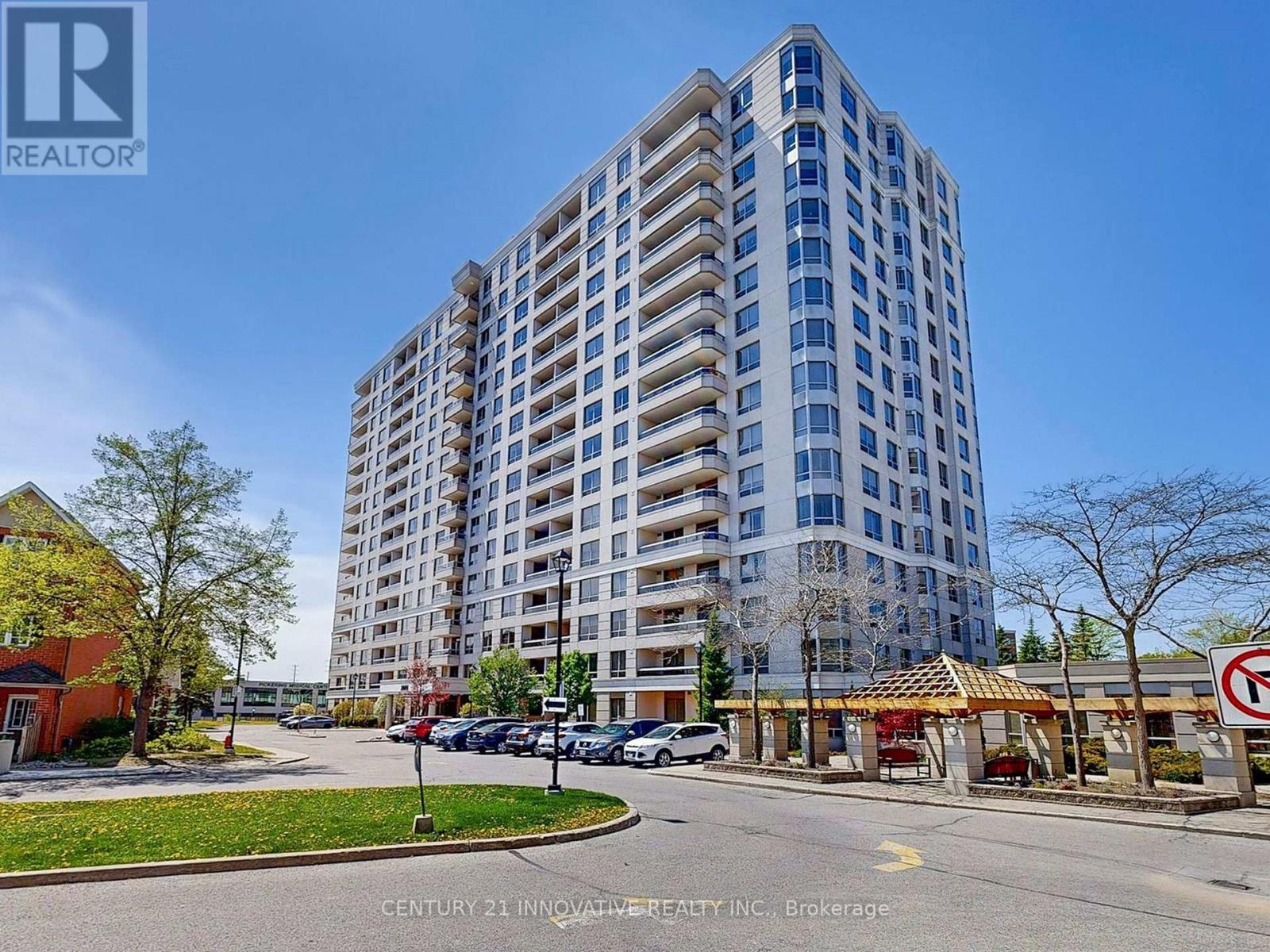 For Sale
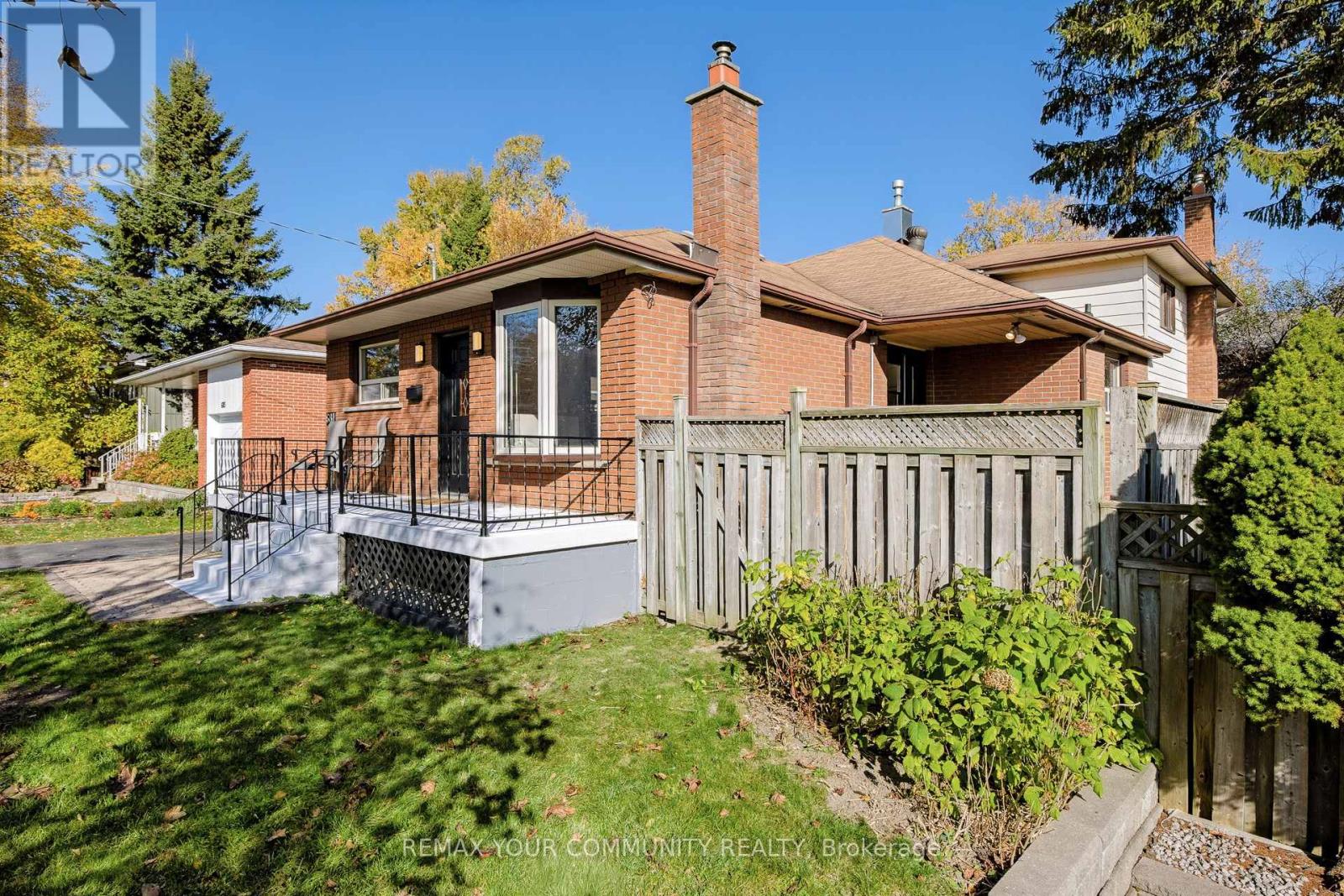 For Sale
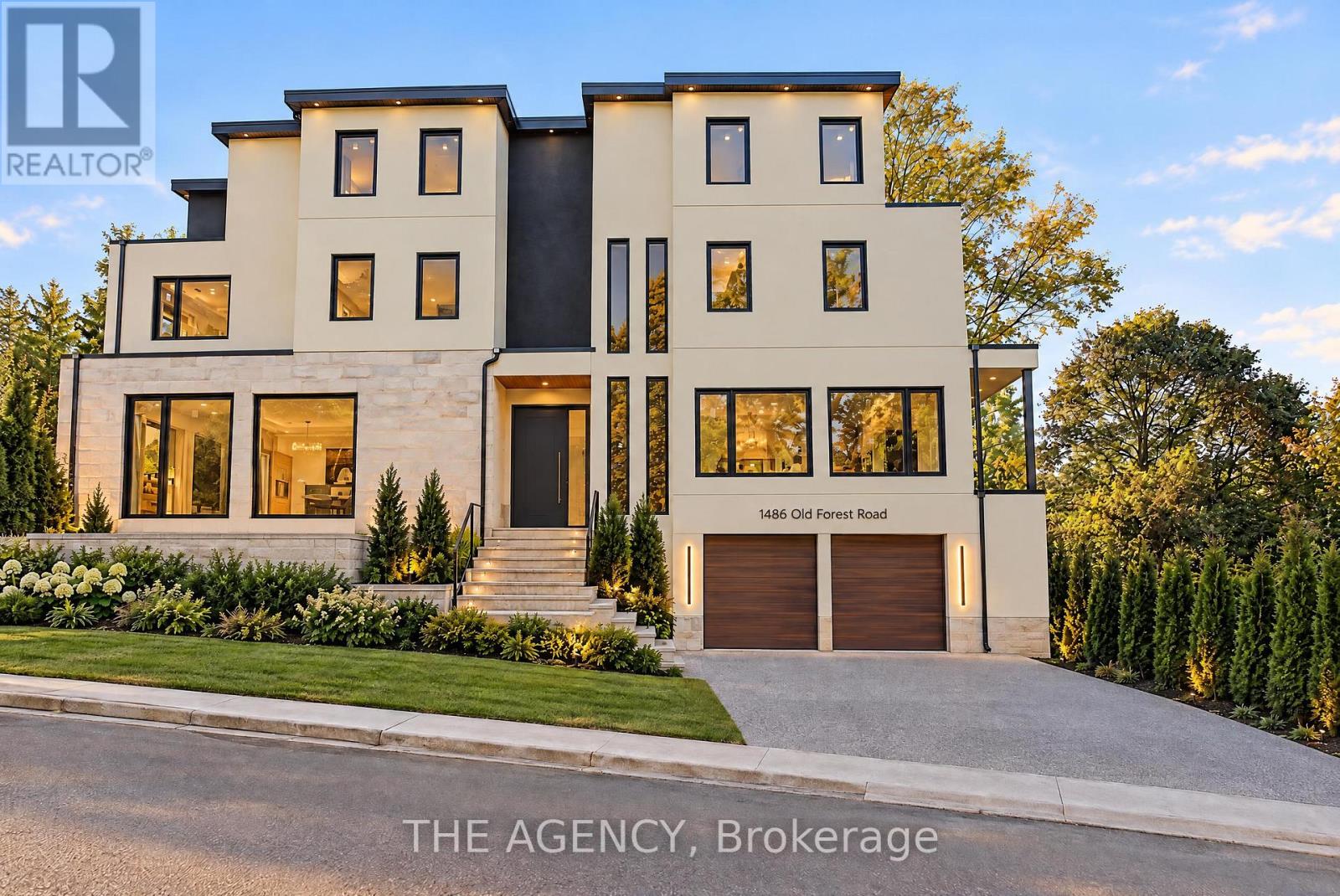 For Sale
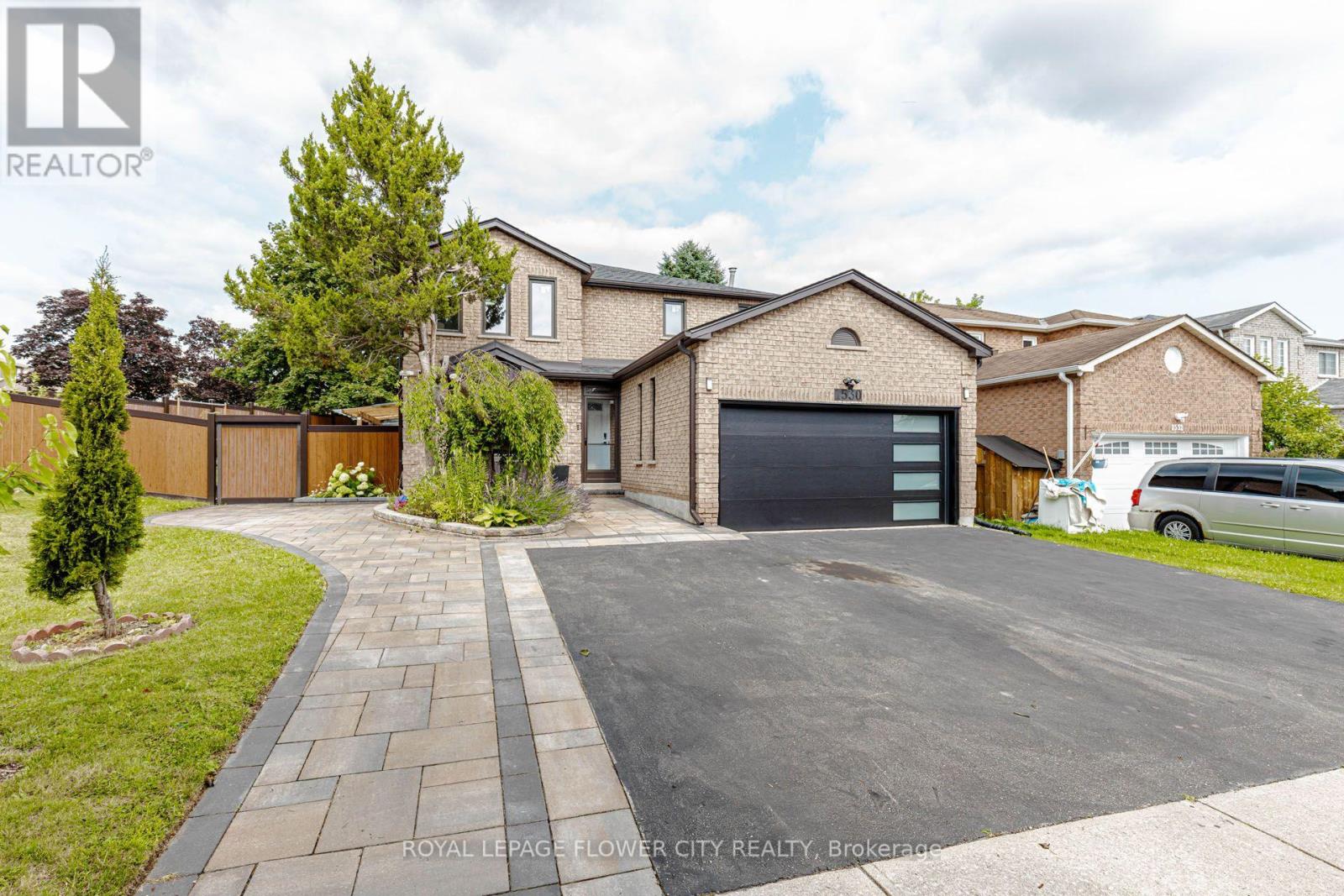 For Sale