
Playter Estates-Danforth is one of the most sought residential addresses on the Danforth corridor. Victorian and Edwardian detached and semi-detached homes sit on tree-lined streets around Playter Gardens, with Chester and Pape subway stations at either end of the neighbourhood. Detacheds range from $1.5M to $2.5M and above; semis from $1.2M to $1.8M.
Playter Estates-Danforth occupies a stretch of East Toronto between Chester and Pape subway stations, with Danforth Avenue as its southern edge. It’s one of the more sought addresses on the Danforth corridor, and buyers who know the east end tend to put it near the top of the list when they’re looking for a Victorian or Edwardian house close to the subway.
The neighbourhood takes its name from the Playter family, who owned farmland in this area in the 1800s. The streets were laid out and built upon as Toronto expanded east in the late nineteenth and early twentieth centuries, which accounts for the consistent architectural character. Walking through Playter Estates you see the same brick, the same proportions, the same setbacks from street to street. It’s not uniform in a monotonous sense, because individual owners have made their marks over a century of renovation and landscaping, but the bones are coherent in a way that gives the neighbourhood a sense of visual stability.
Playter Gardens, a narrow green corridor that runs through the middle of the neighbourhood, is probably the single most distinctive feature. The gardens connect several of the internal streets and provide a pedestrian route that keeps the pace of the neighbourhood slow and pleasant. Children play here. Dog walkers use it. Neighbours stop to talk. It’s the kind of amenity that doesn’t show up in a listing description but shapes daily life in ways that matter.
The subway access is genuinely exceptional. Chester station is steps from the western edge of the neighbourhood and Pape station serves the eastern end. That dual-station positioning is unusual in Toronto and gives Playter Estates-Danforth a transit advantage over most comparable neighbourhoods anywhere in the city. Buyers who commute by transit and want a house rather than a condo understand exactly what this is worth.
Prices reflect the location and the quality of the housing. Detacheds here are among the most expensive in the Danforth corridor, and competition for them is consistent. For buyers who are clear about what they’re looking for, it’s one of the most compelling places in East Toronto to plant roots.
Playter Estates-Danforth is almost entirely Victorian and Edwardian detached and semi-detached houses built between roughly 1890 and 1930. The detacheds here tend to be more substantial than many comparable east end neighbourhoods, with wider lots, taller ceilings, and original details that have survived in enough homes to make the neighbourhood feel architecturally consistent at a high level.
Interior layouts follow the conventions of the era: a front hall, a living room opening to a dining room, a kitchen at the rear, and two or three bedrooms above. Better renovated homes have reworked these layouts to create open-plan kitchen and living arrangements while preserving the original stairs, mouldings, and window proportions. The best renovations in this neighbourhood use the bones rather than fighting them, and you can see the difference between those and the ones where someone tried to make an 1890s house look like a 2015 condo interior.
Lot widths are typically in the 25-to-35-foot range for detacheds, which is generous by Toronto standards. Semis share a wall and tend to sit on narrower lots, typically 17 to 22 feet. In both cases, rear yards are usually functional rather than dramatic, with enough space for a patio, some plantings, and children’s play space without being so large that maintenance becomes burdensome.
Many homes in Playter Estates-Danforth have rear lane access and parking pads or garages. Given the subway proximity and the density of the neighbourhood, there’s a meaningful cohort of buyers who don’t prioritise parking, but it still affects resale range and buyer pool. Confirm parking specifics on any property before making assumptions.
Home conditions vary. The asking price tells you what the seller believes the property is worth; the inspection tells you what you’re actually buying. Playter Estates-Danforth homes at the higher end of the range are typically well-maintained and updated. At the lower end you may find properties that have had minimal investment over decades and need significant work on systems, windows, insulation, and waterproofing before they’re comfortable to live in. Both types have buyers. Know which type you are before you start looking.
Playter Estates-Danforth sits at the premium end of the Danforth corridor market. Detacheds trade from roughly $1.5 million to $2.5 million and above for renovated examples with wide lots and parking. Semis typically range from $1.2 million to $1.8 million. These prices reflect the dual subway access, the quality of the housing stock, the Playter Gardens amenity, and the overall desirability of the neighbourhood among a buyer pool that knows the east end well.
The market here is competitive when supply is low, which is most of the time. Homes that are priced accurately and presented well regularly attract multiple offers. Sellers who overprice can wait, because buyers here are experienced enough to know what a fair market is, but correctly priced listings in good condition tend to move within the first two weeks of coming to market.
The neighbourhood is affected less by broader market sentiment than more speculative areas of the city. When the Toronto market softens, Playter Estates doesn’t drop dramatically, because the underlying demand drivers, the subway access, the housing quality, the neighbourhood maturity, don’t disappear with changing interest rates. Conversely, it doesn’t spike dramatically either during boom periods, because it’s already priced as a premium location. The market here is stable relative to the broader city cycle.
Buyers who find themselves losing on offers in Playter Estates often need to revisit their approach rather than their budget. Conditional offers are possible but less competitive. Clean offers with a deposit structure that signals seriousness tend to do better. Your agent should be helping you craft an offer that stands out in a competitive situation without exposing you to unnecessary risk.
The fall and spring markets produce the most listings and the most competitive situations. Summer can produce opportunities because seller timing creates motivated vendors who accept reasonable offers. Winter listings sometimes carry motivated sellers who didn’t sell in the fall and need to move. Neither rule is absolute, but they’re patterns worth keeping in mind if you’re timing your search.
Playter Estates-Danforth draws a specific type of buyer: someone who has done enough research to know that dual subway access in an established Victorian neighbourhood is a genuinely rare combination, and who is willing to pay for it. The buyer pool here tends to be well-informed, financially confident, and specific about what they want.
Young families are a large part of the picture. The neighbourhood has a community character built around the schools, Playter Gardens, and the residential streets that see low through traffic. Parents with young children value the ability to walk to Chester or Pape station for work while living on a street where kids can still play outside. The farmers’ market presence on Danforth, the quality of the food and coffee options within walking distance, and the general quality of daily life add to the appeal for families who don’t want to sacrifice urban access for residential calm.
Professionals who commute downtown or across the city make up another significant cohort. From Chester or Pape station you can reach Bloor-Yonge in under 10 minutes, and from there the transit network connects to most of the city’s employment centres. The ability to live in a Victorian house with a backyard and a 20-minute transit commute to King Street or Bay Street is not something Toronto offers in many places, and buyers who’ve done the geography understand that Playter Estates-Danforth is one of the clearest examples.
People who’ve been renting on the Danforth corridor and are making their first home purchase also show up regularly in this market. They already know the neighbourhood well. They’ve been coming to these streets for years to visit friends or attend farmers’ markets. When they’re ready to buy, they go looking for what they already know, and Playter Estates is often it.
Playter Boulevard is the centrepiece street and gives the neighbourhood much of its identity. It runs parallel to Danforth through the heart of the area, with Playter Gardens as the green buffer between it and the surrounding streets. Homes on Playter Boulevard are among the most desirable in the neighbourhood, and they command prices that reflect that consistently.
Jackman Avenue and Gough Avenue are the primary north-south streets and carry most of the internal traffic through the neighbourhood. Both are well-maintained residential streets with the typical mix of semis and detacheds. Gough tends to be quieter than Jackman, which sees slightly more through movement. Playter Crescent loops through the western part of the neighbourhood and has a curved, unhurried quality that makes it feel particularly removed from the Danforth activity to the south.
The streets immediately adjacent to Danforth Avenue pick up some noise and activity from the commercial strip below. This is a feature for buyers who want to be in the middle of the Danforth energy and a drawback for those who prefer a quieter setting. The blocks one or two streets north of Danforth feel substantially calmer in the evenings, while still being a two-minute walk to everything the strip offers.
The northern edge of Playter Estates approaches Mortimer Avenue and the transition into North Riverdale territory. These streets at the edge of the neighbourhood tend to be priced slightly lower than the central blocks, not because they’re inferior as residential streets, but because they lack the premium-address association that the central Playter Estates streets carry. For a buyer who cares about the house and the transit more than the specific street name, there can be value here.
Chester Hill Road, which climbs north from Danforth on the western edge of the neighbourhood, has a few larger properties with more unusual lot configurations. These come up infrequently and attract specific attention when they do, because the combination of size and location is genuinely uncommon in this part of the city.
The transit situation in Playter Estates-Danforth is exceptional by Toronto standards. Chester subway station is at the western edge of the neighbourhood and Pape subway station is at the eastern end. Both are on Line 2, which runs east-west across the city. From either station you reach Bloor-Yonge in about eight to ten minutes, and from Bloor-Yonge the transfer to Line 1 puts the financial district, hospitals along University Avenue, and the rest of downtown within reasonable range. Very few Toronto neighbourhoods with Victorian houses have this level of subway access from both edges.
Danforth Avenue carries multiple TTC bus routes that extend the transit reach to areas east of Main Street and provide connections to the eastern parts of the city that the subway doesn’t directly serve. The 504 King streetcar is accessible via a short bus ride or walk to Broadview station, providing a surface route downtown along King Street for those who prefer it.
Cycling is a viable primary transport option for many residents. Danforth Avenue has dedicated cycling infrastructure on portions of its length, and the Don Valley trail is accessible via Broadview or the valley access points nearby, connecting cyclists to a car-free corridor running through the city. Internal streets in Playter Estates see low car volumes, which makes neighbourhood cycling feel safe and unhurried.
For drivers, the DVP is accessible from the Danforth corridor, and the highway connects north to the 401 and south toward the Gardiner. Traffic on Danforth itself can be heavy during peak hours, but the residential streets within Playter Estates are largely removed from through-traffic pressure because the neighbourhood’s layout discourages cut-through driving.
The practical effect of the transit here is that many households in Playter Estates-Danforth operate without a car or with a single car shared between two adults, and this works without meaningful inconvenience. That’s a lifestyle and financial reality that changes the calculus for some buyers when comparing the cost of living here versus in a more car-dependent part of the city.
Playter Gardens is the neighbourhood’s defining green feature and one of the things that gives Playter Estates-Danforth its particular character among Danforth-area communities. The gardens run as a linear park through the interior of the neighbourhood, connecting streets and providing a pedestrian route that keeps the neighbourhood’s pace gentle. There are mature trees, maintained paths, and enough open space for children to run and dogs to exercise. It functions as an informal gathering place in a way that a standard park with equipment and defined activity areas doesn’t quite capture.
Withrow Park, just to the west in North Riverdale, is within easy walking distance for Playter Estates residents and effectively extends the local green space offer. The farmers’ market at Withrow Park runs seasonally and draws residents from across the Danforth corridor. Withrow’s skating rink and sports facilities round out what the neighbourhood’s own gardens don’t provide.
Riverdale Park East, slightly further west via Broadview, is accessible by foot or bike and offers the valley views, the Don Valley trail connection, and the large open space that supports everything from cricket to kite flying. The connection between the neighbourhood streets and this broader valley park system gives Playter Estates residents access to a scale of green space that would be unusual for such an urban address.
The Don Valley trail itself is a significant asset. From the access points at Broadview and Pottery Road, cyclists and walkers can travel north toward Sunnybrook and Crothers Woods or south toward the lakeshore, all on a largely car-free path. This kind of continuous green corridor is one of the aspects of east-central Toronto that distinguishes it from comparable inner-city residential neighbourhoods in other cities.
Within the neighbourhood itself, the tree canopy on the residential streets provides summer shade and visual depth. The street trees in Playter Estates are mature enough to form a genuine canopy over many of the blocks, which keeps the streets cooler in summer and gives them a quality that younger or more recently developed neighbourhoods take decades to build.
The Danforth Avenue strip between Chester and Pape is one of the stronger retail and dining corridors in the east end. The stretch covers daily needs comfortably: there are grocery options, pharmacies, cafes, restaurants across several cuisines, a hardware store, and the independent food shops that fill the gaps between supermarket trips. The specific concentration of Greek-influenced restaurants and businesses extends into the western reaches toward Broadview and gives the strip a particular flavour that’s been there long enough to feel earned rather than curated.
Coffee is a daily ritual in Playter Estates and the Danforth between the two stations does it well. Several independent cafes have built strong followings, and the weekend morning sidewalk scene is consistent in the warmer months. This is the kind of neighbourhood where you’ll see someone you know at the coffee shop on a Saturday morning, because the community is dense enough and consistent enough that regulars know regulars.
The farmers’ market at Withrow Park, just to the west, adds a seasonal shopping layer that residents use heavily. Producers from across the region sell directly to buyers at a market that’s been established long enough to have regular vendors and regular customers. For households that prioritise sourcing food with some knowledge of its origin, the combination of the market and the independent food shops on Danforth covers most of what they need without requiring a car.
For larger shopping needs, the Scarborough Town Centre and the big-box retail concentrated around Victoria Park and Danforth, to the east, is accessible by transit or a short drive. Costco and other large-format retailers are reachable but not walkable, which is a practical consideration for households that do large periodic grocery runs or need building materials and home supplies on a regular basis.
The immediate neighbourhood itself has limited dry cleaning, banking, and services beyond what the Danforth strip provides, but the strip’s coverage of these categories is sufficient for most households without requiring travel outside the immediate area for anything routine.
Playter Estates-Danforth is served by schools in both the Toronto District School Board and the Toronto Catholic District School Board. The primary public elementary school drawing from this neighbourhood is Jackman Avenue Junior Public School, which sits within the neighbourhood boundaries and has a strong community presence. It’s the kind of school where parents are engaged and the school community extends beyond school hours into neighbourhood life. Families considering Playter Estates specifically for school access tend to find Jackman a meaningful factor in their decision.
For secondary school, students typically attend Riverdale Collegiate Institute, which is a short transit ride or bicycle commute away in the broader east end. The school offers a range of programming, and the quality of the experience is closely tied to which programs and courses a student pursues within it. Parents who are active in understanding secondary school options tend to find Riverdale’s arts and general academic programming serves their kids well.
Catholic school families in the neighbourhood fall within the TCDSB’s east end catchment. The specific school boundary for any given address is worth confirming directly with the board, since these boundaries can shift with enrollment changes and rezoning. Do not rely solely on online tools or what a listing agent says about school catchments; verify directly with the board before making a purchase that’s school-catchment-dependent.
French immersion options exist within the TDSB system and are accessed through the board’s application process rather than by address. Families interested in French immersion should contact the board directly to understand current program availability and wait list dynamics, as these change year to year.
Private school options in the broader east end and downtown core are accessible by transit from Playter Estates. Some families use the neighbourhood’s transit advantage to access private schools in other parts of the city, making the local school situation less central to their purchase decision. For those buying primarily on the basis of public school access, the local schools are well-regarded within the TDSB system.
Playter Estates-Danforth is not a neighbourhood undergoing significant transformation. The residential streets are fully built out with protected Victorian and Edwardian housing, and the character of those streets is unlikely to change materially. The conservation overlay that applies to much of the neighbourhood’s housing stock limits the scope for demolition and replacement, which is one of the things that gives the area its consistency over time.
The Danforth Avenue corridor is a different story. The avenue has been designated as a growth corridor in the city’s official plan, which means the low-rise and mid-rise commercial buildings along Danforth are candidates for replacement with higher-density mixed-use development over the coming years. The pace of change on Danforth has been slower than on some other Toronto avenues, partly because the existing building stock is still functional and partly because the community has been actively engaged in planning consultations. Mid-rise buildings in the five-to-nine-storey range are the likely outcome for redevelopment sites, which would add residents to the corridor without dramatically altering the street character.
Laneway and garden suite development is happening incrementally across the neighbourhood, on lots with rear lane access. This is generally well-received locally as a form of gentle intensification that adds housing without changing the street character. Some owners have built suites for income; others have added them for family members or future flexibility.
Chester and Pape stations are both older infrastructure and are subject to the TTC’s long-term station modernization planning. Accessibility upgrades and capacity improvements are in the pipeline for both stations over the medium term, though specific timelines for TTC capital work are subject to funding and scheduling realities. The core subway service itself is not at risk of change; the upgrades would improve station conditions rather than alter the service.
For buyers, the development picture in Playter Estates-Danforth is manageable: the residential streets are stable, the Danforth corridor will slowly intensify in a way that’s likely to improve rather than harm the retail and service offer, and the overall character of the neighbourhood is not at risk from the changes currently in planning.
Why does Playter Estates command such a premium over other Danforth neighbourhoods?
Three things work together here that don’t anywhere else on the Danforth: two subway stations bounding a single neighbourhood, a defined residential identity with Playter Gardens at its centre, and a housing stock that’s consistently Victorian and Edwardian detached and semi-detached. Each of those factors independently adds value. Together they create a neighbourhood where the market has been consistently strong through multiple Toronto real estate cycles. Buyers who know East Toronto understand that finding a Victorian detached house within a five-minute walk of two subway stations is genuinely rare, and the price reflects that scarcity. Comparable houses in equally established neighbourhoods but with a single station or no station are measurably less expensive. The premium here is rational, not aspirational.
What are Playter Gardens and how do they affect the neighbourhood?
Playter Gardens is a narrow linear park that runs through the interior of the neighbourhood, connecting several streets through a green pedestrian corridor. It’s maintained by the city and used daily by residents for walking, informal play, and the incidental social contact that builds a neighbourhood’s sense of community over time. It’s not a park in the traditional sense of an open field or a sports facility; it’s more like a shared backyard between the streets it borders. Homes on streets adjacent to the gardens tend to reflect that proximity in their prices, because the gardens add a quality of daily life that’s hard to quantify but easy to feel when you spend time in the neighbourhood. There are very few residential pockets in Toronto that have this kind of formal green corridor built into their street plan, which is one reason Playter Estates has such a distinct identity relative to other Danforth communities.
How competitive is the buying process in this neighbourhood?
Genuinely competitive, particularly for detached houses in good condition. The buyer pool in Playter Estates tends to be experienced and financially prepared. Offer nights with multiple competing bids are common for well-priced properties in spring and fall markets. If you’re coming from a part of the city or a price range where conditional offers are standard, you’ll need to adjust your expectations and your strategy. A buyer’s agent who regularly works in this specific neighbourhood is worth having, because understanding current comparable sales and the specific dynamics of a listing is what separates a successful offer from one that loses on a technicality of structure rather than price. Preparation, clear budget parameters, and a willingness to act quickly when the right property appears are the three most reliable success factors here.
Is the neighbourhood suitable for buyers who don’t own a car?
It’s one of the better places in Toronto to live without a car. Chester and Pape subway stations give direct transit access to the downtown core and connections across the city. The Danforth strip covers groceries, pharmacy, and daily errands within walking distance. Playter Gardens and the neighbourhood streets are safe and pleasant for cycling. Car2Go and other shared mobility options are available in the area. Families with children will find that most school, park, and recreational needs are walkable. The main gaps are large-format grocery and home improvement retail, which requires a car trip or a significant transit commitment. But for the typical household profile that buys in Playter Estates, particularly younger professionals and families with one car or none, the transit and walkability infrastructure is more than adequate.
Playter Estates-Danforth is a neighbourhood where the right agent makes a concrete difference to the outcome. The buyer pool is experienced, the inventory is limited, and competitive situations are frequent enough that preparation and local knowledge matter more than they would in a slower or less contested market.
An agent who works regularly in this neighbourhood will know the specific streets where prices are highest and why, which homes have come up before with unresolved issues, and what the current seller expectations are relative to actual market evidence. They’ll also know the agents who represent sellers here regularly, which can affect how information flows during an offer process and how offers are received.
For buyers coming from other parts of the city or from the suburbs, there’s an adjustment to the competitive dynamic here. Properties don’t sit waiting for the right buyer to discover them. The right buyer needs to be ready to act when something appears that meets their criteria. Pre-arranged financing, a clear sense of budget and priorities, and a deposit ready to go are the basics. Your agent should be helping you build the readiness to act, not just helping you find properties to consider.
Due diligence on the Victorian housing stock matters. Pre-inspection is available on some listings, giving buyers the chance to do a full home inspection before offering without the conditional clause that makes an offer less competitive. Not every seller makes this available, but when they do it’s worth taking advantage of, because knowing the condition of the property before you’re committed to it puts you in a better position to offer with confidence.
If you’re clear about wanting Playter Estates-Danforth and have the budget to work in this market, the process is more about patience and preparation than luck. Properties appear here regularly, and buyers who are ready tend to find something within a reasonable window. It’s the buyers who are half-ready and chasing the neighbourhood while still deciding whether they want it who struggle most.
Street-level knowledge is hard to find online. Our team works in Playter Estates-Danforth every day. They know which pockets hold value, where the school catchment lines actually fall, and what the market is doing right now. Talk to us before you make a decision about Playter Estates-Danforth.
Talk to a local agent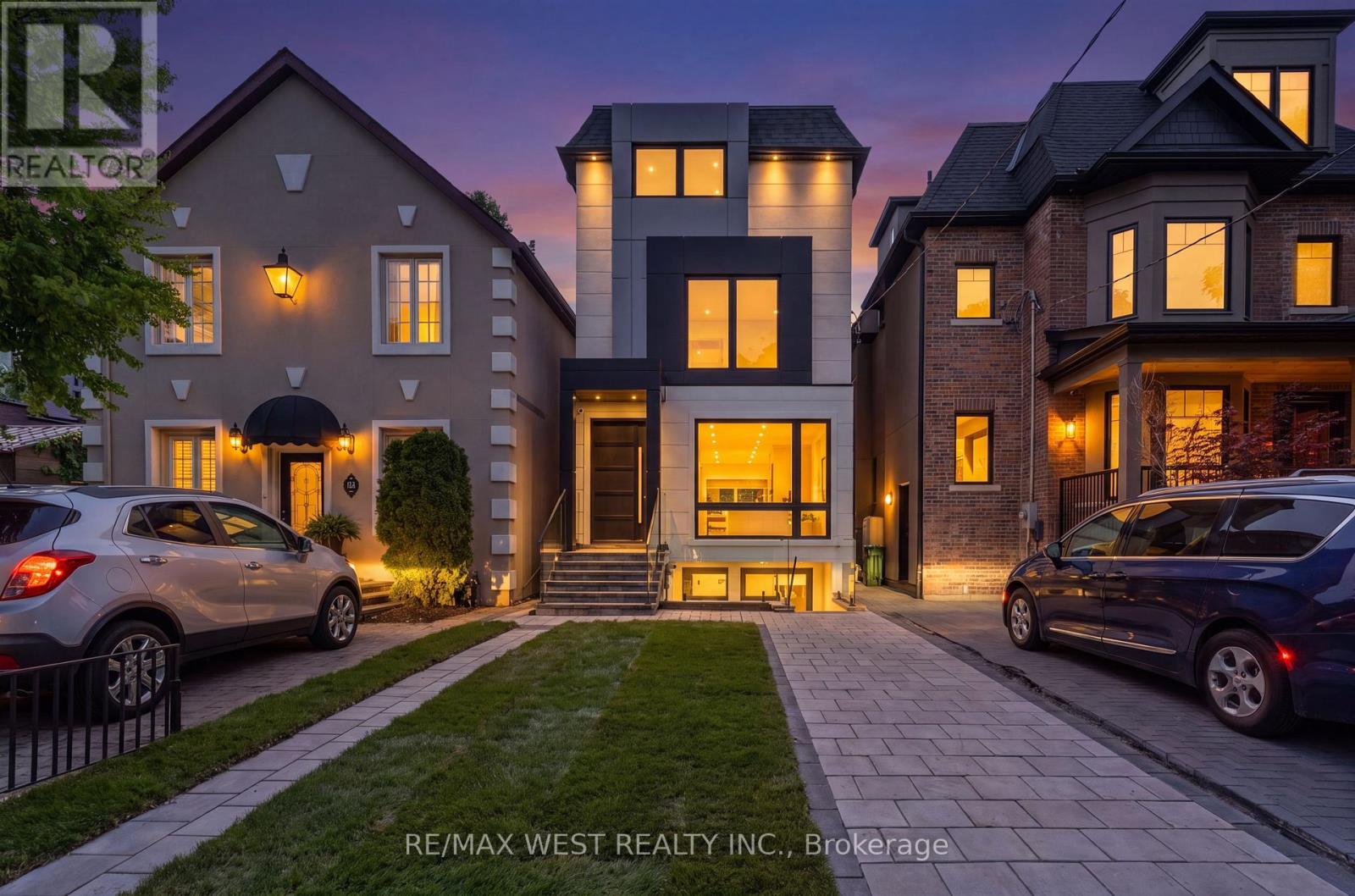 For Sale
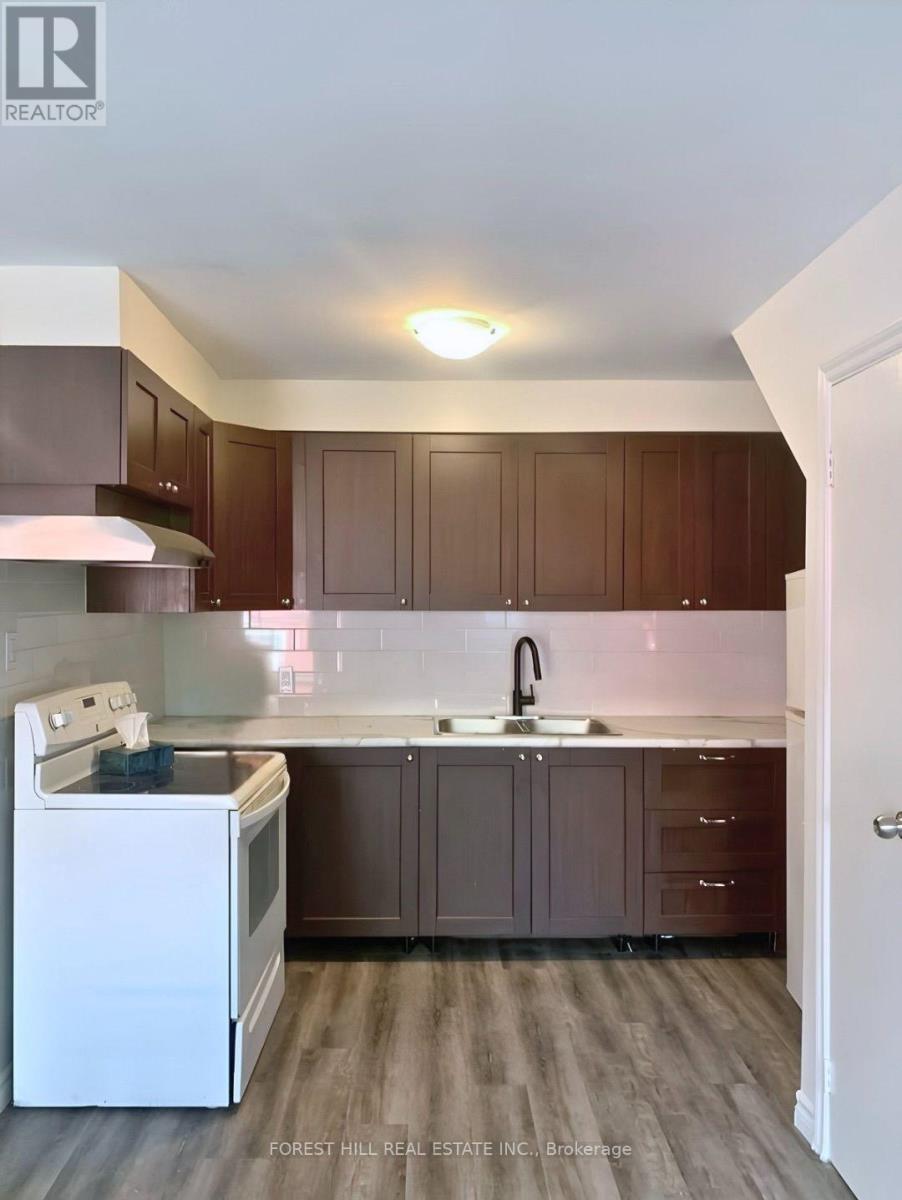 For Rent
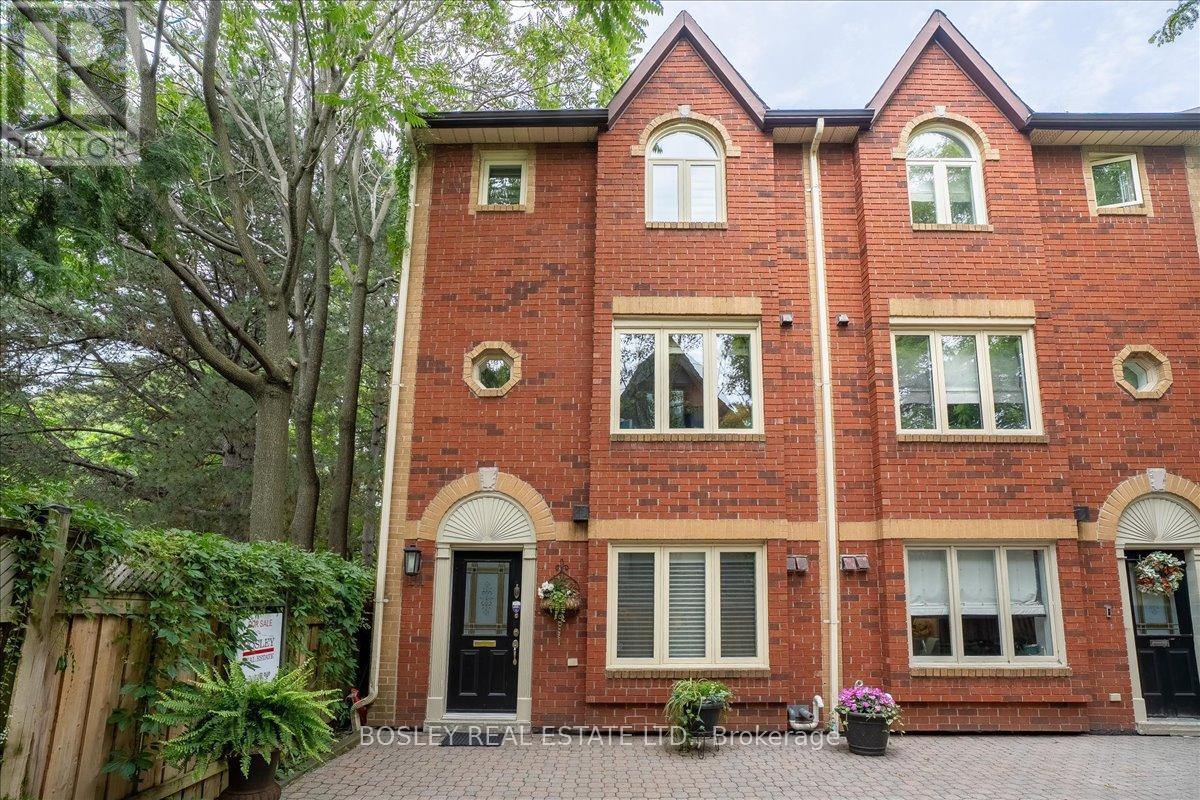 For Sale
 For Sale