
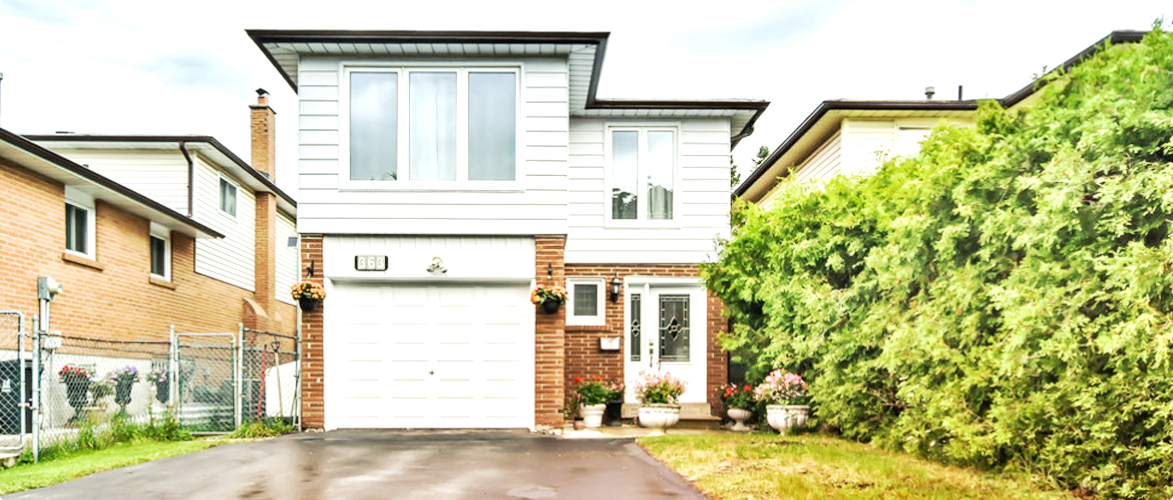
Pleasant View is a diverse northeast Toronto neighbourhood east of the DVP, built around postwar bungalows and semis near Sheppard Avenue East and Victoria Park Avenue. It offers affordable freehold housing relative to comparable North York addresses, with a multicultural community character and practical access to Highway 401 and Don Mills subway station.
Pleasant View sits in the northeast corner of Toronto, east of the Don Valley Parkway and south of Sheppard Avenue East, in the triangle formed by Sheppard, Victoria Park Avenue, and the DVP corridor. It’s a neighbourhood that most Torontonians haven’t thought specifically about, which is part of what makes it worth examining. The housing is affordable relative to the city’s broader market, the community is diverse and established, and the transit connections, while requiring effort, are better than the neighbourhood’s profile might suggest.
The name comes from the grid of residential streets built here in the 1950s and 1960s to house a growing postwar population that needed affordable detached homes within the city limits. The development pattern was standard for the era: bungalows and semi-detached homes on 25 to 40-foot lots, arranged on a modified grid with a few crescent streets and courts added for variety. The parks and schools were built in at the same time, giving the neighbourhood a planned, complete feeling that older organically developed areas sometimes lack.
What makes Pleasant View interesting to buyers today is the combination of its price point, its community character, and its proximity to the DVP and the Don Valley system. Detached houses here are more affordable than comparable addresses a few kilometres west or north, and the neighbourhood has a genuine community texture built by decades of families settling and staying. It’s not a transitional neighbourhood heading toward something else. It is what it is, and what it is suits a particular kind of buyer very well.
The community is diverse, with significant South Asian, East Asian, and Caribbean populations alongside longer-established European immigrant families. This diversity is reflected in the schools, the retail on nearby commercial strips, and the general character of the streets. For buyers looking for a community where newcomers to Canada feel welcome and established, Pleasant View has that quality in a way that more homogeneous North York neighbourhoods don’t.
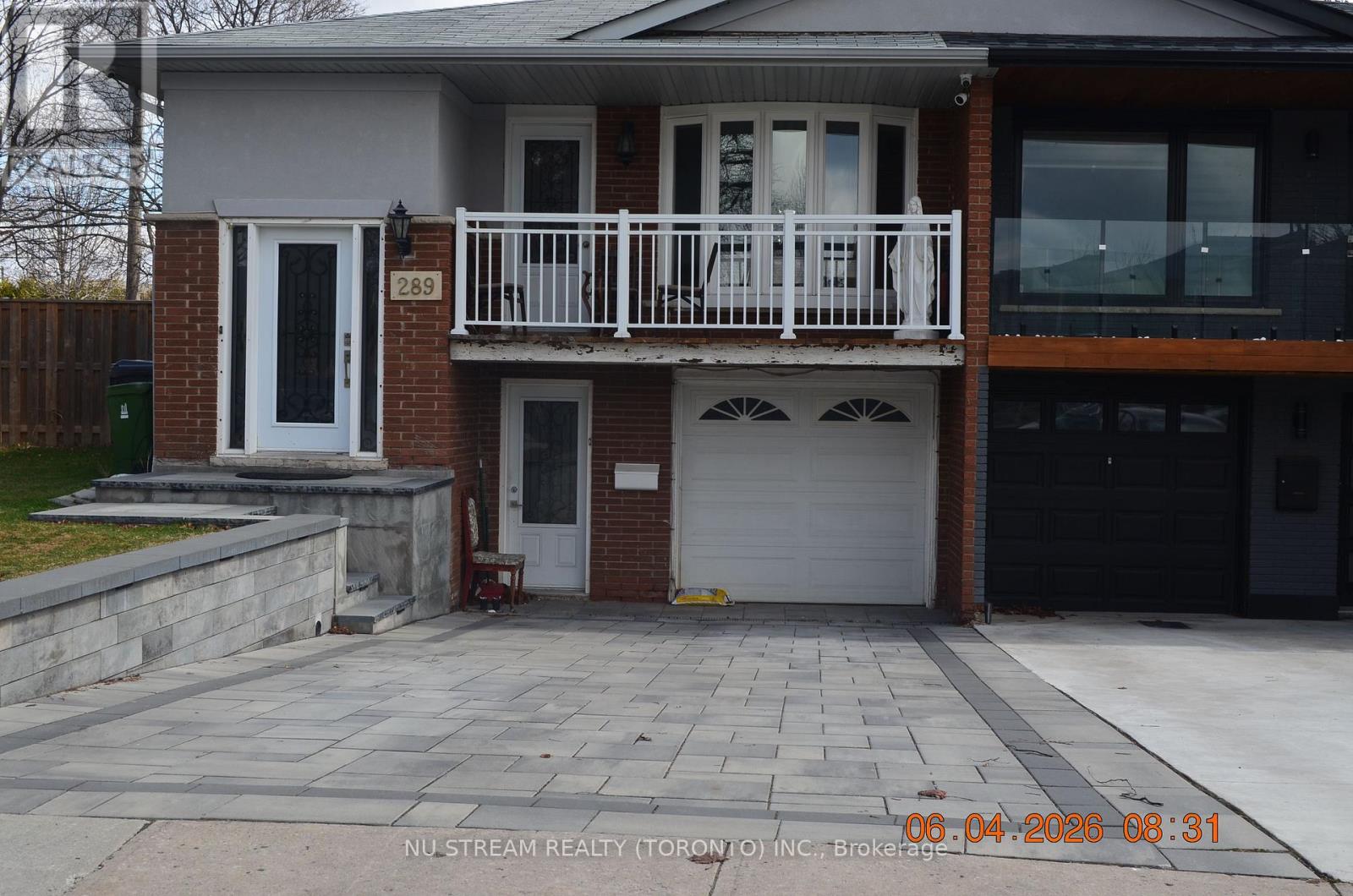
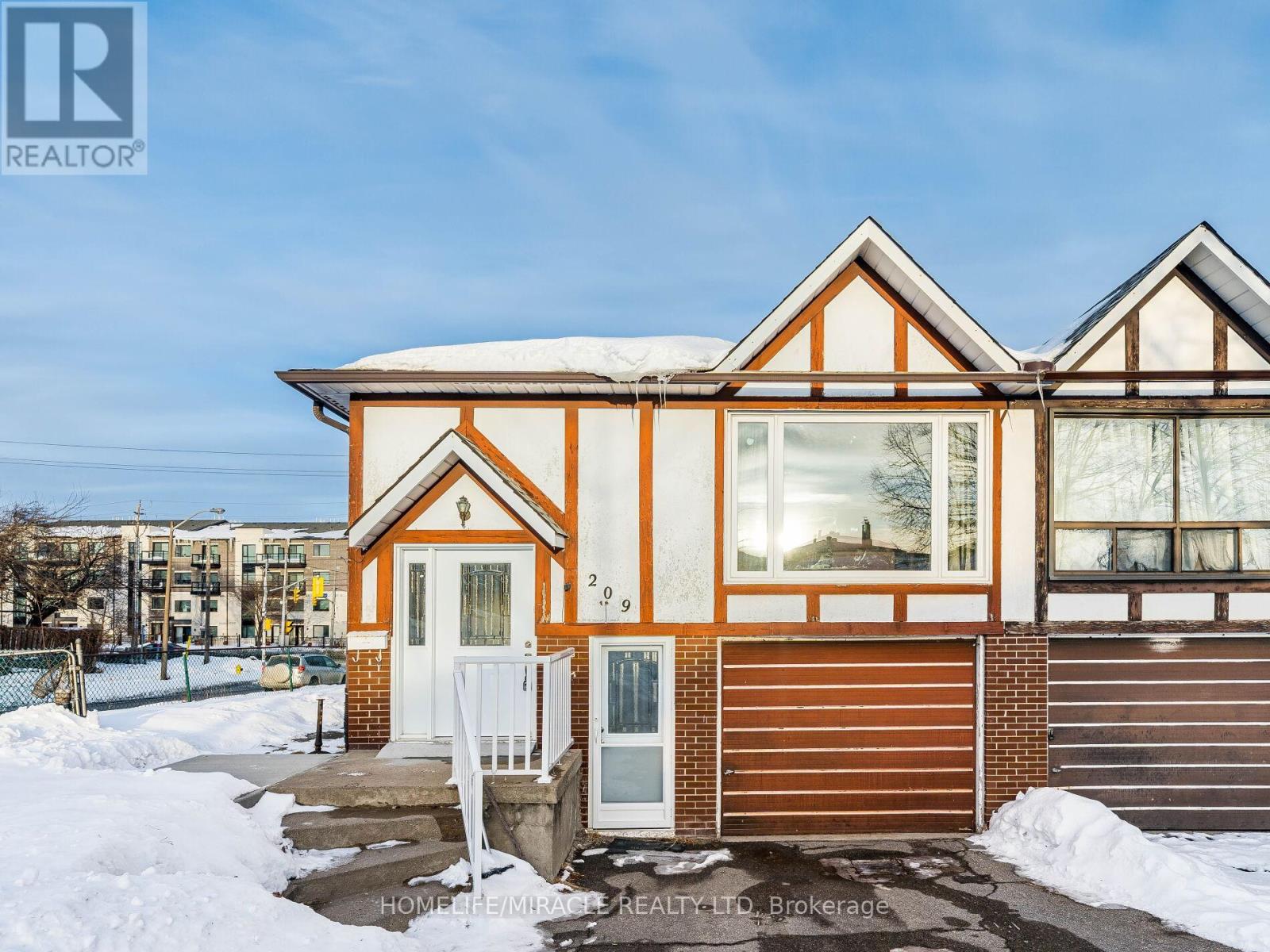
The dominant property types in Pleasant View are detached bungalows and semi-detached homes, with the bungalows concentrated in the older sections of the neighbourhood and semis appearing on some of the narrower lots and crescent streets. Lot sizes for detached properties typically run 30 to 45 feet wide and 100 to 120 feet deep, which provides enough space for a usable backyard and a single-car driveway on most properties.
In 2026, detached bungalows in Pleasant View are trading in the $900,000 to $1.3 million range. The bottom of that range reflects original, minimally updated properties on standard lots. The upper end reflects well-maintained or renovated homes with finished basements, updated kitchens and bathrooms, and wider lots. Semi-detached properties come in meaningfully below this band, typically in the $700,000 to $900,000 range, making them among the more affordable freehold options in this part of Toronto east of the DVP.
There is also a meaningful supply of community housing and social housing in Pleasant View that’s worth understanding. The neighbourhood includes some subsidised housing clusters that affect the street mix in certain areas. This doesn’t diminish the value of the freehold housing around it, but buyers who are researching specific streets should understand what they’re seeing when they look at the block composition. The social housing is maintained and part of the community’s character; it’s not a sign of neighbourhood dysfunction.
Townhouses exist in some parts of the neighbourhood, primarily in the form of older freehold towns and some stacked ownership housing. These provide an entry point for buyers who can’t reach the detached price range but want freehold ownership. The townhouse supply is limited compared to newer Toronto communities, but it’s present for buyers with a budget closer to $600,000 to $750,000 who don’t require a full detached home.
Pleasant View’s market is active at its price point. The neighbourhood’s affordability relative to comparable North York and Scarborough addresses means that a properly priced detached bungalow will attract multiple offers in a reasonably active market. The buyer pool here is broad, drawing from first-time buyers, upsizing families, and investors who see the rental income potential in a neighbourhood where basement suites are common and rental demand is consistent.
Turnover is moderate and driven by a mix of estate sales from the original buyer generation, families who’ve outgrown their homes and are moving to larger properties in the suburbs, and occasional investor sales. The neighbourhood doesn’t have the same slow-turnover character as Parkwoods or the east side of Newtonbrook, where people hold for 30 years. It has a healthier churn of properties that keeps the supply more consistent and the market more predictable.
Days on market for well-priced properties are short. A bungalow priced in the $950,000 to $1.1 million range that’s been kept in reasonable condition will typically sell within two weeks, often with competition. Properties with significant deferred maintenance or condition issues take longer, and the price sensitivity here is higher than in more premium North York neighbourhoods, meaning buyers are less willing to overpay for a project house at Pleasant View prices than they might be in a neighbourhood where they’re already paying $1.5 million.
The semi-detached market in Pleasant View is particularly active because the price point attracts buyers who’ve been unable to find affordable freehold alternatives elsewhere. A semi in good condition at $800,000 in this neighbourhood will sell quickly to a buyer who’s been outbid repeatedly in competing markets. Understanding this dynamic helps sellers price correctly and buyers calibrate how urgently they need to act when a good property comes to market.
Pleasant View attracts buyers who’ve done the math carefully and concluded that getting a detached house or semi with a yard in Toronto proper, at a price they can actually afford, matters more than having a trendier address. This is a neighbourhood for buyers who are making a pragmatic choice and are comfortable with that. The people who do best here are those who have a clear-eyed view of the trade-offs and aren’t expecting the neighbourhood to become something it’s not.
A significant portion of buyers are immigrant families, many purchasing their first owned home in Canada, who are drawn to a neighbourhood where the community reflects their backgrounds and where the price point makes ownership achievable. For many of these buyers, Pleasant View represents the most realistic path to freehold homeownership in Toronto, and the community’s multicultural character makes the transition from rental to ownership feel less alien than it might in a more homogeneous neighbourhood.
There’s also a consistent buyer profile of people being priced out of Scarborough neighbourhoods like Clairlea or Ionview to the south, or North York addresses along Sheppard to the west, who are recalibrating their geographic preferences around price. For these buyers, Pleasant View is often a positive discovery: they arrive expecting to compromise on neighbourhood quality and find that the community is more functional and pleasant than they’d assumed.
Investors are a meaningful presence here, more so than in Parkwoods or Newtonbrook. The rental economics for a basement suite in a Pleasant View bungalow are better at current prices than in more expensive North York addresses, and the consistent demand for rental housing in the area makes holding a property financially manageable. Buyers who purchase with the intent to rent a basement suite should factor this into their planning, but should also be prepared for competition from other buyers with the same strategy.
Pleasant View’s street network includes a mix of grid streets and crescent-style layouts that were built to slow traffic and create a more residential feel. The crescent streets, including Pleasant View Crescent and the courts off it, are among the more sought-after addresses because they carry less through traffic and have a quieter, more enclosed character. Properties on crescent streets tend to sell with slightly more competition than comparable grid addresses.
The streets closest to Sheppard Avenue East benefit from proximity to the Sheppard commercial strip and the bus routes that run along it, but they also absorb more noise from Sheppard itself. Buyers who want walkable access to Sheppard’s retail should consider these streets, but should visit them at peak hours to understand the noise environment before deciding. Streets two or three blocks south of Sheppard have most of the convenience with less of the noise.
The eastern portion of the neighbourhood, closer to Victoria Park Avenue, has somewhat lower prices and slightly less competition than the western portion, which benefits from DVP access. Victoria Park itself is a busy north-south arterial, and properties fronting on it are not strictly residential in feel. The streets set back from Victoria Park have the benefit of its proximity without the drawbacks of being on it.
The social housing clusters in the neighbourhood are concentrated in certain sections, and buyers who care about block composition should look at specific streets rather than treating the neighbourhood as entirely uniform. The freehold streets within the neighbourhood are well-maintained and family-oriented, and the proximity to social housing doesn’t materially affect their character, but buyers who are sensitive to this should do the research at the street level rather than the neighbourhood level. An agent with experience in this specific area can provide the granularity that a broader market overview can’t.
Transit in Pleasant View is bus-dependent but more practical than many similarly priced North York and Scarborough neighbourhoods. Sheppard Avenue East has bus service on the 85 Sheppard East route, connecting east toward Scarborough and west toward Don Mills station. Don Mills station, on Line 4 (Sheppard), is the most accessible subway connection for residents and is reachable by bus along Sheppard or by a short drive. From Don Mills station, Line 4 connects to Sheppard-Yonge, where Line 1 access gives downtown connections.
Victoria Park Avenue has the 12 Victoria Park bus running north-south, providing another axis of connectivity. The combination of Sheppard and Victoria Park bus routes gives residents a reasonable grid of transit options. None of them are as convenient as having a subway station in the neighbourhood, but the connections are functional for residents willing to manage one transfer.
For drivers, the Don Valley Parkway is accessible via Sheppard Avenue East within a few minutes, providing fast access to Highway 401 to the north and the Gardiner Expressway corridor to the south. The DVP makes Pleasant View a practical address for drivers commuting to employment nodes in North York, East York, and downtown, and the highway connection is one of the more underappreciated advantages of living on this side of the city.
Cycling infrastructure is limited but improving gradually. The Don Valley trail system is accessible with some effort from the western edges of the neighbourhood, and the trail provides a car-free recreational route. On-road cycling on Sheppard and Victoria Park is possible but not comfortable given the traffic volumes. The neighbourhood’s street network is fine for local cycling, but residents who want to cycle to work in most destinations will find it requires navigating busy arterials without adequate infrastructure.
Pleasant View Park is the neighbourhood’s main green space, a mid-sized park with sports facilities, a children’s play area, and open grass that handles the recreational needs of the surrounding residential streets. It’s a functional park rather than a destination, but it gets consistent year-round use and is well-maintained. The park is central enough in the neighbourhood that most residents can reach it on foot, which matters for families with young children and dog owners who use it daily.
The Don Valley trail system is accessible from the western edge of the neighbourhood, though the approach routes are not as direct as they are from neighbourhoods that sit immediately adjacent to the valley. A short drive or a longer walk gets you to the trail entrance points near Flemingdon Park and the E.T. Seton Park area. Once on the trail, the Don Valley network provides kilometres of off-road path heading north and south, connecting to the broader ravine system. For residents who want natural trail access and are willing to make a small effort to reach the trailhead, the DVP corridor is genuinely accessible.
Dentonia Park, to the south near Danforth Avenue in the Clairlea area, is a larger neighbourhood park with more facilities, including tennis courts and a wading pool. It’s a short drive south and serves as a secondary recreation option for Pleasant View residents who want more amenity than the local park provides. The golf course at Dentonia Park adds to the open space in that corridor.
The Don River valley parks more broadly, including the corridor through East York and toward the waterfront, are all part of the same trail network. Residents of Pleasant View who are willing to invest in the trip can reach the waterfront trail system from their neighbourhood using a combination of trail and road cycling or driving. It’s not as immediate as living in Leslieville or the Beach, but the connection exists.
The Sheppard Avenue East corridor is the primary commercial strip for Pleasant View, running along the neighbourhood’s northern boundary with a mix of strip retail, restaurants, and service businesses. The character of the strip reflects the neighbourhood’s demographics, with South Asian grocery stores, halal butchers, Caribbean bakeries, and a variety of fast food and sit-down restaurants serving a diverse local population. It’s functional and genuinely varied if you know what you’re looking for.
Victoria Park Avenue to the east provides additional retail options, and the intersection of Sheppard and Victoria Park is the main commercial node serving the area. Here you’ll find grocery stores, pharmacies, banks, and the kind of anchored strip mall retail that serves daily needs reliably even if it doesn’t generate much excitement. For residents who prioritise having practical retail within walking distance of home, this intersection serves the purpose.
For a broader retail experience, Scarborough Town Centre is accessible to the northeast and provides the full range of mall retail that the immediate neighbourhood can’t support. Fairview Mall, to the northwest near Don Mills, is another option that’s within practical driving distance. Neither is particularly far, and for residents who do most of their shopping by car, the mall access means Pleasant View doesn’t feel underserviced for larger purchases.
The neighbourhood’s dining scene is better than its reputation outside the area. The concentration of South Asian, Caribbean, and Chinese restaurants along Sheppard and on the commercial strips around Victoria Park provides genuinely good ethnic food options that residents of more prestigious neighbourhoods often drive to from further away. The restaurants are not curated or design-forward, but the food is honest and the prices are reasonable. For buyers who care about being able to eat well close to home without driving to a dining destination, this pocket of Sheppard delivers.
The public schools in Pleasant View serve a diverse student population and are part of the TDSB’s northeast Toronto catchment. Pleasant View Junior Middle School is the primary school for the neighbourhood, serving students from kindergarten through Grade 8. The school community reflects the neighbourhood’s demographics and has a strong parent involvement culture typical of stable owner-occupier communities.
Secondary school students from Pleasant View primarily attend Don Mills Collegiate Institute, which serves a broad catchment including parts of Flemingdon Park and the surrounding area. Don Mills CI has a reasonable academic reputation within the TDSB and provides a range of program options at the secondary level. For families who are primarily using the local public secondary school and aren’t pursuing specialty programs, Don Mills CI is a solid choice.
On the Catholic side, the TCDSB serves elementary students through schools in the broader area, with secondary students typically attending Brebeuf College School or another Catholic secondary depending on catchment routing. Brebeuf, on Leslie Street to the southwest, is a well-regarded Catholic secondary school with a strong academic program and university preparation focus. For Catholic-eligible families, the secondary school option is among the better ones in this part of the city.
French immersion is available within the TDSB for families committed to it, though families should verify the specific feeder school for their address and understand the transportation requirements, since the French immersion pathway may not be the local neighbourhood school. Private school options are accessible by car from Pleasant View, with a range of independent schools in the North York and East York area within 20 to 30 minutes.
Pleasant View has seen modest development pressure compared to more centrally located Toronto neighbourhoods, but the broader Sheppard East corridor has been subject to intensification planning that will bring more density to the avenue over time. Mid-rise residential development along Sheppard East is encouraged by provincial and municipal policy, and some applications have moved through the planning process in the surrounding area. This development happens along the arterial rather than in the residential interior, which means residents on the side streets are largely insulated from its effects while benefiting from the additional services and transit improvements that accompany increased density.
Flemingdon Park, to the west and southwest of Pleasant View, has been identified as an area for significant intensification, including major residential development around the Eglinton Crosstown stations in that corridor. As Flemingdon develops and densifies, the service and retail options in the broader area will improve, which is a net positive for Pleasant View residents who already use the Flemingdon area for some commercial needs.
The Eglinton Crosstown LRT, running along Eglinton Avenue south of the neighbourhood, will add a crosstown transit option that connects east-west across the city. While Pleasant View doesn’t have a Crosstown station within walking distance, the route is accessible by bus connection and will meaningfully improve transit options for residents who are willing to use a feeder bus to reach the line. The Science Centre station area on the Crosstown is the closest point for most Pleasant View residents.
Within the neighbourhood itself, development has been limited to gradual renovation of the housing stock rather than redevelopment. The neighbourhood is not on a transformation trajectory. Buyers purchasing here should expect it to remain a stable, established residential community with incremental improvement rather than dramatic change. For buyers who want that stability, this is reassuring. For buyers hoping for rapid appreciation driven by neighbourhood transformation, Pleasant View is probably not the right choice.
Is Pleasant View a safe neighbourhood? It’s a residential neighbourhood with the kind of community character that comes from decades of families owning and maintaining homes on the same streets. The crime statistics for the area are comparable to other working-class Toronto neighbourhoods and significantly better than high-density rental areas in the broader northeast Toronto corridor. The social housing component of the neighbourhood sometimes creates an impression from outside that doesn’t match the lived reality of the freehold streets. Buyers who visit the specific streets they’re considering, at different times of day, will get a more accurate picture than any general reputation would suggest.
How does Pleasant View compare to Flemingdon Park or Victoria Village for a buyer on a similar budget? Flemingdon Park has a larger proportion of rental apartment towers and a different community feel than Pleasant View. Victoria Village is somewhat more expensive for comparable detached housing, offers slightly better proximity to the Don Valley trail system, and will benefit more directly from the Eglinton Crosstown when it opens. Pleasant View’s advantage over both is its price point for detached freehold housing and its position east of the DVP, which makes it convenient for drivers heading toward Scarborough and Highway 401. The right choice depends on whether you prioritise transit proximity, trail access, or price.
What does a typical Pleasant View bungalow look like inside? Most originals have a main floor with three bedrooms, a living and dining area, a single bathroom, and a kitchen that hasn’t changed significantly since the 1960s or 1970s. The basement is usually partially finished, often with an informal recreation room, laundry area, and storage. Many properties have had basement suites added informally over the years, with varying levels of quality and permitting. The houses are honest and functional without being particularly spacious by modern standards: you’re typically looking at 900 to 1,200 square feet above grade on a standard lot. The basement effectively doubles the livable square footage if it’s finished properly.
What are the best streets to focus on in Pleasant View? The crescent streets and courts within the neighbourhood carry less through traffic and have a more enclosed, residential feel. Streets in the interior of the neighbourhood, set back from Sheppard Avenue and Victoria Park, are generally preferred over those with direct exposure to the arterials. For buyers who want DVP access, the streets in the western portion of the neighbourhood are marginally more convenient. Your agent should be able to give you a street-by-street breakdown of recent sales and average days on market, which will quickly identify which streets are consistently attracting the most competition.
A buyer’s agent working in Pleasant View needs to be comfortable with a price range and a buyer profile that’s different from more premium North York addresses. This isn’t a neighbourhood where buyers are usually making their most speculative or ambitious purchase. Most buyers here are stretching to reach freehold ownership, which means the financial stakes of a bad purchase decision are higher relative to their resources. An agent who understands this and brings appropriate rigour to the due diligence is more valuable here than an agent who’s used to buyers with more financial cushion.
The basement suite question comes up on almost every property in this neighbourhood. Buyers should understand the difference between a basement suite that was added with a permit, one that was added without a permit but could be brought into compliance, and one that would require significant work to legalise. The answers affect both the immediate cost of ownership and the legal risk of operating a rental unit. Your agent should be helping you work through this on every property where a basement suite is present, not leaving it for you to figure out after closing.
The social housing component of the neighbourhood requires a buyer’s agent who can speak accurately about the block composition in different parts of the neighbourhood without either dismissing or overstating its significance. Buyers who ask about this deserve a straight answer rather than evasion, and an agent who knows the neighbourhood well will be able to tell you exactly which streets have mixed housing and what that means in practice for the community around them.
For due diligence specifically, title searches in Pleasant View sometimes reveal outstanding work orders or minor bylaw compliance issues, particularly on properties that have had informal basement conversions. Home inspections should be thorough and should focus on the basement waterproofing, the electrical panel, and the mechanical systems in addition to the standard structural review. The age of the housing stock here is similar to Parkwoods and Maple Leaf, which means similar categories of concern: foundation drainage, electrical capacity, and roof and attic condition are the items that generate the most costly surprises.
Street-level knowledge is hard to find online. Our team works in Pleasant View every day. They know which pockets hold value, where the school catchment lines actually fall, and what the market is doing right now. Talk to us before you make a decision about Pleasant View.
Talk to a local agent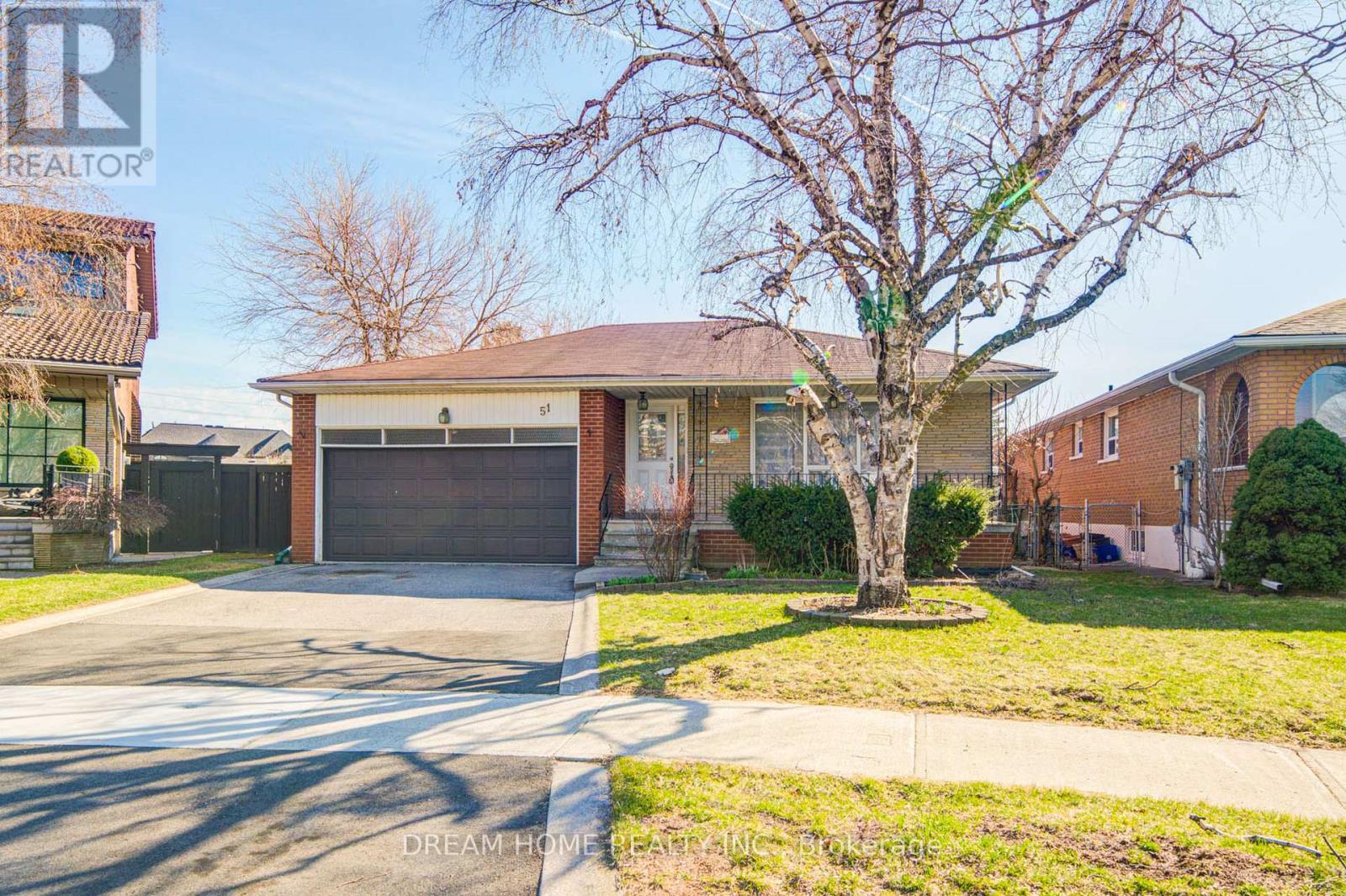 For Sale
 For Sale
 For Rent
 For Sale