
Port Credit sits at the mouth of the Credit River on Lake Ontario in south Mississauga. The neighbourhood combines waterfront park access, a walkable Lakeshore Road commercial strip, and Port Credit GO Station on the Lakeshore West line with express trains reaching Union Station in 25 minutes. Average home prices sit around $1.3 million as of early 2026. The Hurontario LRT will terminate at Port Credit GO when the line opens around 2027, adding a second rapid transit option for residents.
Port Credit sits at the mouth of the Credit River where it meets Lake Ontario, roughly 25 kilometres southwest of downtown Toronto. It is the southernmost neighbourhood in Mississauga, bounded by the lake to the south, Mississauga Road to the west, Cawthra Road to the east, and the QEW corridor to the north. The neighbourhood covers roughly 3 square kilometres, making it one of the smaller communities in Mississauga by area, but one of the densest by character. Every block between Lakeshore Road West and the waterfront is built at a human scale that feels closer to a small Ontario town than a suburb.
Port Credit developed around the former village of Port Credit, which was established in the early nineteenth century as a trading and fishing port. The lighthouse at the mouth of the Credit River dates to 1918 and remains one of the most photographed landmarks on the western Lake Ontario shoreline. That history gives Port Credit a physical texture most Mississauga neighbourhoods lack: brick storefronts on Lakeshore Road West, tree-lined residential streets with mature canopy, and a waterfront park system that has been deliberately maintained at a neighbourhood scale rather than turned over to condo towers. The result is a place that reads as complete rather than still becoming something.
The current housing mix spans single-detached homes on the residential streets north of the GO corridor, a growing number of mid-rise and high-rise condominiums near the waterfront and along Lakeshore, and a small stock of semis and townhomes in the blocks between. The older detached homes were largely built between the 1940s and 1970s and sit on standard lots of 40 to 55 feet wide. Newer condo towers have been built along the lakeshore and clustered near the GO station, responding to demand from buyers who want walkable waterfront access without the maintenance of a detached home. The ratio of owners to renters skews heavily toward ownership, which contributes to the neighbourhood’s stability and low turnover.
Port Credit is one of three Mississauga neighbourhoods consistently identified by buyers and agents as having a genuine urban village character. The combination of walkable retail, waterfront access, and rapid transit access to Union Station is uncommon in the GTA. Buyers who move here tend to stay, which keeps inventory tight and supports prices at the higher end of the Mississauga range. For families, couples, and professionals looking for a neighbourhood with completed character rather than potential, Port Credit consistently ranks at the top of the list.
Port Credit’s average home price sits at approximately $1.3 million as of early 2026, placing it among the top tier of Mississauga neighbourhoods by price. That figure covers a wide range: a two-bedroom condo near the waterfront can be found in the $600,000 to $800,000 range, while a detached home on one of the tree-lined residential streets north of Lakeshore typically runs from $1.1 million to $1.7 million depending on lot size, renovation level, and proximity to the water. Larger corner lots and homes with direct lake views can push well above $2 million.
The market in Port Credit moves differently from most of Mississauga. Turnover is low because the neighbourhood consistently delivers on its promise. Buyers who paid $900,000 for a detached bungalow in 2018 are not inclined to leave, and their reluctance to sell keeps supply constrained. When properties do come to market, well-positioned listings in the $1.1 million to $1.4 million range regularly attract multiple offers. The days-on-market average for detached homes is among the shortest in the city, and the sale-to-list ratio holds consistently above asking on quality properties.
Condo prices have been affected by broader market softness that began in 2023 and continued through 2025, with some units in older buildings trading at discounts compared to their 2022 peaks. The correction created a genuine entry opportunity for buyers who want Port Credit’s lifestyle without the price tag of a detached home. Purpose-built rental buildings and newer condominium projects near the GO station have attracted younger professionals and downsizers, adding demographic diversity without disrupting the neighbourhood’s ground-level character. The rental market in Port Credit is tight, with low vacancy rates and rents that reflect the neighbourhood’s desirability.
From an investment standpoint, Port Credit has one of the more defensible price floors in the GTA. The combination of waterfront access, GO transit, and walkable retail creates demand that holds across market cycles. The neighbourhood does not have the speculative volatility of some condo-heavy communities because its supply is physically constrained by geography. There are no large parcels left to develop, which means future supply growth will be incremental rather than disruptive. Buyers entering the market now are acquiring into a neighbourhood with a defined character and a structural limit on competing inventory.
Port Credit GO Station sits on the Lakeshore West line and delivers one of the fastest rail commutes in the GTA. Express trains reach Union Station in approximately 25 minutes during peak hours, with multiple departures in both directions throughout the day. That frequency and speed puts Port Credit in a category shared by very few communities west of Toronto: a neighbourhood where leaving the car at home on weekday commutes is genuinely practical rather than aspirational. The station is within walking distance of most of the neighbourhood’s core residential streets, meaning the commute door-to-door is competitive with driving in most weather.
MiWay, Mississauga’s bus network, provides local transit coverage throughout Port Credit. Route 23 runs along Lakeshore Road West connecting Port Credit to Clarkson in the west and Port Credit GO in the east. Route 19 links Port Credit to Square One Shopping Centre and Mississauga’s City Centre transit terminal, where connections to the broader MiWay and Brampton Transit networks are available. For residents who need access to destinations outside the GO rail corridor, these bus connections provide reasonable coverage without requiring a car.
The Hurontario LRT, currently under construction and expected to begin revenue service in 2027, will have its southern terminus at Port Credit GO Station. The 18-kilometre line will run north through Mississauga’s Hurontario Street corridor into Brampton, with 19 stops. For Port Credit residents, the LRT adds a surface rail option for trips into Mississauga City Centre and points north, reducing the need to drive for mid-city errands and connections. The integration of the LRT terminus with the GO station will make Port Credit one of the best-served transit nodes in the Peel Region.
For drivers, the QEW is accessible from Mississauga Road and Cawthra Road within five minutes from most of the neighbourhood. The highway connects west toward Hamilton and east into Toronto and the 427 interchange. Gardiner Expressway access is available by staying on the QEW east. Travel time to downtown Toronto by car during off-peak hours runs 25 to 35 minutes. During morning rush hour the QEW eastbound backs up reliably, which is part of why the GO train option is used so heavily by Port Credit commuters who work in the financial core.
Port Credit Secondary School serves grades 9 through 12 and is one of the most established secondary schools in Peel Region, with a long history in the community predating Mississauga’s incorporation as a city. The school is operated by the Peel District School Board and sits on Mineola Road East at the eastern edge of the neighbourhood. It offers a full academic program including advanced placement courses and extracurricular programs in arts, athletics, and student leadership. The school draws from Port Credit and parts of neighbouring Mineola, creating a student population with a mix of backgrounds and academic interests.
Elementary public education in Port Credit is served by Riverside Public School and Hillcrest Public School, both operated by the Peel District School Board. Riverside sits close to the waterfront on Stavebank Road South and serves junior kindergarten through grade 6. Hillcrest is located further north in the neighbourhood and provides kindergarten through grade 8 programming. Both schools are accessible by foot for most families in the core residential area, which matters to parents who prefer a walkable school commute for younger children. Catholic elementary families are served by St. Luke Catholic Elementary School, operated by the Dufferin-Peel Catholic District School Board.
For families considering private school options, Port Credit’s location provides reasonable access to several independent schools in neighbouring communities. Mentor College, a private co-educational school offering JK through grade 12, is located in Port Credit on Lakeshore Road East and offers a university-preparatory curriculum. It draws students from across south Mississauga and has a strong track record for university placement, which makes it a meaningful option for families who prioritise academic intensity.
Mississauga’s broader post-secondary landscape is accessible from Port Credit via transit and car. The University of Toronto Mississauga campus is roughly 20 minutes north by car, and Sheridan College’s Hazel McCallion Campus in Mississauga City Centre is accessible by MiWay bus. For students heading to downtown Toronto campuses, the GO train makes the commute manageable. Families who move to Port Credit for the schools typically stay for everything else the neighbourhood offers, and the combination of solid public options and proximity to private alternatives makes it a strong choice for households with school-age children.
Port Credit’s park system runs along the Lake Ontario shoreline from the mouth of the Credit River west toward Clarkson and east toward Mississauga Road South. JC Saddington Park anchors the western waterfront, with direct access to the Waterfront Trail, a children’s playground, and open lawn areas used for weekend events. The park connects to the Credit River Corridor, a green strip that follows the river north through several Mississauga neighbourhoods and provides off-road cycling and walking routes extending well into the city. During summer the Credit Village Marina occupies the river mouth, and the mix of boats, the lighthouse, and the park creates a scene that draws residents and visitors throughout the warm season.
Port Credit Memorial Park sits on Stavebank Road South and is the neighbourhood’s largest single green space. It includes sports fields, a children’s playground, and a skatepark. In winter, the rink at Memorial Park operates as an outdoor skating trail, one of the few in Mississauga with a lit evening session. The combination of the parks, the waterfront trail, and the river corridor means Port Credit residents have access to considerably more green and active space than is typical for a neighbourhood of its density.
The retail core runs along Lakeshore Road West between Mississauga Road and Hurontario Street. The strip has a mix of independent restaurants, cafes, boutiques, and services that has been maintained over years of commercial demand from residents and visitors. The Whole Foods Market at Hurontario and Lakeshore serves as the neighbourhood’s main grocery anchor, with additional food retail and specialty shops along the strip. The weekly farmers market runs along Lakeshore from May through October and draws vendors from across the region, functioning as a community gathering point as much as a market.
Port Credit has a strong calendar of community events. The Mississauga Waterfront Festival and Mississauga Ribfest both take place on the waterfront and draw visitors from across the region. Busker Fest in August brings street performers to the Lakeshore strip. The Southside Shuffle Blues and Jazz Festival rounds out the fall season with outdoor stages along the waterfront. These events reinforce Port Credit’s identity as a destination neighbourhood rather than just a residential enclave, which sustains the commercial strip and keeps the neighbourhood socially active across age groups.
Port Credit’s built form divides into roughly three layers by era and type. The oldest residential streets, primarily between Lakeshore Road West and the GO corridor, contain the bulk of the neighbourhood’s single-detached stock. Most of these homes were built between the 1940s and 1960s on lots of 40 to 55 feet wide and 110 to 130 feet deep. Construction materials and finishes reflect the postwar period: brick exteriors, modest footprints, and layouts designed for a different era of family life. Many have been renovated, and some have been torn down and replaced with custom builds on the original lot footprints. The result is a residential streetscape with considerable variety, where a 1950s bungalow sits next to a custom contemporary rebuild on a lot of identical dimensions.
South of the GO corridor, closer to the water, the housing stock transitions toward townhomes and condominium buildings. Several purpose-built mid-rise and high-rise towers line the Lakeshore Road West corridor between Port Credit Avenue and Mississauga Road. These range from 1970s-era rental buildings to new construction condo towers built in the 2010s and early 2020s. The newer buildings offer larger suites than typical GTA new construction, reflecting demand from a buyer profile that tends toward downsizers and professionals rather than first-time buyers. Suite sizes of 900 to 1,400 square feet are more common here than in Mississauga City Centre.
The Lakeview Village development to the east of Port Credit on the former Ontario Power Generation lands represents the largest planned transformation of the southern Mississauga shoreline since Port Credit itself was developed. The project envisions up to 8,000 units of mixed housing on roughly 177 acres, with an emphasis on mid-rise rather than tower form. Construction is in early phases and will proceed over roughly two decades. For Port Credit residents, Lakeview Village will eventually add a large mixed-use community to the east, with public waterfront access running continuously from Port Credit Memorial Park to the Lakeview site.
The neighbourhood’s physical boundaries are stable. There are no large undeveloped parcels within Port Credit itself, and the built form is at a density that reflects the neighbourhood’s character without threatening to replace it. Future intensification will occur at the margins, particularly around the GO station node, where the city’s official plan designates higher density as appropriate. That concentrated growth model has been accepted by residents as preferable to scatter-site intensification that would change the residential streetscapes they value most.
Port Credit has a population of approximately 14,000 residents, making it one of the smaller Mississauga neighbourhoods by headcount despite being one of the most visible. The demographic profile reflects the neighbourhood’s price point and character: median age skews older than the Mississauga average, with a higher proportion of professionals, retirees who have downsized into the neighbourhood, and established families. The mix creates a neighbourhood with social stability and a low-turnover character, where long-term residents know one another and engage actively in local institutions.
The Port Credit Business Improvement Area covers the commercial strip along Lakeshore Road West and has been active in maintaining the street’s quality and identity since the early 1980s. The BIA manages street furniture, seasonal plantings, event permits, and marketing for the district, and its ongoing investment is part of why the Lakeshore strip has maintained a consistent standard while similar commercial streets in other Mississauga neighbourhoods have declined or become dominated by chains. The ratio of independent operators to chain businesses on Lakeshore West remains higher than on most comparable suburban commercial streets in the GTA.
Port Credit’s identity as a destination produces a split: residents who value the neighbourhood’s amenities but find the summer crowds and event traffic genuinely disruptive, and those who see the festivals and street life as the neighbourhood’s core asset. This tension has been present for decades and is unlikely to resolve, but the overall balance tilts toward residents who chose Port Credit precisely because it is not quiet. The neighbourhood consistently ranks highly on livability surveys that weight walkability, transit access, dining, and community programming, and those metrics are not separable from the activity that some residents find excessive.
Community organisations in Port Credit include the Port Credit Secondary School Parent Council, the Port Credit Library branch and its programming, the Port Credit Horticultural Society, and several waterfront event organisations. The Credit River Anglers Association has operated in the area for decades, drawing participants for salmon and steelhead fishing in the Credit River seasonally. These organisations, running in parallel with the BIA and city park programming, give the neighbourhood a civic density that strengthens its sense of place and makes it more resilient to the demographic transitions that can hollow out similar communities over time.
Port Credit’s investment case rests on a combination of factors that are structural rather than cyclical. The neighbourhood is geographically constrained: bounded by the lake to the south, the river to the west, and established residential areas on all other sides. There is no large land supply to release, which means future supply growth will be concentrated near the GO station and will proceed slowly. That physical constraint has supported Port Credit’s price premium over the broader Mississauga market through multiple market cycles, and there is no current development scenario that would change this fundamentally.
The Hurontario LRT terminus at Port Credit GO creates a transit infrastructure story that has not yet been fully priced into the market. When the line opens, Port Credit will sit at the intersection of GO Lakeshore West and a light rail line connecting to Mississauga City Centre and Brampton. That kind of multi-modal transit node is rare in the region and is associated with sustained price appreciation in comparable markets. Buyers who position ahead of opening are acquiring with a near-term catalyst that will not require any change in the neighbourhood itself.
The Lakeview Village development to the east, while not within Port Credit’s boundaries, will add a large new population to the southern Mississauga waterfront and create demand for the retail, restaurants, and transit that Port Credit already has. Residents of Lakeview Village will be within walking and cycling distance of Lakeshore Road West. The net effect is likely to be an expansion of the customer base for Port Credit’s commercial strip and an increase in transit ridership at Port Credit GO, both of which benefit existing property owners.
For buyers evaluating long-term hold scenarios, Port Credit offers one of the more defensible positions in the GTA. The neighbourhood’s waterfront access is permanent and not replicable by competing developments. The GO transit service is permanent infrastructure. The commercial strip has demonstrated staying power over decades of market change. These three factors, combined with the LRT catalyst and the Lakeview adjacency, create a case for sustained demand that is grounded in physical and infrastructure reality rather than sentiment. Investors who purchased Port Credit condos at 2022 peak prices may face a wait for full recovery, but buyers entering at 2025-2026 levels are acquiring with considerably better margin against replacement cost.
Port Credit’s walkability is exceptional by any standard that applies to a suburban Ontario municipality. The Lakeshore Road West strip provides food, pharmacy, banking, and specialty retail within a walk from most of the neighbourhood’s residential core. The Whole Foods Market at Lakeshore and Hurontario handles grocery for a significant portion of residents. The Credit River path system and the Waterfront Trail provide recreation without requiring a car. Port Credit GO Station is within a 10-minute walk of the majority of addresses in the neighbourhood, and the station’s facilities include secure bicycle parking for commuters who combine cycling with rail.
The walkability extends to services that are often overlooked in neighbourhood assessments: Port Credit has a public library branch on Lakeshore Road West that is well-used and recently renovated, a Canada Post outlet, several medical clinics and dentist offices along the commercial strip, and a LCBO. The neighbourhood is genuinely self-contained for day-to-day needs in a way that most suburban communities in the GTA, even desirable ones, are not. Residents regularly report that they can go through an entire week without a car trip beyond commuting, which is unusual for Mississauga and a significant quality-of-life factor for households with one car or none.
The Waterfront Trail runs continuously along the Lake Ontario shoreline through Port Credit, connecting east toward Toronto and west toward Hamilton. Within Port Credit, the trail provides off-road cycling and walking access from JC Saddington Park east past Lakeview and into Etobicoke. The Credit River Corridor adds a north-south green link that connects the waterfront to parks and trails deeper in Mississauga. Together these routes make Port Credit one of the better-connected communities in the region for active transportation, and the combination of waterfront and river trail gives it a quality of recreational access that most urban neighbourhoods cannot match regardless of density.
Summer brings a density of activity along the waterfront and on Lakeshore Road West that can feel overwhelming to residents who bought expecting a quieter environment. Event weekends during Waterfront Festival and Ribfest bring large crowds to a neighbourhood that is not designed for high visitor volumes. Parking pressure on residential streets during events is a persistent complaint, and the BIA’s event calendar is a standing subject at city and neighbourhood association meetings. Buyers considering Port Credit should visit on a busy summer weekend to calibrate expectations. The neighbourhood’s appeal and its liveliness are not separable, and what some residents describe as the neighbourhood’s problem is what others would describe as its point.
Port Credit shares a boundary with Mineola to the north and northeast. Mineola is a residential neighbourhood known for large lots, mature trees, and an established custom home market, and the two communities are distinct in character but share amenities. Residents of Mineola use Port Credit’s commercial strip, waterfront, and GO station regularly, which creates an organic connection between the two neighbourhoods. The border between them along Mineola Road is not a hard divide, and buyers who find Port Credit prices elevated sometimes look at Mineola’s eastern edges as an alternative with good access to the same infrastructure.
Clarkson to the west is a quieter neighbourhood built around the Clarkson GO station and centred on the Clarkson Village commercial strip on Lakeshore Road West. It offers similar transit access to Union Station on the Lakeshore West line and is priced below Port Credit for equivalent property types. Buyers who value GO access but are less focused on the waterfront amenity can often find better value in Clarkson, particularly for detached homes in the $900,000 to $1.2 million range. The trade-off is Clarkson’s commercial strip, which is smaller and less developed than Port Credit’s Lakeshore.
Lakeview, the neighbourhood to the east of Port Credit in south Mississauga, is currently in a period of significant transition. The former Ontario Power Generation site at the lakefront is being developed as Lakeview Village, a mixed-use community of up to 8,000 residential units planned over roughly two decades. The remainder of Lakeview is a postwar residential neighbourhood with modest detached homes that has historically been overlooked in favour of Port Credit and Mineola. As Lakeview Village develops and the waterfront becomes more activated, buyer interest in Lakeview has increased, and prices have moved accordingly from a lower base than Port Credit.
The comparison that matters most for buyers considering Port Credit is between Port Credit and Oakville. Bronte Harbour and Kerr Village in Oakville offer a similar waterfront-village combination, and Bronte GO on the Lakeshore West line provides comparable transit access to Union Station. Oakville’s overall price level is higher than Mississauga’s, including Port Credit, partly because Oakville’s brand is stronger and partly because the school boards historically have been perceived as higher-performing. Buyers who prefer the Mississauga character and pricing find Port Credit the direct equivalent; buyers who prioritise Oakville’s school reputation and overall prestige tend to stretch for the Oakville side of the comparison.
Q: What is the average home price in Port Credit and what does that buy?
A: As of early 2026, the average home price in Port Credit is approximately $1.3 million. At that level you are typically looking at a two-storey detached home on a standard lot of 40 to 50 feet wide, built between the 1950s and 1970s and partially or fully renovated. The closer to Lakeshore Road West and the waterfront, the higher the premium. Condominiums in the neighbourhood range from roughly $600,000 for a two-bedroom unit in an older building to $1 million or more for a larger suite in a newer tower near the GO station. The price reflects Port Credit’s position as one of the few walkable, transit-connected waterfront communities in the GTA, and inventory is consistently low because owners do not leave voluntarily.
Q: How fast is the GO train from Port Credit to Union Station?
A: Port Credit GO is on the Lakeshore West line, and express trains reach Union Station in approximately 25 minutes during peak morning and afternoon hours. That is one of the fastest commutes by rail in the GTA relative to how far Port Credit sits from the core. Off-peak local trains take 35 to 40 minutes. The station is within walking distance of most of the neighbourhood, so door-to-door commute times to the financial district are genuinely competitive with driving. GO Transit offers multiple express departures in each direction during the morning and evening rush, and the service frequency is a primary reason professionals choose Port Credit over comparable waterfront communities that lack the same rail access.
Q: Will the Hurontario LRT affect Port Credit?
A: Yes, significantly. The Hurontario LRT is planned to terminate at Port Credit GO Station, which will make Port Credit the southernmost station on the 18-kilometre line running north through Mississauga to Brampton. When the LRT opens, expected around 2027, Port Credit will sit at the intersection of GO Lakeshore West and the LRT, creating one of the strongest transit nodes in the Peel Region. For residents, the LRT will add a convenient surface rail option for trips to Mississauga City Centre, Cooksville, Square One, and Brampton. For buyers, the LRT terminus represents infrastructure that historically supports sustained price appreciation at transit nodes, and Port Credit will benefit from being the anchor terminus rather than a mid-line stop.
Q: What should buyers know about condo versus detached in Port Credit?
A: The choice in Port Credit depends on lifestyle priorities more than investment logic. Detached homes on the residential streets north of Lakeshore give buyers outdoor space, parking, and a quieter relationship with the neighbourhood. They require maintenance and come with the carrying costs of a large property. Condominiums near the waterfront offer direct waterfront views, proximity to the commercial strip, and no exterior maintenance, but units in older buildings may have high monthly fees or deferred capital requirements. Newer towers built in the 2010s and early 2020s tend to be better managed but are priced higher per square foot. Buyers who are committed to Port Credit long-term and have school-age children typically choose detached for the outdoor space and school proximity. Buyers who are downsizing or single-household typically favour the condo lifestyle and the waterfront proximity it delivers.
Port Credit has been part of this region’s real estate conversation long enough that most buyers arrive with a fairly clear picture of what it is. What they sometimes underestimate is how quickly inventory moves. The neighbourhood’s low turnover means that when a well-priced detached home comes to market, it often receives offers within days rather than weeks. Buyers who are pre-approved and have made firm decisions about their criteria are positioned to move quickly; buyers who are still calibrating against other neighbourhoods regularly lose out to buyers who are already committed. If Port Credit is the target, spending time in the neighbourhood before active searching is worthwhile. Walk the streets on a weekday and a weekend. Visit in winter as well as summer. The neighbourhood’s character is consistent across seasons, but the summer events and waterfront activity are not representative of how the community feels in January, and both versions are real.
The waterfront itself deserves attention beyond the obvious. JC Saddington Park and Port Credit Memorial Park are the two main green spaces, and both are well-maintained. The Waterfront Trail runs continuously east and west, and the Credit River Corridor provides a northern green link that makes cycling to Erindale and beyond genuinely accessible. The marina at Credit Village operates seasonally and adds a layer of activity to the river mouth that transforms the feel of that section of the neighbourhood from May through October. Buyers with boats or who want to be near boats will find that the marina membership waiting list is long, and securing a slip is a process that begins well before purchasing a home.
Two practical notes for buyers: Port Credit’s street parking is competitive on event weekends, and homes on the streets immediately adjacent to Lakeshore Road West and the waterfront path experience meaningful pedestrian and cycling traffic during events. This is a quality-of-life detail that matters more to some buyers than others. Second, the GO corridor runs east-west through the neighbourhood at grade. Homes immediately north and south of the rail line experience train noise, which is most significant during evening and early morning express runs. Properties within a block of the rail line are priced to reflect this. Buyers who work from home or who are sensitive to noise should view properties on quiet midday visits and return during a period of peak train activity before finalising a decision.
Street-level knowledge is hard to find online. Our team works in Port Credit every day. They know which pockets hold value, where the school catchment lines actually fall, and what the market is doing right now. Talk to us before you make a decision about Port Credit.
Talk to a local agent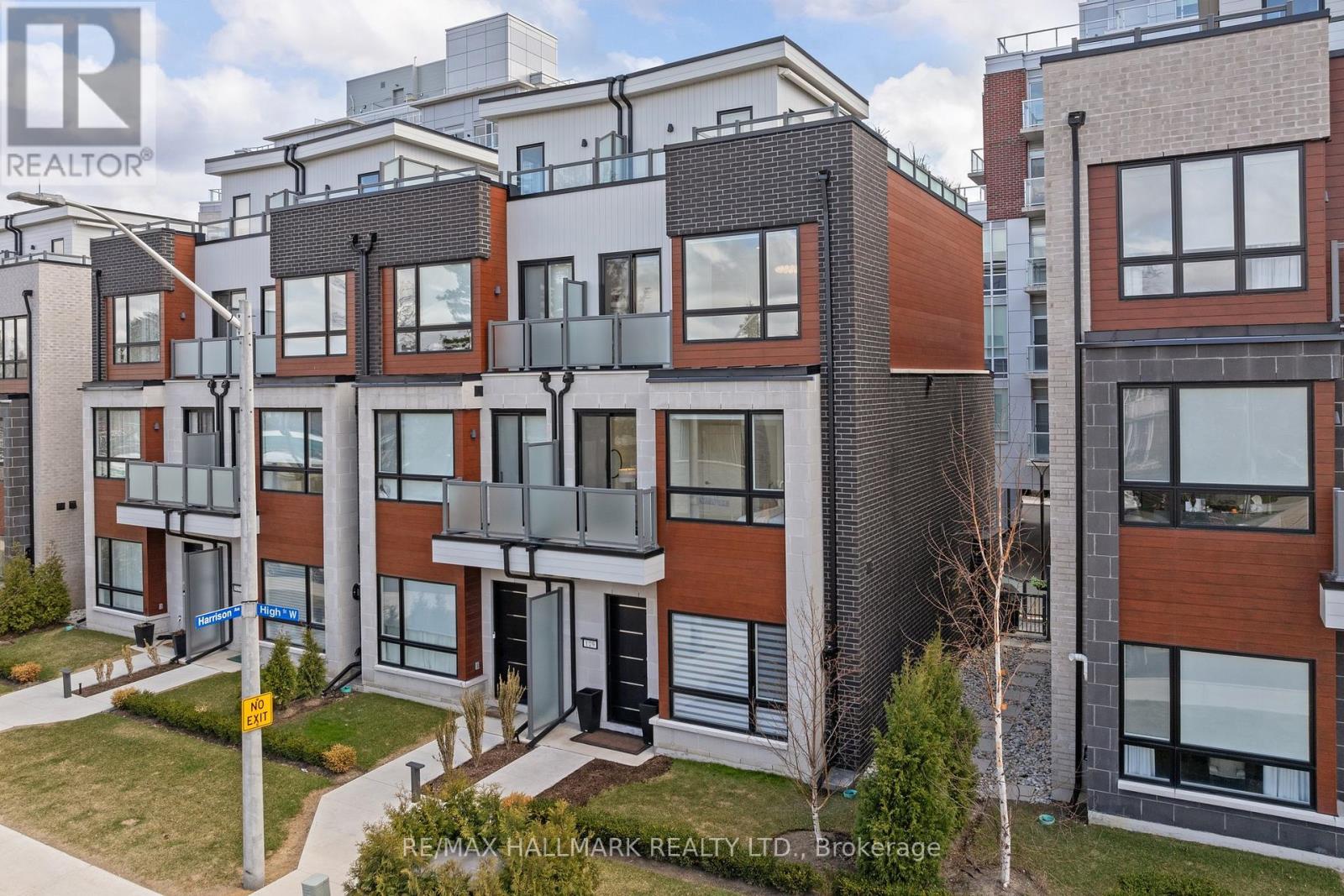 For Sale
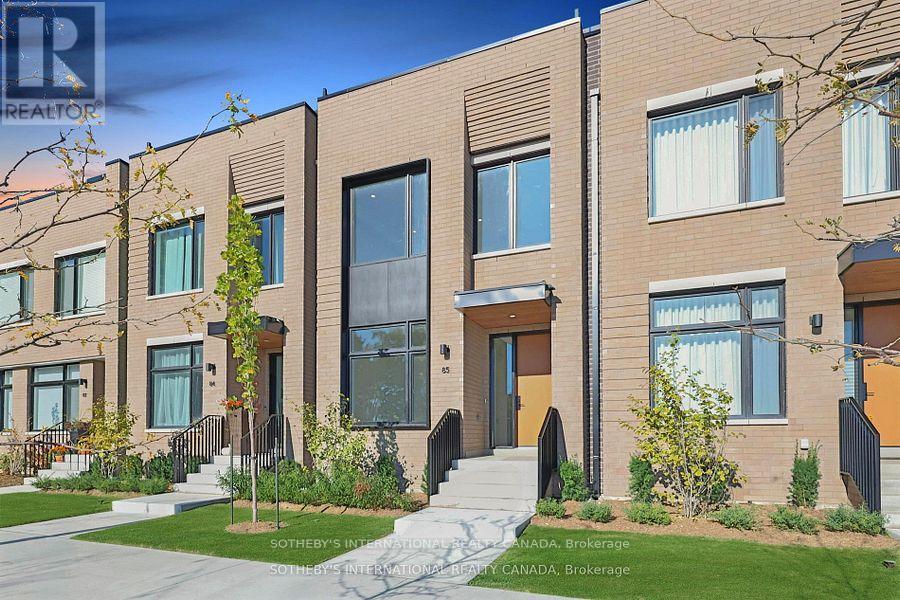 For Sale
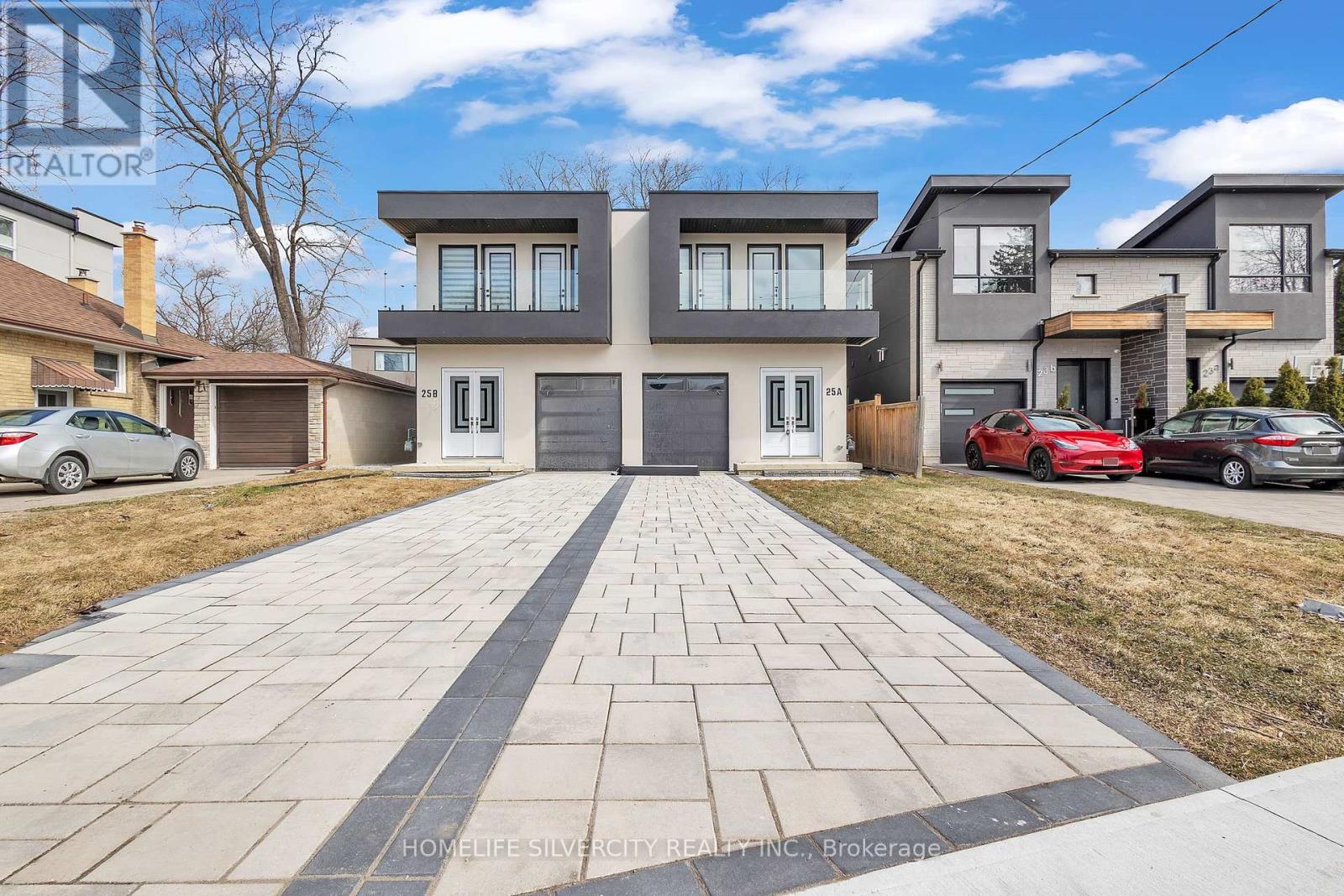 For Sale
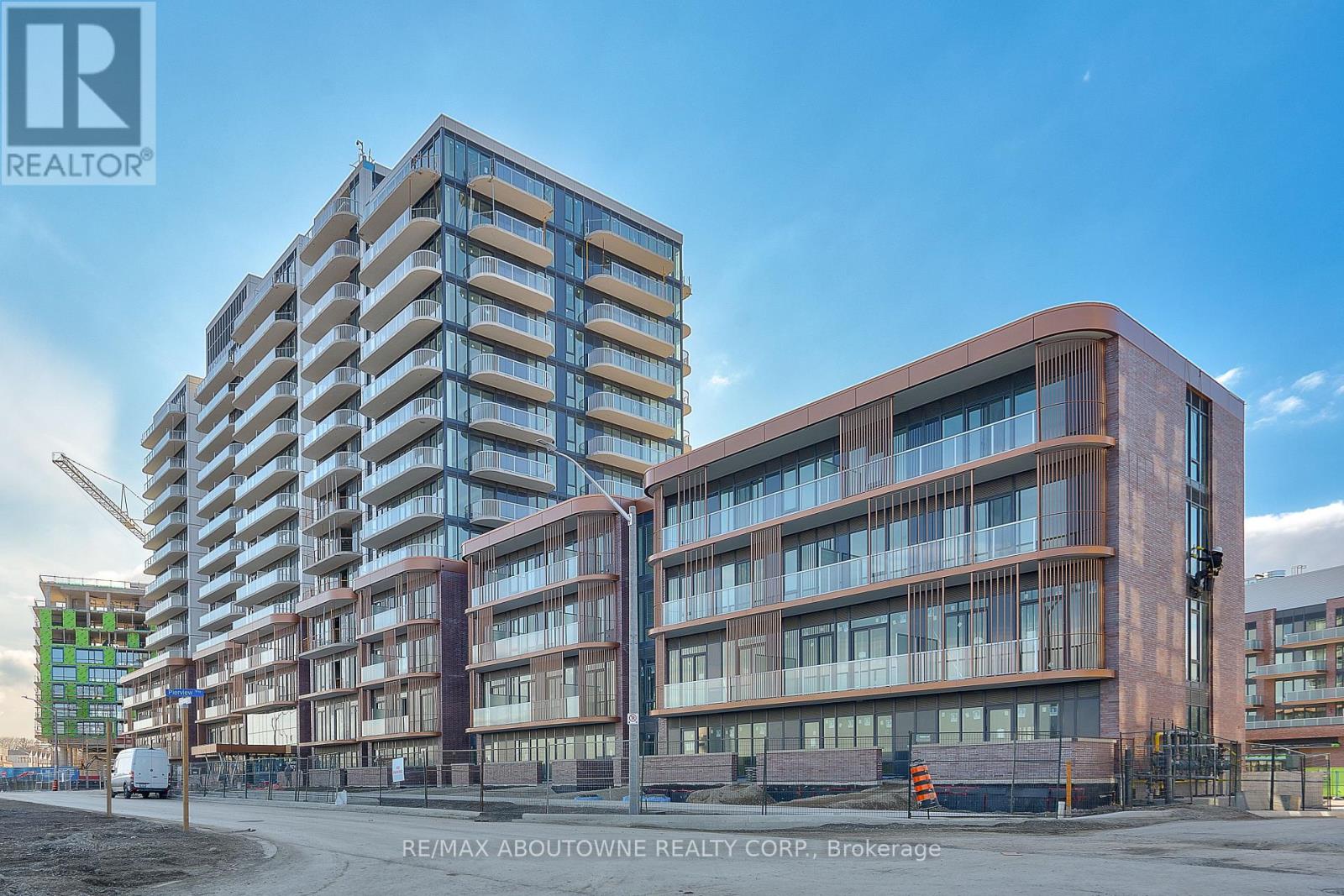 For Rent