
Port Perry is the main community in Scugog Township, Durham Region, on the western shore of Lake Scugog with a historic Queen Street main street, lakefront park, community hospital, and a genuine small-city character that draws remote workers, retirees, and lake-lifestyle buyers from across the GTA. A complete small-city lifestyle with lake access at prices well below the western GTA rural and lakeside markets.
Port Perry is the largest community in the Township of Scugog, Durham Region, sitting on the western shore of Lake Scugog approximately 70 kilometres northeast of downtown Toronto. It is the commercial, cultural, and service centre for the township and for the broader rural Durham Region north, with a historic downtown that has maintained the character and commercial activity that comparable Ontario lakeside towns have often lost. The combination of a functioning historic main street, genuine lakefront access, and the residential diversity of a small city that serves both its own population and the surrounding rural region gives Port Perry a quality-of-life character that distinguishes it from most comparable-sized Ontario communities.
The town grew from a mid-19th century agricultural service centre and lake port into a diversified small city that today serves as a destination for GTA day trippers and cottage weekenders alongside its function as the regional centre for Scugog Township’s population. The lakefront park, the heritage main street, and the concentration of independent restaurants, galleries, and specialty shops along Queen Street have made Port Perry one of the more frequently visited small towns within driving distance of Toronto, which has sustained the commercial health of the downtown in a way that has eluded many comparable communities whose commercial life migrated to the highway strip.
The residential areas of Port Perry range from older in-town housing adjacent to the historic downtown core, to suburban development from the 1990s and 2000s that has grown the town’s footprint substantially, to the lakefront estates on the shores of Lake Scugog that attract the upper end of the market. The price range across these tiers is wide, from entry-level townhouse and semi-detached product to the significant lakefront properties that command the highest prices in the Scugog Township market.
For GTA buyers, Port Perry represents an accessible small-city lifestyle within a sustainable commute distance from the eastern GTA — Oshawa, Whitby, and the 407 corridor — if not from downtown Toronto. The community is genuine, the lake is real, and the historic character of the downtown has been earned rather than manufactured. This is a community with the self-sufficiency and character of a real small city rather than a satellite suburb.
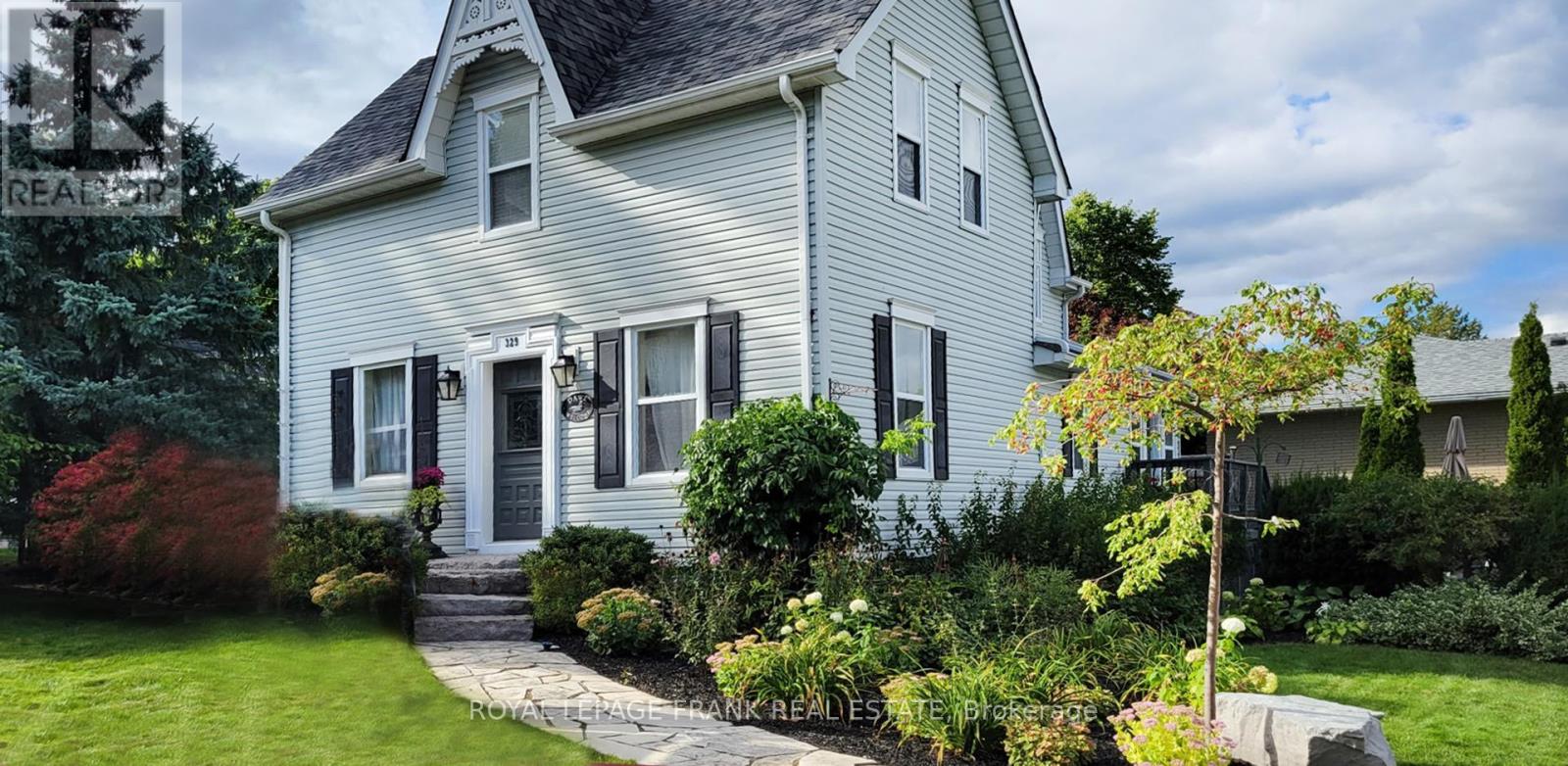
Port Perry’s housing stock is more varied than most comparable communities of its size because of the town’s historical development over 150 years and the recent suburban growth that has added contemporary residential product alongside the historic in-town housing. The oldest housing in the historic core dates to the Victorian era, with the two-storey brick homes and the village streetscape that characterise mid-19th-century Ontario small-city development. These homes are on the streets closest to the downtown and the lakefront, where the oldest settlement occurred.
The post-war bungalow and split-level inventory fills in the residential areas that developed through the 1950s and 1970s, providing the more affordable tier of Port Perry’s housing market. These homes are on standard suburban lots by the standards of their era, generally well maintained, and represent the accessible entry point into Port Perry ownership for first-time buyers and buyers downsizing from larger homes who don’t need extensive square footage.
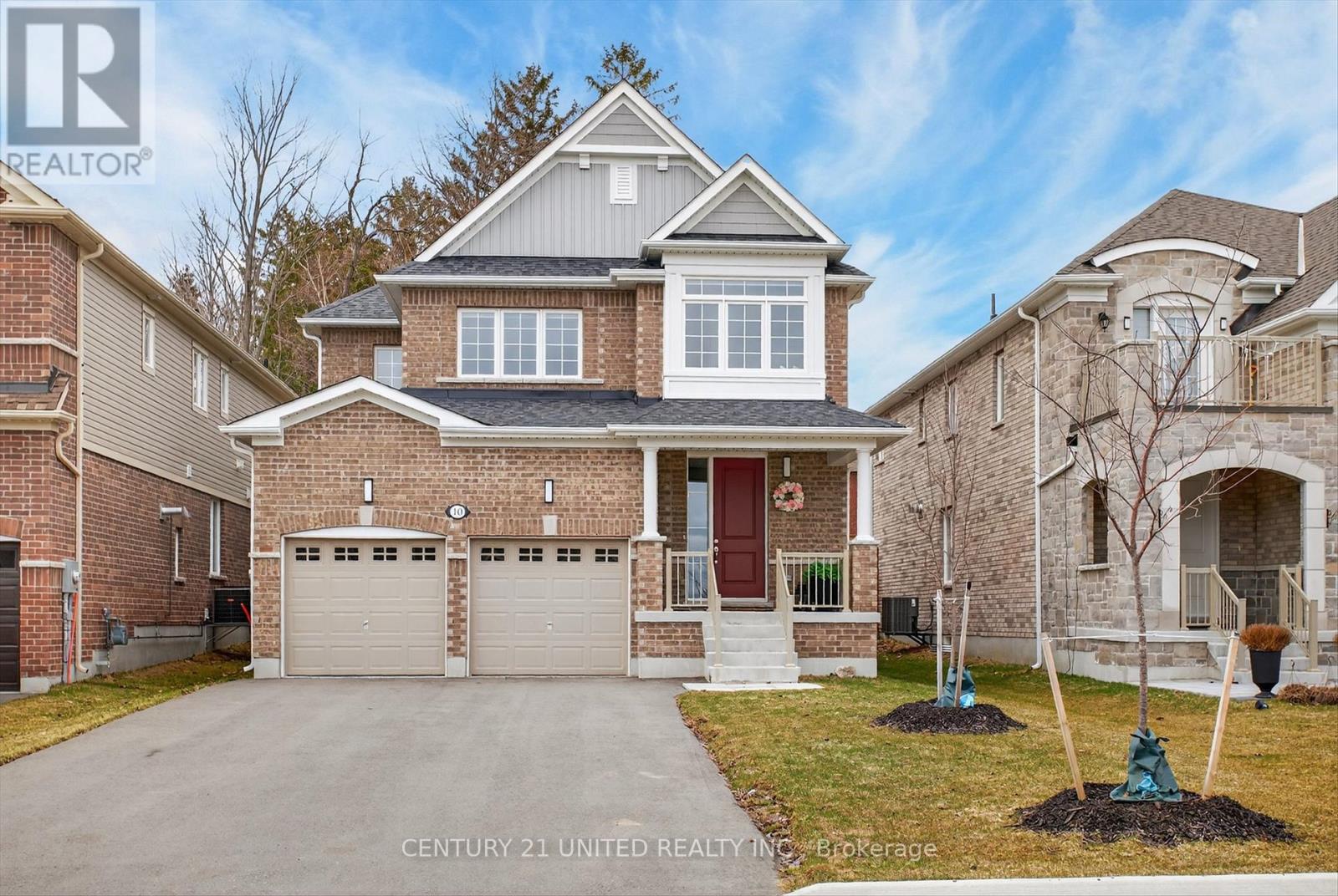
The 1990s and 2000s suburban development on the town’s northern and eastern edges produced the planned community detached and semi-detached housing that is the dominant form in Port Perry’s newer residential areas. These homes are consistent in quality with Durham Region suburban development of the era, and they provide the family-sized detached home inventory that the mid-market buyer segment in Port Perry requires.
The lakefront and lake-view residential properties along the Lake Scugog waterfront represent the premium tier of the Port Perry market, with prices that reflect the lake access, the view, and the limited supply of waterfront lots. Lakefront properties in Scugog Township are not at the premium of Muskoka or Lake Simcoe waterfront, but they are meaningfully above the non-waterfront Port Perry market and attract buyers who specifically seek lake access as a lifestyle priority.
Port Perry’s market spans the full range from entry-level townhouse and semi-detached to lakefront estate properties, with the median price sitting meaningfully below the Durham Region urban municipalities of Oshawa, Whitby, and Pickering. This relative affordability, combined with the town’s genuine character and lake access, has made Port Perry an increasingly frequent comparison in the GTA buyer’s consideration set as buyers pursue more space and more quality of life than the urban core municipalities deliver for comparable budgets.
The lakefront and lake-view tier operates on different dynamics from the town’s residential market. Waterfront properties in Port Perry and on the Lake Scugog shoreline sell infrequently, carry significant premiums, and attract a specific buyer who has prioritised lake access as a defining requirement. The comparable data for lakefront transactions in Scugog is thin, and appraisals in this segment require broader regional comparable support than the town’s non-waterfront transactions require.
The historic in-town housing market operates as its own tier, attracting buyers who specifically want the heritage character, the walkable proximity to the downtown, and the neighbourhood identity of the historic residential streets. These buyers are choosing character over convenience in the same way that central Newmarket or old Aurora buyers do, and they pay the premium that distinguishes the sought-after heritage streets from the more anonymous suburban product on the town’s edges.
Port Perry has seen increasing interest from remote worker buyers since 2020, as the combination of genuine community character, lake access, and prices well below the GTA urban markets has aligned with the geographic freedom that remote work enabled. This demand shift has supported prices in the upper-middle and premium tier of the Port Perry market, and the competitive landscape for desirable properties in the downtown-adjacent and lakefront segments has tightened compared to pre-pandemic norms.
Port Perry draws buyers from multiple distinct segments, reflecting the town’s varied housing inventory and the multiple appeal dimensions it offers. Remote workers who have decoupled from daily commuting have been the most active new buyer segment since 2020, drawn by the combination of community character, lake access, and prices that deliver more space and quality for the same budget than GTA alternatives. These buyers typically sold in the GTA urban or suburban market and are reinvesting the equity difference into both a higher-quality home and a lifestyle they couldn’t afford closer to the city.
Retirees converting GTA home equity into Port Perry property represent the other major active segment. The town’s full-service character — hospital, specialist medical services, grocery, retail, professional services — makes it genuinely viable as a retirement base rather than requiring the retirement compromise of a fully rural location with limited services. Couples who want the small-city retired lifestyle with lake access and a functioning main street find Port Perry delivers that combination more completely than most comparable Ontario communities accessible from the GTA.
Lakefront and lake-view buyers are a specific segment within the broader Port Perry market who are purchasing the combination of the town’s amenities and direct water access. These buyers have often looked at Muskoka and Lake Simcoe waterfront options and found the price differential between the more celebrated cottage country destinations and the Lake Scugog alternative compelling enough to redirect their search. Lake Scugog is not Muskoka, but it is a genuine lake with a usable recreational season and a town of substance on its shore.
Young families from Durham Region’s eastern municipalities — Oshawa workers who have found Port Perry’s family environment and school quality appealing relative to the more urban Oshawa residential market — are a consistent segment in the mid-market detached tier. These buyers are making an intra-regional move rather than a GTA-to-Port-Perry move, seeking the small-city community character and the lake proximity that their current urban municipality doesn’t offer at comparable price points.
Port Perry’s most distinctive geographic distinction is between the older historic in-town residential areas adjacent to the downtown and the lakefront, and the newer suburban development on the northern and eastern edges of the town. This distinction shapes buyer preference more clearly than in most comparable communities: buyers who choose Port Perry for its character tend to search the historic streets; buyers who want more space and newer construction search the suburban areas.
The streets between the downtown and the lakefront — the blocks on the western and southern sides of the historic commercial core — are the most sought-after addresses in town for buyers who weight walkability to the main street and proximity to the lake park. These streets have the Victorian and Edwardian housing stock, the mature trees, and the neighbourhood identity of a historic small-city residential area. They are the Port Perry equivalent of central Newmarket’s Main Street streets, and they command the same type of character premium over the suburban edges.
The Lake Scugog waterfront along the town’s western edge includes both the public park and boat launch area and the private lakefront residential properties. Properties with direct lake access — dock-capable lots with frontage on Lake Scugog — are the most expensive in the township. Properties with lake views but not direct waterfront access provide a secondary premium that is real but smaller than the direct frontage premium.
The suburban residential areas on the northern edge of Port Perry provide the newer construction, larger floor plans, and standard suburban amenities that families who are specifically not choosing Port Perry for its character prefer. These areas are more conventionally suburban but benefit from the town’s services, the school network, and the Lakeridge Health hospital within the community. They are the Port Perry equivalent of what the mid-century suburban neighbourhoods are in Newmarket — the functional family housing market — and they serve a different buyer than the historic in-town segment.
Port Perry has no GO Transit service and no rapid transit of any kind. The nearest GO stations are at Whitby and Oshawa on the Lakeshore East line, approximately 35 to 45 kilometres southwest, accessible in roughly 35 to 45 minutes by car. For buyers who commute to Toronto by GO occasionally, the drive-to-station option is the practical approach, but the total door-to-door commute time to downtown Toronto — 30 to 40 minutes to the station plus 50 to 70 minutes to Union Station — makes Port Perry a challenging location for daily Toronto commuters.
Highway access is via Highway 7A to Highway 35/115, connecting to Highway 407 and the highway network. The drive from Port Perry to Oshawa is approximately 35 to 45 minutes via this route, and to downtown Toronto approximately 80 to 100 minutes in normal conditions. Highway 407 access from the Scugog area reduces travel time to the 407 corridor and employment areas in Markham and east Toronto for buyers willing to pay the toll.
For residents who work in Oshawa, Whitby, or the broader Durham Region employment base — which includes significant industrial, healthcare, and commercial employment — Port Perry is within a reasonable daily commute. The Durham Region employer is the practical commute destination from Port Perry rather than the Toronto employer, and buyers who are working within Durham Region rather than commuting to the city proper will find the Port Perry location manageable in a way that daily Toronto commuters will not.
Within Port Perry itself, the downtown, the lake park, and the service areas are accessible by walking or cycling from the in-town residential areas. The small-city scale of the community makes daily non-car mobility practical within town boundaries in a way that is not possible in the rural hamlet areas of the township. This within-town walkability is one of Port Perry’s quality-of-life assets relative to the surrounding rural communities, providing meaningful non-car access to daily needs for household members who don’t drive.
Lake Scugog is Port Perry’s defining outdoor amenity, and it is a genuine recreational resource rather than a decorative feature. The lake supports powerboating, sailing, kayaking, canoeing, swimming, and year-round fishing for bass, walleye, northern pike, and perch. The public boat launch and beach in the town’s lakefront park provides free public access to the lake for residents who don’t have private dockage, and the marina facilities serve the boating community with storage, launch, and service.
The lakefront park along the western edge of downtown is one of the better public lake parks in the Durham Region area, with grass areas, picnic facilities, the beach, and the visual setting of Lake Scugog that draws both residents and day visitors throughout the summer season. The park functions as a genuine community gathering space and is a central element of Port Perry’s quality of life in a way that comparable parks in communities without lake access cannot replicate.
The Scugog Island Conservation Area and the protected shoreline areas around Lake Scugog provide natural landscape access alongside the recreational lake use. The marshes and wetlands at the lake’s southern end are an important waterfowl habitat and are used by birders and naturalists from across the region. The ecological character of the lake system adds a nature experience dimension to the outdoor offering that pure recreational lakes don’t provide.
The Ganaraska Forest, approximately 30 kilometres north of Port Perry, is the major natural recreation area in the region. The forest provides hiking, mountain biking, cross-country skiing, and horseback riding on an extensive trail network through over 11,000 acres of managed forest. For Port Perry residents who want extended trail recreation beyond what the town and lake offer, the Ganaraska is the regional resource that provides it.
Port Perry’s Queen Street downtown is one of the more commercially active historic main streets in the eastern GTA region, with a mix of independent specialty retailers, galleries, restaurants, cafes, antique dealers, and the boutique shopping that characterises destination small-town commercial areas. The commercial health of Queen Street is driven by both the local resident demand and the day-visitor and weekend traffic that Port Perry generates as a lake town with a functioning historic downtown. This dual demand base has kept the commercial occupancy and the independent character of Queen Street stronger than in comparable communities that rely on local demand alone.
The full range of routine commercial services — grocery anchors, pharmacy, Canadian Tire, medical and professional offices, and the banks and service businesses that a regional service centre requires — are available in Port Perry at the scale of a small city serving its own population and surrounding rural area. Residents are not required to drive to Oshawa for routine needs; Port Perry handles the everyday commercial requirements of most households. Oshawa provides the major mall retail, the specialist medical services at the Oshawa hospital, and the commercial variety that a small city cannot support independently.
Lakeridge Health’s Port Perry Hospital site provides emergency and inpatient services at a community hospital scale. The hospital has undergone renovations and upgrades over the years, and it provides a level of emergency care and basic inpatient service that gives Port Perry residents local hospital access that most comparable-sized Ontario communities now lack, as community hospital consolidation has closed or reduced many rural hospital sites. Specialist services and surgical procedures typically require travel to the larger Oshawa or Ajax-Pickering sites.
The restaurant scene on Queen Street is genuinely one of the better in a small Ontario community of this size, with independent dining options that go beyond the franchise and fast-food default of comparable rural service centres. This reflects both the resident demand from the professional and retiree demographic that has grown in Port Perry and the visitor-economy contribution of the day-trip and weekend traffic that the town generates.
Port Perry falls within the Durham District School Board for public schools and the Durham Catholic District School Board for Catholic families. Port Perry High School is the secondary school serving Scugog Township, providing the full Ontario secondary curriculum including university and college preparation streams alongside the general and applied programming. The high school serves the township’s entire secondary student population, with school bus service from the rural areas.
The elementary schools in Port Perry serve the town’s own residential population, and the rural township elementary schools serve the hamlets and concessions with consolidated catchments. School quality in Scugog Township reflects the Durham District School Board’s generally adequate program delivery, without the premium school identity that emerges in high-pressure GTA suburban school markets. The smaller school community size in a township context typically produces closer teacher-student relationships and more personalised education environments, which many families specifically prefer to the larger-scale suburban school experiences.
The Port Perry High School provides extracurricular, athletic, and arts programming at the level appropriate to a secondary school serving a township population of moderate size. The program range is narrower than at large urban high schools, which is a consideration for families whose secondary students have specific academic or extracurricular interests that a small-town secondary school program can’t fully accommodate. Students who need specialist programs — IB, advanced placement, performing arts — may find that Port Perry High School’s offerings don’t match their requirements.
Durham College in Oshawa is the most accessible post-secondary institution from Port Perry for students who are not relocating to a university city. The drive to Oshawa is 35 to 45 minutes, manageable for commuter students in programs that don’t require full-time campus presence. Ontario Tech University, also in Oshawa, is accessible on the same route. For students pursuing traditional residential university programs, the distance from Port Perry to any major university means that relocation is the practical reality.
Port Perry is experiencing genuine growth pressure from the remote work buyer demographic, and the town’s planning environment is managing this growth carefully. Scugog Township’s Official Plan designates Port Perry for controlled residential expansion, and new development approvals have brought planned residential communities to the northern and eastern edges of the town. This growth is real and will continue to add residential inventory, though at a pace that the township has managed without overwhelming the town’s character or services.
The Lake Scugog shoreline is subject to environmental protection policies through the Central Lake Ontario Conservation Authority and provincial shoreline regulations. Development along the lake is restricted in ways that protect the ecological and recreational character of the waterfront, which is positive for existing lakefront property owners and for the broader community that depends on the lake’s health for its recreational and aesthetic value. Buyers of lakefront properties should confirm the specific CLOCA regulated area extent on any property of interest.
The broader Durham Region growth dynamic is raising the profile of Port Perry within the GTA buyer market. As Whitby, Pickering, and Ajax have urbanised and priced, buyers who looked to those communities a decade ago are looking further east, and Port Perry’s combination of community character, lake access, and relative affordability is capturing more of that demand than it historically attracted. This shift has had a meaningful impact on Port Perry prices and market activity since the mid-2010s, and the trend has accelerated with the post-2020 remote work shift.
High-speed internet connectivity in Port Perry proper is urban-standard, with Bell and Rogers service available throughout the town’s residential areas. The municipal service character of the town distinguishes it from the surrounding rural areas where connectivity is variable. Remote workers choosing Port Perry rather than the rural concessions get the community’s full-service infrastructure including reliable internet access as part of their address, which is a practical advantage over the rural alternatives in the same market area.
Is Port Perry a practical commute from Toronto?
Not for daily commuting to downtown Toronto. The drive to Toronto is approximately 80 to 100 minutes in normal conditions, and the nearest GO Transit station is 35 to 45 minutes away, making a GO commute to Union Station a 90 to 120 minute journey in each direction. Port Perry is appropriate for buyers who work remotely, commute occasionally rather than daily, work in the Durham Region employment base (Oshawa is 35 to 45 minutes), or are retired. Buyers who need to commute daily to downtown Toronto should be very honest about whether a 3 to 4 hour daily commute round trip is sustainable before purchasing in Port Perry.
Is Lake Scugog swimmable and boatable?
Lake Scugog supports swimming at the public beach in Port Perry’s lakefront park, though water quality can be affected by algae conditions in late summer, which is common in shallow eutrophic lake systems. The lake is fully boatable and is used actively for powerboating, sailing, fishing, and paddle sports throughout the recreational season. Fishing is productive for bass, walleye, pike, and perch, and the lake draws anglers from across the region. The lake’s shallow, warm character makes it different from the deeper, colder lakes of cottage country, but it functions as a genuine recreational resource for swimming, boating, and fishing for most of the summer season.
What is the hospital situation in Port Perry?
Lakeridge Health operates a community hospital site in Port Perry providing emergency and basic inpatient services. This is a meaningful local healthcare asset that many comparable-sized Ontario communities no longer have, and it provides initial emergency stabilisation and basic care without the 40-minute drive to Oshawa that the absence of a local hospital would require. Specialist services, complex surgery, and the full range of tertiary care require travel to the Lakeridge Health Oshawa site or the Ajax-Pickering hospital. Residents with regular specialist medical needs should factor the Oshawa travel requirement into their healthcare planning.
How does the Queen Street commercial district compare to other Ontario small-town main streets?
Queen Street Port Perry is one of the more commercially active and independently characterised small-town main streets in the eastern GTA region. The combination of local resident demand, day-visitor and weekend tourist traffic from the GTA, and the lake destination character that brings visitors to the waterfront park has sustained commercial occupancy and independent business health on Queen Street at a level that comparable communities without the lake destination have not maintained. The street is genuine rather than performed: the independent shops and restaurants are businesses that serve both residents and visitors, not a manufactured tourism district that has lost its local character.
Port Perry transactions span a wide range of property types and price points, and the agent who works this market well understands the specific dynamics of each tier: the heritage in-town market, the lakefront and lake-view market, the mid-market detached suburban segment, and the rural properties on the township’s edge that blend the town’s service infrastructure with a semi-rural setting. An agent who covers Port Perry specifically, rather than a broader Durham Region agent for whom Port Perry is one of many communities, will have better knowledge of the comparable data, the planning environment, and the buyer dynamics specific to the Scugog Township market.
Lakefront and lake-view properties require specific handling in the CLOCA regulated area review and the appraisal process. Conservation authority regulated areas on lakefront properties affect what can be built or altered, and the CLOCA’s shoreline policies should be confirmed before any offer on a property with lake frontage or within proximity to the shoreline. Shoreline protection requirements, dock permitting, and the environmental management framework for the Lake Scugog system are all relevant considerations that a buyer of a lakefront or near-shore property needs to understand before purchasing.
The heritage in-town housing requires the same older home inspection attention as comparable heritage housing in central Newmarket or Schomberg. Victorian and Edwardian construction, older mechanical systems, potential heritage designation considerations, and the maintenance requirements of 100-year-old homes are all conditions that buyers should understand before purchasing. The character premium that in-town Port Perry housing commands is real, but it comes with the responsibilities of older home ownership that suburban buyers encountering older construction for the first time may not have anticipated.
Buyers who come to Port Perry after genuine consideration of what small-city lake town life involves — the commute realities, the services available locally versus the Oshawa drive, the lake recreational culture, the community character of a town that is a destination for others as well as a home for its residents — consistently report high satisfaction with the lifestyle the town delivers. Port Perry is one of those places that rewards buyers who chose it deliberately more than it rewards buyers who arrived without knowing what they were choosing.
Street-level knowledge is hard to find online. Our team works in Port Perry every day. They know which pockets hold value, where the school catchment lines actually fall, and what the market is doing right now. Talk to us before you make a decision about Port Perry.
Talk to a local agent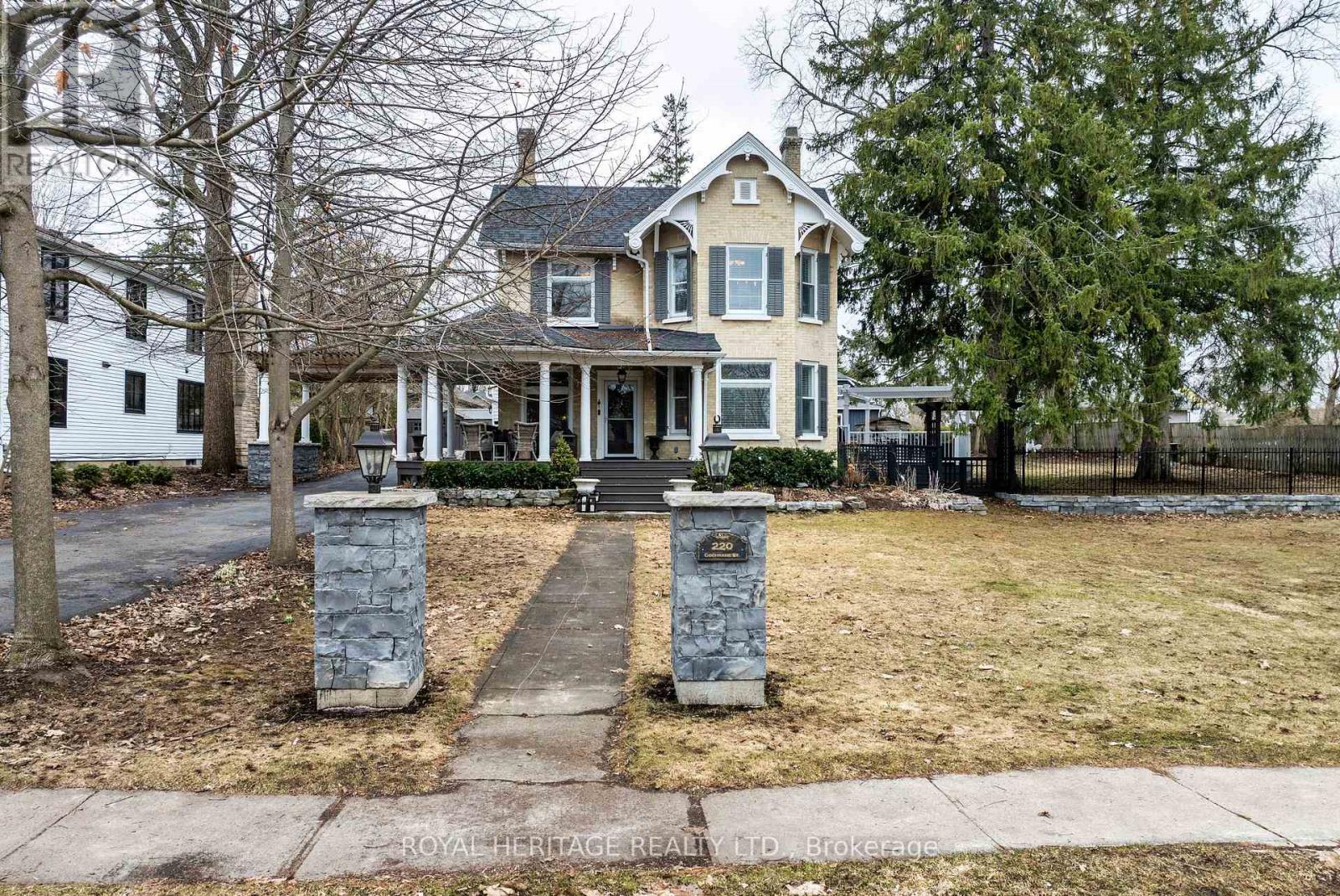 For Sale
 For Sale
 For Sale
 For Sale