
Pringle Creek is a central-east Whitby neighbourhood with creek corridor trail access and established homes from the 1980s through 2000s, positioned near Thickson Road and Dundas Street.
Pringle Creek is a central-east Whitby neighbourhood named for the creek that runs through it and defines its most recognisable natural feature. Like Lynde Creek to the west, the creek corridor is the neighbourhood’s distinguishing asset, providing trail access and natural space within a suburban residential setting. The housing stock is somewhat newer than in Lynde Creek, with most homes built from the 1980s through the early 2000s, and the neighbourhood sits in a well-connected position relative to Whitby’s commercial areas and the GO station.
The creek corridor is managed in part by CLOCA and provides a natural trail through the neighbourhood with connections to conservation lands to the north. The trail is accessible from multiple streets within the neighbourhood and is used regularly by residents for walking, cycling, and dog walking. Properties that back onto the creek carry a premium that reflects the trail access and the natural buffer behind the home.
The neighbourhood is bounded roughly by Thickson Road East to the west, Dundas Street to the north, Garden Street to the east, and Rossland Road to the south. Its central position in Whitby gives residents reasonable access to services along Dundas Street and Thickson Road while maintaining a quiet residential character within the neighbourhood streets.
Pringle Creek competes in the Whitby market with Lynde Creek and Blue Grass Meadows for buyers looking for established central neighbourhoods with natural amenity. The creek corridor differentiates it from Blue Grass Meadows. The slightly newer housing stock and its position on the east side of central Whitby differentiate it from Lynde Creek. Buyers who are comparing these communities are usually doing so at a detailed level after having determined that the central Whitby established neighbourhood category is what they want.
The neighbourhood is practical and well-positioned without being exceptional. It delivers consistently for families who want established character, creek access, and central Whitby location at a mid-range price.
Pringle Creek sits in the mid-to-upper range of Whitby’s established neighbourhood market. Detached homes were trading between $875,000 and $1.1 million in early 2025, with creek-backing properties at the upper end and interior street properties in standard condition toward the lower end. The range is somewhat higher than Blue Grass Meadows and comparable to Lynde Creek, reflecting the similar positioning of these communities in the market.
The creek-backing premium in Pringle Creek is consistent with what applies in Lynde Creek: a meaningful but not enormous premium of roughly $50,000 to $100,000 over interior comparables of equivalent size and condition. The creek here provides the same type of natural amenity value as in Lynde Creek and is priced similarly.
Semi-detached and townhouse options provide lower entry points, typically in the $720,000 to $875,000 range. These are appropriate for buyers who want the neighbourhood at a price below the full detached market and are willing to accept a semi-detached format or a townhouse configuration.
The newer housing stock in Pringle Creek relative to some other established Whitby communities means that some of the renovation-cycle dynamics are slightly different. Homes from the 1980s and 1990s are at the early to middle stage of their renovation cycle rather than at the full end as some of the 1970s housing in other areas has reached. This creates a different profile of renovation opportunity: partial updates are more common than full gut renovations.
The per-square-foot pricing in Pringle Creek is competitive within Whitby’s established neighbourhood market. Buyers comparing Pringle Creek to Lynde Creek on a price-per-square-foot basis will find the two markets are close, with individual property characteristics doing more to determine value than neighbourhood-level differences.
Pringle Creek has a stable, consistent market with the characteristics of an established family neighbourhood. Demand is primarily from owner-occupiers, the spring market is the most active period, and prices track the broader Whitby and Durham Region market without significant deviation. This is the standard pattern for well-positioned established suburbs and is a positive indicator of underlying market health.
The creek-backing properties generate the most competitive market conditions when they come to market. Buyers who have specifically prioritised creek access are motivated and prepared, and competition on the best creek-adjacent listings can be meaningful. Interior street properties sell in a more standard competitive environment that is consistent with the broader central Whitby market.
Turnover is moderate. Families who chose the neighbourhood for the creek access and the school catchment tend to stay longer than in communities where the draw is primarily price. The resulting lower inventory creates some scarcity pressure that supports prices, particularly for creek-adjacent properties where the available alternatives are limited.
Renovation buyers are a consistent but not dominant segment. The 1980s and 1990s housing stock has renovation potential that attracts buyers who want to improve a property in a good location. The neighbourhood’s price level justifies renovation investment in a way that more peripheral communities sometimes do not.
The investor market in Pringle Creek is minimal. The price range is above what rental investors target for yield in Durham Region. Owner-occupiers dominate the market and provide the stability that characterises established family suburbs throughout Durham.
Families who have specifically evaluated the creek access and found it important to their household are the most characteristic Pringle Creek buyer. They have compared central Whitby options and determined that the creek corridor provides something they want to incorporate into their daily life. These buyers are not interchangeable with buyers who would accept any central Whitby neighbourhood; they have a specific preference for the natural access the creek provides.
First-time buyers accessing the Whitby detached market at the lower end of the Pringle Creek range form a consistent segment. The neighbourhood’s price positioning, while not the cheapest in Whitby, is accessible enough for dual-income households who want a detached home in an established community. The creek bonus is a quality they get at a price that does not carry the full premium of the waterfront or heritage areas.
Move-up buyers from other parts of Durham or from smaller homes in Whitby are a regular segment. They have established their roots in Durham and are making a deliberate upgrade to a community that has a specific natural amenity combined with the established character and practical services of a central Whitby location.
Buyers from Toronto who are relocating to Durham and have narrowed their search to central Whitby as a target area often end up comparing Pringle Creek to Lynde Creek and making a decision based on specific available properties rather than strong neighbourhood preference. For these buyers, the two communities are functionally comparable and the purchase decision comes down to the specific property rather than the neighbourhood brand.
Renovation buyers targeting the neighbourhood’s older sections are a smaller but consistent segment. The combination of a well-located established neighbourhood and housing stock that has renovation potential attracts buyers who want to create value through investment in a market where that investment is justified by the surrounding comparable sales.
The creek corridor is the central lifestyle feature for residents who use it regularly. The trail through Pringle Creek connects to a broader network and provides a natural walking environment that is different from the sidewalk-along-arterial experience of most suburban Durham neighbourhoods. Residents with dogs and families with children use the trail as a daily or near-daily part of their outdoor routine. The creek gives the neighbourhood a character that persists across seasons.
The community has the settled character of an established suburban neighbourhood. Schools have active parent communities. Parks are used by families. Long-term residents know each other from the proximity of years. It is a place where people live quietly and well without dramatic social events or destination amenities. The stability is a feature rather than a limitation for buyers who want predictability and quiet over novelty.
Commercial services along Dundas Street and Thickson Road East are accessible by car within 5 to 10 minutes. The range of services in central and eastern Whitby is comprehensive for daily needs. Whitby GO Station is 10 to 15 minutes by car, making the Toronto commute practical for regular GO users. The neighbourhood is well-positioned for the routine of a working family’s week.
The Thickson Road area to the west of the neighbourhood has seen commercial development over the years, providing additional service options near the neighbourhood. Grocery stores, pharmacies, and professional services on this corridor supplement the Dundas Street commercial strip and reduce the driving required for daily errands.
The neighbourhood does not have the destination character of Port Whitby or the small-town charm of Brooklin. Its lifestyle offer is solid, practical, and consistent. For buyers who find that sufficient and who value the creek access above other distinguishing features, Pringle Creek delivers reliably on the things that matter most to them.
Whitby GO Station is approximately 10 to 15 minutes by car from Pringle Creek via Thickson Road heading south to the station. Durham Region Transit provides bus connections along Thickson Road and Dundas Street that connect to the station for residents who prefer transit for the local leg of their commute. The GO journey from Whitby to Union Station is 46 to 59 minutes, giving Pringle Creek residents a total commute time of approximately 60 to 75 minutes door to door.
Highway 401 is accessible via Thickson Road heading south. The drive from Pringle Creek to the highway takes approximately 10 minutes. This access supports car commuting to employment along the 401 corridor and provides flexibility for residents whose employment is not well-served by GO.
Highway 412 westbound connects from the Thickson Road area to Highway 407 east, which serves the Markham and York Region employment corridor. Residents with employment along the 407 can access it within 10 to 15 minutes from Pringle Creek. This makes the neighbourhood practical for buyers whose employment is in the Markham technology corridor rather than downtown Toronto.
Cycling along the Pringle Creek trail and connecting neighbourhood streets is practical for recreational use and for access to nearby parks and services. Cycling to the GO station involves using Thickson Road and takes approximately 20 to 30 minutes in suitable conditions. The cycling infrastructure in this part of Whitby is adequate for recreational use but does not support the kind of daily car replacement that walkable urban neighbourhoods can offer.
A car is the practical assumption for daily life in Pringle Creek. The transit connections support the GO commute but do not substitute for car access in general. This is consistent with the standard Durham Region suburban residential experience and is not a specific limitation of the neighbourhood.
The Pringle Creek trail corridor is the neighbourhood’s primary natural amenity. The creek runs through the neighbourhood with CLOCA-managed trail access providing a natural linear park that connects to conservation lands to the north. The trail is accessible from multiple entry points within the neighbourhood and extends beyond the neighbourhood boundary for longer walks. Properties backing onto the corridor have the most direct access, but the trail is walkable from most streets within the neighbourhood in under 10 minutes.
Neighbourhood parks within Pringle Creek provide standard recreational amenities including playgrounds, open space, and passive recreation areas. These serve the immediate daily use of families with children and supplement the creek corridor as the primary outdoor resource. The parks are appropriately scaled for the neighbourhood and well-maintained.
The Pringle Creek conservation area to the north of the neighbourhood provides additional natural trail access at a larger scale than the neighbourhood trail alone. The conservation area is accessible within a short drive and provides a more immersive natural experience for residents who want longer hikes or more varied terrain.
Whitby’s waterfront parks and the Lake Ontario shoreline are accessible by car within 10 to 15 minutes. The combination of creek corridor access within the neighbourhood and waterfront access nearby gives Pringle Creek residents a range of natural outdoor options without needing to travel far. This variety of accessible natural space is one of the advantages of central Whitby’s residential communities over more northern locations where the waterfront is a longer drive.
The Iroquois Park Sports Centre provides programmed recreation facilities within 10 minutes of the neighbourhood. Arenas, fitness facilities, and sports fields serve active residents and organised sports participants from Pringle Creek and the broader Whitby area. These facilities are shared community resources rather than neighbourhood-specific amenities.
Pringle Creek is served by DDSB schools in central-east Whitby. The specific elementary school catchment depends on the address within the neighbourhood. Parents should confirm current catchment assignments with DDSB before purchasing, as the central-east Whitby area has multiple elementary schools and boundaries have been adjusted over time. Anderson Collegiate and Vocational Institute and Henry Street High School are the DDSB secondary schools serving this part of Whitby.
Henry Street High School, located in central Whitby, serves students from the east side of the city including portions of Pringle Creek. Henry Street has a well-established program with a range of academic and extracurricular offerings. The school has served central Whitby for decades and has a consistent reputation within the community.
DCDSB Catholic school options serve the central-east Whitby area. Parents committed to the Catholic system should confirm catchment assignments and transportation arrangements with the board. The specific Catholic elementary schools and their catchment assignments in this area require direct confirmation with DCDSB.
French immersion is available within the DDSB system in Whitby. Program availability and the designated school for Pringle Creek catchment students should be confirmed with DDSB before purchasing if French immersion is a family priority.
The school community character in Pringle Creek is consistent with an established family neighbourhood. Active parent communities, consistent enrollment, and stable staff complement are the standard indicators of a healthy school community. These conditions generally persist in established neighbourhoods without the disruption that can affect rapidly growing areas where school capacity management creates instability.
Pringle Creek is a mature neighbourhood where significant new development within the residential area is not anticipated. The established lot fabric, the creek corridor protection, and existing official plan designations limit development opportunities. Gradual change through renovation and replacement of aging housing stock is the primary form of evolution.
The Dundas Street and Thickson Road corridors adjacent to the neighbourhood are subject to commercial development and some intensification. New commercial buildings and mixed-use projects along these arterials have added density and services near the neighbourhood without affecting its residential character. This commercial evolution is generally positive for residents through improved nearby services.
The creek corridor is protected from development by CLOCA’s conservation authority designation. This protection means that the natural buffer behind creek-adjacent properties is permanent. No development can occur in the creek’s floodplain and riparian zone that would change the natural character of the corridor. This is a durable form of protection for the neighbourhood’s distinguishing feature.
Infrastructure maintenance is an ongoing consideration. Roads, water mains, and storm sewer infrastructure serving Pringle Creek are aging and will require investment as they reach the end of their useful life. Municipal capital plans include this work, and Whitby’s financial capacity to address aging infrastructure is supported by the tax base generated by the city’s ongoing growth.
The long-term trajectory for Pringle Creek is steady improvement as older housing stock is updated, the creek corridor is maintained, and Whitby’s overall growth supports continued investment in the city’s established communities. The neighbourhood is not likely to experience dramatic change, but it will continue to improve gradually through the natural cycle of reinvestment in housing and public infrastructure.
Pringle Creek is named for an early settler family in Whitby Township. The Pringle family was among the early European settlers in the area in the late eighteenth and early nineteenth centuries, and the creek that bears their name ran through land they owned or occupied in the period of initial settlement. The naming practice of using settler family names for local geographic features was standard in Upper Canada and has preserved the connection to early settlement history in the modern neighbourhood name.
The watershed area drained by Pringle Creek was agricultural land through the nineteenth and most of the twentieth century. The creek was a resource for the farms that used it for water and in some cases for small mill operations on its tributaries. The conservation of the creek corridor, which has allowed it to persist as a natural feature through the suburban development that surrounded it, began with the establishment of CLOCA and the post-war conservation authority framework in Ontario.
The residential development of Pringle Creek as a neighbourhood occurred from the 1980s onward, as Whitby’s suburban growth extended eastward from the central core. The neighbourhood was planned with the creek corridor as an open space feature, reflecting the planning conventions of the period that recognised the value of natural linear green space in suburban development. The result is a neighbourhood where the creek is an integrated feature rather than a remnant that survived development despite planning rather than because of it.
The community that formed in Pringle Creek in the 1980s and 1990s has cycled through multiple generations of residents. The original buyers who moved in during the development period have largely moved on or aged in the neighbourhood. Current residents represent a mix of long-term and more recent arrivals. The neighbourhood’s character today reflects this accumulated community history rather than a single founding cohort.
The creek trail, which is now a central feature of neighbourhood life, was developed over time as CLOCA and the municipality invested in the conservation area and in public trail infrastructure. The trail access that current residents enjoy is the result of decades of investment and planning that was not fully realised at the time the neighbourhood was built. This gradual development of the trail as a neighbourhood amenity is part of how Pringle Creek has evolved from a standard suburban development into a community with a specific and valued natural character.
Q: What is the difference between Pringle Creek and Lynde Creek for buyers choosing between them?
A: The two communities are functionally similar: both are established central Whitby neighbourhoods with creek corridor access at comparable price ranges. Lynde Creek is positioned further west and slightly closer to Whitby GO Station. Pringle Creek is on the east side of central Whitby and is closer to Thickson Road and the eastern commercial corridor. The housing in Pringle Creek is generally from the 1980s and 1990s, slightly newer than the 1970s and 1980s stock that predominates in Lynde Creek. School catchments differ and should be confirmed for any specific address. In practice, buyers comparing the two often make their final decision based on specific available properties rather than strong neighbourhood preference, since the communities are closely matched at the neighbourhood level.
Q: Are creek-backing properties worth the premium in Pringle Creek?
A: For buyers who will use the creek trail regularly and value the natural buffer at the rear of the property, the premium is justified. The creek-backing lots offer trail access from the yard, natural views instead of neighbouring structures, and the ecological character of the creek corridor. For buyers who will primarily view the creek from a window rather than using the trail, the premium may not be worth the additional cost relative to an interior street property that is also close to the trail access points. An honest self-assessment of how much the direct trail access will affect daily life is the most useful way to evaluate whether the creek-backing premium makes sense for a specific buyer.
Q: What are the CLOCA restrictions on creek-backing properties?
A: Properties adjacent to the Pringle Creek corridor may fall within CLOCA’s regulated area, which affects permitted work near the watercourse. CLOCA permits are required for structures, grading, and vegetation removal within the regulated area. The specific regulated boundary varies by property and should be confirmed for any target address before making an offer. The restrictions are not typically a problem for standard use and maintenance of the property, but they do affect what can be built in the rear yard and may affect landscaping plans for buyers who want significant structural features near the creek bank. Confirming CLOCA status early in the purchase process avoids discovering a restriction after a purchase decision has been made.
Q: How good is the school catchment in Pringle Creek?
A: The schools serving Pringle Creek, including the DDSB elementary schools in central-east Whitby and Henry Street High School at the secondary level, are established and well-regarded within the Whitby community. They have consistent programming and active parent communities. They are not schools with exceptional performance metrics that would make Pringle Creek a destination specifically for school catchment in the way some GTA communities are chosen primarily for their school. They are solid, functional community schools with the stable character that reflects an established neighbourhood. Parents with specific program requirements such as specialty arts, technology, or advanced academic streams should verify program availability at the specific schools before purchasing.
Pringle Creek is a neighbourhood where knowledge of the creek corridor geography and the CLOCA regulatory context is the most important form of local expertise. An agent who has worked specifically in this neighbourhood understands which properties have direct trail access, which fall within the regulated area, and what the implications are for renovation and development plans. This knowledge is more specific than general central Whitby familiarity and makes a practical difference in the purchase process.
For creek-backing properties, CLOCA regulatory mapping should be obtained before writing an offer. The regulated boundary varies by property. Some creek-backing lots have significant portions of the rear yard within the regulated area, which affects what can be built, planted, or altered there. This is not necessarily a problem but it needs to be understood before purchase. An agent who routinely includes this step in creek-adjacent due diligence is protecting the buyer from post-closing surprises.
Pricing analysis for Pringle Creek requires distinguishing between creek-backing and interior street comparables. Mixing the two in a comparable analysis produces an average that accurately describes neither category. Buyers should ask for the creek-backing comparables separately from interior comparables and understand the premium for creek access specifically before deciding how much to offer for a creek-adjacent property.
The comparison between Pringle Creek and Lynde Creek is worth making explicitly with buyers who are evaluating both. An agent who has worked in both neighbourhoods can provide concrete comparisons on school catchment, trail access quality, pricing trends, and specific street character. Buyers making this comparison based on impressions rather than data are making a less-informed decision than one supported by a specific comparative analysis.
For buyers who are renovating in Pringle Creek, the CLOCA regulatory context affects what the renovation can include. Buyers who plan additions, secondary suites, or significant landscaping work should understand the regulatory constraints before purchasing, not after. An agent who facilitates this understanding by prompting the right questions before offer acceptance is providing due diligence support that has real financial implications.
Street-level knowledge is hard to find online. Our team works in Pringle Creek every day. They know which pockets hold value, where the school catchment lines actually fall, and what the market is doing right now. Talk to us before you make a decision about Pringle Creek.
Talk to a local agent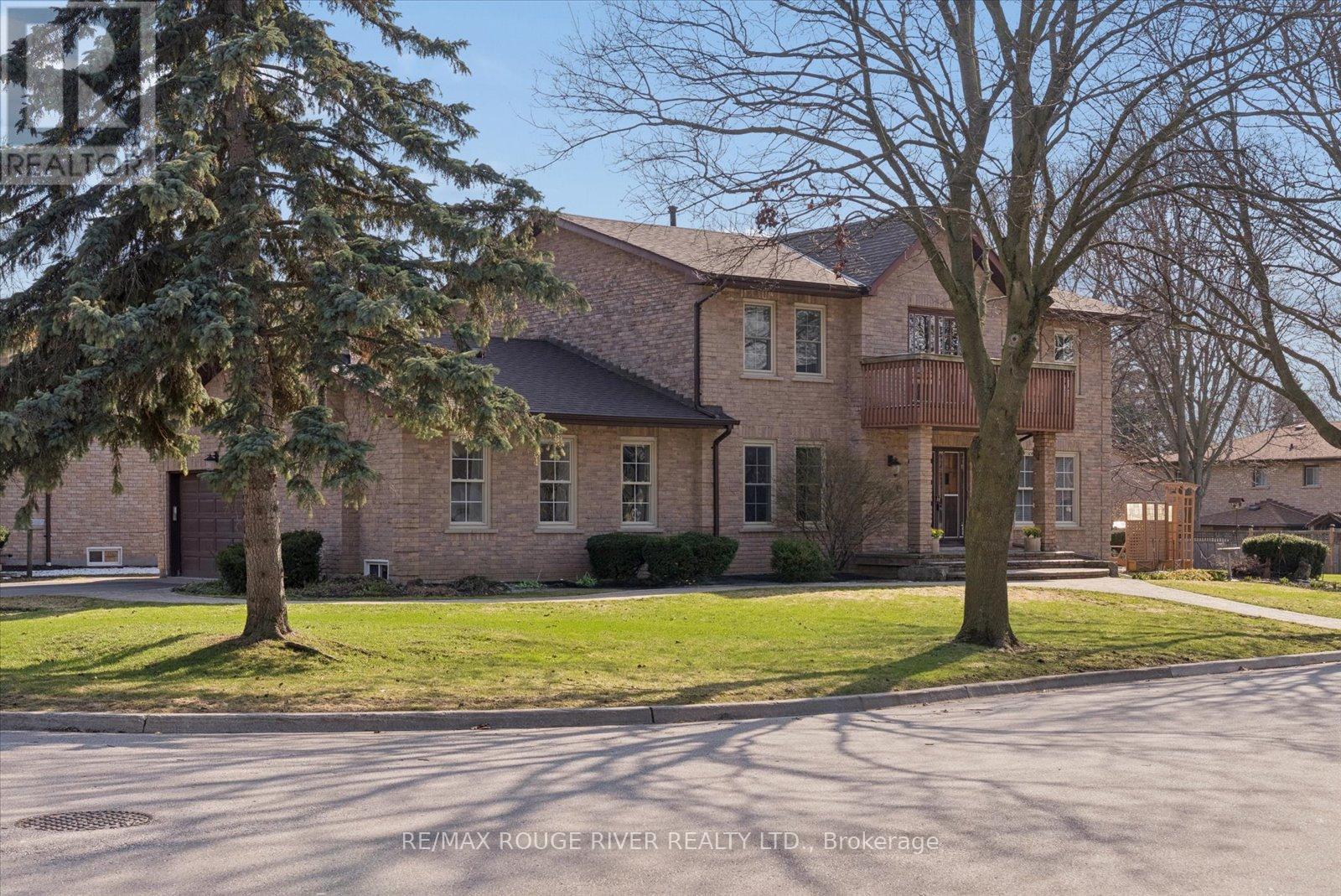 For Sale
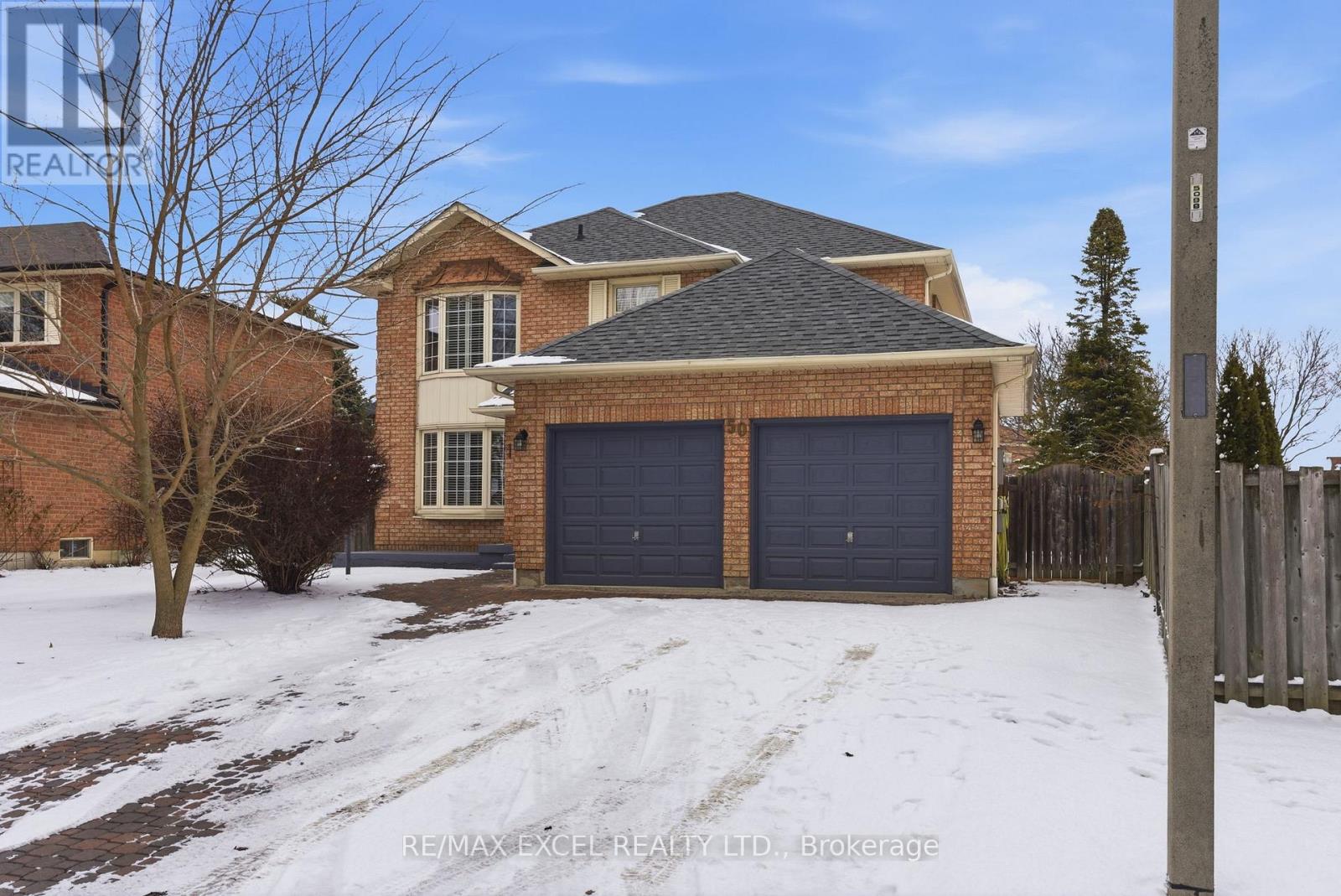 For Sale
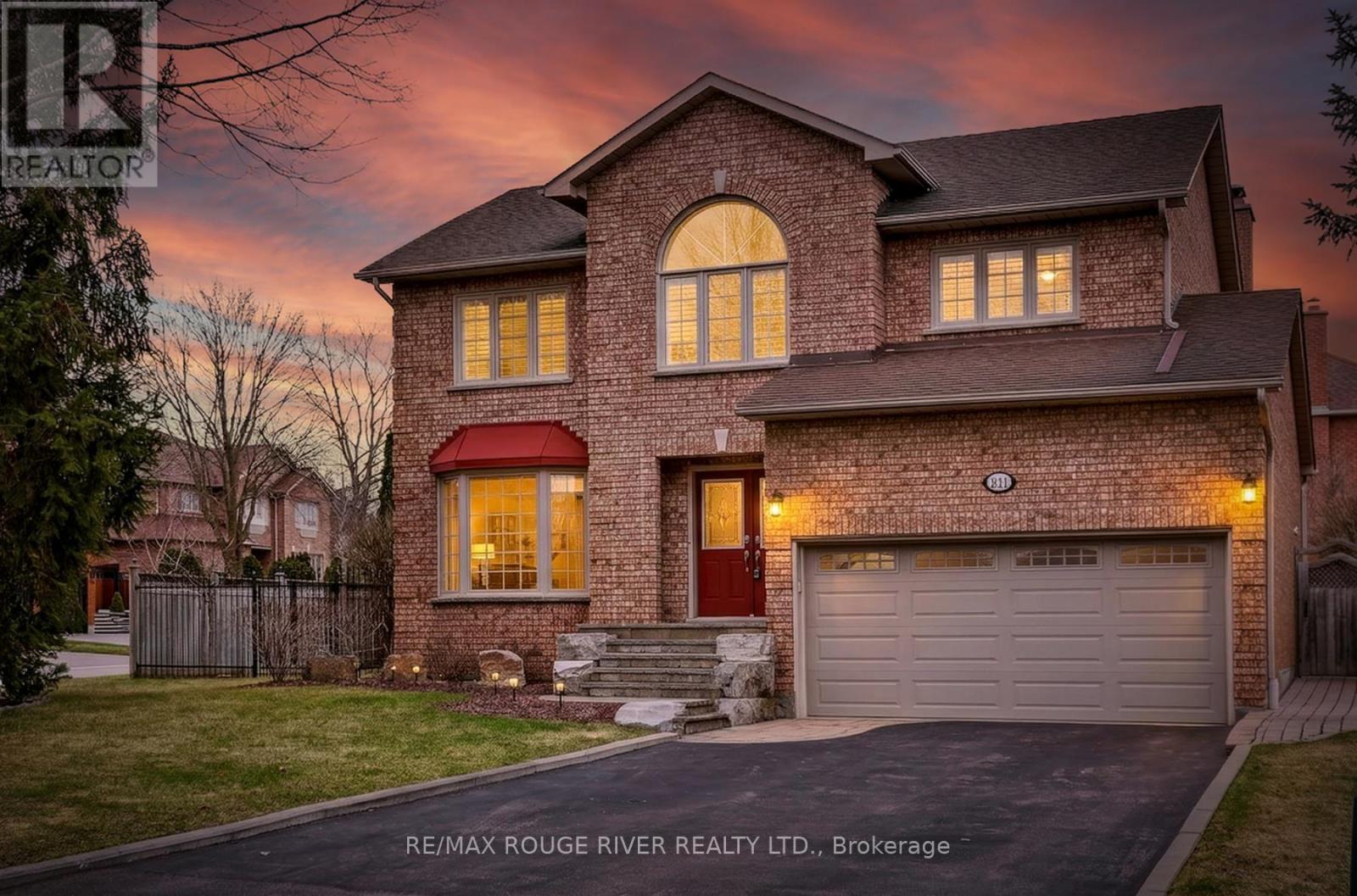 For Sale
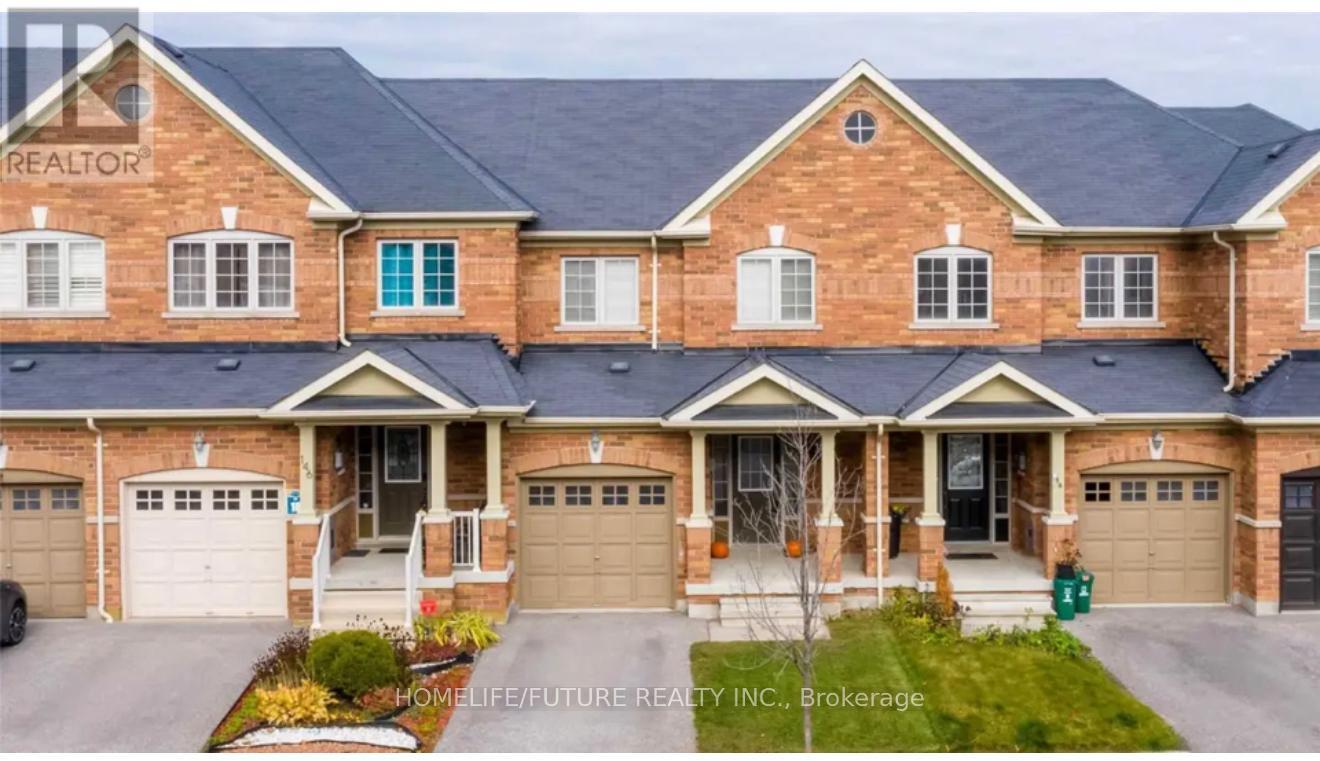 For Rent