
Rathwood is a mid-south Mississauga neighbourhood developed in the late 1970s and 1980s, bounded by Dixie Road, Cawthra Road, the QEW, and Burnhamthorpe Road. It is home to Cawthra Park Secondary School with its Regional Arts program, and offers detached housing at roughly 15 percent below the Mississauga citywide average of around $1,033,000. Port Credit GO and Clarkson GO are both accessible by car in 10 to 15 minutes.
Rathwood occupies a mid-south position in Mississauga, bounded roughly by Dixie Road to the east, Cawthra Road to the west, the QEW corridor to the south, and Burnhamthorpe Road to the north. The neighbourhood is primarily a residential community that developed through the late 1970s and 1980s, and its street layout reflects the suburban planning conventions of that era: curving crescents, cul-de-sacs, and collector roads feeding larger arterials, with parks and school sites distributed throughout. The name comes from the combination of Rathburn Road, one of the neighbourhood’s main north-south arterials, and the suffix “wood” common to Mississauga neighbourhood names of that period.
Rathwood sits in a part of Mississauga that is sometimes described as old Mississauga, meaning the communities that were built out before the city centre shifted west and south along Hurontario. The neighbourhood is east of Highway 403 and Erin Mills, closer in physical and historical terms to the city’s older eastern sections near the border with Etobicoke. That positioning gives Rathwood a different relationship to Toronto than many Mississauga communities further west: it is genuinely close to the Etobicoke border, and many Rathwood residents who work in Toronto treat it as an affordable alternative to comparable neighbourhoods across the city line.
The population is approximately 20,000, with a demographic profile that skews toward established families and older residents who bought in the neighbourhood during its original development and have remained. The ownership rate is high at roughly 75 percent, which contributes to the neighbourhood’s physical stability. Streets are generally well-maintained, trees are mature, and the housing stock has been continuously maintained and upgraded over four decades. The neighbourhood does not have a strong external identity in the way that Port Credit or Streetsville do, but residents who know it describe it consistently as quiet, convenient, and underappreciated relative to comparable communities east of Cawthra.
Rathwood’s central location within Mississauga gives it access to employment areas in multiple directions. The Dixie employment corridor is accessible to the east. Mississauga City Centre and Square One are roughly 10 minutes west by car or MiWay bus. The QEW and Highway 427 provide road access into Toronto and west toward Hamilton. For a neighbourhood with mid-range pricing, Rathwood’s access to jobs and transit is above average, which is part of why it holds its value consistently even when higher-profile Mississauga neighbourhoods experience more volatility.
Rathwood’s average listing price is approximately $1,033,000 as of early 2026, which sits roughly 15 percent below the Mississauga citywide average. That discount makes Rathwood one of the more accessible mid-city Mississauga communities for buyers who want an established neighbourhood with a full housing stock but cannot absorb the premiums of Port Credit, Mineola, or Lorne Park. Listings range broadly: from condominiums in the $440,000 range to larger detached homes on premium lots that can push past $2 million, though the typical detached bungalow or two-storey runs between $900,000 and $1.3 million depending on renovation level and street location.
Townhomes in Rathwood average around $890,000 across the various townhome complexes scattered through the neighbourhood. These are typically two and three-storey stacked or freehold townhomes built during the 1980s and 1990s, with layouts that suit smaller households or buyers who want the lower entry price without moving to a condo. Condominiums, concentrated near Dixie Road and the southern portions of the neighbourhood, average around $549,000 and provide the most affordable entry points in the area.
The market dynamics in Rathwood tend toward stable rather than volatile. Because the neighbourhood is not a prestige address and does not have a single catalytic amenity driving competitive bidding, pricing moves in a range that tracks the broader Mississauga market closely. During the peak market of 2021 and 2022, Rathwood detached homes regularly sold above asking with multiple offers. The correction period from 2023 onward brought prices back to levels that are more reflective of the neighbourhood’s fundamental utility. Buyers who purchase Rathwood detached homes and hold for five to ten years have historically captured solid appreciation without the volatility of condo or investment-driven neighbourhoods.
For buyers comparing Rathwood to neighbourhoods across the QEW in Etobicoke, the price comparison is typically favourable to Rathwood. Equivalent detached homes in south Etobicoke communities like Alderwood run higher per square foot, and the neighbourhood comparison in terms of schools, parks, and transit is competitive. Buyers who have ruled in Mississauga as a location for employment or preference, and who want a mature residential neighbourhood with mid-range pricing, find Rathwood consistently at the top of the shortlist once they have seen it rather than simply looked at its map position.
Rathwood’s transit options are solid for a mid-suburban Mississauga neighbourhood. MiWay provides bus service along Dixie Road (Route 7) and Cawthra Road (Route 17), the neighbourhood’s main boundary roads, with connections to Clarkson GO Station to the southwest and Port Credit GO to the south. The 103 and 104 express routes serve the Dixie Road corridor and connect to Mississauga City Centre and Square One transit terminal, from which connections to Brampton Transit and the Mississauga BRT network are available. Most transit trips out of Rathwood involve at least one transfer, which means driving is the practical choice for many residents for most trips.
Port Credit GO Station on the Lakeshore West line is approximately 10 to 15 minutes by car from most of Rathwood. Residents who commute to downtown Toronto typically drive to Port Credit or Clarkson GO rather than using the bus connection, because the door-to-door time by bus-plus-rail is longer than driving to the station and taking the express. Clarkson GO is accessible to the southwest via the QEW and provides the same Lakeshore West service with express trains reaching Union Station in approximately 30 to 35 minutes. Neither station is walkable from Rathwood’s residential core, which is a genuine limitation for car-free commuting.
Road access is one of Rathwood’s stronger transit attributes. The QEW is accessible at Cawthra Road within minutes from the neighbourhood’s western edge. Highway 427 interchange is accessible north via Dixie Road and the 401 connector. Burnhamthorpe Road provides an east-west arterial route with good MiWay coverage. For drivers, Rathwood’s position gives it reasonable access to multiple employment centres without requiring a highway trip for every errand. The Dixie employment corridor along the QEW to the northeast is accessible in under 10 minutes. Mississauga City Centre is roughly 15 to 20 minutes west by car.
The Hurontario LRT corridor runs along Hurontario Street to the west of Rathwood, and while no LRT station is within the neighbourhood boundaries, the closest stop will be at Hurontario and Burnhamthorpe, approximately 10 to 15 minutes by bus or car. Residents who want to use the LRT for City Centre trips will be able to bus to a Hurontario stop once the line opens around 2027. The practical impact for Rathwood will be modest compared to neighbourhoods directly on the LRT corridor, but it represents an incremental improvement to transit access without requiring a car for every trip north along Hurontario.
Secondary school students in Rathwood are served by Cawthra Park Secondary School, a Peel District School Board school on Cawthra Road South known for two distinctive programs. The first is Cawthra Park’s Regional Arts program, one of Ontario’s longest-running school-based performing and visual arts programs, which draws students from across the Peel Region through a competitive audition process. The second is the school’s standard academic program, which has a solid track record for university placement. For families with students who have serious interests in music, visual art, dance, or drama, Cawthra Park is a meaningful factor in the neighbourhood decision. Students who qualify for the arts program can attend regardless of where in the Region they live.
Elementary public schools serving Rathwood include Floradale Public School and Fairwind Senior Public School, both operated by the Peel District School Board. Floradale serves junior kindergarten through grade 6 and is located within the neighbourhood’s residential streets. Fairwind serves grades 7 and 8 and functions as a feeder into Cawthra Park and other area high schools. Catholic elementary families are served by St. Pio of Pietrelcina Catholic Elementary School, operated by the Dufferin-Peel Catholic District School Board. Secondary Catholic education is available at Father Michael Goetz Secondary School in Mississauga, which draws from this area of the city.
The school quality question in Rathwood is tied partly to the Cawthra Park arts draw. Families whose children are arts-focused find the neighbourhood uniquely positioned because the catchment school is also the destination school for one of the region’s most respected arts programs. Families whose children are following a standard academic track have solid options in the public system and access to Catholic alternatives. Private school options are not directly within the neighbourhood but are accessible at Mentor College in Port Credit and at several other independent schools in south Mississauga within a reasonable drive.
The proximity to Sheridan College is relevant for families with older children. Sheridan’s Hazel McCallion Campus in Mississauga City Centre offers programs in animation, business, culinary arts, and design, among others, and is accessible from Rathwood by MiWay bus in roughly 30 to 40 minutes or 15 minutes by car. Rathwood’s location within Mississauga also gives students access to the University of Toronto Mississauga campus, approximately 25 minutes northwest by car, and to York University in Toronto via the QEW and 427 connection.
Rathwood has a park system typical of Mississauga’s planned suburban development: neighbourhood parks distributed throughout the residential grid, with larger community facilities nearby. Rathwood Park on Rathburn Road East is the neighbourhood’s central green space, with sports fields, a children’s playground, and a wading pool that operates in summer. The park is used regularly by families from the surrounding streets and provides an informal community gathering point that is not replicated by the commercial strips in the area. Margate Park and Cawthra Creek Park are additional green spaces within or adjacent to the neighbourhood boundaries.
The Cooksville Creek corridor runs along the western edge of Rathwood and provides a linear green strip with walking and cycling paths connecting south toward Port Credit and the Waterfront Trail and north through several Mississauga neighbourhoods. The trail system is not as developed as the Credit River Corridor further west, but it provides a genuine off-road active transportation route that supplements the neighbourhood’s sidewalk and road network. For families with children, the creek trail offers a recreational option that does not require driving to a separate destination.
Shopping access for Rathwood residents is well-developed. The Dixie Power Centre along Dixie Road to the east provides big-box retail including Walmart and Home Depot. The Sherway Gardens mall is accessible via the QEW in roughly 10 minutes and provides a full range of department stores and specialty retail. For everyday grocery and convenience shopping, there are supermarkets along Burnhamthorpe Road and Cawthra Road within the neighbourhood’s catchment. The proximity to the Dixie employment corridor means that warehouse and discount grocery stores are also accessible for cost-conscious shoppers who are willing to make a short drive.
Rathwood does not have a traditional village commercial strip of the kind found in Port Credit or Streetsville. The retail is largely arterial-facing, distributed along Burnhamthorpe, Cawthra, and Dixie rather than concentrated in a walkable main street format. This is a genuine limitation for residents who value walkable retail, but it is consistent with most of Mississauga’s mid-city neighbourhoods developed in the same era. The trade-off is excellent car-based access to a large range of retail and service options within a short drive, and commercial developments at Burnhamthorpe and Cawthra serve daily needs adequately without requiring a highway trip.
Rathwood’s housing stock is predominantly detached single-family homes built between the mid-1970s and late 1980s. The typical home is a two-storey or split-level on a lot of roughly 35 to 50 feet wide and 100 to 120 feet deep, with brick exterior, attached garage, and a layout designed for families. Bungalows exist in the neighbourhood but are less common than in older Mississauga communities. The original construction quality was solid for its era, and most homes have been maintained or upgraded over four decades, though buyers should expect to encounter outdated kitchens, bathrooms, and mechanical systems in homes that have not been recently renovated.
The neighbourhood also contains townhome complexes built during the same period and into the 1990s, typically in cluster configurations set back from the main roads. These range from freehold to condominium tenure, and the variation in ownership structure affects monthly carrying costs significantly. Buyers interested in townhomes should confirm whether the property is freehold or condo-corporate before making comparisons, as the condo fee can add $400 to $700 per month to carrying costs depending on the complex and its reserve fund status. Some of the older townhome complexes in Rathwood have faced deferred maintenance issues and special assessment risk, which warrants a status certificate review before any purchase.
Condominium towers are concentrated near Dixie Road and the QEW corridor at the southern and eastern edges of the neighbourhood. These are largely 1980s and 1990s-era buildings that have seen varying levels of upkeep. Buyers purchasing in older condo buildings in this area should pay close attention to the reserve fund study, the status certificate for outstanding litigation or special assessments, and the maintenance fee relative to what the building includes. Well-managed older buildings in this neighbourhood can represent good value per square foot, but poorly-managed ones carry risks that are not always visible in a quick showing.
New construction is minimal in Rathwood because the neighbourhood is fully built out on its original lots. The primary path to new or extensively renovated product is through knockdown-rebuilds on existing detached lots, which does occur occasionally but has not transformed the streetscapes in the way that has happened in some Etobicoke and North York neighbourhoods. The neighbourhood’s built form is stable and unlikely to change dramatically in the short term, which is a feature for buyers who value the character of an established community over the newness of recent construction.
Rathwood has a population of approximately 20,000 residents with a demographic profile that reflects both its original development era and several decades of subsequent change. The original purchasers who bought homes in the 1970s and 1980s have aged in place, and a significant portion of the neighbourhood’s owner population is now in the 55-and-older cohort. This creates a particular pattern of turnover: properties tend to come to market when original owners downsize or pass away rather than because the neighbourhood is in transition, and the buyer who replaces them is often a younger family looking for a first or move-up home in a stable community.
The neighbourhood has a high proportion of residents of South Asian, East Asian, and Middle Eastern background, reflecting Mississauga’s broader demographic evolution over the past three decades. Rathwood is not culturally distinct in the way that some adjacent communities are, but it shares the general character of the Mississauga midtown belt as a diverse, family-oriented neighbourhood with a strong homeownership culture. Community organisations are active through the local school councils and parks programming, though the neighbourhood lacks the BIA infrastructure or festival culture of more commercially active communities.
Crime rates in Rathwood are low relative to comparable mid-city suburban neighbourhoods. The high homeownership rate, the neighbourhood design with limited through traffic on residential streets, and the demographic stability all contribute to a safe environment that families with children find reassuring. The neighbourhood’s cul-de-sac and crescent street pattern, common to Mississauga developments of this era, limits non-resident traffic on residential streets, which is experienced positively by most families and negatively by the small number of residents who find the design disorienting when navigating from outside.
The community character in Rathwood is described by long-term residents as quietly functional: not exciting in the way of Port Credit or Streetsville, but consistently delivering on the basics of suburban family life. Good schools, safe streets, accessible parks, reasonable commute options, and mid-range pricing that does not require two incomes to sustain. For buyers who have done their research across south and mid-Mississauga and are looking for value against lifestyle, Rathwood tends to rank higher on the list once they have driven through it than it does on initial paper comparisons.
Rathwood’s investment case is grounded in its position as a stable, mid-range neighbourhood with a price floor supported by genuine utility. The neighbourhood does not have the single catalytic factor, such as waterfront access or a prestigious school ranking, that drives premium pricing in top-tier Mississauga communities. What it has is a combination of adequate transit access, solid schools, a mid-city location, and mature built form at a price approximately 15 percent below the Mississauga citywide average. That discount, sustained over multiple market cycles, reflects the neighbourhood’s lack of prestige rather than any functional deficiency, and it creates a consistent value proposition for buyers who prioritise utility over address.
The Cawthra Park Regional Arts program is an underappreciated factor in Rathwood’s investment case. The program draws families from across the Peel Region who want arts-focused secondary education, and some of those families purchase or rent in Rathwood specifically for proximity to the school. This creates a niche demand driver that is not available in most other Mississauga communities. While the effect on prices is not large, it contributes to demand resilience during periods when overall Mississauga market activity slows, because arts program families tend to have firm location preferences tied to the school’s Cawthra Road address.
The QEW access and proximity to the Dixie employment corridor make Rathwood attractive for buyers who work in the light industrial and logistics sector concentrated in the QEW belt between Mississauga and Toronto. That sector has grown over the past decade, and workers in distribution, manufacturing, and trade logistics often prefer south Mississauga over downtown-adjacent neighbourhoods because the commute works better for shift-based employment. Rathwood’s price and housing stock align well with this buyer profile, providing a stable source of demand that is distinct from the white-collar commuter market that dominates most Mississauga real estate analysis.
For investors, Rathwood’s rental demand is supported by its proximity to Dixie employment, Sherway Gardens, and the QEW, and by general demand from households who want Mississauga addresses but cannot afford ownership. Rental yields in Rathwood for detached and townhome properties are modest, reflecting that prices have risen faster than rents in most of the GTA. Condo units in the older buildings can deliver better gross yields, though the management complexity and older building risks noted in the housing section apply. The neighbourhood is a better long-term ownership play than an income property investment, and buyers who approach it that way are more likely to be satisfied with the outcome.
Rathwood is not a walkable neighbourhood in the sense that Port Credit or Streetsville are. Day-to-day errands typically require a car or a bus ride, and the neighbourhood’s design around cul-de-sacs and crescents is not optimised for pedestrian movement to arterial retail. The walk score for most Rathwood addresses is moderate rather than high, reflecting the arterial retail pattern common to Mississauga communities built in this era. Residents who live near Burnhamthorpe Road or Cawthra Road have reasonable walking access to basic services, but most of the neighbourhood’s interior streets are car-dependent for anything beyond park access and neighbourhood walking.
The Cooksville Creek trail system provides a meaningful active transportation option within the neighbourhood, particularly for recreational walking and cycling. The trail connects south toward Port Credit and the waterfront and north through several Mississauga communities, offering off-road routes that do not require navigating arterial roads. Families with children use the trail regularly for exercise and recreation, and it provides a quality-of-life asset that is not obvious from a neighbourhood map. Cyclists who want to commute to downtown Toronto or City Centre will find the combination of the creek trail and MiWay bike lanes along Hurontario Street more practical than a purely road-based route.
The lifestyle in Rathwood is suburban in the traditional sense: quiet residential streets, parks within walking distance, retail by car, and community life organised around schools, sports leagues, and neighbourhood parks rather than a walkable commercial district. For households with children, this is a feature rather than a limitation. The school proximity is good, the parks are accessible, and the streets are safe and quiet. For households without children who value walkable lifestyle, Rathwood is a compromise, and buyers in that category who are considering Rathwood should weigh it against Port Credit or Clarkson, where walkability and transit access are substantially better.
Rathwood’s proximity to Sherway Gardens, one of the GTA’s major regional malls, is an asset that residents value for both shopping and the broader amenity of employment and services near the centre. The mall is about 10 minutes east by the QEW and accessible by MiWay on Route 7 along Dixie Road. While a mall is not a substitute for a walkable village commercial district, Sherway’s scale means that most major shopping needs, medical services, and dining options are concentrated in one accessible destination. This is a different model than Port Credit’s distributed street retail, but it is functional and is used heavily by Rathwood households.
Rathwood’s nearest neighbours are Cooksville to the north and west, Dixie to the east, and the southern Mississauga communities of Port Credit and Mineola to the south. Cooksville shares a similar built era and price range, with somewhat higher density along the Hurontario corridor and the added benefit of proximity to the Hurontario LRT, which will have stations at Cooksville GO and along the Hurontario strip. Buyers who are weighing Rathwood against Cooksville are effectively choosing between slightly lower density and proximity to the Cawthra Park arts program versus slightly better LRT access and proximity to Cooksville GO station.
Dixie, to the northeast, is a more mixed neighbourhood with a combination of residential, industrial, and retail land use. It is generally priced below Rathwood and is a reasonable alternative for buyers with tighter budgets who accept a more varied street-level environment. Dixie’s proximity to Pearson Airport creates some aircraft noise considerations for homes under the flight paths, which affects some streets more than others. Buyers evaluating Dixie compared to Rathwood should assess the noise impact during a visit rather than assuming it applies uniformly.
Port Credit to the south is the premium alternative for buyers who can stretch their budget. The waterfront access, the GO train frequency, and the commercial strip that Port Credit offers come at a significant price premium over Rathwood. Buyers who are deciding between the two are typically trading price against lifestyle, and the gap is large enough that the decision usually comes down to whether the buyer genuinely values walkable waterfront access or is willing to trade it for a larger home and more outdoor space at a lower price point.
The Etobicoke communities across the QEW and 427, particularly Alderwood and Long Branch, are worth including in the comparison for buyers who work in Toronto or south Etobicoke. These communities offer comparable built form and vintage to Rathwood but with higher prices reflecting the Toronto address and somewhat better transit access via the Lakeshore West GO line. For buyers whose employment is in Mississauga or who are indifferent to the Mississauga versus Toronto distinction, Rathwood often provides better value per square foot. For buyers who want a Toronto address and the associated resale perception, the Etobicoke communities win on address even if Rathwood wins on price.
Q: What types of homes are available in Rathwood and what are the typical prices?
A: Rathwood offers a mix of detached single-family homes, townhomes, and condominiums. As of early 2026, the average listing price across all property types is approximately $1,033,000. Detached two-storey and split-level homes on standard lots typically list in the $900,000 to $1.3 million range depending on lot size, renovation level, and street location. Townhomes average around $890,000. Condominiums in the neighbourhood average around $549,000, with individual units ranging from $440,000 in older buildings to above $700,000 in more recently updated suites. The neighbourhood’s pricing sits roughly 15 percent below the Mississauga citywide average, which makes it one of the more accessible established communities in mid-south Mississauga for buyers who want a detached home without moving to the outer suburbs.
Q: What is Cawthra Park Secondary School and why does it matter for Rathwood buyers?
A: Cawthra Park Secondary School is a Peel District School Board secondary school on Cawthra Road South that operates one of Ontario’s most established Regional Arts programs alongside its standard academic curriculum. The Regional Arts program accepts students from across the Peel Region through an audition process and offers specialisations in music, dance, drama, and visual art. Students do not need to live in the Cawthra Park catchment to attend the arts program. For families with children who have serious interests in performing or visual arts, this makes Rathwood’s proximity to the school a genuine differentiating factor in the neighbourhood selection. The standard academic program is solid and consistently feeds students into Ontario university programs. Catholic secondary students in the area typically attend Father Michael Goetz Secondary School.
Q: How do Rathwood residents typically commute to downtown Toronto?
A: Most Rathwood residents who commute to downtown Toronto drive to either Port Credit GO or Clarkson GO station and take the Lakeshore West express. Both stations are 10 to 15 minutes away by car. The express train from Port Credit reaches Union Station in approximately 25 minutes; from Clarkson the trip is roughly 30 to 35 minutes. Neither station is walkable from Rathwood, so the commute requires a car for the first leg. MiWay buses connect Rathwood to the GO stations but add time to the journey. Residents who work in Mississauga City Centre typically drive or take MiWay routes along Burnhamthorpe or Cawthra, with the Square One transit terminal serving as the connection hub for destinations along Hurontario. The Hurontario LRT, expected around 2027, will improve City Centre transit access though the nearest stop will require a short bus or car ride from Rathwood.
Q: Are there any risks with older condo buildings in Rathwood?
A: Some of Rathwood’s condominium buildings were built in the 1980s and 1990s, and like older buildings throughout the GTA, they carry risks that newer construction does not. The main concerns are reserve fund adequacy, deferred maintenance, and the potential for special assessments when major capital work is needed. Before purchasing any unit in an older Rathwood condo, buyers should obtain the current status certificate and have it reviewed by a real estate lawyer. The status certificate will disclose the current reserve fund balance, any outstanding litigation, and any known special assessments already levied or contemplated. Monthly maintenance fees in these buildings range widely, and a low fee can sometimes signal an underfunded reserve rather than efficient management. Buyers who do this due diligence and select a well-managed building can find genuine value; buyers who skip it sometimes encounter costly surprises within the first few years of ownership.
Rathwood is one of those Mississauga neighbourhoods that performs better in person than on paper. The map position between Dixie, the QEW, and Cawthra does not immediately suggest a quiet, family-oriented community, but that is what the interior streets are. Drive in from Burnhamthorpe Road, turn onto one of the crescents, and the neighbourhood character is immediately different from the arterial edges. Mature trees, well-maintained homes, children on the street, quiet. The gap between the neighbourhood’s external reputation and its internal quality is part of why the pricing discount relative to the Mississauga average persists, and it is part of why buyers who find Rathwood tend to be glad they did.
Practical notes for buyers: the housing stock is predominantly from one era, which means that buyers who want a move-in-ready home with modern finishes will pay a premium for the renovated examples, or will need to budget for renovation after purchase. The un-renovated examples offer good value for buyers who are prepared to update kitchens, bathrooms, and mechanical systems, and the bones are generally sound. Detached homes in this vintage typically have full basements that can be finished for additional living space, which matters for growing families or households that need a home office. Lot sizes are reasonable by Mississauga standards, with backyard dimensions adequate for families with children.
The Cawthra Park arts program deserves a dedicated note for buyers with school-age children who have arts interests. The school offers one of the few publicly funded, audition-entry arts programs in the western GTA, and proximity to the school reduces the logistical burden of early morning starts and afternoon activities associated with arts programs that require commuting across the Region. Families who have settled in Rathwood partly for the arts program typically do not regret it, and the program’s reputation has been stable for decades. Buyers who are in this category should confirm catchment boundaries and audition requirements directly with the school board rather than relying on general information, as program structure can change.
Street-level knowledge is hard to find online. Our team works in Rathwood every day. They know which pockets hold value, where the school catchment lines actually fall, and what the market is doing right now. Talk to us before you make a decision about Rathwood.
Talk to a local agent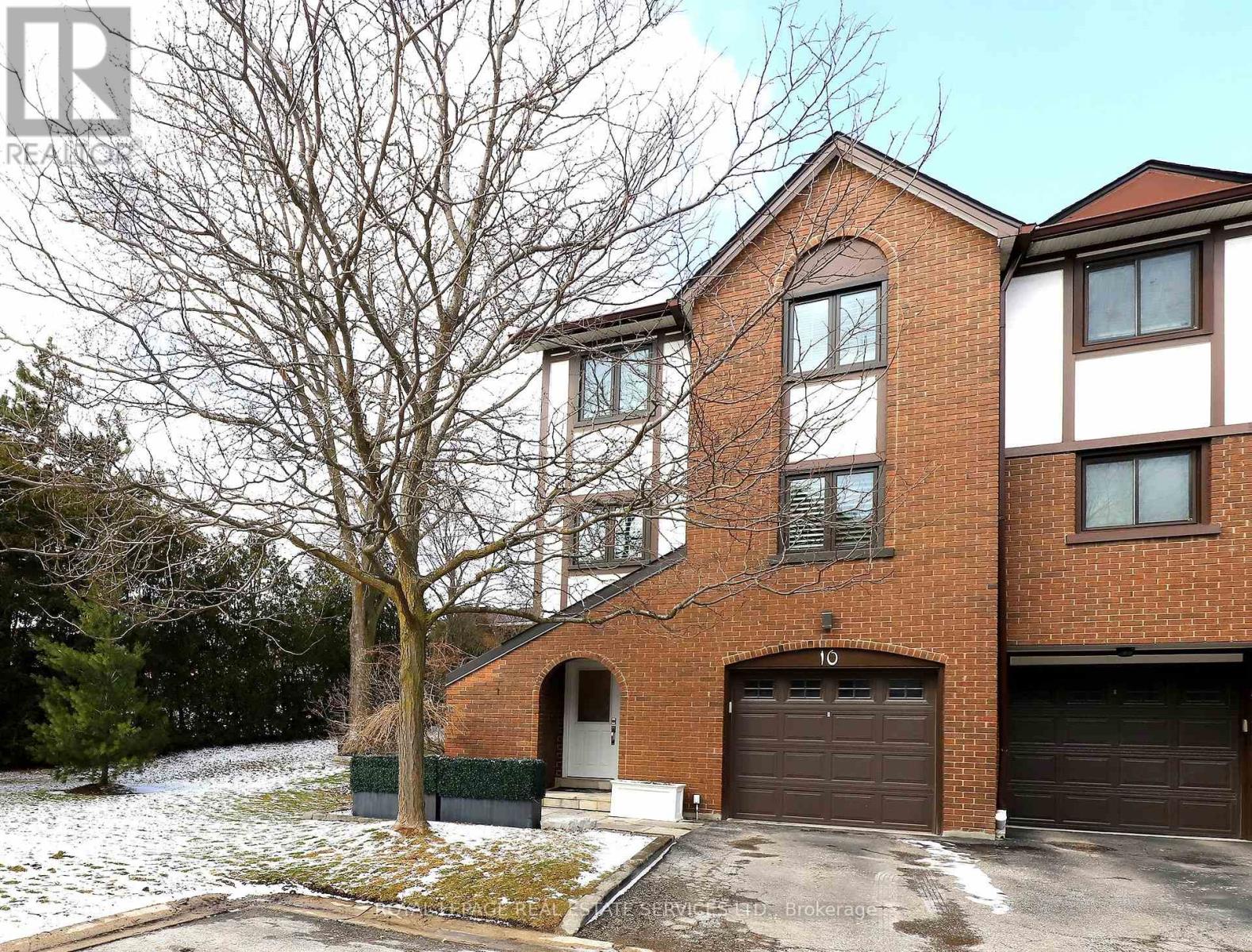 For Sale
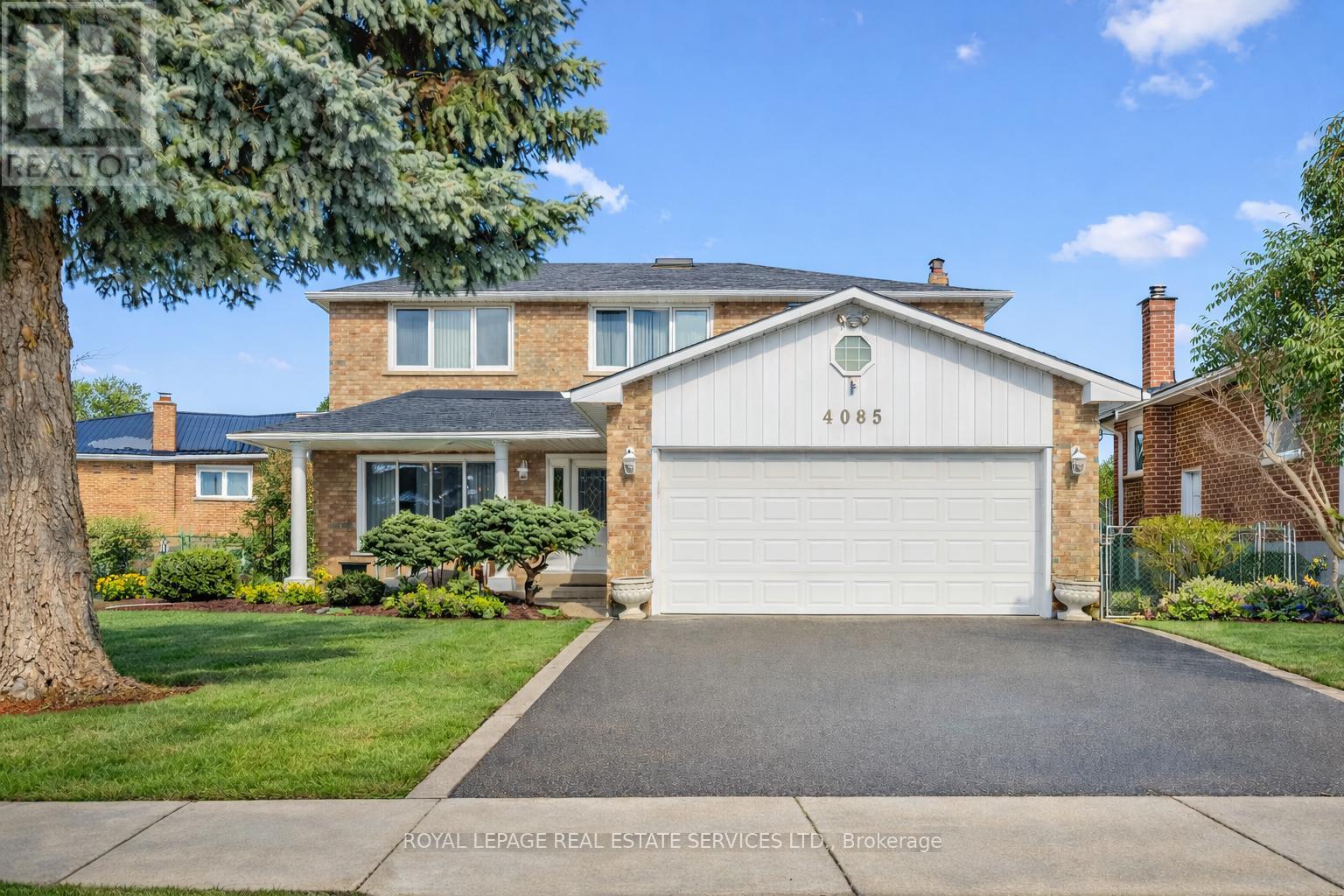 For Sale
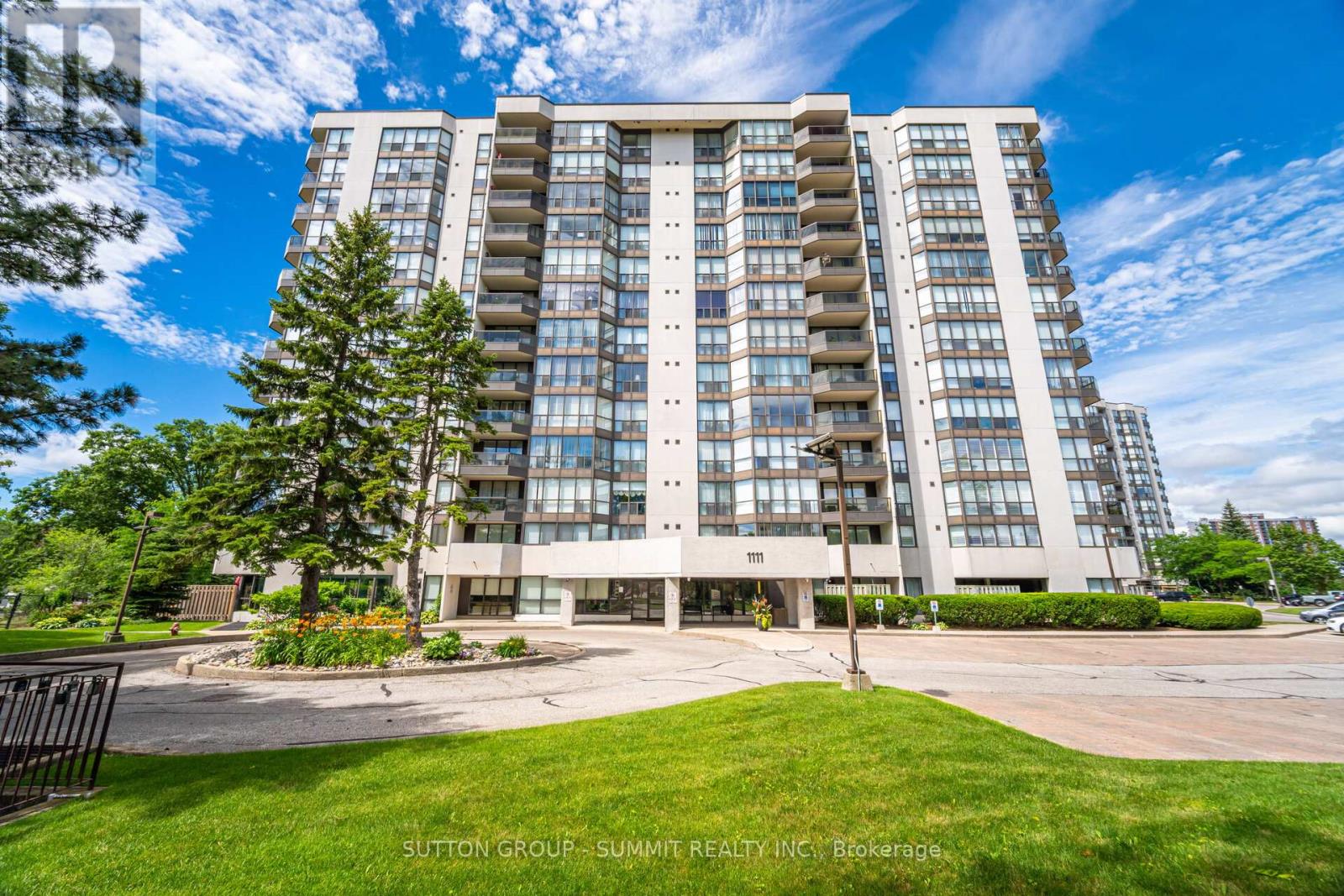 For Rent
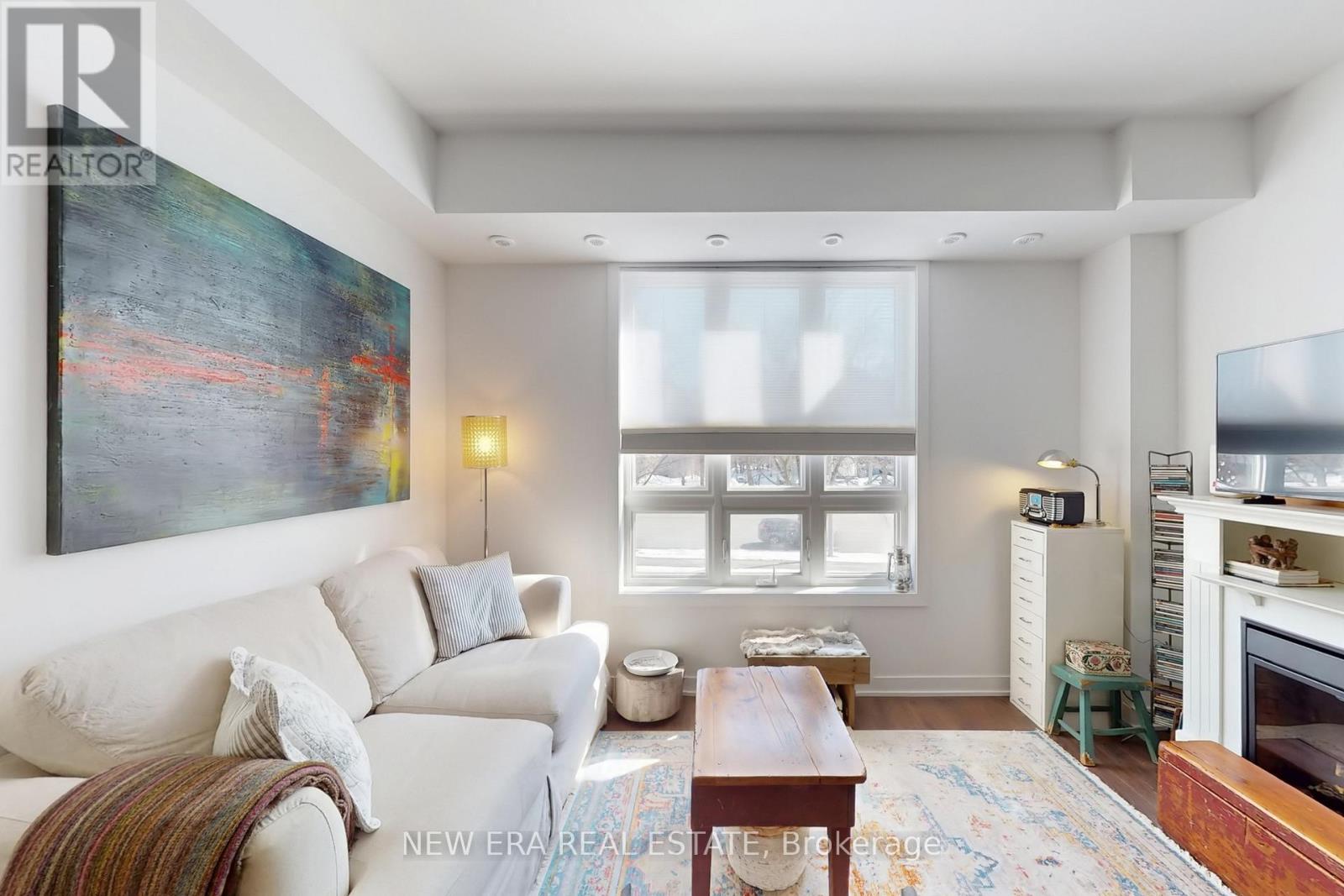 For Rent