

Regent Park is a downtown east neighbourhood undergoing the largest urban redevelopment in Canadian history: Toronto Community Housing and the Daniels Corporation are replacing all of Canada's first public housing project, built between 1948 and 1959, with a mixed-income community that includes market condos, affordable rental, and subsidized housing. Phases 1 and 2 are complete. Market condo prices in the new Daniels buildings were running $600,000 to $800,000 for one-bedrooms and $850,000 to $1.3 million for two-bedrooms in early 2026. The Regent Park Aquatic Centre, the Daniels Spectrum arts hub, and the proximity to Corktown and the Distillery District define what this neighbourhood is becoming.
Regent Park sits east of Jarvis Street, between Gerrard Street East to the north and Dundas Street East to the south. For most of the twentieth century it was Canada’s largest public housing project, a superblock development that removed the original street grid and replaced it with towers and low-rise blocks set back from roads on large open lawns. The original buildings were built between 1948 and 1959 and by the 1990s were widely documented as a model of what concentrated poverty and physical isolation from the surrounding city produces. The revitalization that started in 2005 is the deliberate correction of that experiment.
The difference on the ground is visible. The original street grid has been restored: Regent Street, Shuter Street, and Oak Street now run through the neighbourhood again, breaking the superblock layout and reconnecting the area to the surrounding city. New residential buildings from Daniels Corporation sit alongside replacement affordable housing, a public park, the Regent Park Aquatic Centre, and the Daniels Spectrum arts and community hub. Phases 1 and 2 are built and occupied. The later phases are progressing, which means parts of the neighbourhood are still construction sites, and will be for several more years.
The proximity to Corktown and the Distillery District gives Regent Park an east-end context that buyers should understand. Corktown sits immediately to the west. The Distillery District is a fifteen-minute walk east. The Don Valley trail system is close to the eastern boundary. These adjacencies have influenced property values as the revitalization has progressed, and they’re part of why market condos here attract buyers who would also be shopping in those neighbourhoods but find Regent Park offers a better price-to-location ratio.
The residential market in Regent Park for buyers is almost entirely condominiums in the new Daniels Corporation buildings. These are purpose-built market condos in towers that are part of the revitalization, with the same finishes and amenities that Daniels builds in its other downtown projects. The buildings are modern, well-managed, and professionally operated. One-bedroom units in the 500 to 650 square foot range have been trading between $600,000 and $800,000 in early 2026. Two-bedroom units from 750 to 950 square feet run from approximately $850,000 to $1.3 million depending on floor, exposure, and condition.
There is no meaningful freehold market in Regent Park. The original neighbourhood had no Victorian housing stock to preserve, and the revitalization has been built entirely as high-density residential. Buyers who want a house with a yard are not finding it here. The trade-off is the downtown location, the new building quality, and the price discount relative to equivalent new construction in the Distillery District or King East, which still exists and which informed buyers are actively exploiting.
Parking in the Daniels buildings is available but not assumed. It is sold separately, typically in the $60,000 to $80,000 range for a deeded underground space, and not every building has spaces available for purchase. Many residents manage without a car given the transit access along King Street and Dundas. Buyers who need parking should confirm its availability in the specific building before proceeding. Locker storage is typically available for purchase as well, which matters in buildings where the living units are compact.
Regent Park condos are subject to the same city-wide condo market conditions affecting all of the 416 in early 2026: longer days on market, softer pricing relative to 2021 and 2022, and a buyer pool with more time to negotiate than it has had in several years. The specific Regent Park dynamic adds to this: some buyers continue to hesitate at the neighbourhood name despite the physical transformation, and that hesitation keeps the price discount relative to adjacent neighbourhoods alive. For buyers who have done the research and are comfortable with the mixed-income model, that discount is the opportunity.
The investor presence in these buildings is meaningful. The combination of downtown location, new building quality, and below-adjacency pricing has attracted investors since the Phase 1 buildings were first sold pre-construction. In the current interest rate environment, many of those investors are considering their options, which contributes to the resale inventory. End users buying from investor-sellers in the current market typically have room to negotiate on price and on closing terms.
Pre-construction sales for later phases of the Regent Park revitalization have priced the remaining lots at levels that reflect the neighbourhood’s improving reputation. The discount that early buyers captured in Phase 1 pre-construction purchases has compressed significantly. Buyers looking for the maximum price-to-quality advantage should focus on the resale market in the completed Phase 1 and Phase 2 buildings, where current conditions favour buyers over sellers in most price ranges.
The buyers who end up in Regent Park are typically cross-shopping against the Distillery District, Corktown, Leslieville, and to some extent the east end of St. Lawrence Market. The decision against the Distillery District is almost always about price: a comparable unit in a Distillery-adjacent building will cost 15 to 25 percent more, and buyers who have spent time in the Regent Park buildings and walked the neighbourhood understand that the gap is larger than the current difference in daily experience justifies.
The buyers who are most comfortable here have usually done their research on the revitalization model. They understand what a mixed-income community means in practice, they’ve walked through the Daniels Spectrum building, they’ve visited the Aquatic Centre, and they’ve looked at what Phases 1 and 2 have produced physically. That research changes the picture. Buyers who haven’t done it and are reacting to the name or to a decades-old reputation are leaving a neighbourhood they would likely be happy in, and paying more elsewhere for the privilege.
The age profile of buyers in the completed buildings skews toward younger first-time buyers in their late 20s and early 30s who are stretching for a downtown address and find Regent Park offers better value than their other options. There are also households returning to the neighbourhood: some buyers in the market condos have east-end roots and a connection to the community that makes the address personally meaningful. Both buyer types tend to be comfortable with the mixed-income model, either because they’ve researched it or because it aligns with their values to begin with.
Regent Park is served primarily by the King Street streetcar and the Dundas Street streetcar, with both routes providing east-west connections to the subway network. The 504 King streetcar runs along King Street at the southern boundary, connecting west to the financial core and east toward Leslieville and the Beaches. The 505 Dundas streetcar runs along Dundas Street East at the northern boundary and connects west to Dundas West and the Dufferin loop. Both routes put riders at a subway station within about fifteen to twenty minutes.
The neighbourhood does not sit on a subway line directly, which is the single most common transit concern that buyers raise. The nearest subway station is Dundas on the Yonge line, accessible by the 505 streetcar. Parliament Street runs north-south through the neighbourhood and has bus service connecting to the core. In practice, most residents who work downtown manage the commute without difficulty using the streetcar network. The King Street Transit Priority Corridor improvements, which restrict private vehicle access on King during peak hours and prioritize streetcar movement, have made the 504 King meaningfully more reliable than it was before 2019.
For cyclists, the Don Valley trail system is accessible from the eastern side of the neighbourhood, providing a car-free route north into Rosedale Valley and south to the waterfront. The trail network is the east end’s best argument for cycling as a daily commute option and it connects Regent Park to a much wider range of destinations than the surface streets alone would suggest. Bike share stations exist within the neighbourhood. Residents who combine cycling with occasional streetcar use find the neighbourhood’s location works for a wide range of daily destinations without requiring a car.
The Regent Park Aquatic Centre at 519 Dundas Street East opened in 2012 as part of Phase 1 of the revitalization and is one of the best public aquatic facilities in the city. It has a 25-metre competition pool, a recreational pool, a leisure pool with a water slide, and change facilities that are well-maintained relative to older community centres. It is open to all Toronto residents as a public facility, not just Regent Park residents, and draws users from across the east end. The construction and operation of the Aquatic Centre was a commitment built into the revitalization agreement, funded through the development process rather than solely through the municipal budget.
Daniels Spectrum at 585 Dundas Street East occupies a 60,000-square-foot building at the centre of the revitalized neighbourhood. It houses performance spaces, dance studios, visual arts studios, rehearsal rooms, and office space for community organizations. It operates as a genuine arts and community hub rather than a token cultural amenity: the programming is active, the spaces are used, and the building is visibly occupied throughout the week. Daniels Corporation built it as part of the revitalization deal. Its presence matters to buyers because it represents the kind of public infrastructure investment that stabilizes a neighbourhood’s character over time.
The neighbourhood park that replaced the central open space of the original housing project provides green space at the heart of the revitalized area. It is an active park with programming in the warmer months, not a decorative green buffer. Regent Park is also within walking distance of Corktown Common, the award-winning park at the edge of Corktown that opened in 2013 with a splash pad, amphitheatre, and marsh habitat. For residents of the eastern part of the neighbourhood, both Corktown Common and the Don Valley trail access are within easy walking distance.
The Regent Park revitalization replaces every original Toronto Community Housing unit with a new affordable unit in the same neighbourhood, and layers market-rate condominiums into the same development to generate the private financing that makes replacement affordable housing possible. The model requires Daniels Corporation to build market condos that cross-subsidize the affordable and subsidized units. This is the mechanism that allows a large-scale public housing replacement to happen without full public funding. The result is a community where market condo owners, affordable rental tenants, and subsidized housing residents live in the same neighbourhood and, in some cases, the same buildings.
The evidence from Phases 1 and 2 is that the model works in practice. The buildings are well-managed. The neighbourhood is active and safe. Property values in the completed phases have appreciated in line with comparable downtown east condos. The academic literature on mixed-income housing development, including studies of the Regent Park project specifically, shows that income mixing at this scale produces better social outcomes for lower-income residents without the negative effects on market-rate values that critics predicted. Buyers who investigate the evidence rather than relying on assumption or reputation generally arrive at a different conclusion than buyers who don’t.
What the model means for a market condo buyer in practical terms: the building is professionally managed by a property management company, the condo corporation operates with standard governance, and the affordable units in mixed buildings are managed separately through Toronto Community Housing. Day-to-day building life is similar to any other professionally managed downtown condo. The affordable rental component is part of the building’s structure but not part of the market condo owner’s daily experience in any meaningful way. Buyers who want to understand the specific arrangements in a given building should review the status certificate and ask their agent about the management structure.
Corktown sits immediately west of Regent Park, separated by Parliament Street. It’s a small, dense neighbourhood that has built a strong food and beverage scene over the past decade, centred on King Street East between Parliament and Cherry. The Corktown neighbourhood is fully built out: the remaining development in the area is concentrated on the eastern waterfront rather than within the established residential blocks. Regent Park residents use Corktown regularly for restaurants and coffee shops, and the walk between the two areas takes about ten minutes on foot.
The Distillery District is a fifteen to twenty-minute walk east, accessible through Corktown and along Front Street. It’s a pedestrianized historic district built on the Victorian-era Gooderham and Worts Distillery footprint, now operating as a mix of independent restaurants, galleries, theatre, and retail on cobblestone streets between brick heritage buildings. The Distillery’s character is its strongest asset: there is nowhere else in Toronto that looks like it. Regent Park residents have full access to the Distillery as daily neighbours rather than visitors, which is part of what the east-end location offers that west-end condos at similar prices do not.
The Don Valley trail system is accessible from the eastern edge of the neighbourhood, within a fifteen-minute walk. The trail runs north through Rosedale Valley and south to the waterfront trail, providing car-free cycling and running routes that connect to a much larger network. For residents who cycle or run regularly, this is a genuine daily benefit rather than an occasional amenity. The waterfront trail to the south eventually connects to the entire Toronto waterfront system. Buyers who value trail access and haven’t fully mapped the Don Valley network relative to east-end locations often discover it during their neighbourhood research and find it changes their thinking about the east end.
The elementary school serving Regent Park is Sprucecourt Public School on Spruce Street, a Toronto District School Board school that has been part of the neighbourhood through the revitalization period. The school has benefited from the community investment that has accompanied the redevelopment, including updated facilities. It is not a destination school that draws buyers from outside its catchment, but it serves the neighbourhood’s children and has a community connection that comes from being part of a neighbourhood that has been through significant change together.
Families considering Regent Park who want French immersion or specialized programming at the elementary level will need to look at catchment and lottery access for programs outside the immediate area. The TDSB has French immersion options accessible from this part of the east end. Parliament Oak at Parliament and Oak Street is another nearby public school option. Buyers with school-age children should check the current catchment boundaries and available programs directly with the TDSB before drawing conclusions, since catchments have shifted as the revitalization has added population to the area.
The family picture in Regent Park is genuinely mixed. There are families with children in the market condo buildings, particularly in the two and three-bedroom units. The presence of the Aquatic Centre and the community programming at Daniels Spectrum means there are family-oriented facilities within the neighbourhood. It is not a neighbourhood that draws buyers primarily because of its school options, but it is a neighbourhood where a family can function without difficulty, particularly if the parents work downtown and value the commute advantage over school catchment considerations. Families who are primarily optimising for school access tend to look at Leslieville, the Danforth, or midtown options.
The Regent Park market condo buildings attract renters who want a downtown east address at a price point below the Distillery District and Corktown. One-bedroom units in the completed Daniels buildings rent between $2,300 and $3,000 per month, below comparable units in Distillery-adjacent buildings and slightly below Leslieville condos of equivalent size and quality. Two-bedroom units rent from approximately $3,000 to $4,200. The rental market in these buildings is stable and the vacancy rate is low, reflecting the genuine scarcity of new, professionally managed rental supply at this price point in this part of the city.
Investors who bought in the Phase 1 and Phase 2 pre-construction sales at the prices available in 2008 through 2015 have accumulated meaningful equity. Investors who purchased in the resale market in 2020 through 2022 at peak prices are in a more difficult position: rental yields at current rates do not cover carrying costs on high-ratio financing at today’s interest rates, which is a problem shared with most Toronto condo investors of that vintage. The Regent Park discount relative to adjacencies means the entry price is more favourable than in some other neighbourhoods, but the math still requires either a large down payment or a long hold horizon at current interest rates.
The long-term investment case for Regent Park rests on the trajectory of the revitalization. The neighbourhood was genuinely distressed in 2005 when the revitalization agreement was signed. It is visibly, measurably better today. The later phases will extend the transformation further, and the neighbourhood’s adjacency to Corktown and the Distillery District positions it to benefit from the east end’s continued development. Investors with a seven-to-ten-year hold horizon and a conservative financing structure have typically done well here and have reason to expect that to continue as the remaining phases complete.
Do I need to be concerned about safety in Regent Park? The neighbourhood’s safety record has improved measurably since the revitalization began, and the completed Phase 1 and Phase 2 areas function as normal downtown residential neighbourhoods. Crime statistics for the neighbourhood have trended significantly downward as the physical environment has changed and the population mix has shifted. Buyers who are hesitating based on the neighbourhood’s pre-revitalization reputation should look at current data rather than historical reporting. The Regent Park of 2026 is not the Regent Park of 2000. That said, the later phases still under construction create a transitional character in parts of the neighbourhood, and buyers should walk the specific blocks around any property they’re considering at different times of day. The east side of the neighbourhood, closest to the Don Valley, has a different feel than the completed Phase 1 core around the Aquatic Centre and Daniels Spectrum. Location within the neighbourhood matters.
What does “mixed-income community” mean in practice for a market condo owner? It means your neighbours in the broader neighbourhood include both market-rate homeowners and renters and affordable and subsidized housing tenants. In buildings with mixed tenures, the different housing types are typically in separate sections of the building or in separate buildings within the same development parcel. Your condo corporation covers only the market units. Day-to-day, residents report that the mixed-income character of the neighbourhood is simply not a factor in their daily experience. The buildings are professionally managed, the shared public spaces are well-maintained, and the community has the normal variety of people and incomes that any urban neighbourhood has. Buyers who are uncomfortable with the model on principle should buy elsewhere. Buyers who are comfortable with it and have done the research typically find the concern was more theoretical than practical.
What happens to the remaining phases of the revitalization and when will it be complete? Toronto Community Housing and Daniels Corporation have a multi-decade agreement covering the full site. The original plan called for full replacement of all housing, restoration of the street grid, and construction of replacement affordable units alongside market condos across the entire Regent Park footprint. Phases 1 and 2 are complete. The remaining phases are in various stages of planning and construction as of 2026. The full revitalization is expected to take several more years to complete. During active construction phases, parts of the neighbourhood are building sites. Buyers should ask their agent about which blocks are in active construction and which are fully built when assessing a specific property. The long-term outcome is a fully rebuilt neighbourhood. The path to get there involves construction activity and the gradual addition of new buildings and public spaces.
Regent Park offers a genuine downtown east address in a new building, at prices below what comparable quality costs in the Distillery District and Corktown, with the Aquatic Centre, Daniels Spectrum, and a restored street grid as community infrastructure. The trade-offs are real: parts of the neighbourhood are still under construction, the stigma around the name persists among buyers who haven’t done their research, and the lack of freehold housing means this market is entirely condos. Buyers who have evaluated all of that honestly and still see value are typically right to see it.
The mixed-income model is the fact that makes some buyers hesitate and makes others choose the neighbourhood deliberately. The evidence from fifteen years of the revitalization is that the model has worked. Property values in the completed phases have appreciated. The neighbourhood is active. The public infrastructure is real and well-used. The buyers who understood this early and bought in Phase 1 and Phase 2 buildings have been proven right by the evidence. The question for a buyer in 2026 is whether the discount that still exists relative to adjacencies reflects genuine risk or lingering stigma. The honest answer is mostly the latter, with a meaningful caveat about the construction that’s still ongoing in the later phases.
The neighbourhood is worth visiting before reaching any conclusion. Walk through on a weekday afternoon. Look at the Aquatic Centre. Walk through Daniels Spectrum. Walk west into Corktown and east toward the Distillery. The picture that emerges from an actual visit is different from the picture formed from reading about it or from remembering what the neighbourhood was twenty years ago. Most buyers who visit with an open mind and who can afford the price point find the east end’s best-value downtown location in front of them. Whether that’s the right fit depends on what they actually need from a neighbourhood, and that’s a question only the buyer can answer.
Street-level knowledge is hard to find online. Our team works in Regent Park every day. They know which pockets hold value, where the school catchment lines actually fall, and what the market is doing right now. Talk to us before you make a decision about Regent Park.
Talk to a local agent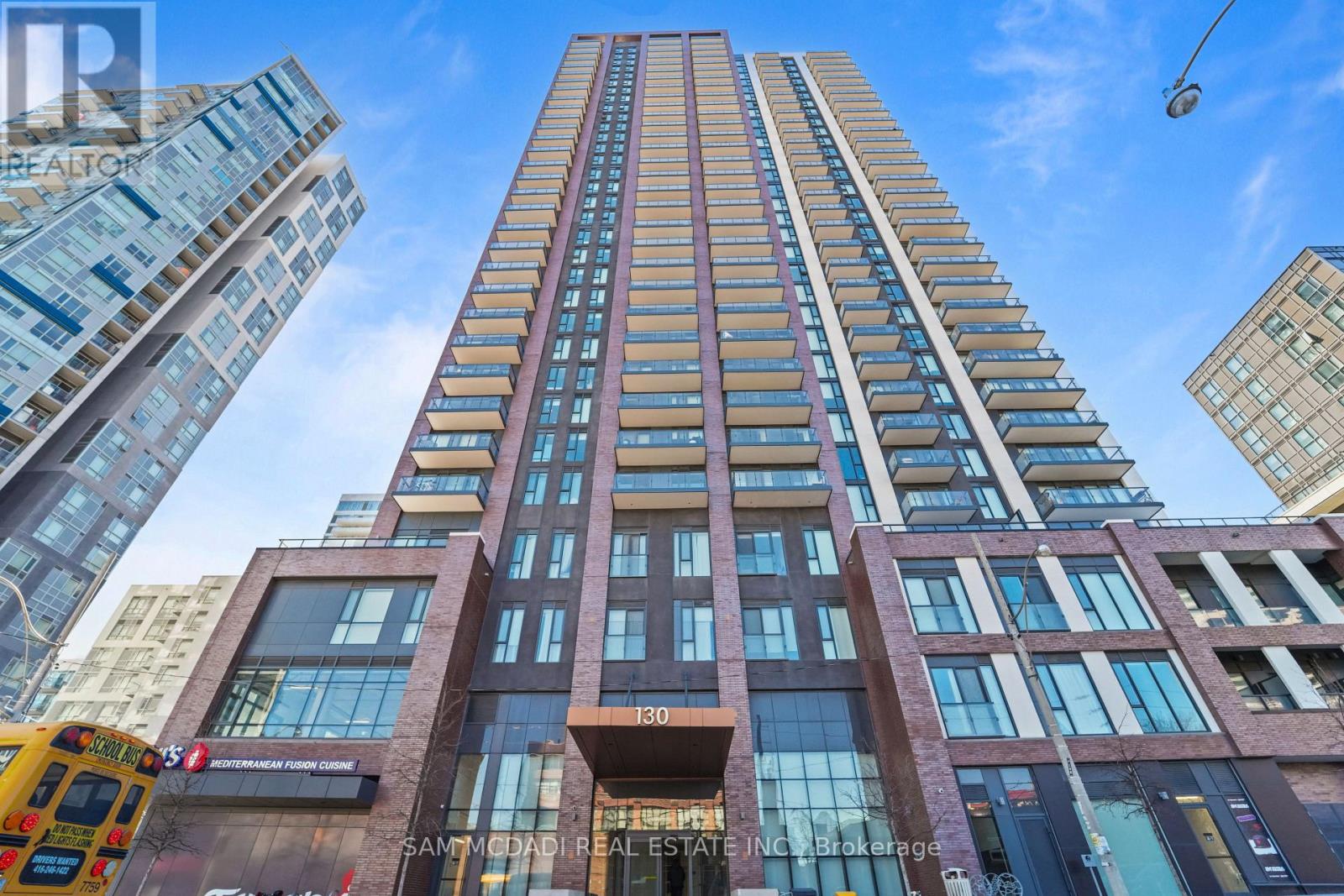 For Sale
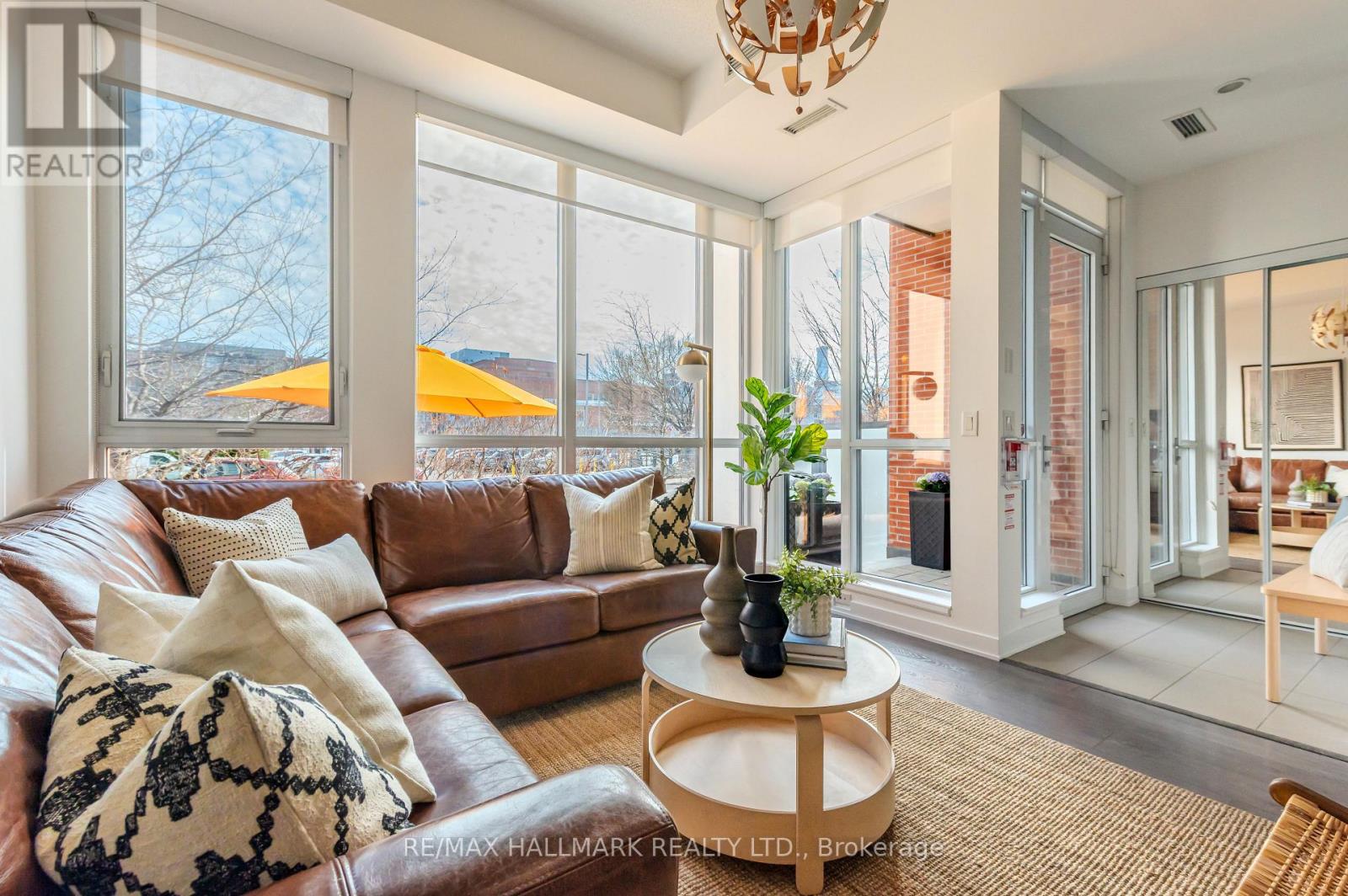 For Sale
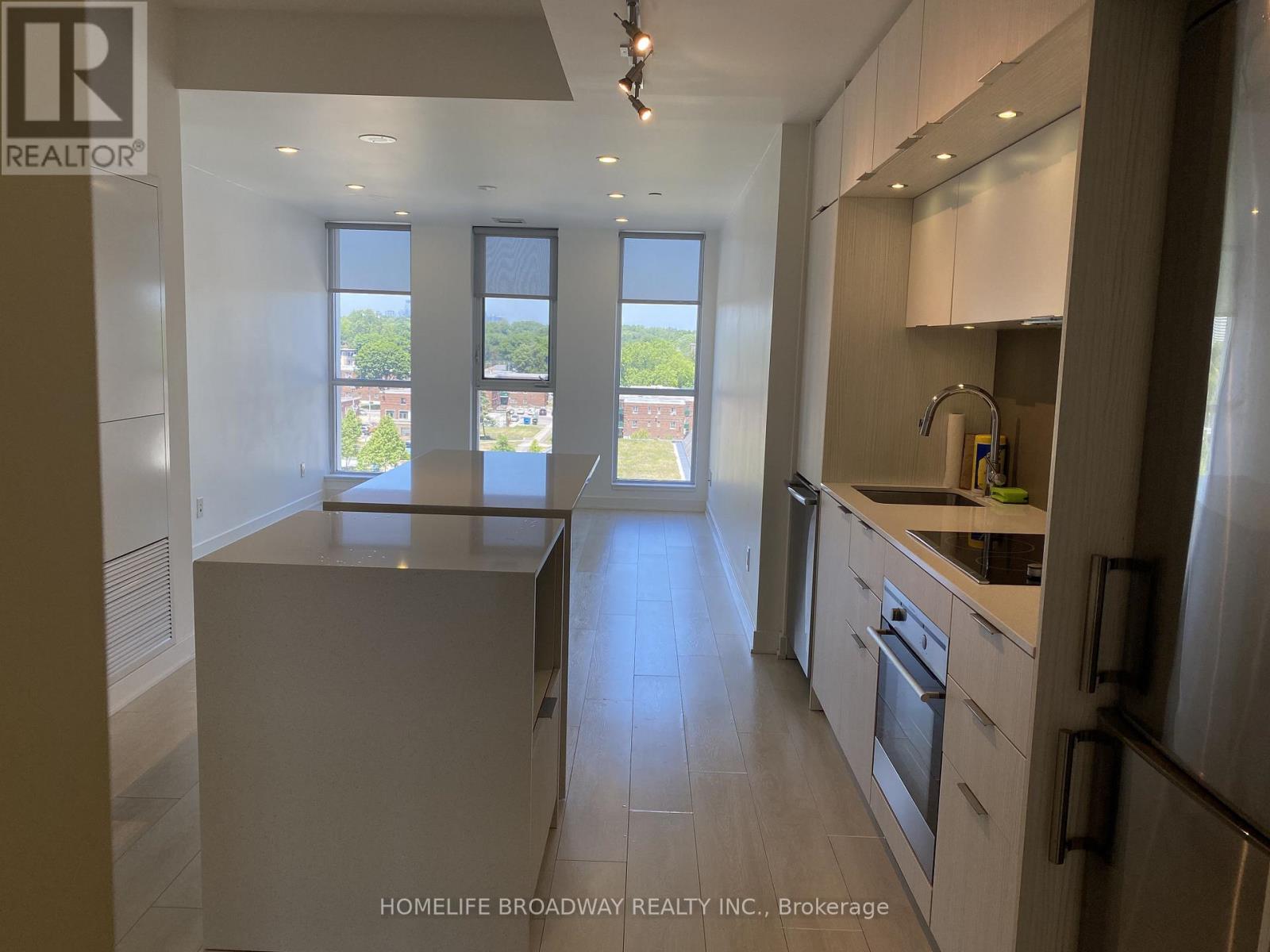 For Rent
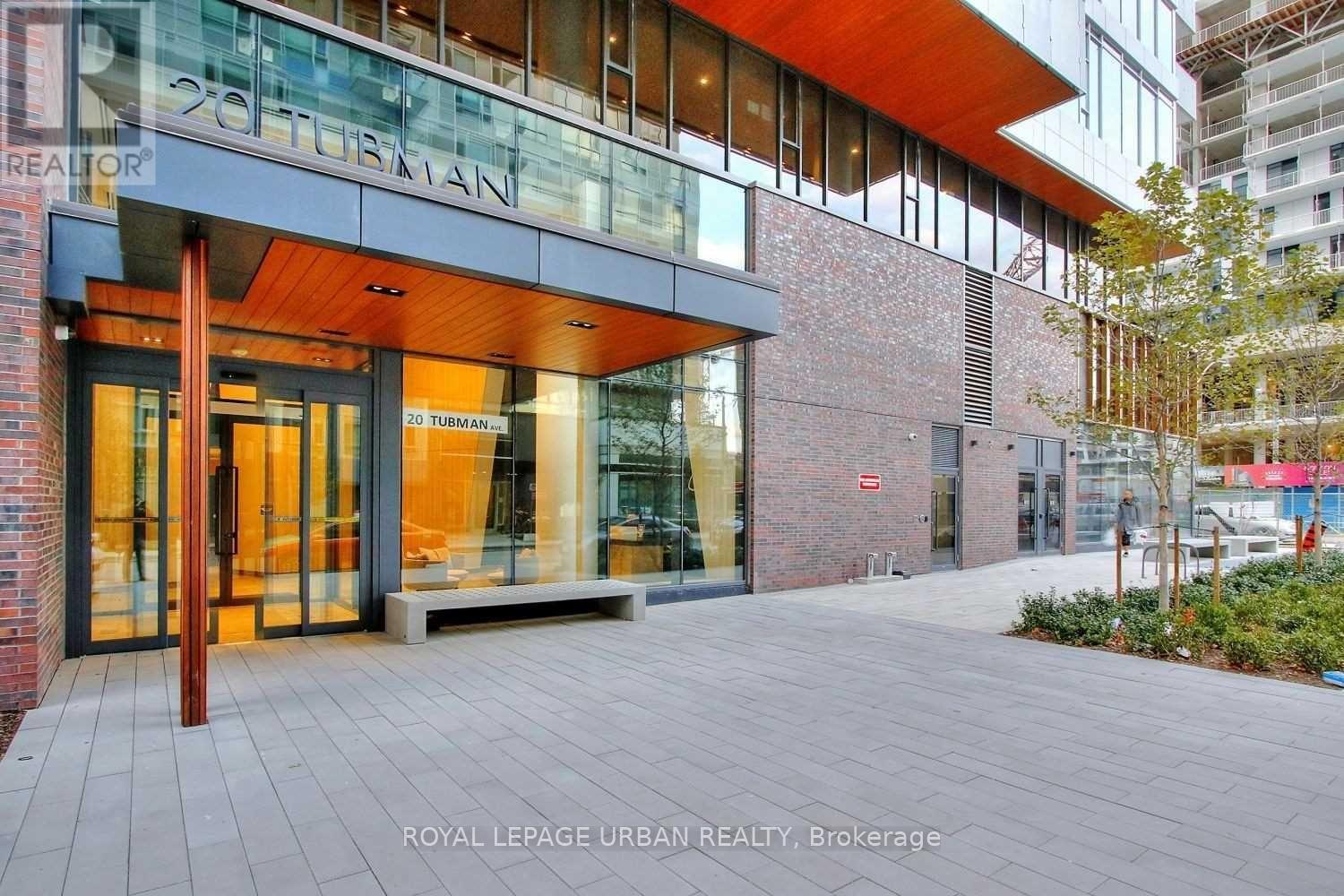 For Rent