
Richmond Hill is the city on Yonge Street between Markham and Vaughan, about 200,000 people on 100 square kilometres running from Highway 7 north onto the Oak Ridges Moraine. Buyers come for a large detached house on a quiet street, for the schools, and for a city that keeps its towers on Yonge Street. A house here costs only a little under the Toronto figure; a condo, about a sixth under it. The GO train runs only at rush hour, so commuters drive or take the Viva bus down Yonge. Richmond Hill's live listings appear beneath this text.
Richmond Hill is the narrow city in the middle of York Region. Yonge Street runs up its spine, Bathurst Street is the western edge with Vaughan, Highway 404 the eastern edge with Markham, Highway 7 the southern edge, and the northern boundary with Aurora runs through the pine hills of Oak Ridges. The city covers about 101 square kilometres, roughly half the size of Markham, and the 2021 census counted 202,022 people.
Yonge Street made the city. The village grew up on the Yonge Street hill in the early 1800s, incorporated as a village in 1873, became a town in 1957 and a city in 2019. For most of the twentieth century it was a greenhouse town that called itself the Rose Capital of Canada, with a main street of two-storey brick buildings between Major Mackenzie Drive and Elgin Mills Road that is still there. The subdivisions came in waves: Crosby and the streets around Mill Pond in the 1950s and 1960s, Bayview Hill and Doncrest in the 1980s, Rouge Woods and Westbrook in the 1990s, Jefferson and the Oak Ridges streets in the 2000s.
Two in three residents belong to a visible minority group. Chinese Canadians are the largest community at about 28 percent, and Richmond Hill has one of the largest Iranian communities in the GTA, about 10 percent of residents, concentrated along Yonge Street in Richvale and Langstaff. Italians are the third-largest group. After English, the most common mother tongues are Mandarin, Persian and Cantonese, each the mother tongue of more than one in ten residents.
A freehold house here costs only a few percent less than the Toronto average. A condo costs about a sixth less than a Toronto condo. Richmond Hill has more than two houses for sale for every condo, and the houses are big. Five-bedroom houses are as common on the market here as four-bedrooms.
It isn’t one market. South Richvale and Bayview Hill are the dearest neighbourhoods, each about a third above the Toronto freehold average. The lakeside streets of Oak Ridges Lake Wilcox come next, with the estate lots of Rural Richmond Hill and the old village streets around Mill Pond behind them. Crosby, east of Yonge at Major Mackenzie, is where house prices in the city bottom out. Langstaff, at Yonge and Highway 7, is mostly condos and the cheapest neighbourhood of any size. Live figures for the city appear alongside this text and change daily.
Richmond Hill is a house market. More than two of every three listings are freehold, and the condo stock is concentrated in one corridor, Yonge Street between Highway 7 and 16th Avenue, with a second cluster at Bayview and Highway 7 in Doncrest and the Beaver Creek business park.
The houses are large. Three-bedroom houses are the smallest common type. Going from three bedrooms to four costs about a third more, and to five about two-thirds more. Five-bedroom houses are as numerous on the market as four-bedrooms. Bayview Hill, built in the 1980s and 1990s between Bayview and Leslie, is the model: wide lots, two-storey houses of four and five bedrooms, double garages, a circular drive here and there. Rouge Woods north of it and Westbrook west of Yonge are the 1990s and 2000s versions on smaller lots.
The older stock is south and in the middle. South Richvale, between Yonge and Bathurst south of Carrville Road, is the city’s estate neighbourhood, where post-war bungalows on deep lots are replaced by custom houses one at a time. North Richvale, Crosby, Harding and the streets around Mill Pond are 1950s to 1970s bungalows, side-splits and two-storeys on mature streets, the cheapest way into a detached house in the city, and the ones builders also want for the lots.
Oak Ridges is different again. It sits on the moraine, so the streets are hilly, the lots are irregular, and the trees are pines. Around Lake Wilcox, 1950s cottages have become year-round houses and then large rebuilds, and the subdivisions of the 2000s fill the land between Yonge and Bayview down to Jefferson. Rural Richmond Hill, north and east of Leslie beyond Elgin Mills, is estate lots and hobby farms under the Oak Ridges Moraine plan, which caps what can be built there.
Townhouses are a small share of the market, and most are in Jefferson, Westbrook, Rouge Woods and the newer streets of Oak Ridges, with condominium towns around Yonge and 16th. A townhouse carrying a monthly fee is not the same buy as a freehold at the same price, and the listing feed doesn’t separate them.
Condominium apartments line Yonge Street from Richmond Hill Centre at Highway 7 up through Langstaff and North Richvale to 16th Avenue, with the newest towers nearest the terminal and the future subway. Langstaff shows the most listings of any neighbourhood in Richmond Hill, and seven in ten of them are condos. Doncrest and Observatory each have a cluster of buildings. A three-bedroom condo costs about 30 percent more than a two-bedroom. A Richmond Hill condo rents for about the same as a Toronto condo, while a house rents for about a sixth less than a Toronto house, so a house here rents for slightly less than a condo. For a family renting before they buy, that is the deal to look at.
Richmond Hill moves with Toronto. The house discount is a few percent, so a buyer isn’t crossing Steeles for a bargain; they’re buying a different kind of house for the same money. Watch the condo gap instead. At about a sixth, it is the one real discount the city offers, and Yonge Street keeps adding towers.
Family houses follow the school year. In Bayview Hill, Rouge Woods, Westbrook and Jefferson, listings come out in spring and again in early fall, and the houses still for sale in July and January are the ones that didn’t go. Buyers who can move then face a thinner choice and softer prices.
Teardowns run their own market in South Richvale, in the Yonge Street blocks of Mill Pond and North Richvale, and around Lake Wilcox. A 1950s bungalow on a deep lot sells for the land, and the custom house that follows is what puts South Richvale a third above the Toronto average. Buy one of them to live in, and your competition is a builder pricing the land.
The condo market is a Yonge Street market, and it runs all year. Richmond Hill Centre, Langstaff and the blocks up to 16th Avenue have the supply, and a seller there is up against both the neighbouring building and a sales office for the next tower. Buyers there have choice and time. The subway that will end at High Tech station beside Richmond Hill Centre is the promise behind those sales offices, and Metrolinx has given it no year. Don’t pay for it yet.
The moraine sets the northern limit. The Oak Ridges Moraine Conservation Plan of 2002 stopped most new subdivision on the northern third of the city, after a 1990s fight over plans for 100,000 more residents in Oak Ridges. The houses that got built there before the plan, and the few infill lots since, are what there is.
Richmond Hill’s buyers are often moving up inside York Region or inside the city. A family in a Crosby bungalow buys a Rouge Woods four-bedroom. A couple from a Thornhill condo buys a Westbrook town. Toronto buyers come from North York and the Bathurst and Yonge corridors, following the roads they already drive, and for them Richmond Hill is the next stop north of Thornhill.
Richmond Hill’s Chinese community, the city’s largest, lives across Bayview Hill, Doncrest, Rouge Woods and Westbrook. Its Iranian community, one of the largest in the GTA, has made the Yonge Street blocks of Richvale and Langstaff a Persian main street of grocers, bakeries and restaurants. Buyers from both communities are often moving to be near relatives already here, and one house for three generations is a common purchase.
Work is less of a reason than in Markham. Mackenzie Richmond Hill Hospital is the largest employer in the city, the Beaver Creek business park at Highway 7 and Leslie holds head offices including BMW Canada, Staples Canada and Compugen, and Markham’s tech corridor is next door along Highway 7. Many working residents still leave the city each morning, and the commute is the trade.
That trade is the hard part of Richmond Hill. The GO train runs only at rush hour, so a downtown commuter either lives with that schedule, drives the 404 or Yonge, or takes Viva Blue down Yonge to Finch station and the subway. Outside the Yonge Street village and the Richmond Hill Centre blocks, you drive to everything. For a family with two cars, children in school and a job in York Region, none of that costs much, and the city delivers the house, the lot and the school. A couple who wants to walk to dinner and take a train home at eleven should look at the Yonge Street condos near Richmond Hill Centre, or stay in Toronto.
Six Richmond Hill neighbourhoods have their own page here so far, linked below, with the rest to follow. The list runs from Highway 7 northward.
Along Highway 7, Langstaff is the condo district at Yonge and Highway 7 around Richmond Hill Centre Terminal and Langstaff GO, with 1960s and 1970s houses on the streets behind the towers. It has the most listings of any neighbourhood in the city and the lowest average price, and the future Bridge and High Tech subway stations at its door. Doncrest, east of Bayview between Highway 7 and 16th Avenue, is 1980s and 1990s detached houses with a cluster of condos at Bayview and Highway 7, and the Beaver Creek business park fills the corner at Leslie.
Richvale is the old south end west of Yonge. South Richvale, between Highway 7 and Carrville Road out to Bathurst, is the city’s estate neighbourhood and its most expensive, where deep lots carry custom houses and the bungalows that remain are land sales. North Richvale, from Carrville up to Major Mackenzie, is 1950s to 1970s family houses on mature streets at a mid-city price, with towers along its Yonge Street edge. Harding, east of Yonge from Highway 7 toward Bayview, is the same era on the other side of the road.
The middle of the city is the oldest. Mill Pond, west of Yonge around the pond that powered the village’s sawmill, is heritage houses on the village streets and 1950s and 1960s houses behind them, at the upper-middle of the city’s prices. Crosby, east of Yonge between Major Mackenzie and Crosby Avenue, is 1950s and 1960s bungalows at the lowest house prices in Richmond Hill, and a good place to look for a lot. Observatory, between Bayview and the David Dunlap Observatory lands south of 16th, is 1980s and 1990s detached houses plus a cluster of condos, with the new 40-hectare observatory park behind it. Bayview Hill, between Bayview and Leslie from 16th to Major Mackenzie, is the 1980s and 1990s executive subdivision that shares the top of the price list with South Richvale, and Bayview Secondary’s IB program sits inside it.
North of Major Mackenzie, Westbrook, between Yonge and Bathurst up to Elgin Mills, is 1990s and 2000s detached houses and towns around Richmond Hill High School. Devonsleigh, east of Yonge at Elgin Mills, is 1990s detached houses at a mid-city price. Rouge Woods, between Bayview and Leslie from Major Mackenzie to Elgin Mills, is the 1990s and 2000s family subdivision around Richmond Green, with no condos at all. Rural Richmond Hill is the estate lots, farms and the Headford business park east of Leslie and north of Elgin Mills, under the moraine plan.
Oak Ridges is the top of the city. Jefferson, between Bathurst and Bayview from Gamble Road north, is the newest large subdivision, occupied from 2007, with the Jefferson Forest beside it. Oak Ridges proper, along Yonge north of 19th Avenue to the Aurora line, is the old village and the 1990s and 2000s streets around it, with the Oak Ridges library and community centre. Oak Ridges Lake Wilcox, around the largest kettle lake on the moraine, is where cottages became houses and are now becoming rebuilds, with three lakeside parks and the second-highest house prices in the city.
Where a page exists it covers streets, schools, transit and sales.
Richmond Hill has a GO line and it barely counts. The Richmond Hill line runs from Bloomington at the top of the city through Gormley, Richmond Hill and Langstaff to Union, with four trains southbound in the morning and five back in the afternoon, and nothing midday, in the evening or on weekends. From Richmond Hill GO at Newkirk Road the ride takes about 50 minutes. A GO bus, route 61, covers the other hours. All-day service needs about a billion dollars of flood works and a grade separation first, with no date, so plan around the schedule that exists.
Without an all-day train, most of the commute is by road. Highway 404 is the eastern boundary and the route to the Don Valley Parkway, the 407 toll highway crosses the south of the city, and Yonge, Bathurst, Bayview and Leslie carry traffic south into Toronto. The morning queue on the 404 and the DVP is the price. From Richvale and Langstaff, Yonge and Bayview to the 401 are the alternatives.
Viva Blue runs the length of Yonge from Richmond Hill Centre Terminal to Newmarket, in its own median lanes along most of the Richmond Hill stretch since 2020, every seven or eight minutes on weekdays south of Bernard Terminal. It connects to Finch subway station. Viva Purple and Orange run Highway 7 east to Markham Centre and west to Vaughan from the same terminal, and GO buses leave it for Pearson in about 20 minutes. York Region Transit runs the local routes.
The subway is coming to the bottom of the city. The Yonge North extension will bring Line 1 about eight kilometres north from Finch to High Tech station, a surface terminal beside Richmond Hill Centre, with Bridge station at Langstaff GO just before it. The tunnel launch shaft was finished in July 2026 and the tunnelling contract is let. Metrolinx says the line opens after the Ontario Line is complete and gives no year.
The northern third of Richmond Hill sits on the Oak Ridges Moraine, the ridge of sand and gravel that feeds the rivers running south to Lake Ontario and north to Lake Simcoe. Lake Wilcox in Oak Ridges is the largest kettle lake on the moraine, about 56 hectares and 17 metres deep, with three public parks on its shore, a boat launch and a waterfront the city rebuilt after 1997 to undo decades of septic damage. Bond Lake sits beside Yonge Street just south of it, and the Oak Ridges Corridor park between them is protected forest and wetland.
Mill Pond is the old centre. The pond powered a sawmill in the 1800s, and the park around it, west of Yonge at Mill Street, is the city’s heritage park, with the summer concert series and the winter carnival. Richmond Green at Leslie and Elgin Mills is the largest park in the city, with baseball diamonds, two rinks, an amphitheatre and a skate park, and the Richmond Green library and secondary school on its edge. The city counts 167 parks and about 690 hectares of undeveloped natural area in total.
The David Dunlap Observatory lands south of 16th Avenue are the newest big park. The University of Toronto opened the observatory in 1935 with a 74-inch telescope, then the second-largest in the world, sold the 190 acres in 2008 for $70 million. After a long fight, 530 houses went on the eastern part, and about 40 hectares around the dome became a city park, with the Royal Astronomical Society running public nights.
The golf courses are the Richmond Hill Country Club and the Summit on Yonge Street, both private, and Bloomington Downs, which is public. The city has six public pools, one of them an indoor wave pool, and the Oak Ridges, Richvale and Richmond Green community centres carry the rinks and gyms.
Hillcrest Mall at Yonge and Carrville Road is the city’s enclosed mall, open since 1974, with about 135 stores and restaurants under Oxford Properties. Its owners have proposed two apartment towers on the parking lots and told the city in 2026 that the towers won’t go ahead without a deferral of development charges, so the site is changing slowly. Richmond Hill Centre at Yonge and Highway 7 is big-box retail around the bus terminal, and Times Square at Highway 7 and Leslie is the Chinese-Canadian shopping plaza, with restaurants to match.
Yonge Street is the city’s restaurant row, and it comes in two parts. From Highway 7 up through Richvale, the plazas hold a long run of Persian restaurants, bakeries and grocers. North of Major Mackenzie, the heritage village between Mill Pond and Elgin Mills has the independent cafés and the Richmond Hill Centre for the Performing Arts, a 631-seat theatre opened in 2009 that is the largest in York Region. Chinese restaurants cluster at Bayview and Highway 7, at Leslie and Highway 7 and at Yonge and 16th.
Mackenzie Richmond Hill Hospital on Major Mackenzie Drive opened in 1963 as York Central Hospital, has 506 beds after expansions that ran to 2009, and is the largest employer in the city.
Jobs are in two business parks and one hospital. Beaver Creek at Highway 7 and Leslie, built in the 1990s, holds the city hall and the head offices of BMW Canada, Staples Canada, Compugen and others. Headford, between Leslie and the 404 north of 16th, and the Elgin Mills park are the newer employment lands. Markham’s tech corridor is next door along Highway 7 and the 404.
Richmond Hill’s English public schools are York Region District School Board schools; the English Catholic ones belong to the York Catholic District School Board. Both offer French immersion at designated schools.
Five public high schools serve the city, and each has something people name. Bayview Secondary in Bayview Hill was the board’s only International Baccalaureate school until 2017. Alexander Mackenzie High School on Major Mackenzie West runs ARTS Mackenzie, the board’s regional arts program in dance, drama, music and visual art, and added IB in 2017. Richmond Hill High School on Yorkland Street, founded in 1851 and the second-oldest secondary school in York Region, runs Advanced Placement and the gifted program. Langstaff Secondary runs Advanced Placement and is switching from French immersion to IB from the 2025-26 school year. Richmond Green Secondary, opened in 2005, shares its building with the Richmond Green library.
On the Catholic side, St. Theresa of Lisieux in Oak Ridges, opened in 2002, runs Advanced Placement, and Our Lady Queen of the World Catholic Academy serves the south of the city.
Regional programs are the catch. IB at Bayview and Alexander Mackenzie, ARTS Mackenzie and the gifted program are application-based and board-wide, so an address inside their catchment doesn’t put your child in them. What the house does decide is the regular school, and the board draws those boundaries, redraws them when a school opens or fills, and doesn’t follow neighbourhood names. The public board publishes an address lookup. Run the house through it before you offer, and treat the school claim in a listing as the agent’s opinion until you have.
Richmond Hill has no university or college campus of its own. York University’s Markham Campus and Seneca’s Markham campus are a short drive east along Highway 7.
The subway is the project that changes the south of the city. High Tech station, the terminal of the Yonge North extension, will sit beside Richmond Hill Centre Terminal and Langstaff GO, with Bridge station a few hundred metres south, and the province is planning transit-oriented communities of towers around both. Markham’s half of that, Langstaff Gateway, is planned for up to 15,000 homes; Richmond Hill’s half, Richmond Hill Centre, is the big-box land around the terminal.
Hillcrest Mall’s two apartment towers on the Yonge and Carrville parking lots have been proposed since 2020. In 2026 the owners asked the city to defer development charges and said the project wouldn’t happen without it.
The rest of the city’s growth is infill. With the moraine closed to new subdivision, the new houses are custom rebuilds in South Richvale, Mill Pond and around Lake Wilcox, towns on the last lots in Jefferson and Westbrook, and towers on Yonge.
Is Richmond Hill cheaper than Toronto?
For a house, barely, and for a condo, by about a sixth. A freehold house in Richmond Hill costs only a few percent less than the Toronto average. The stock is heavily weighted to four- and five-bedroom detached houses on wide lots, and South Richvale, Bayview Hill and the Lake Wilcox streets price above the Toronto average. What the money buys is different rather than cheaper: a 1990s four-bedroom in Rouge Woods or Westbrook with a double garage and a yard, in a catchment people name. Condos are the real discount. A Richmond Hill condo costs about a sixth less than a Toronto condo, and Yonge Street keeps adding towers between Highway 7 and 16th Avenue. Two costs run against the discount. Property tax on the same assessed value is set by the city and York Region together, and both raised their shares for 2026. And most Richmond Hill households run two cars; the Canadian Automobile Association’s cost for one mainstream compact is roughly $9,500 a year. Both belong in the monthly budget before the two mortgages are compared. If you want to try the city before you commit, a house here rents for about a sixth less than a Toronto house. The live prices for Richmond Hill and for each neighbourhood with a page are on this site, kept current day by day.
How long is the commute from Richmond Hill to downtown Toronto?
Around 50 minutes on the GO train from Richmond Hill GO, if you can use one of the four morning trains and five afternoon trains, and there is no train at any other time. The Richmond Hill line runs peak-direction only, with no midday, evening or weekend service, and GO bus route 61 covers the rest of the day. Bloomington, Gormley and Langstaff are the other stations in the city, and Bloomington and Gormley have large parking structures for the drive-and-ride crowd from Oak Ridges and Stouffville. All-day service needs flood works in the Don Valley and a grade separation at Doncaster priced at about a billion dollars, with no funding date, and CN owns the northern track. Without a train, the choice is the 404 to the Don Valley Parkway, or Viva Blue down Yonge to Finch station, every seven or eight minutes on weekdays, and the subway from there. The Yonge North subway will end at High Tech station beside Richmond Hill Centre, cutting the bus leg out, but Metrolinx says only that it opens after the Ontario Line and gives no year. Within York Region the commute is shorter: Markham’s tech corridor is next door along Highway 7, Vaughan is west along the same road, and the 407 crosses the south of the city.
Which Richmond Hill neighbourhoods are best for families?
Families head for Bayview Hill, Rouge Woods, Westbrook, Jefferson, Doncrest and the Oak Ridges subdivisions, and the reasons repeat: a four- or five-bedroom detached house, a high school with a program people name, a park and a community centre within a walk, and crescents without through traffic. Bayview Hill, between Bayview and Leslie, is the premium version, 1980s and 1990s executive houses on wide lots with Bayview Secondary and its IB program inside the neighbourhood, at about a third above the Toronto average. Rouge Woods north of it is the same idea at a lower price, 1990s and 2000s houses around Richmond Green with no condos at all. Westbrook, west of Yonge, has Richmond Hill High School and towns as well as detached houses, and Jefferson up on the moraine is the newest, with houses from 2007 and the Jefferson Forest beside it. Doncrest in the south is 1980s and 1990s houses near Highway 7 and the Beaver Creek offices, at a lower price than Bayview Hill. Two cautions apply to all of them. The IB, arts and gifted programs select by application from anywhere in the board; an address gets you the regular catchment and nothing else. And catchments are drawn by the board, not by neighbourhood name, so run the specific house through the public board’s address lookup before you offer. Families with younger children also look at Crosby and Harding, where 1950s and 1960s bungalows are the cheapest houses in the city.
Is Richmond Hill a good place to buy a condo?
Buying one to live in makes sense; buying one as an investment takes care, and the reason is Yonge Street. The condo supply is almost all in one corridor from Richmond Hill Centre at Highway 7 up to 16th Avenue. Langstaff alone has the most listings in the city, a new tower is always in sales somewhere along it, and prices sit about a sixth below Toronto’s. For an owner-occupier that is the point. A two-bedroom near Richmond Hill Centre comes with Viva Blue and Purple at the door, GO buses to Pearson, the Persian restaurants of Richvale, and a future subway terminal a few hundred metres away, for about a sixth less than a Toronto condo. Rents here match Toronto’s while prices don’t. An investor faces that supply as a problem, and the subway as a risk: the sales offices on Yonge have priced it in, and Metrolinx has not given a year. The condos hardest to replace are the ones to look at: the lower-rise buildings in Doncrest and Observatory, the older Yonge Street buildings with large suites in North Richvale, and anything within a true walk of the future High Tech station once a date exists. Read the status certificate and the fee per square foot, then compare that fee with the towers on either side; one that is well above its neighbours needs a reason before you offer.
A buyer crossing Steeles into Richmond Hill isn’t getting a bargain on a house; the discount is a few percent, and the real saving, about a sixth, is on condos along Yonge. A Toronto agent who assumes York Region means cheaper will misprice both. They also won’t know that the Richmond Hill GO line runs four trains in the morning and nothing after, so the commute is the 404 or the Viva bus, or that the 2002 moraine plan stopped most new building on the northern third of the city.
The agent we refer Richmond Hill buyers to works from Langstaff to Lake Wilcox. A brief might be a Bayview Hill five-bedroom inside the Bayview Secondary boundary, or a Crosby bungalow on a lot worth building on. They’ll separate the land value from the house value, run the address through the boundary lookup and tell you whether the subway, with no opening year, is already in the price.
The six neighbourhood pages above come first; after that, contact us and we’ll make the introduction.
Street-level knowledge is hard to find online. Our team works in Richmond Hill every day. They know which pockets hold value, where the school catchment lines actually fall, and what the market is doing right now. Talk to us before you make a decision about Richmond Hill.
Talk to a local agent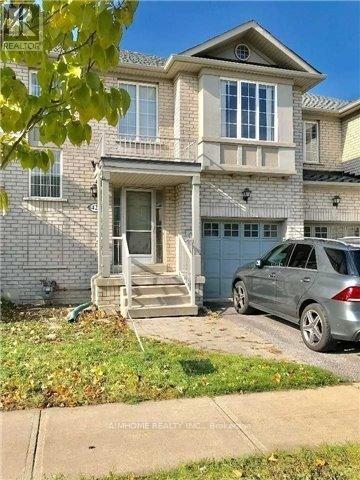 For Rent
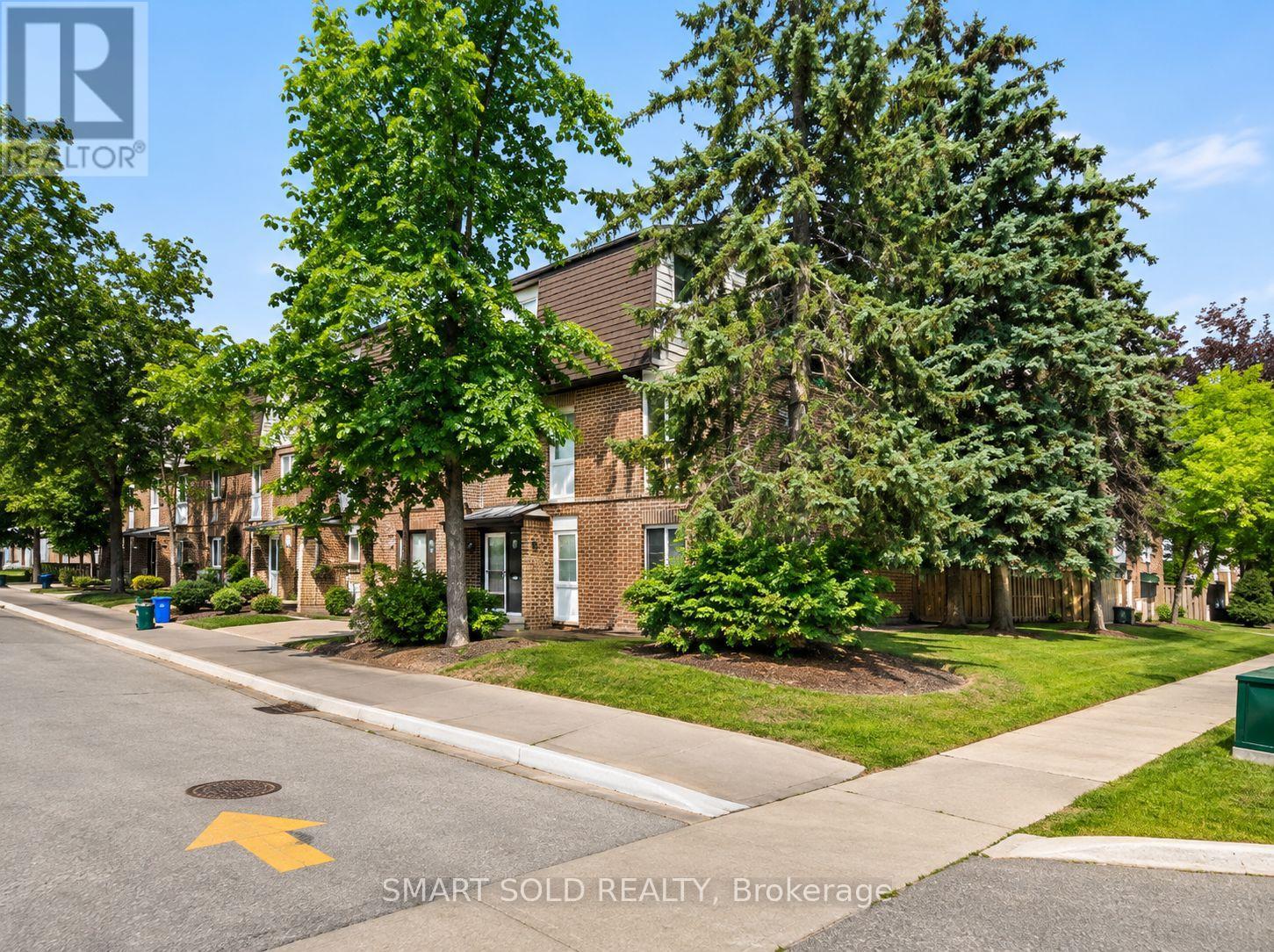 For Sale
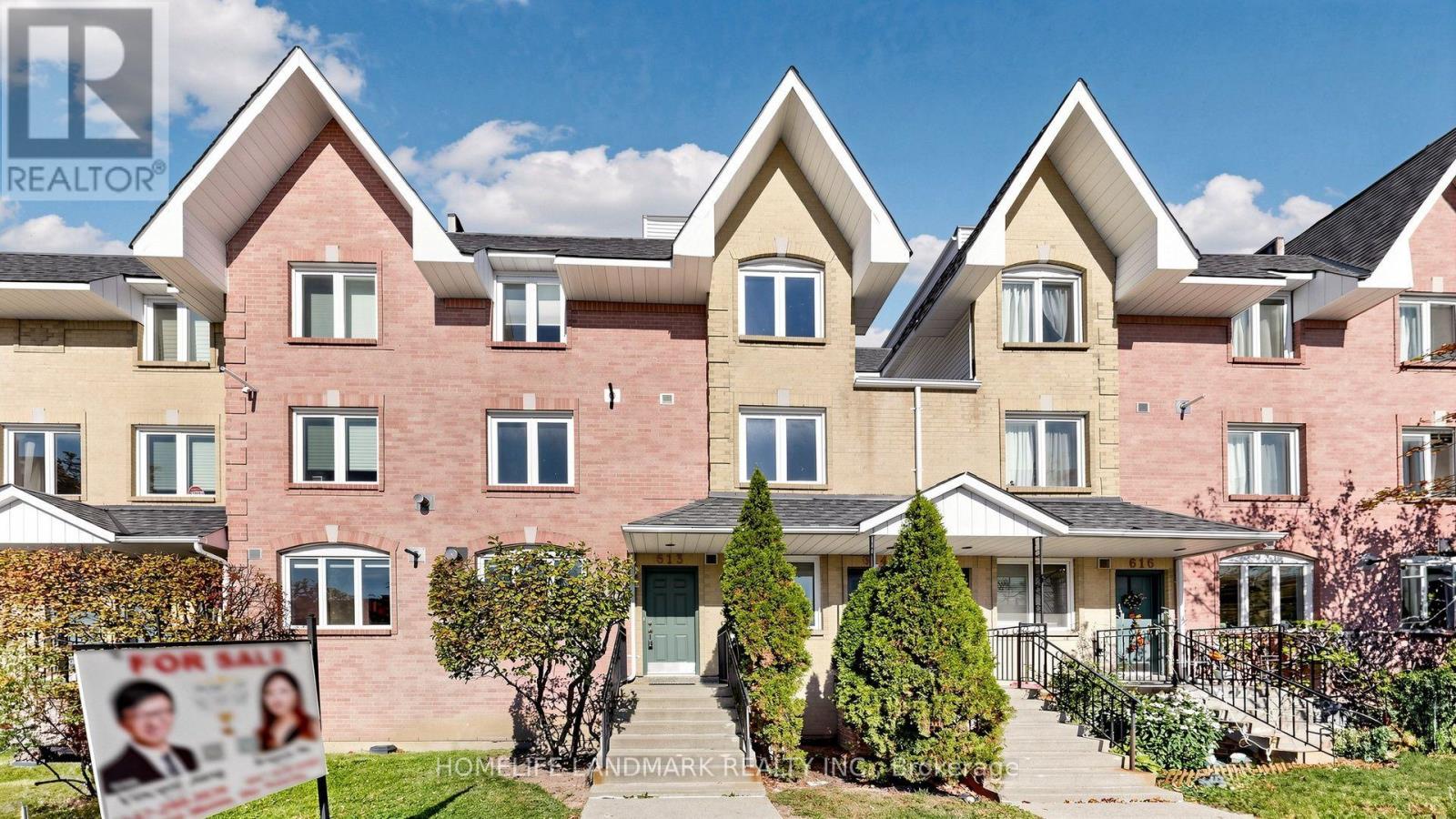 For Sale
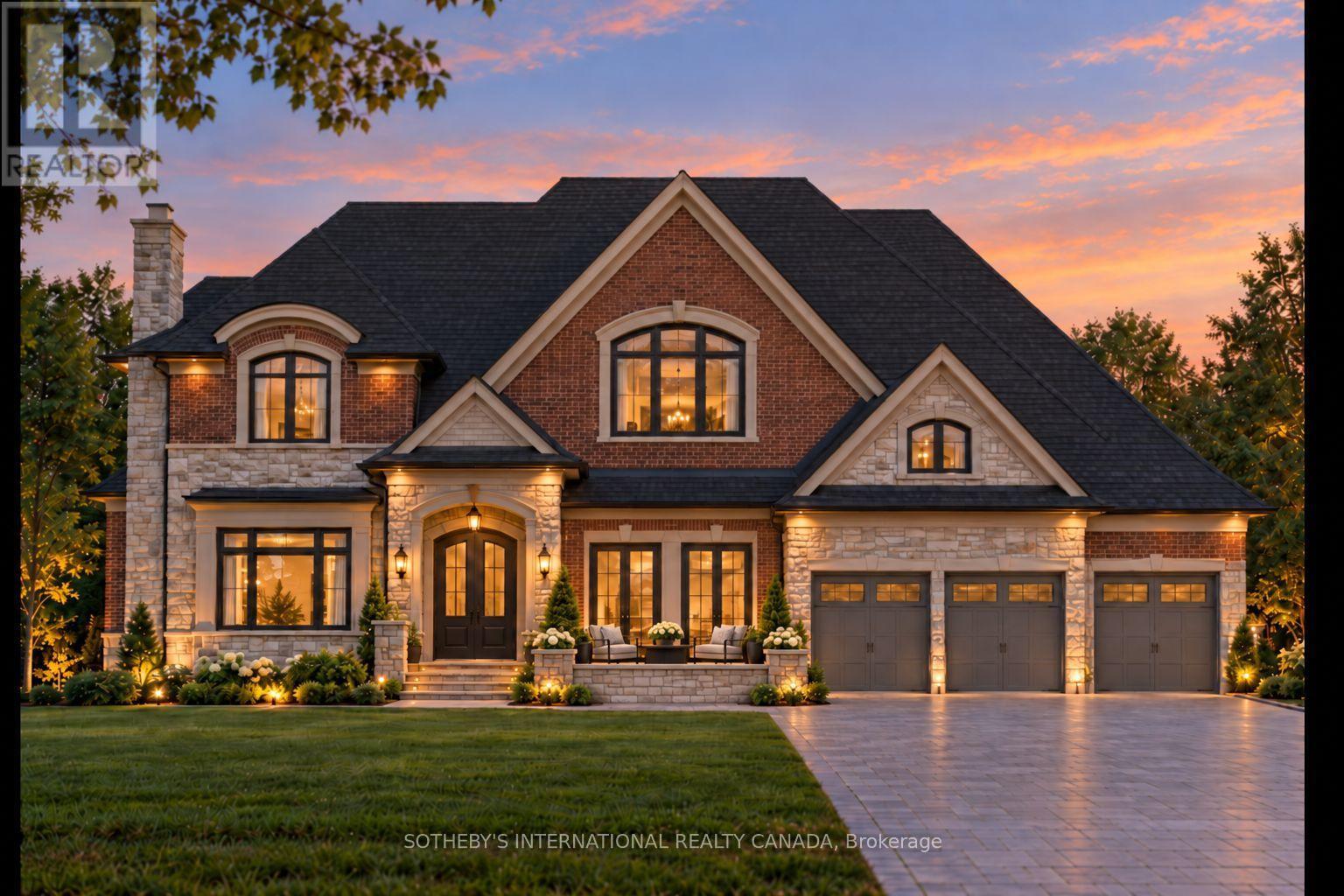 For Sale