

Rosedale is Toronto's oldest established luxury neighbourhood, roughly bounded by Yonge Street, the CPR rail corridor, Bayview Avenue, and Bloor Street, with the Rosedale Valley ravine cutting through its centre and defining the physical character no other neighbourhood in the city can replicate. Detached homes on Cluny Drive, Binscarth Road, and Edgar Avenue were trading between $4 million and $10 million in early 2026, with exceptional ravine-adjacent and larger-lot properties well above that. Entry-level in Rosedale now begins at $3 million and hasn't started lower than that in several years.
Rosedale occupies a stretch of central Toronto that geology made different from everything around it. The Rosedale Valley ravine cuts a wide swath through the neighbourhood’s eastern edge, and the Don Valley branches north and east beyond that. Properties that sit above or adjacent to the ravine look out over mature forest with no roofline in sight, in a neighbourhood two kilometres from Yonge and Bloor. That setting doesn’t exist anywhere else in the central city, and the people who want it know exactly where to find it.
The street grid reflects the topography. The roads in Rosedale curve and climb in ways that make sense of the ravine rather than ignore it. Glen Road bridges the valley on its way north. Rosedale Valley Road runs through the bottom of the ravine itself, connecting the neighbourhood to the Don Valley Parkway below. The result is a neighbourhood that feels physically insulated from the city around it, which is not an accident of history but a function of terrain that could not be replicated if someone tried.
The built form that sits on this landscape is among the most varied in Toronto. Victorian, Edwardian, Arts and Crafts, Georgian, and mid-century modernist homes occupy the same streets without any sense of contradiction. Rosedale was never a planned subdivision. It developed over a long period through individual commissions to architects whose clients had specific tastes and sufficient money to act on them. The result is a neighbourhood where architectural quality and variety are the norm rather than the exception.
The CPR rail corridor divides the neighbourhood into two sub-areas that Rosedale buyers treat as distinct choices. South Rosedale, between the tracks and Bloor Street, is the denser of the two. Elm Avenue and Roxborough Street East carry the strongest addresses in the south. Property types include some semis and townhomes that don’t appear in the north, alongside the detached homes that dominate both sub-areas. South Rosedale’s proximity to Bloor and the Yonge subway line puts Yorkville’s restaurants and retail within a ten-minute walk, which matters to buyers who want urban life alongside the residential character.
North Rosedale, north of the railway, is where the neighbourhood’s most uniformly grand housing sits. Cluny Drive, Binscarth Road, and Edgar Avenue are the addresses buyers name first when they’re talking about Rosedale. Lots are larger here. The setbacks are deeper. The gardens are more substantial. The street character is closer to a private enclave than a city neighbourhood, which is what it was originally designed to be when Francis Jarvis laid out the first Rosedale plan in the 1850s.
Glen Road and Douglas Drive serve both sub-areas depending on where you start counting. The ravine-adjacent properties on Glen Road, particularly those that back directly onto the valley, produce some of the neighbourhood’s highest prices per square foot because of what they offer from the back of the house. A property on Rosedale Heights Drive in the north of the neighbourhood sits at the upper edge of the ravine system with views that would command a premium in any city. Here they’re simply part of what the neighbourhood provides.
Entry-level in Rosedale in early 2026 is $3 million for a smaller detached home in decent condition. That’s the floor, and it’s been the floor for long enough that buyers who remember otherwise are working from outdated information. Core Rosedale properties trade between $4 million and $10 million depending on lot size, architectural quality, condition, and position relative to the ravine. Properties at the top of that range or above it are generally ravine-adjacent or sit on lots significantly larger than the neighbourhood average, with gardens and settings that are genuinely unusual at any price.
The neighbourhood doesn’t have a meaningful condo market. The few multi-unit buildings that exist are at the Bloor Street edge. Buyers looking at Rosedale are buying detached homes on land, and the land is what holds its value across market cycles. Rosedale has weathered every Toronto real estate correction since the early 1990s with less price movement than surrounding neighbourhoods, reflecting a buyer pool that doesn’t depend on mortgage availability to transact and tends to hold properties rather than trade them speculatively.
What’s unusual about Rosedale’s pricing history is how long it’s been at this level relative to the rest of the city. When equivalent properties in Moore Park or Summerhill were trading at $2 million, Rosedale was already at $4 million. The gap has remained. Properties here are held for long periods, often within families, and the turnover rate is lower than in comparable neighbourhoods. That low supply is structural, not cyclical, and it keeps prices firmer in weak markets than buyers accustomed to other neighbourhoods might expect.
The buyers arriving in Rosedale are usually coming from somewhere adjacent, literally or figuratively. Summerhill, Forest Hill South, and Yorkville are the most common points of departure. The move to Rosedale is typically deliberate: a household that has been comfortable in a $2-3 million property, has accumulated equity over a period of ownership, and is now prepared to make a longer-term commitment to a specific kind of address. These aren’t speculative purchases. The buyers at this price point have usually thought carefully about what they want and have run the comparison to Forest Hill and Bridle Path before arriving.
International buyers are present but less dominant than in some comparable luxury markets. The neighbourhood’s character is established and its desirability is understood among people who know Toronto, but it doesn’t have the same profile among overseas buyers that certain Bridle Path estates or waterfront condos attract. That’s not a weakness. It means the buyer pool is concentrated and experienced, and the negotiations tend to involve people who understand what they’re looking at.
There’s also a category of buyer that doesn’t appear much in other Toronto luxury neighbourhoods: properties that come to market through estates, after a family has held a home for forty or fifty years, and attract buyers who’ve been watching for exactly that address to become available. Rosedale has enough of this kind of inherited-to-market transaction that buyers with patience and a specific wish list are sometimes rewarded with properties that wouldn’t otherwise appear.
The ravine adjacency that makes certain Rosedale properties exceptional also requires specific due diligence. Properties that back onto the ravine or sit on the edge of the valley system are subject to Toronto and Region Conservation Authority jurisdiction, which can restrict what owners build in the rear yard, alter grade, or plant near the top of the slope. A property listed with a stunning ravine view needs a TRCA mapping check before any offer goes in, not after. What the ravine gives in terms of setting it occasionally takes back in terms of what you’re allowed to do with the land.
The architectural variety in the neighbourhood means condition varies enormously within the same price range. A Georgian brick home on Cluny Drive that hasn’t been substantially updated since the 1970s can trade near the same price per square foot as a fully renovated Edwardian on Binscarth Road. The unrenovated home is not a bargain unless the buyer understands the renovation scope, because the costs of bringing a Rosedale home to contemporary standard are proportionate to its size and complexity. Many of these homes have original slate roofs, plaster walls, knob-and-tube wiring sections, and boiler heating systems. Pre-offer professional inspections in Rosedale are not a sign of weakness; they’re basic competence.
The CPR rail corridor produces noise. Properties in South Rosedale that are close to the tracks hear trains, and the frequency varies by time of day and season. Walk the specific block on a weekday morning before forming a view. The noise fades as you move north and east, and by the time you’re on Cluny Drive or Binscarth Road it’s not a factor, but buyers looking at the south sub-area closer to the tracks should assess the specific address rather than the neighbourhood average.
The buyers at this price point in Rosedale are experienced and deliberate. They’ve toured comparable properties in Forest Hill and Bridle Path. They’ve looked at the land registry and know how long the previous owners held the property. They’ve walked the street at different times of day. A home that goes to market without that buyer in mind, without reflecting on what specifically makes it worth its price, tends to sit and accumulate days on market in a neighbourhood where the best properties move cleanly.
Presentation in Rosedale should honour the architecture rather than paper over it. Buyers here are paying for exactly the kind of home this is. Covering original oak floors with vinyl, painting over decorative brick, or replacing period windows with builder-grade casements signals that whoever renovated the home didn’t understand it, and the asking price will be questioned accordingly. The homes that achieve the strongest results in this neighbourhood are the ones where the renovation decisions were made by someone who studied the house before touching it.
Timing matters less in Rosedale than in middle-market Toronto neighbourhoods, because the buyer pool is smaller and less seasonal. A well-priced exceptional property can sell in January in Rosedale the way a well-priced semi in Leaside sells in April. That said, spring still produces the deepest buyer concentration, and properties that can choose their timing do better listing in March or April than in November. Properties in estate situations, which appear regularly, don’t always have that flexibility and tend to attract serious buyers regardless of season.
Rosedale’s commercial life is concentrated around Summerhill subway station on the Yonge line. The LCBO flagship store on Yonge Street at Summerhill is the largest in Ontario and draws visitors from across the city, but for the neighbourhood it’s simply where you pick up a bottle of wine on the way home. The Rosedale Diner on Yonge has been a neighbourhood fixture long enough that residents don’t think of it as a destination. The independent cafes and small restaurants clustered near Summerhill station form the daily-life commercial strip for the neighbourhood’s residents in a way that Bloor Street, despite being closer on a map, doesn’t quite match.
The Yonge and St. Clair intersection is ten minutes north on the subway or a reasonable walk for residents in the northern half of the neighbourhood. It adds a second commercial concentration with additional grocery options, a full range of restaurants, and services that the Summerhill strip at its boutique scale can’t cover. Residents in the southern half of the neighbourhood tend toward Bloor Street and Yorkville for the same expansion of options.
The neighbourhood has very little in the way of grocery infrastructure within its own boundaries. Most residents drive or use delivery for large grocery shops. The small independent provisions near Summerhill station handle top-up shopping. This is one of the practical trade-offs of living in a neighbourhood defined by residential character: the streets are quiet and beautiful, and you will drive to buy a week’s worth of food. For the buyers who choose Rosedale, that’s understood and factored in.
Rosedale has something that almost no other Toronto luxury neighbourhood has: genuine subway access. Rosedale station on the Yonge line sits at the southern edge of the neighbourhood at Rosedale Valley Road and Yonge Street. Summerhill station is further into the neighbourhood to the north. Two subway stations within a walkable neighbourhood at this price point is genuinely unusual. Bridle Path doesn’t have it. Forest Hill doesn’t have it either. For residents of Rosedale who work downtown or in Midtown, the subway is a real daily option.
That said, the neighbourhood is also car-friendly. The Don Valley Parkway is accessible via Rosedale Valley Road in minutes, and the DVP connects south to the Gardiner and north to Highway 401. Residents who need to move around the region by car find the highway access better from Rosedale than from most of the city’s central neighbourhoods west of Yonge. Parking is less contested than in comparable west-end neighbourhoods because the homes are larger, detached, and most have private driveways or garages.
Cycling within the neighbourhood is pleasant: the streets are quiet, the grades are manageable in the flat sections, and the ravine trails connect to the broader Don Valley trail system for recreational rides. Commuting by bike to the financial district takes 20 to 25 minutes for a fit cyclist on a reasonable route. The Yonge Street and Mount Pleasant Road connections north-south are the practical commuting options; the side streets are quiet enough to be comfortable.
Forest Hill South is the comparison most Rosedale buyers have already run before they arrive. The prices are similar. The housing stock is comparably grand. The buyer profile overlaps substantially. The real differences come down to a few specific things. Rosedale has the ravine, which Forest Hill South doesn’t. The Rosedale Valley and Don Valley ravine system creates settings on the eastern side of the neighbourhood that have no equivalent in Forest Hill, where the terrain is gentle and the lots are deep but the view from the back garden is typically another garden, not a forest. Rosedale is also architecturally more varied: Forest Hill South has a more homogeneous character, dominated by the brick Tudors and Georgians of the 1920s and 1930s. Rosedale covers a wider range of periods and styles. Buyers with a preference for a specific type of home may find Forest Hill South makes it easier to find that type in quantity; buyers who want to be surprised by an Arts and Crafts home next to a mid-century modernist experiment tend to prefer Rosedale.
Bridle Path is a different kind of comparison. The lots there are genuinely large, often over an acre, in a way that nothing in Rosedale matches. The homes are more recently built and architecturally more conspicuous. Bridle Path has no subway access and is functionally car-dependent. It suits buyers who want the largest lots in the city and whose daily life is built around a car anyway. Rosedale suits buyers who want established urban character with the ravine setting, walkable transit access, and a neighbourhood that has been prestigious for a long time without trying too hard to signal it.
Moore Park, immediately north of Rosedale, is the neighbourhood that most often serves as an entry point for buyers who want Rosedale’s character but can’t yet absorb its prices. The housing stock is similar in era and type but smaller on average. The lots are more modest. There’s no ravine adjacency comparable to Rosedale’s eastern edge. Moore Park trades at a meaningful discount, typically 20 to 35 percent below equivalent Rosedale properties, and it attracts buyers who are thinking of it as a stepping stone. That’s a reasonable strategy and many families have moved from Moore Park into Rosedale as equity accumulated.
The school situation in Rosedale is distinct from what buyers expecting a Forest Hill South comparison might anticipate, and it’s worth understanding clearly before it becomes a surprise. The public secondary catchment feeds to Jarvis Collegiate on Jarvis Street. Jarvis has a strong arts program and a long history, but its academic profile serves a broad geographic catchment that extends well beyond Rosedale, and most families buying at the $4 million-plus price point in the neighbourhood are not relying on it as their secondary school plan. This is simply the reality of the neighbourhood, and it has been for long enough that it’s priced in.
For families with children, Rosedale’s private school access is the practical asset. Branksome Hall on Elm Avenue is ten minutes from the centre of the neighbourhood. De La Salle College on Wellesley Street East is comparable distance. Havergal College, Upper Canada College, and Bishop Strachan School are all within twenty minutes by car. The private school ecosystem around Rosedale is as good as any neighbourhood in the city, and the buyers here use it that way. The school decision in Rosedale is a private school decision, and the budget for private school tuition is part of the cost structure buyers need to plan for alongside the carrying costs of the home itself.
For elementary, Rosedale Public School on Rosedale Heights Drive covers JK to Grade 6 and has a strong community reputation within the neighbourhood. Whitney Junior Public School is the other TDSB option. Our Lady of Perpetual Help provides the Catholic elementary option. These are solid community schools that work well for the elementary years. The secondary school question is the one that most often prompts families to think harder about their specific plan.
What is the difference between North Rosedale and South Rosedale? North and South Rosedale are divided by the CPR rail corridor. South Rosedale, between the tracks and Bloor Street, is denser, closer to the Yonge subway line and Yorkville, and has more varied property types including some semis and townhomes alongside detached homes. North Rosedale, north of the corridor, is where the neighbourhood’s most uniformly grand housing sits: Cluny Drive, Binscarth Road, and Edgar Avenue are North Rosedale addresses. Lots are larger in the north, setbacks are deeper, and the street character is quieter and more parklike. Prices in North Rosedale tend to run higher on a per-lot basis, reflecting the larger homes and more consistent grandeur. Exceptional South Rosedale properties on the ravine edge can reach comparable prices because of the setting. Buyers choosing between the two sub-areas are usually making a practical decision about proximity to transit and the Bloor Street commercial strip versus wanting the quietest and most established part of the neighbourhood.
How does Rosedale compare to Forest Hill South for buyers? Forest Hill South and Rosedale produce similar prices and attract overlapping buyer profiles, but the neighbourhoods are genuinely different. Rosedale has the ravine system; Forest Hill South doesn’t. The Rosedale Valley and the Don Valley ravine create settings on the neighbourhood’s eastern side that have no equivalent in Forest Hill, where terrain is gentle and lots are deep but the view from the back is another garden. Rosedale is architecturally more varied, spanning Victorian through mid-century modernist in the same blocks. Forest Hill South is more homogeneous, dominated by the brick Tudors and Georgians of the 1920s and 1930s. The Forest Hill community identity has historically centred on the Jewish community and its institutions; Rosedale’s social character is more dispersed. Both produce prices from $4 million to $10 million for core properties, with Rosedale’s ravine-adjacent exceptions running above that range. The practical decision often comes down to whether the ravine setting matters to you and whether you want architectural variety or consistency.
What are the best streets to buy on in Rosedale? Cluny Drive, Binscarth Road, and Edgar Avenue carry the most consistent prestige and produce the strongest resale prices in North Rosedale. Glen Road is the address that also delivers the most dramatic ravine-adjacent settings, particularly on the properties that back directly onto the valley. In South Rosedale, Elm Avenue and Roxborough Street East are the strongest streets. Rosedale Heights Drive in the north offers strong neighbourhood character at a slight discount to the top addresses. Buyers prioritising ravine views should focus on the eastern side of the neighbourhood, where properties above or adjacent to the Don Valley system offer settings that don’t exist elsewhere in central Toronto. The quietest, most park-like streets in the neighbourhood tend to be in North Rosedale west of Glen Road, where the lots are large, the traffic is minimal, and the homes sit well back from the street.
Do the public schools affect buying decisions in Rosedale? The school situation in Rosedale is different from Forest Hill South, and buyers need to understand the distinction before forming their buying criteria. The public secondary catchment feeds to Jarvis Collegiate, which has a broad geographic catchment and a mixed academic profile that most Rosedale families at the $4 million-plus price point don’t rely on. Branksome Hall on Elm Avenue, De La Salle College on Wellesley, and Havergal College to the north are the private secondary schools most commonly used by Rosedale families. For elementary, Rosedale Public School on Rosedale Heights Drive and Whitney Junior Public School are the TDSB options, both with solid community reputations. The honest framing is that Rosedale requires a private secondary school plan for most families buying at this price point. That plan needs to include tuition costs alongside the carrying costs of the home. Buyers whose school decision drives their neighbourhood choice should compare Rosedale’s private school access against Forest Hill South’s, where UCC and BSS are closer and the private school ecosystem is comparably strong.
Rosedale’s history as a residential neighbourhood began with Francis Jarvis, who laid out the first plan for the area in the 1850s on land his family had received as a Crown grant. The name is attributed to his wife, Mary, who named their estate after the wild roses that grew along the ravine edges. The neighbourhood developed slowly and deliberately through the second half of the 19th century, attracting Toronto’s professional and mercantile class at a time when the ravine system made the area feel genuinely remote from the city’s commercial core near the waterfront.
What’s notable about Rosedale’s development is how consistently it attracted serious architectural commissions across different periods. The Victorian and Edwardian homes built between 1880 and 1910 represented the work of the city’s leading firms. The Arts and Crafts homes built through the 1910s and 1920s reflected the influence of that movement’s Toronto practitioners. The Georgian and Colonial Revival homes of the interwar period added another layer. Even the occasional mid-century modernist home, which appears on several Rosedale streets, was typically a considered commission rather than a developer’s product. The neighbourhood accumulated quality rather than homogeneity.
The social character of Rosedale through most of the 20th century was that of Toronto’s Anglo-Protestant establishment: lawyers, bankers, old money families, and professionals who represented the institutional life of the city. That character has diversified substantially since the 1980s and 1990s, and the neighbourhood today is considerably more varied in who owns and lives here. What hasn’t changed is the understated quality of presentation that characterised the neighbourhood from its beginning. The grandest homes on Cluny Drive and Binscarth Road don’t announce themselves from the street. The gardens are maintained rather than designed for display. The renovation decisions, at their best, are made by people who respect the house they’re working on. That quality, inherited from a century of similar choices, is what serious buyers are recognising when they choose Rosedale over the alternatives.
Street-level knowledge is hard to find online. Our team works in Rosedale every day. They know which pockets hold value, where the school catchment lines actually fall, and what the market is doing right now. Talk to us before you make a decision about Rosedale.
Talk to a local agent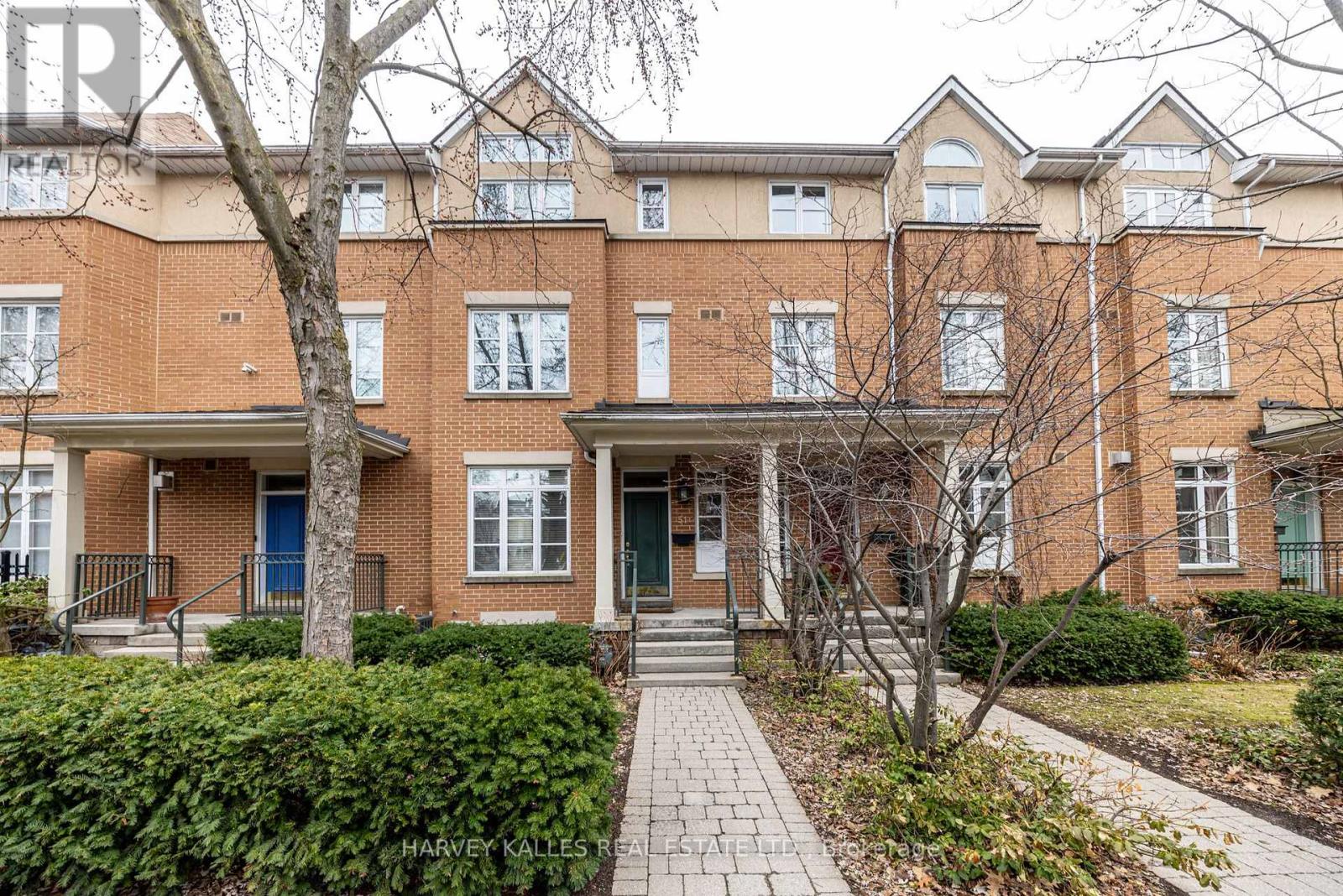 For Sale
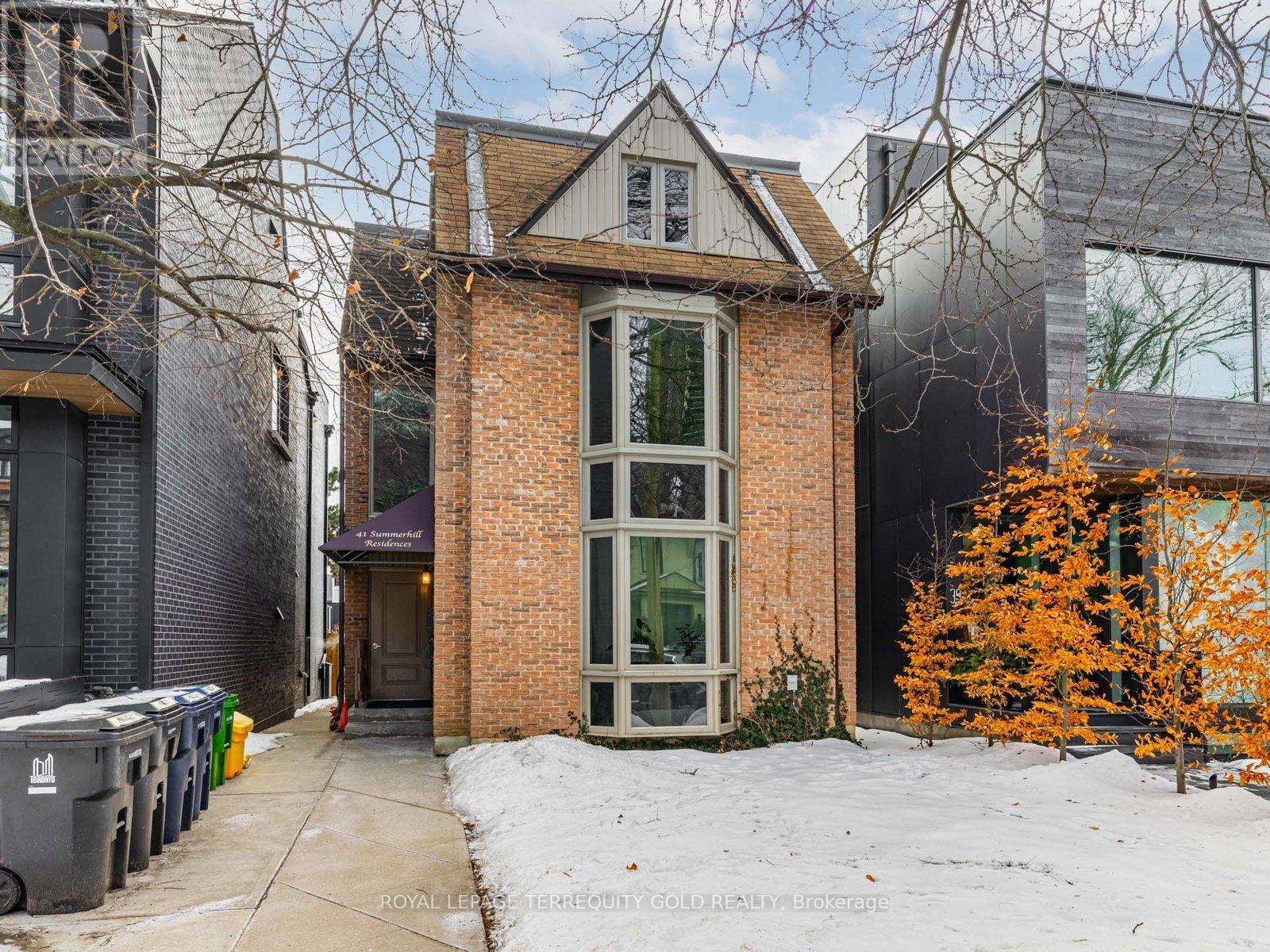 For Rent
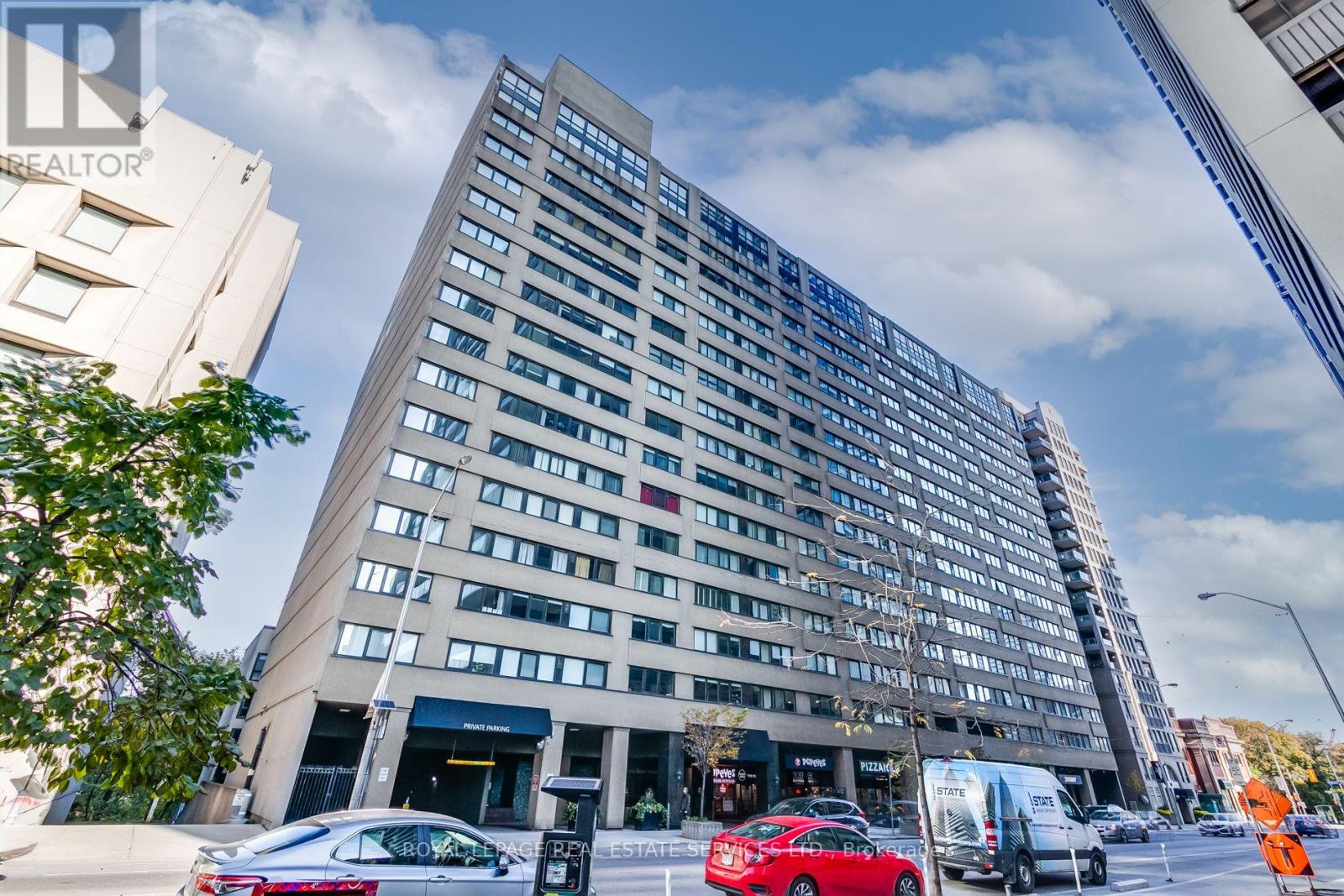 For Rent
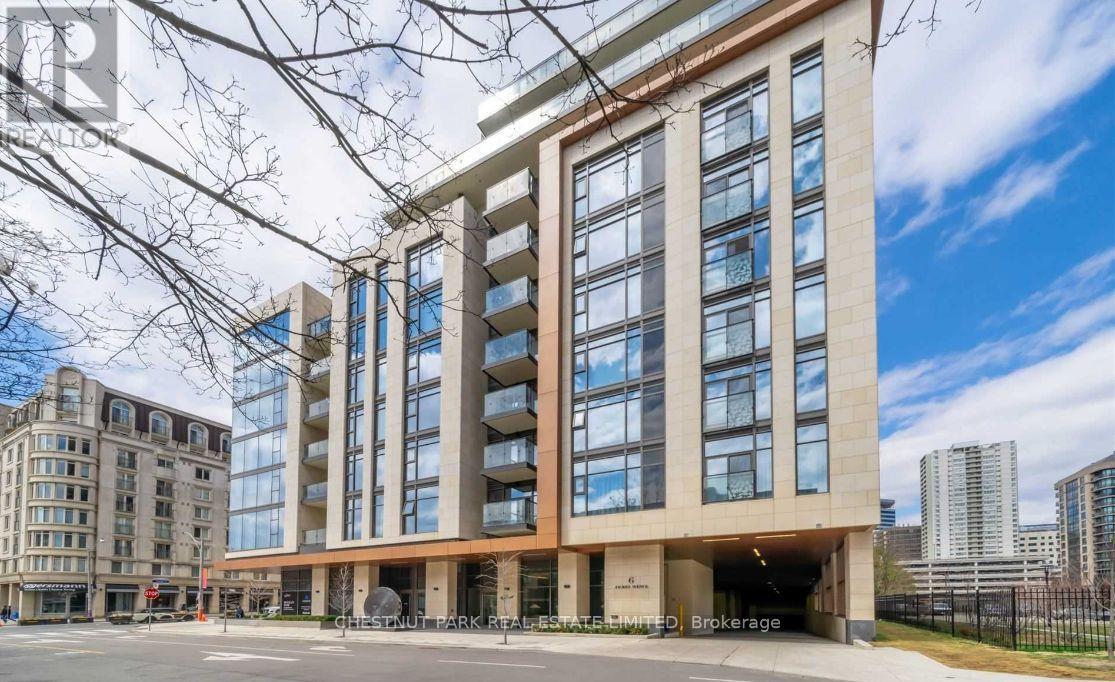 For Rent