
Roseland is Burlington's most prestigious residential neighbourhood in the south end, with large lots, 1950s-1980s detached homes on established wide streets. Average sold price around $1.27M in 2025. Detached homes range from $1.1M to $2.5M+.
Roseland is Burlington’s most established and consistently prestigious residential neighbourhood, occupying the area south of New Street between Guelph Line and Appleby Line. It’s where Burlington’s most desirable post-war family housing stock concentrates: large lots, established trees, homes from the 1950s through the 1980s in the full range of size and condition, and a neighbourhood feel that reflects decades of owner-occupied family housing rather than investor activity or speculative development.
The housing variety in Roseland is wider than most Burlington communities. At the lower end are original or lightly updated bungalows and split-levels from the 1950s and early 1960s on generous lots that represent the neighbourhood’s renovation opportunity. In the middle are renovated and updated two-storey detacheds from the 1960s and 1970s that reflect the full investment of Burlington families who stayed in the neighbourhood through their family-raising years. At the upper end are the large executive homes on the widest lots, on the most established streets, that represent Roseland’s genuine luxury tier.
Average sold prices in Roseland were approximately $1.27 million in 2025, with the full range running from $1.1 million for an original smaller property to $2.5 million or above for a custom or extensively renovated home on a premium lot. This makes Roseland the most expensive residential neighbourhood in Burlington by average, and the difference between Roseland and comparable south Burlington communities like Palmer or Grindstone reflects the genuine quality gap in lot size, street character, and the long-term ownership culture of the neighbourhood.
Roseland’s housing spans the postwar development eras from the early 1950s through the 1980s. The oldest homes are the most interesting from a character standpoint: larger lots, more diverse architecture, original-character interiors that some buyers prize over the standardized finishes of the suburban development that followed. The newer sections from the 1970s and 1980s have the advantages of more current construction standards and larger living areas at the cost of somewhat less variety in character.
Lot sizes in Roseland are genuinely large by Burlington standards. Frontages of 60 to 80 feet are common on the established streets, with depths that create rear yards substantial enough for pools, significant landscaping, and the kind of outdoor living space that Burlington’s 1980s and later subdivisions simply don’t offer. The lot size is the irreplaceable attribute of Roseland properties at any price point in the range.
The renovation market in Roseland is active. Custom rebuilds on Roseland lots are among the most valuable residential properties in Burlington, and they attract buyers from across the GTA who are looking for a south Burlington lot capable of supporting a significant custom home. Mid-renovation properties and well-maintained originals compete for a buyer market that ranges from hands-on renovators to buyers who want a finished product without compromise.
Roseland is the most illiquid of Burlington’s residential markets by transaction rate relative to its size, reflecting the premium nature of the properties and the long average holding periods of Roseland owners. Fewer properties change hands per year than in the mass-market south Burlington communities, and comparable sales can be several months old before the next sale provides a fresh reference point. This illiquidity requires more judgment in pricing than a higher-velocity market with monthly comparable data.
The Roseland market has shown persistent resilience through market cycles because the buyer profile is less financing-dependent than the mass market. A meaningful proportion of Roseland transactions involve buyers who are selling a substantial equity position elsewhere and are less vulnerable to interest rate effects on their purchasing capacity. This structural difference provides a floor under Roseland prices that the more financing-dependent family markets don’t have.
Multiple offers do occur in Roseland when a well-presented property in a premium location is priced correctly relative to the thin comparable sales data. These situations attract buyers who have been waiting for the right Roseland property and are willing to compete for it. An experienced agent who works Roseland regularly will recognize when these conditions are present and advise accordingly.
Roseland draws downsizers from other premium Burlington and Oakville communities as its most significant buyer segment. Families who have sold a $2.0 million Oakville property or a large Shoreacres Burlington home and want to move to a smaller but beautifully situated Roseland address find the neighbourhood the most natural choice within Burlington’s residential fabric. They are buying the neighbourhood and the lot as much as they are buying the house.
Families upgrading from other south Burlington communities who have built substantial equity in an Appleby or Palmer property over 10 to 15 years sometimes make the jump to Roseland when they have the equity to support the price difference. These buyers have often looked at Roseland for years before they could afford it, and they make deliberate and patient purchasing decisions.
Custom home buyers who want to build in Burlington’s most established residential area find Roseland’s combination of lot size, neighbourhood character, and the permanence of the surrounding housing quality the most compelling option. The resulting custom homes are among Burlington’s highest-value residential properties, and the neighbourhood context reinforces their value.
Roseland’s most desirable streets are those with the widest lots and the most established street tree canopy, typically running east-west through the centre of the neighbourhood between New Street and the southern edge approaching Lakeshore Road. The streets in this zone — including the established residential streets around the Roseland community — have the scale of older Ontario residential design that is simply not replicated in the post-1970s suburban format that dominates elsewhere in Burlington.
The southern portion of Roseland, closest to the lake, transitions toward the LaSalle neighbourhood and the Lakeshore Road waterfront corridor. Properties in this transition zone carry lake adjacency value that interior Roseland streets don’t have, and they attract buyers who want Roseland’s residential character with more explicit waterfront proximity.
The northern streets of Roseland closer to New Street are at the boundary with the middle-market south Burlington communities. These streets have Roseland addressing and lot characteristics but less of the premium character of the deeper interior streets. Buyers who are comparing Roseland northern streets to south Burlington alternatives should compare lot size and street character carefully rather than relying on the neighbourhood name alone.
Burlington GO station is approximately 20 minutes from Roseland by car, making it accessible for GO commuters but not among Burlington’s most convenient GO communities. The Roseland buyer demographic is typically less dependent on daily Toronto GO commuting than the north Burlington family markets, given the downsizer and equity-rich buyer profile. That said, buyers who do commute to Toronto by GO will find the 20-minute drive to Burlington GO manageable.
Driving from Roseland to the QEW runs about 15 to 20 minutes via Guelph Line or Brant Street north. The neighbourhood’s south Burlington location makes the QEW and the 403 accessible in reasonable time for highway commuters. The distance from the highway also keeps the neighbourhood well-insulated from highway noise.
The walkability of Roseland to the New Street commercial corridor provides some daily-errand access without requiring a car, particularly for residents on the northern streets closest to New Street. The downtown Burlington concentration on Brant Street is 20 to 25 minutes by car and accessible as a regular destination for residents who want the downtown Burlington restaurant and retail experience.
The Burlington waterfront and Spencer Smith Park are approximately 15 to 20 minutes from Roseland by car or a 30 to 40-minute walk from the southern portion of the neighbourhood. The waterfront is a regular recreational destination for Roseland residents who cycle or drive to the park, and the Burlington waterfront path provides cycling access to the lake from the south end of the neighbourhood.
Bronte Creek Provincial Park is accessible in 20 to 25 minutes and provides hiking, cross-country skiing, and family programming. The large lots within Roseland itself also support substantial private outdoor space that reduces the dependence on public parks for many residents. A 60 to 80-foot lot with a deep rear yard is itself a meaningful outdoor amenity.
The neighbourhood parks within Roseland are modest by scale but well-maintained. The large private lots that define the neighbourhood’s character reduce the demand for neighbourhood parks relative to higher-density communities, and the existing parks serve the neighbourhood’s needs without being exceptional destinations.
Roseland’s retail access is primarily via New Street and the nearby Guelph Line commercial corridors. Grocery, pharmacy, and basic services are within 10 to 15 minutes by car from most Roseland streets. The neighbourhood’s south Burlington position also puts it within 15 to 20 minutes of the downtown Burlington commercial concentration, which provides a walkable-quality retail and restaurant experience at a reasonable drive distance.
The Nelson Recreation Centre, located in the Roseland area, provides community recreation programming, arena ice, and fitness facilities accessible without a significant drive. The neighbourhood’s access to recreational infrastructure is good relative to its southern Burlington position, with community facilities available without the drive to north Burlington’s more recently built recreation centres.
Joseph Brant Memorial Hospital is about 20 to 25 minutes from Roseland, which is a reasonable hospital drive for south Burlington’s more removed communities. For Roseland’s older buyer demographic, the hospital access is a practical consideration that they are more likely to think about than the young families in north Burlington.
Roseland is served by the Halton District School Board with several HDSB elementary schools in the area. Catchment assignments vary by address, and the HDSB school locator provides specific confirmation. The elementary schools serving Roseland have generally strong reputations within the Burlington system, consistent with the neighbourhood’s sustained family demand over decades.
Secondary students from Roseland attend Nelson High School on Dundas Street, the HDSB secondary school serving south Burlington’s western and central communities. Nelson is a well-regarded Burlington high school with strong academic programming and a long history as the school serving the neighbourhood’s established family demographic. Its catchment covers a wide swathe of south-central Burlington, and its reputation is consistently positive among Burlington families with secondary-school-aged children.
The Halton Catholic District School Board serves Catholic-faith families in Roseland, with Catholic secondary options including Assumption Catholic Secondary School. Catchment confirmations should be done with the HCDSB for specific Roseland addresses.
Roseland is not in a significant development trajectory — it’s a built-out, stable residential neighbourhood where the story is gradual renovation and custom rebuild rather than new development or subdivision. The large lots do attract custom home interest, and the rebuild cycle on older properties will continue to raise the average quality of the housing stock over time without changing the neighbourhood’s fundamental character.
The area around Roseland is generally stable in terms of surrounding land use. New Street to the north sees gradual intensification as Burlington implements its transit corridor planning policies, but the residential interior of Roseland is several streets removed from this activity. The waterfront area to the south is permanently public parkland, which means the neighbourhood’s southern edge is stable.
Roseland’s long-term value foundation is among the strongest in Burlington. The combination of large lots, established residential character, and the south Burlington location within Nelson High School catchment provides a durable premium that has persisted through multiple market cycles. Buyers who understand what they are paying for find Roseland values enduring rather than speculative.
Q: Is Roseland actually Burlington’s most expensive neighbourhood?
A: By average sold price, Roseland consistently ranks at the top of Burlington’s residential neighbourhoods in years with reasonable transaction volumes. The average sold price was approximately $1.27 million in 2025, which places it above LaSalle, Shoreacres, and the south Burlington waterfront communities in most years. This reflects the lot size premium, the neighbourhood prestige, and the quality of the housing stock on Roseland’s best streets rather than a single high-value sale skewing the average. Within Roseland, the range is wide: a smaller original bungalow on a standard Roseland lot trades at $1.1 to $1.3 million, while a large renovated or custom-built home on a premium street commands $2.0 to $2.5 million or above. Buyers comparing Roseland to LaSalle should note that LaSalle has more waterfront-adjacent properties at the very top of the market, which can push individual transaction records higher, while Roseland has more consistently high average values across a broader range of transactions.
Q: What is the typical lot size in Roseland and why does it matter?
A: Roseland lots typically run 60 to 80 feet wide on standard suburban depths, with some premium lots going wider. This is meaningfully larger than the 35 to 45-foot lots typical of Burlington’s 1980s suburban development and larger than most comparable-price neighbourhoods in the Greater Toronto Area. The lot size matters for several reasons: it creates genuine rear-yard outdoor living space with room for pools, substantial landscaping, and extended family entertaining that narrower lots don’t support; it provides expansion potential for additions and rebuild opportunities that make the property more flexible over a long holding period; and it supports the neighbourhood character of wide-street residential with mature trees and low density that is difficult to replicate on narrow-lot residential streets. Buyers who have lived in 40-foot-lot suburban homes and then move to a 65-foot Roseland lot describe the difference in outdoor living quality as significant. The lot is as much of what you are paying for as the house.
Q: How does Roseland compare to Shoreacres in south Burlington?
A: Roseland and Shoreacres are adjacent and similarly prestigious south Burlington communities, with Shoreacres occupying the area immediately east of Roseland. The two communities are very similar in lot size, housing era, and neighbourhood character, with differences that are more about specific streets and properties than about a wholesale neighbourhood distinction. Shoreacres has a somewhat higher proportion of mid-century modern homes that attract a specific buyer who values that design tradition. Roseland has a slightly stronger brand in the Burlington market and has historically traded at a modest premium over Shoreacres at comparable property quality. In practice, buyers comparing the two should look at specific properties on specific streets in both communities rather than making a choice based on the neighbourhood names alone. The right house in either community is better than the wrong house in the more prestigious one.
Q: Is Nelson High School the reason families pay the Roseland premium?
A: Nelson High School contributes to the Roseland value proposition but is not the primary driver. The premium is primarily driven by the large lots, the neighbourhood’s established character, and the south Burlington lifestyle attributes that Roseland offers. Families with secondary-school-aged children who have researched Burlington high schools will find Nelson’s reputation a positive, but families in Roseland who don’t have children in the school system, or whose children attend private school, are not paying for the Nelson catchment specifically. The school is part of the package rather than the reason for the premium. This contrasts with communities like Orchard where the John William Boich school premium is a primary and specific driver of buyer motivation. In Roseland, the motivation is more broadly the neighbourhood’s character, lot quality, and south Burlington position.
Roseland is one of Burlington’s most specialized buying markets, and it benefits most from an agent who has worked Roseland and the adjacent Shoreacres community specifically rather than one who covers south Burlington broadly. The lot size variation, the thin comparable sales data, the heritage and renovation context, and the custom rebuild economics are all areas where specific neighbourhood experience matters more than general Burlington knowledge.
The home inspection scope in Roseland is as variable as the housing stock. A 1950s bungalow needs an inspector who knows original-construction Ontario residential from that era: knob-and-tube wiring or early circuit breaker panels, original galvanized plumbing, asbestos-containing materials in floor tiles and insulation from early renovation periods, and oil furnace or boiler systems. A 2010 custom rebuild needs an inspection focused on current construction standards and quality control. Your inspector’s experience must match the specific property type.
For buyers considering a Roseland lot for custom build, engaging an architect or builder for a pre-purchase feasibility assessment is worth the cost. The lot value calculation — what a finished custom home will be worth versus the acquisition cost plus construction cost — needs specific input from people who currently build in Burlington and know what the Roseland custom home market will support. Do not do this math on paper or from internet research; do it with people who know the numbers from current experience.
Street-level knowledge is hard to find online. Our team works in Roseland every day. They know which pockets hold value, where the school catchment lines actually fall, and what the market is doing right now. Talk to us before you make a decision about Roseland.
Talk to a local agent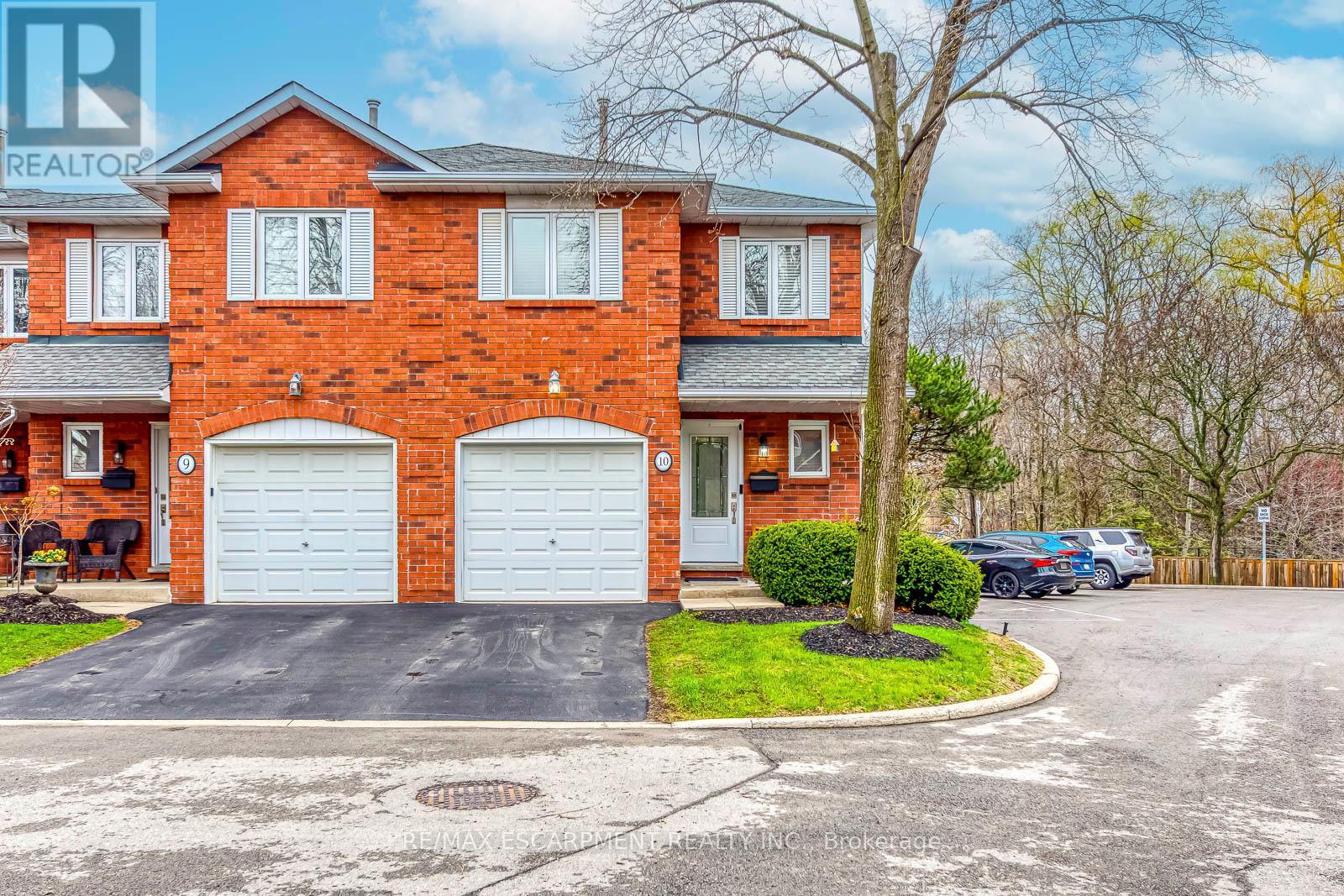 For Sale
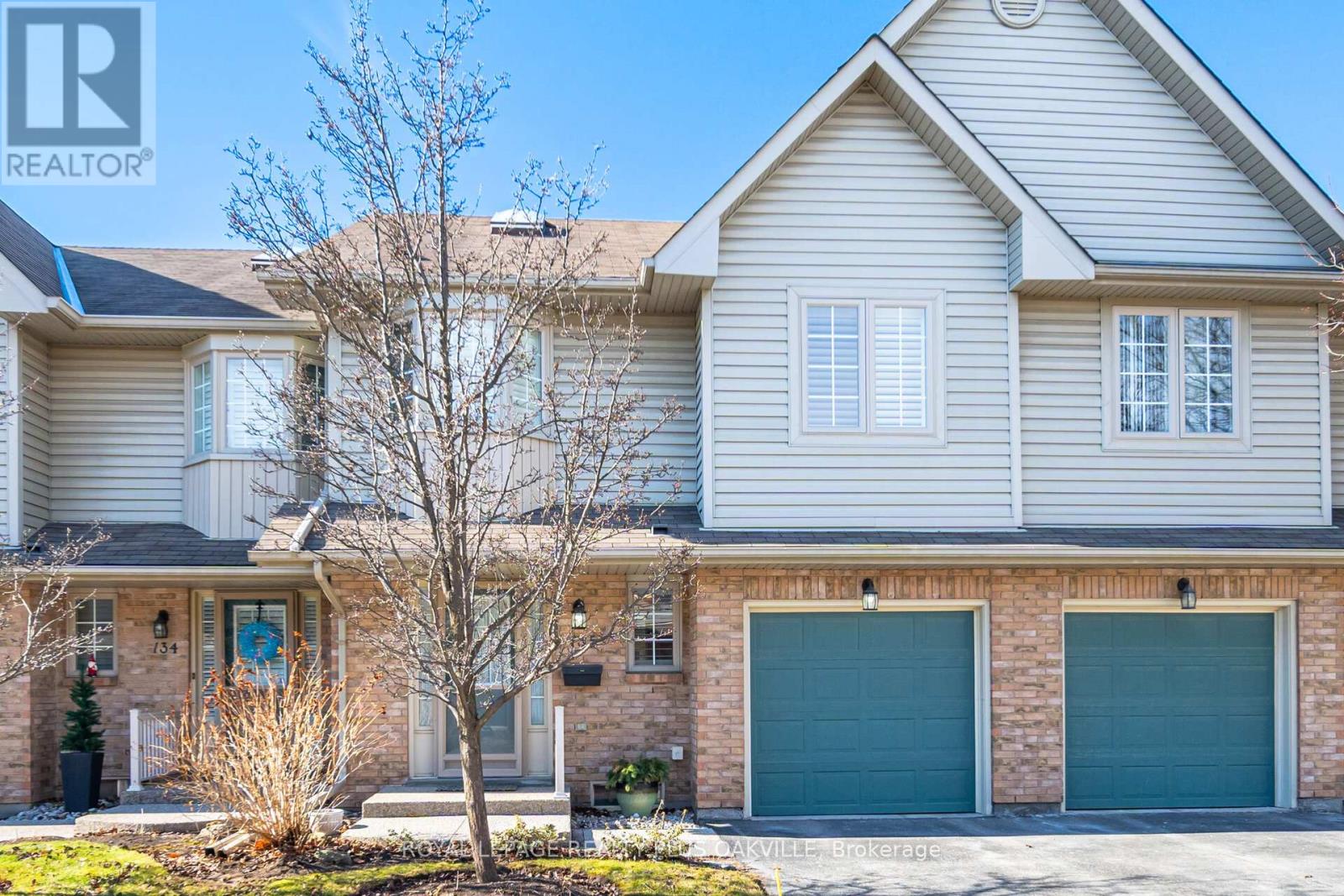 For Sale
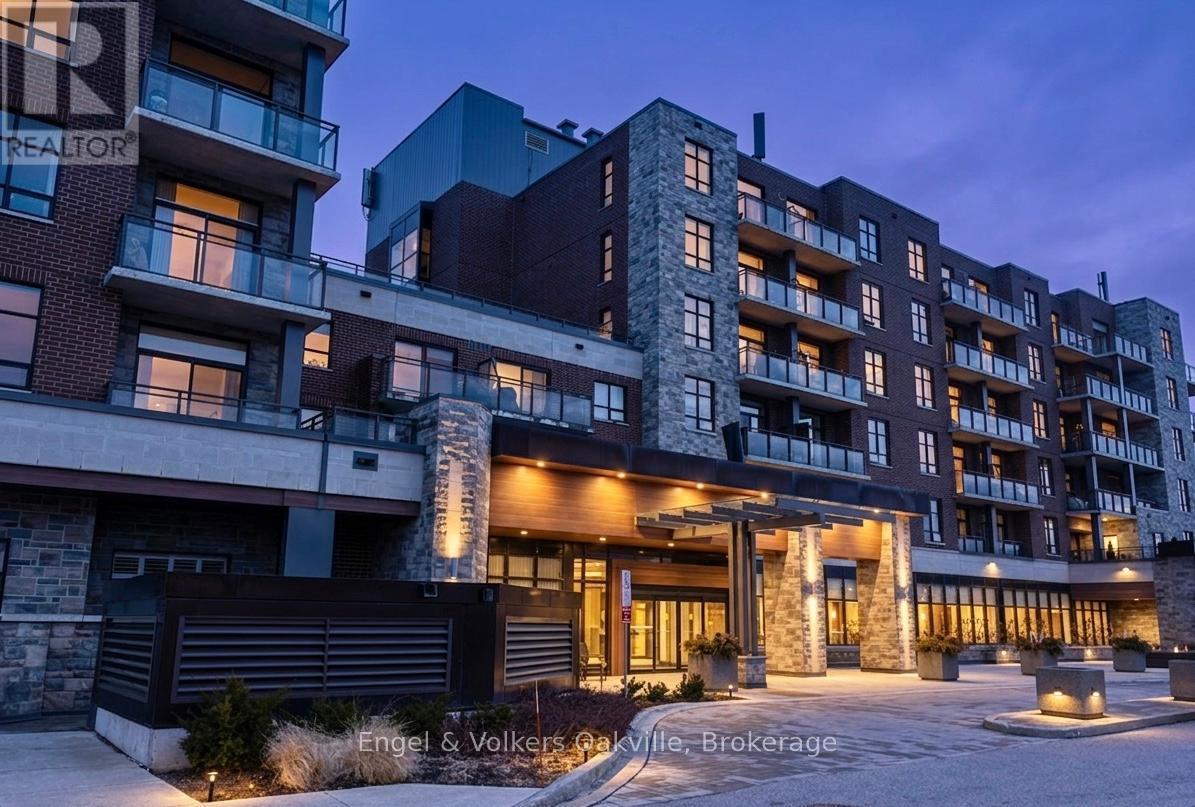 For Sale
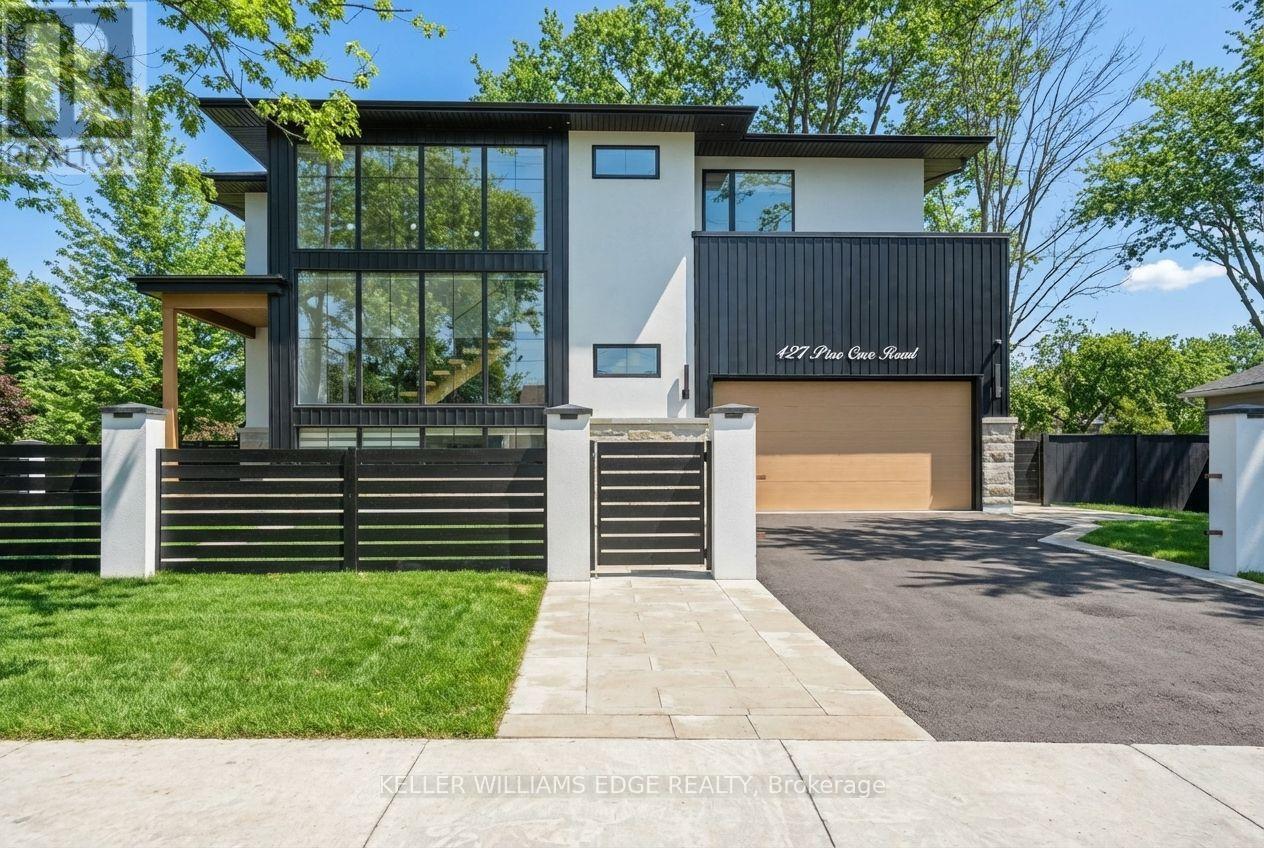 For Sale