
Rouge Park sits at the northern edge of Pickering, bordering the Rouge National Urban Park to the west and Markham to the north. It is one of the newer residential areas in the city, with most of its housing built in the 2000s and 2010s on land that was previously agricultural on the Oak Ridges Mora
Rouge Park sits at the northern edge of Pickering, bordering the Rouge National Urban Park to the west and Markham to the north. It is one of the newer residential areas in the city, with most of its housing built in the 2000s and 2010s on land that was previously agricultural on the Oak Ridges Moraine fringe. The neighbourhood takes its name from the Rouge River corridor that defines its western edge, and that connection to a significant natural landscape is central to its identity.
The Rouge National Urban Park, which became a federally administered park in 2015, runs along the neighbourhood’s western boundary. This is not a small local park but a protected natural area covering more than 40 square kilometres, with trail access from multiple points near the neighbourhood. For buyers who prioritise access to natural space, the proximity to a federal urban park at the edge of a suburban neighbourhood is genuinely unusual in the GTA context.
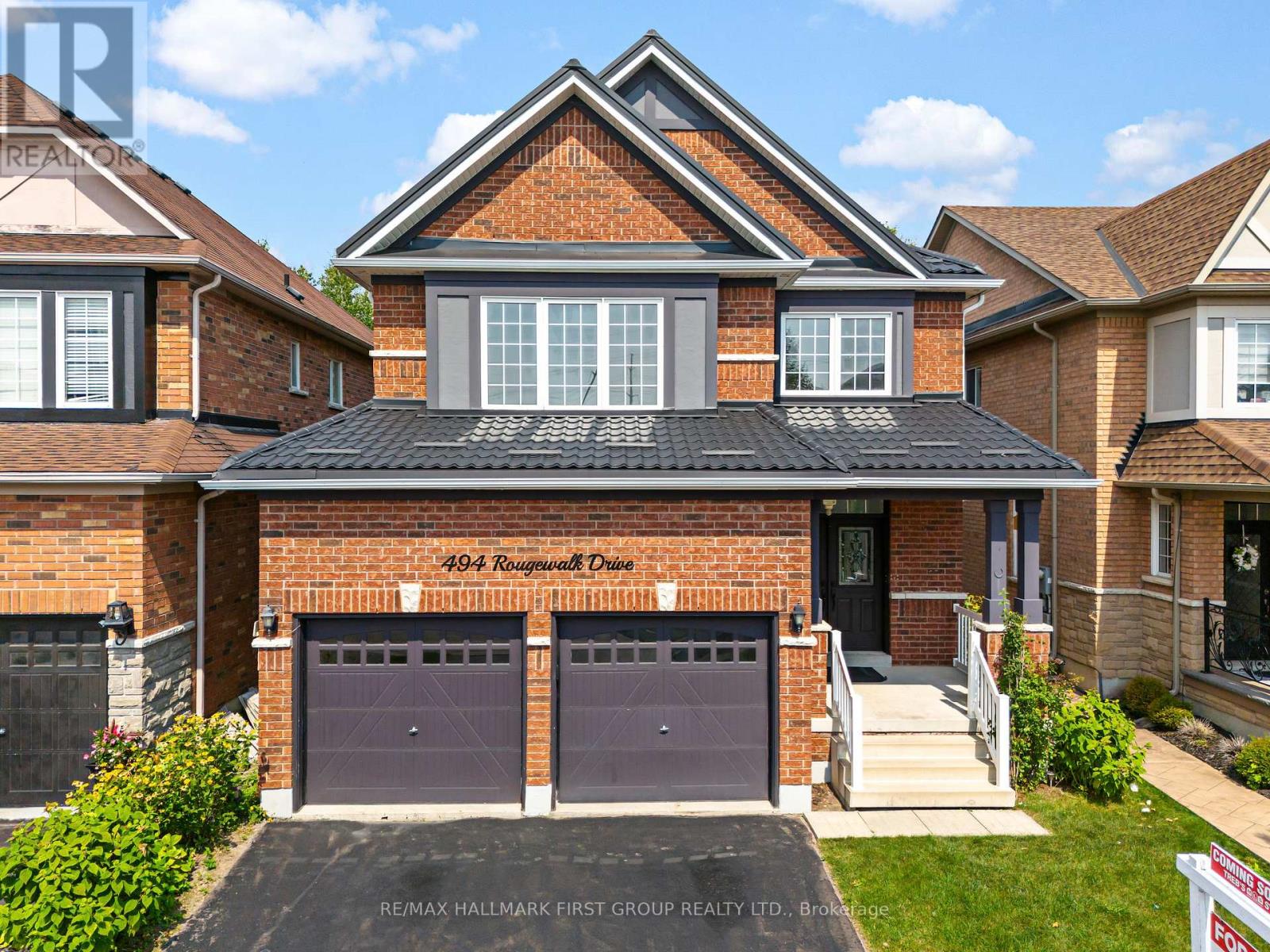
The housing stock is largely detached single-family homes built to the lot sizes and architectural styles typical of the 2000s Durham Region development wave. Streets are wide and planned. Garages are prominent on most facades. The neighbourhood has the consistency and predictability of master-planned suburban development from that era, which some buyers find appealing and others find monotonous depending on their background and preferences.
The buyer who ends up in Rouge Park has usually prioritised the park access, the relative newness of the housing, and the school catchment options that come with a younger neighbourhood. It draws families with children who want newer construction and outdoor access, and it competes directly with similar communities in northern Pickering, northern Ajax, and Markham’s south edge for that buyer profile.
Prices in Rouge Park are at the upper end of Pickering’s range, reflecting the newer housing stock and the park adjacency premium. The neighbourhood is not the most affordable entry point into Pickering’s market, but buyers who specifically want the combination of newer detached homes and park access will find that this combination is difficult to replicate at lower prices elsewhere in Durham.
Rouge Park is one of Pickering’s more expensive residential areas. The newer housing stock, larger lots in some sections, and the park adjacency premium all contribute to prices above the city average. Detached homes in Rouge Park were trading in the range of $1.1 million to $1.4 million in early 2025, with the upper end of that range reflecting premium lots, larger square footage, or homes backing directly onto the natural buffer zone adjacent to the park.
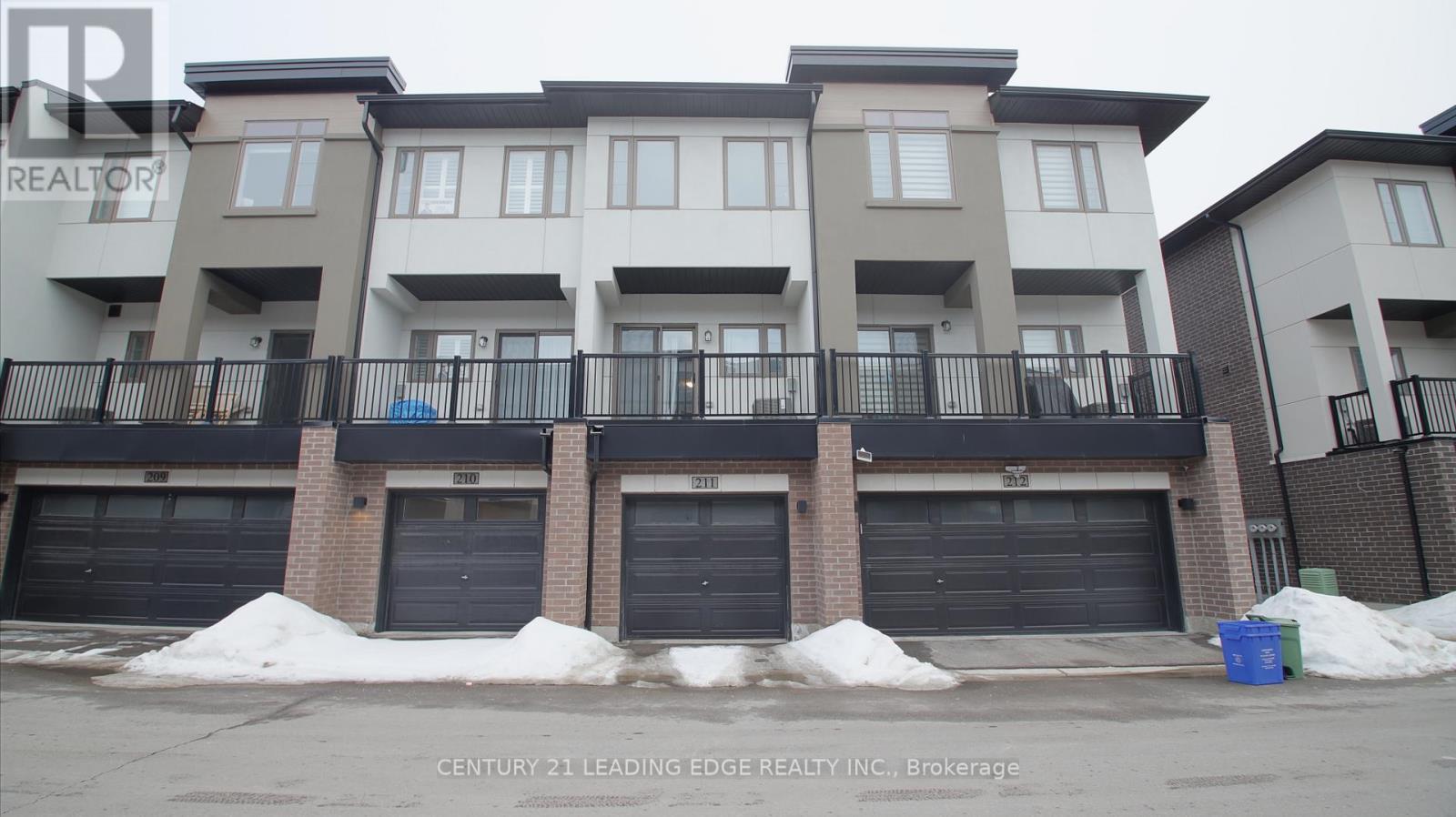
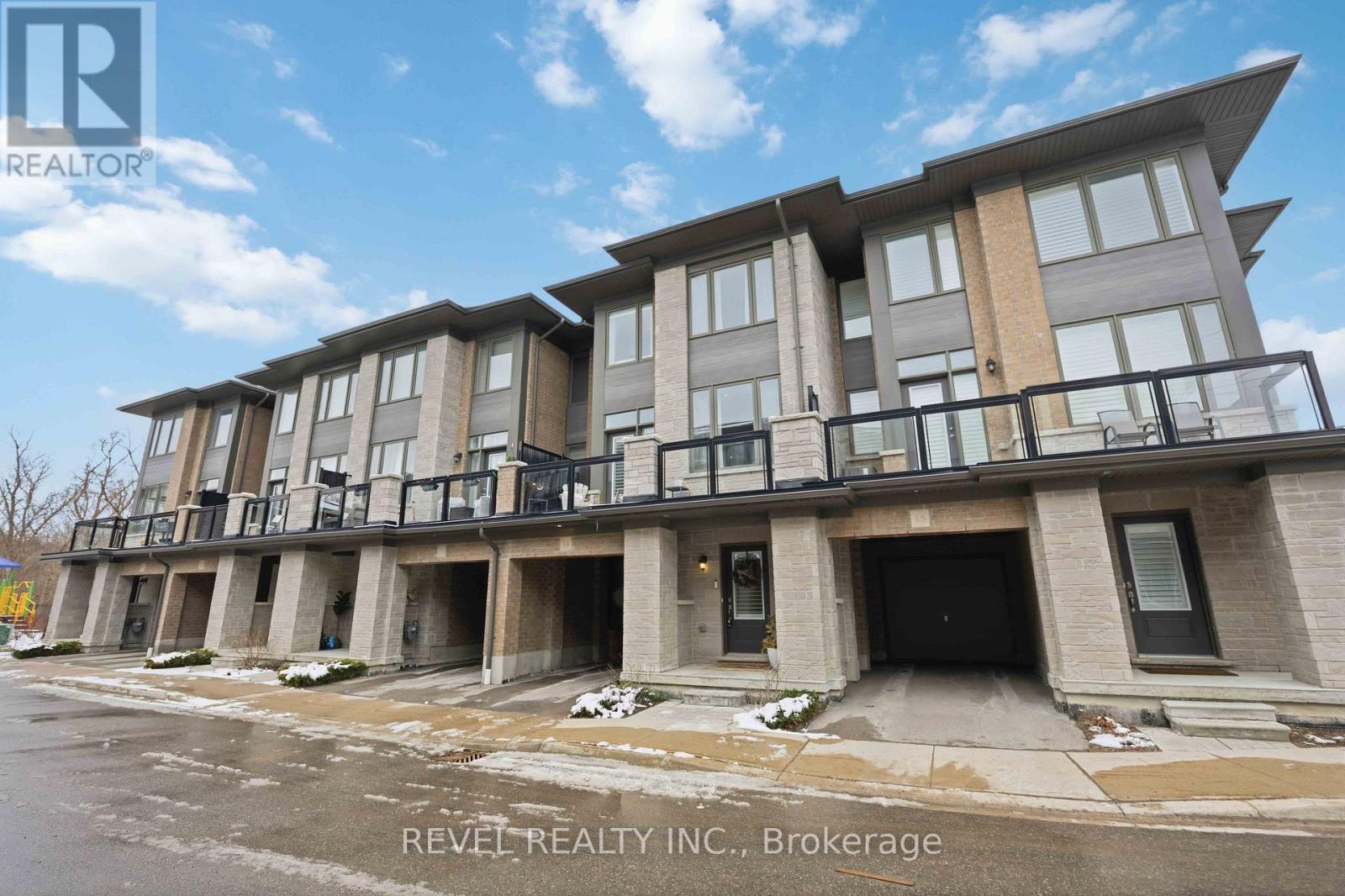
Semi-detached and townhouse options exist in portions of the neighbourhood, though Rouge Park is primarily a detached market. Townhouse pricing in the area was running roughly $750,000 to $900,000 depending on size and finish. These represent an entry point into the neighbourhood for buyers whose budget does not extend to the detached range.
The premium for park-backing lots is real and measurable. Homes that back onto the greenbelt or have unobstructed views of natural space consistently sell above comparable homes on interior streets. That premium is justified by the irreplaceable quality of the location, since no development can occur on park land, and the outlook from those properties will remain green in perpetuity.
Relative to Markham, which sits just north of the neighbourhood boundary, Rouge Park offers similar housing stock at lower prices. Markham’s detached market runs considerably higher. Buyers who want the Markham adjacency without Markham prices, and who are willing to accept Durham Region property taxes and the Pickering address, find this comparison works in their favour.
The neighbourhood was built in multiple phases, and there is some variation in quality between phases and between builders. Buyers purchasing resale in Rouge Park should be aware of which phase and builder constructed their target property. Some areas within the neighbourhood have had issues with builder quality that affected resale values in specific sections. An agent familiar with the area can identify those sections accurately.
Rouge Park’s market is driven by families who have done a deliberate comparison across northern Pickering, northern Ajax, and south Markham and concluded that this specific combination of park access, school catchment, and housing quality at Pickering prices is the right trade-off. That comparison-based buyer profile creates a market that is somewhat resistant to demand swings, because buyers here are making a specific choice rather than defaulting to the neighbourhood by default.
Inventory in Rouge Park tends to be low. Turnover is slower than in older Pickering neighbourhoods partly because the housing stock is newer and partly because families with young children in good school catchments do not typically move voluntarily. When listings do come to market, they are usually driven by life events rather than opportunistic selling, which means sellers are motivated and pricing is realistic.
Multiple-offer situations are common on well-priced detached homes in good condition during the spring market. The buyer pool is active and the competition can be meaningful on the right property. Buyers who are accustomed to less competitive markets elsewhere in Durham are sometimes surprised by the level of competition on listings in this area.
The investor presence in Rouge Park is limited. Single-family detached homes at these price points do not generate returns that attract investors, and the neighbourhood’s demographic is overwhelmingly owner-occupied. This is one of the factors that has kept the neighbourhood stable through broader market volatility. Forced selling during downturns is less common in owner-occupied markets than in areas with significant investor holdings.
Long-term value is supported by the park. The Rouge National Urban Park designation is federal and permanent, which means the greenbelt boundary is protected in a way that provincial greenbelt designations have not always been. Buyers paying a premium for park adjacency in Rouge Park are buying something that is genuinely permanent, not contingent on future government decisions about land use.
Rouge Park draws families who have ranked outdoor access above urban convenience and are willing to pay Pickering’s higher end prices to get it. The typical buyer is a household with one or two children in primary or secondary school age, at least one commuter to Toronto or to the Highway 407 corridor, and a strong preference for newer construction over the character of older stock. They have usually compared multiple Durham communities before landing here.
The park connection matters to this buyer in a concrete way, not as a vague lifestyle signal. Buyers in Rouge Park typically use the Rouge trails regularly once they move in. They were choosing between this neighbourhood and comparable ones in Markham or Ajax, and the park access, sometimes combined with lower prices than Markham’s equivalent, was a deciding factor.
Dual-income professional households dominate the demographic. The price point filters out single-income households unless incomes are unusually high, and the neighbourhood’s distance from downtown Toronto means that buyers who need to be in the city daily find the commute acceptable but not easy. Most buyers here have jobs that allow some flexibility in commuting frequency, or they are willing to manage the longer commute in exchange for what the neighbourhood offers.
Move-up buyers from other Pickering neighbourhoods, particularly those who started in Bay Ridges or Duffin Heights and outgrew those properties, are a consistent segment. They have already made the commitment to Pickering and are moving within the city rather than reconsidering the location entirely. This internal Pickering demand is a market dynamic worth understanding.
Buyers from Scarborough and North York who are relocating to Durham for the first time are also a meaningful group. The park proximity makes the lifestyle comparison to areas like Scarborough’s Highland Creek easier because both have significant green space. The argument for leaving Scarborough becomes easier to make when the destination has a federal urban park as a backyard.
The Rouge National Urban Park is the organising feature of daily life in this neighbourhood. Access points are within walking distance of most streets, and the trail network inside the park extends for kilometres through forest, meadow, and along the Rouge River. Residents with dogs, young children, or a regular running or hiking practice use the park consistently throughout the year. It is not an amenity that becomes irrelevant after the novelty of moving in wears off.
The neighbourhood has a community association that organises seasonal events and provides a point of coordination for residents. This is typical of master-planned communities built in this era. The association tends to be active when the neighbourhood is relatively young and new residents are building social connections. Some of that energy persists as the neighbourhood matures, though it varies by specific block and street.
Pickering’s commercial areas are accessible by car to the south along Brock Road or Altona Road. The drive to Kingston Road takes roughly 10 to 15 minutes, where most daily services are available. There is no walkable commercial district within Rouge Park itself, which is a characteristic of most northern Pickering neighbourhoods built in this period. Residents plan for car trips for most errands.
The seasonal use of the park changes the neighbourhood’s feel considerably. Summer and fall draw more residents outside, and the trails are noticeably busier. Winter in the park, while colder, attracts a different kind of user. Some residents specifically appreciate that the park provides a consistent reason to be outdoors through the colder months. Others find that winter in a quieter suburban neighbourhood without walkable amenities requires deliberate planning to maintain social connections.
Schools serve as a significant community hub. The newer elementary schools in the area were built to accommodate the neighbourhood’s population and tend to have strong parent communities. Sports programs, school events, and parent volunteer activities create social networks that extend beyond the school itself. For families with school-aged children, these connections can be among the most important in the neighbourhood.
Rouge Park’s location at Pickering’s northern edge means that highway access is a longer drive than from the city’s south. Highway 401 is accessible via Brock Road heading south, which takes roughly 10 to 15 minutes from most of the neighbourhood. Highway 407 is somewhat closer, accessible from Brock Road or Altona Road, and for buyers commuting east toward Markham or north toward Highway 407 corridor employment, the proximity to 407 is a genuine advantage.
Pickering GO Station is approximately 15 to 20 minutes by car from northern Pickering neighbourhoods including Rouge Park. The drive is manageable but the GO journey itself adds time relative to communities closer to the station. Total door-to-door commute time to downtown Toronto for a Rouge Park resident using GO is typically 70 to 85 minutes. This is at the outer edge of what most commuters find consistently manageable five days per week.
The 407 access is a meaningful advantage for buyers with employment in Markham, Richmond Hill, or the Highway 400 corridor. The 407 east extension connects Durham Region to Markham quickly, and Rouge Park residents can access it without travelling south to the 401 first. For buyers whose employment is along this corridor, the commute from Rouge Park can be considerably shorter than the GO commute downtown.
Durham Region Transit serves the area with routes along Brock Road and connections to Pickering GO. The frequency is not high enough to make transit a realistic primary mode for most residents, but it provides an option for car-free commuters willing to accept longer journey times. The transit situation is more limiting here than in Pickering’s south, and buyers who prefer to live car-free should factor this into their assessment.
Cycling within the neighbourhood is pleasant given the planned streets and trail access, but cycling for commuting purposes is limited by the distances involved. Most residents are car-dependent for daily life outside of recreational cycling and park access, which is consistent with most low-density GTA suburbs built at this density.
The Rouge National Urban Park is the defining outdoor amenity and it is exceptional by any reasonable standard. Federal park designation means permanent protection of the land, and the park’s 40-plus square kilometres contain forest, river valley, meadow, and agricultural land managed within the park boundary. Hiking trails run through the park at varying difficulty levels, and access points near Rouge Park allow residents to enter the trail network on foot from the neighbourhood.
The Rouge River itself runs through the park corridor. River valley hiking and wildlife observation are consistent attractions. The park supports deer, foxes, coyotes, and a range of bird species. For residents who use the park regularly, wildlife sightings are a routine part of the experience rather than an occasional surprise.
Within the neighbourhood, parkettes and local parks provide playgrounds and open space for younger children at a more immediate scale. These are the daily-use spaces for families with children under ten, while the national park serves residents who want more substantial trail use and natural landscape. The combination of local parkettes for everyday use and a major protected natural area for weekend use is an amenity pairing that few Durham neighbourhoods can offer.
The Highland Creek and other smaller watercourses that flow through the area contribute to the green corridor network along Pickering’s northern boundary. These tributary valleys add to the connected natural landscape without necessarily being formal parks, but they contribute to the sense of a greener and more open environment than equivalent subdivisions further south.
Pickering’s official plan designates the land immediately adjacent to the park boundary for low-density residential use, which provides a buffer between the park and the more intensively developed parts of the city. This designation protects the park adjacency premium for existing homeowners and ensures that the interface between the neighbourhood and the park will not change significantly over time.
Rouge Park is served by relatively new schools built specifically to accommodate the neighbourhood’s population. Pickering’s northern growth created demand for new school infrastructure that was addressed in phases as the neighbourhoods developed. The result is a school landscape that is newer in physical condition than in established Pickering neighbourhoods, with facilities that reflect construction standards from the 2000s and 2010s.
Parkside Public School serves the immediate neighbourhood as the primary DDSB elementary school. It feeds into Pine Ridge Secondary School for grades nine through twelve. Pine Ridge is a comprehensive high school with a range of academic and applied programs and a track record that parents in the area generally view positively. Dunbarton High School also serves parts of the northern Pickering area and may be the catchment school for some portions of Rouge Park depending on exact address.
Catholic school options include St. Monica Catholic Elementary School and Notre Dame Catholic Secondary School within the DCDSB system. Parents choosing the Catholic system should verify current boundaries with the board, as catchment lines in growing northern Pickering have been adjusted periodically to manage enrollment across schools.
The DDSB North Oshawa Secondary School, opening in September 2026, is relevant context for understanding school capacity planning in Durham Region broadly, but it will not directly affect Pickering catchments. What it signals is that the board is investing in new secondary capacity across the region, and Pickering’s own school infrastructure should be assessed in that context.
School-age population density in Rouge Park is among the highest in Pickering, reflecting the neighbourhood’s family composition. Schools here are typically operating at or near capacity. Buyers who are evaluating school options should check current enrollment and capacity data directly with DDSB rather than relying on reputation alone, as the situation can change quickly in fast-growing areas.
Rouge Park is a largely completed neighbourhood. The land available for new development within its boundaries is limited, and the adjacency to the national park on the west prevents further expansion in that direction. Future development in northern Pickering will occur on land to the north and east of Rouge Park rather than within it, which means the neighbourhood’s physical form is essentially established.
The Seaton community, which represents a major planned expansion of Pickering to the north, is under development and will eventually add tens of thousands of residents to areas north and east of Rouge Park. Seaton is being developed on former federal lands and is intended to be a complete community with its own commercial and employment areas. For Rouge Park residents, the primary impact of Seaton will be increased traffic on Brock Road and other north-south corridors as the community grows, rather than any direct change to the neighbourhood itself.
Highway 407 east extension improvements and potential future transit connections along the 407 corridor are relevant to buyers in northern Pickering. Any improvement to regional transit serving the 407 would benefit Rouge Park residents whose employment is along that corridor. Metrolinx has identified the Durham segment of the transit network as a long-term planning priority, though timelines for specific improvements remain uncertain.
Within the neighbourhood, the most visible change is the natural progression of newer construction maturing. Trees planted 15 to 20 years ago are now established. Streets that looked recently built are taking on the character of lived-in neighbourhoods. This maturation process will continue and is generally positive for neighbourhood character and property values.
The federal park boundary is stable. There are no credible development proposals that would affect the Rouge National Urban Park land adjacent to the neighbourhood. This provides a more durable form of certainty about the neighbourhood’s western edge than most green space designations in the GTA, where provincial and municipal designations have been subject to revision.
The land that is now Rouge Park, Pickering, was agricultural until relatively recently. The area sat within Pickering Township’s rural northern section, used for farming and largely undeveloped through most of the twentieth century. The proximity to the Rouge River valley and the Oak Ridges Moraine made it environmentally sensitive land that was slower to develop than the lower-lying areas closer to Lake Ontario.
The designation of the Rouge River valley as protected land began with provincial and regional planning initiatives in the 1990s that recognised the ecological significance of the river corridor. When the federal government formally established the Rouge National Urban Park in 2015, it gave permanent protection status to land that had been subject to various provisional protections for years. The park designation came after a long advocacy effort by conservation groups and community organisations who wanted to prevent the development pressure that affected other parts of the GTA from reaching the Rouge valley.
Residential development of the land adjacent to the park began in earnest in the late 1990s and accelerated through the 2000s. The neighbourhood was developed under Pickering’s official plan designations for low-density residential use, which were intended to create a buffer between the park and more intensive urban development. The planning logic was to allow housing that would add to Pickering’s residential base while maintaining the park’s character as a natural boundary.
The community that formed as Rouge Park developed was from the beginning oriented toward the park as its defining amenity. Unlike older Pickering neighbourhoods that grew around the GO station or the commercial areas along Kingston Road, Rouge Park formed around a natural asset. That difference in origin shapes how residents identify with the neighbourhood even now.
The Indigenous history of the Rouge River valley predates European settlement. The valley was a travel and resource corridor for various nations over centuries, and the river’s role as a natural route through the landscape is part of a much longer history than the suburban development of recent decades. The national park itself acknowledges this history in its interpretive programming, which is accessible to neighbourhood residents on the trails.
Q: Can you walk into the Rouge National Urban Park from the neighbourhood?
A: Yes. Several trail access points connect directly from streets in Rouge Park into the national urban park trail network. The closest access depends on the specific address. Buyers prioritising immediate park access should look at homes on the streets bordering the western edge of the neighbourhood, where the buffer between backyards and the park trail corridor is smallest. Parks Canada maintains the trails and access points year-round, though some sections may be limited seasonally for ecological management purposes.
Q: How do home prices in Rouge Park compare to similar communities in Markham?
A: Comparable detached homes in south Markham neighbourhoods adjacent to the Rouge corridor typically sell 15 to 25 percent above equivalent homes in Pickering’s Rouge Park area. The difference reflects Markham’s higher average price levels, York Region’s property tax structure, and the strong demand for Markham’s school boards. For buyers who do not require Markham school catchment specifically and whose employment is not in Markham, the price difference represents significant savings on the same type of property in a comparable setting.
Q: What is the commute like from Rouge Park to downtown Toronto?
A: Driving to downtown Toronto takes 45 to 60 minutes outside rush hour and can exceed 75 minutes during peak traffic. Taking GO transit from Pickering Station, which requires a 15 to 20 minute drive or bus connection from northern Pickering, adds travel time to the GO journey itself of approximately 45 to 50 minutes, putting total door-to-door time at 70 to 90 minutes. This is at the longer end of what regular commuters typically find sustainable. Buyers whose employment allows remote work flexibility, or who commute to the Highway 407 corridor rather than downtown, find the commute more manageable from this location.
Q: Is the neighbourhood quiet at night?
A: Rouge Park is a quiet residential neighbourhood. Traffic volumes on internal streets are low, there is no nearby commercial activity that generates nighttime noise, and the park on the western boundary creates a substantial natural buffer. Highway 407 noise is audible from streets in the northern parts of the neighbourhood when wind conditions carry it, but it is not typically intrusive on interior streets. Buyers who are sensitive to traffic noise should confirm the specific street location relative to the highway before purchasing.
Buyers purchasing in Rouge Park benefit from an agent who understands the specific phases and builders involved in the neighbourhood’s development. Not all sections were built to the same standard, and the resale market reflects differences between phases that are not obvious from looking at comparable sales without knowing the context. An agent who has worked in northern Pickering regularly will know which builders and phases have had issues and which have performed well.
The park-backing premium requires careful analysis. Two otherwise comparable homes, one with a park-backing lot and one on an interior street, can differ meaningfully in price. Understanding whether a specific park-backing property is priced appropriately requires comparable data from similar lots, not just the general neighbourhood average. In a neighbourhood with limited annual transactions, finding clean comparables for premium lots is one of the more technical aspects of advising on an offer price.
Pre-purchase inspections on homes built in the 2000s and 2010s should pay specific attention to HVAC systems, which may be approaching end of useful life on earlier builds, and to common builder issues from that era such as cracked concrete in driveways and patios, inadequate attic insulation, and early-generation high-efficiency furnaces that have become expensive to maintain. These are not unique to Rouge Park but they are common in the neighbourhood’s housing stock.
Buyers interested in lots adjacent to the park should review the TRCA and Parks Canada regulatory maps for any watercourse setback requirements that may affect renovation or addition plans. Properties near creek tributaries may have restrictions on what can be built in their rear yards that are not visible on a standard lot description.
The Seaton development to the north will affect traffic patterns on Brock Road and Taunton Road over the next decade. Buyers who are sensitive to anticipated neighbourhood change should be aware of where Seaton’s residential phases are planned relative to their target property. An agent with knowledge of Pickering’s planning documents can walk through the expected timeline and scope of Seaton’s impact on the existing northern neighbourhood.
Street-level knowledge is hard to find online. Our team works in Rouge Park every day. They know which pockets hold value, where the school catchment lines actually fall, and what the market is doing right now. Talk to us before you make a decision about Rouge Park.
Talk to a local agent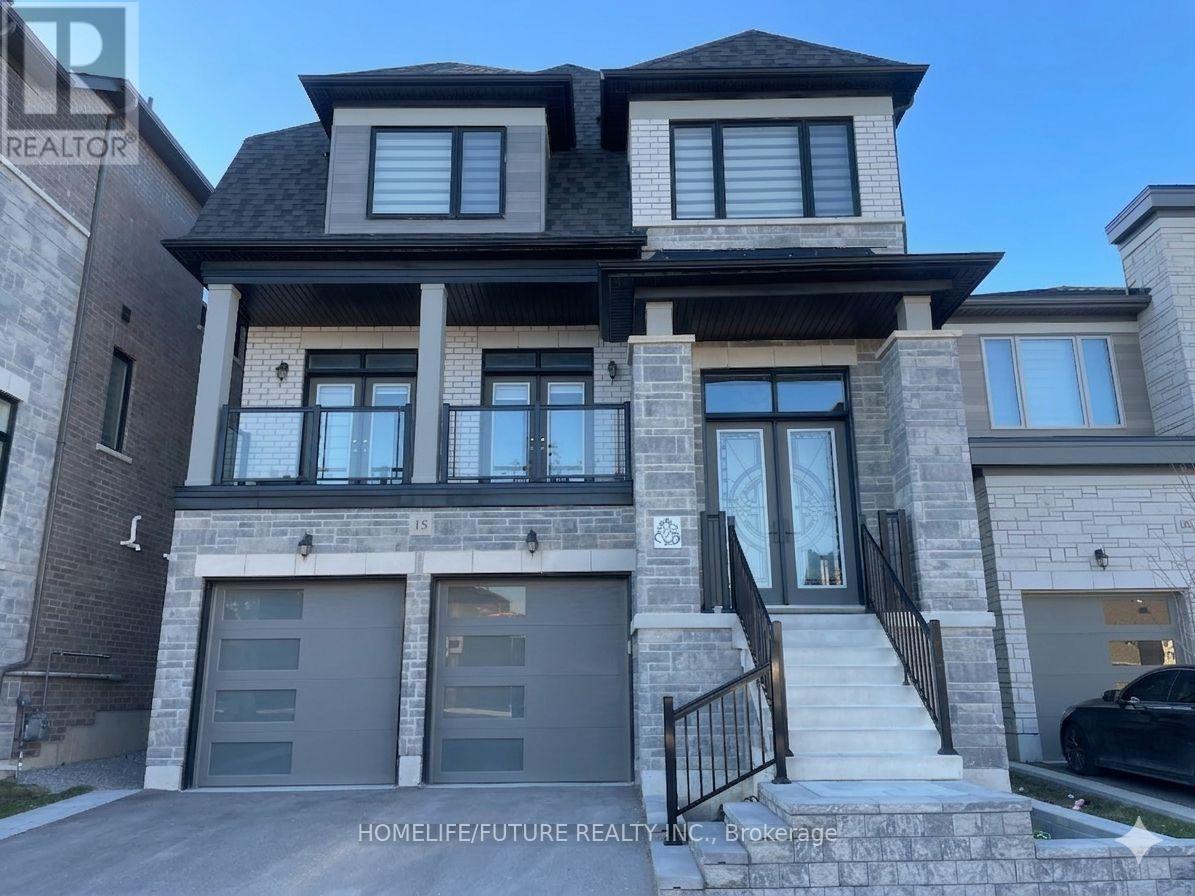 For Rent
 For Sale
 For Sale
 For Rent