
Rougemount occupies a distinctive position in Pickering, sitting on elevated land along the western edge of the city where the Rouge River valley defines the boundary with Scarborough. It is an older, established neighbourhood with large lots, mature trees, and a built character that sets it apart f
Rougemount occupies a distinctive position in Pickering, sitting on elevated land along the western edge of the city where the Rouge River valley defines the boundary with Scarborough. It is an older, established neighbourhood with large lots, mature trees, and a built character that sets it apart from the newer subdivisions in Pickering’s north and east. The streets follow the contours of the valley rather than a grid, which gives Rougemount a different physical quality from most Durham neighbourhoods.
The Rouge River valley creates the western boundary and provides some of the most dramatic natural scenery available in an established residential area this close to Toronto. Properties along the valley edge have views into the forested ravine that are unusual for a neighbourhood at these prices. The valley is part of the Rouge River Heritage River designation and connects northward into the Rouge National Urban Park.
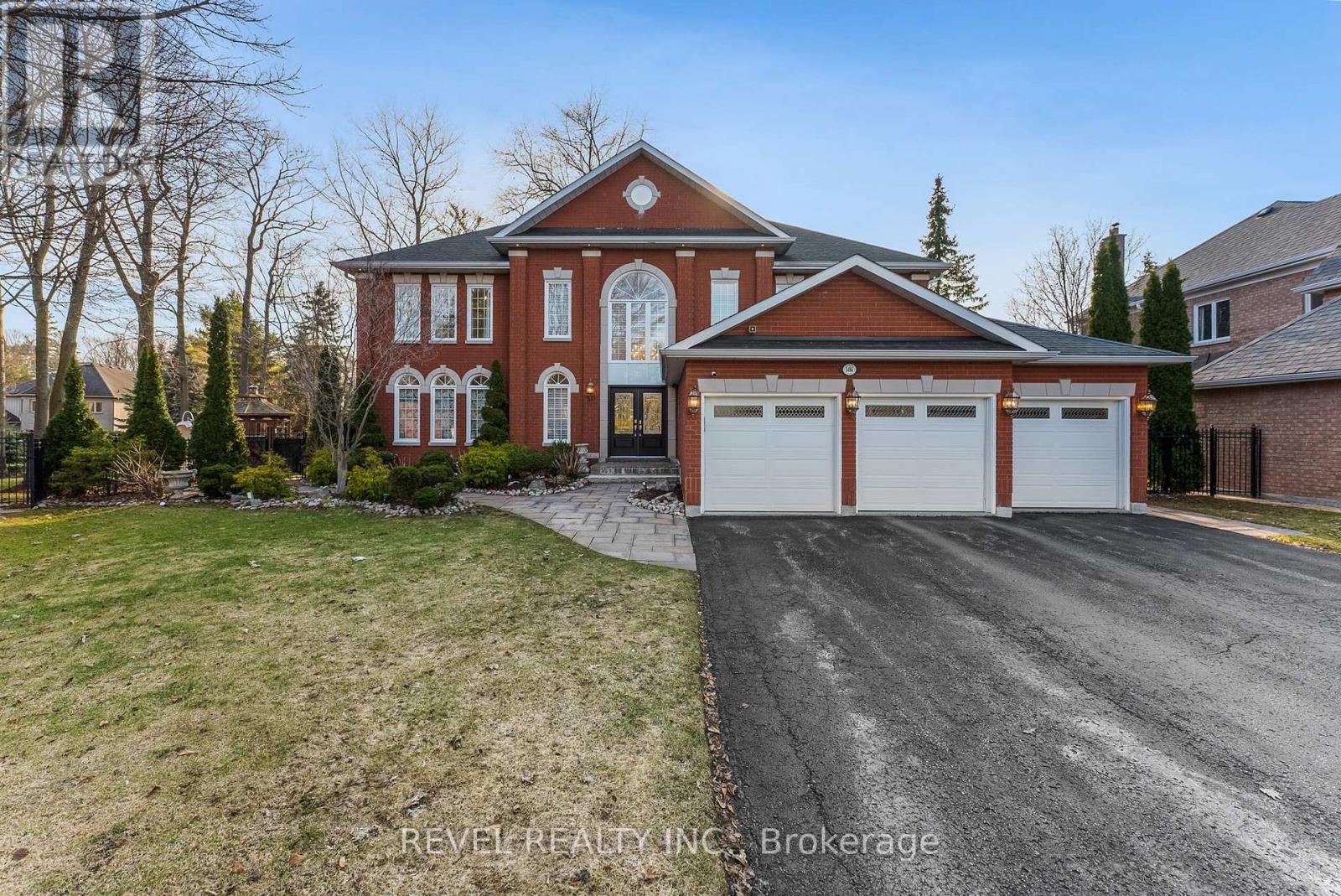
Housing in Rougemount is predominantly detached, with a mix of bungalows, two-storeys, and raised bungalows built largely in the 1960s through the 1980s. Lots are typically larger than in Pickering’s newer developments, and the setbacks give the neighbourhood a spacious, established feel. The housing stock has seen substantial renovation over the years, and many homes have been significantly updated while maintaining the external streetscape character.
The neighbourhood is close to Pickering’s western boundary, which means it has easy access to routes going west toward Scarborough and to the Highway 401 via Kingston Road and by direct access at Liverpool Road. For buyers who work in Scarborough or the eastern part of Toronto, Rougemount is one of the few Durham addresses that makes the commute genuinely manageable without heavy dependence on GO.
This is a neighbourhood for buyers who value established character, proximity to a significant natural corridor, and larger lots over the convenience of newer construction or walkable amenities. It has a settled, residential quality that newer subdivisions take decades to develop. The buyers who fit Rougemount tend to recognise that quality and are willing to pay for it.
Rougemount prices reflect the premium that comes with established character, large lots, and valley adjacency. Detached homes in the neighbourhood were trading in the range of $1.05 million to $1.35 million in early 2025, with properties on valley-view or ravine-backing lots reaching above that range. The per-square-foot cost of housing here is higher than in many newer Pickering neighbourhoods because the lots are larger and the location carries genuine scarcity value.
Bungalows on large lots are a significant part of the inventory. Some have been extensively renovated and present as modern homes within an older frame. Others remain in more original condition and represent renovation opportunities. The difference in pricing between a renovated and an original-condition bungalow in Rougemount can be substantial, and buyers should have a clear sense of which category they are purchasing before making offers.
The valley-edge premium is real. Properties with unobstructed views into the Rouge River valley or with direct trail access from the rear yard sell above comparables on interior streets. This premium reflects the permanent nature of the natural boundary. The valley cannot be developed, which means valley views are protected in a way that many GTA ravine-adjacent properties are not.
Compared to equivalent ravine-lot properties in East York, Scarborough, or North York, Rougemount values are considerably lower. A ravine-backing home in North York or East York with comparable lot size and condition would sell at two to three times the Rougemount price. Buyers making the comparison from the Toronto side of the boundary often find the value case compelling.
Market liquidity in Rougemount is moderate. Homes sell when they are priced accurately, though the neighbourhood trades fewer transactions per year than larger subdivisions. Annual turnover is low, partly because the combination of lot size, valley access, and neighbourhood character creates a high barrier to leaving for owners who value those things. When good properties come to market, they typically sell within a reasonable timeframe to buyers who have been watching the area.
Rougemount attracts buyers who have specifically researched the neighbourhood rather than defaulting to it. The combination of ravine access, established character, and large lots is not obvious to buyers working from general Durham Region searches. It takes either local knowledge or deliberate research to discover that Rougemount offers qualities that are genuinely rare at its price level.
Demand is anchored by end-users with a specific appreciation for what the neighbourhood offers. Investors are largely absent because the yield profile of a $1.2 million detached home is not attractive to rental investors, and the renovation opportunity, while present, is more complex and expensive than in lower-cost neighbourhoods where the mathematics of renovation profit are clearer.
The buyer pool includes a meaningful proportion of people relocating from Scarborough and East Toronto. For buyers who grew up in Toronto or have lived there for years, Rougemount reads as a neighbourhood with Toronto-like qualities at Durham prices. The ravine, the mature trees, and the established streetscape are qualities they associate with Toronto rather than with Durham suburbs. This cross-boundary buyer group is consistent and growing as Toronto prices have pushed further up.
Multiple offers occur on properties that are properly priced and presented. The most competitive situations involve valley-edge lots or extensively renovated homes that represent the neighbourhood at its best. Properties that are priced to reflect dated interiors and original condition tend to trade through a different process, attracting buyers who want the location at a discount and are willing to carry out the renovation work themselves.
The market here is not speculative. Buyers are purchasing for the lifestyle and the long-term value of an established location, not because they expect rapid appreciation from neighbourhood transformation. Price growth in Rougemount has historically tracked Durham Region averages rather than outpacing them, which is consistent with an established neighbourhood that is not undergoing significant change.
The Rougemount buyer has usually come from Toronto or from a higher-priced GTA community and made a deliberate decision that this specific combination of natural setting, established character, and relative affordability is worth the Durham address and the commute adjustment. They are not primarily price-sensitive buyers who ended up in Pickering because it was what they could afford. They chose this neighbourhood for reasons that are specific to it.
Families with older children or empty nesters form a significant part of the buyer pool. The neighbourhood’s lot sizes and natural access are attractive to households who want outdoor space for practical use, not just visual appeal. The ravine trail network supports year-round walking and cycling. Large lots accommodate gardens, workshops, and outdoor living in ways that newer subdivisions with tighter lots cannot match.
Professionals with employment in Scarborough or the eastern part of Toronto make up a consistent segment. From Rougemount, the drive to Scarborough centres is genuinely manageable. Highway 401 access at Liverpool Road is close, and the commute to Scarborough employment nodes or east Toronto is materially shorter than from most of Pickering. This commuter geography is one of Rougemount’s structural advantages.
Renovation buyers who want a large, well-located lot with room for a substantial renovation are present in the market. The older housing stock includes properties that have not been significantly updated and represent a base for buyers who want to build significant value through renovation. The lot sizes support substantial extensions and rebuilds in some cases, and the neighbourhood location means that renovation investment is well-supported by the surrounding market.
Toronto buyers discovering the neighbourhood for the first time are increasingly common. Digital searches that emphasise ravine access and mature neighbourhoods produce Rougemount results alongside much more expensive Toronto addresses. Some buyers who would not have previously considered Durham have ended up in Rougemount after making that comparison explicitly.
The Rouge River valley is the dominant lifestyle feature. Trail access from the neighbourhood connects to the valley floor and to the broader trail network that runs north toward the Rouge National Urban Park and south toward Lake Ontario. Residents who use the trails describe them as one of the primary reasons they stay in the neighbourhood. The valley provides a consistent outdoor environment that most suburban areas cannot offer at all, regardless of price.
The neighbourhood has a mature, settled quality. Most residents have been in the area for years. New arrivals tend to integrate gradually into a community where people know their immediate neighbours and have a sense of the neighbourhood as a place with a specific identity. This is different from the faster turnover and anonymity of newer subdivisions where residents have less established social infrastructure to join.
Rougemount does not have its own commercial district. Daily errands require a car to reach Kingston Road or the commercial strips along Liverpool Road. The absence of walkable shops is a consistent feature of this part of Pickering, and buyers who prioritise walkability should understand that it is not available here at any price point. The trade-off is the natural access and the neighbourhood character, and most residents in Rougemount have made that trade-off deliberately.
The physical quality of the streetscape is notable. Mature canopy trees, larger lots with varied setbacks, and the absence of the uniform new-build aesthetic give the streets a presence that newer Pickering neighbourhoods have not yet developed. For buyers who have lived in established Toronto neighbourhoods, this quality is recognisable and valued. For buyers coming from newer suburban areas, it represents a different aesthetic entirely.
The community is not particularly amenity-rich in the conventional sense, but residents who value a specific combination of natural access and residential quality find that Rougemount delivers it consistently. The neighbourhood works for the person who has clarity about what they want. It does not work for someone who wants walkable amenities, transit access, or proximity to commercial services.
Highway 401 access from Rougemount is straightforward. Liverpool Road runs south through the neighbourhood and connects directly to the 401 on-ramp. The drive from most of the neighbourhood to the highway is under five minutes. For buyers who drive to work in Scarborough, East York, or along the 401 corridor, this access is one of the neighbourhood’s practical advantages over more northern Pickering locations.
Pickering GO Station is approximately 5 to 8 minutes by car, which is shorter than from Pickering’s northern areas. The GO journey from Pickering Station to Union Station takes roughly 45 to 50 minutes, and the short drive from Rougemount to the station makes the combined commute more manageable than from communities further north. Buyers who commute by GO regularly will find the station proximity meaningful.
The combination of highway and GO access at this end of Pickering makes Rougemount one of the more transit-accessible parts of the city. This is not the same as walkable transit access. Residents still need a car to reach the GO station or the highway. But compared to northern Pickering’s 15 to 20 minute drives to the same infrastructure, the proximity here is a real advantage for commuters.
Durham Region Transit routes along Kingston Road and Liverpool Road provide bus connections to Pickering GO and other parts of the transit network. Frequency is adequate for commuters who accept the connection to GO, though the neighbourhood is not walkable to a transit stop for most residents. The bus network is supplementary to car use rather than a primary transport mode for most residents.
For access to Scarborough specifically, driving is often faster than GO transit. The drive along Kingston Road or via the 401 to Scarborough employment areas takes 20 to 35 minutes depending on the destination and time of day. For buyers with Scarborough employment, Rougemount’s highway proximity makes this commute genuinely manageable in a way that is not true of most Durham addresses.
The Rouge River valley is the primary outdoor resource, and it is exceptional. The trail that runs along the valley connects Rougemount to a system that extends north into the Rouge National Urban Park and south toward the lake. The valley bottom trails follow the river through forested sections that feel genuinely removed from the suburban development above. Wildlife including deer and foxes is commonly seen on the lower trails.
Valley access from the neighbourhood varies by street. Some properties have direct rear-yard connections to the trail network. Others require a short walk along a designated access path to reach the valley floor. Understanding the specific access point closest to a target property is worth confirming before purchase, particularly for buyers who intend to use the trails as a daily routine.
Rougemount is served by local parkettes and open spaces within the neighbourhood for day-to-day recreational use. These are appropriately scaled for a neighbourhood of its density and serve the primary function of providing play space for younger children. They are not destination parks but neighbourhood-level amenities.
The broader Pickering waterfront trail network is accessible to the south, connecting through West Shore and Rosebank toward Frenchman’s Bay and the Lake Ontario shoreline. The combination of the valley trail to the north and the waterfront trail to the south gives Rougemount residents an unusual range of natural access for a suburban neighbourhood.
The valley lands are managed by the Toronto and Region Conservation Authority and benefit from ongoing trail maintenance and ecological restoration programs. TRCA’s work in the Rouge valley has improved both the trail quality and the ecological health of the corridor over the past decade. Residents notice the difference in trail condition and biodiversity compared to less actively managed green spaces in the region.
Rougemount is served primarily by Rougemount Public School for DDSB students in junior kindergarten through grade eight. The school has served the neighbourhood for decades and has an established community of parents and long-term families. Its size and community character are consistent with what buyers in an established Pickering neighbourhood would expect from a neighbourhood school.
Secondary school for most Rougemount students is Dunbarton High School, a DDSB school with a comprehensive academic program. Dunbarton serves several southwest Pickering neighbourhoods and has programs in arts, technology, and advanced academics. It is within a reasonable distance from Rougemount and is accessible by school bus.
Catholic school options in the area follow the DCDSB catchment that covers southwest Pickering. Elementary students in the Catholic system attend St. Elizabeth Seton Catholic Elementary School, with secondary students directed to Notre Dame Catholic Secondary School. Parents committed to the Catholic system should verify current catchment boundaries with DCDSB, as these have been adjusted as the broader Pickering population has grown.
The school landscape in southwest Pickering is stable and established. Unlike the newer growth areas in the north where school capacity is actively being managed, the schools serving Rougemount have operated with consistent enrollment for years. This is generally a positive indicator for school community stability and continuity of staff and programs.
French immersion options are available within the DDSB system for Pickering students, though not necessarily at the neighbourhood school. Buyers whose children are in or planning to enter French immersion should confirm which schools offer the program and verify transportation arrangements, as the specific school may differ from the catchment school.
Rougemount is a mature neighbourhood with limited development potential. The valley boundary on the west, the established lot fabric, and the existing official plan designations mean that significant new development within the neighbourhood is not anticipated. The physical form is essentially set. What change occurs will be gradual: renovation and replacement of aging housing stock, occasional infill on lots that can accommodate it, and the natural maturation of the community.
The most significant development context affecting Rougemount is Pickering’s overall growth trajectory rather than anything happening within the neighbourhood specifically. As Seaton and other northern Pickering communities develop, the city’s centre of gravity shifts north. Commercial development follows population, and Pickering’s commercial infrastructure along Kingston Road and elsewhere may change in character over time as the city grows. Rougemount’s position at the established south end of the city means it is somewhat insulated from the disruption of active growth while still benefiting from the services and employment that growth generates.
The Rouge River valley’s conservation status provides one of the more durable forms of protection from change available in the GTA. TRCA ownership and management of the valley means that the natural boundary on the west will not be developed regardless of future provincial or municipal planning decisions. This is a meaningful form of certainty for buyers paying a premium for valley adjacency.
Infrastructure maintenance is the most tangible change affecting the neighbourhood in the near term. Roads, water mains, and stormwater infrastructure serving the established neighbourhoods of southwest Pickering are aging and will require investment. Municipal capital plans include some of this work, but buyers should factor infrastructure age into their assessment of ongoing maintenance costs for older properties.
Property values in established Pickering neighbourhoods like Rougemount have historically been supported by the city’s overall growth trajectory. As Pickering becomes a larger city with more employment, services, and transit investment, established residential areas near the highway and GO station tend to hold or gain value. Rougemount’s location relative to this infrastructure is a positive long-term factor.
Rougemount takes its name from the Rouge River, which defines its western boundary. The neighbourhood developed along the high ground above the river valley in the post-war suburban expansion period, when Pickering Township began absorbing residential growth from Toronto. The elevated setting and the valley views made it an attractive location for the detached homes that were built throughout the 1960s, 1970s, and into the 1980s.
The area was part of Pickering Township before the township became the Town of Pickering in 1974 and subsequently the City of Pickering in 2000 under Durham Region’s municipal structure. The establishment of the region in 1974 brought Pickering under a two-tier government structure that changed how land use decisions were made and accelerated the planning framework that shaped subsequent suburban growth.
The Rouge River itself has a history that extends far beyond the suburban development of the area. The river was a significant resource corridor for Indigenous peoples and later for early European settlers who used it for mills and transportation. Place names along the river and in the surrounding area reflect layers of settlement history that predate the neighbourhood by centuries.
The conservation of the Rouge valley began as a policy priority in the latter decades of the twentieth century, as the ecological significance of the corridor became clearer and development pressure on the valley lands increased. TRCA’s acquisition and management of the valley lands adjacent to Rougemount helped establish the green boundary that gives the neighbourhood its character today. The federal park designation in 2015 completed the protection picture that had been built up over decades of smaller-scale conservation work.
The housing in Rougemount reflects the builder practices and styles of its construction period. The bungalow and two-storey forms common in the neighbourhood were the standard suburban products of the 1960s and 1970s. Many have been significantly modified over the years, but the bones of the period are visible in lot layouts, street widths, and the general scale of the built environment.
Q: What is the trail access like from Rougemount into the Rouge valley?
A: Trail access from Rougemount into the Rouge River valley is available at several points along the neighbourhood’s western edge. Some properties have direct access from the rear yard to the TRCA-managed valley trail network. Others require a short walk along a designated access path. The trails connect to the Rouge National Urban Park to the north and to waterfront trails to the south. Buyers who want the most direct access should look at properties on streets adjacent to the valley and confirm the specific access point before purchasing. TRCA maps are publicly available and show the trail network in detail.
Q: How does Rougemount compare to similar ravine-adjacent neighbourhoods in Scarborough?
A: Comparable ravine-lot properties in Scarborough neighbourhoods like West Hill, Cliffside, or the Highland Creek area are priced considerably higher than Rougemount. The ravine access and large-lot character are similar. The Scarborough premium reflects proximity to Toronto, York Region commute routes, and higher baseline land values throughout the city. For buyers whose employment is in Scarborough or eastern Toronto, Rougemount offers comparable natural access at lower prices, with the trade-off being Durham Region property taxes and a slightly longer commute for jobs west of the Don Valley.
Q: Are there flood plain or TRCA restrictions on properties near the valley?
A: Some properties in Rougemount near the valley edge fall within TRCA regulatory areas that may affect what can be built, altered, or added to the property. TRCA permits are required for work within a regulated area, which can include rear-yard structures, landscaping changes near the valley edge, and some renovation work. The specific restrictions depend on the exact property and its position relative to the valley. Buyers should request a TRCA property inquiry for any specific address before making an offer, and should factor this regulatory context into renovation plans. Most properties in the neighbourhood are unaffected, but valley-adjacent lots require this additional due diligence step.
Q: What is the commute time to downtown Toronto by GO?
A: From Rougemount to Pickering GO Station is a 5 to 8 minute drive. Pickering GO to Union Station on the Lakeshore East line takes approximately 45 to 50 minutes. Total door-to-door time to downtown Toronto is typically 55 to 65 minutes including parking at the station or a brief wait for departure. This is within the range that regular GO commuters find manageable, and it is shorter than from northern Pickering neighbourhoods because of the closer proximity to the GO station.
Rougemount is a neighbourhood where local knowledge matters. The combination of valley proximity, varying lot characteristics, and an older housing stock with renovation complexity means that buyers benefit from working with an agent who has completed transactions specifically in this area rather than one who knows Pickering generally. The differences between valley-edge lots and interior lots, between renovated and original-condition properties, and between different street characters are not apparent from general market data.
TRCA regulatory area mapping is an important piece of due diligence for valley-adjacent properties. An agent familiar with Rougemount will know which streets and lots fall within the regulated zone and will request the relevant TRCA mapping early in the process rather than discovering it after an offer has been accepted. This is basic due diligence that is specific to the neighbourhood’s geography and may not be prompted by agents without local familiarity.
Pricing in Rougemount requires a small comparable sale sample to work with. The neighbourhood trades fewer transactions per year than larger areas, which means that pricing analysis requires using comparables from a longer lookback period or from nearby similar streets. An agent who tries to price a Rougemount property purely from the last 90 days of sales may not have enough data to work with, particularly for atypical lots like valley-backing properties.
Renovation due diligence on older homes should be thorough. The housing stock from the 1960s and 1970s can have issues with original knob-and-tube wiring, asbestos-containing materials in older finishes, and foundation issues related to the clay soils common in this part of Pickering. A home inspector with experience in 1960s Durham Region construction is worth seeking out specifically rather than using a general-purpose inspector.
For buyers comparing Rougemount to Scarborough ravine properties, an agent who can provide cross-boundary comparables and contextualise the value difference clearly is useful. Some buyers need to see the explicit comparison before they are comfortable making a purchase decision in Durham rather than Toronto. An agent who understands both markets can make that case efficiently.
Street-level knowledge is hard to find online. Our team works in Rougemount every day. They know which pockets hold value, where the school catchment lines actually fall, and what the market is doing right now. Talk to us before you make a decision about Rougemount.
Talk to a local agent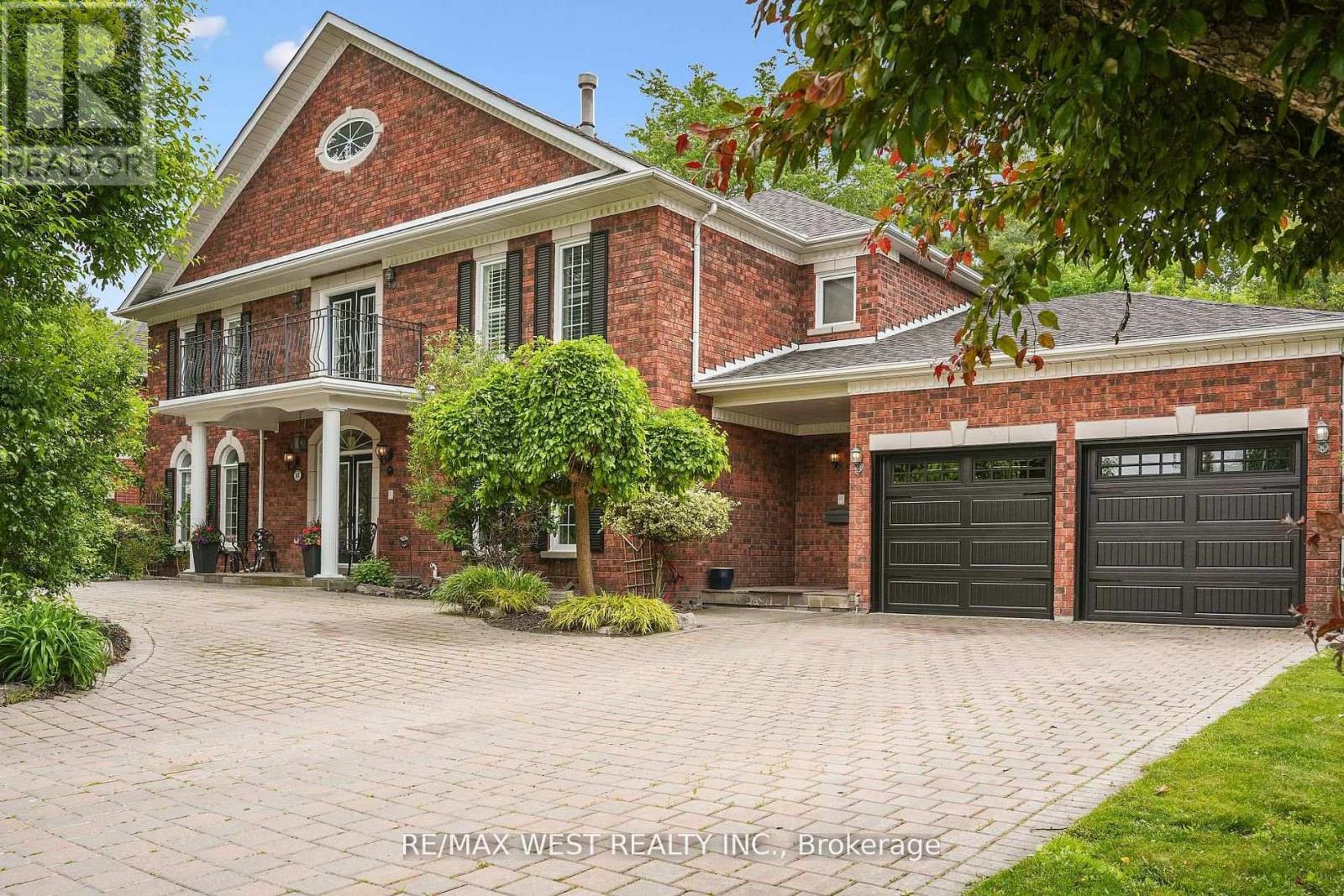 For Sale
 For Sale
 For Sale
 For Sale