
Royal Orchard is a mature south Markham neighbourhood developed in the 1960s and 1970s along the Bayview Avenue corridor. The Royal Orchard Golf Club gives the area its identity. Detached homes on large lots appeal to buyers who want established character at south Markham prices.
Royal Orchard sits in the southern part of Markham near the Thornhill boundary, in a corner of the city that many buyers from further north have never driven through. It’s an older neighbourhood, developed largely in the 1960s and 1970s along Bayview Avenue, and it carries the character of that era: mature trees, wider setbacks, quieter streets, and a general sense of being established rather than recently built. The Royal Orchard Golf Club sits nearby and gives the area a particular identity that persists even for residents who don’t golf.
Bayview Avenue is the spine of the area, a significant arterial connecting south into Toronto and north through Markham’s various communities. This access shapes the neighbourhood’s commute profile and its relationship to the wider region. Residents here are closer to Toronto’s northern edge than to central Markham, and some identify more with the Bayview corridor communities, including Thornhill and Richmond Hill, than with the newer parts of Markham to the north and east.
The housing stock reflects the development era. Homes here tend to be detached, on lots that are often more generous than what you’d find in a 1990s subdivision, with the brick-and-stone construction and traditional floor plans of the period. Some streets have seen significant renovation and updating; others retain much of their original character. The variety is actually greater here than in more uniform subdivisions, which means buyers need to look carefully rather than assuming comparables tell the full story.
The neighbourhood is fully built. There’s no greenfield development left, and the established residential character is unlikely to change significantly in the near term. For buyers who want an older, more settled community with mature trees and a slightly different pace from the newer parts of Markham, Royal Orchard offers something genuinely distinct.
School access, commute options via Bayview and the 407, and proximity to the commercial amenities along the Bayview-Steeles corridor all factor into why this neighbourhood continues to attract a consistent buyer base despite its lower profile compared to communities like Unionville or Cornell.
Home prices in Royal Orchard reflect the neighbourhood’s location and age profile. Detached homes transact in the $1.1M to $1.6M range for most properties, with larger lots or significantly renovated homes pushing above $1.6M. The variation within the neighbourhood is meaningful: a smaller, original-condition bungalow on a standard lot might sell for $1.1M to $1.2M while a two-storey updated home on a deeper lot can reach $1.5M to $1.7M.
Bayview Avenue frontage adds a complication. Homes on Bayview itself face traffic noise and the busy arterial character of the road, which reduces their desirability compared to comparable homes on the quieter internal streets. The price discount for Bayview-facing properties relative to equivalent homes on quieter streets can be $100K to $150K depending on the specifics.
The neighbourhood competes for buyers against parts of Thornhill and south Richmond Hill that have similar age profiles and tree cover. Buyers who are searching in this price range on the Bayview corridor often look at all three communities and make their choice based on school catchment, specific street character, and lot size rather than strong community identity.
The lot sizes in Royal Orchard are one of the genuine selling points. Homes from this era were built at lower density than modern subdivisions, and many lots exceed 60 feet in frontage with substantial depth. A buyer who wants a large lot for a pool, a garden, or simply the space and privacy that comes with a wider separation from neighbours will find Royal Orchard offers more opportunity than most of Markham’s newer communities at comparable prices.
Renovation premium is real here. Updated kitchens, bathrooms, and mechanical systems add meaningfully to value because so many properties in the neighbourhood still have original or dated finishes. A well-executed renovation can lift a home from the lower end of the range to the upper end and justify the cost on resale.
Royal Orchard’s market is steady without being exciting. It doesn’t generate the bidding war headlines that some Markham communities attract, but it also doesn’t suffer the prolonged stagnation that can hit less well-located neighbourhoods in a slower market. Demand here is consistent because the neighbourhood offers real value: detached homes on large lots at prices below what comparable square footage would cost in Thornhill’s more actively traded communities to the west.
Turnover is moderate. Many residents are long-term owners who bought in the 1980s or 1990s and stay. When properties do come to market, they tend to attract buyers who have specifically researched this area rather than buyers discovering it incidentally. That means listing exposure and quality of presentation matter: a well-photographed, well-prepared listing in Royal Orchard will outperform a lazy one more consistently than in a market where demand is so strong it overrides presentation quality.
The 2022 correction affected Royal Orchard in line with the broader York Region pattern. Prices pulled back from 2022 peaks and have gradually recovered since. The recovery has been slightly slower here than in higher-profile Markham communities like Unionville, partly because the neighbourhood doesn’t benefit from the same name recognition that draws buyers from across the GTA. Local knowledge is more important here than in communities whose reputation markets themselves.
Days on market for well-priced properties have typically run three to four weeks in 2024. Properties overpriced for their condition, which is not uncommon in a neighbourhood where some sellers have unrealistic expectations based on the 2021 and 2022 peak prices, sit significantly longer. The current market does not support aspirational pricing without strong condition and presentation to back it up.
Condo and townhouse alternatives do not exist within Royal Orchard itself, meaning essentially all the activity here is in the detached freehold segment. This makes the market internally consistent and easier to read for buyers who take the time to understand it.
Royal Orchard draws a particular kind of buyer: one who values the established character of an older neighbourhood over the uniformity of a newer subdivision, and who wants a large lot in a location that is closer to Toronto’s northern edge than most of Markham. These buyers often have a specific set of requirements that this neighbourhood meets more effectively than the alternatives.
Move-up buyers from the Bayview corridor communities in Richmond Hill and Thornhill are a consistent source of demand. These buyers know the Bayview area well, they value the commute access the corridor provides, and they’re looking for more space than their current home offers. Royal Orchard’s lot sizes and detached housing stock fit that need, and the price point, while not cheap, is achievable for households that have built equity in the Bayview corridor market over the past decade.
Buyers from Toronto who are leaving the city often look at the southern Markham communities before committing to moving further north. Royal Orchard is close enough to the Toronto boundary that the psychological barrier of “moving to the suburbs” feels smaller than it would moving to Cornell or Berczy Village. The Bayview corridor connection to Toronto is part of what makes this location work for buyers who retain ties to the city.
Golf households are drawn to the Royal Orchard Golf Club proximity. While membership is not included with any home purchase, buyers who golf regularly find the convenience of having a course nearby a genuine lifestyle factor. The club and the green space associated with it also contribute to the neighbourhood’s feel and provide walking and cycling access that residents who don’t golf also use informally.
Empty nesters looking to downsize within the Bayview corridor without leaving the community they know are another segment. Some long-term residents of Royal Orchard’s streets have no desire to leave the neighbourhood and will sometimes buy a smaller home on the same or adjacent street rather than relocating to a condo or townhouse community elsewhere.
The streets closest to the Royal Orchard Golf Club are among the most coveted in the neighbourhood. Properties that back onto or overlook golf course land have a rear view that won’t be blocked by future development, and the green setting adds a prestige element that buyers in this demographic recognize and value. These addresses trade infrequently and carry a premium when they do come to market.
Streets set back from Bayview Avenue and running in from the arterial into quieter residential territory are the most consistently desirable for families. Once you move two or three blocks off Bayview, the traffic noise diminishes, the tree canopy closes over the streets, and the neighbourhood feels genuinely removed from the busy arterial at its edge. Buyers who know the area specifically seek out these interior streets.
The streets at the southern end of the neighbourhood, closer to the Thornhill boundary at Steeles Avenue, tend to have the most similar character to Thornhill proper. For buyers who want the Markham address combined with proximity to the Thornhill and North York amenities to the south, this end of the neighbourhood provides both.
Some streets in Royal Orchard have seen more intensive renovation activity than others, creating pockets where the housing quality is noticeably higher than the neighbourhood average. These streets have seen buyers who bought specifically to renovate and flip, or who bought for long-term hold and invested heavily in updates. When buying on a renovated street, comparables are more informative. On streets with more mixed renovation history, each property needs assessment on its own terms.
Lot size variation is one of the most significant drivers of value differentiation within the neighbourhood. Some lots are unusually deep or wide by suburban standards, providing room for additions, pools, or secondary structures that buyers at this price point often want. Lot measurement and shape should be assessed carefully when comparing otherwise similar properties.
Bayview Avenue is the primary transit and road corridor serving Royal Orchard. Running north-south from Toronto through Thornhill, Richmond Hill, and into Markham, Bayview carries YRT and TTC bus service and provides a continuous surface road connection to Sheppard, York Mills, and eventually the subway network further south. Commuters who don’t mind longer transit trips can take the bus south on Bayview and transfer into the Toronto network, though the total time makes this a minority choice for daily commuting.
Most residents drive. Highway 407 is accessible from Bayview Avenue and provides fast east-west movement across York Region and beyond. For commuters heading to the Highway 7 employment corridor in Markham, the 407 east is straightforward. For those heading to North York, Vaughan, or Mississauga, the 407 west covers those destinations. Toll costs are a reality of daily use and should be factored into transportation budgeting.
Highway 404 is accessible via Highway 7 or via major streets connecting east from Bayview. It’s not as immediately convenient from Royal Orchard as it is from communities further east in Markham, but it’s reachable in 15 to 20 minutes under normal conditions. From the 404, downtown Toronto is 30 to 40 minutes depending on conditions.
GO Transit access is available at the Langstaff GO Station on the Barrie line, which is accessible south via Bayview Avenue, and at Unionville GO or Milliken GO on the Stouffville line to the east. Neither is a short drive from Royal Orchard, but both are viable options for daily transit commuters who want to avoid driving into the city. Langstaff GO’s Barrie line provides service into Union Station with good peak frequency.
For cycling, the Bayview corridor has some recreational path infrastructure that connects to the trail network along the east branch of the Don River valley to the west. Day-to-day utility cycling is limited, but recreational cycling access is reasonable.
Royal Orchard Golf Club is the neighbourhood’s defining recreational asset, though its role extends beyond those who actually play golf. The club and its associated green space provide visual relief from the suburban streetscape, a walking environment that some residents use informally along the roads adjacent to the property, and the prestige association that comes with having a named golf club as the neighbourhood’s anchor.
The Bayview corridor trail system provides north-south walking and cycling access along the road’s edge and connecting into the natural corridor of the East Don River tributaries to the west. The trail network is more developed in some sections than others, but it provides a linear recreational option that residents of the Bayview corridor communities generally use for fitness walks, cycling, and informal outdoor access.
The proximity to Thornhill means that Royal Orchard residents have relatively easy access to Thornhill’s parks and recreational infrastructure, including the various community centres and sports facilities that serve the broader Thornhill and south Markham area. The municipal boundary doesn’t create a meaningful barrier to using facilities across the line, and some Royal Orchard families use Vaughan and Toronto parks as regularly as Markham ones given the neighbourhood’s southern location.
Within the neighbourhood itself, local parks and green spaces are distributed through the residential streets in the pattern typical of the development era. They’re functional rather than exceptional: a play structure, open grass, and some mature trees in each pocket. What distinguishes Royal Orchard from a parks perspective is the private green space that most homes have in the form of their own large lots, rather than the public park amenity specifically.
Natural swimming in summer is accessible at a number of conservation areas reachable within 20 to 30 minutes of the neighbourhood, including spots in the Lake Wilcox area of Richmond Hill and the Bond Lake area further north. These provide an outdoor water option that many families in this neighbourhood use through the warmer months.
Shopping for Royal Orchard residents draws on two corridors: the Bayview Avenue strip to the south toward Steeles and the Highway 7 commercial areas to the north. The Bayview-Steeles intersection and the plazas along Bayview south toward Toronto provide everyday convenience: grocery, pharmacy, restaurants, dry cleaning, and the standard mix of suburban strip plaza services. These are within a 10 to 15 minute drive for most residents of the neighbourhood.
For Asian grocery specifically, the range available along Highway 7 east in the main Markham commercial area is better than what’s immediately accessible on the Bayview corridor. T&T Supermarket and the Korean and Chinese specialty stores along the Highway 7 and Kennedy corridors are a 20 to 25 minute drive from Royal Orchard but serve residents from this neighbourhood regularly.
The Promenade Mall in Thornhill at Yonge and Clark is accessible via Bayview Avenue south and then west on Clark. It provides a mid-size mall option with a reasonable retail mix, though it’s not as large as Markville Mall or other York Region shopping centres. For residents who use the Bayview corridor regularly, it’s a convenient stop.
Bayview Village Shopping Centre, the upscale open-format mall in North York, is accessible via Bayview south for residents who want higher-end retail and restaurant options. While technically across the Toronto boundary, it’s one of the closer upscale retail destinations from this neighbourhood and is used by Royal Orchard residents as a destination for occasional shopping trips rather than regular convenience.
Restaurant options immediately around the neighbourhood are more limited than in communities with stronger commercial anchors. Residents who want a regular dining-out experience typically drive to the Highway 7 corridor, to the Yonge Street commercial strip in Thornhill, or to Bayview Village. This is one of the trade-offs of a residential neighbourhood defined by its housing stock rather than mixed uses.
Royal Orchard falls within the York Region District School Board for public education and the York Catholic District School Board for Catholic schools. Given the neighbourhood’s position near the Markham-Vaughan boundary at the Yonge Street line, catchment boundaries in this area warrant careful verification with the applicable board for any specific address.
The public secondary school most associated with the Royal Orchard area has historically been Markham District High School, one of the older public secondary schools in the city. The school serves a range of the southern Markham communities and has a community high school profile with breadth of programming across academic and applied streams. Families focused on secondary school quality should research current Fraser Institute rankings and EQAO data for the specific school serving any property they’re considering.
At the elementary level, the neighbourhood is served by schools reflecting the lower-density development of the area. Parent involvement in these schools tends to be strong, reflecting the demographic characteristics of the neighbourhood. Class sizes have been stable, and the schools in this area have generally performed at or above the provincial average on standardized assessments.
Catholic school options through YCDSB are available throughout the area, and some families in Royal Orchard specifically choose homes that fall within preferred Catholic elementary and secondary catchments. The YCDSB operates strong schools in south Markham, and for families who prioritize the Catholic system, this neighbourhood’s position within that board’s catchment structure can be a positive.
French immersion programming is available within YRDSB but may require designated school attendance that differs from the base catchment school. Families interested in French immersion should verify availability and logistics with the board at the time of purchase, as immersion placements can involve transportation or busing that affects the practical experience of the program.
Royal Orchard is a built-out residential neighbourhood with minimal remaining development opportunity. The established lot pattern, the golf club lands, and the surrounding community boundaries mean there is no meaningful new residential construction underway or planned within the neighbourhood itself. What development activity exists is renovation-driven rather than new-build.
The southern Markham area broadly has seen some intensification pressure along the Highway 7 and Bayview corridors as York Region responds to provincial growth targets and transit investment. New mixed-use development along major arterials is gradually changing the character of some commercial nodes at the neighbourhood’s edges, but the internal residential streets of Royal Orchard are well removed from these intensification zones and unlikely to be directly affected.
The Royal Orchard Golf Club itself represents a significant land holding within the neighbourhood’s context. Golf clubs across the GTA have faced development pressure when land values rise enough that the club’s land becomes more valuable as residential development than as golf. Some clubs have sold to developers; others have held. The Royal Orchard club’s land could theoretically support significant residential density if it were ever to cease operating as a golf course, and buyers aware of that possibility should understand what it would mean for the neighbourhood’s character. There is no current indication that the club is planning to wind down, but it’s a long-term consideration worth understanding.
Individual property renovation activity is common in Royal Orchard. The housing stock’s age means that many systems and finishes are candidates for replacement, and buyers who intend to renovate can find properties that haven’t been touched since original construction. The renovation potential is real, and buyers who take it on carefully tend to add meaningful value.
Second-suite additions to existing basements have increased in line with provincial policy changes encouraging housing supply, and the neighbourhood has seen more legal basement apartment additions in recent years as owners respond to both policy and demand.
Q: How does Royal Orchard compare to similar neighbourhoods in Thornhill?
A: The comparison is genuinely useful because many buyers look at both. Royal Orchard and the adjacent parts of Thornhill share a development era, tree cover, and Bayview Avenue access. The primary differences are the school board catchments, which differ at the municipal boundary, and the community identity. Thornhill buyers have access to both York Region (Markham or Vaughan) and Toronto board schools depending on exact location. Royal Orchard is firmly within YRDSB and YCDSB. Price levels are broadly comparable, though specific streets vary. Buyers should map out catchments and commute routes for their specific situation rather than assuming one jurisdiction is superior to the other across the board.
Q: What condition issues should buyers watch for in Royal Orchard homes?
A: Homes from the 1960s and 1970s carry age-specific risks beyond what applies to 1990s builds. Knob-and-tube wiring, which predates modern electrical standards, was common in the earlier homes and can be a problem for insurance if it hasn’t been replaced. Older plumbing materials including galvanized steel or cast iron pipes may be at end of life. Original oil-fired furnaces have long since been replaced in most homes, but any remaining conversion remnants including buried oil tanks on the property require disclosure and appropriate remediation. Buyers should specifically ask their home inspector to assess for these issues and check with their insurance broker about coverage implications before removing conditions.
Q: Is the Royal Orchard Golf Club likely to remain as a golf course?
A: There is no current public indication that the Royal Orchard Golf Club is planning to redevelop its land for other uses. The club operates as a private golf facility and the land represents a significant non-residential holding within the neighbourhood. Buyers who are specifically purchasing for golf course adjacency should be aware that private golf clubs can change ownership and use with relatively limited community notice, and that the official plan protections for golf course land are not as absolute as protections for conservation or park land. It is a risk to understand and accept rather than a current threat to act on.
Q: How practical is this neighbourhood for buyers who still work in Toronto?
A: The Bayview Avenue corridor provides one of the better surface road connections between south Markham and Toronto’s north end. Commuting to Yonge and Eglinton or the Bayview and Eglinton area from Royal Orchard by car takes 30 to 45 minutes depending on departure time. Bayview Avenue bus service gives transit access but total trip times are 60 to 90 minutes to central Toronto. For buyers who commute to the central business district specifically, GO Transit from Langstaff GO on the Barrie line is a faster option requiring a drive to the station first. Buyers who are hybrid workers or who commute within York Region find the location considerably easier than those who need to be downtown five days per week.
Buying in Royal Orchard requires more homework than buying in a neighbourhood where hundreds of comparable properties transact each year. The housing stock varies enormously in condition, the lot size differences are meaningful, and the school catchment situation is close enough to the Thornhill boundary that it needs specific verification for each address rather than a general assumption.
The age of the housing stock means condition assessment is critical. A home inspection that doesn’t specifically address knob-and-tube wiring risk, plumbing age, buried oil tank history, and foundation condition is not adequate for this neighbourhood. Buyers who skip thorough inspections or who are pressured to waive conditions in a competitive situation are taking on risks that aren’t present with a newer build at the same price.
The Bayview Avenue traffic noise factor is real on the streets closest to the arterial. A buyer who hasn’t spent time on those streets at different times of day may not register how much noise carries on evenings and mornings when the road is busy. Touring a property on a quiet Sunday afternoon is not representative of what Tuesday at 8am sounds like from the same address.
The golf club adjacency premium deserves scrutiny. Homes that are marketed as backing onto the golf course should be assessed for what that actually means: is the lot directly abutting the course boundary, or is there a buffer or road in between? The gap between true golf-backing and “near the golf club” can be worth examining before paying the premium the listing implies.
If you’re considering Royal Orchard alongside Thornhill, south Richmond Hill, or other parts of Markham, get in touch. We can give you an honest comparison of what each area actually delivers, and we’ll tell you which specific streets within Royal Orchard are worth your time and which to skip.
Street-level knowledge is hard to find online. Our team works in Royal Orchard every day. They know which pockets hold value, where the school catchment lines actually fall, and what the market is doing right now. Talk to us before you make a decision about Royal Orchard.
Talk to a local agent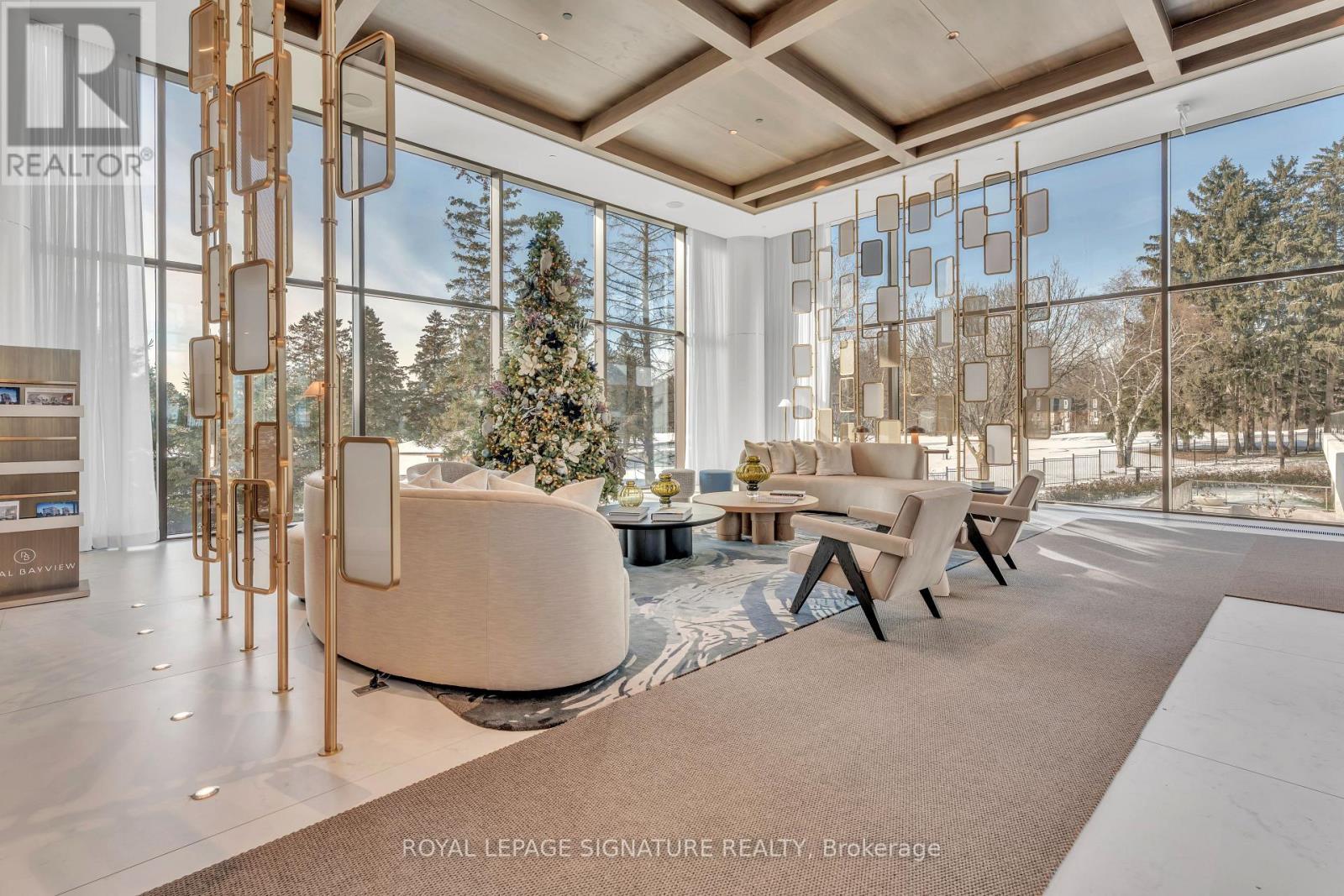 For Sale
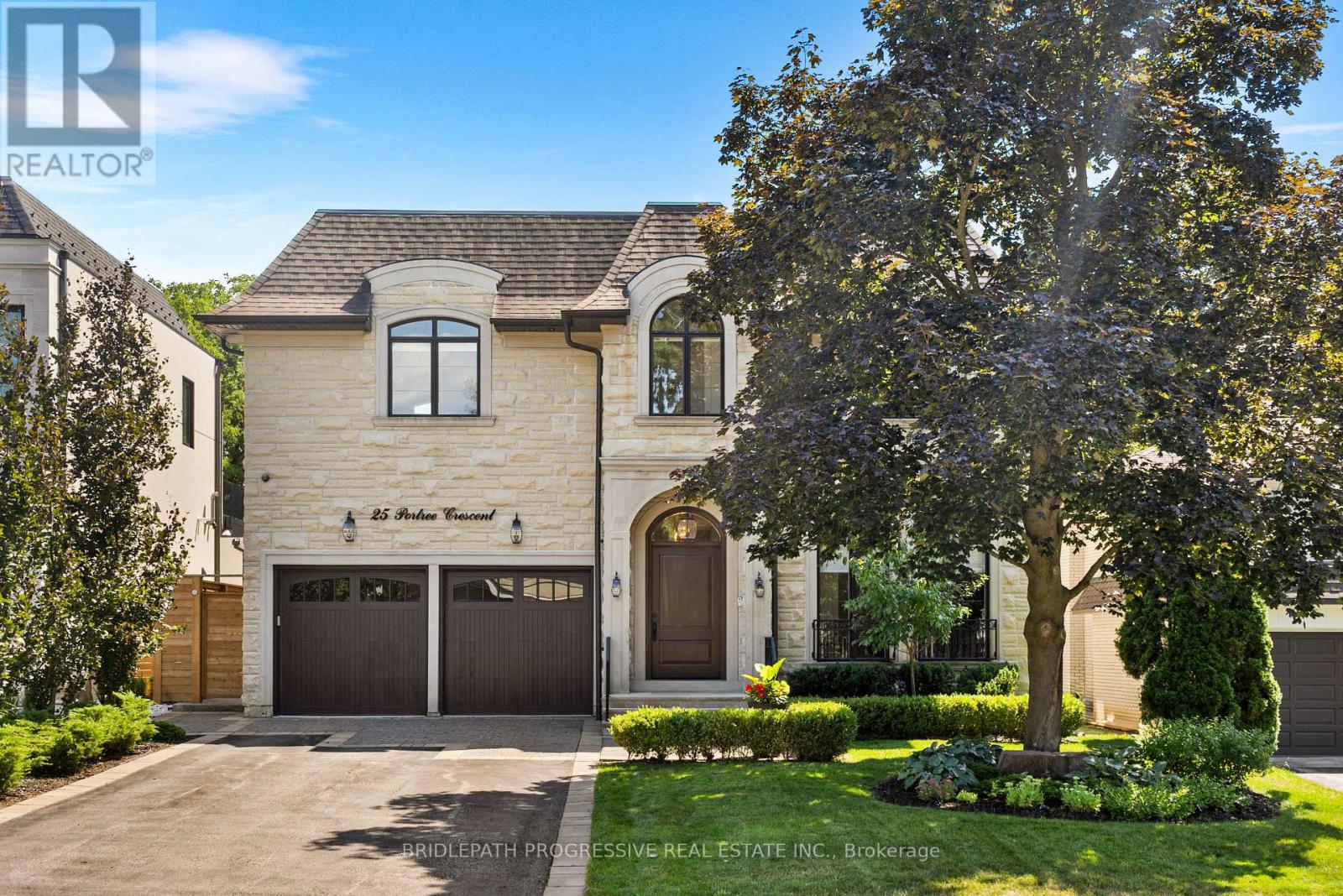 For Sale
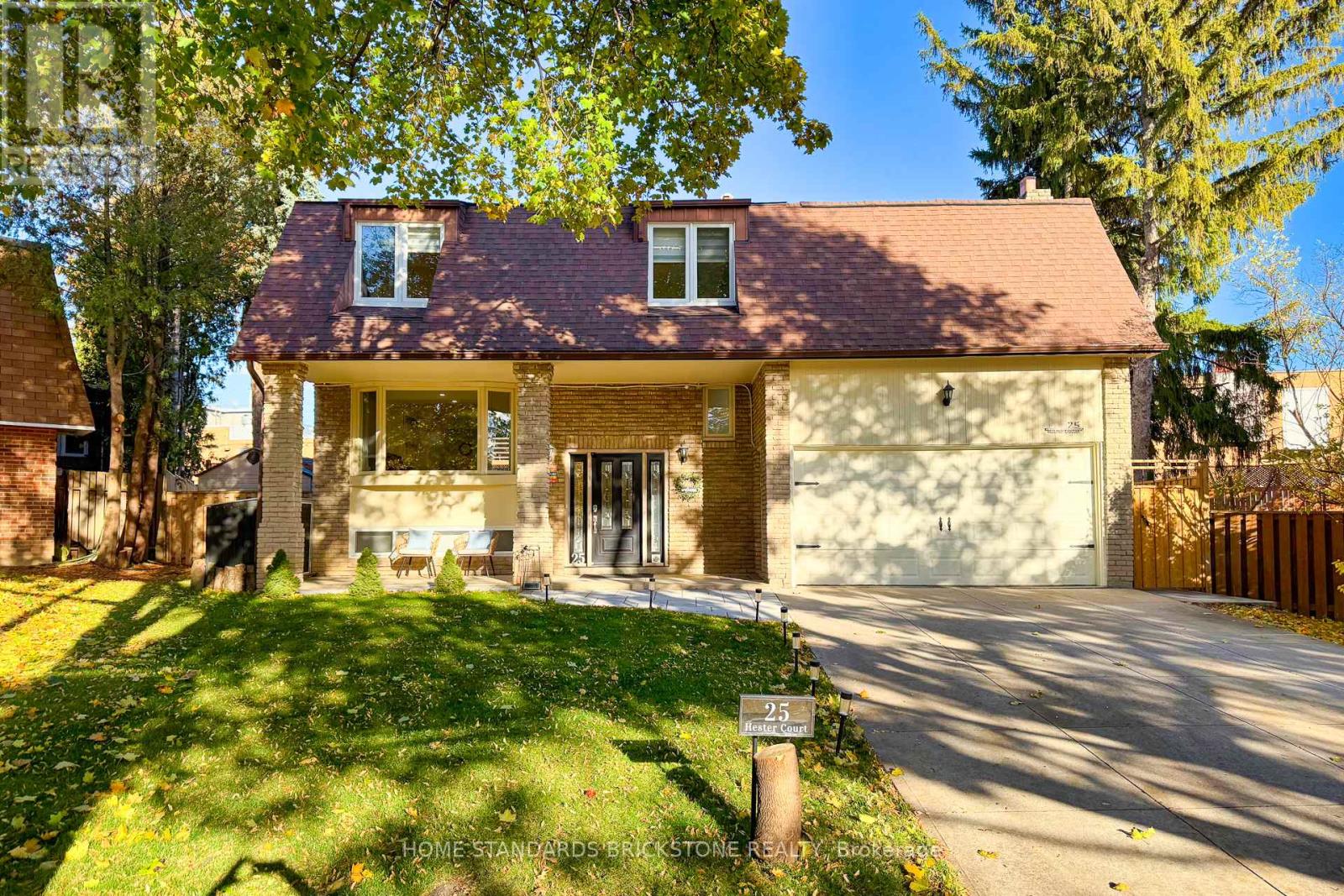 For Sale