
Rural Aurora covers the northeastern and eastern portions of the Town of Aurora, bounded by Highway 404 to the east and transitioning from agricultural and estate properties in the north toward emerging residential development in the south. The area offers large-lot acreage properties, horse farms, farmhouses on multi-acre parcels, and custom estate homes on lots that the Town established subdivisions cannot match. Portions of the area fall within the northeast Aurora Secondary Plan designated for future residential development. Municipal water and sewer coverage is not universal and buyers should confirm servicing for specific properties. Car dependence is total as no walkable transit or commercial amenity exists within the neighbourhood.
Rural Aurora occupies the northeastern and eastern portions of the Town of Aurora, defined broadly by Highway 404 to the east, Bayview Avenue and the waterway corridor to the west, St. John’s Sideroad to the south, and the Newmarket boundary to the north. It is the part of Aurora where the urban fabric has not yet fully arrived, where large lots coexist with newer subdivisions, and where agricultural land parcels, estate properties, and emerging residential development sit next to each other in a landscape still in transition.
The character of Rural Aurora is not uniform across its area. The southern sections closer to Wellington Street East are seeing active development as the Town of Aurora’s Secondary Plan for this area moves toward implementation. The northern sections toward the Newmarket boundary retain a more genuinely rural feel, with larger parcels, horse properties, and agricultural uses that have not yet given way to residential subdivision. The entire area sits adjacent to Highway 404, which makes it significantly more car-oriented than any other Aurora neighbourhood but also well-connected to the regional road network in a way that benefits buyers whose work or lifestyle requires range.
The appeal of Rural Aurora to buyers is primarily spatial and developmental. Properties with multiple acres or significant lot depth at prices that would buy a small detached house in Aurora’s established neighbourhoods represent a different category of real estate. Buyers who want land, privacy, a barn, a horse property, or the ability to build to a custom program that standard subdivision lots cannot accommodate find options here that exist nowhere else in Aurora. The trade-off is that the neighbourhood’s transitional nature creates uncertainty about the character of adjacent land and the speed at which infrastructure and services will arrive.
Rural Aurora pricing reflects the diversity of property types available in the area. Large acreage estate properties, particularly those with custom-built homes on multiple acres in the northern sections, have transacted at $3 million and above. These properties compete with the Bayview Southeast luxury segment and with Rural King Township for buyers seeking genuine land holdings within commuting distance of Toronto. Standard estate lots with newer custom homes in the 2,500 to 4,500 square foot range on one to two acres trade in the $2 million to $3 million range depending on construction quality, lot character, and proximity to Highway 404 access.
Older properties on larger parcels that reflect agricultural-era construction, where the house is secondary to the land, have appeared at lower price points. These represent renovation or redevelopment opportunities for buyers whose primary interest is the acreage rather than the existing structure. The value in these transactions lies in the land, and buyers should approach them with a realistic view of what the existing building costs to demolish or upgrade versus starting new construction.
Newer subdivision lots in the emerging development areas of Rural Aurora, where the Town is planning and approving residential communities under its Secondary Plan framework, bring the price closer to what comparable new construction costs elsewhere in Aurora. Pre-construction and registered lots in these areas reflect the builder’s land cost, development charges, and market pricing for new homes in York Region, which in 2024 has tracked in the $1 million to $1.5 million range for new detached homes depending on size and finishes. Buyers comparing Rural Aurora new construction to new builds in Aurora Trails or the Bayview-Vandorf area should understand they are buying into an area earlier in its development cycle, with infrastructure and services still arriving.
Rural Aurora’s transit situation reflects its name. York Region Transit does not provide meaningful local coverage within most of the Rural Aurora area, which lies away from the main YRT arterial routes on Yonge Street, Bayview Avenue, and Wellington Street East. Residents who commute to Toronto by GO Transit need to drive to the Aurora GO station on Wellington Street East, which is accessible in approximately 10 to 15 minutes from most Rural Aurora addresses depending on exact location. From Aurora GO, the Barrie line runs to Union Station in approximately 54 minutes.
Highway 404 is the most significant transportation infrastructure for Rural Aurora, and its proximity is the neighbourhood’s primary logistical advantage over Aurora’s western and central neighbourhoods for buyers whose destinations lie south on the 404 or east on the 407. The Highway 404 interchange at Bloomington Road provides direct access from the southern sections of Rural Aurora. Leslie Street, which runs parallel to Hwy 404 to the west, carries local traffic and provides an alternative route for drivers whose destinations are off the highway. Newmarket, including Newmarket’s commercial strip on Davis Drive, is accessible in 10 to 15 minutes by road without highway access required.
The practical reality of Rural Aurora is that it functions on cars. Residents drive for everything: groceries, schools, medical appointments, recreation. The Aurora Shopping Centre on Yonge Street is approximately 15 minutes west. The commercial nodes on Wellington Street East and in the Bayview and Leslie corridors are reachable in under 20 minutes. For buyers whose lifestyle accommodates and expects car dependence, this is not unusual. For buyers accustomed to the walkable civic infrastructure of Bayview Wellington or the Yonge Street walkability of Aurora Village, the transition to Rural Aurora requires a genuine lifestyle adjustment.
The natural environment of Rural Aurora is shaped by the Oak Ridges Moraine and the watershed features associated with it. The area around Leslie Street and the waterway corridors in the northern portions of Rural Aurora contains wetland and woodland habitats that the TRCA and other Conservation Authorities regulate carefully. These natural features are part of the Moraine’s function as a groundwater recharge zone, and they create the landscape character that makes this part of Aurora distinct from the graded and engineered parks of established subdivisions.
Aurora’s Secondary Plan for the northeast Aurora area, which includes portions of Rural Aurora, requires significant environmental protections as a condition of development approval. This means that new residential development in this area is shaped around natural heritage features rather than imposed over them, which is better from an environmental standpoint but also means that some portions of large parcels will not be developable regardless of their size or the buyer’s intentions.
Constructed park and recreation infrastructure in Rural Aurora is minimal because most of the area has not yet been through the development process that generates community park construction. Existing trail connections extend from Aurora’s urban trail network into the Rural Aurora area, particularly along waterway and ravine corridors, but the density and accessibility of trails is lower here than in the urban neighbourhoods. Buyers seeking the nature experience in Rural Aurora generally find it in the unmanicured form of agricultural fields, woodlots, and creek valleys rather than in the engineered trail systems of Aurora’s more developed parts. For some buyers, that is a distinct advantage. Children who grow up with creek access and woodland behind the property have a different experience than those in standard subdivision settings.
School access in Rural Aurora requires the car journeys that characterise all daily logistics in the neighbourhood. The YRDSB schools serving Rural Aurora addresses vary by exact location within the area, and the York Region District School Board school locator tool is the definitive resource for confirming which elementary and secondary school serves any specific address. Generally, children in the southern sections of Rural Aurora attend schools in the northeast Aurora catchment, which includes schools in the Bayview Avenue corridor. The new Dr. G.W. Williams Secondary School, which opened its $67.5 million building on Spring Farm Road and Bayview Avenue for the 2025-26 school year, serves students from this part of Aurora’s eastern catchment area.
Families in the northern sections of Rural Aurora, closer to the Newmarket boundary, may find their catchment school is in Newmarket rather than Aurora, depending on the specific address. YRDSB catchment boundaries follow assessment and population distribution rather than municipal boundaries in some cases. Confirming school catchment for a specific Rural Aurora address before purchase is important for families whose school placement is a deciding factor.
Catholic families are served by the York Catholic District School Board. Bus transportation is provided for students in Rural Aurora given the distances involved, which is standard for York Region’s rural and semi-rural areas. Private school options, including St. Andrew’s College in Hills of St. Andrew and Aurora Montessori, are accessible by car in 15 to 20 minutes from most Rural Aurora addresses. The neighbourhood’s low density means no school is within walking distance for any Rural Aurora student, which is a practical matter to build into the daily family schedule rather than a distinctive disadvantage in an area where cars are the assumed mode for everything.
Housing in Rural Aurora spans a range that does not exist elsewhere in Aurora. At one end are genuine farmhouses, some dating from the late 19th and early 20th centuries, sitting on large parcels that were working agricultural land within living memory. These properties typically need extensive renovation or replacement of systems, and the structures themselves vary from candidates for restoration to teardowns where the land is the value. At the other end are custom-built estate homes from the 2000s and 2010s, designed for buyers who wanted Aurora address and highway access without subdivision lot dimensions.
The middle of the market contains what most Rural Aurora buyers are actually seeking: a house that is functional and liveable on a lot large enough to provide privacy, space for outbuildings or a pool, and the absence of neighbours at twenty feet. These properties, typically on lots of half an acre to several acres, were built over a span of 40 years and reflect the construction quality and layout standards of their respective eras. Buyers should assess mechanical systems, septic systems, and well infrastructure carefully in areas that are not on municipal water and sewer, which applies to portions of Rural Aurora that have not yet been serviced through development.
Properties that fall within the path of approved or pending Aurora Secondary Plan development areas have a different risk and opportunity profile than those that do not. A property in the direct path of a planned road extension or subdivision boundary is not the same long-term hold as one on the outer edge of the development area. Understanding the Aurora Official Plan and Secondary Plan designations for any specific Rural Aurora property is relevant due diligence before committing, as these designations can affect both the future character of adjacent land and the development potential of the subject property itself.
Rural Aurora has a distinctly family-oriented demographic despite its atypical character within the Town. Families with children make up 67 percent of households, which is higher than any other Aurora neighbourhood and reflects the buyer profile: couples who have made a deliberate choice to prioritise land, space, and privacy over walkability and civic infrastructure. Many buyers in Rural Aurora are at a household formation stage where children are young, the budget is established, and the desire for a different physical environment from the subdivision norm drives the search.
The neighbourhood is also notably diverse in its ethnic composition. 46 percent of Rural Aurora residents are first-generation immigrants, and the area draws from 107 different ethnic origins according to census data. This reflects the broader pattern in York Region, where newer residential areas and estate properties attract first-generation families who have reached a household income and asset level that supports larger property purchases in Aurora’s outer ring.
The social infrastructure of Rural Aurora differs from Aurora’s established neighbourhoods. There is no neighbourhood commercial strip, no community association with the history of Aurora Village’s or Hills of St. Andrew’s, and no single anchor institution around which community life organises. Neighbours may live further apart, and the rhythms of daily life reflect driving patterns rather than walking patterns. For buyers who find value in privacy and space rather than in the social density of an established neighbourhood, this suits them. For buyers who want to know their neighbours through regular proximity and shared sidewalk experience, the calculus is different.
Rural Aurora’s investment characteristics are unlike those of any other Aurora neighbourhood because the underlying asset class is different. Buying a large rural parcel adjacent to a growing GTA municipality is a land banking decision as much as a real estate transaction. The Town of Aurora’s Official Plan and Secondary Plan framework designates portions of the Rural Aurora area for future development, which means some parcels are on a development trajectory even if the timeline is uncertain.
The development timeline risk is real. Secondary Plan approval, servicing infrastructure, and market conditions all affect when and whether a property in a future development area actually sees urban transition. Buyers who are purchasing with a ten-year horizon and tolerance for uncertainty find this profile interesting. Buyers who need a predictable five-year outcome should understand that development timelines in York Region municipalities have historically stretched beyond their initial projections.
Properties outside the future development designation, in the more genuinely rural sections of the area, are different holds. These do not carry development optionality, which means they need to be valued and held as rural estate properties rather than as land with future subdivision potential. Their value derives from the land itself, the house on it, and the lifestyle they enable. Interest rates and Aurora market conditions affect them the same way they affect other residential properties, but the thinness of the comparable market means that Rural Aurora estate properties can take longer to sell when conditions are soft. Buyers should understand that the liquidity of a $3 million Rural Aurora acreage property is lower than a $3 million property in Bayview Southeast, where comparable sales are more frequent.
The case for Rural Aurora is specific and it does not work for every buyer type. The buyers it works for are those who have decided that land, space, privacy, and the ability to build or hold a property that does not conform to subdivision norms are worth the trade-offs that come with a car-dependent, transitional, lower-amenity environment. These buyers are not settling for Rural Aurora. They are choosing it for reasons that the established subdivisions cannot offer at any price.
The space is genuine. Lots that in Hills of St. Andrew or Aurora Estates might be three-quarters of an acre can run to several acres in Rural Aurora at comparable or lower total price. That difference matters for buyers who want a large garden, a workshop, a horse barn, room for outbuildings, or simply the absence of visible neighbours. The privacy is structural, not cosmetic.
The limitations are equally genuine. Car dependence is total. There is no amenity within walking distance. Infrastructure is uneven: municipal water and sewer are not universal in the area, and buyers need to assess well and septic systems carefully. The neighbourhood’s transitional nature means that adjacent land character is not guaranteed: a rural view today may be a subdivision entrance road in eight years if the development pipeline moves. School bussing is required for all children. The GO station requires a 10 to 15 minute drive. None of these constraints are hidden, and buyers who have done their due diligence understand them before they buy.
The buyers who regret Rural Aurora purchases are typically those who underestimated car dependence, overestimated the development timeline for infrastructure to arrive, or did not investigate well and septic adequately. The buyers who are satisfied are those who knew exactly what they were buying and why.
Development in Rural Aurora is active and approaching at different speeds from different directions. The Town of Aurora’s northeast Secondary Plan has been in development for several years and covers portions of the Rural Aurora area between Leslie Street, Wellington Street East, Bayview Avenue, and St. John’s Sideroad. This plan, when fully implemented, will bring new residential subdivisions, roads, and servicing to areas that are currently rural or semi-rural. The timing of specific phases depends on developer applications, servicing capacity, and market conditions.
The broader York Region context matters for understanding Rural Aurora’s development trajectory. York Region’s 2051 growth plan commits the region to absorbing hundreds of thousands of additional residents, and Aurora is one of the municipalities with designated growth areas. The northeast Aurora lands are among the areas identified for this growth. That means buyers purchasing rural properties in the development-designated portions of Rural Aurora are not buying permanent countryside. They are buying interim rural character on land that will eventually be urban. Whether that transition happens within their ownership period is the variable.
For buyers whose interest is specifically in agricultural or genuine rural uses, properties in the Rural Aurora area that are outside the Secondary Plan development boundary offer more stability. These properties are less likely to see dramatic changes to their adjacent land character within a 10 to 15 year horizon. But York Region’s growth pressures are consistent, and the boundary of what is considered developable has shifted outward over successive Official Plan reviews. Buyers treating Rural Aurora properties as permanent rural holdings rather than transitional ones should monitor Aurora’s Official Plan reviews, as these set the framework within which development applications proceed.
Q: Does Rural Aurora have municipal water and sewer, or do properties rely on well and septic?
A: It depends on the property’s location within the Rural Aurora area. Properties that are within or adjacent to recently developed sections of the area, or that are in the path of the Town of Aurora’s northeast Secondary Plan servicing program, may be connected to or close to municipal water and sewer. Properties in the more genuinely rural northern and eastern sections of the area typically rely on private well water and septic systems. Before purchasing any Rural Aurora property, buyers should confirm the servicing status directly with the Town of Aurora’s Public Works department and commission a well water quality test and a septic system inspection as part of their due diligence. Septic system replacement costs in Ontario typically run $20,000 to $35,000 or more depending on system type and site conditions, and the condition of an existing septic is not visible without inspection.
Q: What is driving development in Rural Aurora, and how will it change the neighbourhood?
A: Aurora is a designated growth municipality under York Region’s 2051 growth plan, and the northeast Aurora lands, which include portions of Rural Aurora between Leslie Street, Wellington Street East, and Highway 404, are among the areas planned for future residential development. The Town of Aurora’s northeast Secondary Plan sets out the framework for how this development will proceed, including road alignments, servicing infrastructure, park dedication, and natural heritage protections. When these plans are implemented, the rural character of affected parcels will transition to suburban residential character. The timeline depends on developer applications, York Region servicing capacity, and market conditions. Properties outside the development boundary have more stable long-term land use designations, though Official Plan reviews in future years can shift boundaries.
Q: What types of buyers typically purchase in Rural Aurora?
A: Rural Aurora attracts buyers who have made a deliberate choice to prioritise land, space, and privacy over the walkability and amenity proximity that characterises Aurora’s urban neighbourhoods. Families with children make up 67 percent of Rural Aurora households, and the typical buyer profile is a family in their 30s or 40s with established household income who has the budget for a larger property purchase and is willing to accept car dependence in exchange for genuine space. Horse property buyers, buyers who want workshop or agricultural outbuilding space, custom home builders who need larger lots, and buyers who prioritise privacy over neighbourhood activity are all common profiles. The neighbourhood also draws buyers interested in land with long-term development optionality in the Secondary Plan areas, who are purchasing with a longer time horizon than a standard residential buyer.
Q: How long does it take to commute to Toronto from Rural Aurora?
A: By car, Rural Aurora is approximately 50 kilometres from downtown Toronto, which translates to 45 to 75 minutes depending on time of day and exact origin and destination within the corridor. In peak morning conditions southbound, 407 tolls can make the 407-400 route significantly faster than Highway 404 south for some destination points, but at a daily cost that adds up quickly. By GO Transit, the commute requires driving to the Aurora GO station on Wellington Street East, which adds approximately 10 to 15 minutes, followed by a 54-minute train ride to Union Station. The total one-way commute is roughly 70 to 80 minutes on a good morning. Buyers who commute to downtown Toronto five days a week should factor this into their lifestyle assessment honestly before purchase. The commute time is manageable for some people and genuinely difficult for others, and the difference is individual.
Rural Aurora is not a neighbourhood for buyers who are compromising. It is a neighbourhood for buyers who have decided that land and space are the priority, and who have thought through what the absence of walkable amenity, transit, and neighbourhood commercial infrastructure means for daily life. Buyers who arrive at Rural Aurora after searching Aurora broadly, having dismissed the established subdivisions as too dense and the estate neighbourhoods as too expensive per acre, often find what they were looking for here.
The transitional character of the area is real and should be understood rather than ignored. Portions of Rural Aurora are on a development trajectory toward suburban residential use, and the timeline of that transition is uncertain but not infinite. Buyers purchasing in development-designated areas are buying interim rural character, and their due diligence should include a review of Aurora’s Official Plan and Secondary Plan designations for any specific property. Buyers seeking permanent rural character should focus on properties outside the development boundary and should still monitor future Official Plan reviews.
What Rural Aurora offers that no other Aurora neighbourhood does: genuine acreage at prices that are competitive with urban estate properties in the Town, Highway 404 proximity for non-Toronto commuters, and the space to live in a way that standard suburban lots cannot accommodate. A horse property, a one-acre garden, a workshop large enough to actually use, a house set back from the road so that the nearest neighbour is not visible. These things are available here and nowhere else in Aurora.
Torontoproperty.ca covers every Rural Aurora listing and sale. The data here is the most direct guide to what is available, what specific properties have sold for, and how Rural Aurora acreage properties compare to each other at different price points. If you are comparing a specific Rural Aurora parcel to properties in adjacent York Region municipalities, the comparable sales tool is the place to start.
Street-level knowledge is hard to find online. Our team works in Rural Aurora every day. They know which pockets hold value, where the school catchment lines actually fall, and what the market is doing right now. Talk to us before you make a decision about Rural Aurora.
Talk to a local agent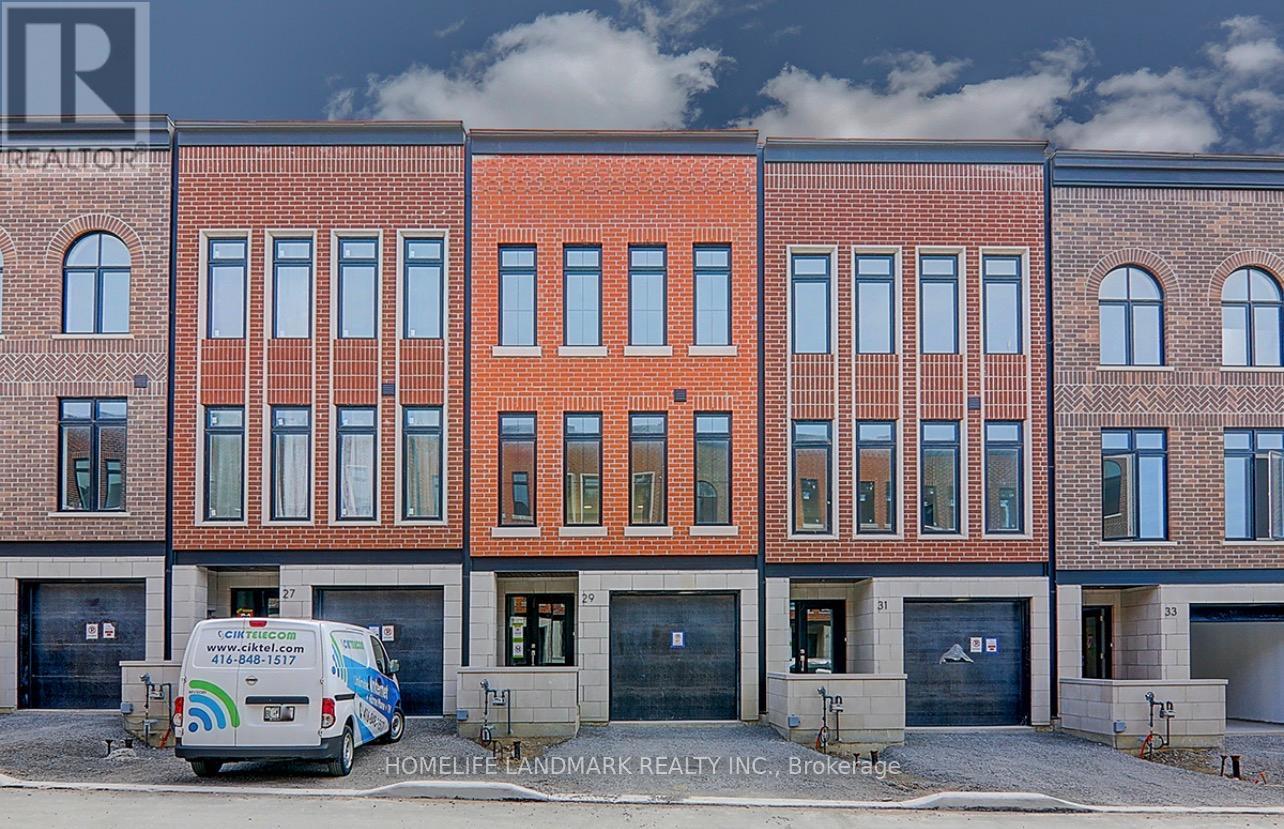 For Sale
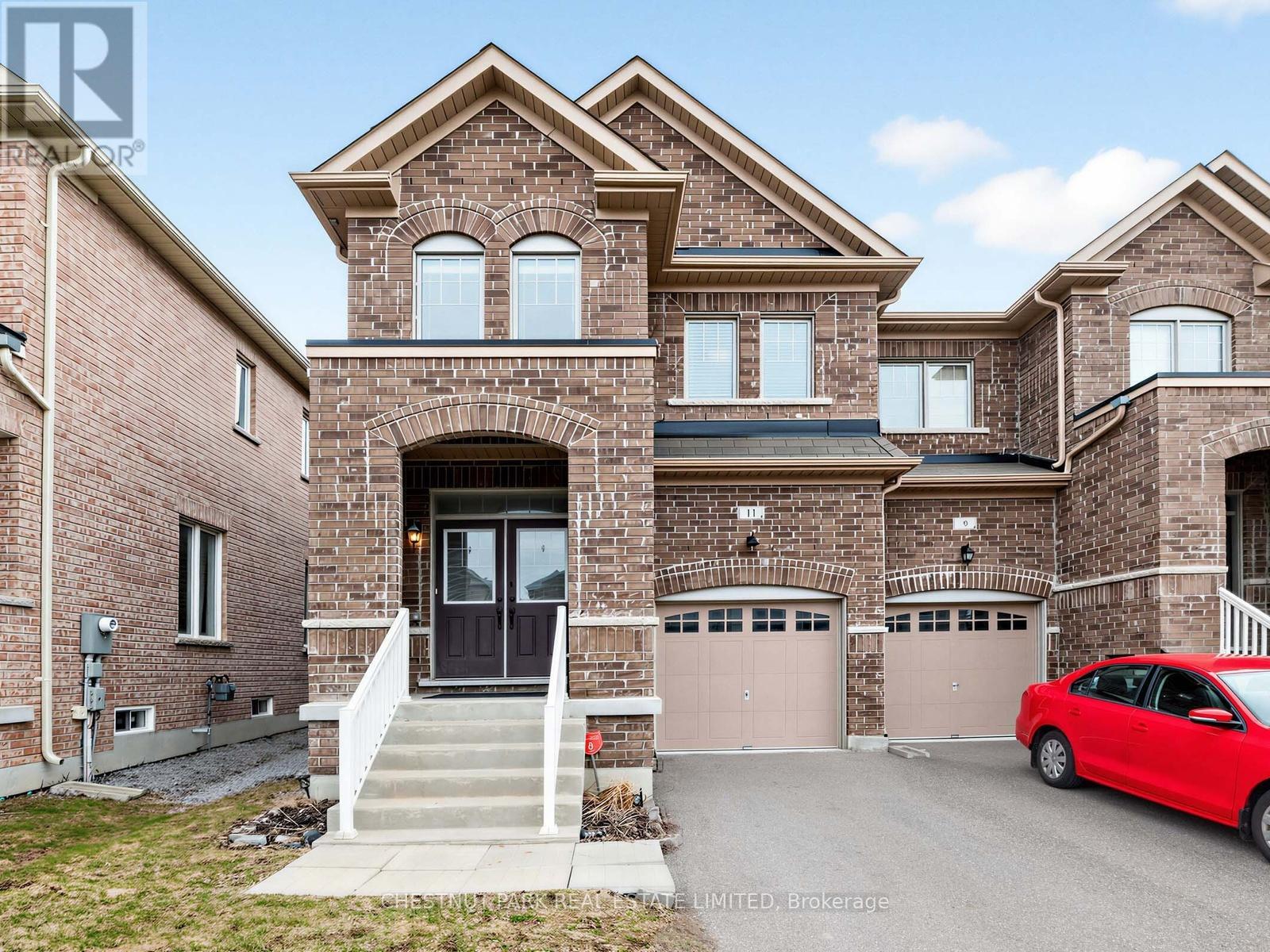 For Sale
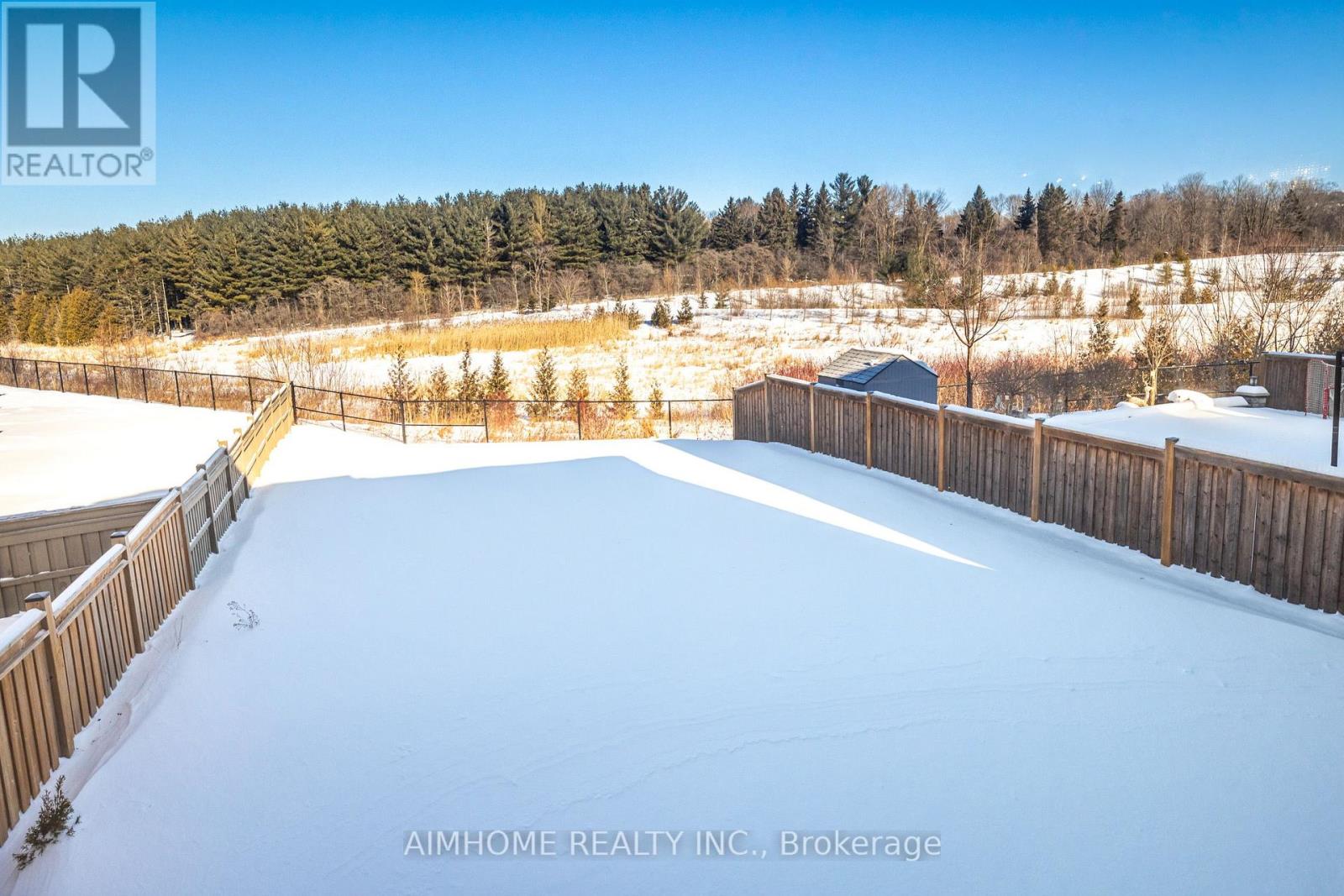 For Sale
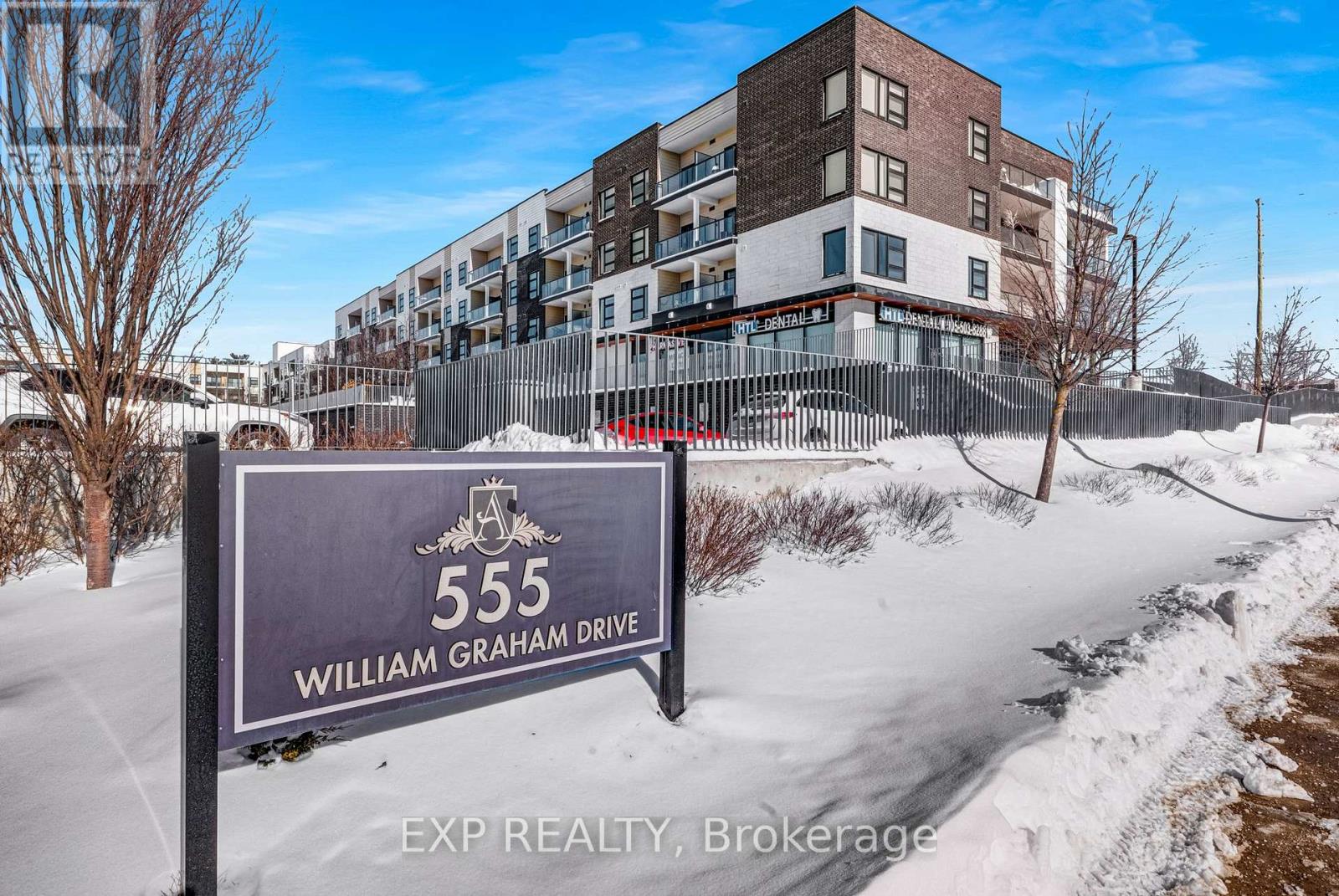 For Sale