
Rural Brock Township is the agricultural and rural land of Brock Township, Durham Region, outside the village boundaries of Beaverton, Cannington and Sunderland. It draws retirees and remote workers seeking acreage, farmhouses and genuine rural Ontario life about two hours from Toronto. Rural residential properties trade from $550,000 to $900,000 in 2025.
Rural Brock Township is the agricultural and rural land making up the vast majority of Brock Township in Durham Region — everything outside the settlement boundaries of Beaverton, Cannington, and Sunderland. This is open country: crop fields, mixed farm operations, woodlots, wetlands, and the eastern shoreline of Lake Simcoe where it runs through the township. The landscape is flat to gently rolling in the southern portions, with more varied terrain near the lake shore and the headwater areas of the Black River and other small streams.
Buying in rural Brock means buying a different kind of Ontario life. You’re on a concession road or side road rather than a municipal street. Your nearest neighbour may be a kilometre away or more. You’re responsible for your own water supply through a drilled well, and your wastewater goes to a septic system that you maintain and eventually replace. Hydro lines run to most properties, but power outages last longer in rural areas than in towns. The driveway may need grading twice a year. Snow removal from a long rural driveway requires either a contract with a local operator or your own equipment.
This is not a deterrent — it’s a description. Rural Brock attracts buyers who genuinely want this life and have thought through what it entails. The land values here are among the lowest in the broader Durham Region, and for a buyer who wants 10 acres, a century farmhouse, a barn, and actual separation from the suburban GTA, this area delivers what no amount of money will buy you in Markham or Ajax.
The combination of low land costs, genuine rural character, and the two-hour proximity to Toronto has drawn a steady trickle of buyers over the past decade. The post-pandemic remote work expansion accelerated that trend. Rural Brock remains undiscovered by the broader market, which is both an opportunity and an indicator of its real distance from the GTA employment core.
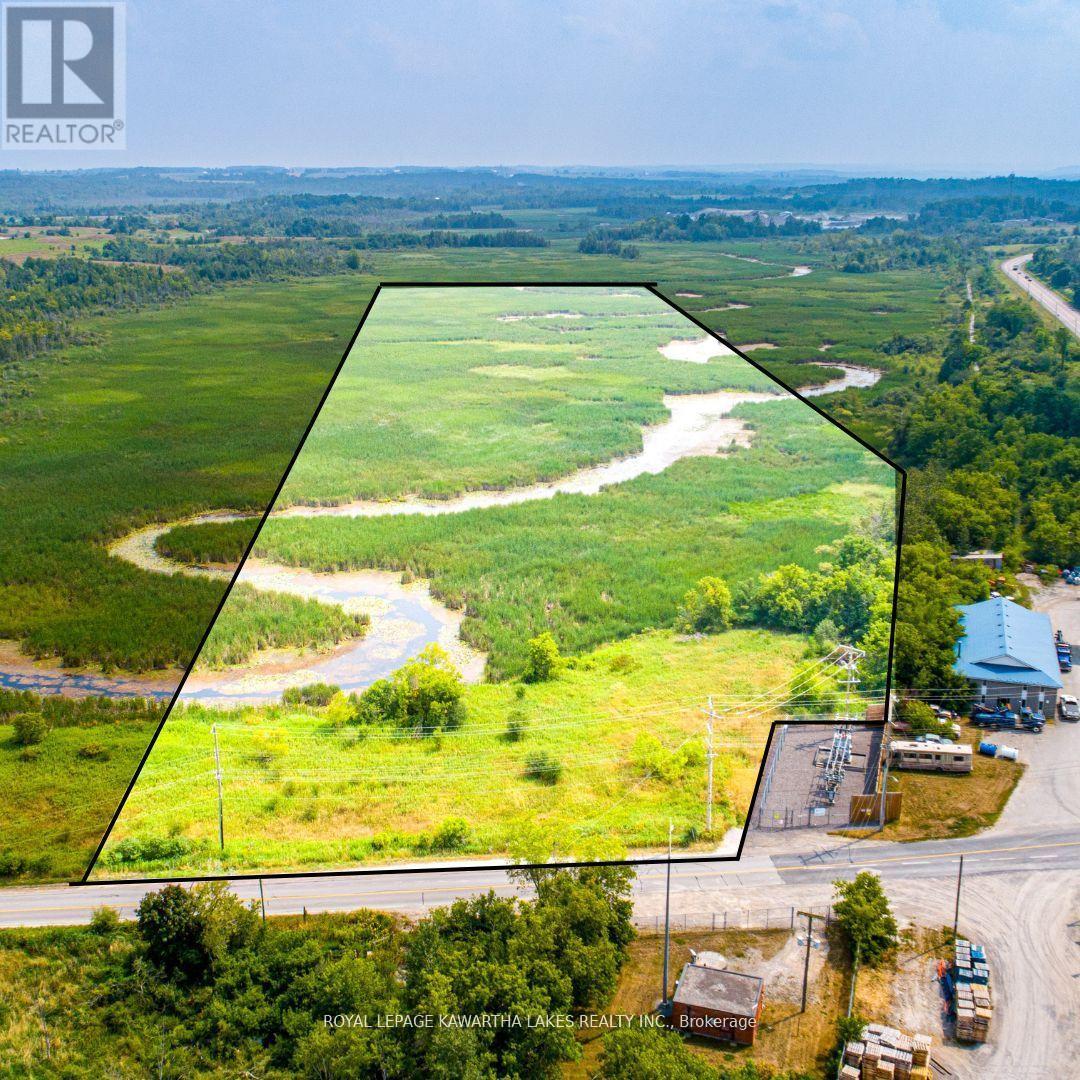
Rural property pricing in Brock Township varies considerably based on lot size, improvements, proximity to Lake Simcoe, and the condition of any structures. Bare agricultural land in the township has been trading at roughly $10,000 to $20,000 per acre depending on soil quality, drainage, and road access, though values closer to the lake and near the village areas are higher. This is materially cheaper than agricultural land in more southerly Durham Region municipalities where development pressure has driven land values up.
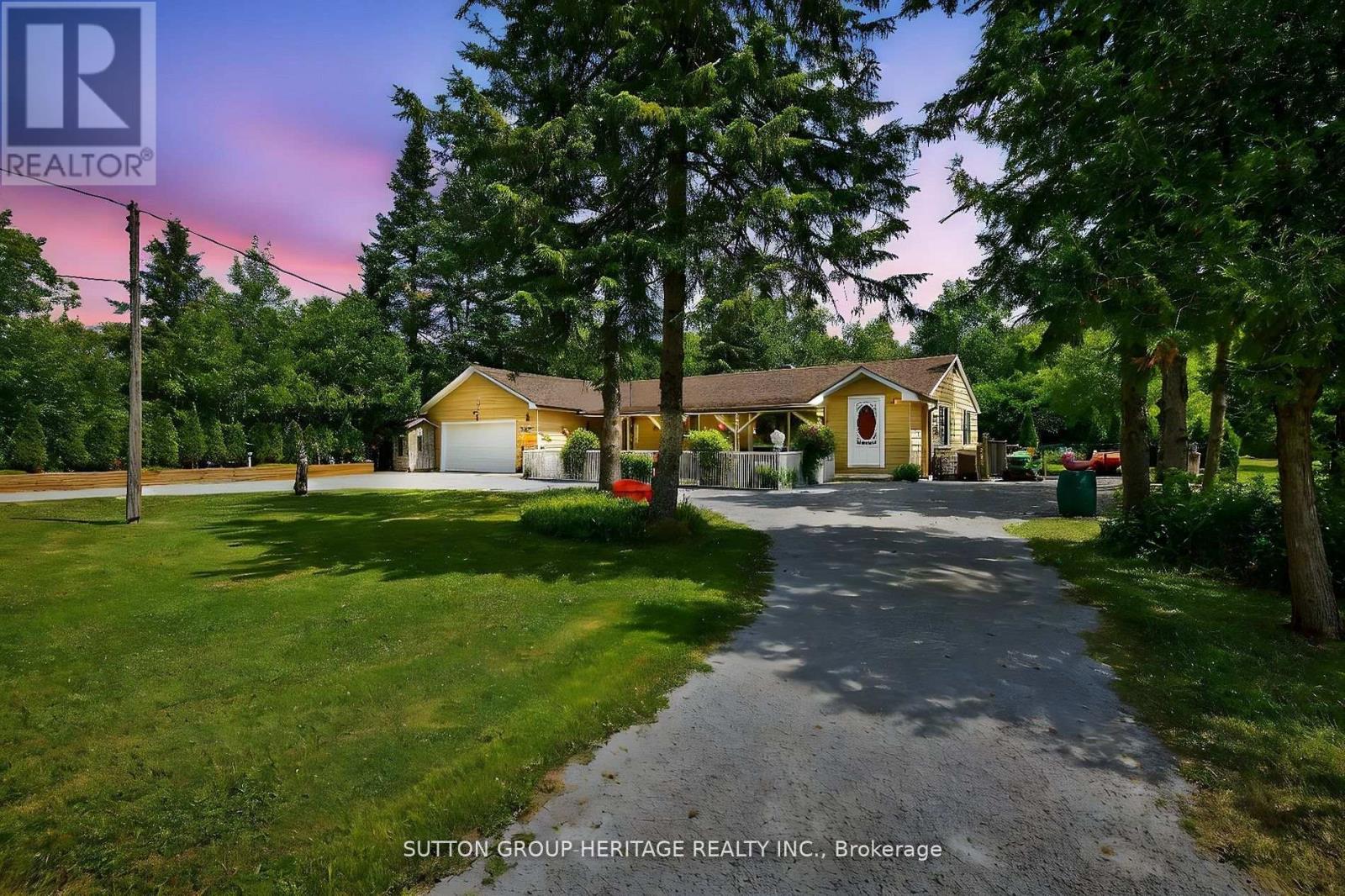
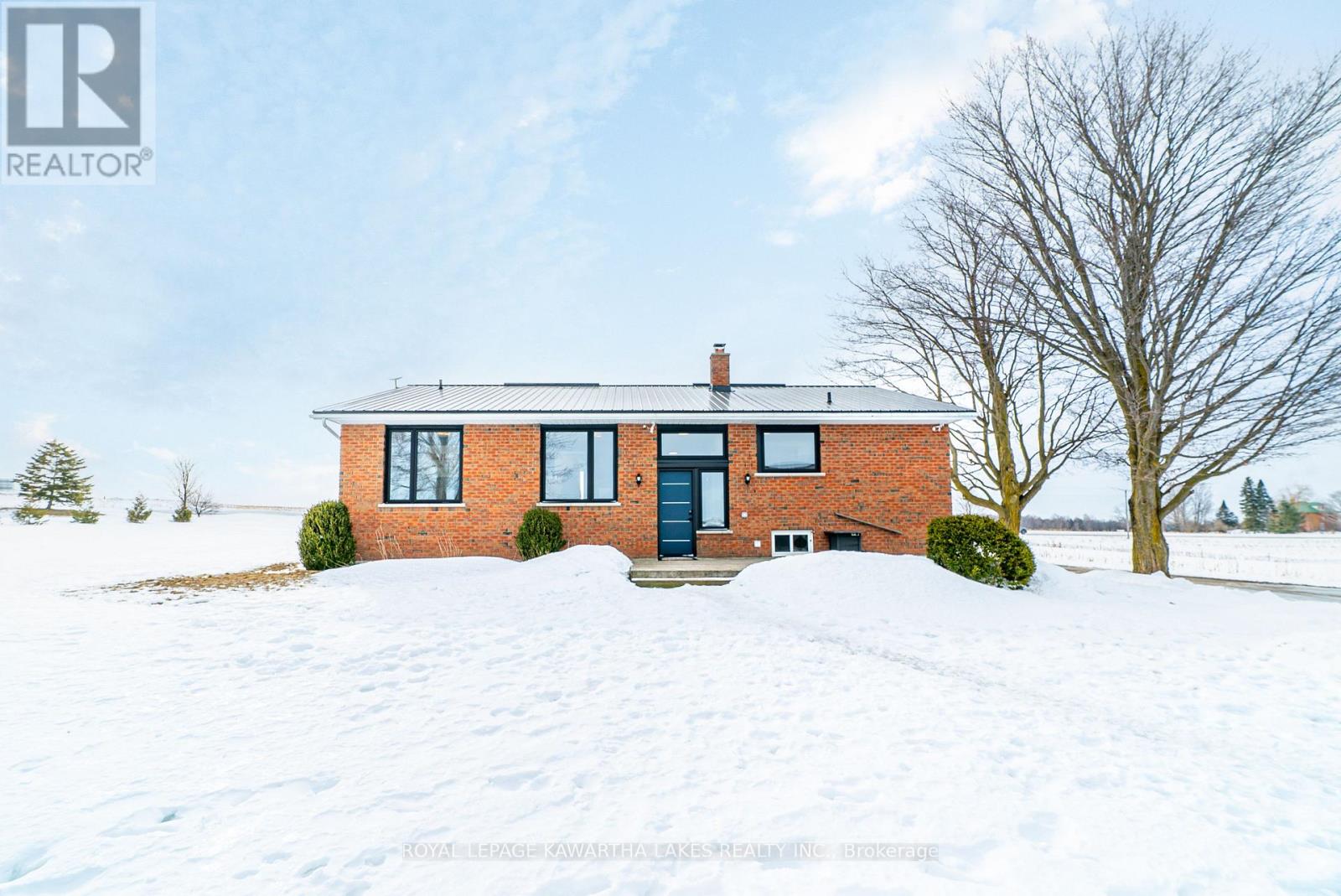
Rural residential properties — a house and a few acres on a concession road — typically range from $550,000 to $900,000 depending on the house size, condition, and lot. Properties with significant improvements (a renovated farmhouse, outbuildings in good condition, well-maintained mechanicals) reach the upper end of that range. Properties with deferred maintenance, aging well and septic systems, or structures that need work come in lower but require realistic capital planning for repairs and updates.
Farm properties — those with more than 10 acres and agricultural operations or potential — can trade anywhere from $800,000 to well over $1.5 million depending on acreage, infrastructure, and whether there’s a working farm business. Hobby farm buyers looking for 10 to 20 acres with a house and some outbuildings sit in the $700,000 to $1.1 million range, though supply in any given year is limited.
Waterfront rural properties on Lake Simcoe within Brock Township are a separate category and command significant premiums over inland rural land. Private shoreline on the lake’s eastern shore is rare and priced accordingly. Most buyers who want Lake Simcoe access look at the Beaverton townsite rather than trying to find private rural waterfront, where supply is very thin and prices reflect that scarcity.
The rural Brock Township real estate market is very thin. Transaction volumes are low — a few dozen rural properties might change hands in a year across the whole township — and comparable sales data is sparse and requires careful interpretation. Properties here are genuinely unique in ways that comparables-based valuation can’t fully capture: one rural property has a 40-year-old bank barn in excellent condition, the next has a comparable house on similar acreage but no outbuildings. These differences matter to the buyer and to the pricing, but they don’t always show up clearly in database-driven analysis.
The pandemic period drove significant interest in rural Ontario broadly, and rural Brock benefited from that. Buyers who couldn’t work out the numbers in Haliburton, Prince Edward County, or other higher-profile rural destinations started looking further northeast of the GTA and found that Brock Township offered similar land character at lower prices. That demand pushed rural property values up between 2020 and 2022, and the subsequent rate increases pulled them back. The current market reflects a more normalized, lower-velocity environment where motivated sellers and serious buyers find each other at realistic prices.
Days on market for rural properties in Brock Township are long. Ninety days is not unusual, and some properties sit for several months before finding the right buyer. The narrowness of the buyer pool — people who genuinely want this life and can make the logistical and financial case for it — means that matches take time. Sellers who price aggressively relative to the thin comparable data often sit longest.
Rural properties here attract almost no speculative activity. Investors don’t find the yield or the liquidity compelling, and development speculation is minimal given the Agricultural land protections and the limited growth pressure on Brock Township. The buyers are real users, and the market prices that way.
The buyer profile for rural Brock Township is more specific than for the village properties. It’s primarily people who want land — not as an abstract concept but as the actual thing, with the practical responsibilities and freedoms that come with it. They want to grow food, keep animals, run a home-based business in a workshop or barn, or simply live at a distance from their neighbours that no subdivision can offer. These are buyers who have thought about what rural life costs in time, money, and logistics, and have decided the trade-off is worth it.
Retirees and near-retirees from the GTA make up a significant portion of this buyer group. They’ve often sold a well-located suburban home and have the equity to purchase rural Brock outright or with minimal financing. They’re not buying the land as an investment — they’re buying it as the place where they want to spend the next 20 years. The practical trade-off for this buyer is giving up proximity to medical services and urban amenities, which is a genuine consideration as they age.
Remote workers are the second significant group. These are typically buyers in their 30s and early 40s who have concluded that they’ll be working from home for the foreseeable future, want more space than any GTA-adjacent suburb can offer at a price they can afford, and are willing to accept the distance from urban amenities as the price for that space. The internet infrastructure in rural Brock has improved with the expansion of rural broadband programs, though coverage and speeds vary by location and should be confirmed before purchasing.
A smaller number of buyers have agricultural intentions — hobby farming, market gardening, small-scale livestock operations. These buyers are looking for specific land qualities: soil type, drainage, existing fencing and infrastructure, well capacity for livestock water needs. Their due diligence is more specialized and often involves an agricultural consultant or experienced rural property inspector alongside the standard home inspection.
Rural Brock Township is organized on the Ontario concession road system, with concession lines and side roads running in a grid across the agricultural landscape. The main county roads — County Road 15 (Thorah Concession Road), County Road 12 (running through Beaverton and Cannington), County Road 18, and others — provide the main arterials. Rural properties sit along these roads or on the smaller concession lines between them.
The eastern Lake Simcoe shoreline within Brock Township runs from the Beaverton area south along the lake. This corridor has the most premium rural properties — shoreline lots, near-water properties on the lake’s eastern arm, and properties with lake views. These properties are the scarcest and most expensive in the township, and they compete with the in-town Beaverton waterfront for the attention of lake-focused buyers.
The agricultural areas further east and south of Beaverton, along the concession roads between Beaverton, Cannington, and Sunderland, represent the core of the rural residential market. Farmhouses of various ages, from 19th-century Ontario Gothic and century homes to mid-20th century brick ranchers, sit on lots ranging from one acre to full working farm parcels. The Black River runs through the southern part of the township, and properties near the river valley tend to have more natural character and some mature tree cover.
The southern portion of Brock Township, approaching the Uxbridge and Georgina boundaries, is more transitional — slightly closer to the GTA orbit, with some properties that attract buyers who want rural character but are pushing the southern edge of what Brock Township offers. These properties tend to be priced at or slightly above the township average because of their relative accessibility.
Rural Brock Township has no transit of any kind. All transportation is by personal vehicle, and that is the baseline condition for life here. Every trip — to the grocery store in Beaverton or Cannington, to the doctor, to the hardware store, to pick up children from activities, to visit friends — is a car trip. Buyers who rely on transit for any portion of their current life need to fully account for this before purchasing.
The road network in rural Brock is adequate but variable in condition. County roads are maintained by Durham Region and are generally in reasonable shape. Concession lines and side roads are maintained by Brock Township and range from good to rough depending on the road class and the time of year. Spring is the toughest season — freeze-thaw cycles can leave rural roads with significant frost heave and rutting that may restrict heavy vehicle access temporarily. Buyers on private lanes or roads with shared maintenance agreements need to understand who is responsible for what.
The drive to Toronto from most rural Brock properties is 90 to 120 minutes depending on where in the township you are and which route you take south. The southern part of the township connects to Highway 48 and from there to Highway 404 more efficiently. Properties in the northern part of the township, near Beaverton, are more directly connected via Highway 12 to Highway 400 and Barrie, but further from the 404 corridor into Toronto.
Reliable internet connectivity is increasingly important for rural buyers, and coverage varies considerably across rural Brock Township. Some areas are served by fibre or fixed wireless internet with adequate speeds for video conferencing and remote work. Others are still on satellite or degraded DSL service. Confirming internet availability at a specific property address before purchasing is essential for any buyer planning to work remotely.
The outdoor experience in rural Brock Township is what draws most buyers here, and it’s genuinely good for people who know how to use it. The working agricultural landscape, the woodlots, the wetland corridors, and the Lake Simcoe shoreline combine to create a varied natural environment that rewards the people who engage with it actively.
Snowmobiling is significant here. Brock Township sits within the network of OFSC (Ontario Federation of Snowmobile Clubs) trails that connect through Durham Region and into the broader provincial system. Many rural property owners have trail access across their own land, and the township’s snowmobile club maintains routes that connect to Beaverton, Cannington, and the lake. For buyers who snowmobile, this is a genuine amenity that is difficult to access from anywhere closer to the GTA.
Hunting is actively practised across much of rural Brock Township, with deer and wild turkey seasons drawing hunters to the woodlots and field edges through fall and early winter. Fishing on Lake Simcoe, particularly for ice fishing in winter, draws participants from across the region to the Beaverton and Lake Simcoe shore areas. Buyers with hunting or fishing as part of their recreational identity will find Brock Township well suited.
The Black River and other small waterways through the township provide habitat for wildlife and recreational interest for paddlers and anglers. The agricultural character of the land means formal trail systems are limited, but the network of concession roads is extensive and well-suited to road cycling and rural walking. The Lake Simcoe Region Conservation Authority manages several conservation areas within the watershed that provide formal access points.
Rural Brock Township has no retail or commercial services to speak of — the businesses are in the villages. Beaverton serves the northern portion of the township with a grocery store, hardware store, pharmacy, and a small cluster of service businesses on Simcoe Street. Cannington, in the centre of the township, has a similar range of daily-needs retail. Sunderland has a more limited selection. For anything beyond basic groceries and hardware, residents drive to Barrie (40 to 50 minutes north), Newmarket (45 to 55 minutes south), or Uxbridge (30 to 40 minutes for southern township residents).
The nearest significant hospital with full emergency and specialist services is Southlake Regional Health Centre in Newmarket, about 50 to 60 minutes from most rural Brock locations. The Stevenson Memorial Hospital in Alliston provides some services to the western part of the township. Medical care access is a real planning consideration for buyers with ongoing health needs or families with young children who may require urgent care.
Farm supply and agricultural services are available locally in a way that urban buyers may not anticipate needing but rural property owners often do. Equipment dealers, feed suppliers, and agricultural contractors operate out of Beaverton and the surrounding area. For buyers with agricultural operations or intentions, the local service infrastructure for farming is adequate for basic needs, with larger needs met in Lindsay, Barrie, or Newmarket.
Rural Brock Township falls within the Durham District School Board (DDSB) for public education. Elementary-age children in rural Brock are typically bused to schools in the nearest village — Beaverton, Cannington, or Sunderland — depending on where in the township the property sits. The drive times to school by bus can be significant for properties on concession roads far from the village centres, and bus routes are adjusted periodically based on enrolment. Families should confirm the current bus route for any specific rural address before purchasing.
Secondary students across the entire township attend Brock High School in Cannington, the Durham District School Board’s northernmost high school. The school serves a small student population of approximately 400 students across grades 9 to 12. Its small size produces a different experience than an urban secondary school — students are more likely to know everyone in their grade, and extracurricular programs operate on smaller team sizes. Families who value that environment often view it positively; families who want the broader course selection and specialist programs of a large urban secondary school should understand what the smaller school provides.
Catholic school families within the Durham Catholic District School Board (DCDSB) have access to Catholic elementary schools in the villages, with Catholic secondary education available in the region. Families with specific religious school requirements should confirm current transportation arrangements for rural properties given the distances involved.
Rural Brock Township faces limited development pressure, and that’s unlikely to change in the near term. The township’s Official Plan designates the land outside the village settlement areas primarily as Agricultural, with Rural and Environmental Protection zones covering the remaining rural lands. These designations restrict residential development to existing lots and small severances where conditions allow, so the rural character of the township is protected by the planning framework.
The provincial growth planning system has generally directed growth in Durham Region toward the southern municipalities — Ajax, Whitby, Oshawa, Pickering — and away from the rural northern townships. Brock Township is not in the trajectory of major suburban expansion that would bring new service infrastructure or significant population growth. Buyers should expect the township to look largely as it does today in 10 and 20 years.
Rural broadband expansion is the most significant infrastructure change underway. Federal and provincial rural broadband programs have extended better connectivity to parts of Brock Township, and that improvement continues. The practical effect is that remote work viability for rural Brock properties is improving, which has and will continue to broaden the pool of potential buyers for rural properties. This is a gradual rather than transformative change, but it’s real and ongoing.
Agricultural land value pressures from the south may eventually affect Brock Township as development in the municipalities to the south pushes farming operations further north. This is a decades-long trend rather than a near-term market driver, but buyers acquiring agricultural land should understand that the character of their neighbours and the surrounding landscape could change over a long holding period.
Q: What due diligence is essential when buying rural property in Brock Township?
A: Rural property due diligence is more demanding than a typical residential purchase, and the areas that need specific attention are well and septic systems, internet connectivity, road access and maintenance responsibility, zoning and permitted uses, and the condition of any outbuildings or agricultural structures. The well should be flow-tested and water-tested before closing — bacterial testing is standard, but hardness, iron, and other parameters matter for daily life and appliance longevity. The septic system needs inspection by a qualified inspector, and if it’s older than 20 years you should price in replacement in your budget. Confirm the current internet service provider and achievable speeds at the specific address. If the property is on a private lane or road allowance, understand who maintains it and what your share of the cost is. The home inspection on rural properties should be conducted by an inspector with rural experience, not just residential suburban experience, because the systems are different.
Q: Can I build a secondary dwelling or sever a lot in rural Brock Township?
A: This depends on the specific zoning designation of your property and the current Brock Township Official Plan policies. Agricultural-zoned land generally has restrictions on additional residential uses beyond the main farm dwelling and farm worker housing. Rural-zoned lots have more flexibility in some cases but still require compliance with setbacks, lot coverage, and the conservation authority requirements if the property is near a watercourse or wetland. Lot severance in rural Ontario requires township approval and must meet the minimum lot size and frontage requirements under the applicable zoning by-law. The Lake Simcoe Region Conservation Authority has jurisdiction over properties near the lake and watercourses, adding an additional approval layer. Before purchasing with the intention to sever, build an accessory dwelling, or add a significant outbuilding, consult with Brock Township’s planning department and confirm what the specific parcel supports. Do not rely on the seller’s representations or historical use without confirming current zoning compliance.
Q: How does purchasing in rural Brock compare to buying in the Kawarthas or Muskoka?
A: Rural Brock is cheaper, closer to Toronto by highway, and less developed as a recreational destination — which means lower prices but also less of the amenity infrastructure that makes Muskoka and the Kawarthas known quantities. Muskoka and Haliburton have established cottage communities, lake associations, and tourism economies that generate significant commercial infrastructure even in small communities. Brock Township’s rural areas are primarily agricultural rather than recreational in character, and the buyers are rural lifestyle buyers rather than cottage buyers in the Muskoka sense. If you want a working property in agricultural Ontario at a low price, Brock offers better value than either of those destinations. If you want a recreational property with the full cottage-country infrastructure, Brock is the wrong comparison and those markets are more appropriate.
Q: What are the hidden ongoing costs of rural property ownership in Brock Township?
A: Rural properties carry ongoing costs that urban buyers often underestimate. Well pump maintenance and eventual replacement runs $2,000 to $5,000 for a pump and $15,000 to $25,000 for a complete drilled well. Septic system pumping every 3 to 5 years costs $300 to $500, and full septic system replacement when it fails runs $15,000 to $30,000 or more depending on soil conditions and system type. Driveway maintenance and snow removal for a long rural driveway can cost $1,500 to $3,000 per year depending on length and contractor rates. Heating costs are higher than suburban equivalents because rural homes tend to be larger and older, with more exposed surface area. Property taxes in Brock Township are relatively low compared to the southern Durham Region municipalities, but the annual all-in cost of rural ownership including maintenance and capital reserves is higher than most buyers initially budget.
Rural property transactions in Brock Township require an agent who has actually dealt with rural properties — not just residential suburban transactions. The due diligence requirements are different, the valuation methodology is different, and the negotiation dynamics are different. An agent who has sold 50 condos in Oshawa and one rural Brock Township farm is not equipped to represent you well in this market. It’s worth finding someone whose current practice includes a meaningful proportion of rural transactions, because the questions you need to ask, the conditions you need in the offer, and the sequence of inspections and confirmations are all distinct from the urban residential process.
Buyers’ agents in rural transactions earn their fee most clearly in the due diligence phase. The list of things that need checking on a rural property is longer than on a suburban house: well, septic, heating system, roof, foundation, outbuildings, road maintenance agreements, zoning compliance for any existing or proposed use, conservation authority permissions, right-of-way and easement registrations on title, and the status of any rural rental suites or agricultural tenancies. A good rural buyer’s agent has a checklist for this that comes from experience, and they know which of those items need professional investigation rather than a visual check.
The offer structure on rural properties often includes conditions that aren’t standard in suburban offers: a well and septic condition, a zoning compliance confirmation, sometimes a condition on internet service confirmation. Sellers of rural Brock properties are generally willing to accommodate these conditions because they understand the buyer’s position. An agent who tries to write a competing offer without conditions on a rural property is not acting in your interest regardless of the competitive dynamics in the moment.
Street-level knowledge is hard to find online. Our team works in Rural Brock every day. They know which pockets hold value, where the school catchment lines actually fall, and what the market is doing right now. Talk to us before you make a decision about Rural Brock.
Talk to a local agent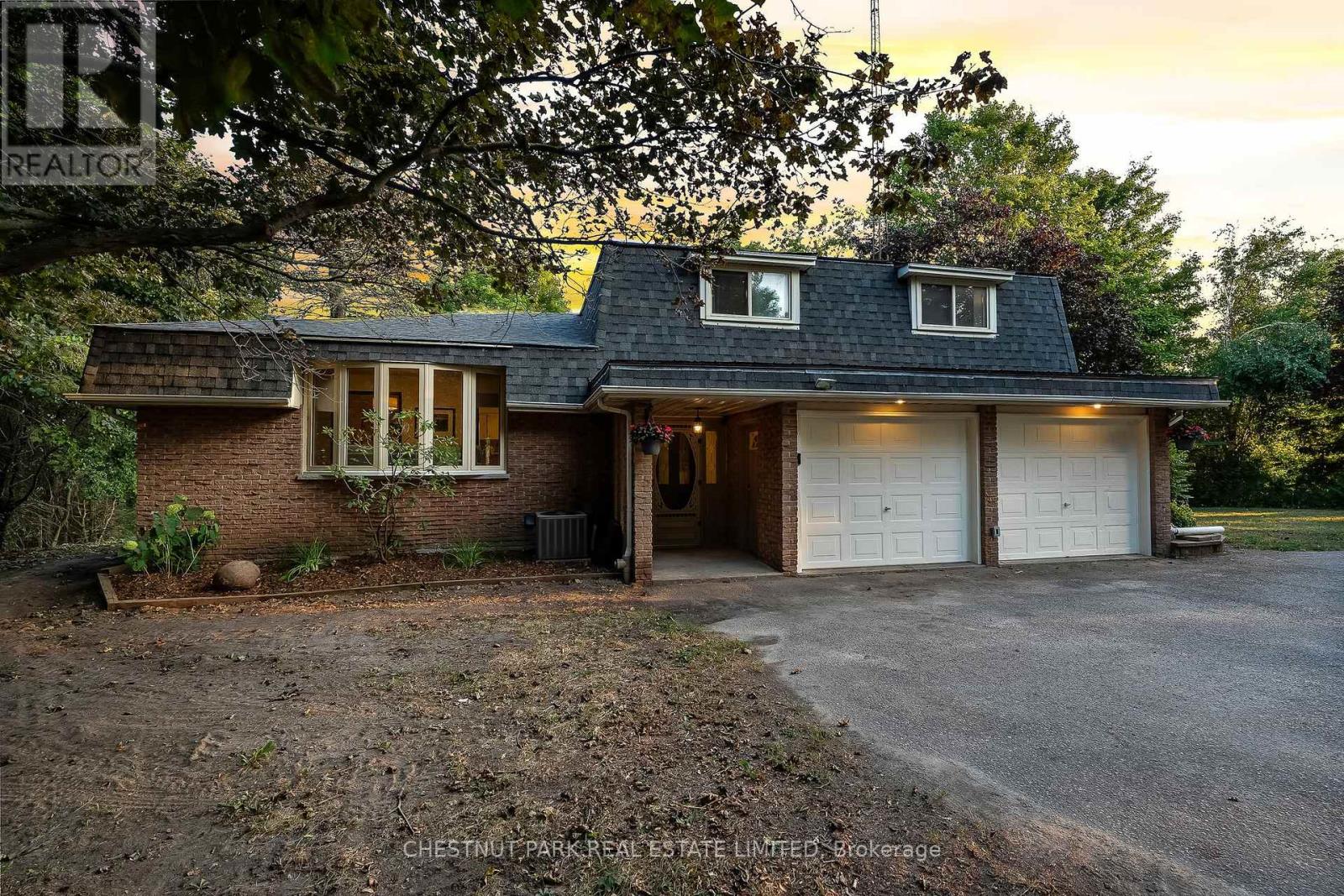 For Sale
 For Sale
 For Sale
 For Sale