
Rural King covers the agricultural and estate residential lands of King Township outside King City, Nobleton, and Schomberg. Protected by the Oak Ridges Moraine Conservation Plan and the Greenbelt Plan, it is one of the most permanently protected rural landscapes in the GTA, with equestrian estates, working farms, and custom country homes within 50 kilometres of downtown Toronto.
Rural King covers the agricultural and estate residential lands of King Township outside the designated community areas of King City, Nobleton, and Schomberg. It’s one of the most valuable and protected rural landscapes in all of York Region, sitting on the Oak Ridges Moraine with Greenbelt Plan and Oak Ridges Moraine Conservation Plan protections that make it permanently rural rather than a transitional zone waiting for development.
King Township has historically maintained some of the strongest rural land protection policies in the GTA, resisting the kind of boundary expansions that have converted agricultural land to suburban development in Markham, Richmond Hill, and Aurora over the past 40 years. The result is a rural landscape of genuine quality within 40 to 50 kilometres of downtown Toronto, where working farms, equestrian estates, conservation lands, and custom-built country homes coexist without the suburban development pressure that has transformed comparable areas in other York Region municipalities.
The Oak Ridges Moraine runs through much of King Township, creating the topographic and ecological character that defines the landscape: rolling terrain, kettles and recharge wetlands, cold-water stream headwaters for both the Humber and Holland River systems, extensive hardwood and mixed forest, and the biodiversity that intact moraine landscapes support at a level found nowhere else in the GTA urban shadow.
Properties in rural King Township outside the community areas are on private wells and septic systems, subject to Oak Ridges Moraine Conservation Plan requirements for development, and in many cases within conservation authority regulated areas that govern activity near watercourses. These regulatory layers are part of what has maintained the landscape quality that drives property values to levels well above comparable rural land elsewhere in Ontario.
Rural King properties divide into two broad categories: working farms and agricultural land, and estate residential properties on large rural lots. The working farm inventory includes cash crop operations on the clay and loam soils of the lowland areas, equestrian facilities with purpose-built horse barns, riding arenas, and paddock infrastructure, and mixed farming operations. Estate residential properties are typically custom-built homes on two to ten acre lots, built by buyers who wanted the rural landscape without operating a working farm.
Lot sizes in the rural township are governed by Oak Ridges Moraine Conservation Plan policies that effectively prohibit the creation of new small rural lots. The minimum lot size for new severances is large, and the Conservation Plan’s lot creation policies make fragmentation of agricultural land essentially impossible. What this means in practice is that the rural lot inventory is stable: the properties that exist are the properties that will continue to exist, and new supply through subdivision is not a factor buyers need to consider.
Home construction in rural King Township ranges from older farmhouses on working properties, many dating to the mid-20th century and earlier, to custom-built homes from the 1980s through the present that reflect the preferences of estate buyers who chose the landscape specifically. The custom estate home inventory is particularly strong: buyers who paid for large rural lots in King Township typically built substantial homes to match, and the result is a housing stock with more architectural variety and quality than most rural areas of comparable size.
Properties on wells and septic systems require buyers to understand the inspection process specific to rural Ontario: a well water test is standard, a septic inspection or at minimum an understanding of system age and type is essential, and the TRCA or LSRCA may have regulated area designations that govern what can be built or altered on the property. These are manageable conditions that any buyer’s agent familiar with rural King Township will walk through before an offer.
Rural King Township operates as a low-liquidity market. There are not many properties for sale at any given time, and days on market can be long for properties that are priced above what the current buyer pool supports. Unlike the serviced community areas of King City and Nobleton, where school access and commute distance drive a broader buyer pool, rural King attracts a narrower set of buyers who are specifically motivated by the landscape, the lot size, and the privacy that the township’s rural character delivers.
Price per acre is the most useful metric for agricultural and large-lot rural properties, and it varies considerably by soil quality, frontage, topography, and the presence or absence of buildings. Bare agricultural land in the township trades at a significant premium to comparable land in lower-protection municipalities simply because supply is constrained by the Conservation Plan and Greenbelt. Equestrian properties with full infrastructure command prices that reflect not just land and house but the replacement cost of the barns, paddocks, and arenas that rural equestrian buyers require.
Estate residential properties without farm infrastructure price against custom homes on large lots, and the comparables can be thin. Buyers and agents doing comparative market analysis on rural King properties need to cast a wider net than normal, looking at comparable lot sizes and home quality across the broader township and sometimes into adjacent municipalities. Automated valuations are unreliable in this segment; the transaction volume is too low for algorithmic tools to have meaningful data.
The market here is patient in both directions. Sellers who price correctly for a narrow buyer pool may wait months for the right buyer. Buyers who find the right property often move decisively because they know how rarely the right combination of lot, house, and location appears. In practice, rural King transactions tend to be deliberate rather than rushed, and buyers are well served by an agent who knows the township rather than someone who primarily works suburban resale.
The buyers who choose rural King Township outside the community areas are a distinct group from the suburban buyers who fill King City and Nobleton. The rural township draws equestrian households who need the acreage and infrastructure for horses and who can afford the King Township price premium for rural land. It draws agricultural operators, both full-time farmers and hobby farmers, who value productive land with strong conservation protection. And it draws a smaller but consistent group of remote workers and professionals who want genuine rural character close enough to Toronto to remain professionally connected.
Equestrian buyers are the most active single segment in the rural King market. The combination of Oak Ridges Moraine landscape, proximity to the major equestrian competition venues in the GTA region, and the density of existing equestrian operations that have built up over decades makes King Township the single most concentrated equestrian residential area in Ontario. Buyers in this segment are often specific about infrastructure requirements: indoor arenas, barn configurations, paddock acreage, and trailer access all factor into property selection in ways that standard residential buyers never consider.
The remote work buyer segment has grown since 2020 and shows no signs of retreating. Buyers who established that their careers can function without daily commuting have re-evaluated what they need from a home and where they want to be. Rural King Township delivers what this buyer wants: space, landscape, quiet, and enough distance from suburban density to feel genuinely different from the environments they left. The commute to Toronto, when it happens, is roughly one hour on the 400 series highway network.
What unites rural King buyers is that they chose the landscape deliberately. This is not a location buyers end up in because it was affordable or convenient. The price premium rules that out. Rural King Township is a destination purchase for buyers who know what they want and are prepared to pay for it.
Rural King Township doesn’t have neighbourhoods in the urban sense. The geographic pockets that buyers and agents talk about reflect topography, concession road patterns, and proximity to the community areas rather than named districts with defined boundaries. Understanding which part of the rural township a property is in matters because landscape character, commute routing, and conservation authority jurisdiction all vary.
The Oak Ridges Moraine corridor running through the central part of the township creates the most distinctive landscape pocket: rolling terrain with the kettles, woodlots, and wetlands that define the moraine character. Properties in this band sit in the most ecologically significant landscape in the region, with conservation authority regulated area designations that restrict development near watercourses and wetlands but also protect the character that drives values. Lot prices here reflect the landscape premium clearly.
The western rural areas of King Township, approaching the Peel Region boundary, include a mix of cash crop agriculture and rural residential on the flatter, more productive soils below the moraine. This area is farther from the Barrie GO line and closer to Highway 400, which changes the commute calculus for buyers who need periodic Toronto access. Conservation Halton has jurisdiction over some western portions; most of the township falls under TRCA or LSRCA depending on watershed location.
The rural lands north and east of Schomberg are quieter and farther from any GO station, with the Holland River watershed running through, and LSRCA regulated areas near watercourses. Properties here are the most genuinely remote within the township’s rural area, with the longest drives to service centres. Buyers in this pocket are typically those who have chosen maximum rural character over any degree of urban convenience, and the properties reflect that: large acreages, working farms, and the occasional legacy estate that rarely comes to market.
Rural King Township is a car-dependent location without qualification. There is no transit service to the rural areas, and the distances between a rural King property and any practical destination mean that two-vehicle households are the norm. This is not a transitional condition; it is a permanent feature of rural township life that buyers need to accept before purchasing.
The commute to Toronto by car is typically 50 to 70 minutes in non-peak conditions, depending on where in the rural township the property is located and which highway corridor provides access. Highway 400 is the primary southbound route for most of the township, connecting to the 400/401 interchange and the city grid. Highway 27 is a slower alternative for the western areas. Rush hour performance on Highway 400 through the King Township area has improved somewhat with HOV lane additions but remains congested during peak periods.
King City GO Station on the Barrie line is the most accessible GO option for the eastern and central rural areas, with a drive from most rural King addresses of 15 to 30 minutes depending on location. The Barrie line GO service provides a practical commute route into Union Station with peak-period trains running regularly, and the King City station parking lot functions as a park-and-ride for rural township residents. This makes the Barrie corridor more viable for rural King commuters than the raw distance from downtown would suggest.
For practical daily needs, most rural King Township residents drive to King City or Nobleton for minor errands, and to Newmarket or Aurora for the full range of shopping, services, and medical care. The Aurora GO Station and the commercial concentration on Yonge Street in Aurora and Newmarket are the practical service destinations for rural King households that want a destination with everything they need in one trip.
The outdoor character of rural King Township is its primary residential offering, and it is genuinely exceptional within the context of the Greater Toronto Area. The Oak Ridges Moraine landscape through the central township delivers the ecological complexity that only intact moraine systems support: cold-water streams, hardwood and mixed forest, recharge wetlands, kettles and kames, and biodiversity that no suburban or periurban landscape can replicate. For buyers who value this kind of environment, there is nothing comparable within 50 kilometres of Toronto.
Formal conservation lands within the township add to the outdoor inventory. The Bruce Trail, which runs along the Niagara Escarpment and has connections eastward through the moraine landscape, provides one of the longest continuous walking trails in Canada, and sections accessible from King Township allow for serious hiking rather than the short loops that most GTA conservation areas offer. The TRCA’s Humber River watershed management has maintained stream-corridor natural lands through the rural township that provide wildlife habitat and accessible natural areas.
Equestrian trail riding on private land and through trail networks is a significant outdoor activity for the township’s substantial horse-owning population. The density of equestrian operations means informal trail access and riding club memberships are more available than in most rural areas, and the moraine terrain provides the kind of varied riding landscape that horse owners specifically seek. This is one of the practical amenities that draws equestrian buyers to King Township specifically rather than comparable rural areas with similar lot sizes.
Hunting and fishing are active rural pursuits. The rural concession roads are used heavily by cyclists in summer, and the low traffic volumes on the township’s secondary roads make for legitimate road cycling in a way that isn’t possible in more developed suburban contexts. The rural landscape is the amenity; buyers who choose it typically do so because they intend to use it actively rather than simply to look at it.
There are no commercial services in the rural areas of King Township outside the community areas. King City, Nobleton, and Schomberg each have small commercial clusters that serve rural township residents for minor needs, but the full range of retail, medical, and professional services requires a drive to Newmarket, Aurora, or in some cases to communities in Peel Region for residents in the western parts of the township.
King City’s main street has a small concentration of independent shops, a pharmacy, a few restaurants, and the basic convenience services a rural community area can support. Nobleton has a similar scale of commercial activity along King Road. For rural township residents who are already driving to reach these centres, the additional distance to Newmarket or Aurora is often worth making once rather than stopping for partial needs at the smaller communities.
Newmarket is the practical service centre for most rural King Township residents. Southlake Regional Health Centre, the nearest full hospital emergency department, is in Newmarket. The commercial concentration along Yonge Street in Newmarket provides the full range of major retail, specialty services, and professional offices that a household needs on a regular basis. Most rural King Township families treat Newmarket as their primary shopping and service destination, with the 30 to 45 minute drive from outlying rural addresses built into weekly routines.
For equestrian households, feed stores, farm supply outlets, and veterinary services oriented to large animals are available in the King City area and in the agricultural supply network that serves the township. This is a practical amenity that equestrian buyers evaluate specifically; the availability of competent equine veterinary care, farrier services, and quality feed and bedding supply within a reasonable drive is part of the infrastructure calculation for any horse property purchase.
Rural King Township falls within the York Region District School Board for public schools and the York Catholic District School Board for Catholic schools. The school assignment for a rural property depends on its specific location within the township, but the practical reality for most rural families is a bus ride to elementary schools in King City, Nobleton, or Schomberg, and a further bus ride or parent drive for secondary school.
King City Secondary School serves the King City community area and draws from surrounding rural areas. It is a York Region District School Board school with a solid academic program and the extracurricular and athletic offerings typical of a mid-sized Ontario high school. St. Andrew’s College and Country Day School, both private independent schools with national academic profiles, are located within the King Township area and draw students from across the GTA; these are relevant for rural King Township families who choose private secondary education, though they represent a significant annual tuition commitment.
The private school presence in King Township is part of the area’s character and history. St. Andrew’s College has operated in Aurora, on the King Township border, since the 1920s, and its campus and facilities are a regional landmark. Families who choose rural King Township with private school in mind have better options within the immediate area than they would in most comparable rural locations in Ontario.
For families with children in the public system, the bus ride to school is a practical reality that parents need to understand before purchasing. Rural addresses can mean longer bus routes, early pickup times, and afternoon returns that require planning. For younger children especially, the rural school bus experience is different from urban walk-to-school arrangements, and families moving from cities should verify the specific routing before assuming the school situation works for their household.
Rural King Township is not changing in any structural way that would alter its rural character. The Oak Ridges Moraine Conservation Plan and the Greenbelt Plan together create a planning framework that prevents the suburban expansion that has consumed rural land in other York Region municipalities. What is rural in King Township today will remain rural, and buyers who pay the premium for that character are buying something that is protected rather than transitional.
The Township of King’s Official Plan is consistent with this protection. King Township has historically maintained stronger rural land protections than the provincial minimums, and its planning staff and council have generally resisted development pressures that other York Region municipalities have accommodated. The result is an administrative culture aligned with conservation that reinforces the statutory protections at the provincial level.
The most significant external factor affecting rural King Township is the ongoing growth of the Barrie GO corridor and the development of the King City and Aurora communities. As these community areas grow, their service infrastructure improves, which is beneficial to rural township residents who use those services. The GO station capacity at King City has practical value to rural commuters; improvements to Southlake Regional Health Centre in Newmarket benefit the broader region including rural King.
High-speed internet remains the variable most worth investigating before purchasing any rural King Township property. Bell and Rogers have been extending fibre and cable coverage into rural York Region, but coverage is not uniform and depends on proximity to existing infrastructure. Some rural King addresses have access to excellent terrestrial high-speed service; others are still dependent on fixed wireless or satellite options. Starlink has made satellite internet practically viable for rural addresses not served by ground-based high-speed, and its adoption among rural King Township households has been significant since the service became available in the region.
What conservation authority applies to a rural King Township property?
Most of rural King Township falls under the Toronto and Region Conservation Authority (TRCA), which governs Humber River watershed lands. The northern portions of the township, draining toward the Holland River, fall under the Lake Simcoe Region Conservation Authority (LSRCA). A small portion in the west may involve Credit Valley Conservation. The specific authority is determined by watershed location. Before purchasing, identify which CA has jurisdiction and obtain a mapping of any regulated areas on the property — these affect what can be built or altered near watercourses, wetlands, and valley lands.
What does Oak Ridges Moraine Conservation Plan designation mean for a buyer?
The Oak Ridges Moraine Conservation Plan divides moraine land into Natural Core, Natural Linkage, Countryside, and Settlement Area designations. Properties in Natural Core and Natural Linkage areas face the most restrictive development conditions; Countryside lands allow more rural uses including agricultural and estate residential. Any buyer should confirm the specific designation of a property of interest and understand what development permissions apply. The plan does not affect existing uses, but it governs what future changes or additions are possible on the lot.
Can rural King Township lots be severed or subdivided?
Generally no. The Oak Ridges Moraine Conservation Plan’s lot creation policies are highly restrictive and effectively prevent the severance of agricultural land for new residential lots in most circumstances. King Township’s Official Plan adds further restrictions. The practical result is that the lot inventory is stable and new rural residential supply through severance is not occurring at any meaningful scale. This protects existing property owners from the kind of lot fragmentation that can change rural character over time.
How does the equestrian infrastructure affect property values?
Equestrian infrastructure — horse barns, indoor arenas, paddocks, run-in sheds, sand rings — adds to property value but the valuation is not straightforward. Purpose-built equestrian facilities are appraised based on what a typical equestrian buyer would pay for them, which is less than replacement cost but more than what a non-equestrian buyer might assign. Properties marketed exclusively to equestrian buyers can take longer to sell due to the narrower buyer pool, but they typically achieve prices that reflect the infrastructure investment when the right buyer finds them.
Rural King Township requires an agent who understands rural real estate, not just an agent who has handled transactions in King City or Nobleton. The rural township market involves well and septic inspections, conservation authority regulated area reviews, Oak Ridges Moraine designation checks, large-lot appraisals with limited comparables, and equestrian property valuations that require specific knowledge. An agent who primarily works suburban resale in Aurora or Newmarket is not the right fit for a rural King Township purchase, however competent they may be in those markets.
The conservation authority review is one of the most important pre-offer steps for any rural King Township property. Before writing an offer, a buyer’s agent should confirm whether the property has TRCA or LSRCA regulated area designations, what development has been previously approved, and whether any planned improvements would require CA permits. This review is not complicated, but it requires knowing it needs to happen. Agents who don’t work rural regularly skip it and discover constraints after the deal is firm.
The well and septic assessment deserves the same attention given to mechanical inspection on a suburban home. A water quality test is standard but not sufficient on its own; understanding the well construction, depth, yield, and any history of issues matters. The septic system age, type, and condition affects both the usability of the property and the potential liability for replacement. On properties with older systems, a budget for eventual replacement is a realistic planning assumption.
Buyers who are new to rural property ownership benefit from a candid conversation about what changes between rural and suburban life. The services, the logistics, the infrastructure responsibilities, and the timelines involved in getting anything done on a rural property are all different. The buyers who succeed in rural King Township are those who understood what they were choosing before they signed, not those who discovered it afterward.
Street-level knowledge is hard to find online. Our team works in Rural King every day. They know which pockets hold value, where the school catchment lines actually fall, and what the market is doing right now. Talk to us before you make a decision about Rural King.
Talk to a local agent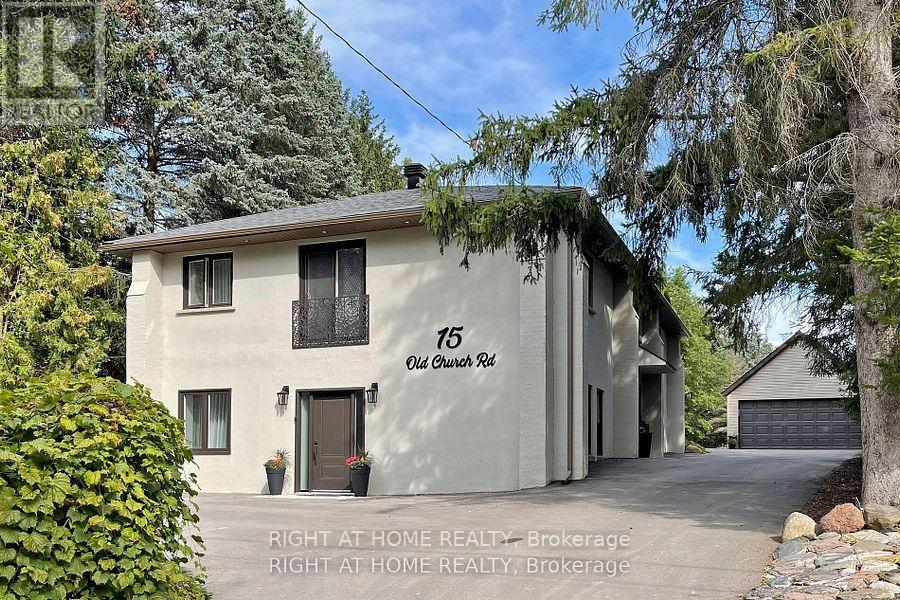 For Sale
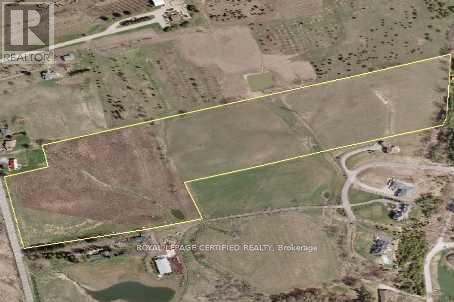 For Sale
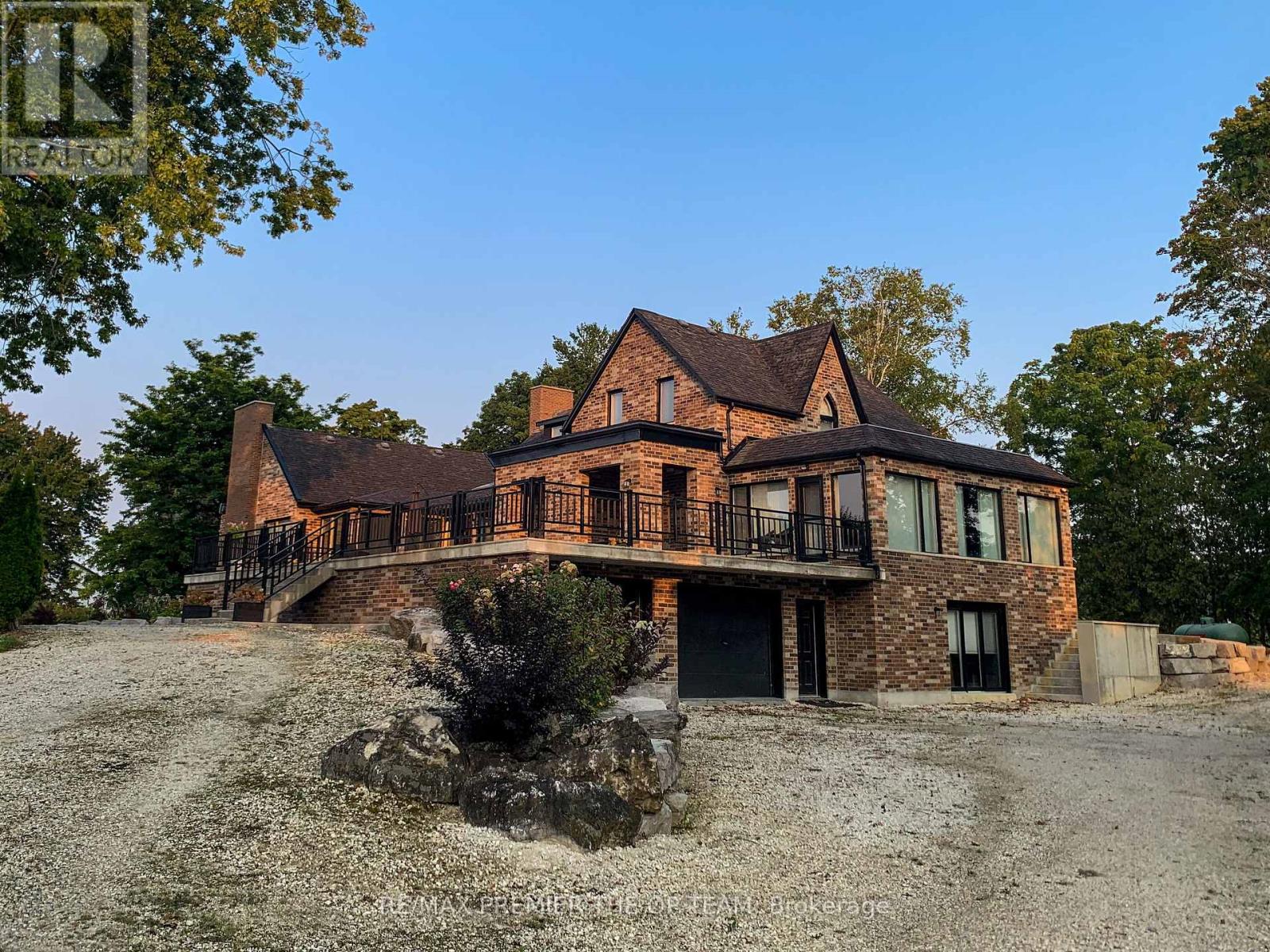 For Sale
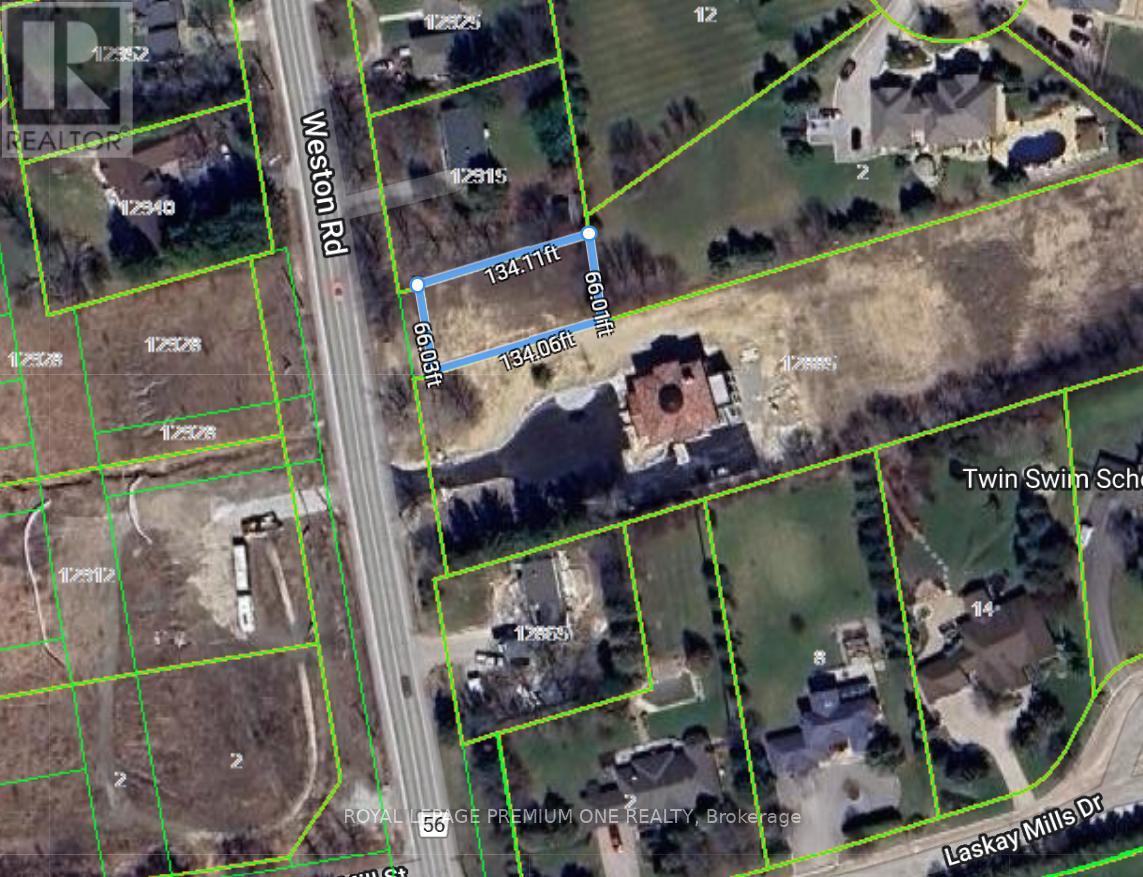 For Sale