
Rural Milton West covers the agricultural and estate properties in the western half of Milton municipality, from the edge of the escarpment communities toward the Wellington County boundary, with farm properties, estate homes on large acreages, and a quiet rural character distinct from the planned communities closer to Milton GO Station.
Rural Milton West encompasses the agricultural and estate country in the western half of Milton municipality, generally west of the Highway 25 corridor and extending toward the municipal boundary with Centre Wellington. This is the part of Milton that is least affected by the town’s rapid suburban growth, where the road grid is still the original Ontario survey and the dominant land use is agricultural. It is a broad area with internal variation, from the escarpment-edge terrain near Campbellville in the south to the flatter agricultural land near the Wellington County border in the northwest.
The communities in this area include scattered hamlet nodes and named crossroads that do not constitute villages in any real sense but that give distinct character to their immediate surroundings. Freelton to the west, Milburough to the northwest, and the area around the 5th and 6th Concession roads have their own subtle identity differences, mostly a function of terrain and the age and character of the farm properties along each road.
Buyers choosing Rural Milton West are making a deliberate choice for land over convenience. The commute to Toronto is genuinely long. The drive to Milton for services is 20 to 35 minutes depending on location. But the properties here offer acreage, privacy, and a connection to the Ontario agricultural landscape that is increasingly rare within 90 minutes of the GTA. That scarcity is part of what supports prices at levels that would surprise buyers who expected rural to mean cheap.
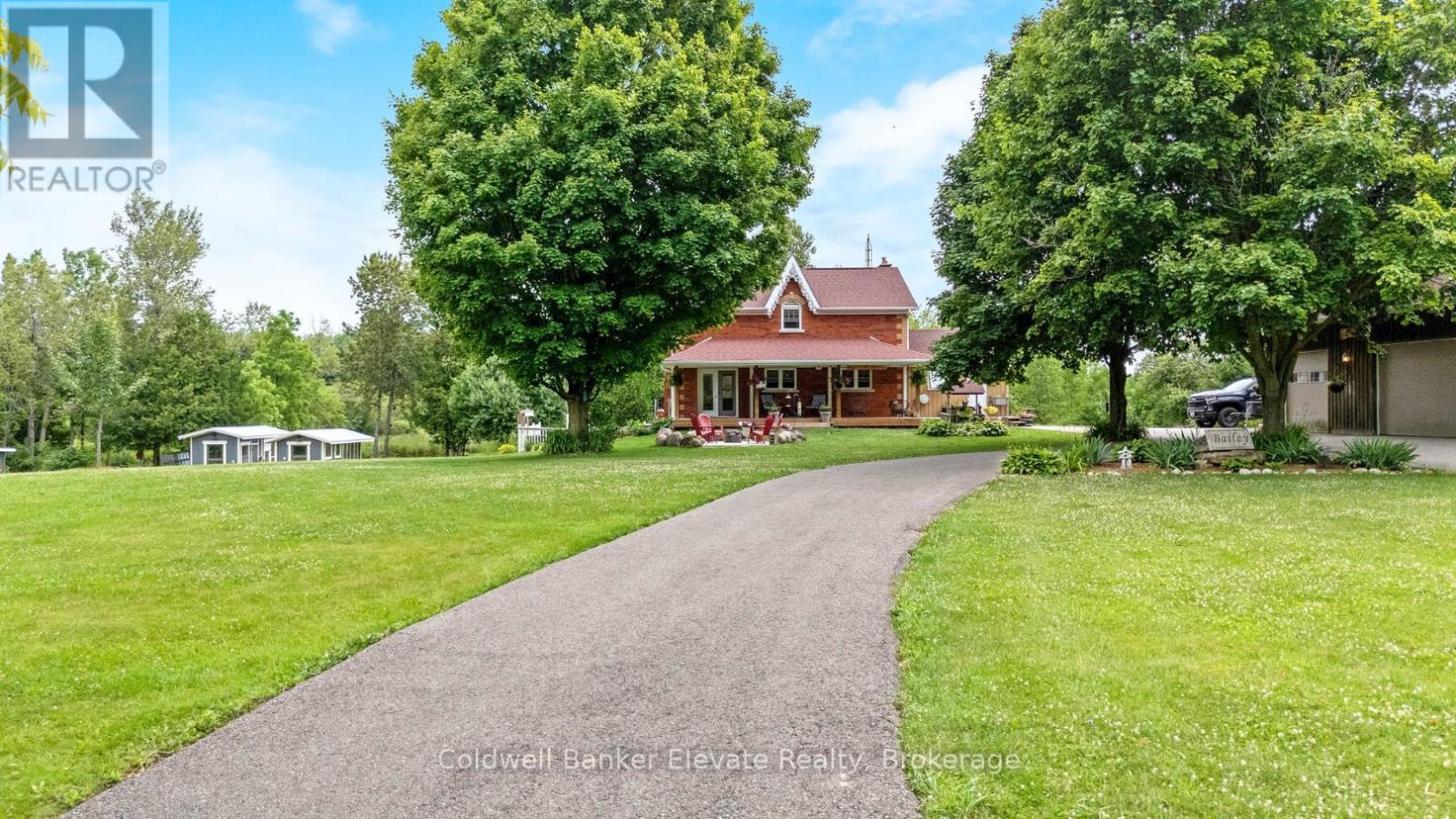
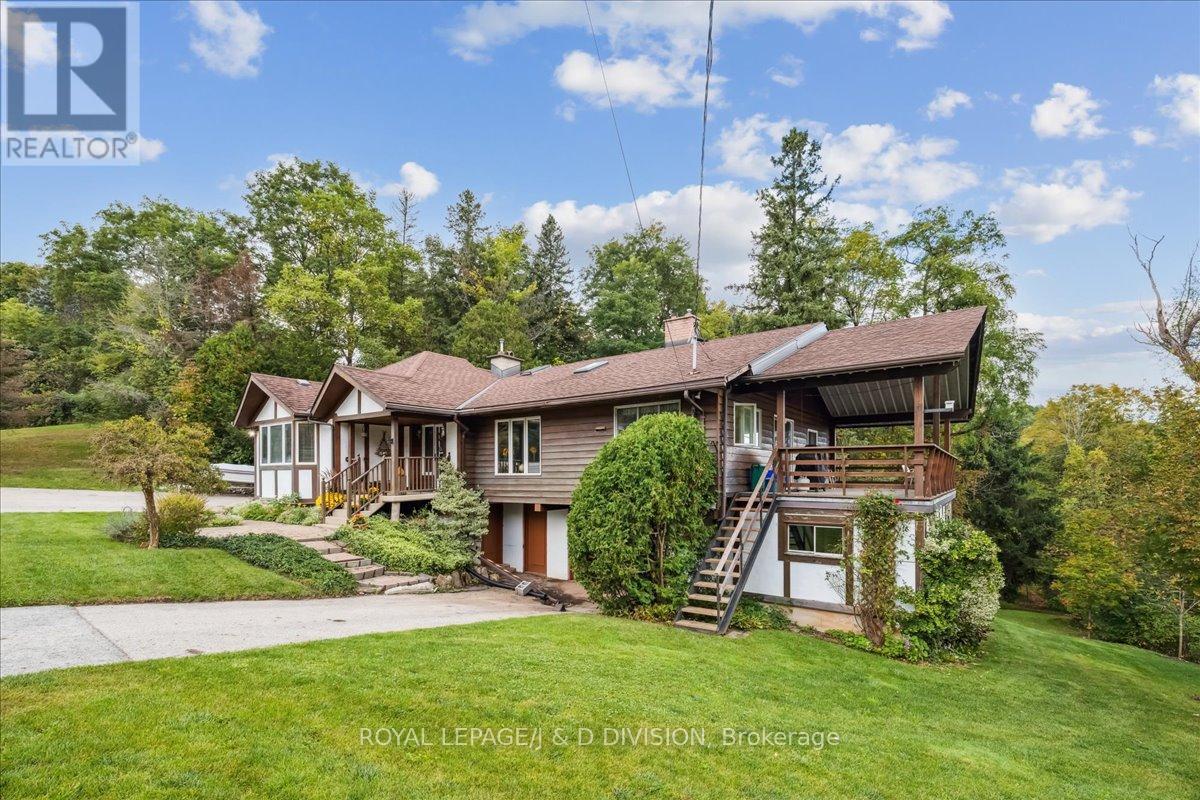
Properties in Rural Milton West range from working farms with full agricultural operations to estate homes on five-acre lots that have no agricultural use. The housing stock includes farmhouses from the 1880s through the 1950s, postwar bungalows, 1980s-2000s custom builds, and more recent estate homes. Within the area, property values are driven primarily by land area, infrastructure condition, and proximity to the escarpment in the south.
An older farmhouse on 10 acres in average condition typically trades between $1.1 million and $1.5 million. A renovated farm property with a newer barn, updated house, and functional agricultural infrastructure can reach $2 million to $3 million. Large parcels over 50 acres with soil capable of cash crop or market garden production are valued partly on agricultural income potential and trade in a range that depends heavily on the specific agricultural characteristics of the land.
Properties with significant natural features, creek frontage, mature forest, or escarpment proximity carry premiums that can be substantial. A 20-acre property with a creek running through a mixed hardwood lot and a quality farmhouse will trade higher per acre than a flat cash-crop parcel with an older house in similar condition. Understanding what drives value in rural real estate requires knowing which features the buyer market places a premium on and which features are neutral or negative.
Rural Milton West is a low-volume market. Total annual sales in the broader area are in the range of 15 to 25 transactions, distributed across a large geographic area. This makes pricing imprecise and requires more judgment than a data-rich suburban market. The buyer pool is narrow and sophisticated: people who buy rural estate properties at these prices typically have done their research and know what they are looking at.
The pandemic-era appreciation from 2020 to 2022 was significant in rural western Halton, as it was across rural southern Ontario. The correction from peak was less dramatic here than in urban markets because rural buyers are less leveraged and the properties serve a lifestyle purpose that does not disappear when interest rates rise. The stabilization has been gradual and the current market is more patient on both sides: sellers are not in a hurry and buyers are taking their time.
Properties priced accurately for their condition and the current buyer appetite typically sell within 45 to 90 days. Sellers who price aggressively above market can expect a longer wait, as the buyer pool refreshes slowly in a rural market. The advice we give rural sellers is consistent: price it right from the start. The first 30 days of a listing generate the most buyer activity and starting high to negotiate down costs more time than it gains in price.
The buyer profile in Rural Milton West is varied but consistent in one respect: these are all people who have decided that land and privacy matter more than urban convenience. The working farm buyer is looking for viable agricultural soil, functional infrastructure, and reasonable proximity to the input suppliers and markets they need. The estate buyer is looking for acreage, privacy, and a house they want to live in. The equestrian buyer is looking for paddocks, water, and suitable footing.
GTA buyers who have built equity and made career arrangements that allow remote or hybrid work are the largest growth segment. These buyers in their late 30s and 40s have the financial means and the workplace flexibility to absorb the commute reality of Rural Milton West. They want land that their children can grow up on, distance from suburban density, and the ability to be somewhere genuinely quiet. They accept the trade-offs with full knowledge of what they are choosing.
There is also a consistent buyer pool from within Halton and Wellington County itself: farmers who are scaling up their operations and need more land, farm families passing properties between generations, and established rural residents upgrading from a smaller property to a larger one. These buyers are less visible to the urban real estate market because they do not come through the same channels, but they are a real part of the transaction volume in this area.
Rural Milton West does not have streets in the urban sense. The road network is the Ontario concession grid: numbered concessions running east-west and side roads running north-south at one-mile intervals. Properties are addressed on these roads and many have laneways of several hundred metres from the road to the house. Understanding the geography of the area is best done by spending several hours driving the grid before forming a shortlist of properties to see.
The southern tier of the area, adjacent to the escarpment communities, has more dramatic terrain and the greatest density of natural features. Creek systems, hardwood lots, and escarpment-edge properties are concentrated here. These properties command the highest prices per acre because the natural features are genuinely scarce. Moving north into the flatter agricultural land, the terrain becomes less varied but the soil quality is often better and properties with viable cash crop operations become more common.
The western portion near the Wellington County boundary has the most remote character and the longest drives to services. Properties here are the quietest and most independent in the area. Some buyers find this appealing in its full sense: no neighbours within sight, complete darkness at night, genuine agricultural isolation. Other buyers find this degree of remoteness more than they anticipated. Spending time on the property and in the area before committing is more important here than in almost any other part of Halton.
There is no transit service in Rural Milton West. Car ownership is universal and two vehicles per household is a practical necessity. The distances involved in this part of the municipality make the walk-or-bike logic that some suburban buyers apply completely inapplicable here. Plan for two reliable vehicles and a transportation budget that reflects rural driving realities.
Highway access varies by location within Rural Milton West. The Highway 25 corridor runs north-south through the eastern portion and connects to the 401 at the Milton interchange. The Campbellville Road 401 interchange is accessible from the southern part of the area. The 401 provides access to Mississauga and Toronto to the east and Hamilton and Cambridge to the west. For buyers with employment in Hamilton, the 401 west or the Highway 6 connection to the 403 are viable commute routes.
Milton GO Station is 20 to 40 minutes away depending on where in Rural Milton West you live. The westernmost properties are closest in distance to the Campbellville Road area but the road routing to Milton GO can take longer than the crow-flies distance suggests. Any buyer using the GO Train as their primary commute vehicle should drive the specific route from their target property to the station during a morning rush hour before committing. The difference between a 25-minute drive and a 40-minute drive to the station adds up significantly over 200 commutes per year.
The green space in Rural Milton West is the landscape itself plus the Conservation Halton and escarpment lands accessible from the southern tier of the area. There are no municipal parks or recreational facilities within the area. What exists is the open agricultural landscape, the creek corridors, and the natural areas on individual properties.
Conservation Halton’s holdings in the Niagara Escarpment area are accessible from the southern parts of Rural Milton West, particularly the Campbellville and 5th Concession corridor. Rattlesnake Point, Crawford Lake, and Hilton Falls are all within 20 to 30 minutes of most of the area. These conservation areas are the primary organized outdoor recreation for Rural Milton West residents and they are heavily used on weekends throughout the spring, summer, and fall.
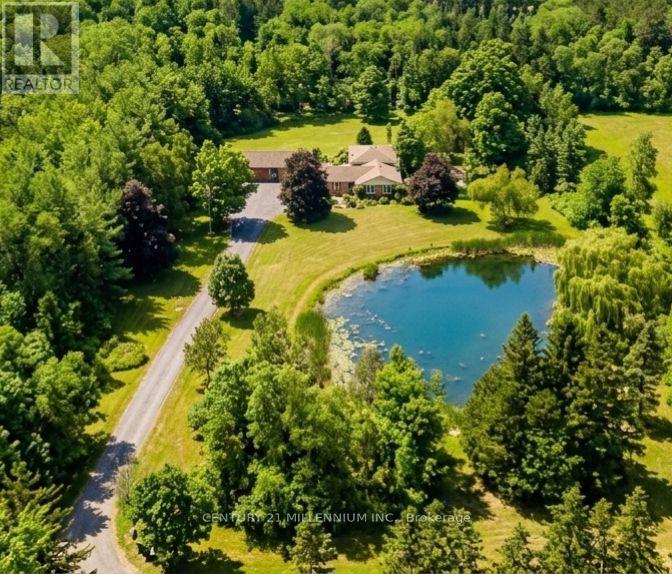
Properties with their own natural features are genuinely valued for those features in this market. A private wood lot, a year-round creek, a wetland edge that attracts wildlife, or a pond provide daily-use outdoor amenities that supplement the conservation areas. Buyers who are purchasing partly for the outdoor lifestyle should prioritize properties with these features and account for them explicitly in their valuation rather than treating them as incidental.
There is no retail in Rural Milton West. Milton town, 20 to 40 minutes east depending on location, handles all commercial needs. The Acton commercial area is accessible from the northern and eastern parts of Rural Milton West and offers basic retail and services that can supplement a Milton trip for specific needs. Neither area offers a dining scene comparable to Burlington or Oakville, though Milton has improved meaningfully over the past five years.
Guelph is accessible from the northern part of Rural Milton West in 25 to 35 minutes via Highway 6 north. For buyers who value Guelph’s more developed retail, restaurant, and cultural scene, the northern positioning in Rural Milton West makes the trip practical. The Stone Road Mall area and the York Road commercial corridor in Guelph provide options that Milton does not yet match.
Managing household logistics in Rural Milton West requires the same organized approach as any rural community: consolidated weekly trips, adequate pantry depth, and online sourcing for items that do not require a physical trip. Propane delivery, feed and farm supply delivery, and agricultural input suppliers typically serve this area and rural buyers develop relationships with local suppliers that make the logistics smoother over time.
Children in Rural Milton West attend schools in the Milton cluster under the Halton District School Board and Halton Catholic District School Board, with bussing provided along rural routes. The bus routes in this part of the municipality can be lengthy, sometimes 40 to 50 minutes each way, depending on the density of students along any given concession road corridor. This is the reality of rural school bussing in Ontario and families adapt to it.
Public secondary students typically attend Milton District High School on Main Street. Catholic secondary students attend Bishop Reding Catholic Secondary School. Both have strong academic programs and active extracurricular offerings. The distance from the rural community does not disadvantage students in terms of program access, though after-school participation in activities requires either parent driving or remaining in Milton until a parent can pick up later in the evening.
Homeschooling and alternative education approaches are more common in rural communities like Rural Milton West than in suburban areas. The combination of long bus rides, lifestyle philosophy, and the practicality of supervising learning during a work-from-home day leads some families in this area to educational arrangements outside the conventional school system. The Halton boards support homeschooled students through occasional programs and resource lending, though the primary instructional responsibility falls on the parents.
Rural Milton West’s development trajectory is constrained by Greenbelt protections and agricultural land designations. The provincial Greenbelt Plan applies to significant portions of this area and restricts urban development from encroaching on the agricultural land. This is a stable and legally durable protection, though provincial governments have varied in their commitment to defending it. The current protection regime means that Rural Milton West will not be absorbed into suburban expansion in any planning horizon that is relevant to a buyer today.
Agricultural land consolidation is the main form of land use change in this area. Smaller farm operations are sold to larger cash crop operations, reducing the number of distinct property owners along a concession road. This consolidation reduces the supply of smaller farmhouse properties over time and tends to support values for the remaining estate-scale residential properties in the area.
Infrastructure improvements in the rural road network occur periodically through the City of Milton’s capital program. Concession road resurfacing, culvert replacement, and intersection improvements affect the rural road experience, particularly in spring when spring weight limits restrict heavy truck movements. These improvements are incremental and do not change the character of the area but they do affect the practical usability of rural roads that form the daily route to town.
What is the difference between Rural Milton West and the other rural Milton areas like Rural Nassau or Rural Trafalgar?
Rural Milton West is the western half of Milton municipality, generally west of Highway 25 and extending toward the Wellington County boundary. Rural Nassagaweya covers the northwest corner of the former Nassagaweya Township, which is more remote and has a distinct historical character. Rural Trafalgar covers the agricultural land in the southern and central parts of the municipality, closer to the escarpment communities. The practical differences for buyers are terrain (Rural Milton West has more varied agricultural land and some escarpment-edge access in the south), distance to services (Rural Milton West is comparable to Rural Nassagaweya in distance to Milton, somewhat further than Rural Trafalgar), and price per acre (broadly similar across rural Milton areas for comparable infrastructure, with escarpment-edge premiums in all three). We can walk through a comparison of specific properties across these designations if you are trying to decide between them.
Are there any large-lot estate developments or vacant lots available for custom builds in Rural Milton West?
Approved building lots in the Greenbelt-protected rural areas are genuinely scarce. New lots can only be created through an approved severance application, which requires meeting specific criteria under the Greenbelt Plan and the City of Milton’s Official Plan. Severances are possible but not straightforward and the process can take 12 to 18 months. Buyers looking to build a custom home in Rural Milton West are better served by purchasing an existing property on an appropriate lot and replacing or renovating the structure than by pursuing a severance from scratch. That said, approved vacant lots do occasionally come to market as the result of previous severances, and when they do they are priced to reflect their scarcity. If a vacant building lot in this area is your specific goal, we can keep you informed when they appear.
What agricultural operations are feasible on a rural property in this area?
The agricultural potential of Rural Milton West properties varies with soil type, drainage, acreage, and existing infrastructure. The clay-loam soils common in parts of this area are suitable for cash crop production, hay production, and market gardening with appropriate drainage. Sandy loam areas support a wider range of specialty crop production. Equestrian use is feasible on well-drained properties with adequate acreage for paddocks, and the area has existing equestrian facilities that suggest the land conditions support it. Small-scale livestock operations, beekeeping, market gardens, and pick-your-own operations are all uses that rural Milton West properties have accommodated historically. The zoning for a specific parcel governs what is permitted and a call to Halton Region planning to confirm the permitted uses before purchasing for a specific agricultural purpose is the appropriate first step.
What are the key due diligence items for a rural property purchase in this area?
Beyond the standard home inspection, rural due diligence in this area includes: well water quality testing and flow rate testing; septic system inspection and pumping with assessment of the distribution system and leaching bed; heating system inspection and propane tank ownership or lease review; electrical panel assessment for any property with an older service; survey confirmation of boundaries and easements; zoning and permitted use confirmation for any intended agricultural or commercial use; and a title search for historical easements including oil and gas rights or pipeline easements that sometimes affect rural Halton properties. For farm properties with agricultural buildings, a structural assessment of the principal barn is recommended. This is a longer and more expensive due diligence process than buying a subdivision home. Budget $2,000 to $4,000 for a thorough rural inspection process and consider it money well spent against a transaction of this size.
Rural Milton West transactions reward buyers who have done their homework and penalize those who approach them with urban real estate assumptions. The properties are varied, the due diligence is more complex, and the pricing is less mechanical than in a high-volume suburban market. Buyers who understand this going in have better experiences and make better decisions than those who are surprised by it partway through a transaction.
A buyer’s agent in Rural Milton West should be able to explain the difference between a well that needs shock chlorination and one that needs a new casing, the visual signs of a septic bed that is at end of life, and the zoning questions that matter for the specific use you intend. These are not optional specializations here. They are the practical knowledge that distinguishes effective guidance from a transaction coordinator in a rural market.
We cover Rural Milton West as part of our broader focus on Halton Region rural and estate properties. If you want to understand what your budget buys in this area, how it compares to comparable communities further east or south, and what the realistic lifestyle and commute picture looks like, reach out. We will give you an honest assessment rather than the one most likely to get you to make an offer.
Street-level knowledge is hard to find online. Our team works in Rural Milton West every day. They know which pockets hold value, where the school catchment lines actually fall, and what the market is doing right now. Talk to us before you make a decision about Rural Milton West.
Talk to a local agent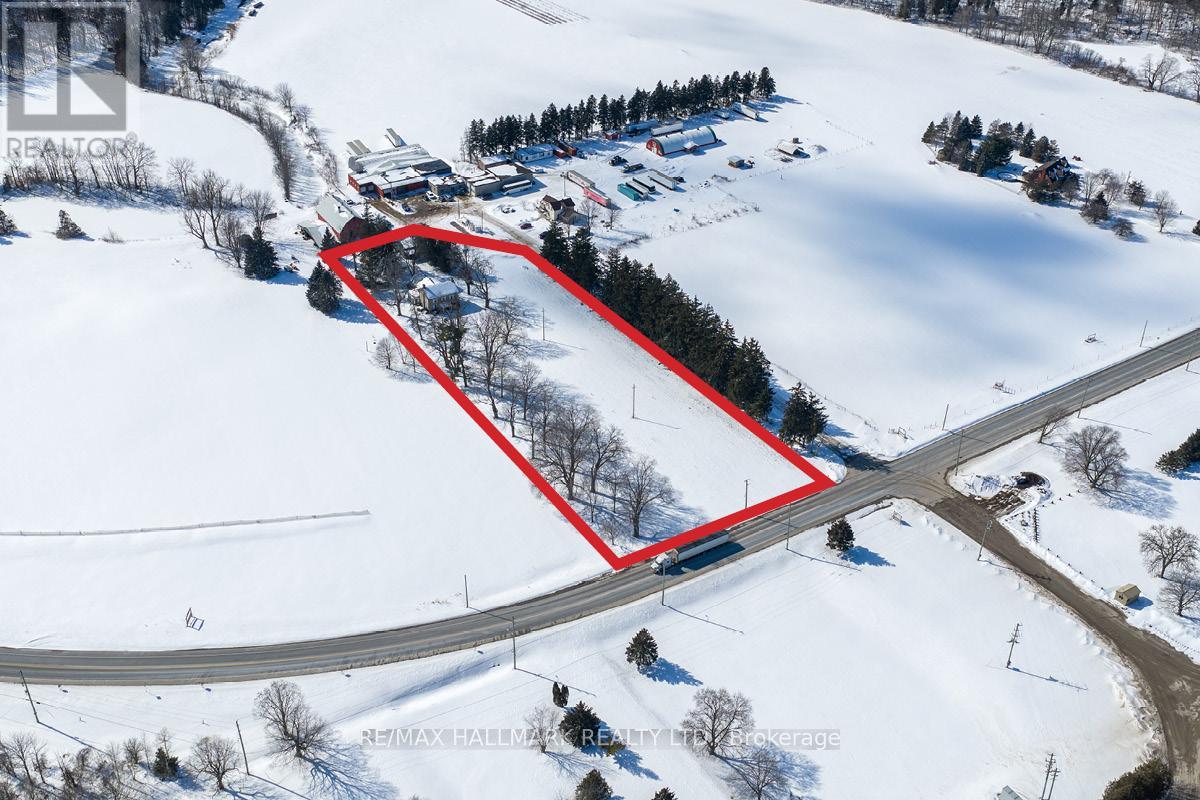 For Sale
 For Sale
 For Sale
 For Sale