
Rural Pickering is not a single neighbourhood but a collection of hamlets, estate communities, and agricultural properties spread across the northern and eastern portions of the city beyond the built-up suburban area. It includes small communities such as Whitevale, Greenwood, and the agricultural l
Rural Pickering is not a single neighbourhood but a collection of hamlets, estate communities, and agricultural properties spread across the northern and eastern portions of the city beyond the built-up suburban area. It includes small communities such as Whitevale, Greenwood, and the agricultural lands between them, along with the estate residential properties that exist at the fringe of the suburban edge. This is the part of Pickering that still looks like the township it was before suburban growth arrived.
The land here is subject to the Greenbelt Plan and the Oak Ridges Moraine Conservation Plan, both of which restrict residential development and protect agricultural and natural heritage land. These protections mean that the rural character of the area is more durable than in regions without equivalent designation. Development pressure exists at the fringes, but the core rural areas are buffered by provincial policy in ways that give rural buyers reasonable confidence about the permanence of the character they are purchasing.
Properties in rural Pickering range from hobby farms and small acreages to working agricultural operations and estate homes on large lots. The range of property types is wider than in any of the suburban neighbourhoods, and the buyer who fits this area is generally clear about wanting something specific: land, space, privacy, agricultural capability, or some combination of these. General suburban buyers do not typically end up here by accident.
Access to Pickering’s urban services and to the GO corridor requires driving into the city’s south. This is not an area where daily convenience is prioritised. Buyers who choose rural Pickering are making a deliberate trade: they are giving up walkability, transit access, and proximity to commercial services in exchange for land, privacy, and a genuinely rural character that is difficult to find within reasonable reach of Toronto.
The combination of protected agricultural and natural land, proximity to Pickering city services, and access to the 407 and 401 corridors makes this area attractive to a specific buyer. At the right price point, rural Pickering offers a quality of space and setting that is genuinely rare within an hour of downtown Toronto.
Rural Pickering property values vary widely depending on property type, land size, location, and the specific hamlet or area. Estate lots of half an acre to two acres with custom-built homes in the Whitevale and Greenwood areas were trading in the range of $1.2 million to $2.0 million in early 2025. Working acreages with agricultural land and outbuildings can range from $1.5 million to well above that figure depending on total acreage and the quality of existing improvements.
Smaller hobby farm properties, typically 2 to 10 acres with an older farmhouse and outbuildings, have sold in the $1.0 million to $1.6 million range depending on condition and location. These represent entry points into rural Pickering for buyers who want agricultural character without the full commitment of a working farm operation.
Estate subdivision lots within rural Pickering, where registered subdivisions exist within the rural designation, tend to price differently from standalone rural properties. These are typically half-acre to one-acre lots in planned communities with urban services available, and they price closer to the upper end of suburban Pickering rather than fully rural land. The two categories are worth distinguishing carefully.
Land values per acre in rural Pickering are higher than in rural areas further east in Durham, reflecting the proximity to urban Pickering and the access to highway infrastructure. A buyer comparing rural Pickering to rural Scugog or Brock will find that the same dollars buy considerably more land further east. The premium in Pickering reflects accessibility, not agricultural productivity.
The market for rural Pickering properties is thin. Comparable sales may be months apart for specific property types, and pricing requires drawing on a wider geographic range of comparables than in urban neighbourhoods. Buyers should expect more uncertainty in the pricing process and should work with agents who have specific experience in Durham Region rural properties rather than those whose expertise is primarily suburban.
The rural Pickering market is driven by a small pool of specific buyers rather than the general demand that moves suburban neighbourhoods. The buyers are looking for something that is in genuinely short supply within 60 kilometres of Toronto: agricultural land, large lots, privacy, and a rural character backed by provincial protections. This scarcity supports prices through market cycles in ways that thin suburban demand does not.
Turnover in rural Pickering is low. Properties change hands infrequently because the owners who chose rural living at this distance from Toronto have typically made a strong commitment to the lifestyle. Life events drive most sales. Voluntary selling for lifestyle reasons is uncommon because there is no equivalent destination available at lower cost. The rural Pickering buyer who wants to leave typically has to go further east to find comparable land at lower prices, and many are not willing to make that additional distance trade.
Investors are largely absent from this market. Agricultural land investment exists but is distinct from residential rural property investment. The properties most rural Pickering buyers are looking at are too large and too expensive for rental investors, and the management complexity of rural properties is beyond what most investors are willing to take on. This absence of investor demand means price cycles are driven by genuine user demand rather than speculative activity.
The Greenbelt and Moraine designations affecting rural Pickering have been subject to political controversy in recent years. The 2022 provincial government decision to remove some Greenbelt lands from protection, subsequently reversed, created uncertainty about the durability of rural designations. Buyers purchasing rural Pickering properties should understand the specific designation of their target property and should factor in the possibility, however unlikely in the current political environment, of future designation changes.
Demand from Toronto buyers making full relocations to rural settings has been consistent since the COVID period, when remote work made rural living practical for a broader pool of buyers. Some of that demand has moderated as return-to-office policies have tightened, but a residual base of buyers with flexible work arrangements continues to represent a meaningful segment of the rural Pickering buyer pool.
Three distinct buyer profiles dominate rural Pickering. The first is the established professional household with at least one work-from-home earner who wants land, privacy, and a rural setting without sacrificing access to the GTA completely. The second is the active agriculturalist, whether hobby farmer or commercial operator, who needs land with specific agricultural capability. The third is the estate buyer who wants a custom home on a large lot with privacy and who sees the rural setting as aesthetic preference rather than functional requirement.
Work-from-home buyers became a more prominent group from 2020 onward. Remote work made the commute calculation less central to property decisions, and buyers who had previously ruled out rural locations because of daily commute requirements discovered that the trade-off changed substantially when commuting was occasional rather than daily. Rural Pickering captured some of this demand from buyers who wanted Toronto-accessible rural land with good highway connections for the days they did need to go in.
Hobby farmers in this segment are typically buying agricultural capability rather than economic necessity. They want land for animals, market gardens, or simply the practice of agricultural life. The agricultural infrastructure available in rural Pickering, including barns, outbuildings, water systems, and cultivated land, is what they are paying for beyond the residential value of the farmhouse itself.
Estate buyers looking for custom homes on large lots are a third consistent group. For this buyer, the rural Pickering address is primarily about the lot size and setting rather than agricultural use. They may build a large custom home on a two-acre lot and use the balance of the property as landscaped grounds. The access to Pickering city services, schools for children, and highway infrastructure makes the rural Pickering setting workable for this lifestyle in a way that more remote rural areas are not.
Buyers from urban backgrounds making a first rural purchase benefit from speaking with agents who can help them understand the practical realities of rural property: well and septic maintenance, road maintenance agreements on private roads, agricultural zoning restrictions, and the costs of maintaining large properties. These are not reasons to avoid rural Pickering, but they are material differences from suburban home ownership that require clear-eyed understanding before purchasing.
Life in rural Pickering is defined by the land, the seasons, and a pace that is deliberately different from what urban and suburban Pickering offer. The daily rhythm here involves more direct engagement with the outdoor environment. Property maintenance is more demanding and more present than in a suburban house. The relationship between residents and their land is more direct and more time-consuming. For the buyers who choose this, that engagement is the point.
Hamlets like Whitevale and Greenwood have small-scale community infrastructure. Whitevale has a heritage village character with a park, a creek, and a small residential community that has maintained a distinct local identity. Greenwood similarly has a concentrated hamlet area with older housing and a quiet community character. These are not commercial centres but geographic focal points with a sense of place that larger suburban areas lack.
Community here is more dispersed than in suburban neighbourhoods. Neighbours are far enough apart that they do not encounter each other daily. Social connections in rural Pickering tend to form around shared activities, local organisations, and the concentrated moments of community life rather than through daily proximity. This is a different social structure than what most suburban buyers are used to, and it requires more deliberate effort to build the social connections that happen more automatically in denser settings.
Agricultural fairs, local conservation areas, and the natural heritage of the area provide seasonal rhythms of community activity. The Pickering Museum Village, which sits in the rural area near Greenwood, provides historical context for the region and serves as a community resource. The area’s natural spaces, including Durham Forest and the local creek valleys, provide outdoor access that rural Pickering residents use consistently.
Practical reality includes driving for almost everything. Grocery stores, medical services, schools, and most other daily necessities require a drive into urban Pickering or further. Buyers transitioning from urban or inner-suburban settings should be honest with themselves about whether the lifestyle trade-off of increased driving and reduced access to services is something they will find satisfying in winter as well as summer.
Rural Pickering is car-dependent without exception. There is no transit service in the rural areas, and the distances between properties and services are too large for cycling or walking for daily errands. A car is not optional; it is the primary and usually only transport mode for all practical purposes.
Highway access from rural Pickering varies by location. Properties near Greenwood or the rural-urban fringe have relatively quick access to Highway 7 and then to Highway 407 east. Properties in the central rural areas are further from the highway network and may require 20 to 30 minutes of driving on county roads before reaching a controlled-access highway. Buyers should map the specific drive from any property they are considering to the Highway 401 or 407 to understand what their commute days actually look like.
Pickering GO Station is typically 20 to 35 minutes from rural Pickering locations depending on the property’s position. For buyers who commute to Toronto occasionally by GO, this distance is manageable. For daily GO commuters, the drive to the station adds materially to what is already a 50-minute GO journey, making the total commute time challenging for five-day-per-week users.
Road conditions matter more in rural Pickering than in urban neighbourhoods. County roads and local rural roads can be more difficult in winter. Driveways on rural properties can require maintenance after snowfall that urban homeowners do not deal with. Buyers who have not managed rural driveways and laneways before should factor the maintenance commitment into their cost and time assessments.
For properties on private lanes or roads with maintenance agreements, buyers should review the road maintenance agreement before purchasing. Private road maintenance costs and responsibilities can vary significantly. Some private roads are well-maintained by established agreements. Others have lapsed agreements or disputed responsibilities that create practical and legal complications for residents.
Rural Pickering has access to natural green space in the form that matters most at this scale: the land itself. Properties with acreage have their own private outdoor space that exceeds what any urban park system can provide. The connection to the natural environment is immediate and daily rather than requiring a trip to a designated park.
The provincial Greenbelt lands and the Oak Ridges Moraine Conservation Area provide protected natural areas accessible from rural Pickering. Durham Forest, which sits in Uxbridge Township to the north, is accessible within 30 to 40 minutes and offers hundreds of kilometres of trail for mountain biking, hiking, and equestrian use. This is a major regional outdoor resource that rural Durham buyers consistently cite as a quality of life factor.
The Duffins Creek watershed and its tributaries run through parts of rural Pickering, creating valley corridors with trail access and natural character. TRCA manages much of this land and maintains trail connections that allow access on foot and by horse in some sections. These natural corridors connect to the broader trail network and provide a sense of natural continuity through the landscape.
Local conservation areas managed by TRCA and Durham Region Conservation include properties accessible from rural Pickering that provide picnic areas, swimming holes, and trail networks. These are seasonal resources but they contribute to the outdoor lifestyle that rural buyers are seeking. The combination of private land, accessible public natural areas, and proximity to Durham Forest gives rural Pickering residents outdoor access that is exceptional by GTA standards.
Buyers who are purchasing agricultural properties should also consider the outdoor resource represented by the land itself. Cultivated fields, woodlots, creek frontage, and private pond features on farm properties provide a form of outdoor access and engagement that is categorically different from park access. For buyers who want to farm, garden, or manage a natural landscape actively, the property itself is the primary outdoor amenity.
School access from rural Pickering requires driving. Children in the rural area attend schools in urban Pickering or in the nearest hamlet, and most travel is by school bus. The specific catchment depends on the property’s location within rural Pickering. Properties near Greenwood may fall into Greenwood Public School catchment. Properties in other rural areas feed into various Pickering and Ajax schools depending on geographic positioning.
Greenwood Public School serves the Greenwood hamlet area as a small rural DDSB school. Its size and community character are typical of rural Ontario elementary schools, with smaller class sizes and a multi-grade structure in some years. Secondary students from the rural areas are bused to larger high schools in urban Pickering, typically Dunbarton High School or Pine Ridge Secondary School depending on location.
For families with children in secondary school who are using school activities or sports programs, the distance from rural properties to the secondary schools means more driving for parents compared to families who live within walking or cycling distance of those schools. This is a practical reality that affects daily schedules and should be factored into the lifestyle assessment.
Catholic school options within DCDSB serve rural areas through busing arrangements to the appropriate elementary and secondary schools. Families committed to the Catholic system should verify with DCDSB which schools serve their specific address and confirm transportation arrangements before purchasing.
Private school options require driving to either Pickering, Ajax, or further west toward Oshawa or Toronto. There are no private schools within rural Pickering itself. Families who are committed to private schooling should assess the drive distance and morning logistics from any specific rural property they are considering. A 30 to 40 minute school drive each way is a material time commitment that affects the household’s schedule significantly.
Rural Pickering’s development trajectory is shaped by provincial planning policy more than by local market forces. The Greenbelt Plan and the Oak Ridges Moraine Conservation Plan designate most of the area in ways that restrict residential and commercial development. These designations have been politically contested, but the current provincial position maintains their core protections. Buyers purchasing in rural Pickering should understand that future development near their property is more constrained than in areas without equivalent provincial protection.
The Seaton community being developed in northern Pickering represents the urban growth boundary moving closer to some rural areas. As Seaton builds out over the coming decade, the urban fringe will advance northward, and some areas that currently feel remote will become adjacent to large suburban communities. For buyers who specifically want the rural character and distance from suburban development, understanding Seaton’s planned extent and timeline is relevant to assessing how their chosen location will change over the next 10 to 15 years.
Agricultural land values in Ontario have been rising as farming economics change and as demand from hobby farm buyers and rural residential buyers has increased. This long-term trend supports the value of rural Pickering properties that include productive agricultural land. Whether this trend continues depends on broader agricultural economics, provincial policy, and the ongoing interest from non-farming buyers in agricultural land ownership.
Infrastructure investment in rural Pickering is modest compared to the urban growth areas. Road improvements, stormwater management, and utility upgrades in the rural area proceed at a slower pace than in actively developing suburban areas. This is consistent with rural areas across Ontario, but it means that buyers should not expect rapid infrastructure improvement to drive value change in their location.
The long-term trajectory for rural Pickering is continued gradual pressure from urban expansion on the southern and western fringes, stable conditions in the designated rural and agricultural core, and the slow evolution of hamlet communities as their populations age and new buyers arrive with different expectations. The protected status of most of the rural area provides a relatively stable framework for this gradual change.
The land that is now rural Pickering was settled in the early nineteenth century by European settlers who established farms, mills, and small communities throughout what was then Pickering Township. The township was one of the earliest settled areas in Upper Canada’s Home District, and its early economic life was built around agriculture, timber, and the water-power potential of its creek systems.
The hamlet of Whitevale has a documented history as a mill community on Duffins Creek. The mill ponds and mill buildings that operated there in the nineteenth century shaped the local topography and gave the hamlet its character. The heritage buildings that survive in Whitevale represent some of the oldest built fabric in the Pickering area and are maintained under heritage designation. The hamlet retains a recognisable nineteenth-century character that distinguishes it from the surrounding rural landscape.
Greenwood developed as an agricultural service community in the later nineteenth century. Like many Ontario hamlets, it concentrated the functions of a small commercial and social centre for the surrounding farm community. A general store, a school, a church, and related structures formed the nucleus. Some of these institutions persist in modified form, though the economic function of the hamlet has changed as rural population has declined and agricultural operations have consolidated.
The Pickering Museum Village, located near Greenwood, was established to preserve the heritage of the rural community. It collects and maintains historic structures from across the region, providing a concentrated record of nineteenth-century rural Ontario life. The museum is a resource for understanding the longer history of the area and for connecting current rural residents to the community that preceded them.
Twentieth-century change in rural Pickering was shaped by the decline of mixed family farming, the consolidation of agricultural operations, and the arrival of estate and hobby farm buyers who saw rural land differently than agricultural operators. The transition from working farming communities to a mixed rural landscape with both active agriculture and estate residential use is the dominant pattern of the post-war period.
Q: What does the Greenbelt or Oak Ridges Moraine designation mean for a property in rural Pickering?
A: Greenbelt and Oak Ridges Moraine Conservation Plan designations restrict what can be built or changed on affected land. They prohibit urban development and large-scale subdivision, protect natural heritage and agricultural land, and generally preserve the rural character of designated areas. For a buyer purchasing a rural property, the designation means the character of the surrounding area is protected from development that would change it into a suburban landscape. It does not prevent you from using, maintaining, or renovating the property within the permitted uses for the zoning. Buyers should request a zoning and designation report from the City of Pickering Planning Department to understand the specific permissions and restrictions on any target property before purchasing.
Q: How do well and septic systems work, and what are the maintenance costs?
A: Properties in rural Pickering are typically on private well water and septic systems rather than municipal water and sewer. Well water requires periodic testing to confirm quality and may need a filtration or treatment system depending on the local geology. Septic systems need regular pumping, typically every three to five years depending on household size and usage, and periodic inspection. Well pump replacement is a capital cost that arises every 15 to 25 years. Total annual maintenance and testing costs for a rural property with well and septic can run $500 to $1,500 per year in routine years, with higher costs when systems require repair or replacement. Buyers should have both systems professionally inspected before purchasing.
Q: Can agricultural land be purchased by non-farmers?
A: Yes. Agricultural land in Ontario does not require the buyer to be an active farmer. Non-farming buyers can own and hold agricultural land, though the zoning typically restricts what can be built and limits the property to agricultural and agricultural-related residential uses. Buyers who want to live on agricultural land without actively farming it should verify the permitted uses with the city planning department. Some agricultural zones permit one or two residential structures as a matter of right. Others are more restrictive. The specific permissions depend on the official plan designation and zoning category.
Q: What should I know about buying a rural property with a lane or private road?
A: Private roads or laneways require a road maintenance agreement that specifies who is responsible for maintenance costs and how those costs are shared among users. Before purchasing a property with a private road, review the maintenance agreement carefully. Confirm that it is current and that all parties have been fulfilling their obligations. Determine whether the road is maintained to a standard adequate for year-round access, including in winter. Properties accessible only by unmaintained private roads can face significant access challenges in snow and ice conditions. Have a lawyer review the road maintenance agreement as part of the standard purchase due diligence.
Rural property in Pickering requires an agent with specific experience in rural Durham transactions. The due diligence checklist for a rural purchase is materially different from a suburban one. Well and septic inspections, zoning and designation reviews, road maintenance agreement analysis, TRCA regulatory area mapping, and agricultural zoning compliance checks are all routine parts of a rural purchase that may not feature in a suburban transaction. An agent without rural experience may not know to prompt for these checks.
Pricing rural properties accurately requires drawing on comparable sales from a wider geographic area and a longer time period than suburban analysis. Comps may come from rural Uxbridge, rural Ajax, or other Durham rural areas rather than from rural Pickering specifically, because the transaction volume in any one rural area is too low to support local-only analysis. An agent who refuses to look outside a narrow geographic boundary will struggle to price rural properties accurately.
Agricultural zoning questions often require a call to the City of Pickering Planning Department. What is permitted on an agricultural lot, what structures can be built, what home-based businesses are allowed, and what agricultural uses are protected are all questions that affect the value and usability of rural properties. Buyers should be comfortable asking these questions directly and should have their agent facilitate contact with the planning department early in the process if there are any questions about permitted uses.
Septic and well inspections require booking qualified professionals who specialise in these systems. Not all home inspectors are qualified to inspect septic systems adequately. Buyers should ask their agent specifically about septic inspection arrangements and should insist on a full septic inspection report, not just a visual assessment, before waiving conditions.
For buyers making their first rural purchase, an agent who can frame the practical differences between rural and suburban property ownership clearly is genuinely valuable. The goal is not to discourage the purchase but to ensure that buyers understand what they are taking on before committing. Rural buyers who understand the maintenance commitment and lifestyle trade-offs before closing are satisfied owners. Rural buyers who discover those realities after closing are often not.
Street-level knowledge is hard to find online. Our team works in Rural Pickering every day. They know which pockets hold value, where the school catchment lines actually fall, and what the market is doing right now. Talk to us before you make a decision about Rural Pickering.
Talk to a local agent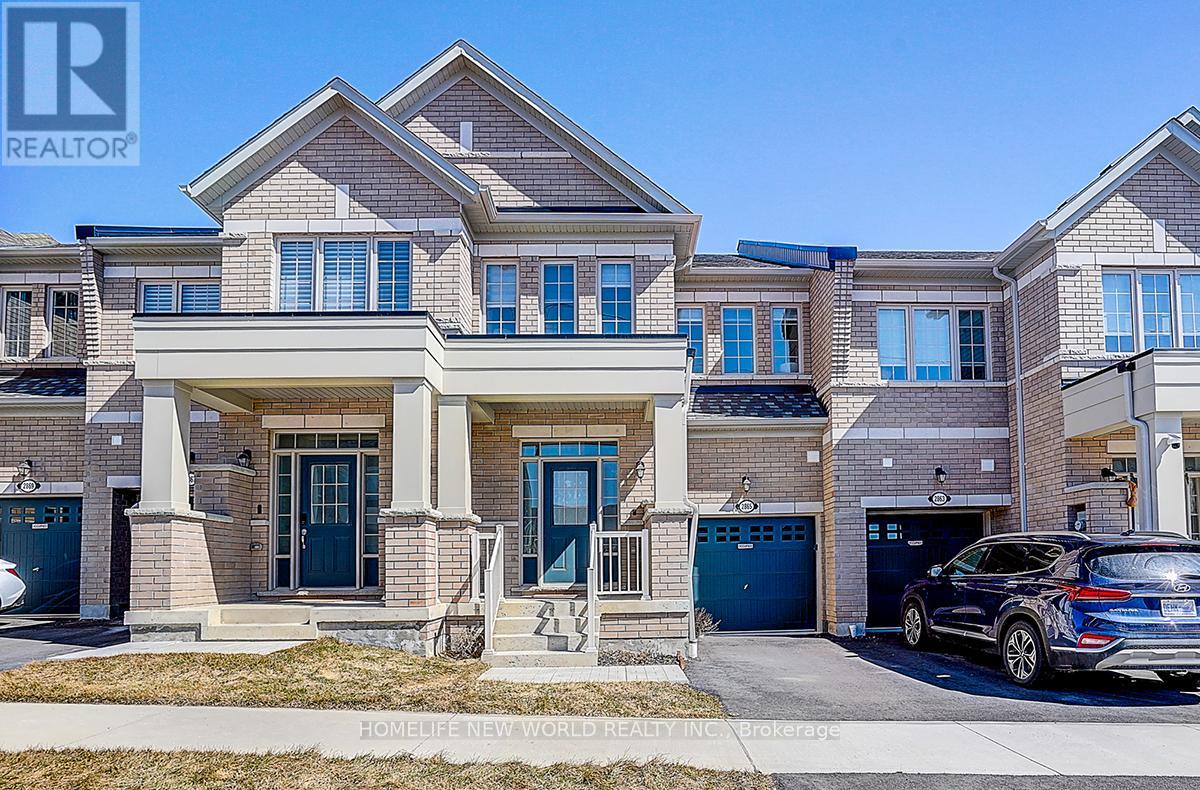 For Sale
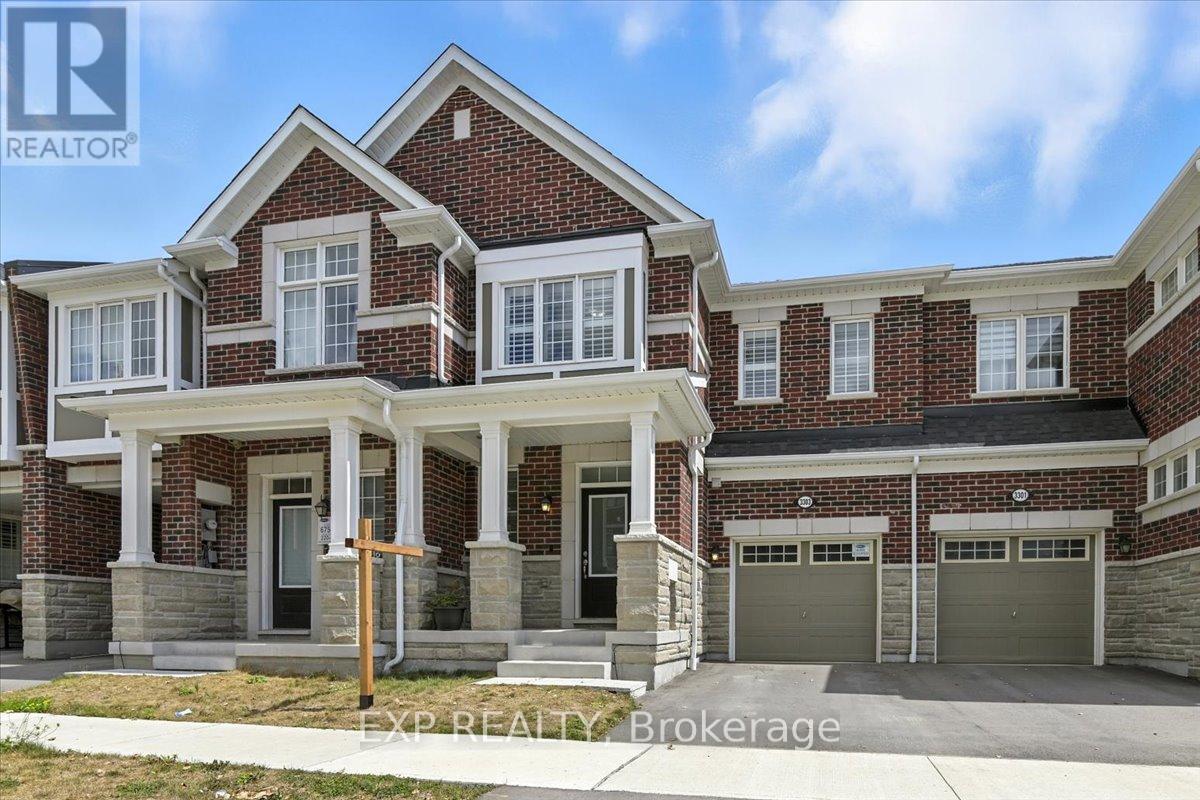 For Sale
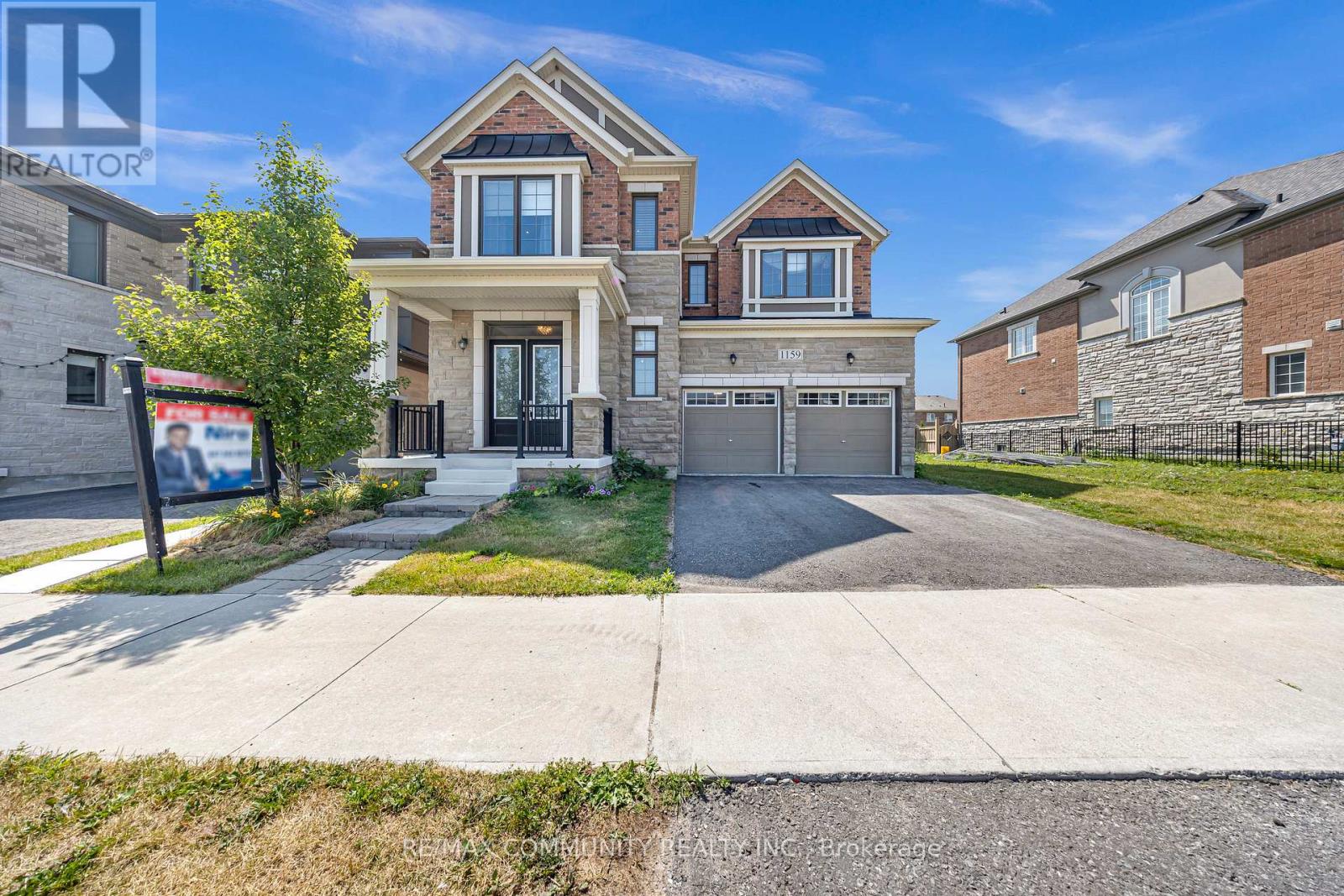 For Sale
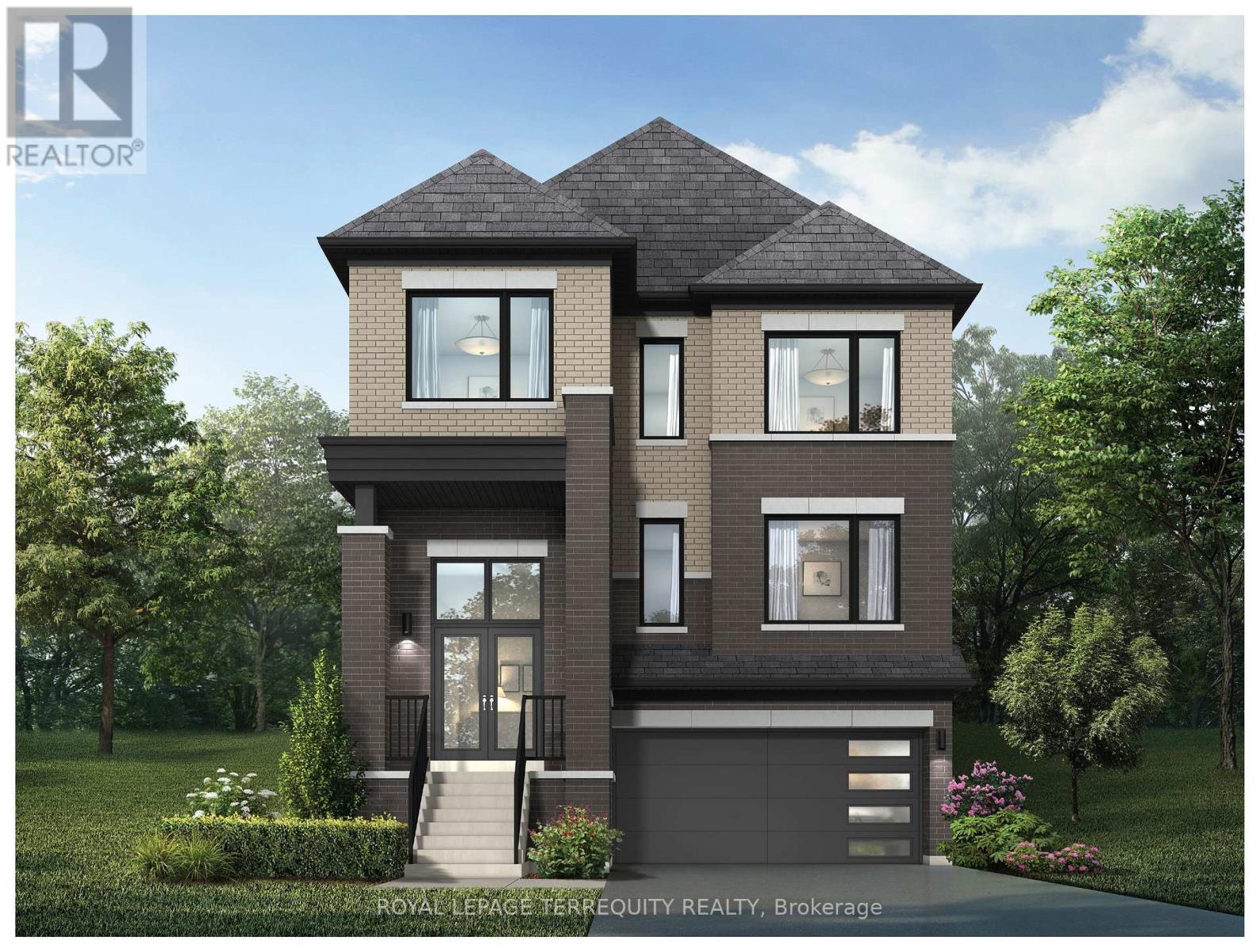 For Sale