
Rural Scugog covers the agricultural and residential lands of Scugog Township in Durham Region outside the community areas. Protected by the Greenbelt Plan and governed by the Central Lake Ontario Conservation Authority, it offers genuine rural character, Lake Scugog adjacency, Scugog Island, and farm and hobby farm properties at prices below the western GTA rural market.
Rural Scugog covers the agricultural and residential lands of Scugog Township in Durham Region outside Port Perry, Blackstock, and the other designated hamlets. It encompasses the full range of the township’s rural character: the drumlin topography of the Oak Ridges Moraine transition zone, the productive agricultural land on the more level areas, the wetland and forested areas through the moraine corridor, and the concession road network that organises the rural landscape in the grid pattern that 19th-century Ontario land survey established.
The township sits on the eastern end of the Oak Ridges Moraine, where the moraine’s landform character is present but the formal conservation plan protections are somewhat different from the western moraine areas in King Township and York Region. The Greenbelt Plan extends into Scugog Township’s agricultural and natural heritage areas, providing protection against conversion of rural land for non-agricultural uses and maintaining the rural character of the township’s extensive agricultural hinterland.
Rural Scugog properties are on private wells and septic systems, outside any municipal water and sewer service area, and subject to the township’s rural land use policies and the Central Lake Ontario Conservation Authority’s regulated area requirements near watercourses, wetlands, and valley systems. Lake Scugog sits in the western part of the township, and properties near the lake or the lake’s shoreline tributaries have CLOCA regulated area considerations in addition to the standard rural property conditions.
For GTA buyers, rural Scugog offers what rural King Township offers at a lower price point but with a longer commute to the metropolitan area. The landscape quality is genuine, the agricultural character is intact, and the Greenbelt and moraine protections that preserve the rural character are real. Buyers who are choosing for lifestyle rather than convenience and who are either retired, working remotely, or employed in the Durham Region employment base find rural Scugog a viable option at prices that the western GTA rural markets no longer offer.
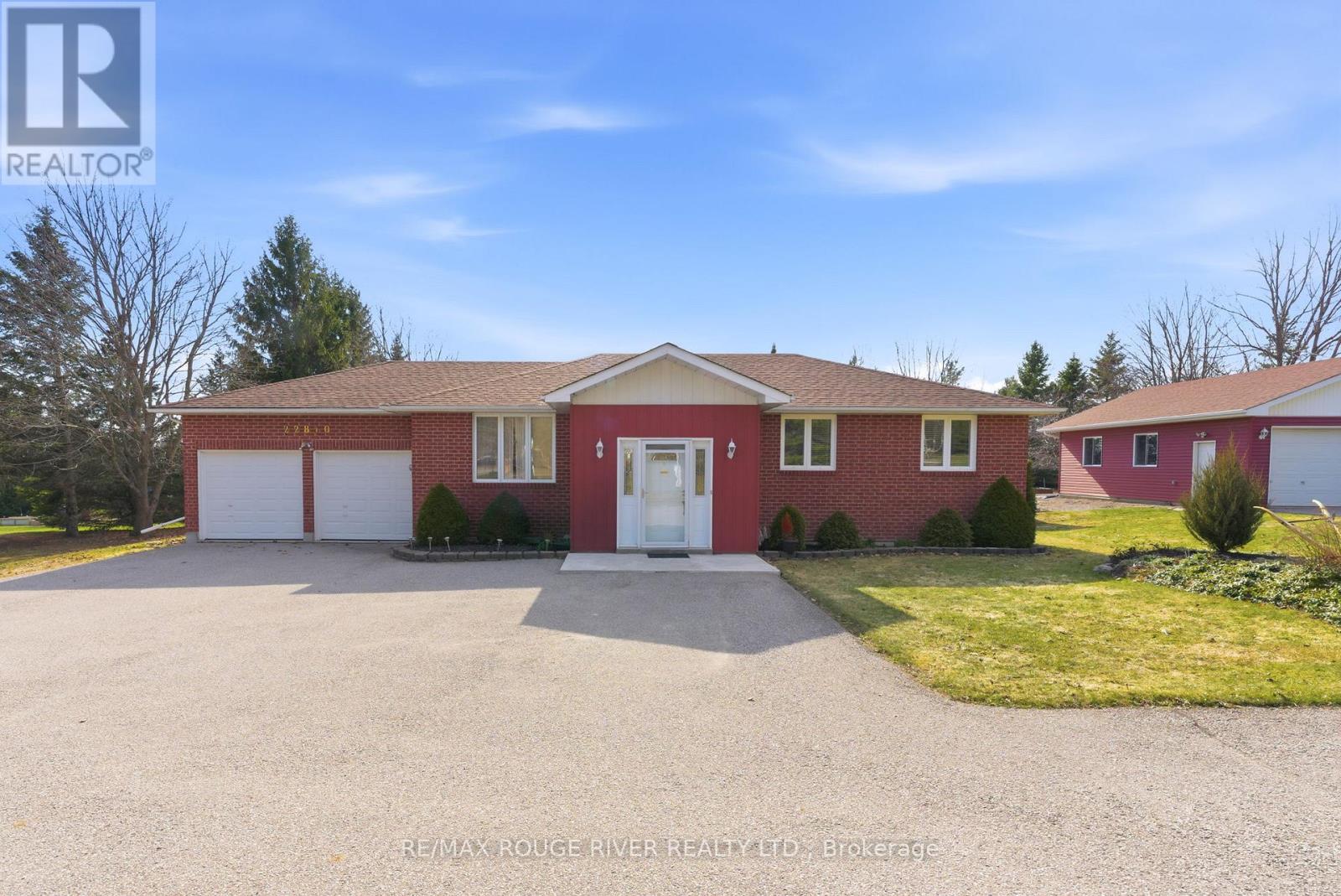
Rural Scugog property types include working farms, hobby farms, rural residential lots, lake access and lakefront properties on Lake Scugog and its tributary system, and the forested and wetland properties that reflect the moraine transition zone character of the eastern part of the township. The inventory is diverse in a way that reflects the full range of rural Durham Region land uses over a 150-year history of farming and rural settlement.
Working farms in rural Scugog are on the more productive agricultural soils of the lower plain areas, with cash crop, mixed farming, and the occasional dairy or livestock operation on larger acreages. Farm properties for sale in the township attract both agricultural operators and buyers who want the acreage of a farm property with the intention of hobby farming or recreational use rather than full commercial agricultural production.
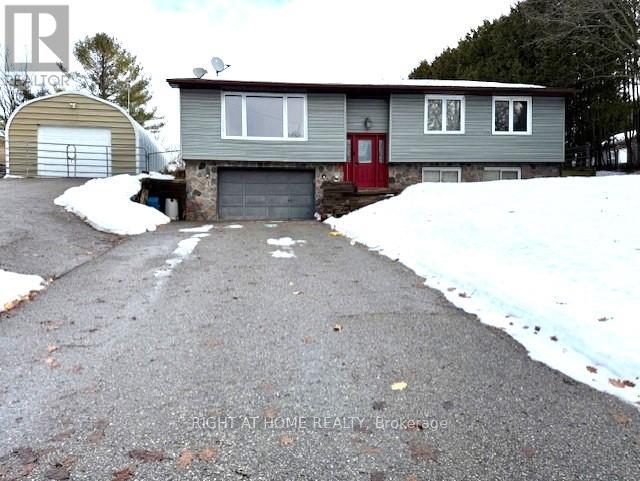
Rural residential lots were created through severances of agricultural holdings over the decades, producing the two to ten acre residential lot inventory that provides private rural living without the maintenance of a working farm. These properties — a house on a couple of acres with a bush lot or field — are the most common rural residential property type in the market and the most accessible to buyers who want rural character without agricultural complexity.
Lake Scugog adjacency is a distinct category within the rural Scugog inventory. Properties on the lake’s eastern shore, the island communities within the lake, and the lakefront and near-shore lots in the rural areas outside Port Perry’s boundaries represent a segment of the rural market with water access dimensions. Scugog Island, in particular, is a distinctive community of permanent and seasonal residents on land surrounded by lake water, accessible via causeway, with its own character and community identity that differs from the mainland rural areas.
The rural Scugog market is thin and low-liquidity, consistent with rural Durham Region generally. Transaction volume is low, days on market is long compared to urban and suburban markets, and pricing is specific to the individual property’s characteristics rather than reflective of any broad comparable pool. A farm property, a rural residential lot, and a lakefront property near the same concession intersection are three completely different market situations with no useful comparable overlap between them.
Prices in rural Scugog are lower than in comparable rural markets in York Region, Halton, or the western GTA fringe for comparable land quality and lot sizes. The price differential reflects the longer commute distance to the metropolitan employment base, the thinner buyer pool, and the absence of the planning prestige that the Oak Ridges Moraine Conservation Plan’s higher-profile western area protections provide. For buyers whose primary motivation is lifestyle and who are not commute-constrained, this price differential is a genuine opportunity.
Lakefront and lake-access properties in rural Scugog represent a segment that behaves differently from the agricultural and rural residential market. Water access drives a premium that is disconnected from the agricultural land value, and the buyer pool for rural lakefront includes recreational and lifestyle buyers who are competing with cottage country alternatives when making their decision. Prices for Lake Scugog lakefront in the rural areas outside Port Perry are lower than cottage country benchmarks but reflect the lake access premium clearly.
The rural Scugog market requires patience from sellers and informed patience from buyers. Properties that are priced correctly for the thin buyer pool will sell, but the buyer who matches the specific property may take months or longer to find. Sellers who price at urban market expectations will wait indefinitely. Buyers who understand the market dynamics will wait for the right property without excessive competition and without the urgency that urban market conditions create.
Rural Scugog draws buyers who have made a specific decision to live rurally in the eastern GTA region. The dominant segments are retirees converting GTA equity into rural lifestyle, hobby farmers and equestrian buyers who need acreage at prices below the western GTA rural alternatives, remote workers who are geographically free and choosing on lifestyle grounds, and agricultural operators looking for productive Durham Region farm land.
The Scugog Island community attracts a specific buyer type: people who specifically want the island living experience, the lake access, and the distinctive character of a causeway-connected community that is surrounded by water rather than integrated into the mainland rural landscape. This community has its own social and recreational culture centred on the lake, and buyers who choose it are choosing that specific environment deliberately rather than as a default rural residential option.
Hobby farm and equestrian buyers find rural Scugog prices significantly more accessible than the King Township or Halton Hills rural markets, with per-acre prices that reflect the eastern Durham Region location rather than the western GTA rural premium. Buyers who have done the calculation between a $2M King Township equestrian property and a $1M rural Scugog property with equivalent infrastructure, and have concluded that the price difference is not justified by the commute advantage, are finding value in the eastern rural alternative.
The community character of rural Scugog Township is genuinely agricultural and rural rather than transitional. The township has not experienced the suburban encroachment that has changed the character of comparable rural areas in Halton and York Region, and the demographic of rural residents is primarily established farming families, long-term rural residents, and deliberate rural lifestyle buyers rather than the transitional suburban overflow that characterises the rural fringe of more urbanised regions.
Rural Scugog Township’s geography organises into several distinct areas that buyers distinguish when searching the market. The northern concessions, north and northwest of Port Perry, are on the higher moraine terrain with more woodlot cover, varied topography, and the ecological character of the moraine transition zone. Properties here have more forest coverage and natural landscape character than the flatter southern agricultural areas.
The lake-adjacent western areas, along the eastern shore of Lake Scugog and on Scugog Island, have the water access character that distinguishes them from the agricultural interior. Scugog Island — reached via causeway from the Port Perry area — is a year-round residential community of permanent households who have specifically chosen island living as their lifestyle, with immediate lake access on all sides and the distinctive character of a community surrounded by water.
The southern agricultural areas toward the Oshawa and Whitby urban fringe have more conventional flat agricultural character and are closer to the Durham Region urban employment base. Properties in this southern band of the township are accessible to Oshawa in under 30 minutes, which makes them the most commute-friendly within the rural township for buyers who need occasional access to the urban employment base.
The eastern areas of the township approach the Kawartha Lakes Municipal boundary, where the agricultural and natural landscape transitions toward the Kawartha cottage country character. Properties in the east are the most remote within the township from the GTA urban core and attract the buyers who most specifically want the geographic distance from urban life, and who may be treating rural Scugog as a base for accessing the Kawartha recreational landscape to the north.
Rural Scugog Township is fully car-dependent. There is no transit service to any part of the rural township outside Port Perry, and the concession road distances between rural properties and the nearest service centres require private transportation for every errand and every commercial or medical need. The practical transit option for GO train commuting — driving to Whitby or Oshawa GO stations — is 40 to 55 minutes from the northern concessions, making a GO commute to Toronto a 2-plus-hour daily exercise in each direction.
Highway access depends on location within the township. The southern concessions have relatively direct access to Highway 7A connecting to Highway 407 and the Durham Region urban highway network. The northern areas require longer drives on secondary roads to reach any 400-series highway. From most rural Scugog locations, the drive to Toronto is 90 minutes to 2 hours by car, and to Oshawa 30 to 50 minutes depending on the specific concession.
Port Perry, as the township service centre, is the daily service destination for most rural Scugog residents. The drive from the rural concessions to Port Perry ranges from 10 minutes for the nearest properties to 30 minutes for the most outlying areas of the township. This drive to the service centre is the baseline daily logistics assumption for rural Scugog buyers, and it needs to be built into the practical planning for household operations before purchasing.
The road conditions on rural concession roads in Scugog Township are a practical consideration for winter months. Concession road maintenance standards vary, and some rural addresses may experience delayed plowing or seasonal road quality issues that don’t arise in urban or suburban settings. Buyers who are not accustomed to rural Ontario road conditions in winter should factor this into their vehicle and logistics planning.
Lake Scugog is the dominant outdoor amenity for the rural Scugog area, and its influence extends across the township because the lake is visible and accessible from a wide area. Boating, fishing, swimming, and paddle sports on the lake are central recreational activities for the township’s resident population, and properties near the lake have access to this resource as a daily amenity rather than an occasional one. The lake fishery for bass, walleye, pike, and perch is productive and draws anglers from across the GTA.
The Ganaraska Forest, northeast of the township, is the major natural recreation destination for outdoor enthusiasts in the Scugog region. The 11,000-plus-acre managed forest provides trail access for hiking, mountain biking, cross-country skiing, and equestrian riding at a scale that is not available at any conservation area within the metropolitan Toronto shadow. For residents of rural Scugog who use this kind of outdoor recreation regularly, the Ganaraska is a 30-minute drive and a meaningful quality-of-life asset.
The rural landscape of Scugog Township itself provides the outdoor environment that rural residents value most: quiet, space, wildlife, and the seasonal rhythms of agricultural and natural landscapes. White-tailed deer, wild turkey, foxes, and the range of wildlife that rural Ontario agricultural landscapes support are daily presences for rural Scugog residents. Hunting on private land and through landowner permission arrangements is a common autumn activity, and the concession roads provide cycling and hiking routes at traffic volumes that urban and suburban settings can’t match.
The Nonquon River system and the wetland areas of the township’s moraine transition zone provide fishing, nature observation, and the ecological diversity that intact rural watersheds maintain. The CLOCA manages conservation areas in the watershed that provide formal trail access to some of these natural areas, complementing the informal access that rural landowners have on their own properties and on adjacent agricultural land through traditional rural arrangements.
Rural Scugog residents use Port Perry as their primary service centre for all significant commercial, medical, and professional needs. The 10 to 30 minute drive to Port Perry from the rural concessions provides access to grocery, pharmacy, the community hospital, medical specialists, and the commercial services that Port Perry’s small-city status supports. This is the service geography baseline for rural Scugog buyers, and it requires accepting that every errand beyond the most local requires a drive that suburban buyers don’t have to make.
Oshawa is the secondary service destination for major retail, specialist medical care, and the commercial variety that Port Perry cannot support at its scale. The 40 to 55 minute drive from the northern and eastern parts of rural Scugog to Oshawa makes it a deliberate trip for major shopping rather than a casual one, and most rural Scugog households plan one or two monthly trips to Oshawa for commercial needs that Port Perry cannot meet.
The agricultural support services that rural Scugog’s farming population requires — farm supply, equipment dealers, veterinary services for livestock, feed and bedding suppliers — are distributed through the township and the broader Durham Region agricultural service network. These services are relevant to hobby farm and equestrian buyers as they are to commercial agricultural operators, and accessibility to quality equine veterinary care, farrier services, and quality feed supply is part of the practical infrastructure evaluation for buyers with horses or livestock.
The isolation that rural Scugog Township represents is not a bug in the lifestyle for the buyers who choose it; it is the point. Every practical inconvenience — the drives, the lack of commercial options nearby, the self-reliance requirements of rural property maintenance — is the other side of the rural character and the space that make the location worth choosing. The buyers who succeed in rural Scugog are those who understand this clearly before purchasing, not those who believe the inconveniences will be less significant than they actually are.
Rural Scugog Township falls within the Durham District School Board for public schools and the Durham Catholic District School Board for Catholic families. Elementary school attendance from the rural concessions involves school bus service to township elementary schools, with bus routes covering the geographic extent of the concession road network. Rural school bus rides for some properties can be lengthy, and this practical reality affects the daily logistics of families with elementary-age children.
Secondary school for rural Scugog students is at Port Perry High School, the township’s secondary school, accessible by bus from the rural areas. Port Perry High School provides the full Ontario secondary curriculum at the scale appropriate to a township secondary school, with extracurricular and athletic programming that serves the township’s student population. The program range reflects the school’s size; specialty programs and the full range of elective courses available at larger urban high schools are not always available without travel to schools in Oshawa or Whitby.
The rural school experience in Scugog Township has the characteristics of rural Ontario schooling generally: smaller class sizes, more personalised teacher-student relationships, and a school community where most students have known each other since early grades. For families who value this environment over the institutional scale and program variety of larger urban schools, the rural Scugog school experience is not a compromise but a deliberate choice.
For families who require specialty programming, French Immersion, gifted programs, or advanced course offerings not available at Port Perry High School, the drive to Oshawa or Whitby for school is the practical option. This requires honest planning about daily transportation logistics for students in specialty programs, which is a different practical situation from urban families where specialty programs are reachable by transit or short drives within the city.
Rural Scugog Township’s character is not changing in any structural way. The Greenbelt Plan’s agricultural land protections, the CLOCA’s regulated area policies, and Scugog Township’s Official Plan all maintain the rural character of the agricultural and natural heritage lands that define the township. The suburban expansion that has transformed comparable areas in western Durham Region and York Region is not occurring in the rural Scugog concessions, and the planning framework that prevents it is provincial rather than dependent on local political will to maintain.
The broader Durham Region growth dynamic does bring change to the township’s edges. The urbanisation of Whitby and Oshawa continues, and the Highway 407 corridor’s development has increased the employment base in the southern Durham Region area that is most accessible from southern Scugog Township. This growth pattern improves the commute situation for properties in the southern parts of the township without changing the rural character of the northern and eastern concessions.
High-speed internet access in rural Scugog Township is variable and in some areas genuinely limited. The township’s rural concession network is less well served by terrestrial high-speed infrastructure than the Port Perry community area, and buyers in the rural areas must verify specific address coverage before assuming that adequate internet service is available. Starlink satellite internet has become the standard reliable fallback for rural Durham Region addresses not served by Bell or Rogers terrestrial high-speed, and its adoption in rural Scugog is widespread. Remote workers purchasing in rural Scugog should confirm that either a terrestrial provider serves the specific address or that Starlink is their confirmed primary or backup option before purchasing.
The Scugog Island community is subject to the practical infrastructure constraints of an island location: all services, deliveries, and connections to the mainland require crossing the causeway. This is not a significant practical barrier under normal conditions, but it is a relevant consideration for households with particular logistics requirements, and the causeway condition in winter is something prospective island buyers should investigate.
What conservation authority covers rural Scugog Township?
The Central Lake Ontario Conservation Authority (CLOCA) covers most of Scugog Township, with jurisdiction over the Nonquon River watershed and the Lake Scugog system. Properties near regulated watercourses, wetlands, Lake Scugog shorelines, and valley systems are within CLOCA’s regulated area, which governs development and alteration activities near these features. The Kawartha Conservation Authority has jurisdiction over the eastern portions of the township, near the Kawartha Lakes Municipal boundary. Buyers should confirm the specific conservation authority jurisdiction and any regulated area status for any rural property of interest before making an offer. CLOCA’s online mapping provides a starting point, and direct confirmation with the authority is advisable for properties with watercourse or wetland features on or near the lot.
What is Scugog Island, and is it practical for year-round living?
Scugog Island is a land area in Lake Scugog connected to the mainland by a causeway from the Port Perry area. It supports a permanent residential community alongside seasonal cottages and waterfront properties. Year-round living on the island is fully practical: the causeway provides vehicle access, municipal services extend to the island community, and the permanent resident population has established the service infrastructure for year-round occupancy. The island setting provides direct lake access on all sides, a genuinely distinctive community character, and the sense of living on water that attracts buyers to island communities specifically. Buyers considering the island should drive the causeway in different seasons, spend time in the community, and speak with current residents about the practical aspects of island life before purchasing.
How does rural Scugog compare to rural King Township in price?
Rural Scugog is significantly less expensive than rural King Township for comparable acreage and property type. The price difference reflects the commute distance differential — King Township is 40 to 50 kilometres from Toronto versus 70 to 90 kilometres for rural Scugog — and the planning prestige differential between the high-profile Oak Ridges Moraine Conservation Plan protections in King Township and the Greenbelt and moraine protections in Scugog. For buyers who are not commute-constrained and are choosing on lifestyle and budget grounds, rural Scugog provides genuine rural character with moraine-area landscape at prices that the King Township rural market no longer offers.
Is rural Scugog affected by the Greenbelt Plan?
Yes. The Greenbelt Plan’s Protected Countryside designation extends into Scugog Township’s agricultural and natural heritage lands, preventing conversion of agricultural land for non-agricultural purposes and protecting the natural heritage features of the moraine transition zone. This protection is provincial rather than municipal, which means it is not subject to local planning reversals and provides a meaningful assurance to buyers that the rural character they are purchasing will be maintained. The specific Greenbelt boundary applies to agricultural and natural heritage areas; the hamlet areas including Port Perry and Blackstock are generally outside the Greenbelt’s settlement area restrictions.
Rural Scugog transactions require an agent with specific knowledge of Durham Region rural real estate, CLOCA regulated area requirements, private well and septic inspections, Lake Scugog lakefront and near-shore property considerations, and the thin-market comparable analysis that low-transaction rural areas require. The agent who works urban Oshawa or suburban Whitby effectively is not the same agent who can navigate a rural Scugog farm, island property, or rural waterfront transaction with the specific knowledge those transactions require.
The CLOCA regulated area review is the most distinctive due diligence step in rural Scugog transactions relative to urban and suburban practice. Properties near the Lake Scugog shoreline, the Nonquon River system, and the wetland areas of the township may be within regulated areas that affect what can be built, altered, or changed on the property. The regulated area extent varies by property and can be confirmed through CLOCA directly. This review should happen before the offer, not after, and is especially important for buyers who have specific plans for improvements, expansions, or alterations on the property after purchase.
The well and septic protocol for rural Ontario transactions is non-negotiable: water quality testing, well construction review, and septic condition assessment are standard steps that competent rural agents include in every offer. Buyers who are new to rural property ownership may not know these steps are standard; an experienced rural agent will not let them skip the steps regardless. On properties with older or unknown-vintage septic systems, a budget for potential system replacement is a realistic planning assumption rather than a worst-case scenario.
Rural Scugog rewards buyers who have thought carefully about what they are choosing. The space, the landscape, the genuine rural community character, and the prices that the eastern Durham Region location produces are real and valuable for the right buyer. The distance from services, the infrastructure responsibilities, the internet variability, and the winter logistics are also real. Buyers who have been honest with themselves about both sides of that equation, and have concluded that the equation works for their household, consistently find that rural Scugog delivers what it promises.
Street-level knowledge is hard to find online. Our team works in Rural Scugog every day. They know which pockets hold value, where the school catchment lines actually fall, and what the market is doing right now. Talk to us before you make a decision about Rural Scugog.
Talk to a local agent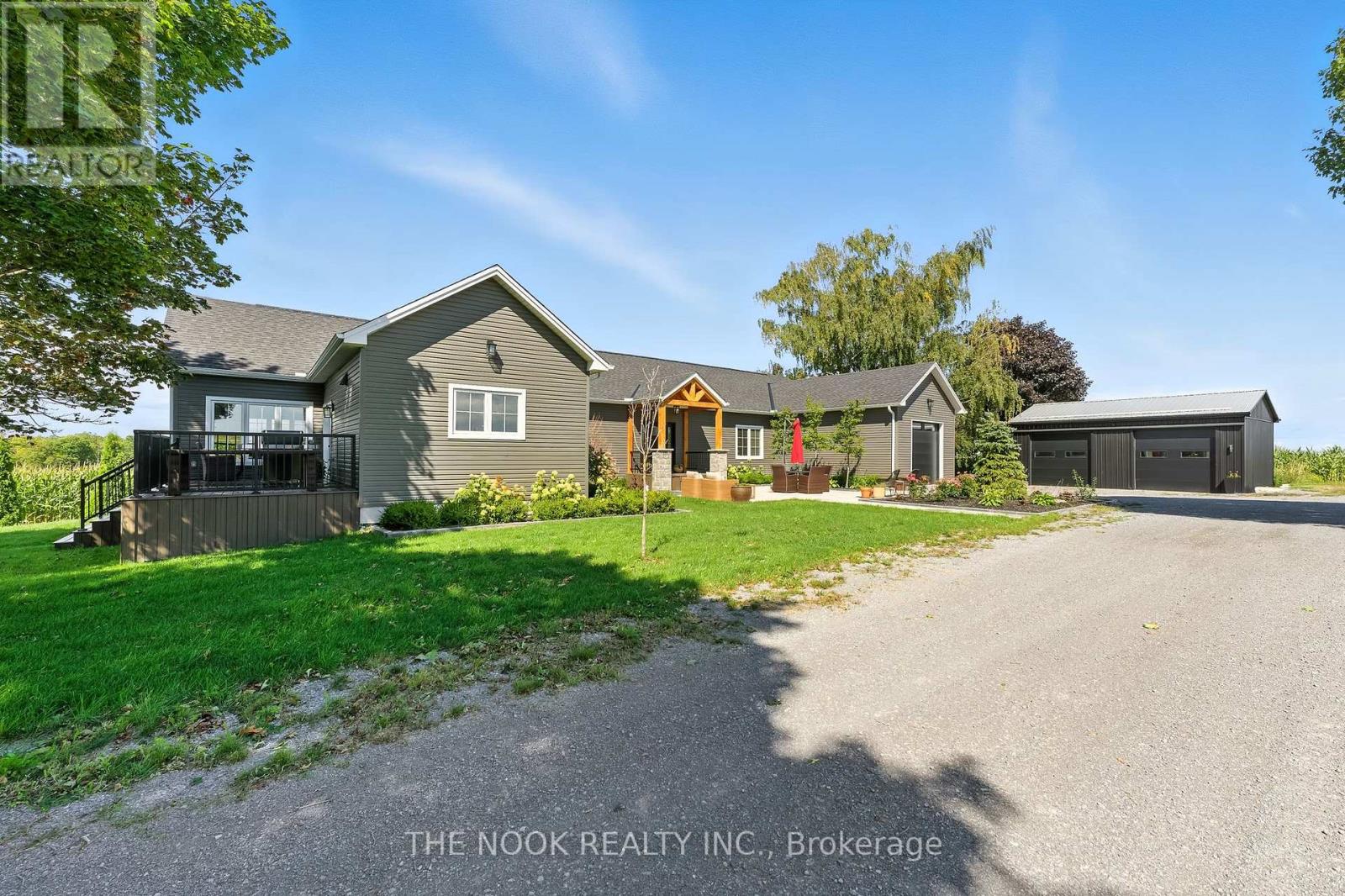 For Sale
 For Sale
 For Sale
 For Sale