
Rural Uxbridge covers the agricultural and estate properties surrounding the Town of Uxbridge in Durham Region, set on the Oak Ridges Moraine with extensive trail systems, equestrian farms, and a rural character that attracts buyers who want natural landscape and acreage at the northern edge of the GTA commuter reach.
Rural Uxbridge occupies the township land surrounding the Town of Uxbridge in Durham Region, north of the Highway 7 corridor and stretching across the Oak Ridges Moraine landscape. The area is defined geographically by the moraine itself, a glacial feature that creates the rolling drumlin and kettle topography that gives the land its distinctive character. The moraine also creates the environmental conditions that support the exceptional natural areas and trail systems for which the Uxbridge area is known throughout southern Ontario.
The Uxbridge Trail Network is the outdoor amenity that distinguishes this area from most rural Ontario communities within reach of the GTA. The trail system includes over 100 kilometres of maintained trails on private land donated or leased by local property owners, in addition to the public conservation areas managed by the Lake Simcoe Region Conservation Authority and the Toronto Region Conservation Authority. The trail quality is consistently excellent and the diversity of terrain, from open meadows to mixed forest to wetland edges, makes the Uxbridge trail system one of the best in Ontario for hiking, trail running, and mountain biking.
The equestrian tradition in Uxbridge is deep and predates the current recreation-focused interest in the area. Uxbridge has been an equestrian community since the 19th century, when the town was a commercial centre for the agricultural and horse-breeding economy of this part of Ontario. This heritage is still present in the horse farms, riding clubs, and equestrian events that define the community’s identity. Buyers with horses consistently rank Uxbridge as one of the best rural Ontario communities for equestrian living within reach of the GTA.
Rural Uxbridge property values span a wide range because the land area, housing quality, and infrastructure vary substantially across the township. An older farmhouse on 10 acres in average condition trades between $1.2 million and $1.6 million. A well-renovated country home on 25 acres with established landscaping and good outbuildings trades between $1.8 million and $3 million. Full equestrian facilities with indoor arenas, multiple paddocks, and quality barn infrastructure can reach $3.5 million to $6 million depending on the scope of the investment.
The Oak Ridges Moraine protections limit where development can occur, which constrains supply and has supported values. Properties with the most dramatic moraine topography, rolling terrain with views, ponds, and significant tree cover, command significant premiums over flat agricultural land with similar acreage. The natural landscape quality of a specific property is one of the most important value drivers here and it is not captured in price-per-acre calculations that treat land as uniform.
Well and septic are universal, as they are for all rural Ontario properties at this density. Buyers need to include the due diligence costs and the ongoing maintenance budget for these systems in their ownership calculations. Heating is typically propane or oil, electricity is provincial grid power, and internet ranges from Bell DSL in serviced areas to Starlink satellite where wired service is absent. The operating cost picture for rural Uxbridge properties is higher than for urban equivalents but is manageable for the income level of the buyers who choose this area.
Rural Uxbridge is a low-volume market with typically fewer than 50 sales per year in the broader township area outside the town. This makes year-over-year trends harder to establish than in high-volume markets. The pandemic-era surge in rural Ontario property values, driven by GTA buyers suddenly working remotely, hit Uxbridge hard in the upward direction and the correction from 2022 to 2023 was also meaningful.
The stabilization since the correction has been gradual. Properties in excellent condition at accurate prices sell within 45 to 75 days. Properties that are overpriced relative to condition and comparable sales sit for several months in a thin market and sellers who resist price discovery eventually make the adjustment. The rural market does not have the same correction speed as the urban market because buyers are patient and do not feel the urgency that supply scarcity creates in Toronto.
The long-term fundamentals for rural Uxbridge are positive. The Oak Ridges Moraine protection creates a permanent supply constraint. The equestrian and trail culture of the community attracts a stable and specific buyer demographic. The commute to the GTA, while long, is manageable for buyers with flexible work arrangements. The scarcity of this combination of natural landscape, trail access, and equestrian infrastructure within 90 minutes of Toronto supports values at levels that surprise buyers who expect rural to mean cheap.
Rural Uxbridge draws buyers who have made a specific lifestyle commitment to the combination of natural landscape, trail access, and equestrian culture that the area provides. The most common profile is a GTA professional family in their 40s, financially established through previous property equity, who wants a property that offers something genuinely different from the suburban and exurban alternatives closer to the city. They have visited the Uxbridge trails, perhaps over several years, and concluded that living 10 minutes from a hundred-kilometre trail network rather than making a day trip to it is worth the commute implications.
Equestrian buyers are a defining segment. The existing equestrian infrastructure in the area, the boarding facilities, the competition venues, the farrier and vet services that specialize in horses, makes Uxbridge one of the most practical locations in the GTA commuter zone for horse ownership. Buyers who already keep horses or who plan to acquire them know that the infrastructure difference between Uxbridge and a less equestrian area is substantial and not easily replicated from scratch.
Semi-retired and retired buyers from the GTA are an increasing segment. They are moving to Uxbridge before or at retirement, while they are still physically active enough to use the trails and manage rural property, with the intention of staying for 15 to 25 years. For this group, the commute to Toronto is an occasional rather than daily concern and the Uxbridge lifestyle is the primary draw rather than the commute math.
The most desirable properties in Rural Uxbridge are those with dramatic moraine topography, significant natural features, and established equestrian or landscape infrastructure. Properties with kettle ponds, mature forest, or significant elevation changes that create long-distance views are the most sought-after and least frequently traded. When these properties come to market, they attract buyers who have been watching the area for years and who move decisively.
The trail-adjacent properties, those where your land borders or has gates into the trail network, are particularly valued. Some properties in the Uxbridge trail system have formal easement agreements with the trail organization that guarantee continued trail access through their land. This is a distinct asset that buyers specifically seek and it is worth paying to confirm the specific trail access terms for any property represented as having trail adjacency.
The properties south of Uxbridge town along Durham Road 1 and along the Concession Road corridors have the shortest drive to Highway 404 and the 407 for GTA commuters. These properties trade at a modest premium over otherwise comparable properties further north because the commute difference is meaningful over 200 days of commuting per year. The 30 minutes of driving from the south side of the township versus 45 minutes from the north side adds up to meaningful time over a year of commuting.
Rural Uxbridge has no transit service. Every trip requires a car and two reliable vehicles per household is a necessity rather than an option. The commute reality for GTA-connected buyers is a drive of 45 to 70 minutes to the nearest employment centres depending on where in the township you live and where in the GTA you are going. Highway 404 north to Highway 48 and then to Uxbridge is the primary route from the eastern GTA. Highway 400 north provides access from the western GTA via Newmarket and then east on Highway 9 to Uxbridge.
GO Train service does not reach Uxbridge directly. The closest GO Train stations are at Mount Joy in Markham on the Stouffville line and at Barrie GO at the northern end of the Barrie line. Neither is close to Uxbridge without a significant drive. The absence of GO Train access is the primary transit limitation and buyers who require weekly or regular GO Train commutes to downtown Toronto find the logistics challenging unless they are willing to drive to a distant station and deal with the parking and schedule constraints.
Highway 407 toll route provides east-west access that can shorten commutes to Markham, Richmond Hill, and Mississauga employment centres. Buyers with employment in the Highway 407 corridor find the Uxbridge commute significantly more practical than buyers whose downtown Toronto employment requires the downtown 404/401/Don Valley route. The 407 has become an important part of the commute calculation for rural Durham Region buyers in the past decade.
The Uxbridge Trail Network is the defining outdoor amenity of the area and one of the best trail systems in southern Ontario. Over 100 kilometres of maintained trails traverse the Oak Ridges Moraine through mixed forest, meadow, wetland, and agricultural landscape. The trails are largely on private land managed through formal easements with the Uxbridge Trails Council and the Durham Rural Land Trust. The system is designed for multi-use: hiking, trail running, mountain biking, horse riding, and cross-country skiing in winter.
The Durham Regional Forest north of Uxbridge provides additional managed forest land with trail access. The LSRCA and TRCA conservation areas in the Uxbridge area add protected natural land and organized trail access points. Albion Hills Conservation Area to the west and Dagmar Ski Resort to the north and east provide additional organized outdoor facilities within 30 minutes.
The combination of the trail system, the pond and wetland habitats on private properties, and the agricultural landscape creates an outdoor environment for residents that is genuinely exceptional. Birding in the Uxbridge area is excellent because of the diversity of habitats, with the moraine landscape supporting breeding populations of species not found in most of southern Ontario. The natural environment quality here is not a generic rural claim. It is specific and verifiable by anyone who spends time in it.
The Town of Uxbridge, accessible from the rural surroundings in a 10 to 20 minute drive depending on location in the township, provides the essential commercial services for rural residents. A full-service grocery option, a pharmacy, banking, and the service retail of a market town serving the surrounding agricultural community are all present in the town. Uxbridge also has an independent hardware store, several independent restaurants, and the agricultural supply businesses that serve the farming and equestrian community in the area.
Newmarket is approximately 30 to 40 minutes west and provides significantly more retail variety including Costco, major grocery chains, home improvement stores, and a wider restaurant selection. Newmarket is the destination for residents who need anything beyond the Uxbridge town commercial offering. For specialty groceries, Whole Foods and similar options are in Newmarket or in the Markham area accessible via Highway 404.
The artisanal and independent dining quality in Uxbridge itself is better than the town’s size would suggest. Several independent restaurants in the downtown core have developed good reputations and the town has a small arts and cultural community that supports these businesses. The scale is nothing like a Toronto dining scene, but residents consistently describe the Uxbridge restaurant and cultural offering as meaningfully better than equivalent-sized Ontario towns. The community attracts creative and artistic people who bring this quality, and the trail culture draws an athletic and nature-oriented demographic that supports outdoor-oriented businesses and events.
Rural Uxbridge children attend schools in the Uxbridge Township cluster through the Durham District School Board and the Durham Catholic District School Board. Bus service is provided over rural routes that can be lengthy for properties at the outer edges of the township. Bus rides of 30 to 45 minutes each way are common for children living on the more remote concession roads.
Uxbridge Secondary School in the town is the primary public secondary school serving the township. The school has a good academic reputation within the Durham board and an active athletics and arts program. The rural student experience at Uxbridge Secondary is consistent with the community character: a small school where students are known individually and where the agricultural and outdoor orientation of the community is reflected in the school culture.
Private school options require a drive to Aurora, Richmond Hill, or further into the GTA, which is a significant time commitment from rural Uxbridge. Some families in the township homeschool their children, particularly through the secondary years, or choose online secondary school options that allow the student to remain at home. This is a higher proportion than in suburban communities and reflects both the lifestyle philosophy of some rural Uxbridge families and the practical reality of the distances involved.
The Oak Ridges Moraine Provincial Plan is the primary planning protection for rural Uxbridge. The Plan restricts development on the moraine to uses compatible with the natural heritage and water resource systems of the moraine. This means that large-scale subdivision development cannot occur on the moraine lands and the rural and natural character of the township is protected at the provincial level. This protection is among the most durable land use protections in Ontario and has strong cross-party political support.
The Lake Simcoe Protection Plan adds an additional layer of water quality and natural heritage protection relevant to the portions of the Uxbridge watershed that drain toward Lake Simcoe. Properties in this area are subject to both plans and development approvals on these lands must satisfy the requirements of both. This double protection is additional security for buyers purchasing in the northern part of the township.
The ongoing challenge for rural Uxbridge is the pressure from GTA growth spreading northward. The designation of Highway 413 as a potential future expressway, the growth allocations for Durham Region, and the provincial housing targets all create pressure on the Oak Ridges Moraine boundaries. The moraine protection has historically been resilient but buyers should follow provincial planning decisions and advocacy by organizations like the Oak Ridges Moraine Land Trust that work to maintain and strengthen the moraine protections.
What makes Rural Uxbridge different from other rural Durham Region communities for a buyer with horses?
The existing equestrian infrastructure in Uxbridge is more concentrated and more comprehensive than in other rural Durham Region communities. There are more riding clubs, more boarding facilities, more trainers, and more competition venues per square kilometre than in areas like Scugog or Clarington. The farrier, veterinary, and feed supply network is oriented toward equestrian use in a way that reflects 150 years of horse culture in the area. The trail system includes designated horse riding sections that are managed and maintained for equine use. For buyers with horses, the difference between choosing Uxbridge and choosing another rural Durham Region location is not minor: the support infrastructure, the community culture, and the trail system make Uxbridge the best practical choice for equestrian living within reach of the GTA, and most serious equestrian buyers who have researched the area thoroughly come to the same conclusion.
What is the realistic commute from Rural Uxbridge to various GTA employment centres?
Downtown Toronto: 80 to 110 minutes depending on departure location in the township and destination in downtown. This is a car trip with no viable GO Train alternative without a very long drive to a station. Three days per week in downtown is manageable for buyers who have organized their work schedule around it; five days per week is genuinely difficult to sustain over years. Markham/Unionville: 40 to 55 minutes via Highway 404 and Highway 7. This is a practical daily commute for buyers with Markham employment. Newmarket/Aurora: 30 to 40 minutes west via Highway 48 and Highway 9. This is the easiest commute from rural Uxbridge and buyers with Newmarket or Aurora employment are the most practically positioned for rural Uxbridge living. Richmond Hill: 50 to 65 minutes via Highway 404 south. Mississauga: 70 to 90 minutes via Highway 404 and 407. Each of these needs to be driven during actual commute hours before a buyer commits to the distance.
How does the trail system access work and what kind of use is it open to?
The Uxbridge Trail Network is managed by the Uxbridge Trails Council and operates primarily on easements donated by private landowners. The trails are open to hiking, trail running, cycling, horseback riding, and cross-country skiing. Some trails are designated for specific uses and the trail map indicates which sections accommodate horses. The trails are free to use and no trail pass is required for most sections, though some organized events require registration. Property owners in the rural area often have trail access that crosses or borders their land, which can be either an asset or a concern depending on perspective. Most rural Uxbridge property owners view the trail system as a neighbourhood asset and participate in maintaining trail access on their own properties. Buyers who are purchasing specifically for trail adjacency should verify the specific trail access terms for any property rather than assuming it from proximity to the trail map lines.
What are the internet connectivity options in Rural Uxbridge and are they adequate for remote work?
Bell has extended fibre and high-speed DSL to much of the Town of Uxbridge and parts of the rural township, but coverage is not universal. Properties on the more remote concession roads or in topographically shielded areas may have limited or no wired internet service. Starlink satellite internet is widely available in the Uxbridge area and delivers 50 to 250 Mbps download speeds with latency adequate for video calls, cloud applications, and most remote work tools. The equipment cost is approximately $600 upfront and the monthly service is around $150 as of early 2026. For rural Uxbridge buyers who plan to work remotely, Starlink is the reliable fallback for properties where Bell fibre or DSL is not available. Confirming the wired service availability at a specific address before purchasing is straightforward via the Bell website service checker. The combination of available wired service in the town and Starlink coverage throughout the township means that internet connectivity is not a practical barrier to remote work in this area.
Rural Uxbridge rewards patient and informed buyers. The properties are varied, the market is thin, and the due diligence requirements are more involved than for urban purchases. Buyers who have visited the trails, driven the commute routes during actual working hours, and spent enough time in the area to understand what they are choosing, consistently feel good about the decision once they are settled. Buyers who purchase based on weekend visits to the market town without experiencing the winter commute or the February mud on a rural road sometimes find the reality different from the impression.
The equestrian and trail culture community in Uxbridge is genuinely welcoming to new arrivals and the community organizations around trails, arts, and outdoor activities create multiple entry points for people building their life in a new community. This is not universally true of rural communities at this distance from the city, and it is part of what makes Uxbridge different from comparable rural Ontario areas at similar prices.
We cover Rural Uxbridge and the broader Durham Region rural market. If you want to understand specific sections of the township, the equestrian property landscape, or the commute reality in detail before shortlisting properties, reach out.
Street-level knowledge is hard to find online. Our team works in Rural Uxbridge every day. They know which pockets hold value, where the school catchment lines actually fall, and what the market is doing right now. Talk to us before you make a decision about Rural Uxbridge.
Talk to a local agent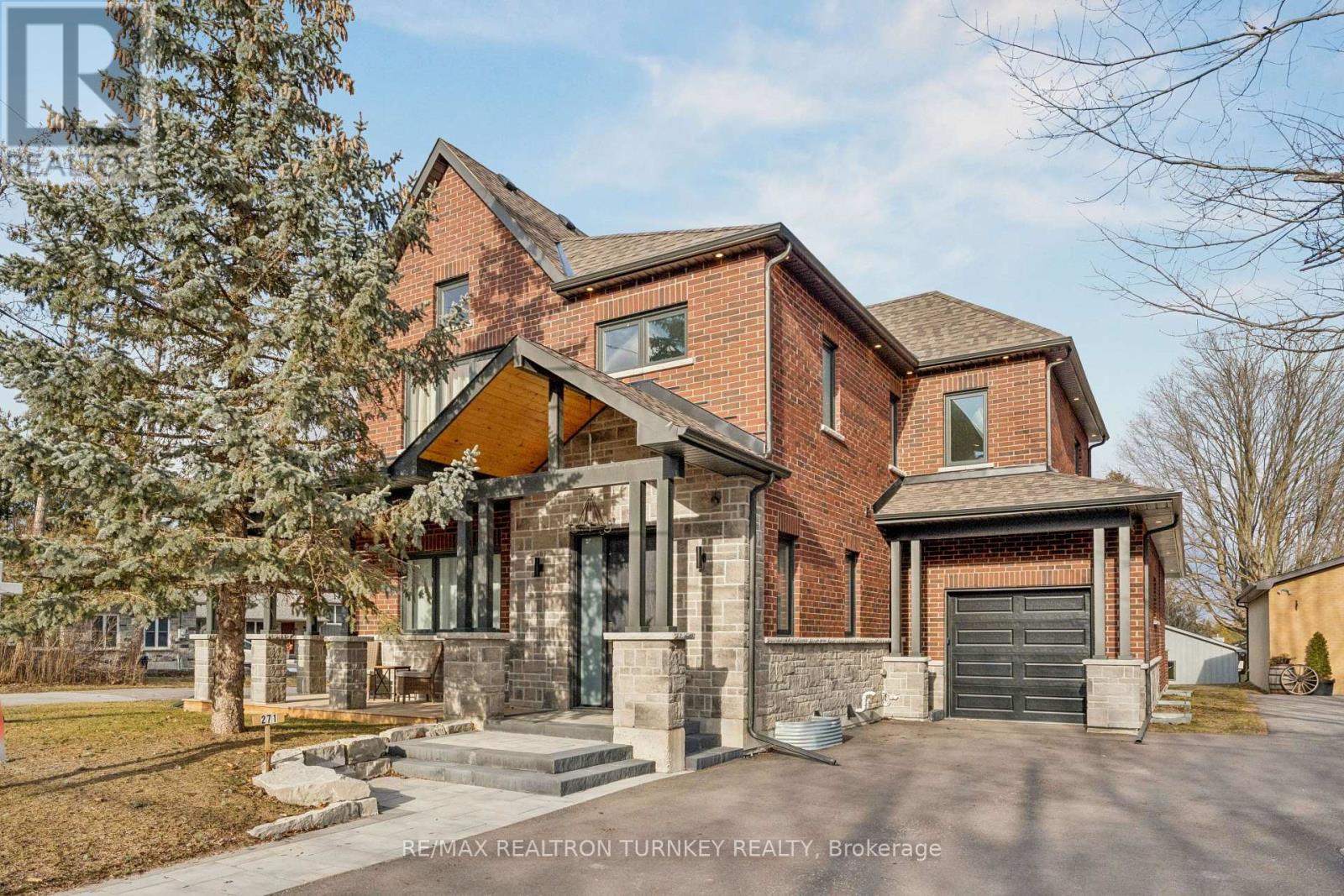 For Sale
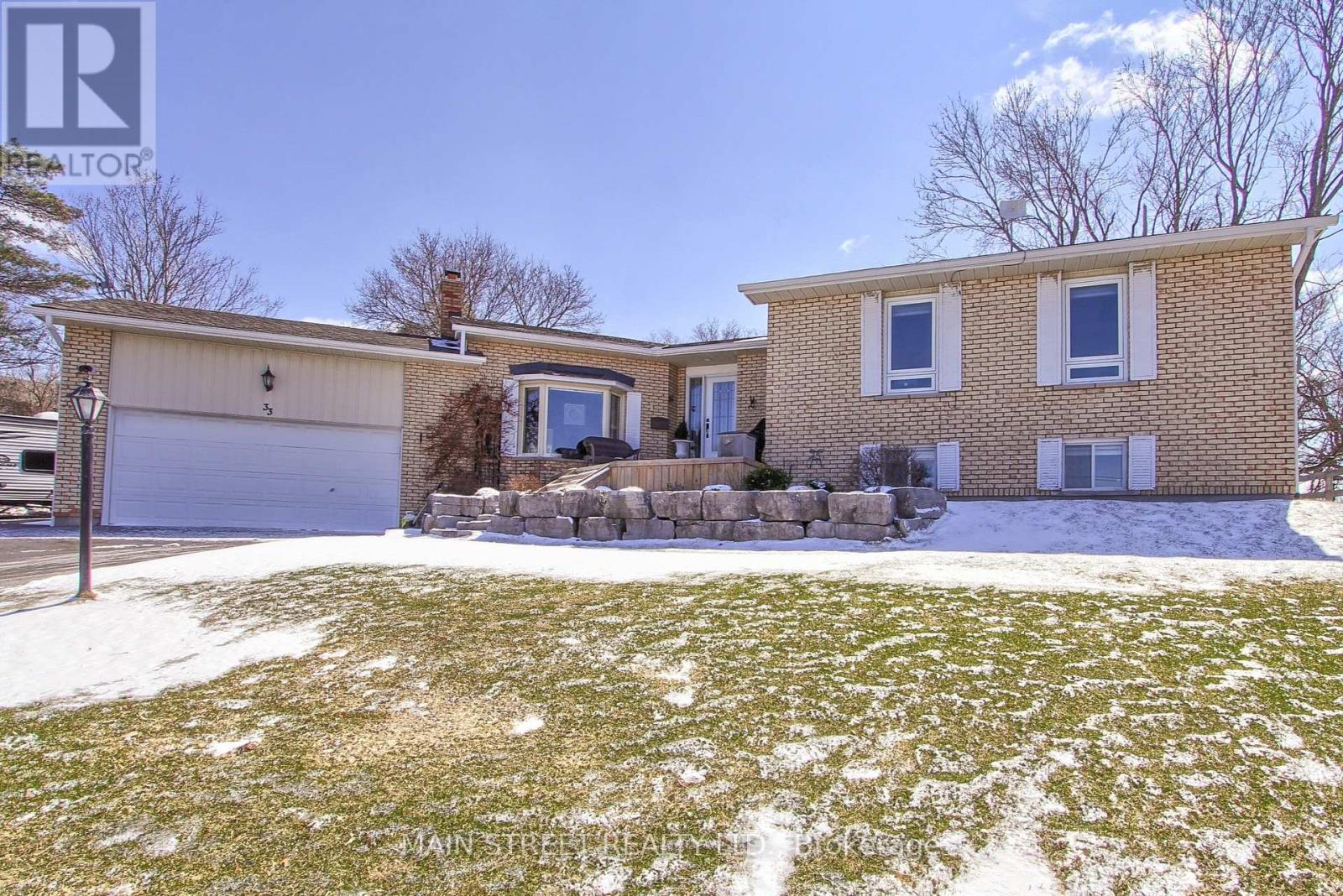 For Sale
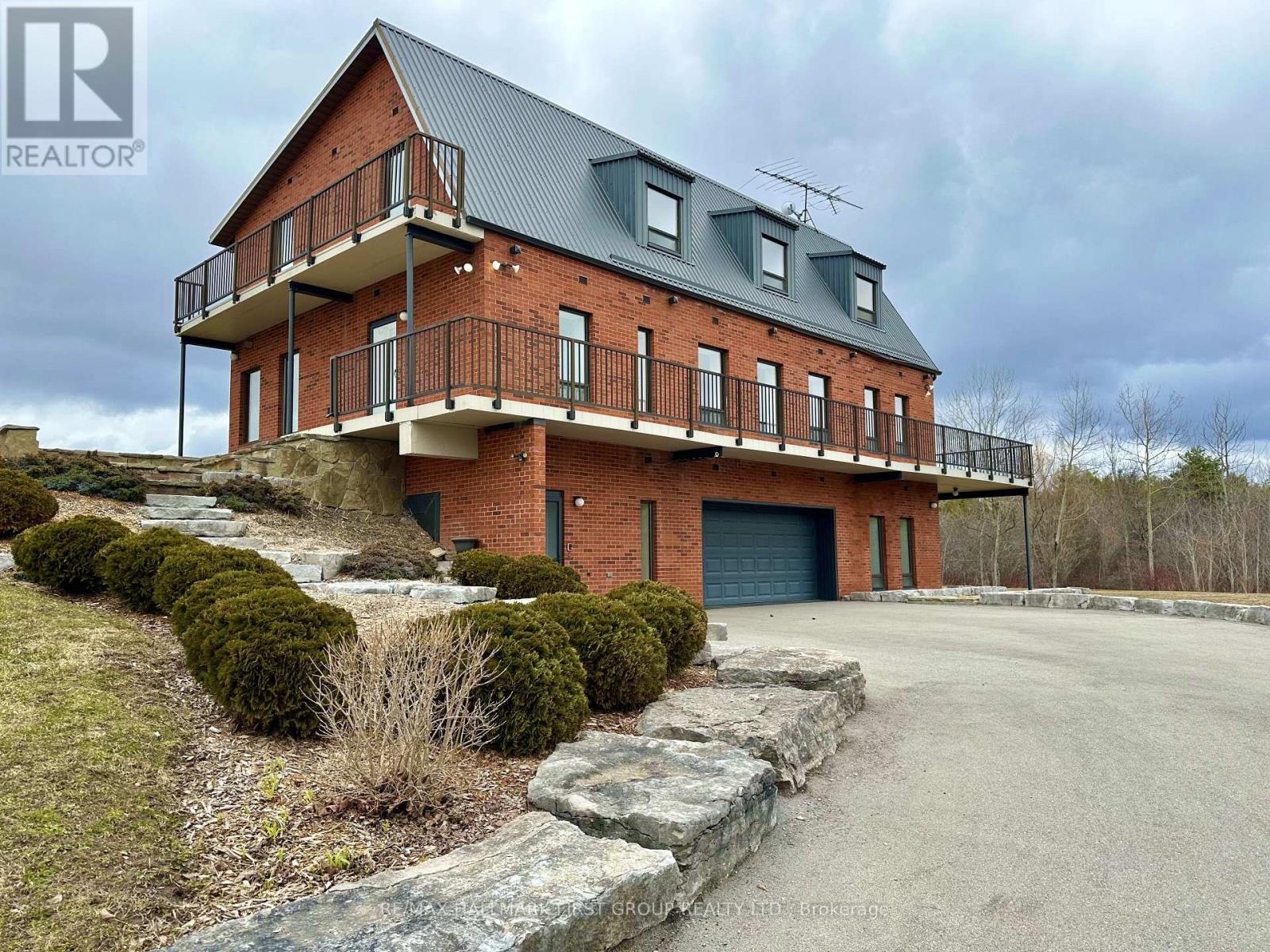 For Sale
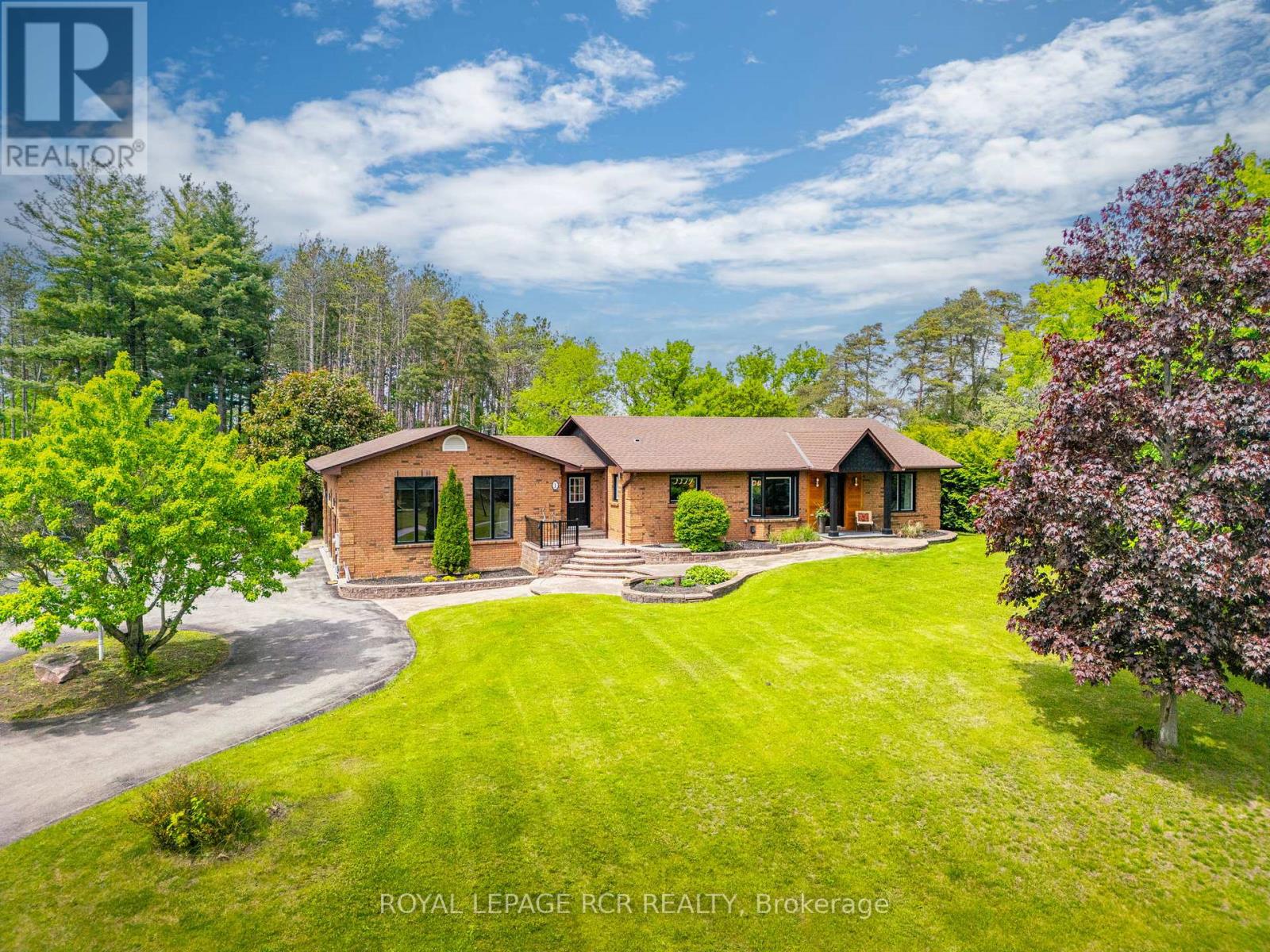 For Sale