
Rustic is a mid-sized north York neighbourhood between Sheppard Avenue West and Wilson Avenue west of Allen Road, known for postwar detached and semi-detached homes on standard lots, proximity to Humber River trails, and reasonable transit access via Lawrence West subway station.
Rustic is a north York neighbourhood that sits in the triangle between Wilson Avenue to the north, Sheppard Avenue West to the south, and the Humber River valley to the west. It is named after Rustic Road, one of the main residential streets that gives the neighbourhood its identity, and the name reflects something true about the character of the area: it is quieter, more settled, and less urban in feel than the Dufferin/Lawrence corridor to the east might suggest.
The Humber River valley runs along the western boundary and provides the trail access that is one of the neighbourhood’s underappreciated assets. The valley here is wide and mature, with the natural landscape that the Toronto ravine system maintains throughout the city. Residents on the western streets of Rustic can access the Humber River Recreational Trail directly from their neighbourhood and follow it south toward the waterfront or north into Etobicoke Creek territory without leaving the natural corridor.
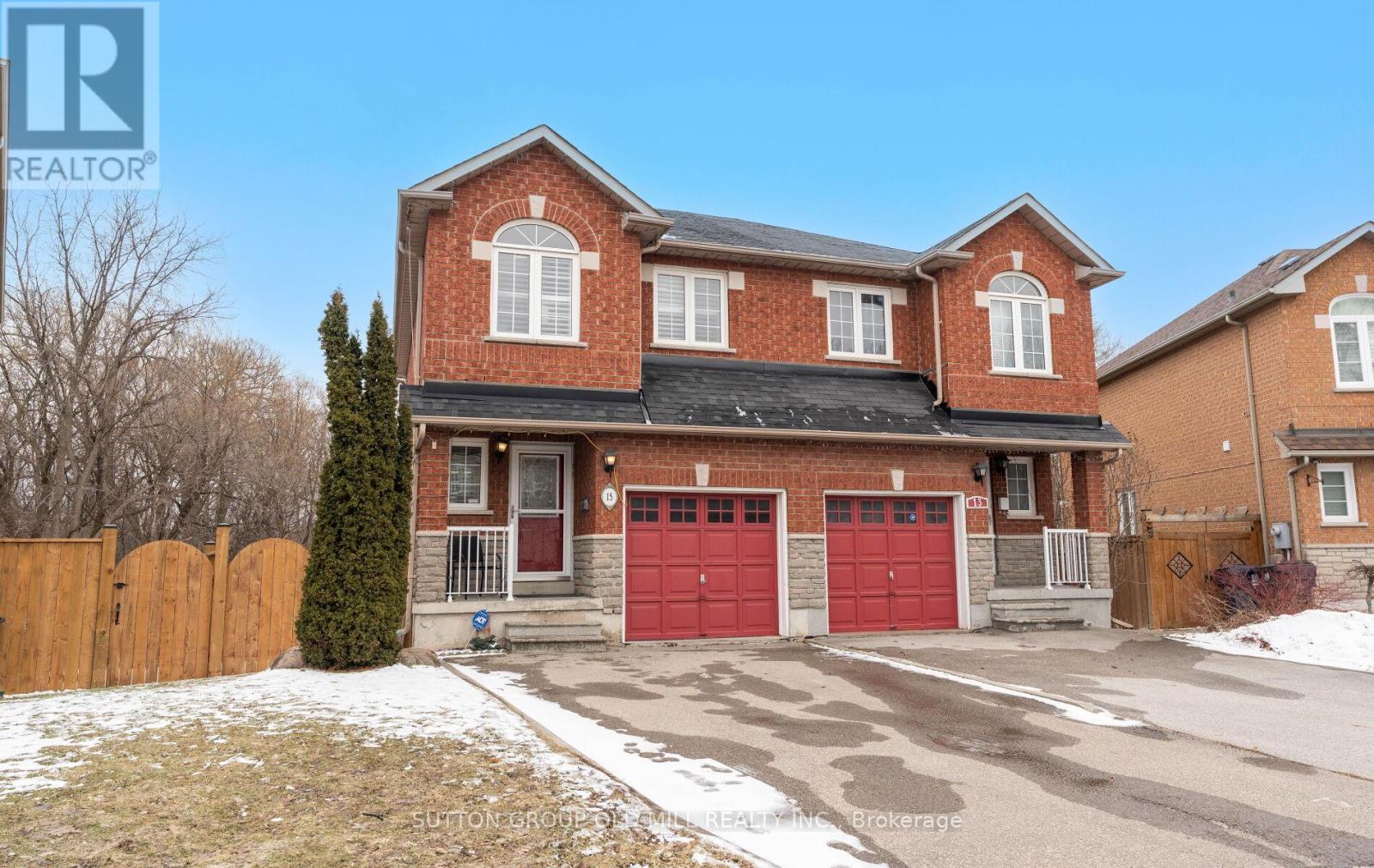
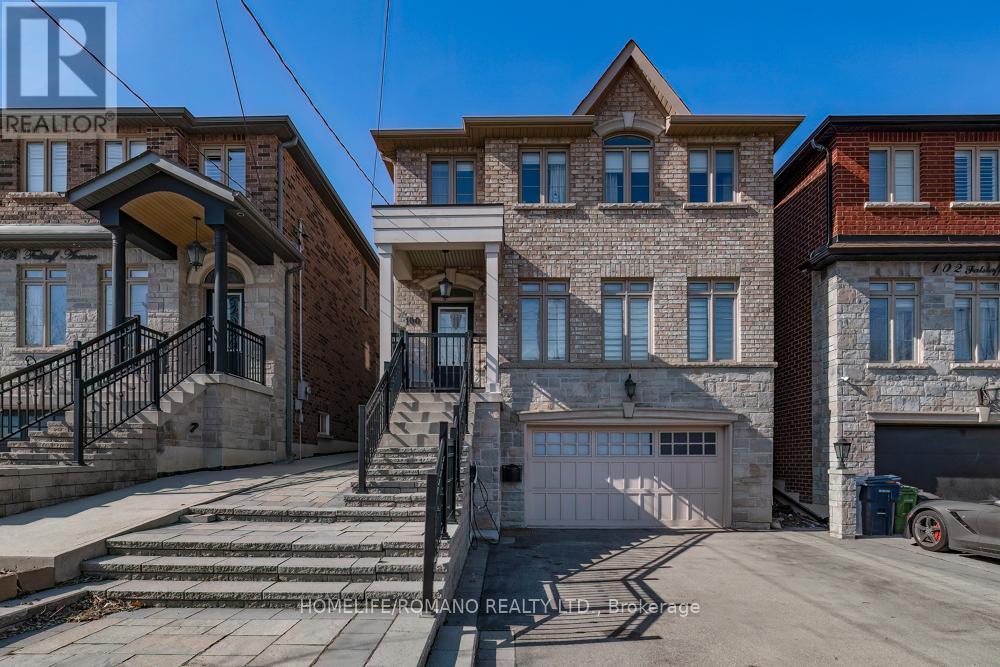
The neighbourhood was developed primarily in the late 1950s and 1960s as part of the postwar expansion of North York, which was then a separate municipality. The housing stock reflects that period: detached and semi-detached bungalows and two-storey homes on standard lots, with the wide streets and front-yard setbacks that differentiate North York development from the denser Toronto inner-city fabric. The neighbourhood has been stable for decades and the residents include many long-term owners who arrived in the 1980s and 1990s and stayed.
Rustic is a mid-range north Toronto detached home market. Detached bungalows on standard 40 to 50-foot lots trade between $900,000 and $1.2 million depending on condition and updates. Two-storey detached homes trade between $1.1 million and $1.5 million. Semi-detached homes, which are common in the neighbourhood, trade between $850,000 and $1.1 million. These prices are competitive within the north York detached market and represent genuine value relative to comparable transit access further south along the Yonge line.
Lot sizes in Rustic are standard North York postwar dimensions: 40 to 50-foot frontages on 120-foot deep lots. These are not the large lots of Etobicoke’s prestige communities but they are adequate for the family outdoor living that this demographic expects. The lots support pool installations in many cases, though the typical backyard is more likely to have a deck and garden than a pool given the North York buyer profile.
The housing stock in Rustic shows a range of renovation states consistent with a neighbourhood where some owners have invested heavily and others have maintained but not updated. The spread between a fully renovated detached bungalow and an original-condition property of the same size and lot can be $200,000 to $300,000, which is meaningful enough that buyers need to assess renovation costs accurately when considering properties at different points of that spectrum.
Rustic has tracked the broader North York detached home market. The 2020-2022 appreciation was strong, with prices rising 30 to 40 percent over two years. The 2022-2023 correction brought prices back 15 to 20 percent and recovery has been gradual since. Current prices are below 2022 peaks by 5 to 10 percent for most property types and the market is balanced with neither strong seller nor buyer advantage.
Days on market for well-priced detached homes average 18 to 25 days. Properties in excellent condition at accurate prices move within the first two weeks. Properties requiring updating or priced above the current market take longer and sellers who resist price adjustments sometimes wait 60 to 90 days before finding a buyer.
The neighbourhood’s transit picture has not changed, which is both a stability and a limitation. Lawrence West station on the Spadina line is the nearest subway but is a bus ride away from most Rustic addresses. Buyers who require subway access as part of their lifestyle find Rustic less compelling than Lawrence Manor or Glencairn to the east, which are closer to the Spadina line stations. This keeps Rustic priced slightly below those communities despite comparable housing stock.
Rustic draws a broad mix of north York buyers. The largest segment is families in their 30s and 40s looking for a detached home in a north Toronto neighbourhood at a price that is achievable on professional incomes. These buyers are comparing Rustic to Lawrence Manor, Mount Dennis, and the western end of the North York corridor and finding that the combination of lot quality, ravine access, and relative affordability is competitive.
South Asian and Afro-Caribbean communities have been significant buyer groups in this part of north York for 30 years and continue to be. The neighbourhood’s diverse demographic gives it a community character that differs from the more homogeneous postwar suburb of its original development. The institutional presence of these communities, houses of worship, cultural associations, and family businesses along the main streets, reflects long-term settlement rather than recent arrival.
First-time buyers priced out of more expensive north York neighbourhoods are a consistent presence. A detached bungalow in Rustic at $950,000 is often the entry point for a buyer who has been looking at the Yonge-Lawrence corridor for $1.4 million and has decided that the price differential is larger than the neighbourhood quality differential. This buyer group has helped maintain price floors in Rustic through the correction cycle.
Rustic Road and the parallel streets running between Wilson and Sheppard define the neighbourhood’s residential character. Rustic Road itself, with its tree-canopy and consistent bungalow fabric, is one of the better streetscapes in the area. The streets running west toward the Humber valley edge have the most park-adjacent character and the quietest traffic environment. These western streets are consistently among the more sought-after addresses within the neighbourhood.
The streets along the eastern edge near Dufferin Street have more commercial activity and are more exposed to the noise of the arterial. These are slightly less desirable for buyers seeking the quietest residential environment, though the transit access along Dufferin is better from these addresses. The trade-off between quietness and Dufferin bus access is a real consideration depending on the buyer’s daily routine.
The northern streets near Wilson Avenue are slightly noisier from Wilson traffic but have better access to the Wilson bus service. These streets also tend to have slightly newer housing from the later phases of the neighbourhood development. The difference within Rustic between the best and worst streets is not dramatic but it is real and shows up in comparable sales data.
Lawrence West subway station on the TTC Spadina line is approximately a 10 to 15-minute bus ride from most Rustic addresses. The 35 Jane bus or the 160 Bathurst North bus, depending on the specific address, connect to Lawrence West station. From Lawrence West to Bloor-Yonge is approximately 20 minutes on the Spadina line. Total door-to-downtown commute for a Rustic resident is typically 45 to 55 minutes, which is longer than from Lawrence Manor to the east but comparable to many north Toronto neighbourhoods relying on Spadina or Yonge line connections.
TTC bus routes on Wilson Avenue, Sheppard Avenue West, and Dufferin Street serve the neighbourhood from multiple angles. The 160 Bathurst North bus runs south from Sheppard to Lawrence West station and the 36 Finch West bus connects along the northern fringe. The bus service is functional and reasonably frequent on the main routes but less reliable on side street connections.
Drivers access the Allen Expressway from Sheppard Avenue West via Allen Road, which provides a rapid route into central Toronto. The Allen is one of the faster downtown driving routes from north York and its proximity to Rustic is an underrated advantage. Highway 401 is accessible via Allen Road north to the 401 interchange. For drivers commuting west toward Mississauga or east toward Scarborough, the 401 is the practical route.
The Humber River valley system is the primary natural amenity adjacent to Rustic. The trail access from the western streets of the neighbourhood connects south through Etobicoke to the waterfront and north through the upper Humber Valley. The valley at this section of the Humber is mature and natural, with a well-maintained trail that runners, cyclists, and families with dogs use year-round.
Several parks within the neighbourhood provide green space for casual use. Rustic Road Park and the smaller vest-pocket parks on the residential streets handle the playground and sports field needs of the local family population. These are maintained by the City of Toronto and are well used during summer.
The Humber Valley Conservation Area to the west provides additional organized outdoor access including picnic facilities and trail extensions beyond what the trail itself provides. G. Ross Lord Park, immediately north of Sheppard in the Black Creek corridor, is accessible in a short drive and provides one of the larger park spaces in north York with sports fields, community gardens, and winter skating. The combination of the Humber trail, the Humber Valley Conservation Area, and G. Ross Lord Park gives Rustic residents significantly better organized outdoor access than the neighbourhood size would suggest.
The commercial activity in and around Rustic is concentrated along Wilson Avenue to the north, Sheppard Avenue West to the south, and Dufferin Street to the east. Wilson and Sheppard have standard suburban commercial strips with grocery anchors, pharmacies, banks, and the service retail of a north York corridor. Dufferin Street has a denser mix of commercial activity including restaurants representing the diverse north York community character.
Yorkdale Shopping Centre is approximately 10 minutes east on Wilson Avenue and is one of Toronto largest and best-regarded shopping destinations. For any major retail need, Yorkdale handles it comprehensively. The proximity to Yorkdale is an asset that Rustic shares with the Lawrence Manor and Glencairn neighbourhoods and it means that access to high-quality retail is better from this part of north York than from comparable-priced neighbourhoods further east or west.
The restaurant scene in the immediate neighbourhood reflects the cultural diversity of north York, with Ethiopian, West African, South Asian, and Caribbean restaurants and cafes mixed into the commercial strips along the main arteries. The quality is generally good and the prices are modest. For destination dining or specialty retail, Yorkdale and the midtown corridors are the practical destinations and are accessible within 20 to 30 minutes.
Rustic is served by the Toronto District School Board and the Toronto Catholic District School Board. Public elementary students in the neighbourhood attend Rustic Public School or other TDSB schools depending on address. Secondary students at the public board attend Emery Collegiate Institute or other north York secondary schools depending on catchment.
Catholic students at the elementary level attend schools within the TCDSB north York system and secondary students attend one of the TCDSB secondary schools in the area. School boundary confirmation at the specific address is the appropriate first step for families for whom the school allocation matters.
The school picture in Rustic is typical of north York: solid public options without the specialized program concentration of midtown or the high-demand programs available in the Lawrence Park corridor. Families who prioritize specific alternative programs, French Immersion, arts focus, or IB, may need to explore options outside the immediate catchment. The board websites have program availability information and the open enrollment process allows applications to schools outside the catchment for specific programs, subject to space availability.
Rustic has not been subject to significant redevelopment pressure. The neighbourhood’s interior streets are zoned for low-density residential and the planning framework for this part of north York has not prioritized intensification of the established bungalow fabric. The occasional teardown and custom build occurs but is not widespread. The neighbourhood’s physical character is likely to remain relatively stable over the near to medium term.
The Allen Road and Sheppard West subway corridor represents the potential long-term intensification axis for this general area. As Toronto continues to push intensification along transit corridors, the Sheppard West station area and the Allen corridor are candidates for mid-rise development that could eventually extend into the blocks adjacent to Rustic’s southern edge. This is a planning direction rather than a near-term construction reality and the impact on the interior residential streets would be limited by the city’s established policies protecting low-rise residential fabric from corridor intensification.
The Humber River trail and adjacent natural lands are managed by the City of Toronto and the Toronto Region Conservation Authority. The ongoing maintenance and improvement of the trail system is funded and active. Any improvements to the western trail corridor directly benefit Rustic residents and the green corridor quality has been consistently maintained over the years that the neighbourhood has been established.
How close is Rustic to the Allen Expressway and is the noise an issue?
The Allen Road is the eastern edge of Rustic, running north from Eglinton Avenue to the 401 alongside the Black Creek valley. The streets directly adjacent to the Allen embankment are affected by expressway noise, particularly on the east-facing properties closest to the road. The interior streets of Rustic, particularly those along the western Humber valley edge, are significantly less affected because they are further from the Allen and the residential fabric in between provides sound buffering. For buyers who are sensitive to traffic noise, focusing on the western streets of the neighbourhood puts the maximum distance between the Allen and the property. The streets east of Rustic Road, closer to the Allen and to Dufferin, are noisier and this is priced into the comparables to some degree. Buyers should walk the specific streets they are considering at different times of day, including morning and evening rush hours, before forming a view on whether the noise level is acceptable for their household.
What is the best route to downtown Toronto for Rustic residents?
Transit users typically take the 35 Jane bus south to Lawrence West station, then the subway to the destination. This is a 45 to 55 minute total trip depending on the specific address and destination. Drivers can take Allen Road south from Sheppard to Eglinton and then continue south to the Gardiner, or take Lawrence Avenue West east to the Allen on-ramp. The Allen gives Rustic drivers one of the faster driving routes into central Toronto from north York. During peak hours the Allen backs up at Lawrence and Eglinton and the driving time increases. Off-peak, the Allen makes downtown Toronto accessible in 25 to 30 minutes, which is competitive with many neighbourhoods closer to the core that sit in heavier surface traffic. For buyers who will drive downtown occasionally rather than daily, the Allen access is a significant practical advantage.
How does Rustic compare to Glencairn or Lawrence Manor for a north York detached buyer?
Glencairn and Lawrence Manor are slightly closer to the Spadina line stations and carry a modest price premium over Rustic as a result. The housing stock and lot sizes are broadly comparable across all three neighbourhoods. The main practical difference is the 5 to 10 minute transit time advantage for Glencairn and Lawrence Manor residents who walk to their subway station versus the bus connection required from most Rustic addresses. Whether that difference justifies the price premium depends on how central the transit commute is to the buyer’s daily routine. Buyers who drive to work or who are comfortable with the bus connection often conclude that the Rustic price is the better value. Buyers who prioritize walking to the subway will generally prefer Glencairn or Lawrence Manor despite the higher price.
What is the Humber trail access actually like from Rustic?
The trail access from the western streets of Rustic is direct. Several streets end at or near the valley edge and the trail is accessible without a significant detour. Once on the Humber River Recreational Trail, you can run or cycle south toward the waterfront, a distance of approximately 20 kilometres to the lake, or north through Etobicoke Creek toward the upper Humber. The trail surface is paved through most of the corridor adjacent to Rustic and the natural environment along the valley is genuinely good, with mature trees, creek sounds, and wildlife visible particularly in the early morning. The trail is maintained by the City of Toronto and is passable in all seasons, though ice and winter conditions require appropriate footwear between December and March. For residents who use the trail daily, it functions as a 5 to 10 minute walk from the front door to a natural environment that is otherwise absent from most Toronto neighbourhoods at this price level.
Rustic is one of those north York neighbourhoods that rewards buyers who have done their research rather than following the conventional wisdom that the Yonge corridor is always the better investment. The Humber trail access, the Allen Road driving convenience, and the Yorkdale proximity are genuine advantages that the neighbourhood’s relatively modest price does not fully reflect.
The school and transit picture are the items that most often lead buyers to choose Lawrence Manor or Glencairn over Rustic when all else is comparable. If transit proximity and school specialization are high priorities, those neighbourhoods are worth the premium. If lot quality, trail access, and highway convenience matter more, Rustic delivers these at a lower price and is worth a serious look before making a final decision.
We cover Rustic and the north York corridor between Dufferin and the Humber River. If you want to compare specific streets or understand the transit reality in more detail, reach out.
Street-level knowledge is hard to find online. Our team works in Rustic every day. They know which pockets hold value, where the school catchment lines actually fall, and what the market is doing right now. Talk to us before you make a decision about Rustic.
Talk to a local agent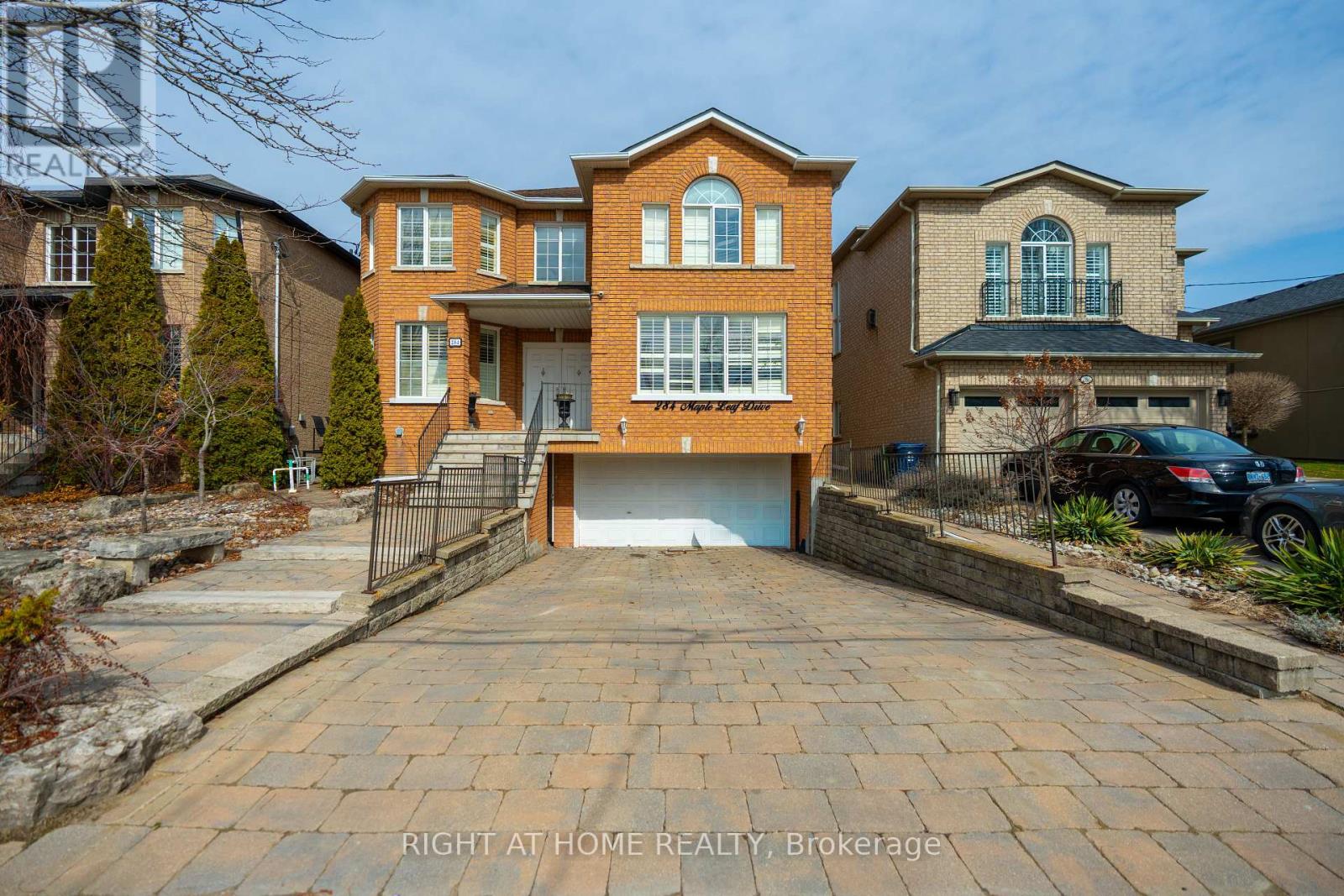 For Rent
 For Sale
 For Rent
 For Sale