
Samac is a north-central Oshawa neighbourhood with established and newer homes east of Harmony Road. It is a functional family neighbourhood with good school access and proximity to the Harmony Road commercial corridor.
Samac is a north Oshawa residential neighbourhood with some of the most accessible detached home prices in the city. Sitting between Simcoe Street to the west, Taunton Road to the north, Harmony Road to the east, and Rossland Road to the south, Samac developed through the 1980s and 1990s as north Oshawa expanded to serve the families moving east from Toronto and Scarborough. The neighbourhood has an established character that the still-building Kedron and Windfields areas to the north don’t yet have, and prices that have consistently been among the lower end of the north Oshawa spectrum.
The housing is predominantly detached two-storey construction from the 1980s and 1990s, with some bungalows and townhouse product representing the earlier and later phases. Lots are modest by Durham Region standards — 30 to 40 foot frontages are common — but the homes are sized appropriately for family use. The neighbourhood’s streets are curvilinear in the subdivision pattern, quiet on the interior, and connected to the arterial grid on the edges. The commercial development on Taunton Road to the north and Simcoe Street to the west places most routine shopping within a short drive.
Samac’s average home price has been reported among the lower ranges in north Oshawa, in the $600,000 to $700,000 band for typical detached product. This makes it an interesting comparison point for buyers who are evaluating north Oshawa as a whole and want to understand where the value concentrates within that market.
Detached bungalows from the late 1970s and early 1980s are available at the lower end of the Samac market, typically in the $580,000 to $700,000 range for a clean property in reasonable condition. These are smaller homes on slightly larger lots than the two-storey product, and they tend to attract the downsizer or the first-time buyer who wants single-level living at a north Oshawa address without the full cost of the two-storey family home.
Detached two-storeys from the 1980s and early 1990s are the main product. A standard three-bedroom home in Samac in reasonable condition is typically priced from $650,000 to $850,000 in early 2026. The lower end reflects properties that have had deferred maintenance and need substantive updating; the upper end reflects homes that have been renovated progressively and are in strong condition. The spread within the neighbourhood is significant, and a buyer who takes time to compare two otherwise similar properties at different price points can often find the better value with some patience.
Townhouse product, both freehold and condominium, exists in parts of Samac and provides a lower entry point for buyers who can’t reach the detached price range. Freehold townhouses in the neighbourhood run $560,000 to $700,000. Condominium townhouses carry monthly fees that reduce the net affordability advantage but are still the most accessible option for buyers at the bottom of the Samac market.
Samac consistently prices at the lower end of the north Oshawa range compared to adjacent Pinecrest, Northglen, and Centennial. Several factors contribute to this. First, some of the oldest housing stock in north Oshawa is in Samac, and that older product is in greater need of updating than the equivalent from five to ten years later. Second, Samac doesn’t have the creek valley asset that Pinecrest offers, which removes one of the premium-generating features from the neighbourhood’s profile. Third, the neighbourhood’s position between two major arterials — Simcoe Street and Harmony Road — means that a larger proportion of its housing stock is on or near higher-traffic corridors than the more interior residential areas.
None of these factors are permanent negatives. A buyer who selects the right property in Samac — not on the arterial, well-maintained, in the right part of the neighbourhood — can find value that the broader price average doesn’t capture. The neighbourhood’s lower average is an opportunity for buyers who know what they’re looking for.
Comparing Samac to Northglen specifically: the housing types are similar, the vintage overlaps, and the price difference is typically $50,000 to $100,000 per property for comparable homes. Northglen’s perceived advantage is its slightly quieter character and its position away from the Simcoe Street arterial. Whether that difference is worth the price premium depends on the buyer’s priorities and what’s available at the time of search.
First-time buyers reaching for the detached home for the first time at the most accessible north Oshawa prices are the primary Samac buyer. They’ve been watching the market, they have a pre-approval in the $650,000 to $750,000 range, and Samac’s detached product at this price is better value than anything comparable they can find in Ajax, Pickering, or Whitby. The commute is longer than from those municipalities, but the home is bigger, the lot is usable, and they’re not paying a $200,000 to $300,000 premium for a Whitby postal code.
Investors are present in Samac’s lower-priced bungalows. The combination of a relatively low purchase price, an existing or potential basement suite, and consistent rental demand makes the entry-level Samac market viable for rental investment at a scale that’s accessible to smaller investors. The rental market draws from Ontario Tech University and Durham College students as well as the general population looking for affordable housing in north Oshawa.
Buyers who are primarily employment-focused — commuting to the Ontario Tech and Durham College campuses on Simcoe Street, or to the Lakeridge Health corridor, or to the various commercial and industrial operations on Simcoe and Taunton — find Samac’s position well-suited to their employment geography. The 5 to 10 minute drive to major north Oshawa employment destinations makes the commute practical for locally-employed residents who don’t need to go downtown or to the GTA.
Ontario Tech University and Durham College share a campus in north Oshawa on Simcoe Street North, directly accessible from Samac. The presence of two post-secondary institutions serving over 12,000 students collectively has a significant effect on the north Oshawa residential market. It generates rental demand for basement suites, provides employment in education and administration, and brings a population of young adults and faculty to the area that diversifies the residential and commercial character.
For buyers who work at either institution, the proximity from Samac is a genuine advantage. A 5 to 10 minute drive to the campus beats the 30 to 40 minute commute that employees from Whitby or Pickering face. For investors, the student rental demand from both campuses is a consistent market driver that reduces vacancy risk compared to purely market-rate rental without an institutional demand source.
The presence of the university and college has contributed to the commercial development along Simcoe Street North, which now carries a range of restaurants, cafes, and service retail beyond the standard suburban arterial mix. This is a quality-of-life benefit for Samac residents on the western edge of the neighbourhood who are close to the Simcoe Street corridor.
Simcoe Street to the west is Oshawa’s primary transit corridor and Samac’s best public transit connection. Durham Region Transit on Simcoe provides the most frequent service in the system, connecting south to Oshawa GO station and north to the Ontario Tech and Durham College campuses. For residents who use transit regularly, Samac’s proximity to Simcoe Street transit is its best non-car transportation asset.
Oshawa GO station is approximately 10 to 15 minutes south by car from the central streets of Samac. Peak trains run to Union Station in about 60 minutes. Highway 401 is accessible at Simcoe Street or Harmony Road, both within a 10 to 15 minute drive. The highway access is comparable to other north Oshawa neighbourhoods — Samac is not particularly advantaged or disadvantaged relative to Northglen or Pinecrest for highway commuters.
The 407 east is accessible via Simcoe Street north at the Taunton Road interchange area or via Harmony Road at the interchange north of the neighbourhood. For commuters whose employment is along the 407 corridor, Samac’s position is comparable to the rest of north Oshawa. The 407 toll cost needs to be budgeted for daily commuting use and can add $150 to $300 per month depending on specific route and frequency.
School catchments in Samac are within the north Oshawa DDSB structure. Secondary school catchment for most addresses flows to R.S. McLaughlin CVI on McMillan Drive or Maxwell Heights Secondary School depending on the specific address and the current catchment boundaries. The new north Oshawa secondary school opening September 2026 may affect catchment assignments in north Oshawa; confirm the current assignment for any specific Samac address using the DDSB school locator at ddsb.ca. Elementary school catchments are served by north Oshawa DDSB elementary schools; the specific school depends on the address.
Parks in Samac are adequate for a north Oshawa subdivision neighbourhood. The Samac Trail — a section of the Oshawa trail system — runs through the neighbourhood and provides a recreational walking and cycling connection. The trail connects to the broader Oshawa trail network and gives residents an off-road movement option that the road grid doesn’t provide. For daily walkers and cyclists who use recreational trails regularly, the Samac Trail is a genuine neighbourhood asset.
Samac Park provides the local outdoor sports and play infrastructure for the neighbourhood: ball diamonds, tennis courts, playground equipment, and picnic facilities. The park is well maintained and actively used by families with children through the active season. It’s not a destination park that draws visitors from across Oshawa, but it reliably serves the neighbourhood it’s in.
The commercial intersection of Simcoe Street North and Taunton Road serves as the primary shopping node for Samac and northwest Oshawa broadly. The intersection anchors a concentration of grocery, pharmacy, fast food, and service retail that covers most routine household needs. The Costco warehouse is on Taunton Road east of Simcoe, a short drive from Samac that most north Oshawa households use as a regular shopping destination. The proximity to this commercial concentration is one of Samac’s practical selling points.
The Ontario Tech University campus along Simcoe Street adds a layer of commercial activity — coffee shops, pizza, casual dining, student-oriented service retail — that gives the Simcoe corridor more dining and café options than a typical suburban arterial. Residents of the Simcoe-adjacent streets in Samac can access these options with a short walk or drive.
Oshawa Centre and downtown Oshawa are accessible south along Simcoe Street in approximately 15 to 20 minutes. The mall provides the department store retail, cinema, and enclosed shopping that the strip malls don’t offer. Downtown provides the civic services, library, arts facilities, and the growing independent restaurant scene. Neither requires an exceptional drive for Samac residents.
The property condition range in Samac is wide. Because the neighbourhood has some of the oldest north Oshawa housing stock and has had mixed maintenance investment over the decades, properties at similar price points can differ substantially in their condition. A thorough home inspection is particularly important in Samac because the price differential between a well-maintained and a poorly maintained home can be $50,000 to $100,000, and a buyer who overpays for a neglected property relative to its true condition will struggle to recover that at resale.
Proximity to the arterials is a significant factor in Samac. Properties on Simcoe Street, Harmony Road, or Taunton Road itself experience traffic noise and the commercial character of those corridors. Interior streets one or two blocks off the arterials are much quieter and more residential in character. The price difference between arterial-adjacent and interior properties is real; buyers who visit both types will notice the difference immediately. Prioritising the interior streets at any given budget level is typically the better choice for residential quality of life.
The school catchment for secondary school should be confirmed for any specific address. R.S. McLaughlin CVI has a French Immersion program and is a catchment that FI-focused families target specifically. Whether any specific Samac address is in the R.S. McLaughlin CVI catchment is a property-level question that the DDSB school locator will answer definitively. Don’t assume based on the neighbourhood name.
Samac bungalows represent one of the more accessible entry points for residential investment in north Oshawa. The purchase prices are lower than comparable product in Northglen or Pinecrest, the potential for a basement suite is present in most bungalows, and the rental demand from Ontario Tech and Durham College students as well as the general rental market provides a consistent tenant base. A bungalow in Samac with a legal basement suite can achieve combined rents in the $2,800 to $3,400 per month range depending on the unit sizes and quality, which supports reasonable cash flow at the purchase prices that characterise the neighbourhood.
Investors should be realistic about the work required on older bungalows. A property that was last updated in the 1990s will need mechanical updating (furnace, water heater, potentially electrical service panel) before it’s appropriate as a rental. Budget the update costs into the acquisition analysis rather than treating the purchase price as the all-in cost.
Legal basement suites require compliance with the building code requirements for egress windows, separate utility metering, smoke and CO detectors, and proper HVAC design. Properties with existing illegal suites should have the suite brought into compliance before use as a rental; the cost and disruption of doing so needs to be in the budget. Buyers of properties with existing suites should confirm the legal status of the suite before assuming it generates income from day one.
Q: What are home prices in Samac Oshawa in 2026?
A: Detached bungalows in Samac start from approximately $580,000 to $700,000 in early 2026 for a property in reasonable condition. Detached two-storeys run $650,000 to $850,000. Freehold townhouses are in the $560,000 to $700,000 range. Samac consistently prices at the lower end of the north Oshawa range, reflecting its older housing stock and its position between the Simcoe and Harmony arterials. The price difference from Northglen or Pinecrest for comparable properties is typically $50,000 to $100,000, which represents genuine value for buyers who select the right interior streets and the right properties. The 2026 market is buyer-friendly; there is inventory and time to make considered decisions.
Q: Is R.S. McLaughlin CVI French Immersion accessible from Samac?
A: Some Samac addresses are in the R.S. McLaughlin CVI secondary catchment; others are in the Maxwell Heights catchment. The FI secondary program at R.S. McLaughlin CVI serves students who have been in the DDSB FI pathway through elementary school and continue at the secondary level. Whether a specific Samac address is in the R.S. McLaughlin CVI catchment must be confirmed using the DDSB school locator at ddsb.ca. Don’t assume based on the neighbourhood name — the catchment boundary runs through north Oshawa at a level of detail that only the school locator can confirm for a specific address.
Q: How does Samac compare to Northglen and Pinecrest for a buyer?
A: The three neighbourhoods are comparable in housing type and vintage, but Samac typically prices $50,000 to $100,000 below Northglen or Pinecrest for comparable properties. Samac’s lower prices reflect older stock, arterial proximity, and the absence of Pinecrest’s creek valley. The buyer who selects an interior Samac street, avoids the arterial-adjacent properties, and finds a well-maintained home gets genuine value for the price difference. Pinecrest adds the creek valley for buyers who prioritise trail access; Northglen offers a slightly more insulated residential character to the west. All three are reasonable choices for north Oshawa family buyers, and the right answer depends more on specific properties than on neighbourhood preference.
Q: What should I check for on a Samac home inspection?
A: The standard items for a 1980s to 1990s Ontario subdivision home apply: roof shingles, windows, furnace and air conditioner, water heater, basement waterproofing, and electrical panel. Samac has some housing stock from the late 1970s that may have aluminium wiring — a common finding in that era’s construction that requires remediation (COPALUM connectors or full rewiring) before the home is insurable on standard residential terms. Ask the inspector specifically to check the wiring type on any property from the late 1970s or early 1980s. A home inspection that flags the wiring gives you information and leverage; one that misses it creates problems after closing.
Samac’s residential development was part of the northward expansion of Oshawa that began in earnest in the 1970s and continued through the 1980s and 1990s. The name Samac is an acronym derived from the initials of Simcoe, Adelaide, Mary, and Centre — the streets that historically defined the area before subdivision — though the explanation is local history rather than official planning record. The neighbourhood developed in phases as the road infrastructure and servicing extended northward from the established city.
The establishment of Ontario Technological University (now Ontario Tech) in 2003 had a retroactive effect on how the north Oshawa residential area was perceived. A post-secondary institution with a technology and engineering focus on the Simcoe Street corridor changed the long-term demographic character of the adjacent residential areas. Samac, being adjacent to the Simcoe Street corridor, was part of the area that began attracting faculty, graduate students, and professional staff who wanted to live close to the campus. This has been a slow but steady diversification of the neighbourhood’s population from its original manufacturing-worker profile.
The Simcoe Street North corridor has been the subject of urban intensification planning by the City of Oshawa, which has targeted higher-density development along the corridor as part of its provincial growth plan obligations. The proposed intensification is primarily concentrated on the commercial properties along Simcoe itself rather than the residential streets behind it, but the long-term trajectory of the corridor will influence the character of the western edge of Samac over the coming decades.
Street-level knowledge is hard to find online. Our team works in Samac every day. They know which pockets hold value, where the school catchment lines actually fall, and what the market is doing right now. Talk to us before you make a decision about Samac.
Talk to a local agent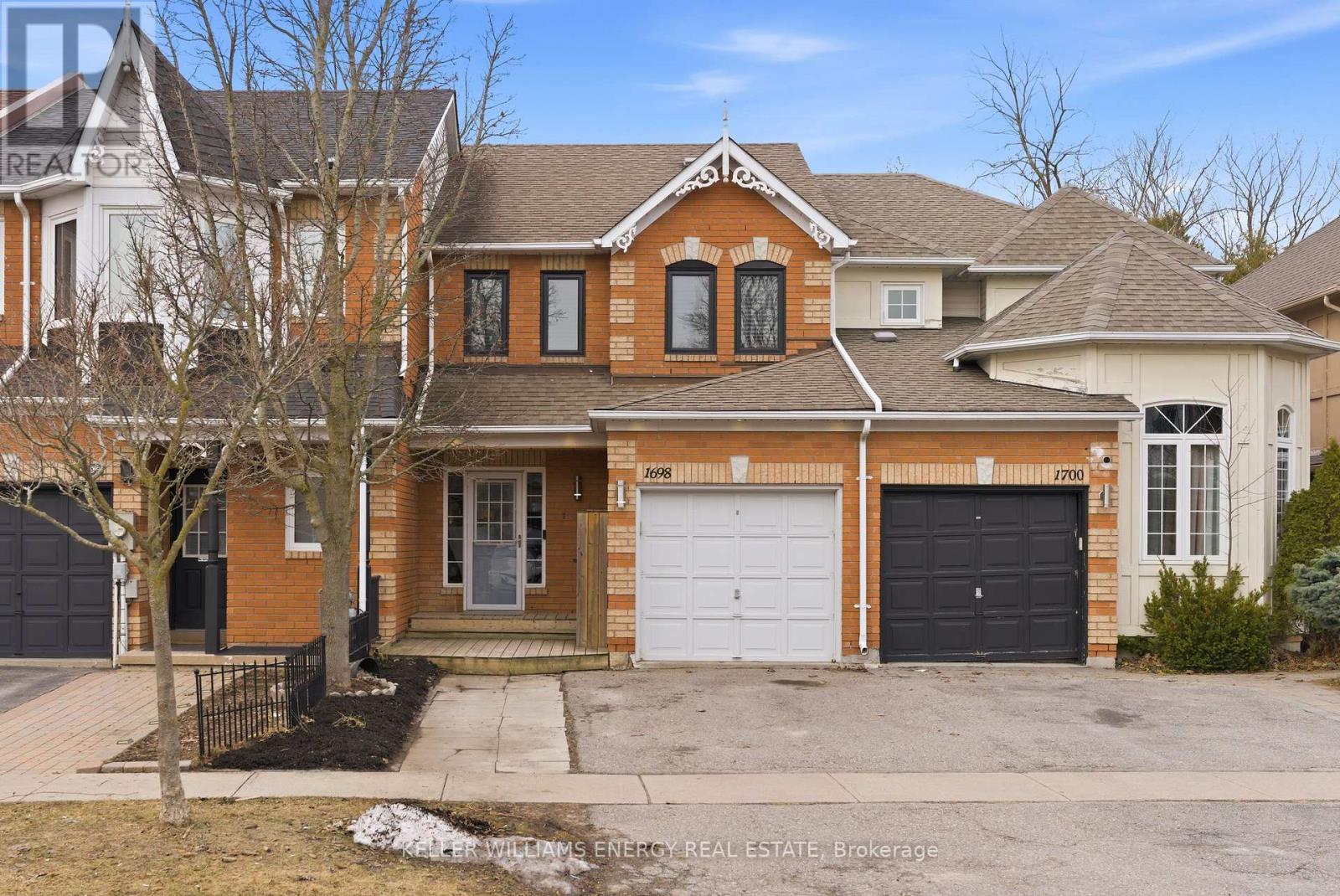 For Sale
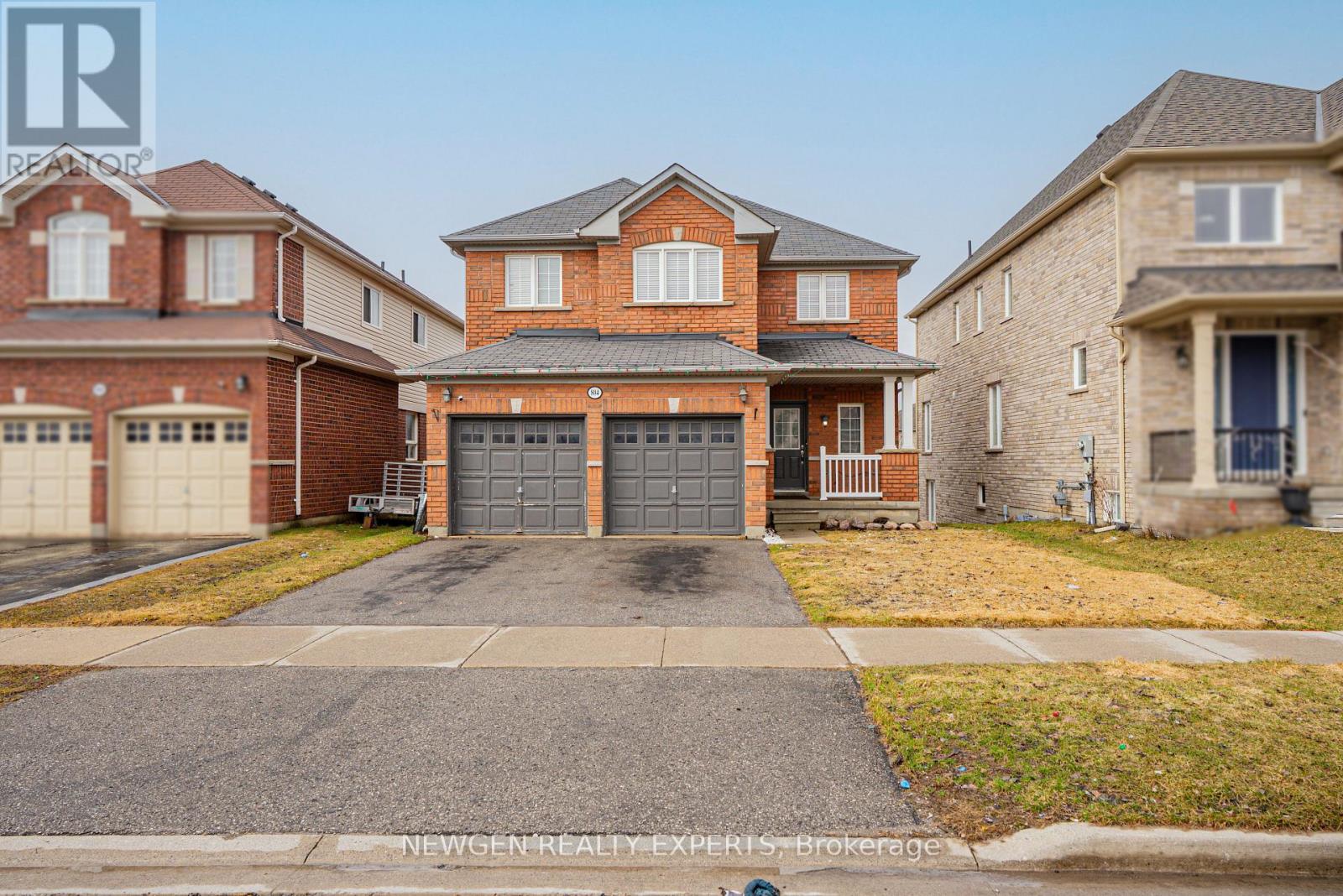 For Sale
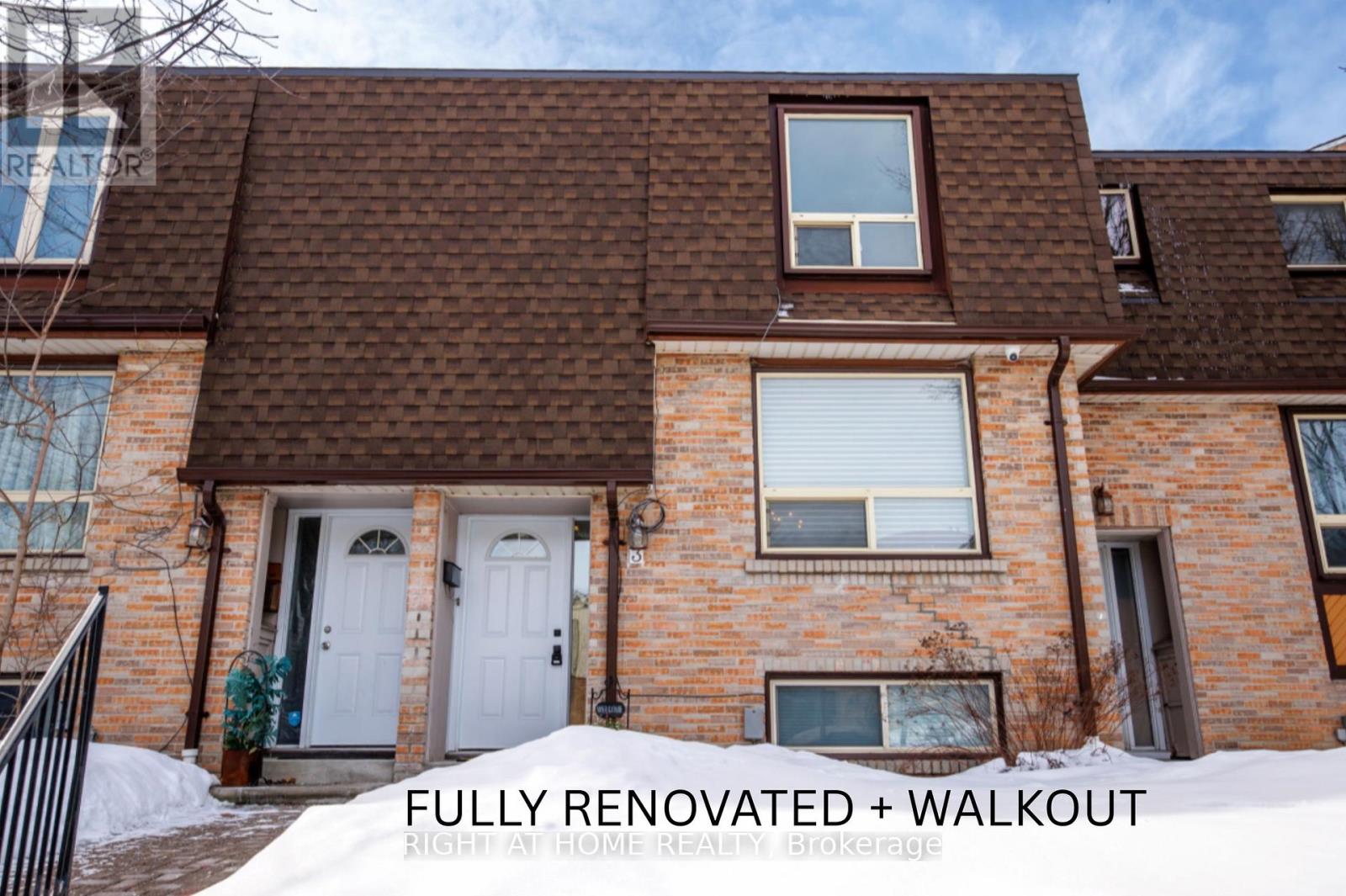 For Sale
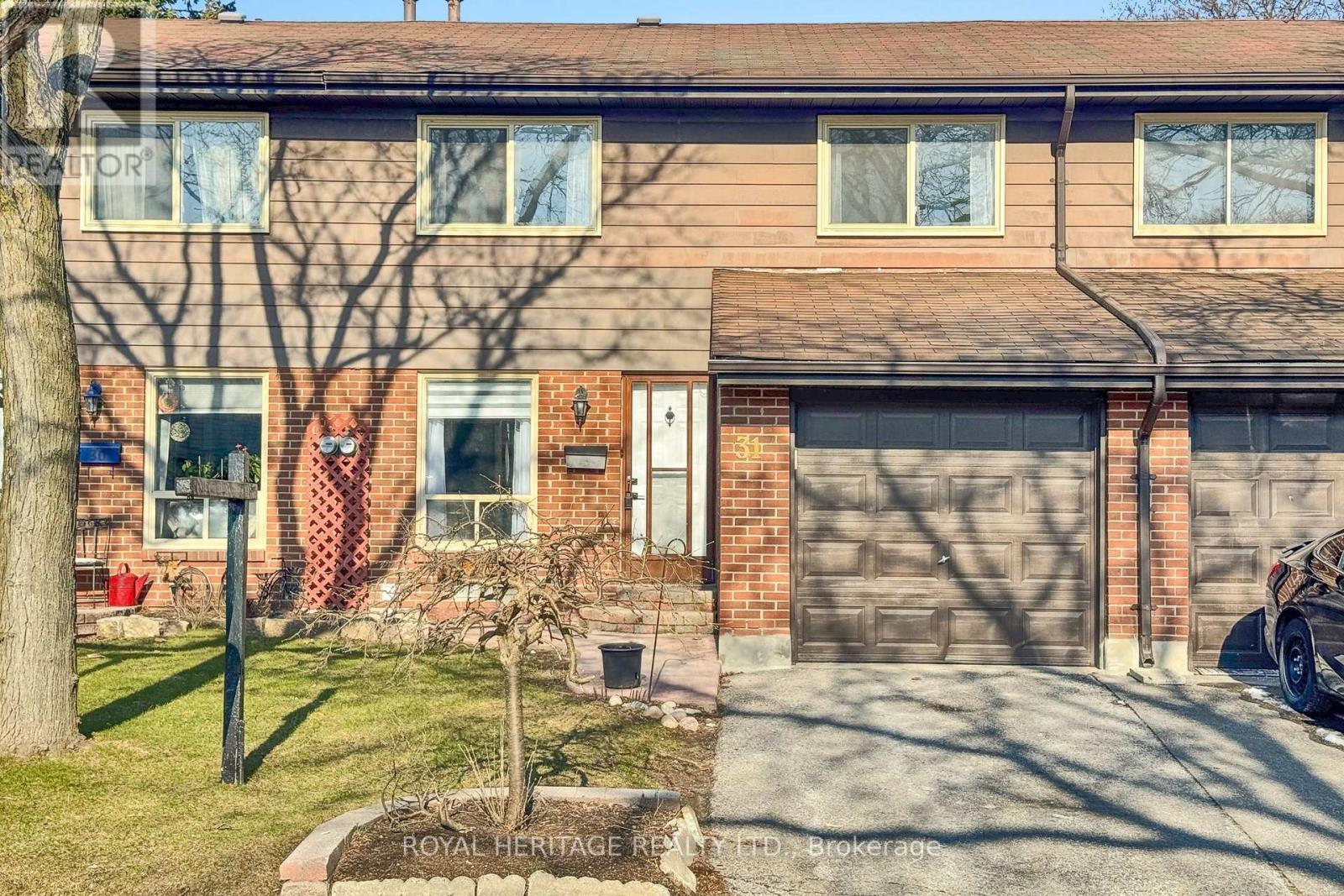 For Sale