
Scugog is the township around Lake Scugog at the north end of Durham Region, about 24,000 people on 474 square kilometres, with the town of Port Perry on the lake's west shore and farmland, hamlets and moraine around it. A house here costs a bit more than half the Toronto average and about 40 percent more than one in Oshawa, and there is no train: the drive is Highway 12 or Simcoe Street south to Whitby or Oshawa, then the 407 or the GO. The Scugog properties listed today appear below.
Scugog sits north of Whitby and Oshawa, east of Uxbridge and south of Kawartha Lakes, with Lake Scugog in the middle of it and Scugog Island, home of the Mississaugas of Scugog Island First Nation, in the middle of the lake. The township covers 474 square kilometres. The 2021 census counted 21,581 people, almost exactly the 2016 figure, and Statistics Canada’s estimate had reached about 24,000 by mid-2025. Port Perry, with about 9,500 people, is the only town. Blackstock, Caesarea, Greenbank, Seagrave, Nestleton and Prince Albert are hamlets, and the rest of the township is farms, woodlots and the north slope of the Oak Ridges Moraine.
The township was formed in 1974, when the townships of Reach, Cartwright and Scugog and the village of Port Perry were amalgamated and brought into the new Regional Municipality of Durham. Port Perry is older. Reuben Crandell settled the site in 1821, Peter Perry laid out village lots on the lakeshore in 1848, the village incorporated in 1871, and the first train on the Port Whitby and Port Perry Railway arrived in 1872. The grain elevator built on the waterfront in 1873 is the oldest still standing in Canada. Queen Street, the main street, is a run of Victorian brick storefronts that fill with visitors in summer.
A house in Scugog costs about 45 percent less than the Toronto freehold average, roughly the same as a house in Whitby, about a tenth more than one in Clarington and about 40 percent more than one in Oshawa. That’s the odd thing about Scugog’s prices: it’s further from Toronto than any of those places and dearer than Clarington and Oshawa. What sells here is land, lakefront and a town people choose. The township’s live figures are next to this text and update each day.
Almost everything for sale is a freehold house. Condos are rare and rentals rarer, with only a handful of either in the whole township at any time. Port Perry carries the highest average of the three areas, pulled up by the lakefront and the newer subdivisions; Rural Scugog, which is most of the listings, sits below it; and Blackstock, with a handful of listings, is the cheapest place in the township to buy a house.
Port Perry’s housing sorts into four rings. The streets around Queen Street have the Victorian and Edwardian two-storey brick houses of a prosperous nineteenth-century lake port, on mature lots a short walk from the water. Around them, the bungalows and split-levels of the 1950s to 1970s make up the township’s cheapest tier of houses, the ones first-time buyers and downsizers compete for. On the north and east edges of town, the subdivisions of the 1990s and 2000s are the GTA two-storey, detached and semi-detached, with a garage and a fenced yard. They are most of what a family moving from Durham’s cities will look at. Along the lake, the estates on the Lake Scugog shore and the island are the top of the market, and lakefront is the reason Port Perry’s average sits above the rural township’s.
Rural Scugog is a different purchase in every direction. The rural residential lot of two to ten acres, severed from a farm decades ago, with a well, a septic system and a house from any decade since 1850, is the most common. Working farms of 100 acres and more on the level clay land sell as farms, by the acre, and so do the hobby farms and horse properties that buyers from the city want. Waterfront on the east shore of the lake, around Caesarea and Nestleton, and on the island, runs from old cottages to year-round houses. Blackstock, the old centre of Cartwright Township, has the two-storey brick and frame houses that rural Ontario villages built between the 1870s and the 1920s, on village lots, with farms around them.
Across the township, going from three bedrooms to four adds about a third to the price, and from four to five about a quarter again, with the biggest houses on acreage and the lakefront. A two-bedroom, usually a bungalow in Port Perry or an old cottage on the lake, costs about half a four-bedroom.
There’s no condo market to speak of and no rental market. The few condos there are sit in Port Perry. If you want to rent in Scugog for a year before buying, you’ll be looking at a basement apartment or a house that comes up by word of mouth, because the listings will rarely show you one.
Scugog’s prices follow the GTA’s, with the same rates and lending rules, but the top of the market is set by a buyer the cities don’t have: the person selling a Toronto or Durham house and moving here on purpose, often with enough equity to pay cash for a lakefront or a farm. Lakefront and acreage are priced apart from the bungalows in Port Perry. Watch the two markets separately, because a sale on the lake tells you nothing about a sale on a 1960s street in town.
The family market in Port Perry’s subdivisions is a spring and fall market, timed to the school year, and quiet from mid-December to late January as everywhere in Durham. The farm market lists in spring, when the land can be walked and shows well. The waterfront market lists from May, when the lake is open and the docks are in, and a cottage that didn’t sell by Thanksgiving usually waits for the next spring.
Supply is small, and it matters. A township of 24,000 with one town has a short list of houses for sale at any time, and a single large subdivision changes the market. A subdivision of up to 1,355 homes on Reach Street on the west side of Port Perry went to a public meeting in June 2026. If it is approved and built, it adds those homes to a town of about 9,500 people, and the 1990s and 2000s streets that have been the newest in town will be priced against new construction for the first time.
There’s no train and no plan for one. What has changed prices is the road: the 407 reaching Highway 12 at Brooklin in 2016 took the worst of the drive out of the Port Perry commute, and the next thing of that kind is nowhere in sight. Buy here for the place, and don’t price in anything that isn’t built.
People move to Scugog on purpose. Nobody ends up in Port Perry because it was the next station down the line. The buyers come in a few kinds, and the neighbourhood pages describe them: retirees selling a GTA house and converting the equity into a lakefront or a village house with money left over; hobby farmers and horse owners who need acreage; families from Whitby, Oshawa and Pickering who want a town their children can walk across; and remote workers who have decided where to live rather than where to commute from.
What they get is a working town with a lake. Queen Street has restaurants, shops, a theatre and a waterfront park a block away, and on a summer Saturday the sidewalks are full. Lake Scugog is shallow and warm, which makes it a boating, fishing and swimming lake rather than a scenic one; it joins the Trent-Severn Waterway, so a boat launched at Port Perry can reach Georgian Bay or Lake Ontario by water. The hospital is in town, the high school is in town, and the arena, the fairgrounds and the library are a walk from most of it.
What they give up is time and choice. The drive to Toronto is a long one, and there’s no train to fall back on. Port Perry has one supermarket run, one high school and one hospital, and a specialist appointment means a drive to Oshawa or Toronto. A concession-road house means a well, a septic system, a long driveway to plough and a propane or oil tank to fill. Internet on the back roads is a question to ask before you offer.
Each of Scugog’s three areas has a page of its own.
Port Perry is the town: about 9,500 people on the west shore of Lake Scugog, a Victorian main street on Queen Street, Palmer Park and the waterfront a block below it, the hospital, the high school, the arena and the fairgrounds. Housing runs from the nineteenth-century brick houses around downtown through the 1950s to 1970s bungalows that are the township’s cheapest tier, to the 1990s and 2000s subdivisions on the north and east sides and the lakefront estates. Its average is the highest of the three areas because the lakefront is in it. The Reach Street proposal on its west side is the one thing that could change its size.
Blackstock is the old centre of Cartwright Township in the northeast, a hamlet of about 800 people founded in 1851, with 1870s to 1920s brick and frame houses on village lots and farms on every side. It has the township’s lowest house prices and a handful of listings in a year, and its buyers want a village without a town’s prices.
Rural Scugog is everything else and most of the land: the hamlets of Greenbank, Seagrave, Prince Albert, Caesarea and Nestleton; the farms on the clay plain; the drumlins and woodlots of the moraine’s north slope; the east shore of the lake and Scugog Island. A farm, a two-acre severed lot and a lakefront cottage can sit at the same crossroads and have nothing in common on price, and the page explains how each one is bought.
The three pages go through the streets, the schools, the roads and what properties have sold for.
Scugog has no GO train and no GO station. The nearest stations are Whitby GO and Durham College Oshawa GO, both on the Lakeshore East line with all-day two-way service and about an hour to Union, and both a drive south from Port Perry. A Toronto commuter from Scugog drives south on Highway 12 or Simcoe Street to the 407 or the 401, and either drives the whole way or parks at a GO station and takes the train. The 407 interchange at Highway 12 in Brooklin, open since 2016, is the fast way south; the toll is a daily cost, and the free alternative is the 412 down to the 401 at Whitby, or Simcoe Street into Oshawa.
Highway 7A runs east-west through Port Perry, west to Manchester and Highway 12, east through Blackstock to Highway 35/115 at Bethany. Highway 12 runs north through Greenbank and Sunderland to Beaverton and Orillia, and Highway 7 shares the road with it from Manchester north. Those two roads are how the township connects to everything, and they are two lanes for most of their length.
Durham Region Transit runs what public transit there is. Route 905C connects Port Perry to Uxbridge every hour or two. Route 618 runs weekdays from the Port Perry terminal north to Beaverton along Highways 7 and 12. At morning and afternoon peaks, the 618A runs to Simcoe Street and Commencement Drive in north Oshawa, at the Ontario Tech and Durham College campus, where it meets the Oshawa bus network. There’s no direct bus to a GO station, so plan on driving.
The township has two public airfields for small aircraft. Cycling is on country roads and the lake, not on dedicated paths, and the roads are faster than they look.
Lake Scugog is a made lake. William Purdy dammed the Scugog River at Lindsay in 1834 to power his mill, the water rose about ten feet over the marsh behind it, and the township has had a 68-square-kilometre lake with an average depth of 1.4 metres ever since. It is weedy, warm and full of fish, with largemouth bass, walleye, crappie, perch and muskellunge, and it draws anglers all year, including through the ice. It is part of the Trent-Severn Waterway through the Scugog River to Sturgeon Lake, so a boat from Port Perry can go anywhere the waterway goes. Palmer Park on the Port Perry waterfront has the beach, the docks, the boat launch and the summer festivals, and the Scugog Shores museum village on the island tells the lake’s history.
Scugog Island is joined to Port Perry by a causeway and shared between the reserve of the Mississaugas of Scugog Island First Nation, the Great Blue Heron Casino and hotel, farms, cottages and the year-round houses that have replaced many of them. The east shore of the lake, around Caesarea and Nestleton, is the quieter waterfront.
South and west of the lake the land rises onto the Oak Ridges Moraine, and the township’s hiking is there: the Nonquon River winds through the Nonquon Provincial Wildlife Area on the west side of the lake, and the conservation authority’s Purple Woods sits on the ridge just over the Oshawa line. The drumlins between Blackstock and Port Perry are the view from most concession roads.
Inside Port Perry, Birdseye Park and the trail along the lake connect the subdivisions to the waterfront, and the fairgrounds host the Port Perry Fair on Labour Day weekend. Outside the town there are no sidewalks, so a walk means a concession road.
Queen Street in Port Perry is the retail centre of the township: independent shops, restaurants, cafés, a theatre and the lake at the end of the street. The supermarkets, the hardware store and the big-box retail are on the edge of town, and for a mall, a department store or most chains, Scugog drives to Whitby or the Oshawa Centre. Blackstock and the hamlets have a general store or nothing.
Lakeridge Health Port Perry on Paxton Street is a 24-bed community hospital with a 24-hour emergency department, surgery, a maternity program and about 180 staff and 20 physicians. It burned in August 2017, closed for a year and reopened in September 2018. For anything beyond its scope, the next hospital is Lakeridge Health Oshawa, with the regional cancer centre.
The Great Blue Heron Casino on Scugog Island, owned by the Mississaugas of Scugog Island First Nation and open since 1997, is the township’s largest private employer, and in 2021 it added a 100-room hotel and 20,000 square feet of gaming floor. The hospital and the Schneider’s meat plant on the edge of Port Perry are the other large employers. Most other jobs are a drive away in Whitby, Oshawa, Markham or Toronto.
Scugog is in the Durham District School Board for English public schools and the Durham Catholic District School Board for Catholic ones, the same boards as Oshawa and Whitby. The public board runs five elementary schools in the township and one secondary school, Port Perry High School, which opened as a grammar school in 1868 and had about 910 students in 2021-22. It’s a dual-track school, so French immersion continues there through Grade 12 without a bus to Whitby; immersion starts in Grade 1 at a designated elementary school. The Catholic board has one elementary school, in Port Perry, and Catholic secondary students travel to a school outside the township.
There’s one high school. A family moving from a city with a choice of programs should look at what Port Perry High offers before deciding, because there is no second option without a long drive. The hamlets are bused.
There’s no college or university in Scugog. Ontario Tech University and Durham College’s north Oshawa campus are the closest, down Simcoe Street, and the 618A bus runs there at peak hours. Trent University’s Durham campus is in Oshawa and its main campus in Peterborough, east along Highway 7A.
Not much yet. Scugog’s assessment grew enough from new houses in 2025 for the township to cut its proposed 2026 tax increase from 5.54 to 4.12 percent. The Reach Street proposal is the one to watch: Malone Given Parsons applied in 2026 for a plan of subdivision on 1520 to 1580 Reach Street on the west side of Port Perry with between 900 and 1,355 homes. The plan has 28 blocks of singles, semis and townhouses, two blocks of condominium townhouses, four blocks of mid-rise and mixed-use buildings, one of them with a long-term care home, a park, and industrial blocks on the edge. It needs an official plan amendment to turn industrial land to residential, council held a public meeting on 15 June 2026, and residents asked for a deferral. Nothing is approved.
The township is also deciding the future of the Port Perry Fairgrounds, the open land beside the arena that hosts the Labour Day fair. A visioning study was awarded in September 2025 over residents’ objections, and in July 2026 council deferred the decision to 2027. Whatever happens there changes the middle of town.
Smaller things are moving. The township moved the Queen Street corridor study to 2028 and the Queen and Perry Street roadworks to 2031, so the main street stays as it is for the rest of the decade. The Region of Durham’s 2026 budget added 4.8 percent to its share of the township’s tax bills, most of it for police.
No train, no highway and no mall is planned for Scugog. A buyer who wants the place unchanged can have it; the Reach Street decision is the only thing on the table that would make Port Perry a different size.
Is Scugog cheaper than Toronto?
Yes, by about 45 percent for a house, but it isn’t cheap for where it is: a house in Scugog costs about the same as one in Whitby, a tenth more than one in Clarington and about 40 percent more than one in Oshawa, all of which are closer to Toronto and two of which have GO trains. The reason is what sells here. Scugog’s market is lakefront, acreage and a town people choose, and the buyer at the top of it is paying cash from a city house. Four bedrooms cost about a third more than three, five bedrooms about a quarter more again, and the cheapest houses in the township are the 1950s to 1970s bungalows in Port Perry and the village houses in Blackstock. There are almost no condos and almost nothing for rent, so the Toronto buyer’s usual first step, renting for a year, barely exists here. Property tax runs the other way. The township raised its own share of the 2026 bill by 4.12 percent, about $6.55 a month on an average home, with four points of that for roads and buildings, and the Region of Durham added 4.8 percent to its share. Add the second car if the move means one, and on a rural house add the well, the septic system and the fuel tank the city house didn’t have. Put all of it into the monthly budget before comparing mortgages.
How do you commute from Scugog to Toronto?
You drive, and you drive to a station before you see a train. Scugog has no GO station; the nearest are Whitby GO and Durham College Oshawa GO on the Lakeshore East line, with all-day service and about an hour to Union, and from Port Perry each is a drive down Highway 12 or Simcoe Street first. The whole trip by car, Port Perry to downtown Toronto, is a long one and longer in snow or at 8am. The 407 from Highway 12 at Brooklin, open since 2016, is the fast part of it and charges a toll every time. The free routes are the 412 to the 401 at Whitby or Simcoe Street into Oshawa, and both put you on the 401 through Scarborough. Public transit will not get you there: Durham Region Transit’s 905C runs to Uxbridge, the 618 to Beaverton, and the 618A at peak hours to the Ontario Tech campus in north Oshawa, with no direct bus to a GO station. Of the two stations, Whitby GO is reached by the 412 from Highway 12 at Brooklin, and Durham College Oshawa GO down Simcoe Street; Oshawa is the first stop on the line, so you get a seat. Decide how many days you’ll drive before you buy, and if the answer is five, buy in Whitby.
Which part of Scugog should a family choose?
Port Perry, unless you need land. The town has the only high school, the hospital, the arena, the library, a main street a child can walk to and the subdivisions of the 1990s and 2000s that give a family a detached house with a yard a few blocks from all of it. The north and east sides of town are where those houses are, and the bungalow streets closer to downtown are the cheaper way in for a family that can live in a 1960s house. Lakefront is for the family with the budget for it and the patience for a shallow, weedy lake that is at its best in July and frozen in January. Blackstock suits a family that wants a village with its own elementary school and farms on every side, at the lowest prices in the township, with the drive to Port Perry High every morning. The rural concessions suit a family with horses, a trade that needs a shop, or a remote job, and a tolerance for ploughing a long driveway. In all of them the school is settled: one public high school, Port Perry High, dual-track with French immersion, and five public elementaries whose boundaries the Durham District School Board publishes. Check the elementary boundary for the house if a specific school matters, and check the bus if the house is outside town, because most Scugog children ride one.
Is a Scugog waterfront or farm property a good investment?
As a place to live, often; as an investment, only if you understand what you’re buying. Lake Scugog is a shallow, man-made lake with an average depth under a metre and a half, and lakefront here is priced for that. A buyer gets a year-round house on the water within a drive of Toronto, and the Trent-Severn connection means the boat goes further than the lake. What a buyer must check is the shoreline: weed growth, water depth off the dock, the age of the septic system, whether the cottage was ever permitted as a year-round dwelling, and how the lot is zoned under the township’s and the conservation authority’s rules. Farms and acreages are a different purchase again. A working farm sells by the acre and by its soil, drainage and barns, and a hobby farm or horse property is bought for its house, its outbuildings and its fences; both sit inside the Greenbelt and the Oak Ridges Moraine plans, which limit severances and new uses, so the lot you buy is usually the lot you’ll always have. None of these properties rents easily, there’s no rental market to fall back on, and carrying costs on a well, a septic and a long driveway are real. Buy them to use. If you need the asset to pay you, look at the Port Perry bungalow market instead, where a house with a basement apartment is the closest thing the township has to an income property.
Scugog has two markets a Toronto agent won’t separate: the Port Perry bungalows and subdivisions, and the lakefront and acreage, bought by people selling a Toronto or Durham house and often paying cash. Nor will they know that a 1,355-home subdivision on Reach Street went to a public meeting in June 2026, which west-side streets back onto that land, or that Port Perry High School runs French immersion through Grade 12 without a bus to Whitby.
The agent we refer Scugog buyers to knows which farms have tile drainage and what a septic inspection on a 1970s cottage usually finds. Bring them a brief: a Victorian a walk from Queen Street, or a year-round house on the lake with a dock in deep water. They’ll tell you what the township and the conservation authority will let you do with the lot, and whether a cottage still listed after Thanksgiving is waiting for spring or for a price cut.
Start with the three area pages above, then ask us to introduce you.
Street-level knowledge is hard to find online. Our team works in Scugog every day. They know which pockets hold value, where the school catchment lines actually fall, and what the market is doing right now. Talk to us before you make a decision about Scugog.
Talk to a local agent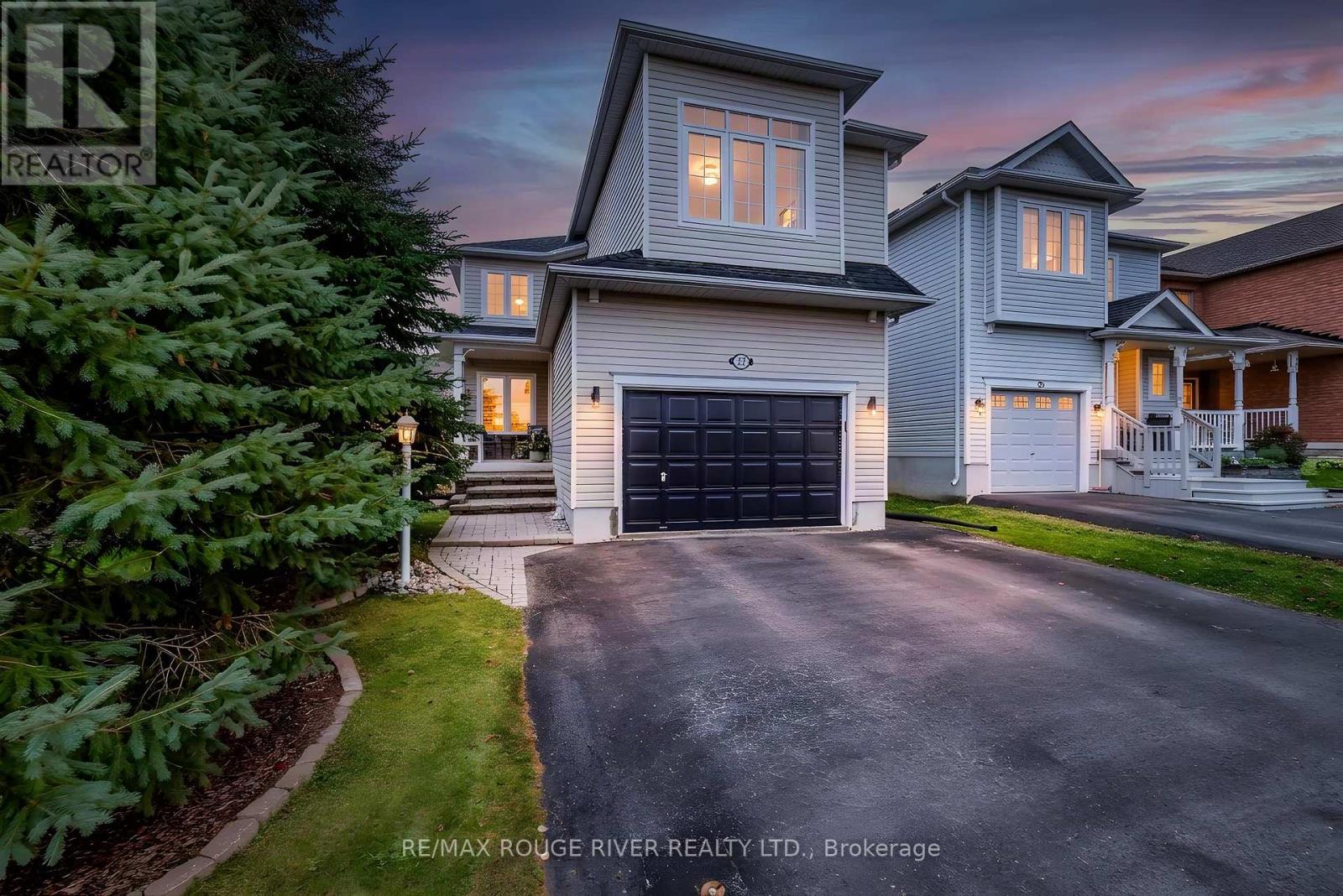 For Sale
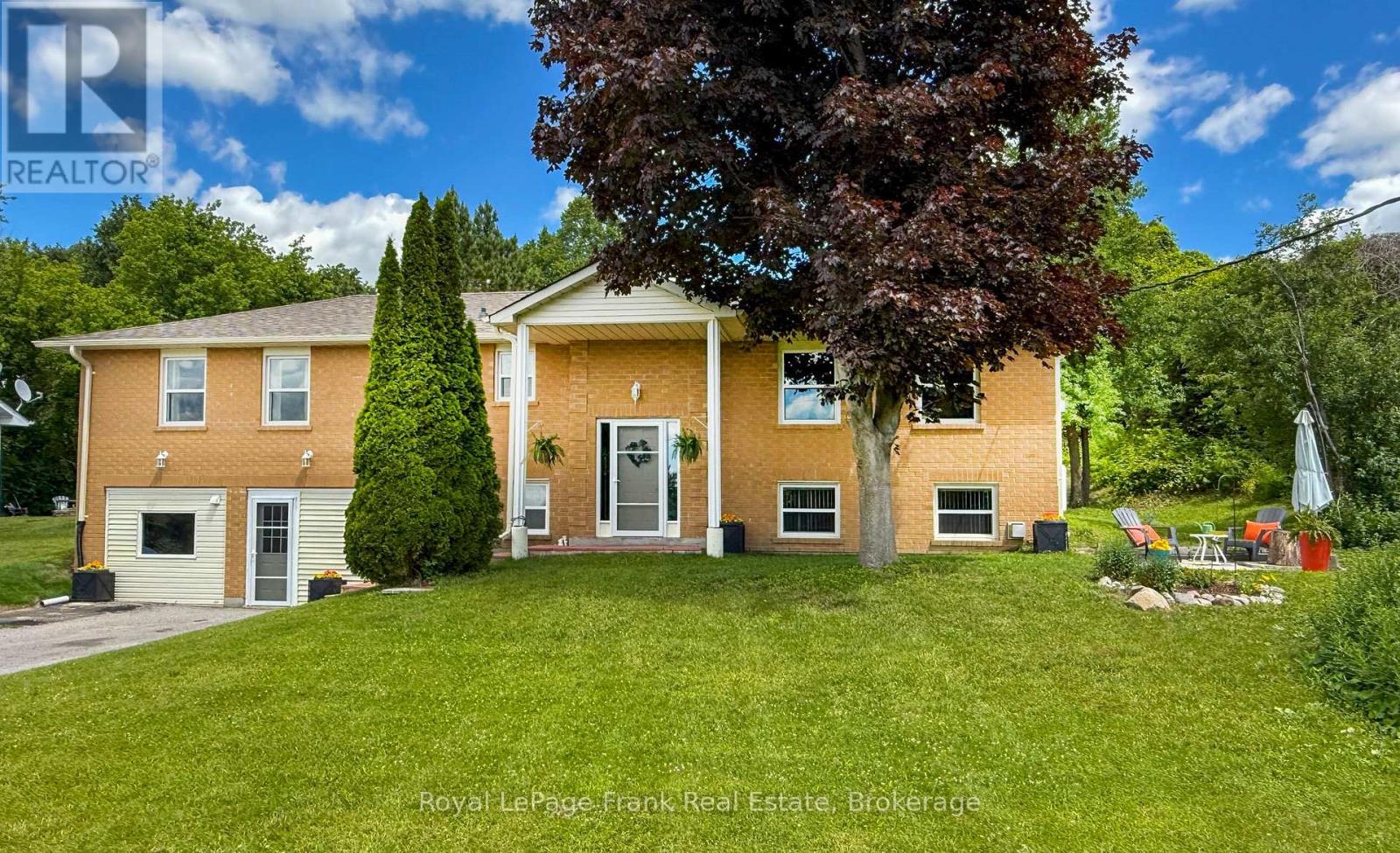 For Sale
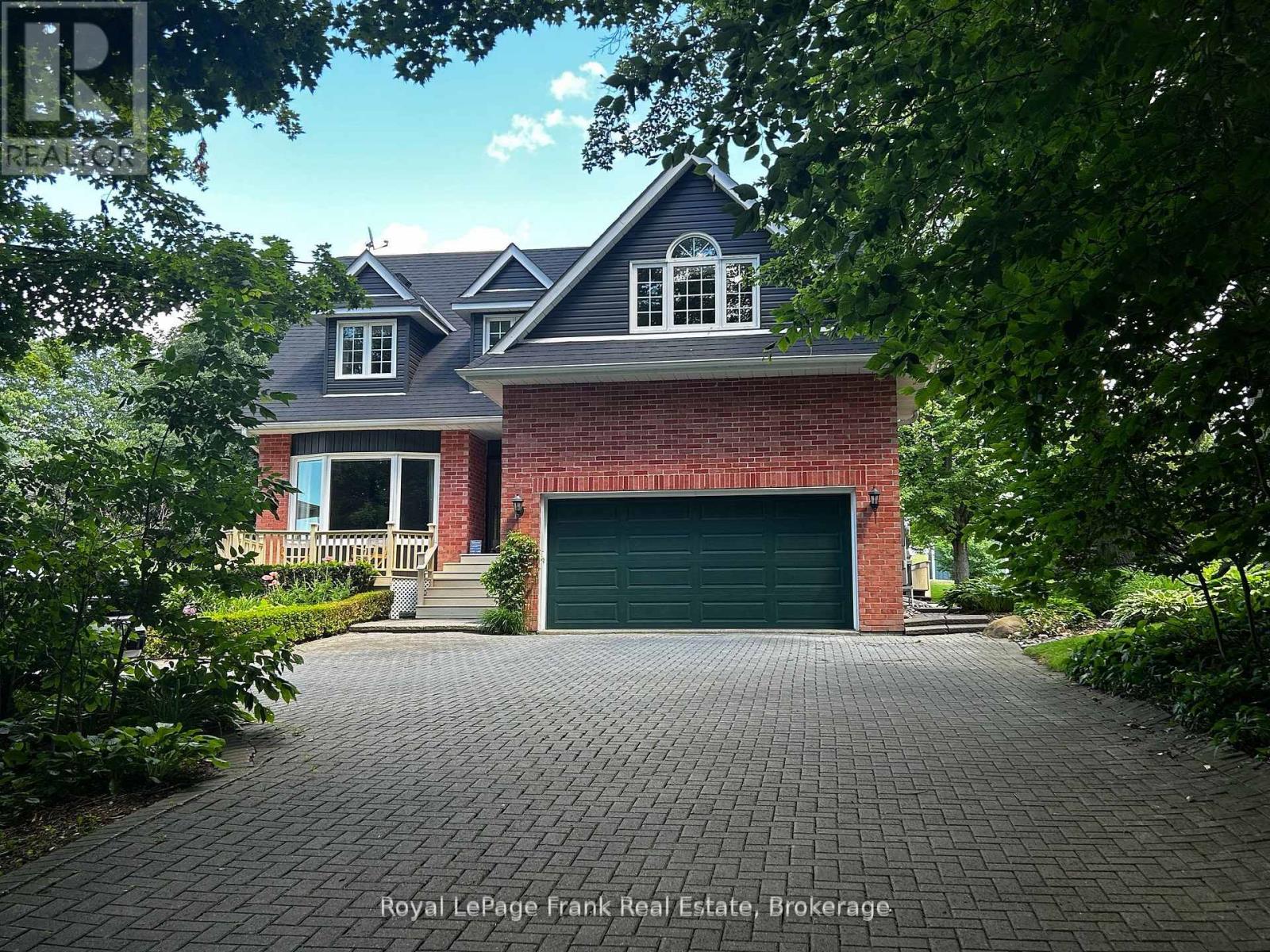 For Sale
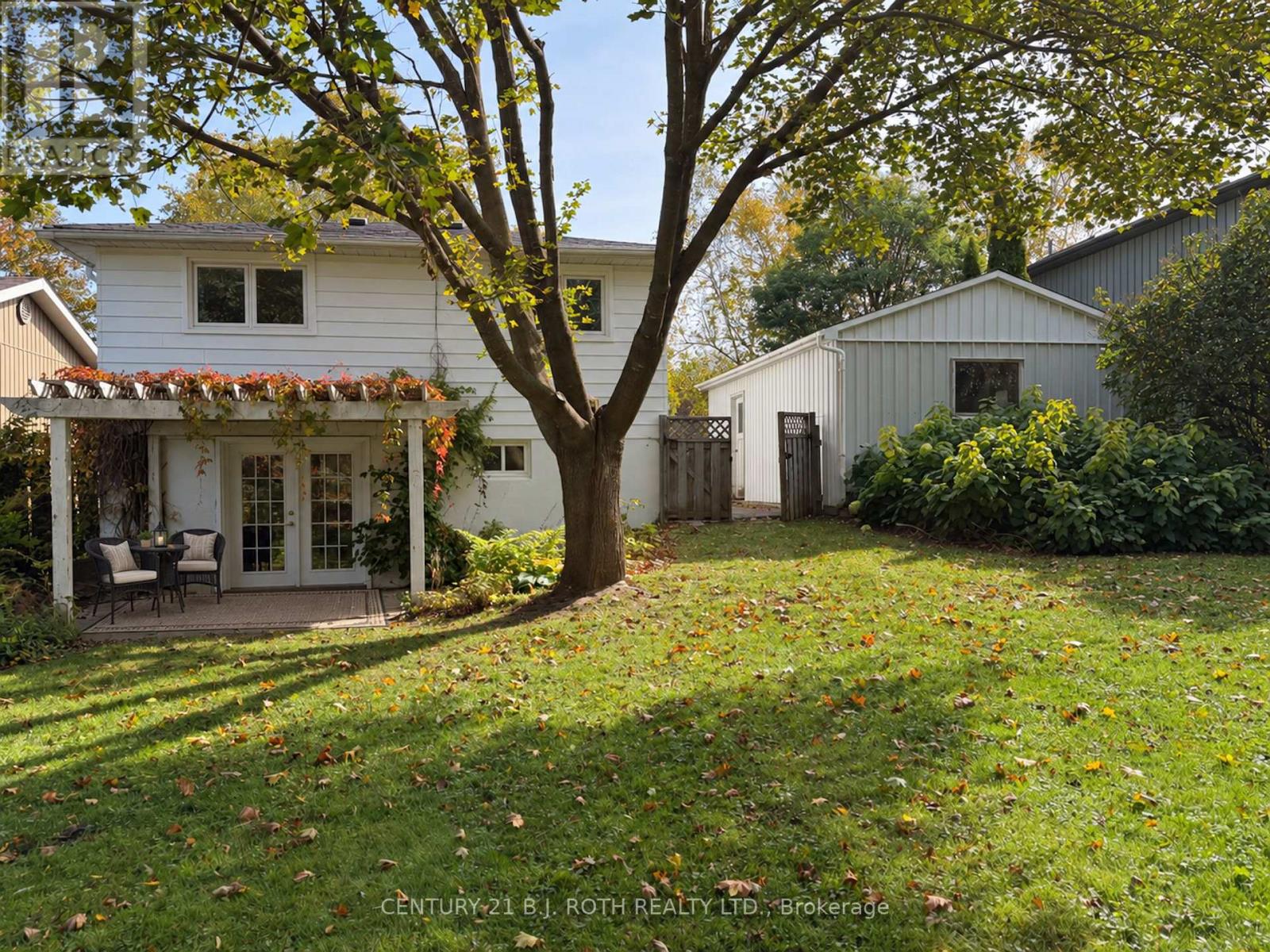 For Sale