
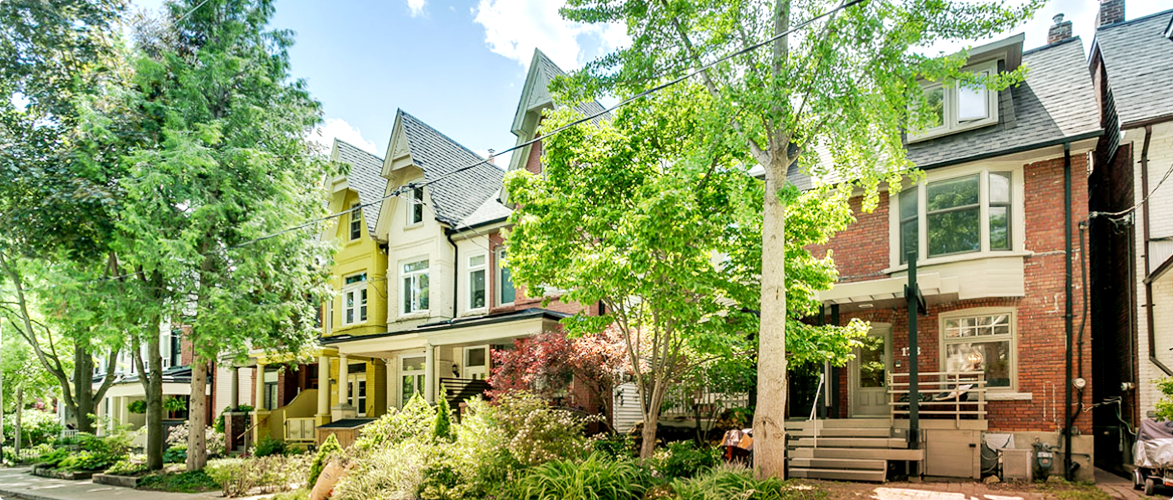
Seaton Village sits between Bathurst Street and Christie Street, with Bloor Street West along its southern edge and Dupont Street to the north, a small residential enclave that most buyers outside the area know as "the western Annex" or "the Christie area." The housing stock is Victorian and Edwardian brick semis built between the 1890s and 1920s on streets like Albany Avenue, Palmerston Avenue, and Major Street, selling in the $1.1 to $1.5 million range in early 2026, a meaningful discount to the Annex proper across Bathurst, with the same housing era and the same Bloor subway access. Christie Pits Park anchors the southeastern corner of the neighbourhood, with baseball diamonds, a swimming pool, and more history than most Toronto parks carry.
The name Seaton Village doesn’t appear on most maps, and plenty of buyers who live here describe it differently. Some say they live in the Annex. Some say near Christie station, or west of Bathurst, or by Christie Pits. The neighbourhood sits between Bathurst Street to the east, Christie Street to the west, Bloor Street West along the south, and Dupont Street to the north. It’s small and genuinely residential in a way that distinguishes it from the Annex proper, which picks up institutional density the further east you go toward the university.
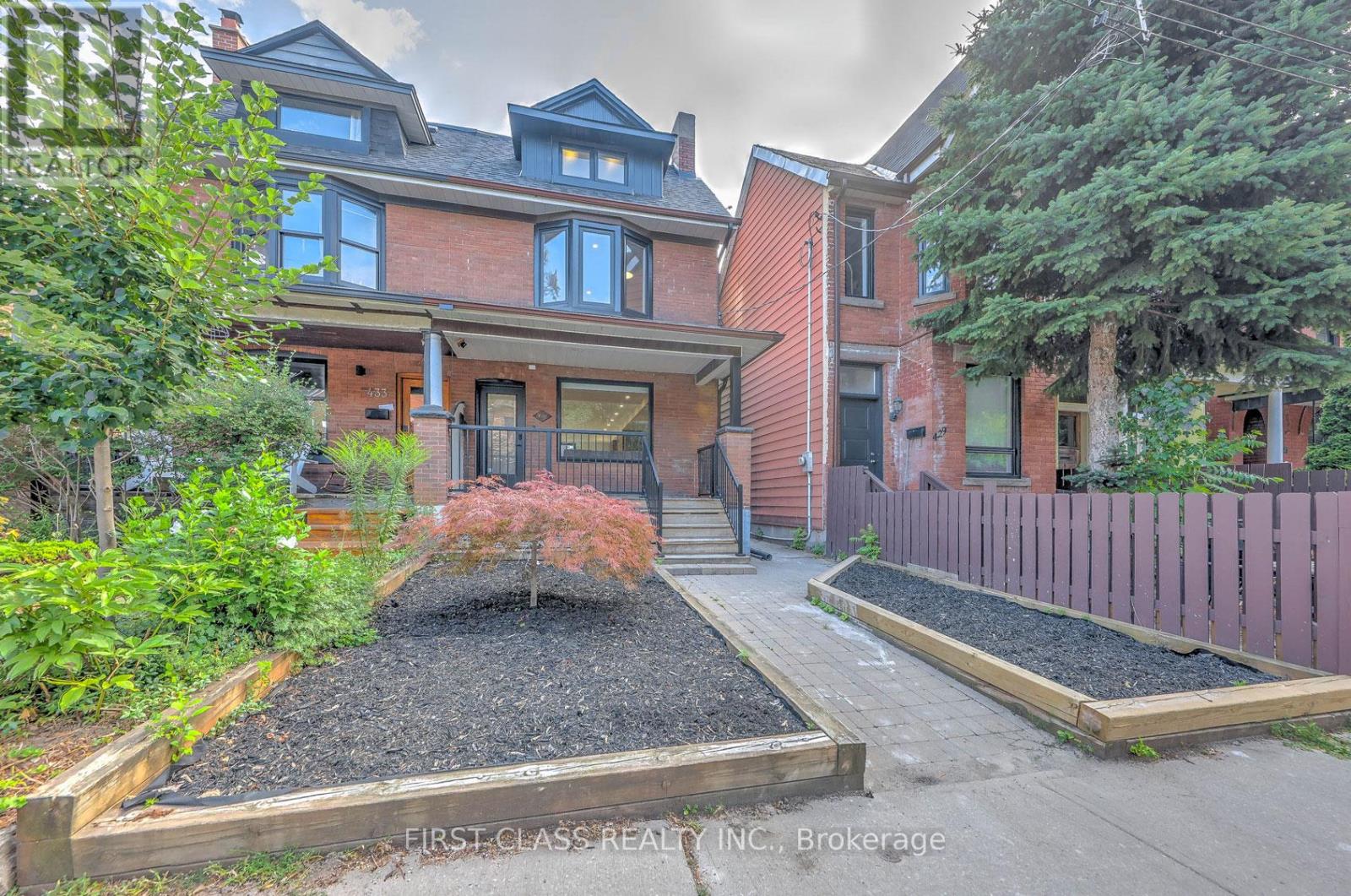
The housing stock is the tell. Albany Avenue, Palmerston Avenue, Major Street, and Kendal Avenue are lined with Victorian and Edwardian brick semis built between the 1890s and 1920s, the same era and construction type as the Annex east of Bathurst. The lot sizes are narrow, the frontages are tight, and the architectural character is consistent from block to block. What’s absent is the larger detached stock and the occasional institutional building you find in the Annex’s interior streets. Seaton Village is more uniform and, for that reason, quieter in feel.
Christie Pits Park occupies the southeastern corner, bounded by Bloor, Christie, and Barton Avenue. It’s a meaningful green space by Toronto standards: baseball diamonds, a swimming pool, a sledding hill in winter, and enough space that it doesn’t feel crowded even on a busy summer afternoon. The park anchors the neighbourhood visually and socially, drawing residents down to the Bloor and Christie corner consistently from May to September.
The typical purchase in Seaton Village is a Victorian or Edwardian brick semi: two and a half storeys, three bedrooms, one and a half to two bathrooms, rear lane access, and a century of renovation decisions behind it. The best blocks are Albany Avenue north of Bloor, Palmerston Avenue, and Major Street. On these streets, a well-renovated semi with a functional kitchen, updated bathrooms, and original hardwood floors trades in the $1.25 to $1.5 million range in early 2026. Properties closer to the Bloor and Bathurst corner, with subway proximity built into their location, sit toward the upper end of that range.
Detached homes exist in the neighbourhood but they’re outnumbered by semis. A detached in good condition on a standard 20-foot lot starts around $1.5 million. Larger detached properties on deeper lots have reached $2 million, though that price requires a well-presented home on one of the better streets.
There’s no meaningful condo stock within the Seaton Village boundary. The Bloor Street edge has some mid-rise buildings, but buyers looking for a condominium in this part of the city are usually shopping the Annex or the streets around Bloor and Spadina instead. Seaton Village is essentially a freehold neighbourhood, which is part of why its buyer profile skews toward people ready to own and maintain a house rather than a unit.
Parking follows the same pattern as the Annex: the Victorian semis were built before cars and many lots don’t have dedicated parking. The lanes behind some blocks have pads or garages, but this varies by street and by individual property. Buyers who need to bring a car home daily should treat parking as a non-negotiable item to confirm before making an offer, not a detail to sort out afterward.
Seaton Village trades at a discount to the Annex east of Bathurst, and that discount is the defining market fact for buyers considering this neighbourhood. The gap has held at roughly 20 to 30 percent for equivalent housing in recent years. A semi that would sell for $1.6 million on a comparable Annex street sells for $1.2 to $1.3 million on the Seaton Village side of Bathurst. The transit access is the same. The housing era is the same. The price gap reflects the Annex’s stronger brand recognition among buyers and its deeper buyer pool, particularly from U of T-connected households who specifically want to be east of Bathurst.
In early 2026, well-priced semis in good condition are still attracting competitive offers, particularly in the spring window. The neighbourhood doesn’t produce the concentrated bidding wars seen in Trinity Bellwoods or the Annex at peak, but good properties don’t sit. Properties that are overpriced relative to the comparable sales data do sit, and sellers who test the market often come back to a realistic number within a few weeks.
The northern edge of the neighbourhood, within a block of Dupont and the rail corridor, runs at a further discount. Buyers willing to absorb the noise and the location can find better value there, but the discount exists for a reason. Properties on Kendal Avenue and the northern ends of Albany and Major are the ones to investigate if budget is a constraint and noise tolerance is high.
Spring is when competition peaks. February through May produces the most active buyer pool. October is the second seasonal window. December and January are slower, and listings in that period tend to carry more room on price.
Three buyer profiles account for most purchases in Seaton Village. The first is families who looked at the Annex and found the prices prohibitive. Seaton Village offers the same transit access, the same housing era, a real park, and a quieter residential interior at a price point that makes the numbers work. For a household that needs three bedrooms and a backyard but can’t absorb a $1.6 million price tag, the western side of Bathurst makes practical sense.
The second profile is academics. The University of Toronto’s St. George campus is a 20-minute walk east, down Bloor or through the Annex. Professors and senior researchers who want to walk to campus from a residential block, rather than live in a condo or in the institutional density of the Annex itself, find Seaton Village fits that preference. The neighbourhood has enough critical mass of this buyer type that it shows in the character of the streets: well-maintained houses, long-term ownership, people who use the neighbourhood rather than just sleeping in it.
The third profile is professionals in their mid-30s to mid-40s who need the Bloor subway line but don’t have a strong preference for the Annex address specifically. They’re choosing on value: same transit, similar housing, lower price. The Annex carries a prestige premium that some buyers want and some are indifferent to. The buyers who are indifferent often end up in Seaton Village and find they don’t miss what they didn’t pay for.
The northern boundary of Seaton Village is the single thing buyers underestimate most consistently. The Barrie GO and Kitchener rail corridor runs along Dupont Street, and freight trains use this line including overnight runs. Properties on Dupont itself are exposed, but so are addresses on the residential streets within a block of the corridor: the northern stretches of Albany Avenue, Palmerston Avenue, and Major Street, and the full length of Kendal Avenue between the tracks and the interior of the neighbourhood. The noise pattern isn’t constant, but it’s real. Visit the property on a weekday evening and make a point of returning after 10 p.m. on a weekend. The difference between a property that backs onto the lane one block south of Dupont and one that faces the street one block south is meaningful. Walk both.
The street within Seaton Village matters more than buyers initially account for. Albany Avenue is the most sought-after address in the neighbourhood: wider lot widths on some parcels, mature tree canopy, consistent renovation quality, and a stretch from Bloor to Dupont that holds its value well. Major Street is similar in character and slightly less expensive. Palmerston has comparable appeal but stretches further north toward the rail corridor, so the southern blocks outperform the northern ones. Kendal, running east-west between Christie and Bathurst, has the quieter interior feel but sits close enough to Dupont that the northern edge of the street is affected by corridor noise.
Christie Pits Park is a genuine asset, and the blocks that back onto or face the park command a modest premium. Properties on Barton Avenue, which runs along the park’s northern boundary, get park proximity without being on the Bloor commercial strip. Walk those blocks on a Saturday afternoon to understand what park proximity actually means: it’s active and social from May to September, quieter from October through April.
Seaton Village buyers arrive well-informed. Most have already looked at the Annex, run the numbers, and decided to explore the west side of Bathurst specifically because the value case is clear to them. They know the comparable sales. They’ve walked the streets. A seller who prices based on what they paid plus what they’ve spent on renovations, rather than what comparable semis have actually sold for in the past six months, will find the market teaches them the lesson quickly.
The houses that sell fastest and at the strongest prices here are the ones that have respected the Victorian character rather than worked against it. Original hardwood refinished. Brick exposed where it runs inside. The kitchen updated to function well without trying to turn a 130-year-old semi into something it isn’t. Buyers in this neighbourhood are specifically choosing this type of house over a condo or a newer build. They notice when a renovation has been done to sell rather than done to live in, and they price their offers accordingly.
The spring window, February through May, is when the deepest buyer pool appears. A well-prepared listing in March or April, priced correctly against the recent comparable sales on Albany and Major, will find competition. The same house listed in August, without the benefit of the spring buyer concentration, will likely wait longer and close at a lower number. If you have flexibility on timing, spring is worth waiting for.
Christie Pits Park is more than a green space. It’s a 14.5-hectare site with a working history behind it: baseball has been played at the Pits since the late 19th century, and the park’s diamond is still in active use by community leagues through summer. The swimming pool at the Christie Street end operates from late June through Labour Day. The sledding hill off Bloor runs as long as there’s snow, and it’s steep enough to be worth the walk over from the Annex. None of this is decorative. It’s a neighbourhood park that the neighbourhood actually uses.
Bloor Street West along the southern boundary of Seaton Village runs between Bathurst station and Christie station, and this stretch does the work of a proper commercial strip. The Brunswick House, at Bloor and Brunswick just east of Bathurst, has been a Toronto institution for generations. Saving Grace, Doris, and the string of coffee shops near Christie station handle the neighbourhood’s daily routines without requiring a trip elsewhere. The LCBO at Bloor and Brunswick covers the practical errand. The stretch isn’t flashy, but it’s functional in a way that residents value once they’re used to it.
North of Bloor, the neighbourhood is almost entirely residential. Dupont Street at the northern boundary has a handful of businesses but it’s not a commercial strip in any meaningful sense. The neighbourhood lives on Bloor and in the park, and the interior streets between them are quiet in a way that people who chose the Annex and found it too busy will appreciate.
Seaton Village is bracketed by two Bloor-Danforth subway stations: Bathurst to the east and Christie to the west. Most addresses in the neighbourhood are within a 10-minute walk of one of them, which makes transit access one of the neighbourhood’s clearest practical strengths. The Bloor line runs express to downtown in under 15 minutes from either station during peak hours. The transfer at Spadina connects to the University line and puts the St. George campus within a few stops for anyone commuting to U of T.
The Dupont bus runs along the northern boundary of the neighbourhood and connects west to the Annex and east toward the Davisville area, providing a transit option for residents whose destinations aren’t on the Bloor line. It’s a local route rather than a rapid transit connection, but it does the job for short trips.
Cycling is viable and has improved. The Bloor bike lanes run east from Christie through the Annex, connecting toward downtown and the Waterfront Trail. The interior streets of Seaton Village are quiet enough that cycling on them is comfortable year-round for most riders. A cyclist can reach King and Bay from Christie and Bloor in under 25 minutes on a normal morning, which is faster than the streetcar in heavy traffic.
Driving downtown from Seaton Village is straightforward in off-peak hours and slow during the morning and afternoon rush. Bathurst Street is a direct route south to King and the waterfront. Christie Street connects to the Bloor junction and moves reasonably well outside peak hours. Parking on the residential streets is permit-only for residents, which protects the interior blocks from overflow parking from the Bloor strip.
The comparison that comes up most in Seaton Village buyer conversations is the Annex, because the two neighbourhoods are separated by a single street and share the same housing era. The Annex east of Bathurst runs 20 to 30 percent more expensive for equivalent semis, and that gap reflects a combination of factors: stronger brand recognition, a deeper buyer pool that includes international purchasers specifically seeking the Annex address, the proximity to Bloor Street’s denser commercial concentration east of Bathurst, and the consistent desirability the neighbourhood has maintained since the 1970s. The Annex also has more detached housing on its interior streets than Seaton Village does. Buyers who decide the Annex premium is unjustified given the practical similarities in daily life are the ones who end up in Seaton Village, and most of them don’t regret the decision.
Harbord Village sits south of Bloor between Spadina and Bathurst, which places it south of both the Annex and Seaton Village. It’s a different neighbourhood in character: lower-density residential, strong restaurant strip along Harbord Street, and a buyer profile that overlaps with the Annex more than with Seaton Village. Prices in Harbord Village run higher than Seaton Village, reflecting the stronger commercial strip and the desirability of being embedded in that particular block of the city. Buyers who are comparing Harbord Village to Seaton Village are usually deciding between south of Bloor with better restaurants and north of Bloor with a real park and slightly more space.
Dovercourt Village, south of Bloor along Dovercourt Road and west of Seaton Village, offers similar Victorian housing at a further discount. The stretch isn’t as tight to a subway station as Seaton Village, which is the main practical difference. Buyers who are particularly budget-conscious and willing to walk a few more minutes to transit often look at Dovercourt after ruling out Seaton Village on price, and find the housing stock comparable.
The main public elementary school serving the neighbourhood is Palmerston Avenue Public School, which draws from the interior blocks and has a community feel consistent with its catchment. The school is small by Toronto standards, which means class sizes are manageable but programming options are more limited than at larger schools. The TDSB also serves the eastern edge of the neighbourhood through the Annex catchment zone, where parents with specific program priorities sometimes pursue French Immersion applications through the district process. Verify your specific address against the current TDSB boundary tool before relying on any catchment assumption. A two-block difference in this neighbourhood can place a child in a different school.
The Catholic system offers St. Raymond Catholic School as an option for families in the catchment. For families considering the Catholic board, it’s worth visiting and understanding the specific school’s current enrolment and programs rather than relying on general reputation.
Secondary school is where the neighbourhood’s families face a decision. The public catchment flows toward Harbord Collegiate Institute, which has mixed academic results and a long-standing arts program. Families who are buying Seaton Village with school-age children and have strong secondary school preferences often plan separately: a TDSB program school application, a private school option, or an intended move further north or east before the secondary decision arrives. This is common in the neighbourhood and worth factoring into a long-term ownership plan if you have children approaching secondary age within the next few years.
How much do homes cost in Seaton Village in 2026? In early 2026, renovated Victorian and Edwardian brick semis in Seaton Village are selling in the $1.1 to $1.5 million range. The spread reflects lot size, renovation quality, and proximity to the subway stations at Bathurst and Christie. Detached homes, which are less common in the neighbourhood, start around $1.5 million and reach $2 million or more for larger lots in good condition on the best streets. The prices represent a 20 to 30 percent discount to comparable housing in the Annex east of Bathurst, while sharing the same housing era, the same Bloor subway line, and a similar streetscape character. Buyers working with a budget that makes the Annex difficult to reach often find Seaton Village delivers most of what they were looking for at a price that works.
Is Seaton Village the same as the Annex? Seaton Village is not the Annex, though the two neighbourhoods share a housing era and a subway line. The Annex runs east of Bathurst toward Avenue Road, with the University of Toronto defining its eastern character and a busier Bloor Street strip along the south. Seaton Village sits west of Bathurst, bounded by Christie, Bloor, and Dupont. It’s quieter than the Annex, less densely commercialised, and less institutional in feel once you’re on the interior streets. Many buyers approach it as the western Annex because the Victorian semis look the same and the transit access is comparable, but the neighbourhood registers as calmer and more residential in daily life. Whether that’s an advantage or a drawback depends entirely on what a buyer is looking for.
What is the Christie Pits riot and why does it matter? The Christie Pits riot took place in August 1933 at what is now Christie Pits Park, at the southeastern corner of Seaton Village. It began during a baseball game when a group of young men displayed a swastika, triggering a confrontation between Jewish and Italian residents and far-right agitators that lasted several hours and drew thousands of people. It’s one of the most significant documented incidents of antisemitic provocation in Canadian urban history and is discussed in Toronto historical scholarship as a moment when the city’s Jewish community organised and fought back publicly. The park today carries no plaque or formal reference to the riot, but the history is part of why Christie Pits carries meaning beyond its physical value to residents who know the neighbourhood well.
What is the rail corridor problem in Seaton Village? The Barrie GO and Kitchener rail corridor runs along the northern boundary of the neighbourhood, roughly parallel to Dupont Street. Properties on Dupont itself and on the residential streets within one block of the corridor experience freight train noise, including overnight runs. The practical advice is to visit the property on a weekday evening and on a weekend night before making a decision. Kendal Avenue and the northern ends of Albany, Palmerston, and Major are the addresses most affected. The noise pattern is intermittent rather than constant, but for light sleepers or households with young children it’s a material consideration. The affected properties typically sell at a modest discount relative to equivalent homes further from the corridor, which is the market’s way of pricing the drawback in.
The land that became Seaton Village was part of a larger park lot granted to early settlers north of the original town of York, and the neighbourhood took its residential form during the building boom of the 1880s through the 1910s. The Victorian and Edwardian semis on Albany, Palmerston, and Major were built for working and lower-middle-class families: tradespeople, labourers, and small business owners who needed affordable housing within walking distance of the industrial and commercial activity along Bloor and Bathurst. The brick construction and the narrow lots reflect the economics of speculative housing development in that era, when builders maximised unit count on available land and built to last because buyers expected durability.
Christie Pits, at the southeastern corner, carries a history that extends beyond the neighbourhood itself. The site was originally a gravel pit that the city gradually converted to recreational use from the 1890s onward. The 1933 riot, in which a swastika display during a baseball game provoked a confrontation between Jewish and Italian residents and antisemitic agitators, drew thousands of people and lasted several hours. It remains a reference point in Toronto’s social history: a moment that preceded the Second World War by six years and demonstrated that the conflict happening in Europe had already arrived in the city’s streets.
Through the postwar period, Seaton Village remained a working-class neighbourhood with strong Italian and Jewish community ties, reflecting the same immigration patterns that shaped the Annex and Harbord Village to the east. The shift toward its current character, as a neighbourhood of professionals and academics willing to pay a premium for Victorian housing and subway access, happened gradually through the 1990s and 2000s. The price gap with the Annex narrowed during that period without closing entirely, which is where it stands in 2026: a neighbourhood that has arrived without quite losing its relative value compared to the address immediately east of Bathurst.
Street-level knowledge is hard to find online. Our team works in Seaton Village (Little Korea) every day. They know which pockets hold value, where the school catchment lines actually fall, and what the market is doing right now. Talk to us before you make a decision about Seaton Village (Little Korea).
Talk to a local agent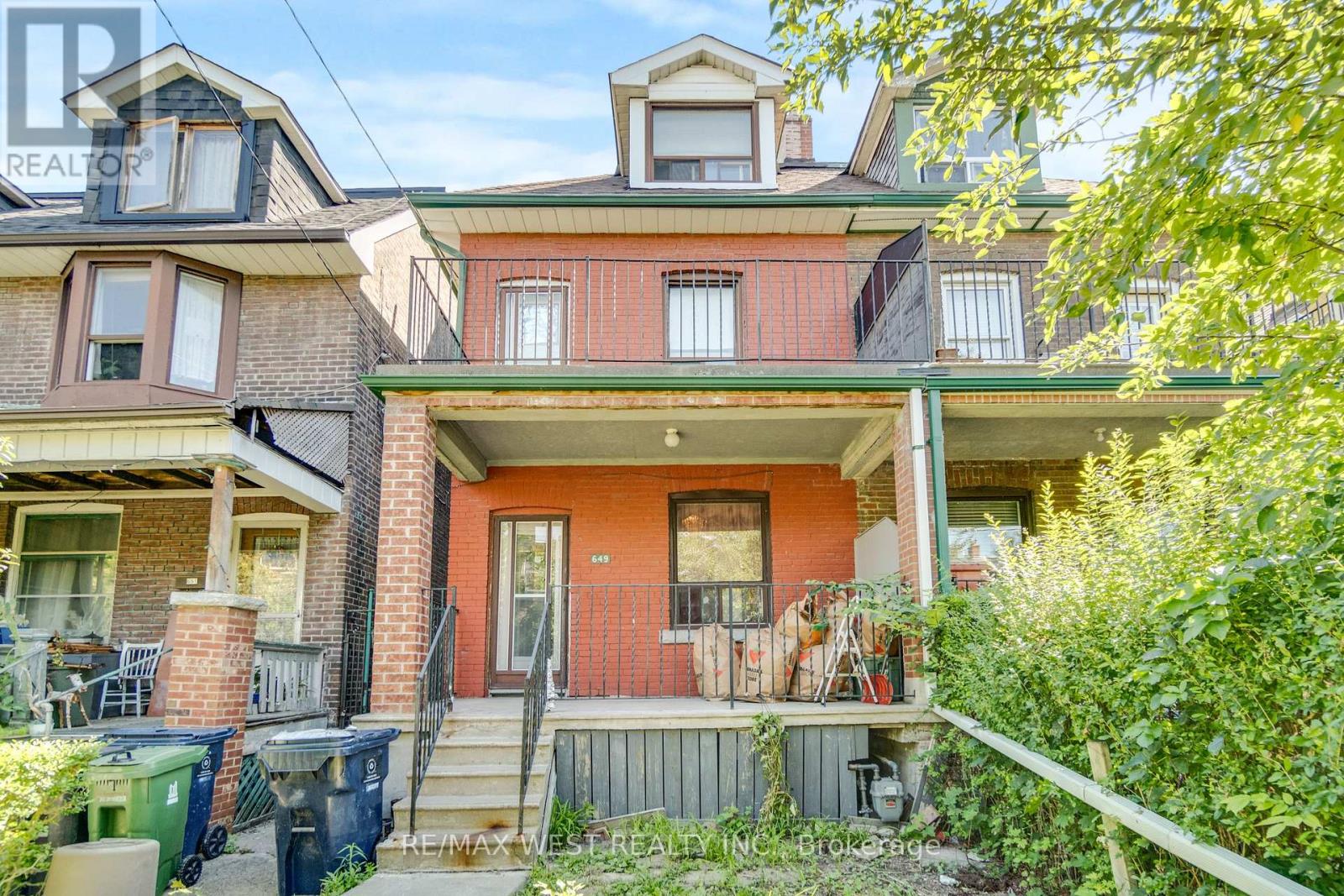 For Sale
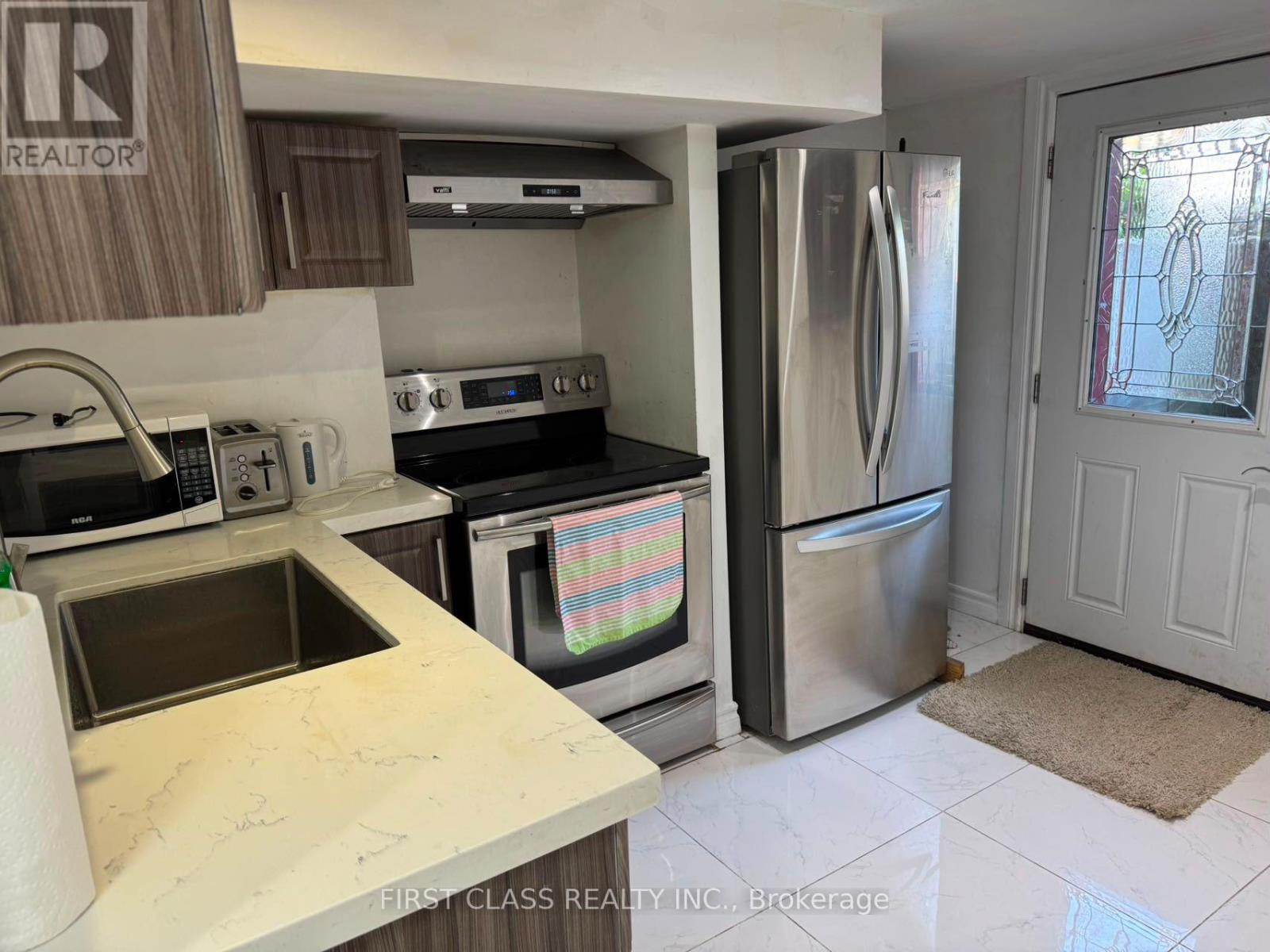 For Rent
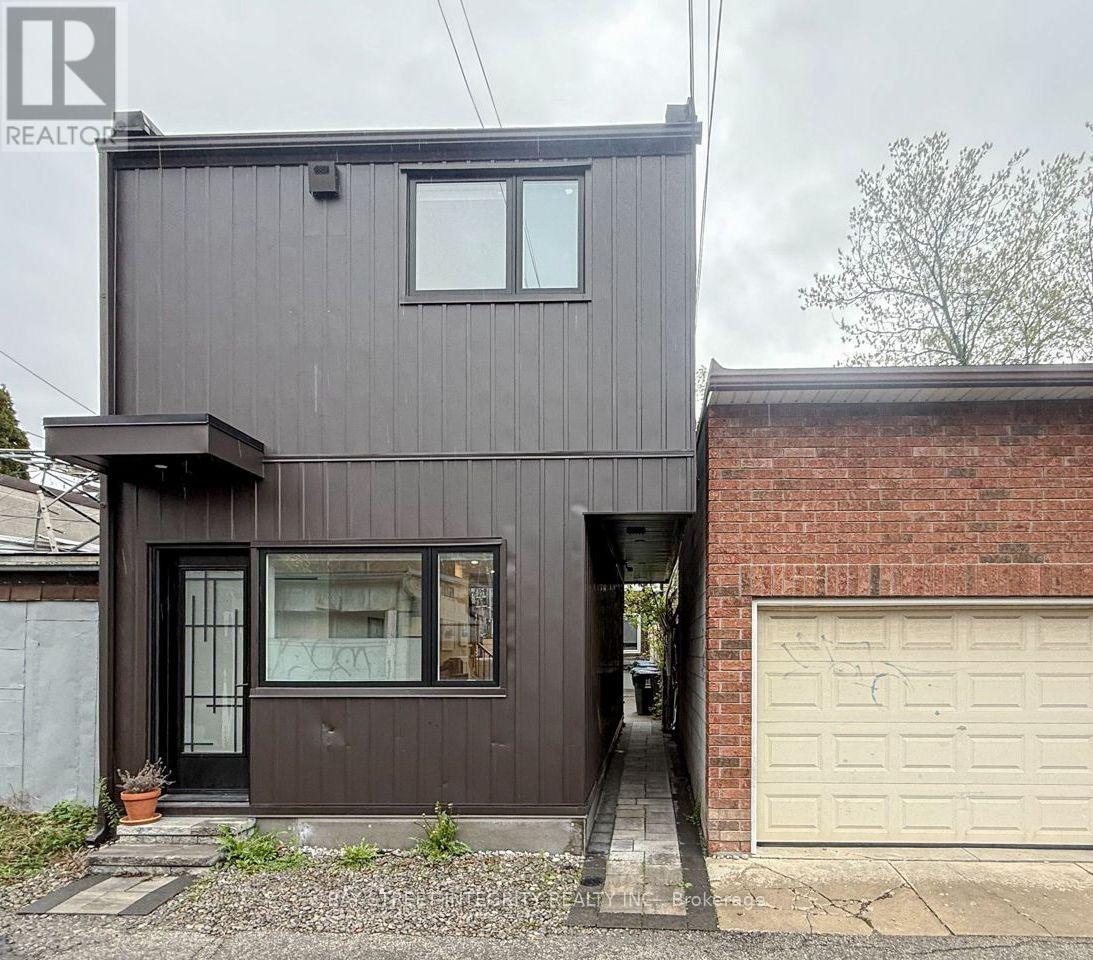 For Rent
 For Rent