
Sheridan is a west Mississauga neighbourhood with two distinct sub-areas. Sheridan Homelands features standard detached homes from the 1970s and 1980s priced around $1.1M to $1.5M. Sherwood Forrest is a prestigious sub-area bordering Mississauga Road with large lots, custom homes, and prices frequently above $3M. Both sub-areas have access to Credit Valley Conservation trails along the Credit River. Clarkson GO on the Lakeshore West line is the nearest rail station, approximately 10 to 15 minutes by car.
Sheridan sits in west-central Mississauga, bounded approximately by Mississauga Road to the west, Erin Mills Parkway to the east, Burnhamthorpe Road West to the north, and Dundas Street West to the south. It is one of the more geographically distinct Mississauga communities because it divides clearly into two sub-areas with different characters and different price points. Sheridan Homelands occupies the western portion, west of Erin Mills Parkway, and is a more modestly priced family community with a mix of housing types. Sherwood Forrest occupies the eastern portion, bordering Mississauga Road, and is one of the most prestigious residential addresses in the city, with large-lot detached homes and a well-established custom home market.
The boundary between Sheridan Homelands and Sherwood Forrest is primarily Erin Mills Parkway. East of Erin Mills, the lots are larger, the trees are more mature, and the homes are more architecturally varied and more expensive. West of Erin Mills, the housing is from the 1970s and 1980s, on standard suburban lots, at mid-range Mississauga prices. The two sub-areas share the Sheridan name and some amenities, but buyers who are looking at Sheridan should be clear about which part of the neighbourhood they are considering, because the market and lifestyle differences are substantial.
Sherwood Forrest in particular is notable for its relationship with Mississauga Road, which runs north-south through the western portion of the neighbourhood. Mississauga Road is one of the most prestigious residential corridors in the city, lined with estate properties and luxury custom homes that have set price benchmarks consistently above most other Mississauga addresses. Properties directly on or immediately adjacent to Mississauga Road are often custom-built or extensively renovated, with lot sizes running from half an acre to multiple acres. The neighbourhood’s proximity to the Credit River valley and the Carolinian forest along Mississauga Road gives it a landscape quality that is unusual in an urban region.
The broader Sheridan neighbourhood has a population of approximately 15,000. The median age is 45, above the Mississauga average, reflecting the neighbourhood’s established character and the proportion of long-term owners in both sub-areas. Average individual income is reported at approximately $158,000, among the higher figures in Mississauga, which reflects the concentration of professional and executive households in Sherwood Forrest pulling the neighbourhood average upward. Sheridan Homelands contributes a different demographic: families at various income levels, long-term owners from the original development era, and younger buyers who have moved in as older owners have transitioned.
Sheridan’s real estate market spans one of the widest price ranges of any Mississauga neighbourhood, reflecting the difference between Sheridan Homelands and Sherwood Forrest. The average listing price across the neighbourhood is reported at approximately $2,676,000, which is pulled substantially upward by the Sherwood Forrest luxury segment. That average is not a useful guide for buyers looking at Sheridan Homelands, where detached homes on standard lots typically list in the $1.1 million to $1.5 million range, or for buyers considering condominiums, which average around $471,000 in the neighbourhood.
Sherwood Forrest is genuinely a luxury market. Detached homes on larger lots along and near Mississauga Road regularly list above $3 million, and custom builds on premium lots can reach $5 million and above. The market here moves differently from the broader Mississauga detached market: less inventory, longer marketing periods, buyers who are comparing properties across Oakville, north Toronto, and other premium GTA addresses rather than within Mississauga. Multiple-offer situations are less common at this price point, and negotiation is more typical. Properties that are well-priced and well-presented sell; overpriced listings can sit for months.
In Sheridan Homelands, the market is more comparable to mid-range Mississauga. Detached two-storey homes built in the 1970s and 1980s on standard lots sell in a range of $1.1 million to $1.5 million. Renovated examples at the top of this range compete with newer stock in adjacent communities. Townhomes, which average around $638,000, provide a more accessible entry point for buyers who want Sheridan’s western Mississauga location without the price of a detached home. Condominiums at around $471,000 offer the neighbourhood’s lowest entry point and attract buyers who value proximity to Erin Mills Town Centre and Clarkson GO Station.
Market activity in Sheridan shows that 55.6 percent of homes sell within 10 days of listing, which is above the Mississauga average and reflects the general strength of demand in this part of the city. The Sherwood Forrest luxury tier does not follow this pattern, but the Sheridan Homelands segment is competitive on well-priced properties. Buyers looking for entry-level product in this neighbourhood, particularly the townhome and condo segments, should be prepared to act within a week of a suitable listing coming to market rather than treating it as a long comparison exercise.
Clarkson GO Station on the Lakeshore West line is the primary rail connection for Sheridan residents. The station is accessible from the neighbourhood via Erin Mills Parkway south to Clarkson Road and the QEW, approximately 10 to 15 minutes by car from the Sheridan Homelands core and somewhat closer from the southern edges of the neighbourhood. Express trains from Clarkson reach Union Station in approximately 30 to 35 minutes during peak hours. For residents who commute to downtown Toronto, the GO train is a genuine alternative to driving, though the first leg to the station requires a car or MiWay bus connection.
MiWay provides bus coverage within and around Sheridan through several routes. Route 44 runs along Erin Mills Parkway and provides a north-south corridor through the neighbourhood connecting to Erin Mills Town Centre and the Clarkson GO bus loop. Route 30 runs along Burnhamthorpe Road West and connects east to Mississauga City Centre. These routes provide options for residents who use transit regularly, but the frequency and coverage are typical of a suburban area rather than the more intensive service found along Hurontario or closer to City Centre. Most Sheridan residents who commute by transit to Toronto drive to Clarkson GO rather than connecting by bus.
Road access is strong. Erin Mills Parkway is the neighbourhood’s primary north-south arterial, connecting south to the QEW and north to the 403 interchange near Erin Mills Town Centre. The QEW provides west-east access toward Hamilton and toward Toronto and the 427. For drivers, Sheridan’s position between the QEW and the 403 gives access to most of the GTA’s highway network without navigating through City Centre congestion. Travel time to downtown Toronto by car during off-peak hours is approximately 35 to 45 minutes. During morning rush hour the QEW eastbound slows significantly, and residents who are serious about reducing commute time use Clarkson GO as the primary option.
Erin Mills Town Centre is the major retail and transit hub directly accessible from Sheridan. The mall is the connection point for several MiWay routes and is the nearest major concentration of retail, dining, and services for Sheridan Homelands residents. The Sheridan Centre, a smaller community mall on Erin Mills Parkway, provides a grocery store, Service Ontario, a library branch, and a recreation centre at a more neighbourhood scale. Both are accessible without a highway trip. For Sherwood Forrest residents on the west side of the neighbourhood, Credit Valley Hospital on Credit Valley Road is the nearest major medical facility, accessible in under 10 minutes.
Secondary school students in Sheridan are served primarily by Erindale Secondary School, a Peel District School Board school that serves the broader Erin Mills and Sheridan area. Erindale offers a standard academic program with strong university placement results and a variety of extracurricular programs. Catholic secondary students typically attend Iona Catholic Secondary School, operated by the Dufferin-Peel Catholic District School Board, which serves south-central Mississauga. Both schools have stable reputations and feed students into Ontario university programs at rates comparable to other Peel Region schools.
Elementary public schools serving Sheridan Homelands include several PDSB schools within the neighbourhood’s boundaries. Pauline Johnson Public School and Fairwind Senior Public School are among the elementary options serving the Sheridan area, though specific catchment assignments depend on street address and should be confirmed directly with the Peel District School Board before purchasing. Catholic elementary families are served by schools in the Dufferin-Peel Catholic District School Board system, with St. Martin of Tours Catholic Elementary School serving part of the Sheridan catchment. The distribution of schools through Sheridan Homelands means most elementary students can walk to school from their home street.
Sherwood Forrest families have access to the same public school system but often consider private schools as well, given the neighbourhood’s income profile and the private school options accessible in south and west Mississauga. Mentor College in Port Credit offers JK through grade 12 and is approximately 20 minutes south. Several other independent schools in Oakville and Mississauga are within a 30-minute drive. For families whose priorities centre on academic intensity and university preparation, the private school ecosystem around Sherwood Forrest is one of the more developed in the region outside of central Toronto and North York.
Post-secondary access is reasonable from Sheridan. The University of Toronto Mississauga campus is approximately 15 to 20 minutes north by car, and Sheridan College’s Hazel McCallion Campus in Mississauga City Centre is accessible via Erin Mills Parkway and Burnhamthorpe. For students heading to downtown Toronto universities, Clarkson GO provides a direct rail connection. The neighbourhood is well-positioned for students who want to commute from home rather than relocate, which is a relevant factor for families with older children making housing decisions around post-secondary education access.
Sheridan’s park and recreation infrastructure reflects the neighbourhood’s two distinct characters. The Credit River valley forms the western boundary of Sherwood Forrest and provides access to the Credit Valley Conservation trail network, one of the most extensive natural trail systems within a Mississauga neighbourhood. The river valley trails connect north through Streetsville and south toward Port Credit, offering hiking, cycling, and nature access at a scale that most suburban Ontario communities cannot provide. For Sherwood Forrest residents, the Credit River is a living amenity rather than a boundary line, and the trail access is a primary reason many residents choose the neighbourhood over comparable luxury addresses with more conventional parks.
Sheridan Homelands has a more conventional neighbourhood park system, with parks including Glen Erin Trail and the linear green connections along the Cooksville Creek corridor. The Sheridan Centre on Erin Mills Parkway includes a recreation centre with fitness facilities, a pool, and community program space. The Erin Mills Arena and community facilities to the north provide additional recreation programming. This infrastructure serves the daily recreation needs of Sheridan Homelands families adequately, though the scale and quality of the Credit River trails in Sherwood Forrest is not replicated on the Homelands side of the neighbourhood.
Shopping for Sheridan Homelands residents centres on Erin Mills Town Centre, Mississauga’s westernmost major shopping mall, approximately five minutes north on Erin Mills Parkway. The mall was significantly renovated in recent years and contains a full range of major retailers, a Cineplex cinema, and food court and restaurant options that serve as the neighbourhood’s primary dining and retail hub. For groceries, several supermarkets operate in the Erin Mills corridor along Dundas Street West and the Town Centre area. The Sheridan Centre on Erin Mills Parkway provides a smaller community retail alternative with grocery, pharmacy, and services.
Sherwood Forrest’s commercial access is less about proximity to malls and more about the general accessibility of Mississauga’s west end retail along Dundas Street West, the Clarkson corridor, and Port Credit. Residents in the premium sub-area tend to use a mix of nearby independent food shops, Whole Foods in Port Credit, and the standard Mississauga big-box retail along Erin Mills and Dundas. The neighbourhood does not have a walkable village strip, but its proximity to Port Credit and the Clarkson corridor means that the lifestyle amenity of walkable retail is achievable as a short drive rather than a car-free daily experience.
Sheridan Homelands’ housing stock was built primarily in the 1970s and 1980s and consists of a mix of detached bungalows, two-storey homes, and split-levels on standard suburban lots. The architecture is typical of Mississauga’s mid-century suburban development: solid brick construction, functional layouts, attached or detached garages, and backyards of moderate size. Semi-detached homes and townhomes are also present in smaller concentrations. Many of the original homes have been renovated to update kitchens, bathrooms, and mechanical systems, but the neighbourhood still contains a significant proportion of properties that have not been extensively updated, which creates opportunities for buyers who want to purchase below renovated prices and invest in the property themselves.
Sherwood Forrest is a different story. The housing stock here includes a mix of original 1980s custom builds and more recent custom constructions on established lots. The lots are larger, typically running from a third of an acre to more than an acre for the premium addresses near Mississauga Road. The homes themselves are frequently larger than 3,000 square feet and include full amenity packages: finished lower levels, multiple-car garages, pools, and outdoor living spaces that reflect the household income levels that purchase in this sub-area. Teardowns and significant rebuilds occur regularly as buyers purchase older properties on premium lots and replace them with new custom construction designed to current standards.
The boundary between Sheridan Homelands and Sherwood Forrest at Erin Mills Parkway creates an interesting condition for buyers who are comparing prices across the two sub-areas. Properties on the Sherwood Forrest side of Erin Mills on comparable-seeming streets can be priced 30 to 50 percent above properties on the Homelands side, with the price difference driven by lot size, the association with the Sherwood Forrest address, and the proximity to the Credit River valley. This gradient is worth understanding when reviewing comparable sales data for properties near the boundary, as a simple neighbourhood average obscures the within-neighbourhood variation.
New construction within Sheridan is limited to infill and redevelopment. The neighbourhood is built out on its original land base, and the primary path to new product is through lot assembly, custom builds on existing lots, and the gradual replacement of older homes in Sherwood Forrest. There are no large condominium developments within the core of either sub-area, though some condo buildings exist near the Erin Mills Parkway corridor at the neighbourhood’s edges. Intensification pressure is not currently a dominant story in Sheridan, and the neighbourhood’s established residential character is unlikely to change materially in the near term.
Sheridan has a population of approximately 15,775 with a demographic profile that reflects the two sub-areas. The median age of 45 is among the older in Mississauga, and the average individual income of approximately $158,000 reflects the concentration of professional and executive households in Sherwood Forrest. Long-term ownership is characteristic of both sub-areas, though for different reasons: Sherwood Forrest residents tend to stay because the neighbourhood delivers a level of quality and lifestyle that is difficult to replicate elsewhere in Mississauga at any price; Sheridan Homelands residents stay because the neighbourhood is stable, familiar, and functional, and because the friction of moving outweighs the motivation to do so.
Both sub-areas have active homeowners associations. Sheridan Homelands Association and Sherwood Forrest Association are both well-organised and engaged on neighbourhood planning issues, land use approvals, and community programming. The associations maintain social connections among residents, organise seasonal events, and have historically been effective at engaging with the city on matters affecting the neighbourhood. The presence of active homeowners associations is part of why both sub-areas have maintained their character despite broader development pressures in Mississauga’s west end.
The cultural and recreational life of the neighbourhood is quieter than that of more commercially active Mississauga communities. There is no BIA and no regular street festival in Sheridan. Community life is organised around schools, parks, and the homeowners associations rather than around commercial entertainment venues. This is entirely consistent with the neighbourhood’s character: Sheridan, and Sherwood Forrest particularly, attracts residents who value privacy, space, and quiet rather than the walkable social activity of Port Credit or Streetsville. The Credit River trails provide a quiet daily recreation option that suits this profile.
The Credit Valley Hospital at 2200 Eglinton Avenue West is accessible from Sheridan in approximately 10 minutes by car. The hospital provides full-service acute care and has been a consistent part of the west Mississauga healthcare infrastructure since the late 1970s. Its proximity is a meaningful practical consideration for older residents and families with young children, and it is one of the factors that contributes to Sherwood Forrest’s strong appeal to established professional and executive households who are weighing west Mississauga against Oakville and other alternatives.
Sherwood Forrest is one of the strongest long-term investment addresses in Mississauga, and the investment case rests on factors that have been consistent for decades. The combination of large lots, Credit River valley access, prestigious address on or near Mississauga Road, and mature neighbourhood character creates a product that genuinely cannot be replicated by new development anywhere in the region. Mississauga Road is a fixed geographic asset. The Credit River valley is protected conservation land. The mature tree canopy took decades to establish. A buyer acquiring in Sherwood Forrest is acquiring something that took 40 years to build and cannot be built again at any price.
The Sherwood Forrest luxury tier has historically held its value well during general market downturns because the buyer profile is not mortgage-dependent in the way that first-time buyer or move-up markets are. Buyers at the $3 million to $5 million price point are typically not stretched to their maximum purchase capacity, and they do not typically need to sell into a down market for financial reasons. This gives the Sherwood Forrest market more stability through cycles than the broader GTA luxury market, which can see sharper swings when financing conditions tighten.
Sheridan Homelands offers a more conventional investment case: mid-range Mississauga family neighbourhood with stable demand, solid school coverage, and proximity to Erin Mills Town Centre and Clarkson GO. The price appreciation track record has been consistent though not spectacular, tracking broadly with the Mississauga mid-range market. For buyers who are purchasing a primary residence and expecting to hold for five to ten years, Sheridan Homelands delivers reasonable long-term returns with low volatility. It is not a neighbourhood where buyers typically see outsized gains, but it is also not one where they see significant losses.
One investment consideration specific to Sheridan is the comparison between buying on the Homelands side of Erin Mills Parkway versus the Sherwood Forrest side. Buyers who can access the Sherwood Forrest price tier should consider whether the premium is worth it for their use case. For buyers who genuinely value the larger lots, the Credit River proximity, and the address association, the premium is justified and historically supported. For buyers who are primarily drawn to the neighbourhood for schools and transit access rather than lifestyle, the Sheridan Homelands side may deliver comparable functionality at a meaningfully lower price.
Sheridan’s walkability varies significantly between the two sub-areas. Sheridan Homelands scores moderately on pedestrian access because the Sheridan Centre provides a local grocery store, recreation centre, library, and basic services within a walkable distance from many of the Homelands streets. The transit connections along Erin Mills Parkway are reasonable for the suburban context. Sherwood Forrest is a different environment: it is a low-density, large-lot neighbourhood designed around car ownership, and the Credit River trail system is an excellent walking and cycling resource but it is recreational rather than a route to shops and services. Residents of both sub-areas rely on a car for most day-to-day errands beyond the most proximate services.
The Credit River trail network is Sheridan’s standout lifestyle asset for active residents. The trails run along the river valley from south of the neighbourhood north through Streetsville and into Brampton, providing kilometres of forested path that feels remote despite being within a suburb. The trails are well-maintained by Credit Valley Conservation and are used year-round by walkers, cyclists, and runners. The trail access is not replicated in most of the neighbourhoods that compete with Sheridan for the same buyer profile, and it is consistently cited by Sherwood Forrest residents as one of the primary quality-of-life features of the address.
The Erin Mills Town Centre and Sheridan Centre provide the main retail and service infrastructure for the neighbourhood. Erin Mills Town Centre’s renovation in recent years upgraded the mall’s tenant mix and food offerings, and it functions as the main entertainment and major retail destination for west Mississauga. The cinema, restaurant options, and major retailers within the mall provide a reasonable alternative to a walkable street retail environment for residents who prioritise convenience over streetscape quality. Credit Valley Hospital’s proximity also matters practically for healthcare access, with the hospital’s full-service facilities available within a short drive.
For households with two working adults and children, Sheridan’s car-dependent design is rarely experienced as a limitation because the practical assumption is that cars are available and used. The neighbourhood’s school proximity, park access, and overall safety are the daily lifestyle factors that matter most to this demographic, and Sheridan delivers on all three. Where car dependence becomes relevant is for older residents or households with mobility limitations who would benefit from walkable access to services. The Sheridan Centre’s concentration of services helps on this front, but the neighbourhood is not one that functions well without reliable car access for at least one household member.
Erin Mills to the north shares Erin Mills Parkway as a common spine and has a similar suburban residential character to Sheridan Homelands. Erin Mills has several planned areas with housing built across the 1980s and 1990s and generally prices in a comparable range to Sheridan Homelands for similar product. Buyers who are comparing the two typically find that neighbourhood character is similar enough that specific street and lot attributes matter more than the neighbourhood name. Erin Mills has slightly more recent housing stock in its eastern sections and better proximity to the Erin Mills Town Centre for residents in the northern portions.
Clarkson to the southwest is the nearest community with a village commercial strip and Clarkson GO access, and it represents the most natural comparison for buyers who are considering Sheridan for transit and school reasons but are also weighing walkable retail access. Clarkson Village’s Lakeshore Road commercial strip is smaller and less developed than Port Credit’s, but it provides a genuinely walkable environment that Sheridan does not. Clarkson’s detached housing is comparable in vintage and price to Sheridan Homelands, and the GO station proximity gives it a practical commuting advantage for buyers who use rail transit regularly.
Mississauga Valleys to the east is a mid-rise and mixed residential community with a different built form from Sheridan. It has higher density, more transit-oriented development near Hurontario, and a price range that is generally lower than Sheridan Homelands for equivalent bedroom counts. Buyers who are primarily price-driven and less focused on neighbourhood character or schools tend to look at Mississauga Valleys as an alternative rather than a complement. The Credit River valley is not accessible from Mississauga Valleys in the way it is from Sherwood Forrest.
The most meaningful competitor for Sherwood Forrest buyers is not within Mississauga at all but in north Oakville and in North York and Rosedale. Buyers at the $3 million to $5 million price point who are considering Sherwood Forrest are typically also looking at Morrison or Morrison Estates in Oakville, at Sunningdale or Lorne Park for Mississauga comparisons, and occasionally at north Toronto luxury addresses. The Sherwood Forrest case relative to Oakville is primarily a price argument: comparable product on the Mississauga side of the comparison comes at a discount to Oakville, and buyers who are indifferent to the Oakville address often find Sherwood Forrest a superior value. Buyers who specifically want an Oakville address for school board or lifestyle reasons tend to stick with Oakville regardless of the price differential.
Q: What is the difference between Sheridan Homelands and Sherwood Forrest?
A: Sheridan Homelands and Sherwood Forrest are the two distinct sub-areas within the Sheridan neighbourhood, divided roughly by Erin Mills Parkway. Sheridan Homelands is west of Erin Mills Parkway and consists of standard suburban detached homes, semis, and townhomes built in the 1970s and 1980s, pricing in the $1.1 million to $1.5 million range for detached homes. Sherwood Forrest is east of Erin Mills Parkway, bordering Mississauga Road, and features larger lots, custom homes, and prices that frequently exceed $3 million. The Credit River valley and Mississauga Road are the defining geographic features of Sherwood Forrest. The two sub-areas share a neighbourhood name, some schools, and proximity to Erin Mills Town Centre, but the market, lifestyle, and buyer profiles are substantially different. Buyers looking at Sheridan should identify early on which sub-area they are considering.
Q: Which GO station do Sheridan residents use and how long is the commute to Union Station?
A: Most Sheridan residents who commute by GO train use Clarkson GO Station on the Lakeshore West line, accessible from the neighbourhood by driving south via Erin Mills Parkway and connecting to the QEW and Clarkson Road. The drive to the station is approximately 10 to 15 minutes from most Sheridan addresses. Express trains from Clarkson reach Union Station in approximately 30 to 35 minutes during peak morning hours. Some residents prefer to drive slightly further to Port Credit GO to access its higher frequency of express departures and marginally faster travel time. Neither station is within walking or easy cycling distance of Sheridan, which means the GO commute involves a car trip to the station as the first leg. MiWay buses can connect Sheridan to the GO stations, but the total door-to-door time by bus-plus-rail is longer than driving to the station directly.
Q: What schools serve Sheridan and are they good?
A: Secondary students in Sheridan attend Erindale Secondary School through the Peel District School Board, which has a solid academic reputation and consistent university placement results. Catholic secondary students typically attend Iona Catholic Secondary School. Elementary catchments within Sheridan Homelands are served by several Peel District School Board elementary schools, with Pauline Johnson Public School among those in the area. Catholic elementary students are served by Dufferin-Peel Catholic District School Board schools including St. Martin of Tours Catholic Elementary School. For families considering private education, Mentor College in Port Credit is approximately 20 minutes south and offers JK through grade 12. All catchment boundaries should be confirmed directly with the school boards before purchasing, as specific assignments depend on street address and catchment boundaries can be updated.
Q: Is the Credit River trail accessible from Sheridan?
A: Yes, the Credit River trail system is directly accessible from Sherwood Forrest, which borders the Credit River valley on its western edge near Mississauga Road. The Credit Valley Conservation trail network follows the river valley and provides kilometres of natural trail for walking, cycling, and running, connecting north through Streetsville and south toward Port Credit. Access points along Sherwood Drive and through the park connections at the valley edge allow residents to reach the trail network without driving. Sheridan Homelands residents are further from the river valley access and typically reach the Credit River trails by cycling or driving to an access point in Sherwood Forrest or in the Streetsville community to the north. The trail quality is consistently maintained and provides a recreational resource that is genuinely uncommon in a suburban Mississauga context.
Buyers approaching Sheridan need to be specific about which part of the neighbourhood they are targeting before they start comparing listings. The Sheridan Homelands market and the Sherwood Forrest market are priced and marketed to different buyer profiles, and a comparable sales analysis that mixes both sub-areas produces a misleading average that is useful for neither. If the target is a standard detached home in the $1.1 million to $1.5 million range for a family with school-age children, Sheridan Homelands is the right frame. If the target is a large-lot custom home in the $2 million to $5 million range with Credit River proximity, Sherwood Forrest is a distinct conversation. Be clear about the target before spending time on listings.
For buyers considering Sherwood Forrest, the due diligence on individual properties warrants more depth than on standard suburban stock. Custom homes from the 1980s may have building practices, materials, or systems that have since been superseded. The lot size and topography in properties adjacent to the Credit River valley can introduce grading, drainage, and conservation authority jurisdiction considerations that do not apply to standard flat suburban lots. Buyers should confirm whether any portion of a property falls within a Credit Valley Conservation regulated area, which can affect renovation and improvement permissions. A real estate lawyer familiar with conservation authority overlays and a home inspector with experience in custom luxury properties will both earn their fees on a Sherwood Forrest transaction.
Sheridan Homelands buyers have more conventional due diligence requirements. The 1970s and 1980s construction vintage means that buyers should budget for updates to mechanical systems, insulation, and finishes if these have not already been addressed. The neighbourhood’s stability and the generally good maintenance of the housing stock mean that major structural surprises are uncommon, but the standard investigations apply: home inspection, review of permits for any additions or renovations, and confirmation of the applicable zoning if any property appears to have had modifications to its original footprint. Buyers who are planning their own renovations after purchase should confirm that any planned changes are achievable within the applicable zoning and conservation rules before committing to the purchase price.
Street-level knowledge is hard to find online. Our team works in Sheridan every day. They know which pockets hold value, where the school catchment lines actually fall, and what the market is doing right now. Talk to us before you make a decision about Sheridan.
Talk to a local agent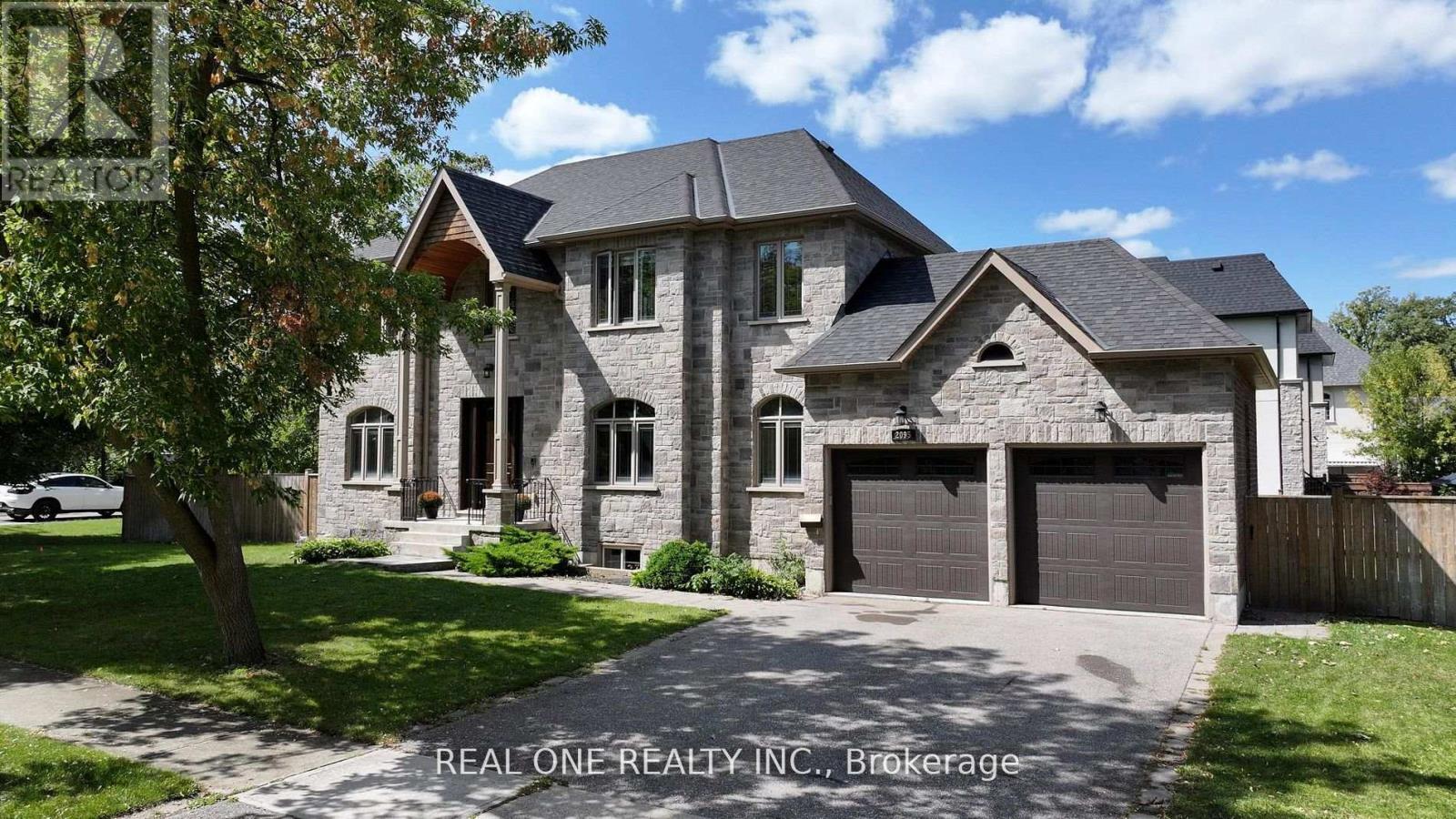 For Sale
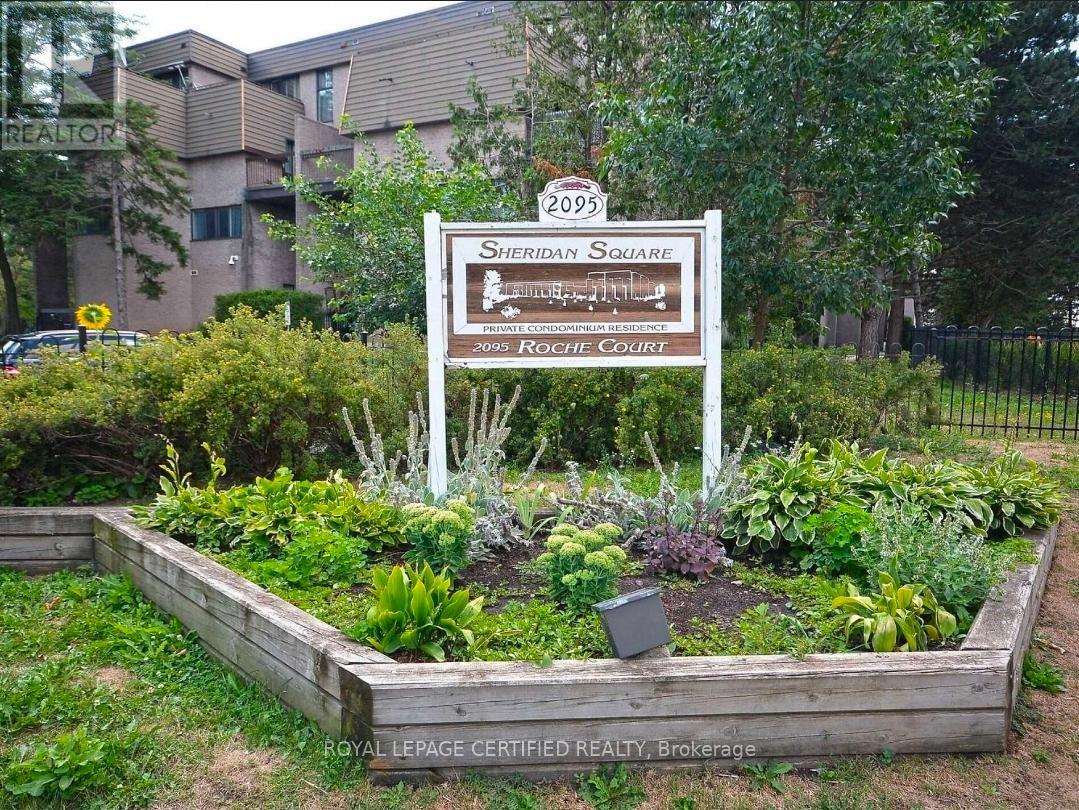 For Rent
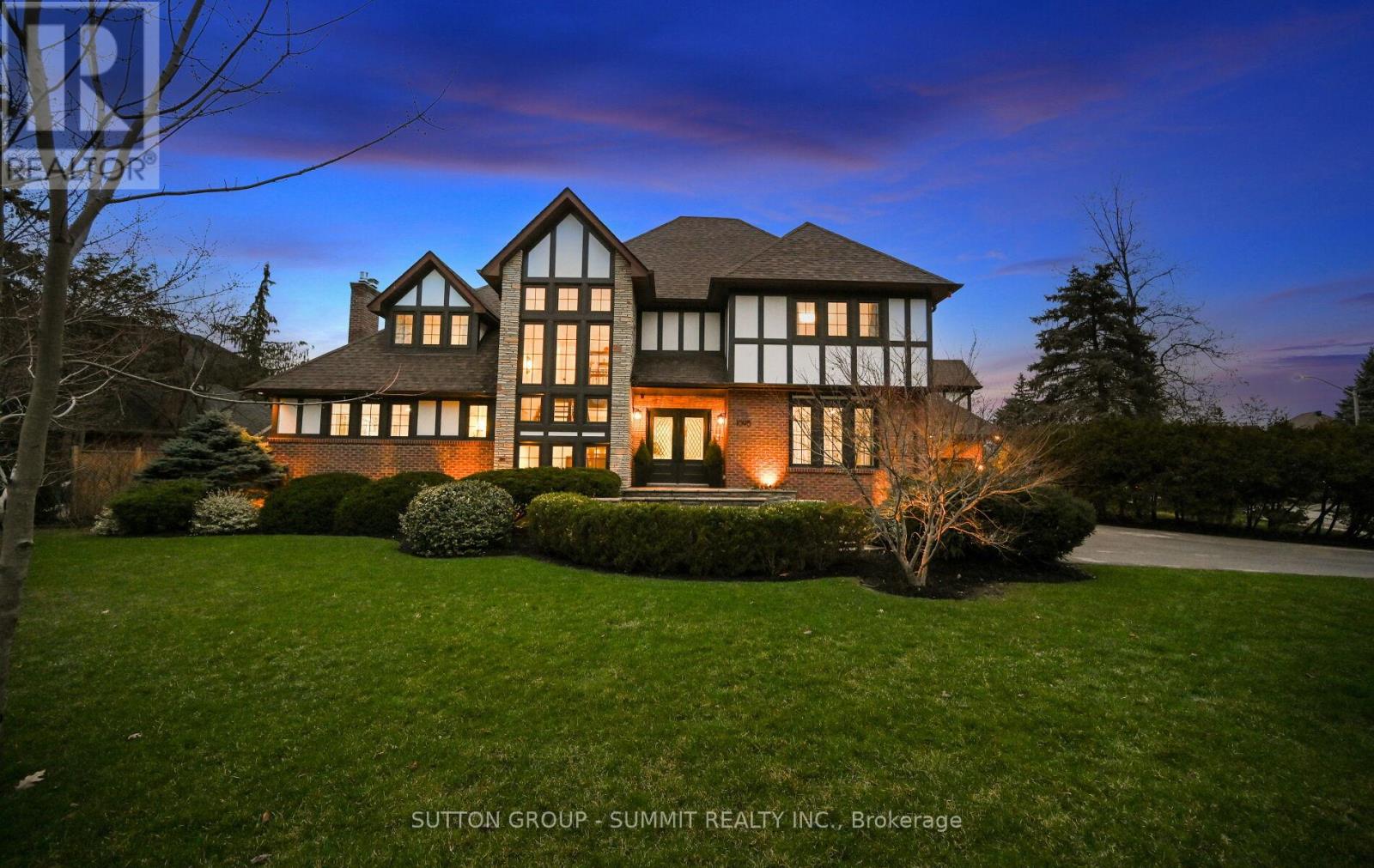 For Sale
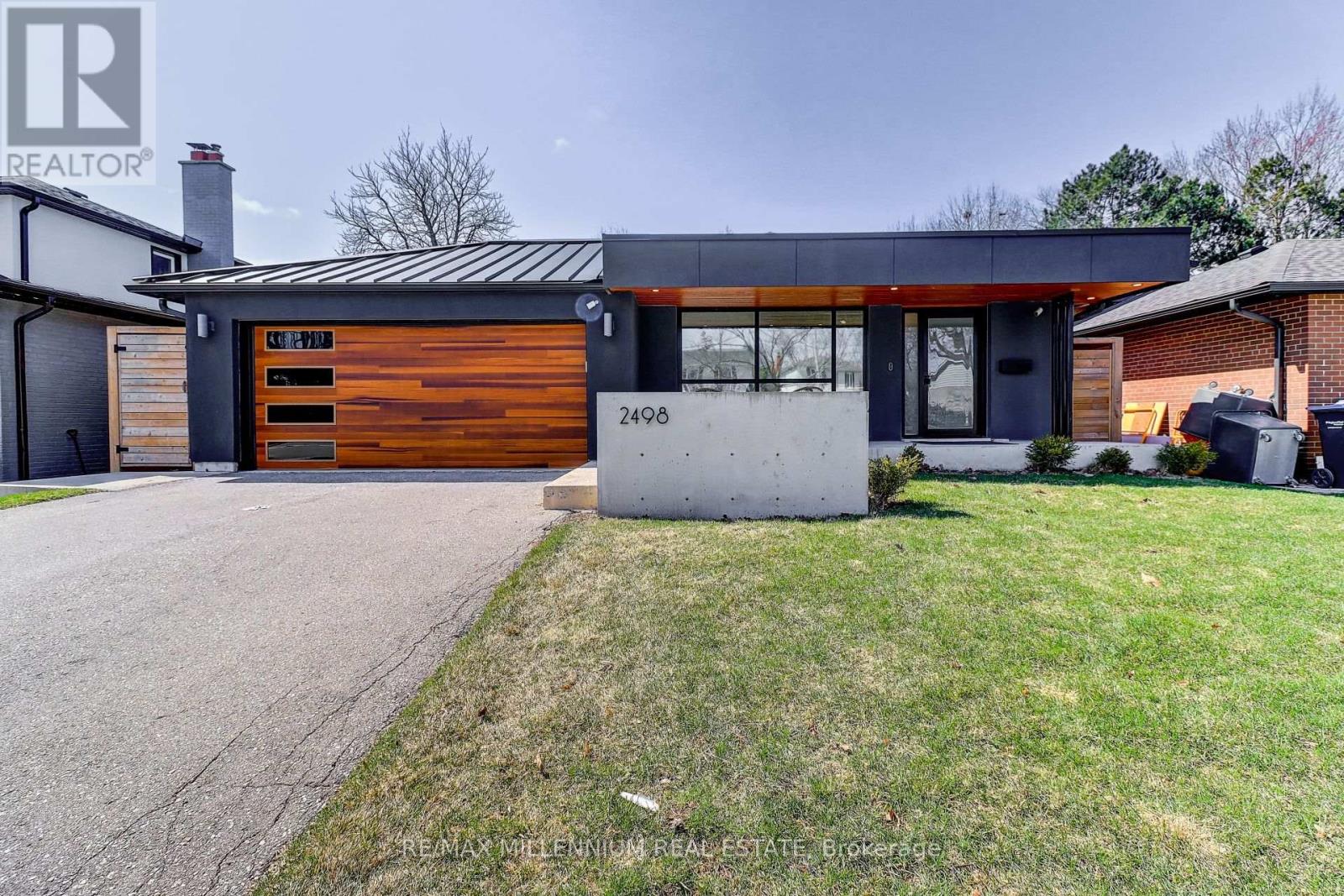 For Sale