
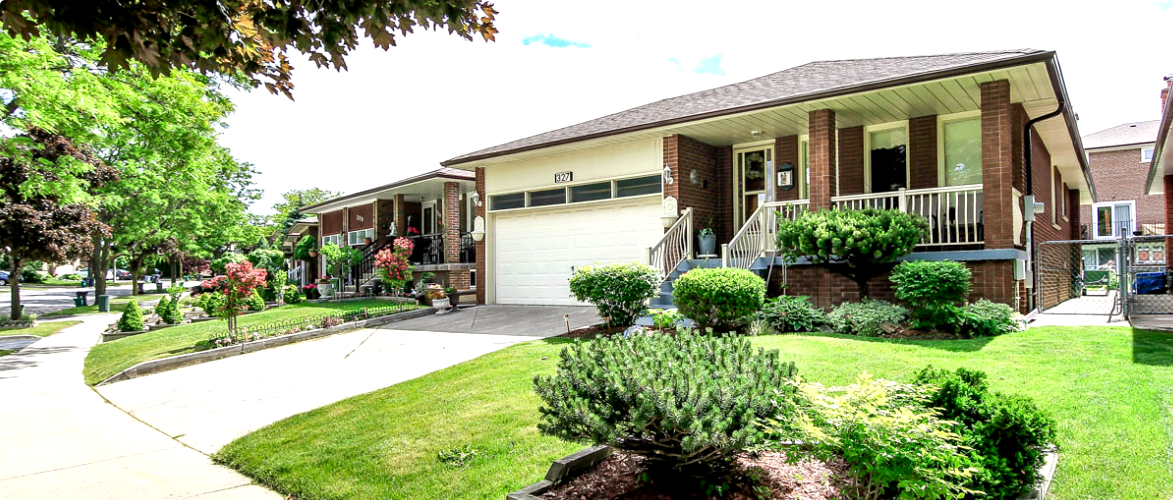
Steeles, in north Scarborough, sits along the Toronto-Markham border on Steeles Avenue East. Detached 1980s and 1990s homes on full lots, Pacific Mall five minutes away, and some of the best East Asian food access in the GTA make this one of Toronto's most practical neighbourhoods for Chinese-Canadian and South Asian families. Detached homes sell from $1.0 million to $1.5 million in 2026.
Steeles, as a Toronto neighbourhood address, refers to the residential area on the Toronto side of Steeles Avenue East in north Scarborough, roughly between Kennedy Road to the west and Morningside Avenue to the east. Steeles Avenue itself is the provincial border between Toronto and Markham, which means the commercial strip along it pulls from two municipalities and serves a population that doesn’t particularly distinguish between them on a daily basis.
The character here is shaped by two decades of immigration from China, Hong Kong, and South Asia, primarily from the 1980s onward, and the built environment reflects that: newer housing stock (most of it built in the 1980s and 1990s), Chinese and South Asian commercial anchors on Steeles and the surrounding plazas, Pacific Mall a short drive west in Markham, and a community infrastructure that functions primarily in Cantonese, Mandarin, and various South Asian languages alongside English.
Pacific Mall on Kennedy Road just north of Steeles is the defining commercial landmark. It’s the largest Chinese shopping mall in North America and functions as both a regional destination and a local anchor. Residents of Steeles can walk or bike to Pacific Mall, which is a genuinely unusual amenity for a Canadian suburb. The T&T Supermarket and the restaurant density in the Pacific Mall plaza area mean that the neighbourhood’s food access is among the best for East and Southeast Asian groceries and dining anywhere in the GTA.
The residential streets behind Steeles are quiet and well-maintained. The housing here was built to a higher standard than the post-war bungalows in south Scarborough, with larger footprints, attached garages, and the full suburban infrastructure that came standard in 1980s and 1990s subdivision development. It doesn’t have the character of older established neighbourhoods but it has space, functionality, and a strong community fabric.
The dominant housing type in Steeles is the 1980s and 1990s detached suburban home: two-storey, attached garage, brick exterior, 40 to 50-foot lot, full basement. These are not the bungalows of post-war Scarborough; they’re the larger, more car-oriented houses that were built when suburban development moved to the northern edge of the city. A typical house here has three or four bedrooms, a formal living and dining room, an eat-in kitchen, and a finished basement that most owners have used as additional living space or a rental unit.
In 2026, detached homes in Steeles are selling in the $1.0 to $1.5 million range. A well-maintained three-bedroom detached in average condition starts around $1.0 to $1.1 million. Larger four-bedroom homes on wider lots move into $1.2 to $1.4 million territory. Premium properties with fully renovated interiors and good locations within the neighbourhood approach $1.5 million. Semi-detached homes are less common but do appear, typically in the $850,000 to $1.0 million range.
The basement suite situation is important context for buyers. A significant share of homes in this neighbourhood have finished basement apartments, either formally permitted or informal arrangements that have existed for years. This rental income is a meaningful part of the carrying cost calculation for many buyers. Buyers who plan to use the entire house for their own family should confirm whether an existing basement suite affects their expectations on condition, privacy, or permit status. Buyers who want the income should verify permit status and ensure the unit meets current code requirements before relying on it in their financing calculations.
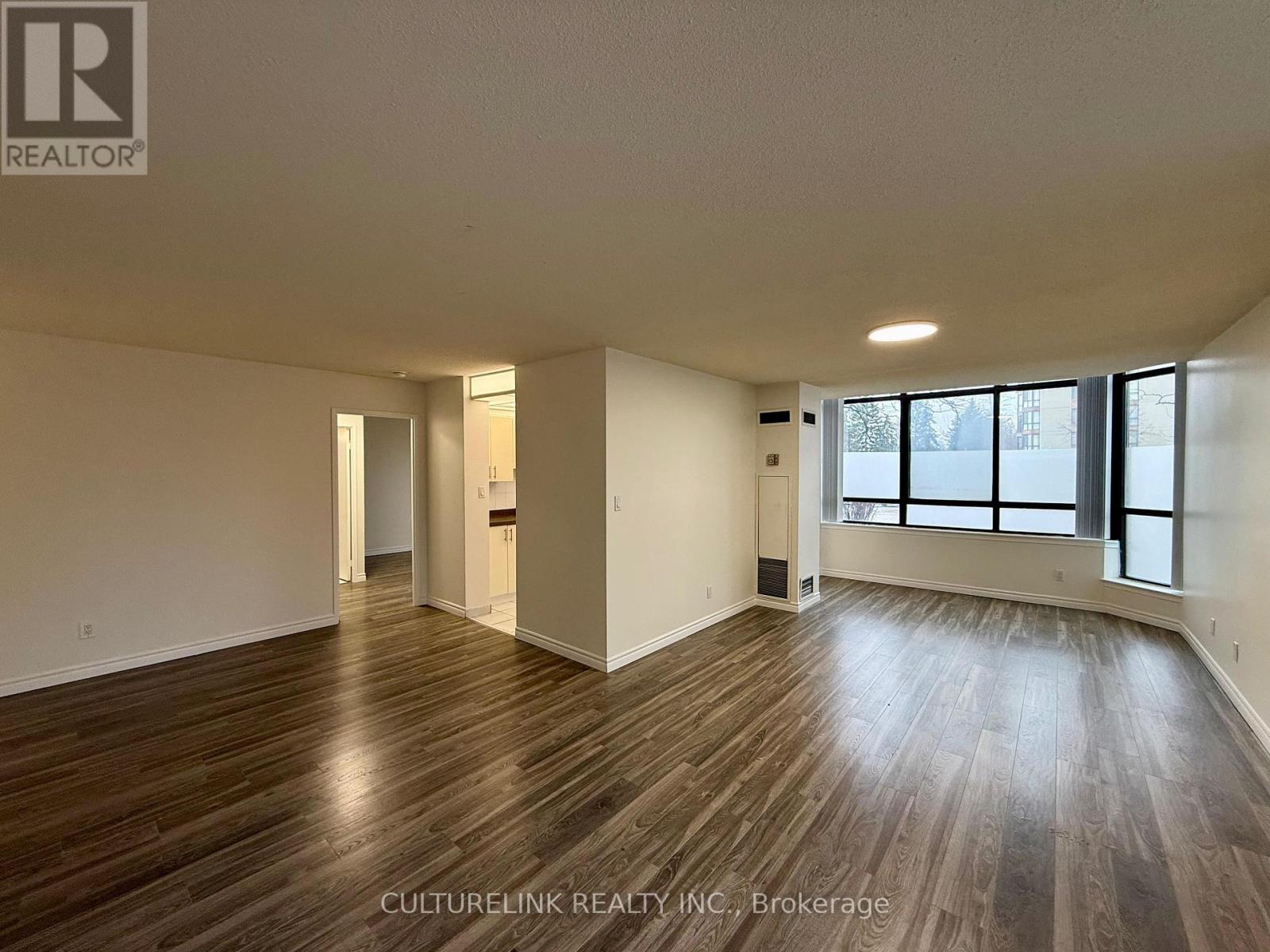
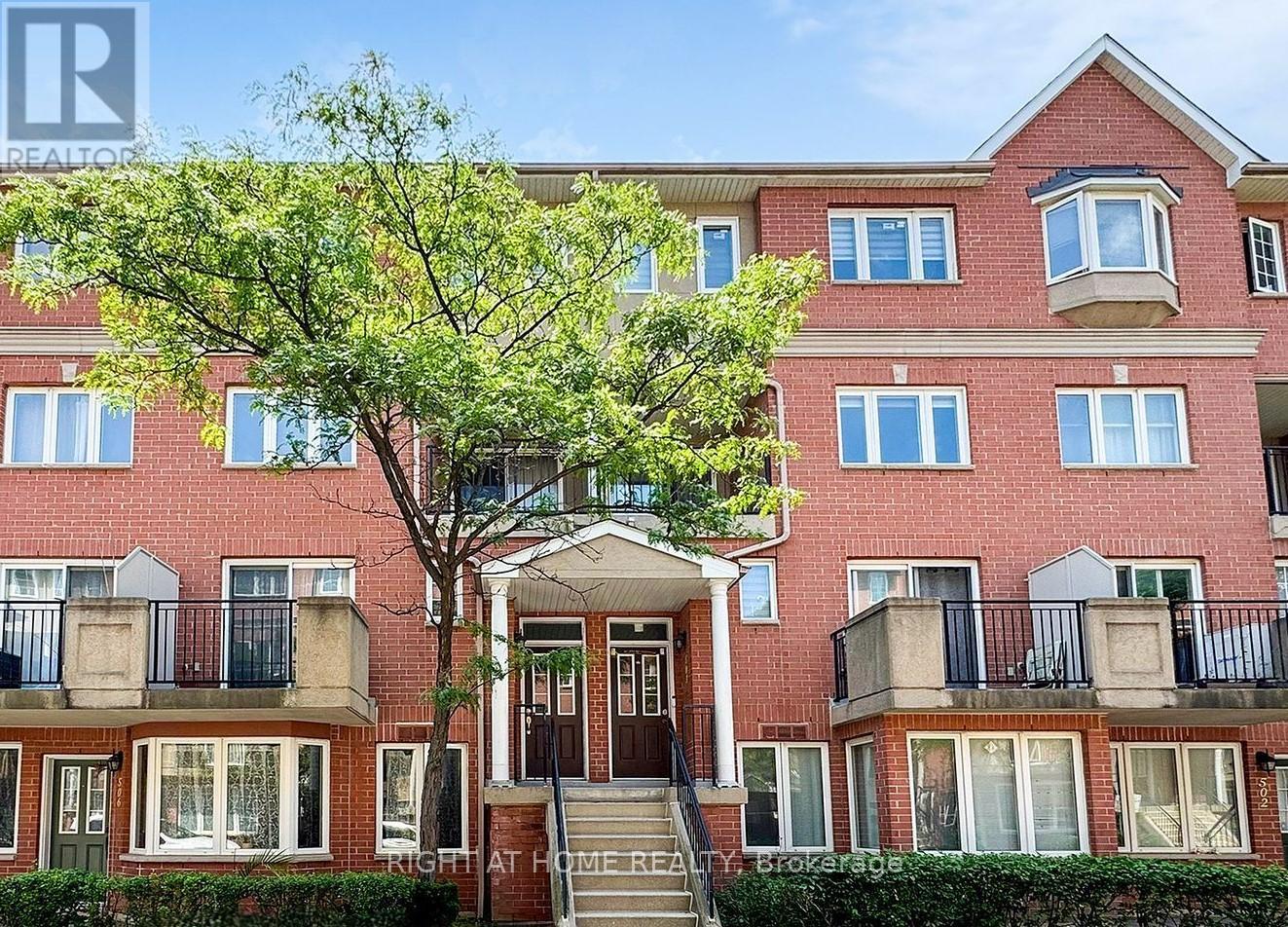
Townhouses and semi-detached properties appear in smaller pockets and represent a lower entry point into the neighbourhood. Condominium supply is limited compared to the Sheppard corridor further south, which means the neighbourhood is primarily freehold in character. Buyers looking for a condo entry point into this part of Scarborough are better served by the Sheppard East area.
The Steeles market in north Scarborough trades at a volume that’s higher than the quieter residential areas further south, primarily because the housing type is more uniform and the buyer pool is larger and more established. Chinese-Canadian and South Asian buyers, many of whom have family connections to the neighbourhood or who specifically want proximity to the Pacific Mall commercial corridor, make up a significant share of active purchasers. This creates a more predictable demand base than neighbourhoods that rely on a broader but less committed pool of buyers.
Multiple-offer scenarios are common on well-priced, well-presented detached homes in the spring market. The buyer pool here is experienced and knows the neighbourhood’s value relative to comparable properties in Markham and Richmond Hill just north of Steeles. When a property comes up that compares well on price and condition, it moves. Properties that come up with inflated expectations relative to condition sit and negotiate.
The proximity to Markham is a double-edged sword for the market. Markham properties at comparable prices offer newer housing and often better school rankings, which is a genuine consideration for families with school-age children. Toronto buyers who work in Scarborough or need access to the subway system choose the Toronto side for the transit connection. Buyers who work in Markham and the Highway 7 corridor sometimes choose Markham instead, which limits the depth of competition at the top end of the price range.
In early 2026, the market is steady rather than hot. Prices are stable. Days on market are moderate, typically two to four weeks for well-priced properties. Sellers who’ve owned since the mid-2010s or earlier have significant equity gains. Buyers in the $1.0 to $1.2 million range find the most inventory and the most negotiating room. Above $1.3 million, the market thins considerably.
The buyer profile in Steeles is more consistent than in most Toronto neighbourhoods. Chinese-Canadian families, many with connections to Hong Kong or mainland China, and South Asian families, primarily from India and Sri Lanka, make up the majority of buyers. This is not a neighbourhood in demographic transition; it’s been a primarily East Asian and South Asian community for decades and that community continues to choose it. Buyers from outside these communities do purchase here but they’re a minority of transactions.
The reasons are specific and practical. Pacific Mall access is genuinely valued by buyers who use it regularly for shopping, food, and community events. The restaurant density on Steeles and the nearby Markham Road and Kennedy Road corridors, with accessible Chinese, Vietnamese, South Asian, and East Asian dining, is a real amenity for buyers who value diverse food options close to home. The Chinese-language community infrastructure, schools with Mandarin and Cantonese programming, community centres, religious institutions, is more developed here than anywhere else in Toronto.
Families with parents or grandparents who need Chinese-language services specifically choose this neighbourhood. The availability of Chinese-speaking doctors, dentists, lawyers, and accountants on and around Steeles means that recent immigrants and older family members who primarily function in Chinese can live full lives here without navigating a language barrier at every appointment. That’s a practical and underrated reason to live in this specific area rather than a different part of Toronto.
Buyers coming from Markham sometimes choose Steeles when they need or want a Toronto address, whether for Toronto-based employment, the Toronto public transit system, or the TTC’s long-term subway expansion. They’re accepting a smaller lot and slightly older housing than Markham’s newer subdivisions provide in exchange for the city address and what comes with it.
The residential streets between Steeles Avenue and Finch Avenue East form the core of the neighbourhood. The main cross-streets, Kennedy Road to the west, Midland Avenue, Brimley Road, Markham Road, and Morningside Avenue to the east, define the neighbourhood’s internal grid. The streets directly backing onto the Scarborough Golf and Country Club have quieter positioning and are generally among the more desirable addresses, as the golf course land to the south provides open space that won’t be redeveloped.
The area between Steeles and McNicoll Avenue, on the southern half of the neighbourhood, has denser housing and slightly smaller lots. This is the more typical suburban fabric. Streets closer to Finch, where the neighbourhood transitions toward Agincourt and L’Amoreaux, have housing built slightly later and in some cases larger lots. The condition of housing across the neighbourhood is generally well-maintained; owner-occupancy rates are high and pride of ownership is visible on most streets.
The pockets closest to Pacific Mall and the Kennedy Road commercial corridor are the most accessible for residents who want to walk or cycle to that commercial hub. It’s not a long distance on any street in the neighbourhood, but the nearest addresses are genuinely within a short walk of the mall and the surrounding restaurant plazas, which matters to buyers for whom that access is part of the purchase rationale.
Cul-de-sacs and quiet courts are scattered through the neighbourhood, as is typical of 1980s and 1990s suburban planning. These addresses offer less through-traffic and a quieter street character than the main through-streets, and they tend to hold their value well within the local market. Buyers with young children often specifically seek these out.
Steeles is bus-dependent for transit. The TTC doesn’t run subway service to north Scarborough and won’t until the Scarborough subway extension opens in the early 2030s, which will serve the Scarborough Centre area rather than the Steeles corridor. The main transit options are the Steeles East bus routes, the Kennedy Road bus, and the Midland and Brimley bus routes running south toward Scarborough Centre and the Sheppard subway station.
For most residents commuting to downtown Toronto, the practical route involves a bus south to Scarborough Centre or Kennedy station, then the Bloor-Danforth line west. The trip takes 45 to 60 minutes in reasonable conditions. It’s not a short commute by transit standards. Residents who take it seriously plan around it: working from home partially, driving to a GO station, or adjusting schedules to avoid peak hour congestion on the surface bus routes.
Car ownership is near-universal in this neighbourhood. Highway 401 is accessible via Kennedy Road, Midland, and Morningside within five to ten minutes of most residential addresses. Highway 404 and the Don Valley Parkway are accessible via the 401 east or west. For commuting to Markham, Richmond Hill, North York, or the eastern employment corridors, the road network from this neighbourhood is actually quite good. The transit deficit matters most to people whose destination is downtown Toronto by transit.
Finch East rapid transit, when it eventually materializes in its full form, will change the east-west surface connection from this area. For now, the Finch bus provides an east-west connection to Finch station on the Yonge line, which is functional but slow at peak hours. Residents going to Yonge and Finch destinations treat it as a usable option; residents going to downtown treat it as a last resort.
The Scarborough Golf and Country Club occupies a large green space on the southern edge of the neighbourhood, but it’s a private club rather than public parkland. Its presence keeps a substantial area of land in a low-density, green state, which benefits the residential streets adjacent to it regardless of whether residents are members. The club’s grounds prevent residential infill on that land, which is a passive green space benefit even if it’s not publicly accessible.
L’Amoreaux Park, to the northwest of the neighbourhood, is a significant public park with sports fields, a community centre, an outdoor pool, a skating rink, and trail access. It’s not walking distance from the southern parts of the neighbourhood but is accessible by bike or a short drive. The park serves the broader Agincourt and Steeles community and gets heavy use from families in the area.
The smaller parkettes and neighbourhood parks within the residential grid provide the daily green space that residents use most: places to walk dogs, take children to a playground, or sit outside without driving anywhere. These small parks are consistent with the suburban planning of the era in which the neighbourhood was built and they’re well-maintained.
Highland Creek, the ravine system that runs through east Scarborough, has trail access in the broader area, though the Steeles neighbourhood itself is not ravine-adjacent in the way that Scarborough Village or West Rouge are. Residents who prioritize ravine trail access will find it nearby but not immediately at the end of their street. The overall green space picture is adequate for a suburban neighbourhood: better than purely urban environments, not as dramatic as the Bluffs or Rouge Valley addresses.
The commercial infrastructure around Steeles is among the most specialized and well-developed for East Asian groceries and dining anywhere in Toronto. Pacific Mall, a five-minute drive west on Steeles at Kennedy Road, is the dominant anchor: over 600 shops selling electronics, clothing, jewelry, imported goods, and services, alongside a significant food court and surrounding restaurant plaza with Chinese, Vietnamese, Thai, and other East and Southeast Asian options. For residents who use Pacific Mall regularly, having it nearby is a genuine quality-of-life factor.
T&T Supermarket, located in the Pacific Mall plaza area on Kennedy, stocks the broadest range of East Asian groceries available in the GTA: fresh seafood, Asian vegetables, imported condiments, prepared foods, and a full bakery section. For Chinese-Canadian households, this is the primary grocery destination. The combination of T&T and the surrounding smaller Asian grocery stores means that food shopping for East Asian cooking is genuinely convenient from this neighbourhood.
Steeles Avenue East itself has an active commercial strip with restaurants, bubble tea shops, bakeries, and service businesses catering primarily to the Chinese and South Asian communities. The range and quality of Chinese food on and around Steeles, from Hong Kong-style dim sum to Sichuan, Cantonese, and Shanghai cuisine, is very good. South Asian grocery options and restaurants are also well-represented, particularly toward the Markham Road end of the corridor.
For mainstream retail, Scarborough Town Centre is about 15 minutes south by car. The STC has the full national retailer mix, a Cineplex, and larger-format shopping that Steeles Avenue doesn’t provide. Most residents treat it as the destination for anything the local commercial strip doesn’t cover, including clothing, electronics, and home goods.
Schools are an important part of the purchase decision for a significant share of buyers in Steeles. The neighbourhood is served by several TDSB elementary schools, and the area has a higher concentration of Chinese Heritage Language programs and Mandarin-language community schools than most parts of Toronto. Public elementary schools in the north Scarborough area are generally functional and well-attended, with diverse populations and strong parent involvement in school communities.
The Toronto Catholic District School Board also has elementary schools serving the area for Catholic families. Boundary verification through the TDSB and TCDSB tools is essential before relying on neighbourhood-level school information, as the boundaries are specific to each address and subject to change.
The secondary school situation in north Scarborough has improved over the past decade. Agincourt Collegiate Institute and L’Amoreaux Collegiate both serve the broader area and have reasonable program offerings. Some families in Steeles pursue the gifted or alternative programs available through the TDSB, which require separate applications and may involve a commute. Families with academic ambitions at the secondary level sometimes look at private school options in the area, including a number of smaller private schools on the Markham side of Steeles that serve the Chinese-Canadian community specifically.
The proximity to the University of Toronto Scarborough campus and Centennial College is a practical note for families with older children or for buyers who value post-secondary access. Both institutions are within 15 minutes by car and accessible by transit, which is a real consideration for households where post-secondary attendance is anticipated within the ownership period.
The Steeles Avenue corridor is identified in the city’s planning framework as an area where higher-density development is encouraged over the long term. The transit corridor designation along Steeles means that the commercial properties on the avenue are candidates for mixed-use redevelopment at greater density as the city grows. This doesn’t mean immediate change on most of the commercial strip, but it signals the planning direction. Buyers whose properties are set back from Steeles on residential streets are largely insulated from the direct effects.
The Scarborough subway extension is the most significant transit infrastructure change coming to this part of the city. The extension runs from Kennedy station northeast to Scarborough Centre and then to McCowan, not through the Steeles corridor directly. When it opens, it will improve overall transit connectivity in Scarborough and may encourage bus network restructuring that benefits Steeles residents. It’s not a direct line to these streets, but improved Scarborough transit infrastructure raises the baseline for all Scarborough neighbourhoods.
The Markham side of Steeles continues to develop at high density, with condominium towers appearing in the Kennedy Road and Midland Avenue areas just over the border. This development increases the retail and restaurant density of the commercial corridor that Steeles residents use, which is a net benefit. It also brings more people into the area, which supports the commercial ecosystem on both sides of the border.
The residential streets within the neighbourhood are not subject to significant redevelopment pressure. The zoning on most residential streets in this area is stable low-density residential, and there are no major apartment or condominium projects proposed for the interior streets. Buyers purchasing here can reasonably expect the residential character of their block to remain intact over their ownership period.
How close is Steeles to Pacific Mall? Pacific Mall at Kennedy Road and Steeles Avenue is approximately two to four kilometres from most residential addresses in the Steeles neighbourhood, depending on your specific street. For residents with a car, it’s a five-minute drive. For cyclists, the route along Steeles is straightforward and takes about 10 to 15 minutes. Walking distance is only practical for the addresses nearest the Kennedy Road end of the neighbourhood; for most residents, it requires a short drive or bus trip. The T&T Supermarket in the same plaza complex is the primary grocery destination for many residents, and the food court and surrounding restaurants make the mall a regular destination rather than an occasional shopping trip.
Is Steeles a good neighbourhood for Chinese-Canadian families? It’s one of the most practical options in Toronto for Chinese-Canadian families who want proximity to Chinese-language services, food, and community institutions. The concentration of Cantonese and Mandarin-speaking doctors, dentists, lawyers, accountants, and other service providers in the Steeles corridor is higher than anywhere else in Toronto proper. Chinese Heritage Language schools, Buddhist and Christian churches with Chinese-language services, and community associations serving Cantonese and Mandarin speakers are all present and active. Families with grandparents who primarily function in Chinese specifically choose this neighbourhood to make daily life practical for older family members.
How does buying in Steeles compare to buying in Markham? Properties just north of Steeles in Markham tend to be newer, built in the 1990s and 2000s rather than the 1980s, and the school catchments in Markham have historically ranked higher in provincial test score comparisons. For families where school ranking is the primary driver, Markham has a competitive advantage. Toronto buyers who need access to the TTC subway network choose the Toronto side for the long-term transit connection. Prices on comparable properties are similar in both municipalities, with slight premiums depending on which specific subdivision is being compared. The practical daily experience, in terms of shopping, food, and community, is nearly identical given how heavily the commercial corridor on both sides of Steeles is shared.
What should I know about basement suites in Steeles homes? A large proportion of homes in north Scarborough, including in the Steeles area, have basement units in various states of formal permit and legality. Some were permitted as second suites under the city’s second suite program; many were not. Buyers who want to rent out a basement unit should confirm with the seller whether the unit was permitted, request the permit documentation, and have it inspected to confirm it meets current code requirements including egress windows, smoke and carbon monoxide detectors, and ceiling heights. Unpermitted units can be legalized in many cases but the cost varies. Buyers should not include projected rental income from an unconfirmed unit in their financing calculations until the unit’s status is verified.
Buying in the Steeles area rewards working with an agent who knows north Scarborough and understands the specific factors that drive value here: proximity to Pacific Mall, school catchment details, the basement suite situation on individual properties, and the price differential between streets closest to the Scarborough Golf Course and the streets closer to Steeles Avenue’s commercial noise.
The market here is more predictable than many Toronto neighbourhoods, which is an advantage for buyers who want data-driven guidance rather than instinct-based bidding. An experienced agent in this market knows which properties are realistically priced and which are testing the ceiling, and can advise you accordingly before you get emotionally committed to a specific address.
Buyers with parents or extended family who will also be making the decision should involve a Mandarin or Cantonese-speaking agent if that makes the process clearer for everyone involved. The neighbourhood’s transactions frequently involve multi-generational households and agents who’ve navigated those dynamics are more useful than those who haven’t.
TorontoProperty.ca covers north Scarborough thoroughly. If Steeles is on your list, reach out for a current picture of what’s available and what each property’s realistic value looks like relative to the market.
Street-level knowledge is hard to find online. Our team works in Steeles every day. They know which pockets hold value, where the school catchment lines actually fall, and what the market is doing right now. Talk to us before you make a decision about Steeles.
Talk to a local agent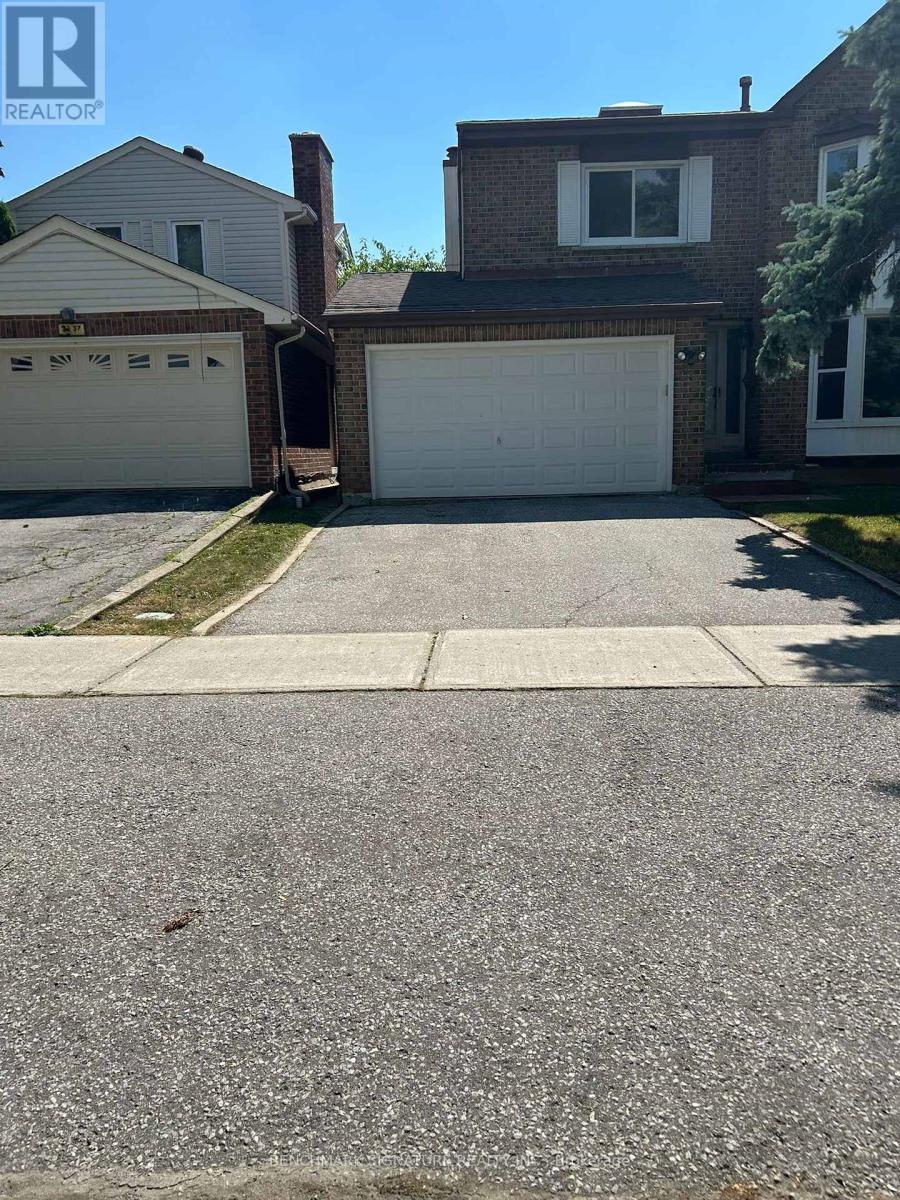 For Sale
 For Rent
 For Sale
 For Sale