
Stonegate-Queensway is an established south Etobicoke neighbourhood where detached bungalows and two-storey homes trade between $950,000 and $1,400,000. Royal York subway station sits at its eastern edge, Mimico Creek ravine cuts through the south, and the Queensway commercial strip has improved steadily over the last decade. Families and buyers pricing out of Bloor West Village consistently find value here.
Stonegate-Queensway runs along The Queensway between Royal York Road to the east and Islington Avenue to the west, with residential streets extending north toward Bloor and south toward the lake. It sits in the southern half of Etobicoke, a few minutes from Lake Ontario but not a waterfront neighbourhood in the way Mimico or Long Branch are. The character here is established and settled: a mix of post-war bungalows, solid brick semis, and some older detached houses on the residential streets north and south of the main commercial corridor, with the Queensway itself providing a walkable retail and transit spine.
The neighbourhood draws a lot of comparison to Mimico and the broader Lakeshore corridor, and there are genuine similarities. Both areas have a mix of housing types, both have improved significantly over the last 15 years, and both sit within range of the lake. What distinguishes Stonegate-Queensway is a slightly more settled and less transitional character. The redevelopment pressure that defines Mimico’s current moment is present here but less acute, and the established residential streets feel more rooted than the Lakeshore condo corridors to the south.
Mimico Creek runs through the southern edge of the neighbourhood, providing a ravine buffer that adds green space and a quieter edge to streets that approach it. Royal York subway station on the Bloor-Danforth line sits at the eastern boundary, and the 80 bus along the Queensway provides a direct transit link west. This combination of subway adjacency and a functioning local commercial strip puts Stonegate-Queensway in a position that justifies its price premium over more car-dependent parts of south Etobicoke.
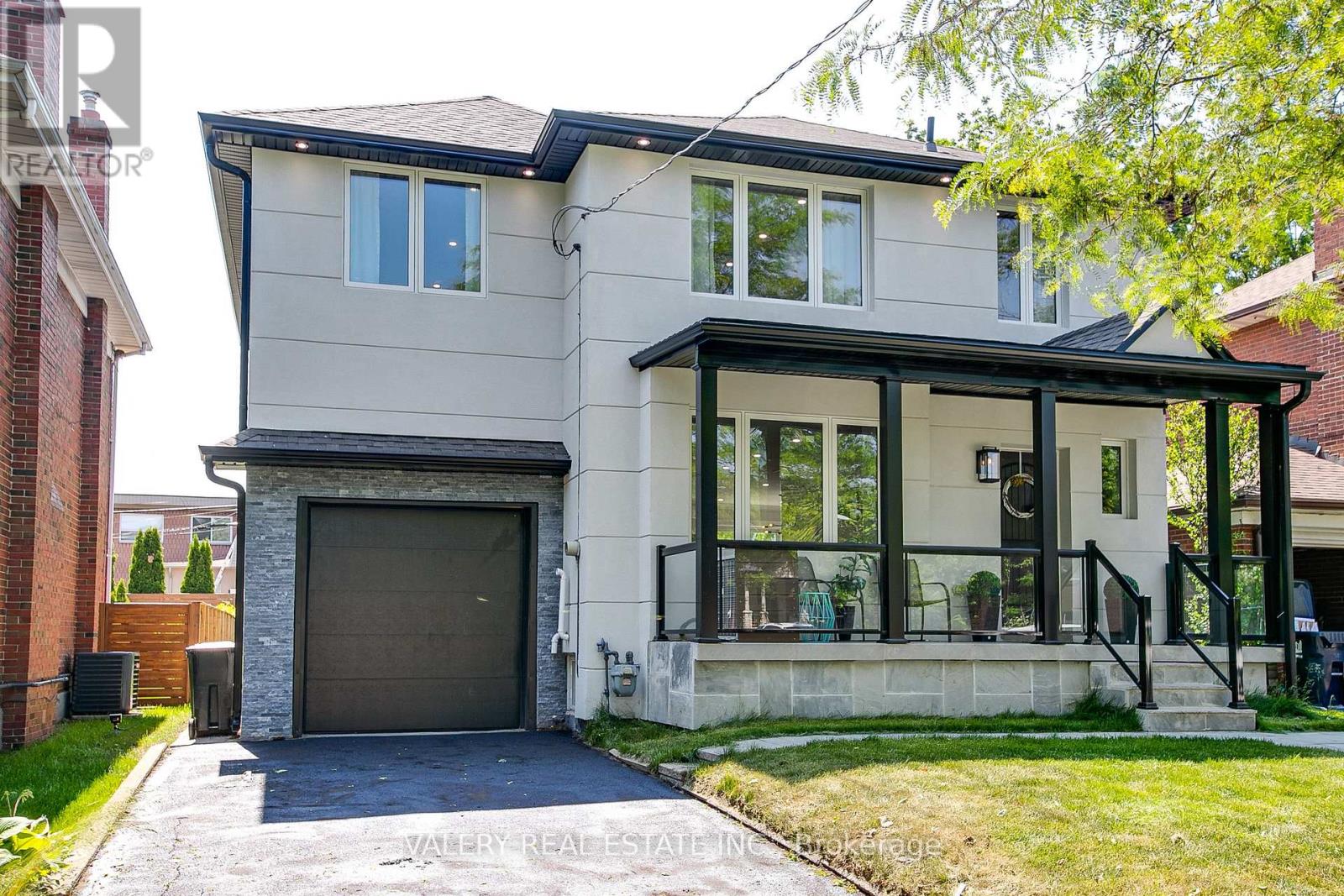
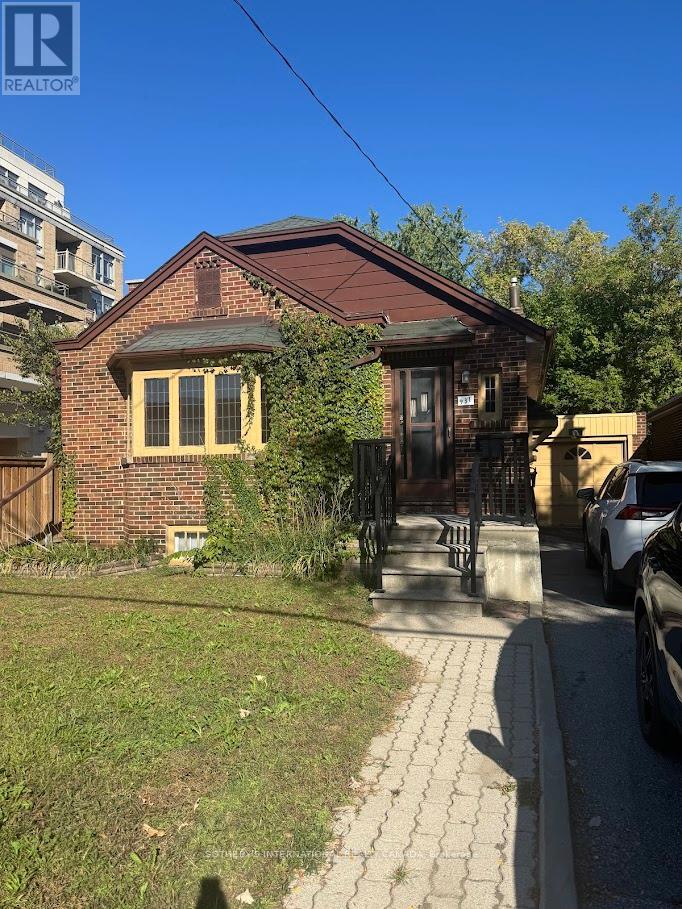
The dominant housing type is the post-war detached bungalow and the two-storey semi-detached, with a reasonable number of two-storey detached houses on the better streets. Lot sizes vary: the streets south of the Queensway toward the lake tend to have narrower lots, while those north of the Queensway in the Stonegate section have more generous widths on some streets. Brick construction from the 1940s and 1950s holds up well structurally, though buyers in this price range should expect some combination of original windows, older mechanical systems, and kitchens and bathrooms that reflect their age unless the house has been renovated.
Prices in 2026 run from approximately $950,000 to $1,400,000 for detached properties, with semis beginning somewhat lower. The lower end of that range buys an unrenovated bungalow on a standard lot. The upper end represents a renovated two-storey detached on a better street with a functional layout. Fully renovated houses with good kitchens, updated mechanicals, and decent finished space in the basement push through the top of the range on occasion, particularly in the northern Stonegate section where lots are deeper.
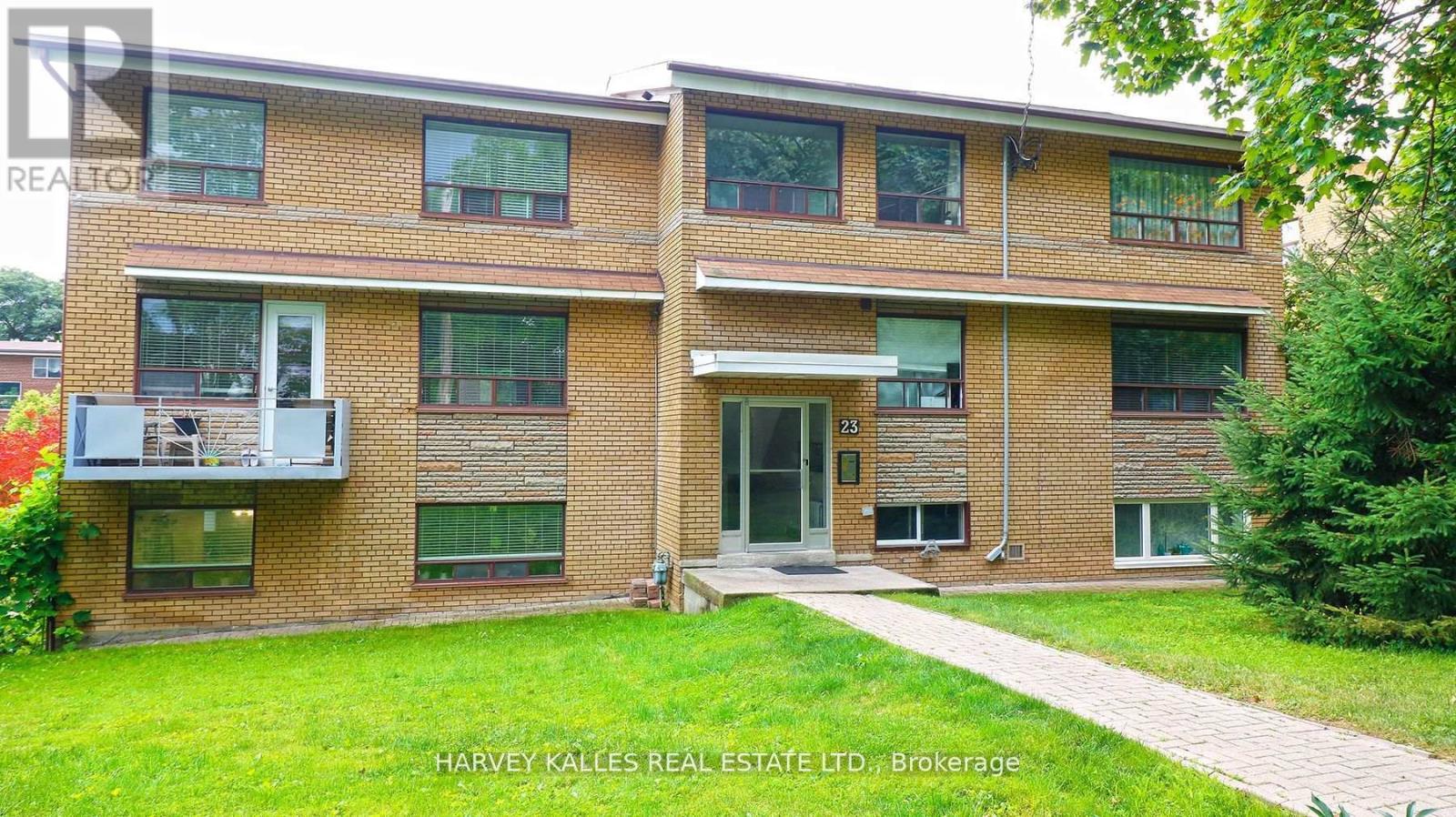
New condo development has arrived along the Queensway corridor in recent years, primarily in mid-rise buildings rather than the tower format that dominates Mimico. These units appeal to buyers who want a newer product in an established neighbourhood without buying into the high-rise density of the lakeshore condo market. They are priced lower than equivalent units further east along the Queensway, which reflects the neighbourhood’s position relative to more central addresses. The ownership mix of established houses and newer condos gives the neighbourhood more product variety than it had a decade ago, which is useful for buyers at different price points.
Stonegate-Queensway trades closer to the freehold Etobicoke market than to the condo-dominated Lakeshore segment. Detached houses here hold value through moderate market softening better than high-rise condos, and the supply of freehold houses is constrained by the existing residential fabric. This means the market is less volatile than the condo segments in adjacent areas, with fewer investor-driven listing spikes and more stable end-user ownership.
Competition for well-presented detached houses in the Stonegate section has been consistent through most market conditions. Families who have been priced out of Bloor West Village and Roncesvalles to the east, and who want transit access and a residential neighbourhood rather than a condo tower, frequently end up looking here. That demand base gives the neighbourhood floor support that more purely transit-or-condo-driven areas lack.
The market tends to move in line with the broader Toronto freehold market: competitive spring and fall seasons, slower summers and Januaries, and rate sensitivity at the upper end of the range. Multiple offers are common in spring for move-in-ready detached houses priced correctly. Properties requiring significant renovation often sit longer and offer more negotiating room, particularly in the current environment where renovation costs have remained elevated. For buyers who can take on a renovation, the gap between a tired house and a finished one represents real equity creation in a neighbourhood where the finished product is genuinely valued.
Families represent the largest buyer group in Stonegate-Queensway, drawn by the combination of freehold housing with yards, public transit within walking distance, and an established residential neighbourhood that does not feel transitional. Royal York subway station puts the neighbourhood within 35 to 40 minutes of downtown by transit, and the Queensway bus extends the transit reach west. For parents who are commuting while also managing school-age children, the balance between transit access, neighbourhood stability, and reasonable price makes this area work.
Buyers pricing down from Bloor West Village, Roncesvalles, or Swansea make up a significant second group. They have typically been in the market for a while, understand what freehold in west Toronto costs, and arrive at Stonegate-Queensway recognising that the price difference buys essentially the same housing type in a less fashionable but functionally similar location. These buyers often intend to hold for a decade or more and are not particularly interested in the neighbourhood’s development trajectory. They want a house, a yard, and transit, and they find all three here.
A smaller group of renovators and design-focused buyers has been present in the neighbourhood for the last ten years, attracted by the housing stock’s quality and the value gap relative to similar houses further east. These buyers buy unrenovated, improve substantially, and have generally done well on resale. They bring the neighbourhood up with them, and their presence is one reason the Stonegate section in particular has shifted noticeably in character over the last decade. The commercial strip on the Queensway has improved in parallel, adding better restaurants and independent retailers that serve this newer population alongside the original community.
The Stonegate section, north of the Queensway and west of Royal York Road, is the most consistently desirable pocket within the neighbourhood. Streets like Grenview Boulevard North and South, Sunnylea Avenue, and the crescents off Stonegate Road have mature trees, wider lots in some cases, and a stable owner-occupant character that has strengthened over the last decade. Houses here hold the upper end of the neighbourhood price range and compete for buyers who might otherwise look in the Bloor West corridor.
The streets south of the Queensway toward the lake have a different character. They are closer to the water and the Mimico Creek ravine, which provides a quiet green buffer. Properties on Horner Avenue and the streets approaching the creek tend to be slightly smaller lots with a more mixed character between owner-occupied and rental. The creek ravine itself is a genuine amenity, and streets with direct ravine backing carry a premium.
Along the Queensway itself, the mid-rise condo developments of the last decade sit between the traditional bungalow streets and the arterial commercial. The older buildings on the Queensway have mixed character: some blocks are retail-dominated and noisy, others have calmed into residential stretches with tree cover and modest commercial. Buyers looking for the quietest residential experience should focus on the streets perpendicular to the Queensway and at least one or two blocks from the arterial itself. The Queensway proper can carry significant truck traffic and noise that is not always apparent during a Saturday afternoon showing.
Royal York subway station at the eastern boundary of the neighbourhood is the transit anchor. The walk from the Stonegate section near Royal York Road is 5 to 10 minutes, and from the western parts of the neighbourhood nearer Islington it is longer but manageable. The subway ride to Bloor-Yonge takes about 20 minutes, making downtown Toronto accessible in under 35 minutes door-to-door for most of the neighbourhood. This is meaningfully better transit access than most of south Etobicoke provides.
The 80 Queensway bus runs the length of the corridor and connects to the subway at Royal York, to the Humber College campus at the western end, and to points between. For errands that do not require the subway, the bus handles the Queensway corridor adequately. The 501 Lakeshore streetcar is accessible at the southern edge of the neighbourhood, providing a second transit option toward downtown via the Lakeshore route. Residents with cars have quick access to the Gardiner Expressway via the Kipling or Islington ramps, and the QEW is similarly accessible, making Stonegate-Queensway workable for car-commuting to Mississauga or the airport corridor.
Cycling on the Queensway arterial is possible but requires confidence. The street carries significant traffic and the cycling infrastructure is limited. The quieter residential streets north and south of the Queensway are more pleasant to cycle and provide access to the Martin Goodman Trail along the lakeshore, which is a well-maintained multi-use path running east-west along the waterfront. From Stonegate-Queensway, the trail is a short ride south and opens up cycling access to downtown and to Port Credit in the other direction.
Mimico Creek is the most significant natural feature accessible from this neighbourhood. The creek runs through a ravine corridor that provides a linear park connecting south toward Lake Ontario and north through Etobicoke. The trail along the creek is well-used and connects to the broader Toronto ravine system. For residents in the southern part of the neighbourhood, the creek is genuinely walkable, and the ravine provides a natural buffer between streets that back onto it and the adjacent areas.
Sunnylea Park on Grenview Boulevard North is a well-maintained neighbourhood park within the Stonegate section with sports fields, a playground, and open green space. It is used heavily by families in the area and has the active weekend character of a park that is genuinely embedded in a residential community. The surrounding streets are shaded by mature trees that have grown to canopy scale, which adds to the park’s character and to the streets adjacent to it.
Further afield, the Lake Ontario waterfront is 10 to 15 minutes on foot or five minutes by bike for residents in the southern part of the neighbourhood. The Martin Goodman Trail along the lakeshore provides east-west walking and cycling access, and the lakefront parks in this section of the Lakeshore are accessible and well-maintained. Humber Bay Park East and West are a short distance east and offer more significant green space with a marina, walking paths, and views of the city skyline across the bay. Residents of Stonegate-Queensway who make regular use of the waterfront end up with access to some of the best urban trail and green space in the city.
The Queensway commercial strip is genuinely useful and has improved over the last decade. The mix now includes independent cafes, a solid selection of restaurants spanning several cuisines, a pharmacy, a No Frills for everyday grocery shopping, and the service businesses that a neighbourhood of this size requires. The character of the strip is not as polished as Bloor West Village or the Roncesvalles stretch, but it functions well and continues to add better options as the buyer population in the neighbourhood has shifted. Weekend mornings on the Queensway near Royal York have a neighbourhood life that would not have been obvious 15 years ago.
For larger grocery shopping, a Loblaws and other supermarkets are accessible along the Queensway heading west, and Sherway Gardens is 10 to 15 minutes by car or bus. The cluster of retail at Islington and the Queensway provides some additional options. Residents who want a wider restaurant and bar selection typically head east along the Queensway toward Mimico and the Lakeshore West corridor, where the dining scene is more developed.
Medical and dental services are available along the Queensway and in the surrounding commercial plazas. St. Joseph’s Health Centre is accessible on The Queensway further east, which is a full-service hospital with emergency services and a significant regional health role. Banking, pharmacy, hardware, and the everyday service categories are all covered within the neighbourhood without a car. The retail and service offering here is not exceptional, but it is solid, and its continued improvement over the last decade is a reasonable indicator of direction.
Public elementary schools in Stonegate-Queensway are part of the Toronto District School Board. Sunnylea Junior Middle School serves the Stonegate section and has a positive reputation among families in the neighbourhood, with consistent enrolment and a stable community of parents who are invested in the school. Bishop Allen Academy at the secondary level is the Catholic option and draws students from across south Etobicoke with a reputation that has remained consistently strong. For the TDSB secondary stream, Etobicoke Collegiate Institute is the typical destination.
The Catholic elementary system serves the neighbourhood through separate schools in the south Etobicoke catchment. The TCDSB has maintained strong programming in this area, and Catholic school buyers will find that the system is well-established and the schools in this part of the city benefit from stable enrolment from a population with consistent Catholic school preference.
French immersion is available through the TDSB system, though parents should confirm current boundary details directly with the board. Immersion demand has been high across Etobicoke and boundaries have shifted in recent years as the board expanded access. Purchasing specifically to be within a French immersion catchment requires confirming the current boundary before firming up an offer. The streets of the Stonegate section fall within catchment areas that have historically had good access to immersion programs, but this should not be assumed without verification. Private school options including some well-regarded independent schools are accessible along the Bloor corridor to the north and in the broader west Toronto network for families considering that path.
The Queensway corridor is designated as a transit-oriented development zone in the City of Toronto’s official plan, and mid-rise intensification along the arterial has been ongoing for a decade. The pace of new condo construction along the Queensway has moderated from its peak, but applications continue and the planning framework remains favourable for mid-rise residential development on the larger commercial sites. This is broadly positive for neighbourhood vibrancy over time, adding more residents who support the commercial strip, but it does bring construction activity and increased density to the arterial environment.
The residential streets north and south of the Queensway are unlikely to change fundamentally. The City’s neighbourhood policies generally protect established low-rise residential areas from infill pressure, and the housing stock here is solid enough that teardown and rebuild is rare outside of the occasional custom home replacing a heavily deteriorated example. What buyers can expect is that the Queensway itself will continue to fill in with new mid-rise buildings over the next decade, and the neighbourhood population will grow accordingly.
The Mimico Creek ravine area to the south is subject to ongoing environmental review and trail improvement as part of the City’s waterfront and ravine strategy. Some improvements to trail connectivity and naturalization of the creek edges have been completed, and further work is planned. The ravine as an amenity is not at risk; if anything it is improving. The waterfront accessibility south of the neighbourhood has also improved through investments in the Martin Goodman Trail and lakeshore parks, which benefits Stonegate-Queensway residents without requiring any changes to the neighbourhood itself.
How does Stonegate-Queensway compare to Mimico for buyers at a similar budget?
They serve different preferences more than they compete directly. Mimico has a more dramatic transformation story, a higher condo component, and closer proximity to the lake. Stonegate-Queensway has more established freehold character, better subway proximity via Royal York station, and a slightly quieter trajectory. Buyers who want a detached house in a residential neighbourhood and care more about the subway connection than the waterfront proximity tend to prefer Stonegate-Queensway. Buyers who want to be very close to the lake and are comfortable with the condo component and the faster-changing character often choose Mimico. At similar budgets, Stonegate-Queensway typically buys a bit more house because the Mimico freehold market has been priced up by the neighbourhood transformation story.
Is the noise from the Queensway a real problem?
It depends on where the house is. The Queensway carries significant truck and bus traffic, and houses with lot lines adjacent to or near the arterial hear it. One or two blocks north or south on the side streets, the noise drops substantially. Mature street trees help. A Saturday afternoon showing during moderate traffic does not give you an accurate read on 7am weekday truck noise. Visit the specific street on a weekday morning before making an offer if this matters to you. The Stonegate section north of the Queensway and a full block or more from the arterial tends to be quiet. Streets with lot lines running to the Queensway are not.
What is the walk to Royal York subway station actually like?
From the Stonegate section near the Royal York and Bloor intersection, it is a five-minute walk. From the streets near Islington at the western edge of the neighbourhood, it is closer to 20 minutes. The bus on the Queensway covers the longer distances, so you are not forced to walk, but transit comfort from the western portion of the neighbourhood is different from transit comfort in the eastern portion. If subway proximity is central to your decision, focus your search on streets within a 10-minute walk of Royal York station, which means the eastern third of the neighbourhood.
Are the post-war houses in this area good structural buys, or are there systemic issues to worry about?
The 1940s and 1950s brick construction that dominates this neighbourhood holds up well structurally. The issues to look for are not structural failure but deferred maintenance: knob-and-tube or aluminum wiring that has not been replaced, original cast iron or galvanised plumbing, older furnaces and electrical panels, and basement waterproofing that has not been addressed. These are common in unrenovated examples and the cost to address them adds up. A thorough home inspection by an inspector experienced with this era of construction will identify what is and is not an issue. Houses that have been well-maintained or thoughtfully renovated largely avoid these concerns, and the price premium on renovated examples in this neighbourhood is usually justified by what it costs to do the work.
Buying in Stonegate-Queensway is primarily a freehold purchase, and the considerations that apply are the ones that matter in any established Toronto residential market: knowing which streets to target, understanding the specific condition of a house rather than relying on what the listing description says, and calibrating your offer correctly based on the specific property and the current market depth. An agent who works regularly in south Etobicoke will know the streets where multiple offers are likely, the listings that have been sitting because of specific issues, and the price points where negotiation is realistic.
The condition assessment is particularly important in this neighbourhood given the age of the housing stock. An agent who has been through these houses regularly will often notice deferred maintenance issues during a showing that an inspector confirms later, which helps you frame your financial planning before you are committed to a purchase. Knowing that a house needs $60,000 in mechanical and electrical work before the offer rather than after changes what you bid and how you structure any conditional period.
On competitive listings, strategy matters. The Stonegate section in spring can see multiple offers on well-priced properties, and knowing when to compete and when to let a listing go requires experience with what the neighbourhood actually supports in any given market condition. We work regularly in south Etobicoke and know this neighbourhood at the street level. If you are looking here, get in touch and we will show you what we know about the streets and the specific listings before you make any decisions.
Street-level knowledge is hard to find online. Our team works in Stonegate-Queensway every day. They know which pockets hold value, where the school catchment lines actually fall, and what the market is doing right now. Talk to us before you make a decision about Stonegate-Queensway.
Talk to a local agent For Rent
 For Rent
 For Rent
 For Rent