
Stonehaven-Wyndham is a premium planned residential community in north Newmarket, developed in the late 1990s through 2000s with larger homes, above-average construction quality, planned parks and trail corridors, and strong school access. One of Newmarkets most consistently sought-after family neighbourhoods at the upper end of the market.
Stonehaven-Wyndham is a planned residential community in the north part of Newmarket, developed primarily from the mid-1990s through the 2000s in the area north of Mulock Drive and west of Leslie Street. It was built as a premium residential community from the outset, with above-average home sizes, planned parks and open space, and a community character designed to attract the upper end of the Newmarket buyer market. The name reflects two component communities — Stonehaven to the west and Wyndham to the east — that were developed by different builders but share a common planning framework and community identity.
The neighbourhood’s position in north Newmarket puts it adjacent to the East Gwillimbury boundary, and some of the northern properties back onto or face the agricultural and residential edge of the two-municipality boundary. This north-end position means longer drives to the central Newmarket services along Yonge Street and to the Newmarket GO Station, balanced by the community’s own planned internal amenities and the proximity to the newer commercial development along Mulock Drive and the Upper Canada Mall area.
Stonehaven-Wyndham established and has maintained a reputation as one of the two or three most desirable residential areas in Newmarket, alongside Glenway Estates and the upper tier of Woodland Hill. Properties here trade at premiums over the mid-market Newmarket neighbourhoods, reflecting the construction quality, lot sizes, and planned community design that differentiate the area from the more organically grown residential fabric of the central and southern parts of the city.
The community’s planned green space network, which includes stormwater management ponds, trail corridors, and larger neighbourhood parks than were provided in earlier Newmarket developments, is one of the practical daily quality-of-life features that residents cite as a reason for the premium they paid. The outdoor infrastructure of Stonehaven-Wyndham was designed specifically for the family and lifestyle demographic it was built to attract, and it has delivered what it promised over the neighbourhood’s lifespan.
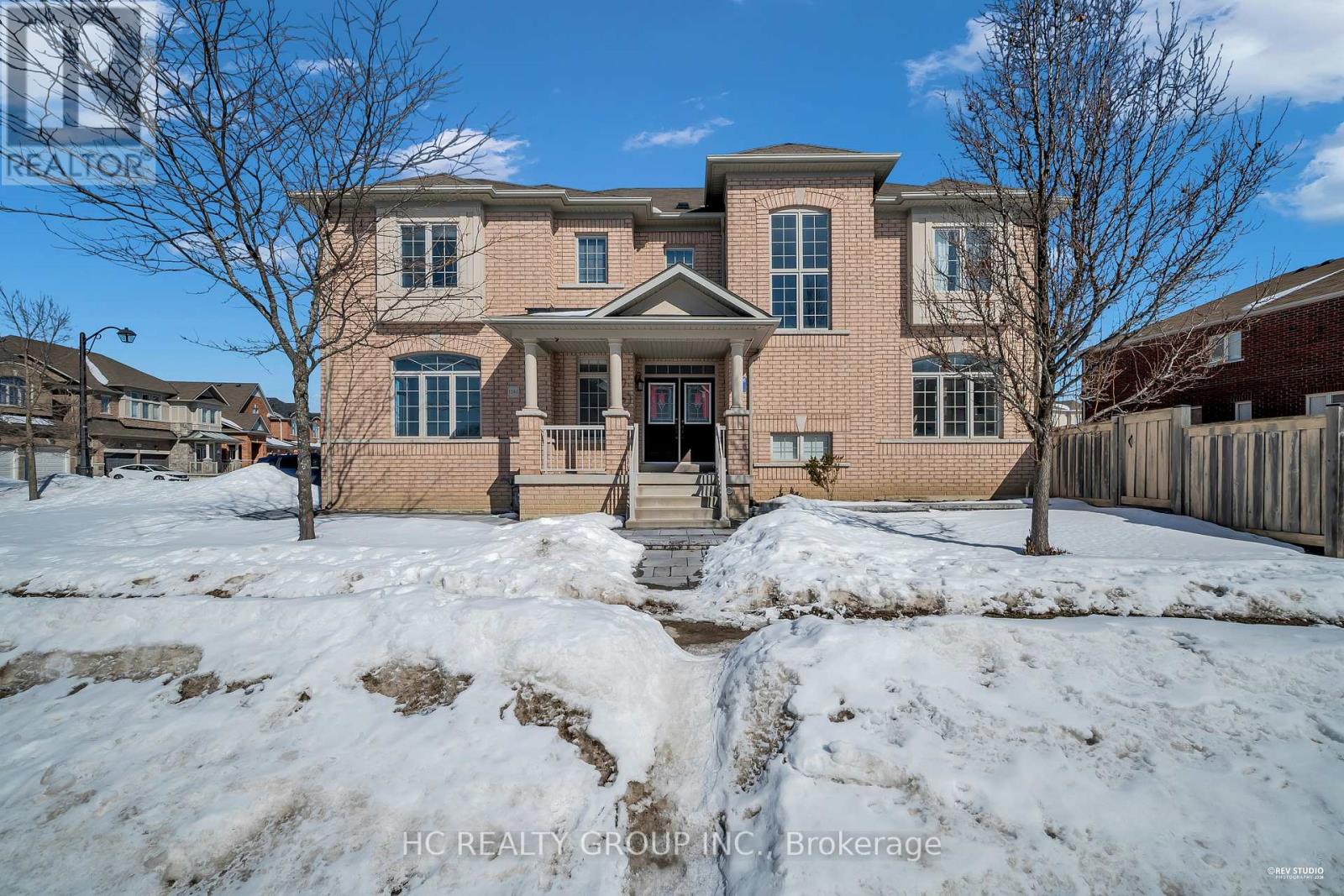
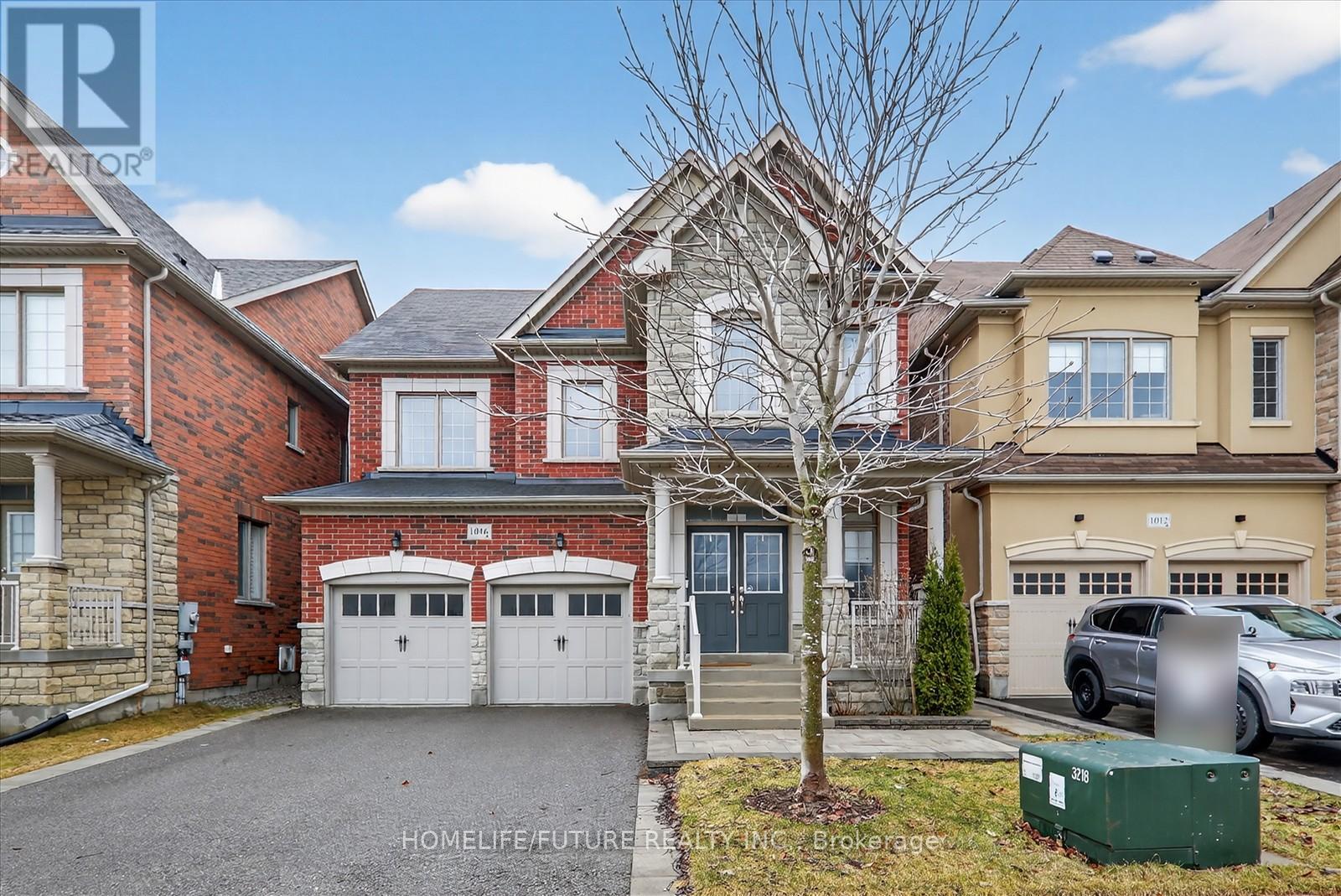
Stonehaven-Wyndham’s housing is primarily detached two-storey homes from the late 1990s through the 2010s, with floor plans in the 2,000 to 4,500 square foot range and the construction quality that the neighbourhood’s premium positioning required. The homes have brick and stone exterior detailing, wider frontages than the mid-market Newmarket developments, and the architectural variety within a consistent quality standard that planned premium communities of the era produced.
Lot sizes in Stonehaven-Wyndham are larger than in comparable vintage Newmarket developments. Fifty to sixty-five foot frontages are typical, with depths that provide meaningful rear yard space. Some of the larger properties in the community approach the executive home size range, with lots wide enough for triple garages and floor plans large enough for four to five bedrooms with multiple bathrooms and main-floor offices. These properties are at the upper end of the Newmarket detached market and compete with the upper tier of Glenway Estates for buyers at that price level.
The housing stock has been maintained consistently well. The Stonehaven-Wyndham demographic of established professional families has produced the maintenance investment and renovation quality that keeps the neighbourhood’s housing stock competitive. Kitchens and primary bathrooms have been updated in many homes, the landscaping is established and well tended, and the overall presentation of the neighbourhood’s housing stock reflects ownership pride that is visible from the street.
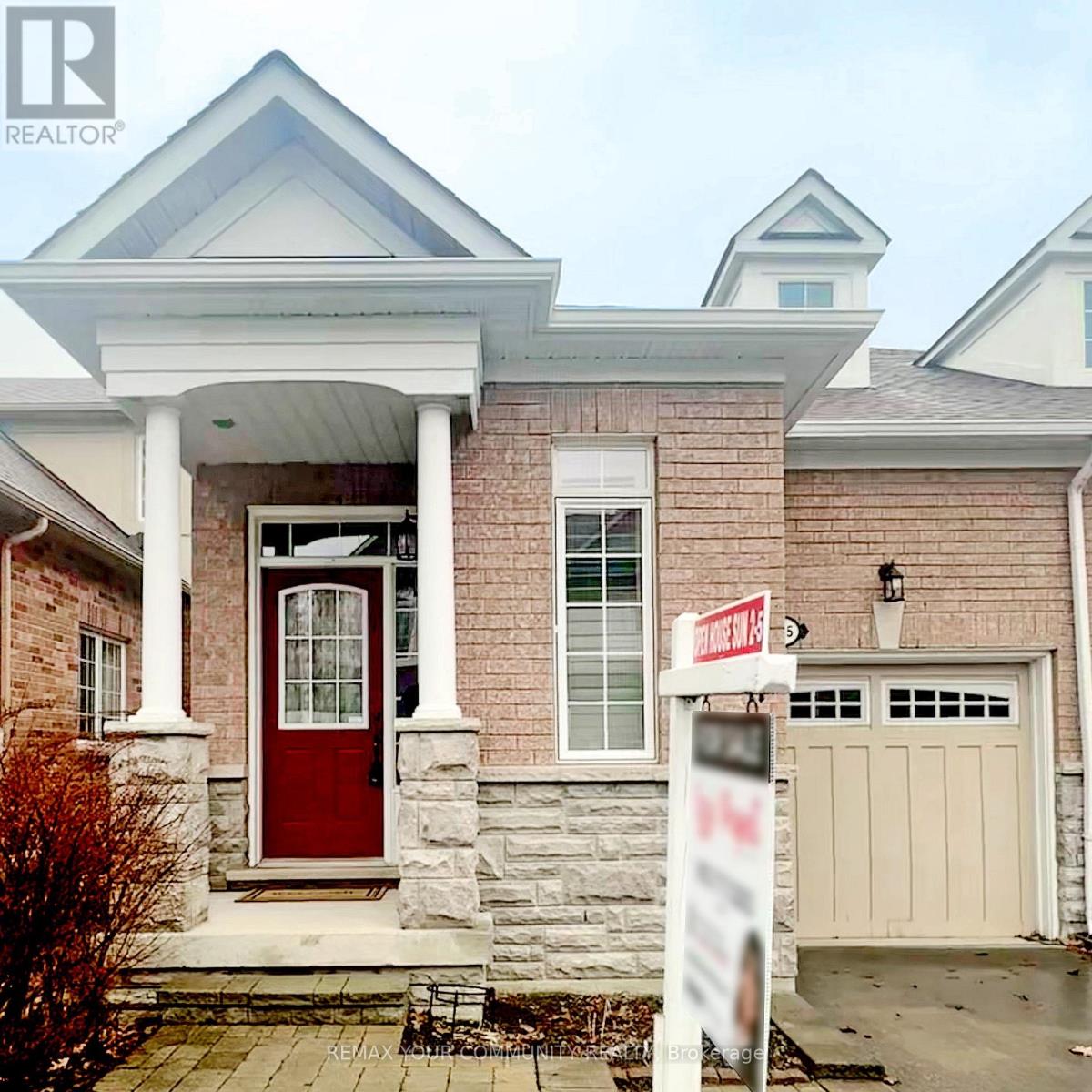
Some townhouse and semi-detached product exists within the Stonehaven-Wyndham planning area, concentrated in the community’s affordable component areas that were included in the development plan. These provide entry points into the Stonehaven community at prices below the fully detached market, with access to the same community amenities and school assignments that the detached inventory provides.
Stonehaven-Wyndham is at the premium end of the Newmarket detached market, competing with Glenway Estates for the city’s highest-priced residential transactions. The premium reflects the construction quality, lot sizes, planned community design, and the north Newmarket location that is removed from the denser commercial and transit activity of the Yonge Street corridor but benefits from the quieter, more spacious character of a purpose-built community.
The transaction volume is lower than in the mid-market segments because the buyer pool at the upper price tier is narrower by definition. Days on market are longer on average for Stonehaven-Wyndham properties than for mid-market Newmarket homes, and sellers who price optimistically at the absolute top of the achievable range may wait months for the buyer whose specific requirements align with what the property offers.
The neighbourhood has appreciated consistently over its lifespan, maintaining its premium over mid-market Newmarket through the cycles that have affected broader GTA prices. Buyers who purchased in Stonehaven-Wyndham during the 2000s and held have seen strong appreciation, though those who purchased at the 2017 peak and sold in the subsequent correction experienced the same headwinds as buyers in any premium GTA suburban segment.
The townhouse and semi-detached segment within Stonehaven-Wyndham provides an accessible entry point that does not exist in the premium Glenway Estates market. First-time buyers who want to live in Stonehaven’s community context but cannot yet afford the detached market find the semi-detached and townhouse inventory useful, and it produces a more varied buyer demographic within the community than purely detached communities can support.
Stonehaven-Wyndham was built for and continues to attract established families at the upper end of the Newmarket buyer market. The typical buyer is a dual-income professional household with children, purchasing what they expect to be their long-term family home and willing to pay the premium for construction quality, community design, and the specific character of a purpose-built neighbourhood rather than the accumulated character of an older area. They are buyers who have done several moves and know what they want.
The north Newmarket location is a specific draw for buyers who work in the East Gwillimbury and Newmarket industrial and commercial areas to the north and east. The shorter commute to these employment areas from Stonehaven-Wyndham, relative to the more southern Newmarket neighbourhoods, is a meaningful practical advantage for households where one adult works in the local employment base. It shifts the commute calculation in favour of north Newmarket relative to the central and southern parts of the city.
Families with children at secondary school age are a consistent segment. The community’s schools, its planned outdoor infrastructure, and the social network that has developed over the community’s 25-year history make it an attractive environment for children in the pre-secondary and secondary school years. The community hockey, soccer, and recreational programming that has grown around the neighbourhood’s recreational infrastructure creates a social context that buyers with active families specifically value.
Move-down buyers from larger homes within Stonehaven-Wyndham — original residents who raised their families in the community and are now in their 50s and 60s — sometimes stay within the neighbourhood, moving from a five-bedroom executive home to a three-bedroom detached or a larger semi-detached, maintaining community ties, neighbourhood networks, and proximity to the same schools and parks where they spent the family years. This intra-neighbourhood mobility is a characteristic of communities where people have built genuine place attachment over decades.
Within Stonehaven-Wyndham, the two original communities reflect slightly different characters. The Stonehaven section to the west has the more established mature landscaping and the properties that were built earliest in the community’s development timeline. The Wyndham section to the east has some of the larger executive homes built in the later phases, when the premium positioning of the community was confirmed and builders responded with larger product for buyers who had validated the neighbourhood’s value.
The properties backing onto the stormwater management ponds and the green corridor features within the community are sought-after within the neighbourhood, providing rear yard views over the naturalistic pond and green space rather than onto conventional rear yards. These properties command premiums over comparable homes without the backing, consistent with the pattern in all planned communities where environmental features are part of the design.
The northern edge of the community, where properties face the East Gwillimbury boundary and the agricultural or residential interface, provides an edge-of-city openness that is valued by buyers who specifically want the sense of being at the boundary of the urban area. The views from these streets can extend into open land, providing visual relief from the enclosed suburban character that properties in the community’s interior experience.
The community’s parks and recreational facilities are distributed across both Stonehaven and Wyndham sections, with the larger neighbourhood parks serving the full community. Buyers who weight park proximity in their decision-making can compare specific properties to park locations using the community’s trail map to understand daily walking access before making an offer. This is worth doing for families with young children for whom daily park access is a routine rather than an occasional activity.
Stonehaven-Wyndham is one of the more car-dependent Newmarket neighbourhoods, reflecting its north end position away from the Yonge Street Viva corridor and at a greater distance from Newmarket GO Station than the central and southern neighbourhoods. The GO station is 5 to 8 kilometres south, and while the drive is straightforward, the door-to-door commute to downtown Toronto is longer from Stonehaven-Wyndham than from areas closer to the station. Residents who commute regularly to Union Station by GO should build the full travel time into their planning.
Highway access from Stonehaven-Wyndham is reasonable. Highway 404 is accessible via Mulock Drive and Leslie Street, and Highway 400 via Davis Drive to the south. The Mulock Drive corridor has improved access to the 404 interchange over the years, and the east end of the neighbourhood is among the more highway-convenient parts of Newmarket for 404 commuters. Highway 400 access requires driving south through the city to the Davis Drive interchange.
The Viva rapid transit network on Yonge Street is accessible by car or bus connection from Stonehaven-Wyndham, but the distance from the Yonge corridor means it is not a walking option for any resident in the community. Most residents who use transit drive to the GO station or drive to a Viva stop on Yonge, which makes the transit situation similar to Glenway Estates: available but not walkable, and requiring the drive-and-park pattern that is standard across Newmarket’s outer suburban neighbourhoods.
The employment base in East Gwillimbury and the industrial areas north and east of Stonehaven is accessible in a very short commute — under 10 minutes for many of the Mulock Drive and Leslie Street area employers. This local employment access is a meaningful commute advantage for households where one member works locally, and it reduces the overall car dependence of a household where one adult works locally and one commutes to Toronto by GO.
Stonehaven-Wyndham’s outdoor infrastructure was designed as part of the community plan and delivers the parks, green corridors, stormwater pond environments, and trail connections that planned communities of the 1990s and 2000s incorporated to distinguish premium residential development from earlier, more park-sparse suburban formats. The community has multiple parks of varying scales, the trail corridors connecting through the internal green space, and the naturalistic stormwater features that provide daily wildlife viewing for residents who live adjacent to them.
The trail system connects through Stonehaven-Wyndham to the broader Newmarket active transportation network, and from there to the LSRCA conservation areas that provide larger-scale natural landscape access. Residents who use the trail network for running or cycling can cover extended distances without repeating terrain, linking through the city trail system to the conservation lands north of the urban boundary.
The community’s active recreation facilities include the sports fields and park infrastructure sized for the family demographic that the neighbourhood was built to serve. Soccer, baseball, and informal recreation on the neighbourhood’s park green space is part of the daily life pattern for families in Stonehaven-Wyndham during the seasons when outdoor activity is practical. The community’s investment in maintaining this park infrastructure has been consistent over the neighbourhood’s history.
Golf, equestrian riding, and other rural recreational activities are accessible within 20 to 30 minutes of Stonehaven-Wyndham via the King Township rural areas and the golf courses operating in the broader north York Region area. For residents with these specific recreational interests, the north Newmarket position is more convenient than the south end of the city. The East Gwillimbury GO station expansion, as it adds service capacity and infrastructure to the area north of Newmarket, gradually improves regional connectivity for residents of the north Newmarket community.
Stonehaven-Wyndham residents drive to the Mulock Drive commercial corridor and the Yonge Street retail concentration for most of their shopping needs. The Mulock Drive commercial area, developed as the north Newmarket population grew, provides grocery, pharmacy, and convenience services closer to the neighbourhood than the more southern Yonge Street concentration. For routine weekly errands, the Mulock Drive options reduce the drive time compared to the Yonge Street commercial core.
The Upper Canada Mall area at Yonge and Davis Drive is about 10 minutes south of Stonehaven-Wyndham and provides the full range of enclosed mall retail and services that the Mulock Drive strip commercial doesn’t offer. Most Stonehaven-Wyndham households make regular trips to the Upper Canada Mall area for major shopping, treating the Mulock Drive commercial as the convenient option for routine needs and Yonge and Davis as the destination for more significant shopping occasions.
Southlake Regional Health Centre is approximately 6 to 8 kilometres south of Stonehaven-Wyndham, accessible in under 15 minutes. The drive is longer than from the central Newmarket neighbourhoods but still practical. The medical office and specialist cluster around Southlake is the practical healthcare infrastructure for the north Newmarket population as it is for the city as a whole. For households with regular healthcare needs, the 10 to 15 minute drive is acceptable; for emergency situations, it is fast enough to provide reasonable access.
Restaurant and specialty retail options are available within the community’s commercial areas and along the broader Mulock Drive corridor. The variety is more limited than on the Yonge Street main commercial strip, but for families who primarily eat at home and occasionally eat out nearby, the Mulock Drive restaurant options are sufficient for regular use without requiring a drive to the central commercial area for every dining occasion.
Stonehaven-Wyndham falls within the York Region District School Board for public schools and the York Catholic District School Board for Catholic families. The community was planned to include school sites from its inception, and the public and Catholic elementary schools in the Stonehaven-Wyndham area were built to serve the community’s family demographic as it grew. The schools are purpose-built for the community they serve, with facilities that reflect the investment standards of schools built in the 1990s and 2000s.
Newmarket High School and Dr. John M. Denison Secondary School are the secondary school destinations for most Stonehaven-Wyndham students in the public system, accessible by school bus from the north end. The York Catholic secondary system serves Catholic students through the Newmarket area Catholic schools. Secondary school quality in Newmarket is consistently above average within York Region, which is itself a strong school system, benefitting from the engaged parent demographic and the municipal investment in educational infrastructure.
The parent council culture in Stonehaven-Wyndham schools reflects the neighbourhood’s demographic of established professional families. Parent councils are well funded, supplementary programming is active, and the parental engagement that sustains strong school community life is present in the community’s schools at a level consistent with its premium residential positioning. This is not an accidental outcome; it reflects the connection between the buyer demographic and the school community culture that flows from it.
Private school access from Stonehaven-Wyndham is approximately 25 to 30 minutes by car to the King Township private schools, which is slightly longer than from the central and southern Newmarket neighbourhoods but still practical for families who have chosen private secondary education for their children. The relative inconvenience of the private school commute from the north end is a consideration that buyers with school-age children planning private education should factor into their location decision.
Stonehaven-Wyndham is a completed community in terms of its internal residential development. The planning area has been substantially built out, and the changes affecting its context are at its edges and in the broader north Newmarket and East Gwillimbury area rather than within the community itself. The East Gwillimbury growth that is proceeding north of the Newmarket boundary is the most significant regional change, bringing new residential development and the infrastructure investment that follows population growth to the area immediately north of Stonehaven-Wyndham.
The East Gwillimbury GO Station, on the Barrie line north of Newmarket, has expanded its service and infrastructure as part of the Barrie corridor investment. This station’s growing utility creates a transit option for north Newmarket residents, including those in Stonehaven-Wyndham, who find it closer than the Newmarket GO Station depending on their specific address. The additional transit option and the growing East Gwillimbury employment and commercial base improve the north Newmarket context gradually.
The Mulock Drive commercial corridor adjacent to Stonehaven-Wyndham continues to develop incrementally, with new commercial and restaurant options added as the north Newmarket residential population has grown. This development improves the neighbourhood’s daily convenience access, reducing the distance residents need to drive for routine commercial needs. The long-term trajectory of the Mulock Drive commercial area is toward a more complete suburban commercial strip that serves the full north Newmarket population rather than a satellite commercial area serving a specific subdivision.
The neighbourhood’s premium positioning has proven durable through multiple real estate cycles. The combination of planned community quality, north Newmarket schools, and the family-oriented demographic that has consistently occupied the community suggests that Stonehaven-Wyndham will maintain its premium over the Newmarket mid-market for the foreseeable future. Buyers making long-term purchases here are buying into one of the city’s most stable and well-regarded residential areas.
How does Stonehaven-Wyndham compare to Glenway Estates for a buyer choosing between the two?
Both are premium Newmarket planned communities with larger homes and above-average construction quality. The key differences are location and transit context: Glenway Estates is in the west with Highway 400 access and adjacency to King Township’s rural edge; Stonehaven-Wyndham is in the north with Highway 404 access and proximity to East Gwillimbury. GO Station access is easier from Glenway for Barrie line commuters as it is slightly closer to Newmarket GO; the East Gwillimbury GO Station is another option for Stonehaven residents. Both communities have similar school quality and planned green space. The choice typically comes down to commute direction, highway preference, and whether the western or northern edge-of-city setting is more appealing to the specific buyer.
What is the community association situation in Stonehaven-Wyndham?
Stonehaven-Wyndham has a history of active community association involvement, driven by the engaged professional demographic that built the community’s social fabric over its 25-year history. The association organises community events, manages some common area issues, and provides the social infrastructure that connects residents who moved to the neighbourhood as strangers and built community over time. This is not a mandatory fee-based condo association but a volunteer community organisation; participation is optional but widely embraced. Buyers should connect with the current association to understand its activities and costs before purchasing.
Are there any ongoing development pressures at the edges of the neighbourhood?
The East Gwillimbury growth boundary north of Stonehaven-Wyndham is the most significant edge condition. Development approvals in East Gwillimbury have brought residential and commercial growth to the area immediately north of the Newmarket boundary, and while this development is generally positive for the broader area’s service infrastructure, it does mean that the agricultural land visible from some northern Stonehaven properties is not permanently protected in the way Oak Ridges Moraine lands in King Township are. Buyers who specifically value the view over open land from northern edge properties should understand the planning context for that land before assuming it will remain open.
Is the commute from Stonehaven-Wyndham manageable for daily Toronto workers?
It is manageable but requires realistic expectation-setting. The drive to Newmarket GO Station takes 10 to 15 minutes, then the train is approximately 55 minutes to Union Station, for a door-to-door time of 80 to 100 minutes to downtown Toronto destinations. For workers who commute two or three days per week, this is fully manageable. For daily peak-period commuters, it is at the upper end of what most people find sustainable without lifestyle consequences. The East Gwillimbury GO Station, slightly closer for north Newmarket residents depending on address, provides an alternative with expanding service that may slightly reduce total commute time for some Stonehaven residents.
Stonehaven-Wyndham transactions involve the premium Newmarket market, which requires agents with specific knowledge of the comparable data set and the buyer profile for this price tier. The transaction volume is lower than in the mid-market segments, and comparable analysis requires extending the geographic range to include Glenway Estates and the upper tier of Woodland Hill to build an adequate sample. Agents who work the Newmarket premium market regularly will know the specific premium drivers within the community and will have relationships with the buyers who are active at this price point.
The home inspection on late 1990s and 2000s construction in Stonehaven-Wyndham is generally less complicated than on older housing stock, but at the price levels involved, it is not less important. The larger homes in the community have more mechanical systems, more square footage requiring assessment, and higher replacement costs on every system when something fails. A thorough inspection that identifies what is approaching end of life is essential to budgeting the full cost of ownership, particularly for buyers who are stretching to the upper end of their financial comfort to purchase in a premium neighbourhood.
The East Gwillimbury development context is worth understanding for buyers at the northern edge of Stonehaven-Wyndham. The view and openness that currently characterises some northern properties may change as East Gwillimbury continues to build out its approved residential areas. Buyers who are paying a premium for that specific setting should understand the planning context for the adjacent land before building that view into their price assumption.
The buyers who have been most satisfied with Stonehaven-Wyndham are those who chose it for the community itself — the school quality, the planned outdoor infrastructure, the social network of established families — rather than for any specific feature like a pond backing or a northern view. Community attachment is the durable value in planned premium suburbs; specific physical features can change while the community identity that makes a neighbourhood worth living in remains.
Street-level knowledge is hard to find online. Our team works in Stonehaven-Wyndham every day. They know which pockets hold value, where the school catchment lines actually fall, and what the market is doing right now. Talk to us before you make a decision about Stonehaven-Wyndham.
Talk to a local agent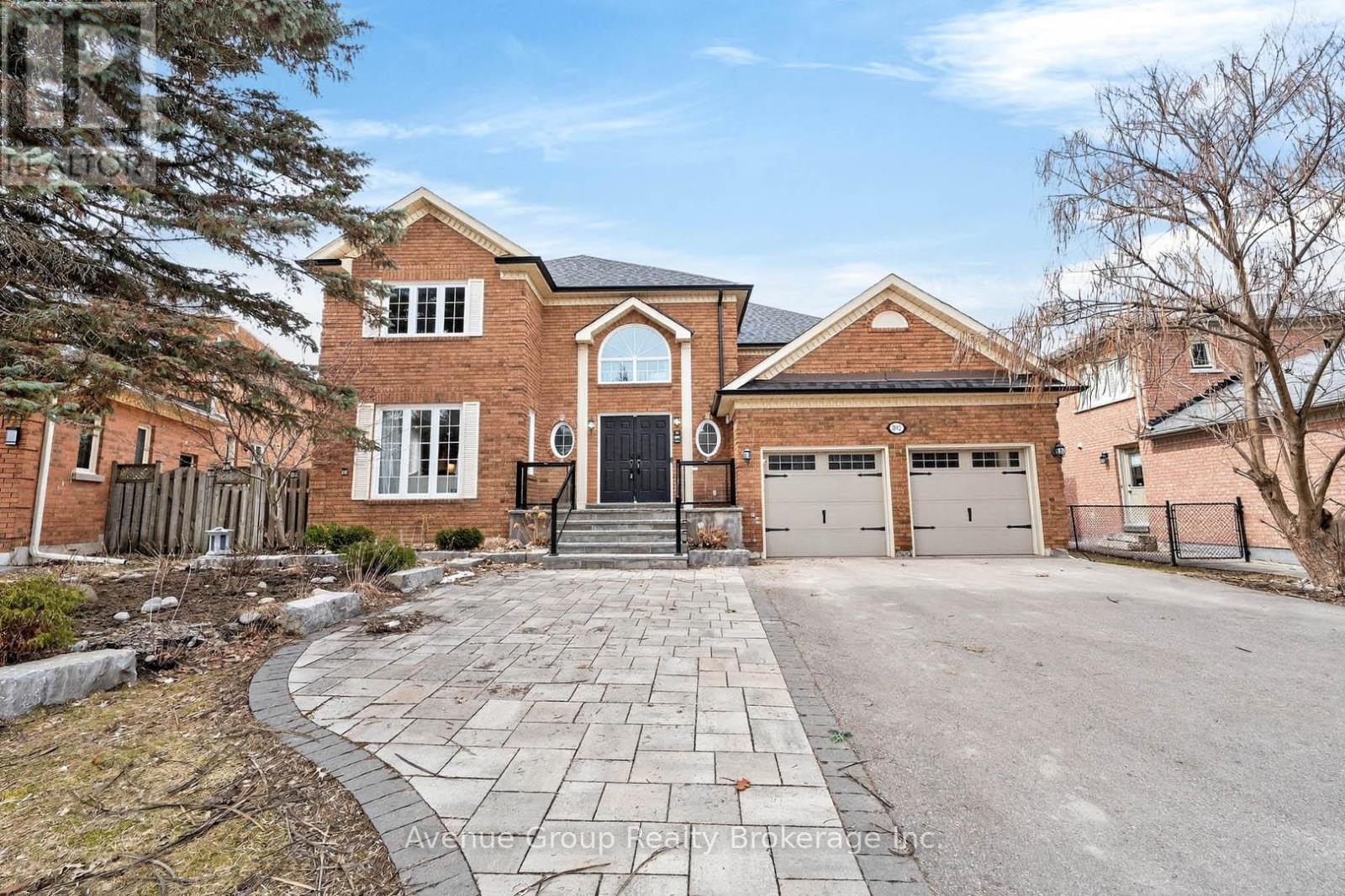 For Sale
 For Sale
 For Sale
 For Sale