
Streetsville is a historic village community in northwest Mississauga known as the Village in the City. It has a walkable Queen Street South commercial strip with independent restaurants and shops, Credit River trail access, and Streetsville GO Station on the Milton line. Streetsville Secondary School offers a publicly funded International Baccalaureate program. Median detached prices were approximately $1,470,000 as of late 2025, reflecting the premium for heritage character, IB school access, and walkable GO transit.
Streetsville occupies the northwest corner of Mississauga, bordered by the Credit River and Creditview Road to the east, Highway 401 to the north, Winston Churchill Boulevard to the west, and Eglinton Avenue West to the south. It is one of the oldest settled communities in the region, incorporated as a village in 1858 and known locally as the “Village in the City,” a phrase that captures both its historical origins and its present character. While the surrounding areas developed into standard Mississauga suburbs through the 1970s and 1980s, Streetsville maintained a distinct identity built around its Queen Street South commercial strip, the Credit River, and a stock of heritage buildings and older residential streets that have no equivalent elsewhere in the city.
The Queen Street South corridor is the neighbourhood’s commercial and social spine. A sequence of independent restaurants, cafes, boutiques, and services line the street for several blocks, with a scale and quality more characteristic of a small Ontario town than a Mississauga commercial strip. The Streetsville Business Improvement Area has maintained this character over decades, resisting the formula retail and parking-lot-first development that dominates most Mississauga commercial strips. Walking Queen Street South on a weekend afternoon, with the Credit River park visible at the south end of the street and the heritage storefronts on both sides, is a distinctly different experience from any other part of Mississauga.
The Credit River runs along the eastern edge of the neighbourhood and is accessible through the Credit Valley Conservation trail network, which connects north toward Brampton and south through Streetsville, Sheridan, and eventually to Port Credit and the Lake Ontario waterfront. The river corridor is one of Streetsville’s defining assets, providing natural green space and an active transportation network that would cost hundreds of millions of dollars to replicate artificially in a neighbourhood without it. The Credit River’s presence shapes both the landscape and the identity of the community in a way that goes beyond typical park infrastructure.
Streetsville is served by Streetsville GO Station on the Milton line, which provides rail access to Union Station. The Milton line serves a different GO corridor from the Lakeshore West line that serves Port Credit and Clarkson, and the service frequency and peak-hour schedule are relevant factors for buyers who commute by rail. The neighbourhood’s population is approximately 20,000, and the housing market reflects the premium that buyers place on heritage character, village walkability, and Credit River access in a community that has maintained its identity through 50 years of development pressure.
Streetsville’s detached housing market sits at a median price of approximately $1,470,000 as of late 2025, placing it among the higher-priced residential communities in Mississauga. That premium reflects the combination of factors that are genuinely scarce in the region: heritage residential streets with mature trees and period architecture, a walkable commercial village centre, and Credit River access. The average overall listing price across all property types in Streetsville runs around $1,179,000 when condominiums and townhomes are included in the calculation, but for buyers specifically looking at detached homes on the heritage streets, the $1.4 million to $1.8 million range is more representative of the current market.
The townhome segment in Streetsville averages around $850,000, with significant variation between older condominium townhome complexes and newer freehold product. Buyers considering townhomes should pay close attention to whether the property is freehold or part of a condominium corporation, as the fee structure differs materially. Condominium townhomes typically carry monthly fees of $300 to $600 that cover exterior maintenance and reserve funds. Freehold townhomes have no such fee but require the owner to manage exterior maintenance independently. In Streetsville’s particular heritage context, where building standards on the older streets have architectural character worth maintaining, the townhome options near the Queen Street core are more scarce than in newer condominium developments at the neighbourhood’s edges.
The condominium market provides the most accessible entry price in Streetsville, with average listing prices around $428,000. This makes Streetsville condos competitive with the broader Mississauga condo market, and for buyers who want the neighbourhood’s character and the GO station proximity without the detached home price, they represent a genuine option. The trade-off is that most Streetsville condo buildings are older and located further from the Queen Street heritage core, and the neighbourhood’s village character is experienced differently from a condo tower than from the residential streets adjacent to the Credit River.
Market velocity in Streetsville is active. Detached homes on well-positioned heritage streets sell quickly when priced correctly, often within two weeks and occasionally with competing offers. The neighbourhood’s appeal to buyers from across the GTA who are specifically searching for heritage village character means that demand can come from outside the typical Mississauga search radius. Buyers who discover Streetsville often commit to it firmly, and when they miss a property they frequently return to the next listing rather than expanding their geographic search. That concentrated demand supports pricing stability and a consistent premium relative to comparable detached housing in non-heritage Mississauga communities.
Streetsville GO Station is on the Milton line and provides rail service to Union Station in downtown Toronto. The station is located on Thomas Street near the Queen Street South commercial core, making it one of the more walkable GO stations in the Mississauga context. Residents who live on the heritage streets near the station can walk to the platform in 10 to 15 minutes. The Milton line’s schedule differs from the Lakeshore West line that serves Port Credit and Clarkson. GO Transit runs express trains on the Milton line during peak hours, with travel time to Union Station from Streetsville of approximately 40 to 50 minutes. The service frequency is lower than on the Lakeshore West line, with fewer trains per hour during peak periods, which is a relevant practical consideration for buyers who commute to downtown Toronto daily.
MiWay bus service in Streetsville operates primarily along Britannia Road West, Creditview Road, and the arterials connecting the neighbourhood to Mississauga City Centre and the broader transit network. Route 32 runs along Britannia and connects to Square One transit terminal, where connections to Brampton Transit, the Mississauga BRT, and other MiWay routes are available. Route 48 runs along Erin Mills Parkway and provides a connection to the Erin Mills Town Centre area and south toward Clarkson. Transit coverage in Streetsville is adequate for connections to the broader regional network but requires transfers for most destinations outside the neighbourhood. Most residents who travel to Mississauga City Centre or Square One drive or take the bus-to-Square One connection.
Highway access is provided via the 401, which forms the neighbourhood’s northern boundary and is accessible at Winston Churchill Boulevard and Creditview Road. Highway 403 is accessible via Eglinton Avenue West heading east, providing a connection into the highway network toward Highway 10 and the 401 interchange. For drivers heading to downtown Toronto, the typical route is 401 east to the 427 and then south to the Gardiner Expressway, a trip of approximately 40 to 50 minutes off-peak and considerably longer during morning rush hour. The 401 corridor is one of the most congested stretches of highway in Ontario during peak commute hours, and buyers who drive to downtown Toronto daily from Streetsville should plan commute times accordingly.
Within the neighbourhood, the walkability of the Queen Street South commercial core means that daily errands, dining, and coffee are achievable on foot for residents who live on the heritage streets adjacent to the commercial strip. This is a genuinely rare attribute in a northwest Mississauga community, and it changes the daily experience of living in Streetsville compared to car-dependent suburban neighbours. The GO station’s walkability from the core residential streets means that some residents can reach downtown Toronto without a car at all, though the GO schedule constraints mean this works better for office commuters with standard hours than for shift workers or those with irregular schedules.
Streetsville Secondary School serves the neighbourhood’s public secondary students and is operated by the Peel District School Board. The school is located on Falconer Drive within the neighbourhood and offers grades 9 through 12, including an International Baccalaureate program that draws students from across the Peel Region. The IB program is a meaningful differentiating factor for academically motivated families: it is one of the few publicly funded IB programs in the Mississauga area, and its presence at the neighbourhood’s catchment school is a genuine draw for families who are weighing Streetsville against comparable heritage neighbourhoods without similar academic programming. The standard academic program at the school is also strong, with solid university placement results year over year.
Elementary public education in Streetsville is provided by several Peel District School Board schools within the neighbourhood. Vista Heights Public School on Courtneypark Drive West offers junior kindergarten through grade 5 and includes a French Immersion program. Hazel McCallion Senior Public School serves grades 6 through 8 and also includes a French Immersion stream, making it the natural continuation for French Immersion students from Vista Heights. The naming of Hazel McCallion Senior Public School after Mississauga’s long-serving former mayor reflects the neighbourhood’s identity as a community that takes local pride seriously. Catholic elementary families are served by schools in the Dufferin-Peel Catholic District School Board network serving west Mississauga.
The presence of both International Baccalaureate secondary programming and French Immersion elementary programming at the catchment schools is unusual for a single Mississauga neighbourhood. Families who are prioritising academic programming options find Streetsville’s public school system among the strongest in the city by this measure. The IB program at Streetsville Secondary requires a separate application and acceptance process, and enrollment is not guaranteed simply by living in the catchment. Families who are specifically planning around the IB stream should confirm current program capacity and entrance requirements directly with the school and the Peel District School Board before purchasing.
For post-secondary access, the University of Toronto Mississauga campus is approximately 20 minutes southeast by car. Sheridan College’s Hazel McCallion Campus in Mississauga City Centre is accessible by MiWay bus or approximately 25 minutes by car. Students heading to Ryerson, OCAD, or University of Toronto St. George in downtown Toronto can use Streetsville GO to Union Station, adding about 40 to 50 minutes of commute time each way. The school profile overall is one of the stronger arguments for Streetsville as a family neighbourhood, combining heritage character and village walkability with public school academic programming that is above average for the Peel Region.
The Queen Street South commercial strip is Streetsville’s most distinctive amenity and its most important retail and dining asset. The street runs several blocks from Eglinton Avenue West north through the heritage core, lined with independent restaurants, cafes, bakeries, specialty food shops, and boutiques. The mix of businesses has remained broadly independent and locally operated over decades, reflecting both the BIA’s active management and the self-selection of merchants who choose a heritage main street over a mall or strip-mall format. On weekend afternoons the street is genuinely active with foot traffic, patio diners, and families walking between the commercial strip and the Credit River park at the street’s south end. This is the kind of street that most Mississauga communities describe as aspirational and Streetsville has actually maintained.
The Credit River park system anchors the southern end of Queen Street and provides the neighbourhood’s main green and recreation space. The riverbank path connects to the Credit Valley Conservation trail network, which runs north through the Credit River Corridor for tens of kilometres and south toward Sheridan and eventually Port Credit. The river itself is a fishing and paddling resource in season, with salmon and steelhead runs in fall and spring attracting anglers from across the region. Streetsville Memorial Park on the river provides sports fields, a children’s playground, and direct river access. The combination of the river trail, the park, and the Credit Valley Conservation access gives Streetsville a recreational resource base that is proportionally much larger than its area would suggest.
The annual Bread and Honey Festival is Streetsville’s signature community event, held in June and drawing visitors from across the GTA. The festival has operated for over 50 years and centres on the Queen Street South corridor with vendors, performers, and community programming. It is one of the longest-running community festivals in the region and is a genuine expression of Streetsville’s identity rather than a manufactured marketing exercise. For prospective residents, attending the Bread and Honey Festival before purchasing is a useful way to see the neighbourhood at its most activated and to meet current residents, though the festival represents a peak of activity rather than the neighbourhood’s typical pace.
For grocery and everyday shopping beyond the Queen Street South specialty retailers, Streetsville residents use the commercial areas along Britannia Road West and the Erin Mills Town Centre corridor to the south. A Fortinos supermarket is located within reasonable distance for the neighbourhood, and the broader Erin Mills retail area provides big-box options including Walmart and Home Depot. The combination of the walkable village commercial strip for daily coffee, dining, and specialty food with the car-accessible big-box and supermarket options slightly further out is a pattern that functions well for most Streetsville households. The heritage strip serves the social and experiential retail needs; the arterial retail serves the utilitarian bulk shopping needs.
Streetsville’s housing stock has more variety and character than most Mississauga neighbourhoods because the community predates the standardised suburban development that built most of the city. The heritage residential streets near Queen Street South contain homes built from the 1870s through the 1930s: Victorian-era detached homes, Edwardian semis, and interwar bungalows on generous lots with mature trees and original stone or brick construction. These properties are genuinely uncommon in a Greater Toronto Area context and are the reason serious heritage-home buyers include Streetsville on shortlists alongside Port Credit, Oakville’s Old Town, and Streetsville’s counterparts in Brampton’s downtown core.
Adjacent to the heritage core, postwar residential streets from the 1950s through the 1970s provide a more conventional bungalow and two-storey stock at prices that are somewhat below the most premium heritage addresses. These homes sit on standard lots of 40 to 55 feet wide and were built to typical postwar construction standards. Many have been renovated, and some are still in their original condition. The transition from the 1870s heritage core to the 1960s postwar streets happens over a few blocks and is visible in the streetscape, which adds to the neighbourhood’s physical interest while also creating a within-neighbourhood price gradient that buyers should understand when comparing listings on different streets.
The newer residential areas of Streetsville, developed from the 1980s through the 2000s at the neighbourhood’s northern and western edges, are more standard Mississauga suburban stock: two-storey detached homes on planned subdivisions, townhome complexes, and condominium buildings near the arterial roads. These areas price below the heritage core and the postwar streets, reflecting both the newer construction and the distance from the walkable village character that defines Streetsville’s premium. For buyers who want Streetsville’s school catchments and GO station access without paying the full heritage premium, these areas provide an entry point at prices closer to the broader Mississauga mid-range.
Heritage property ownership in Streetsville carries some considerations that standard suburban ownership does not. Properties within Heritage Conservation Districts or individually designated under the Ontario Heritage Act may have requirements around facade alterations, material changes, and significant additions. These requirements can limit renovation scope in ways that buyers who plan major changes should understand before purchasing. The City of Mississauga’s Heritage Planning staff administers these requirements, and a pre-consultation before any significant purchase in the heritage core is worthwhile. Buyers who value the heritage character and plan to maintain rather than transform the homes they buy are not meaningfully affected, but buyers with plans for significant exterior changes should confirm the regulatory context before committing.
Streetsville has approximately 20,000 residents and a demographic profile shaped by the neighbourhood’s distinctive character. Families with school-age children are a consistent and prominent demographic, drawn by the combination of IB programming at Streetsville Secondary, French Immersion at the elementary level, the Credit River recreation access, and the village walkability. Older residents who have been in the community for decades are equally present, and the low turnover on the heritage streets means that some Streetsville blocks have owners who have been in place for 20 or 30 years. The mix creates a neighbourhood with genuine social continuity and a community memory that is not common in suburban Ontario.
The Streetsville Business Improvement Area is one of the more active and effective BIAs in Mississauga. It manages the Queen Street South strip, coordinates seasonal programming, organises the Bread and Honey Festival, and has been consistent in maintaining the commercial strip’s independent character over decades of development pressure. The BIA’s effectiveness is not accidental: it reflects long-term engagement from member businesses and consistent city support for the heritage district designation. The commercial strip’s quality is a direct result of this sustained institutional effort, and buyers who are choosing Streetsville partly for the village commercial atmosphere are benefiting from 40-plus years of BIA investment.
Community organisations in Streetsville include the Streetsville Secondary School Parent Council, active parent councils at each of the elementary schools, the Credit River Anglers Association with access in the Streetsville section of the river, and multiple arts and heritage organisations connected to the neighbourhood’s historical identity. The Streetsville Historical Society documents and advocates for the neighbourhood’s built heritage, which has practical relevance for property owners in the designated heritage areas. The combination of active school councils, a functional BIA, a heritage society, and conservation land access gives Streetsville a civic density comparable to communities double its size.
The neighbourhood’s identity as the “Village in the City” has been reinforced rather than eroded by Mississauga’s growth around it. The development pressure that has driven intensification across the city has been channelled toward Mississauga City Centre and the Hurontario corridor rather than toward Streetsville, partly because of the heritage designations and partly because of the Credit River valley’s protected status. This has preserved the neighbourhood’s physical character in a way that comparable Ontario heritage communities without similar protections have not always managed. Buyers choosing Streetsville are, in part, choosing a neighbourhood that has demonstrated the ability to maintain its character under sustained pressure.
Streetsville’s investment case is built on scarcity. The heritage residential streets near Queen Street South represent a fixed supply of a product that cannot be replicated: Victorian and Edwardian-era homes on established streets in a functioning village commercial district with Credit River access and a walkable GO station. No new development, at any density or any price, can create more of this. The lots exist, the heritage fabric exists, and the river valley exists. The supply of the premium product in Streetsville is, at its core, the original built form on roughly 100 lots in the heritage core. When those properties trade, they trade infrequently and at prices that reflect their uniqueness rather than their age.
The International Baccalaureate program at Streetsville Secondary is a sustained demand driver that will not diminish. Families who make housing decisions around IB secondary programming have a geographically concentrated option in Streetsville, and that concentration creates repeat demand each time an IB-focused family reaches the age where the secondary school catchment becomes relevant. This is a structural feature rather than a cyclical one, and it provides a floor under demand in the neighbourhood that is independent of general market conditions. During periods when the broader Mississauga market softened, Streetsville’s IB-driven demand from families who had specifically located there for the school maintained activity levels.
The Credit River Corridor trail system represents permanent public infrastructure that will not be replaced or diminished. Properties with direct or close access to the trail network, and with river views or proximity, carry a premium that is consistently supported by buyer demand. The combination of trail access, natural setting, and the village commercial core creates a lifestyle argument that holds up in comparison to communities in North York, Oakville, and central Toronto rather than just against other Mississauga neighbourhoods. Buyers who are evaluating Streetsville against Caledon, Oakville Old Town, or Brampton heritage communities should think in those terms rather than against the Mississauga mid-range market.
For buyers who are purchasing the non-heritage portions of Streetsville, the investment case is less distinctive but still solid. School catchments, GO access, and a proximity benefit from the neighbourhood’s overall brand support pricing above the Mississauga mid-range for this type of product. Buyers who purchase in the newer subdivisions and hold for the school years typically see appreciation consistent with west Mississauga generally. The brand premium of the Streetsville address extends across the neighbourhood, not just to the heritage core, and the school factors are accessible from all parts of the neighbourhood regardless of which specific street a buyer is on.
Streetsville’s walkability is exceptional by Mississauga standards, particularly for residents who live on the heritage streets adjacent to Queen Street South. From those addresses, the GO station, the commercial strip, the Credit River park, and basic daily services including grocery, pharmacy, and cafe are all reachable on foot without crossing an arterial road. This is an attribute that genuinely distinguishes the neighbourhood from every other northwest Mississauga community and from most of the city except Port Credit. The walk score for the heritage core addresses is among the highest in Mississauga.
The Credit River trail system is the neighbourhood’s primary active transportation and recreation network. The trail runs continuously along the river from Streetsville south through Sheridan and Credit Valley toward Port Credit and the Lake Ontario waterfront, and north through Brampton and into the Credit Valley Conservation’s watershed lands. Residents who use the trail regularly describe it as one of the primary reasons they chose Streetsville: a 30-minute run or cycle along the river in a natural setting, entirely off-road, accessible from their front door. This is an experience that has no equivalent in most of the GTA outside of established ravine communities in central Toronto.
The GO station’s walkability from the heritage core means that car-free Toronto commuting is genuinely achievable for residents on the central streets, though the Milton line’s lower frequency compared to the Lakeshore West line means the schedule is less forgiving than Port Credit’s. The first and last trains of each peak period are roughly 30 minutes apart, and residents who have inflexible schedules or irregular work hours find the schedule constraint real. Residents who work standard downtown office hours find the GO service reliable and adequate, and the walk to the station from the heritage streets is itself a pleasant part of the daily routine given the neighbourhood’s character.
Residents in Streetsville’s newer subdivisions at the neighbourhood’s northern and western edges have less immediate access to the village walkability and the river trail than those in the heritage core, and their day-to-day experience is more car-dependent. The GO station is still accessible by a 15 to 20-minute walk or a short drive. The MiWay bus routes along Britannia and the arterials provide transit connections to Square One and City Centre. For residents in the outer portions of the neighbourhood, Streetsville’s identity as a village is an occasional amenity rather than a daily lived experience, and buyers in those areas should calibrate their expectations against what the specific address actually delivers rather than the neighbourhood’s overall reputation.
Meadowvale Village to the northwest is the nearest comparable heritage community within Mississauga. Like Streetsville, it is a pre-suburban village that has been surrounded by later development, and it has a designated heritage area with older residential stock and some commercial fabric. Meadowvale Village is smaller and has less commercial vitality than Streetsville’s Queen Street South strip, and it lacks the GO station. The Credit River runs through the eastern edge of the broader Meadowvale community, though the trail access and river character are less developed there than in Streetsville. Buyers who are drawn to heritage village character but find Streetsville prices too high sometimes look at Meadowvale Village as an alternative, with appropriate expectations about the scale and completeness of the village commercial environment.
Churchill Meadows to the south is a planned subdivision community built in the early 2000s with a completely different character from Streetsville. It is larger, more suburban, less walkable, and generally priced below the Streetsville heritage core for detached housing. It does not share Streetsville’s school catchments, so families drawn to IB at Streetsville Secondary need to be in the Streetsville catchment rather than Churchill Meadows. The comparison is primarily about buyers who are deciding between character and price rather than between two equivalent communities.
Brampton’s Queen Street Corridor to the north is an interesting comparison for buyers interested in heritage commercial strips and Credit River access. Brampton’s downtown core on Queen Street has genuine historical character and Credit River proximity, and the recent intensification investment in downtown Brampton has added energy to the commercial district. Brampton’s real estate prices are generally lower than Streetsville’s for comparable vintage housing, and the Brampton GO stations on the Kitchener and Lakeshore West lines provide transit connections to Union Station. Buyers who are specifically heritage-focused and budget-conscious sometimes find Brampton’s downtown core compelling as an alternative to Streetsville, though the school system and the overall neighbourhood stability profile differs.
Port Credit to the south is the comparison that Streetsville buyers and agents make most often for premium character addresses in Mississauga. Both have a walkable commercial core, water access, and a distinct identity within the city. Port Credit has Lake Ontario and the Lakeshore West line’s higher service frequency. Streetsville has the Credit River corridor, heritage architecture extending further back in time, and the IB school program. The two communities appeal to overlapping but distinct buyer profiles. Buyers who value lake access and the fastest GO commute to the financial core tend to settle on Port Credit. Buyers who value heritage architecture, river trails, and the quieter village character tend to settle on Streetsville. Both are premium choices and both hold their value consistently.
Q: What is the typical price for a detached home in Streetsville and what does it include?
A: The median detached home price in Streetsville was approximately $1,470,000 as of late 2025. At that level, buyers are typically looking at a postwar bungalow or two-storey on a standard lot, renovated to a reasonable standard. The heritage Victorian and Edwardian homes on the central streets near Queen Street South command prices above this median, often in the $1.6 million to $2 million range and above for larger examples on premium lots. Townhomes average around $850,000 and condominiums around $428,000. The premium over comparable suburban Mississauga neighbourhoods reflects the village commercial strip, the Credit River trail access, the walkable GO station, and the IB secondary programming. Buyers who have compared Streetsville to neighbouring communities of similar vintage and size consistently identify these four factors as the basis for the price differential.
Q: Does Streetsville Secondary School have an IB program and how does a student get in?
A: Yes, Streetsville Secondary School operates an International Baccalaureate program alongside its standard academic curriculum. The IB program at Streetsville is one of the few publicly funded IB secondary programs in Mississauga, and it accepts students from across the Peel Region, not only from the Streetsville catchment. Admission to the IB program requires a separate application process with the Peel District School Board, and enrollment is not guaranteed for catchment students. Students typically apply in advance of the Grade 9 year. The program covers grades 9 through 12 and culminates in the IB Diploma for qualifying students in grades 11 and 12. Families who are specifically planning around IB enrollment should contact the school and the Peel District School Board directly to confirm current application timelines, program capacity, and prerequisites, as program details can change between school years.
Q: How does the GO transit service from Streetsville compare to other Mississauga GO stations?
A: Streetsville GO is on the Milton line rather than the Lakeshore West line that serves Port Credit, Clarkson, and other south Mississauga stations. The journey time from Streetsville to Union Station is approximately 40 to 50 minutes on express trains. The Milton line has fewer peak-hour departures than the Lakeshore West line, which means schedule flexibility is more limited. Buyers who commute five days a week by GO to the financial district and who rely on schedule flexibility should compare the Milton line timetable against their specific work hours before treating Streetsville’s GO access as equivalent to a Lakeshore West station. Buyers who commute with standard office hours and can work with the existing timetable find the service reliable and the walk to the station from the heritage core a comfortable part of the daily routine. GO Transit has plans to improve Milton line service frequency as part of its regional rapid transit expansion, which would improve the practical commuting case for Streetsville over time.
Q: Are there heritage restrictions on homes in Streetsville?
A: Some properties in Streetsville’s heritage core are subject to restrictions under the Ontario Heritage Act, either as individually designated properties or as part of a Heritage Conservation District. These restrictions primarily affect the exterior appearance of the property, including facade changes, window replacements, roofing materials, and significant additions. Interior renovations are generally not affected by heritage designation. The City of Mississauga’s Heritage Planning staff can advise on specific properties and what alterations require heritage permits or design review. For buyers who plan to maintain the property and make modest updates, the heritage requirements are manageable and rarely prohibitive. For buyers planning major exterior transformations, a pre-purchase consultation with Heritage Planning is strongly recommended to confirm what is achievable. Not all properties in Streetsville are within heritage areas, and buyers interested in renovation without heritage constraints should confirm the specific property status before purchasing.
Buyers who come to Streetsville for the first time after finding it in a property search frequently report that their experience of the neighbourhood in person was better than they had anticipated from the listing data. The heritage streets and the Queen Street South strip are the kind of environment that photographs do not fully convey: the proportion of the street, the scale of the buildings, the quality of the trees, and the relationship between the commercial strip and the river at its south end only registers when you are standing in it. If Streetsville is on the shortlist, spend time on Queen Street South before narrowing to specific properties. Walk from the GO station through the commercial strip to Streetsville Memorial Park. The neighbourhood’s character is concentrated in that route, and understanding it helps buyers make a more confident decision about whether the premium is one they want to pay.
The heritage core produces specific due diligence requirements. For any property that appears to be within the designated heritage area or that was built before 1940, buyers should confirm the property’s heritage status before proceeding to an offer. This means identifying whether the property is individually designated, within a Heritage Conservation District, or listed on the heritage register without formal designation. The distinctions matter: formal designation creates legal restrictions; heritage register listing is advisory rather than binding. A title search will disclose a designation registered on title; a pre-purchase inquiry to the City of Mississauga Heritage Planning team can clarify the status of any specific address. Real estate agents who regularly work in Streetsville know these questions and can often provide initial guidance before a formal inquiry.
For buyers considering the newer subdivisions at the neighbourhood’s edges, the practical considerations shift. Standard suburban home inspection and title review apply, and the heritage context is largely irrelevant for these properties. The value of the Streetsville address for this buyer is primarily about school catchments and the broader neighbourhood brand, and buyers should confirm catchment assignments with the Peel District School Board rather than assuming that proximity to Streetsville secondary means automatic catchment assignment. The IB program is catchment-open but application-dependent, so school planning requires more than simply confirming the neighbourhood boundary. Both the IB program and the French Immersion streams at the elementary level are worth understanding before finalising a purchase if either is a household priority, because the process and timeline for each differs.
Street-level knowledge is hard to find online. Our team works in Streetsville every day. They know which pockets hold value, where the school catchment lines actually fall, and what the market is doing right now. Talk to us before you make a decision about Streetsville.
Talk to a local agent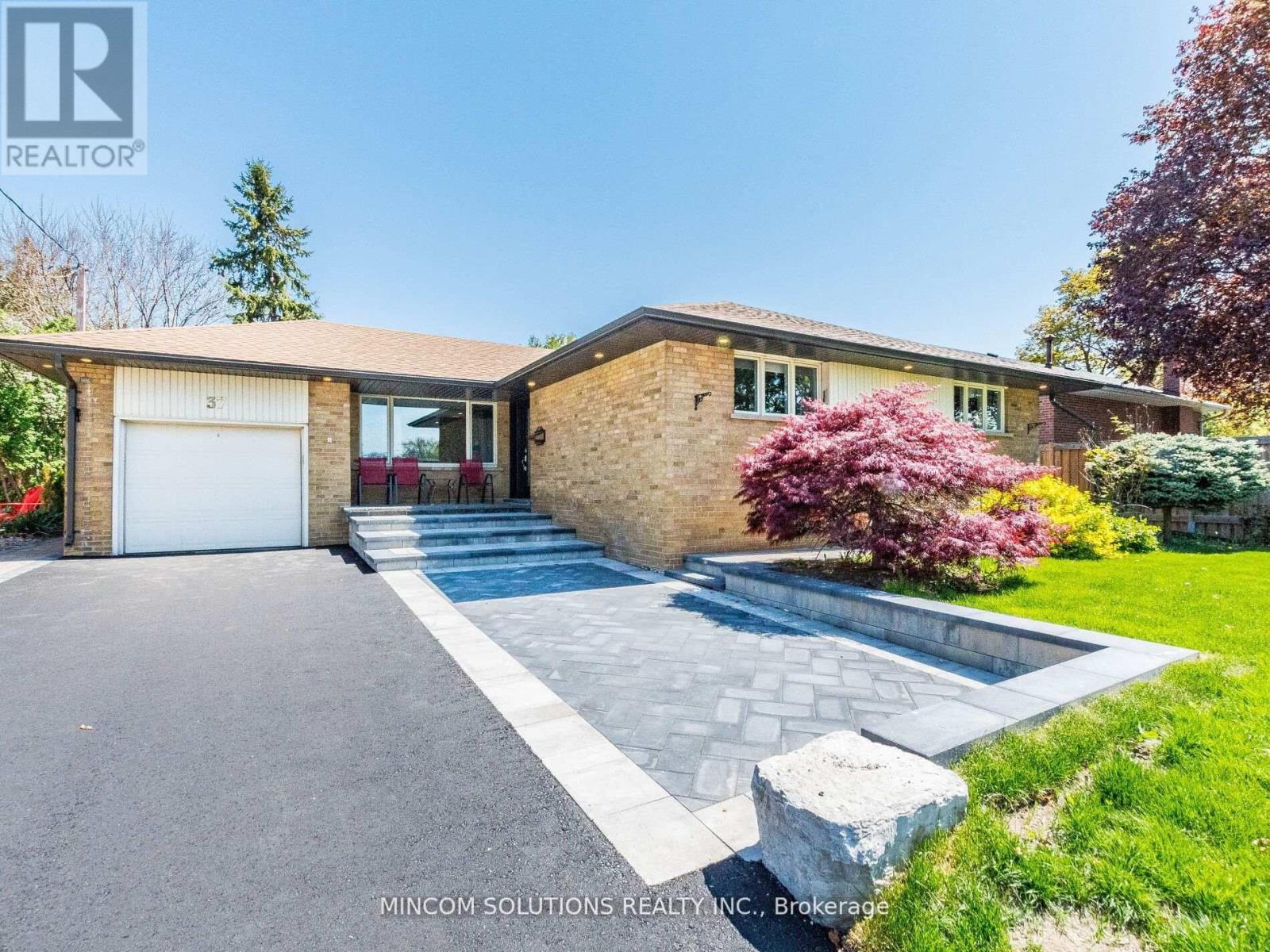 For Sale
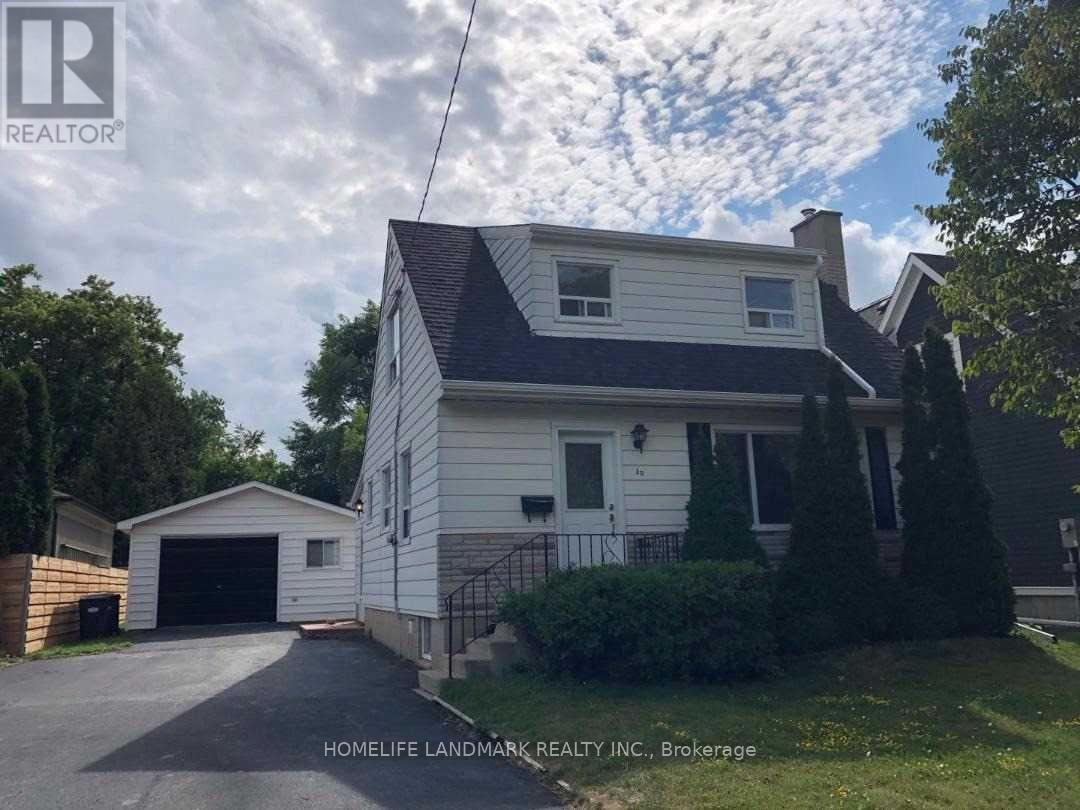 For Rent
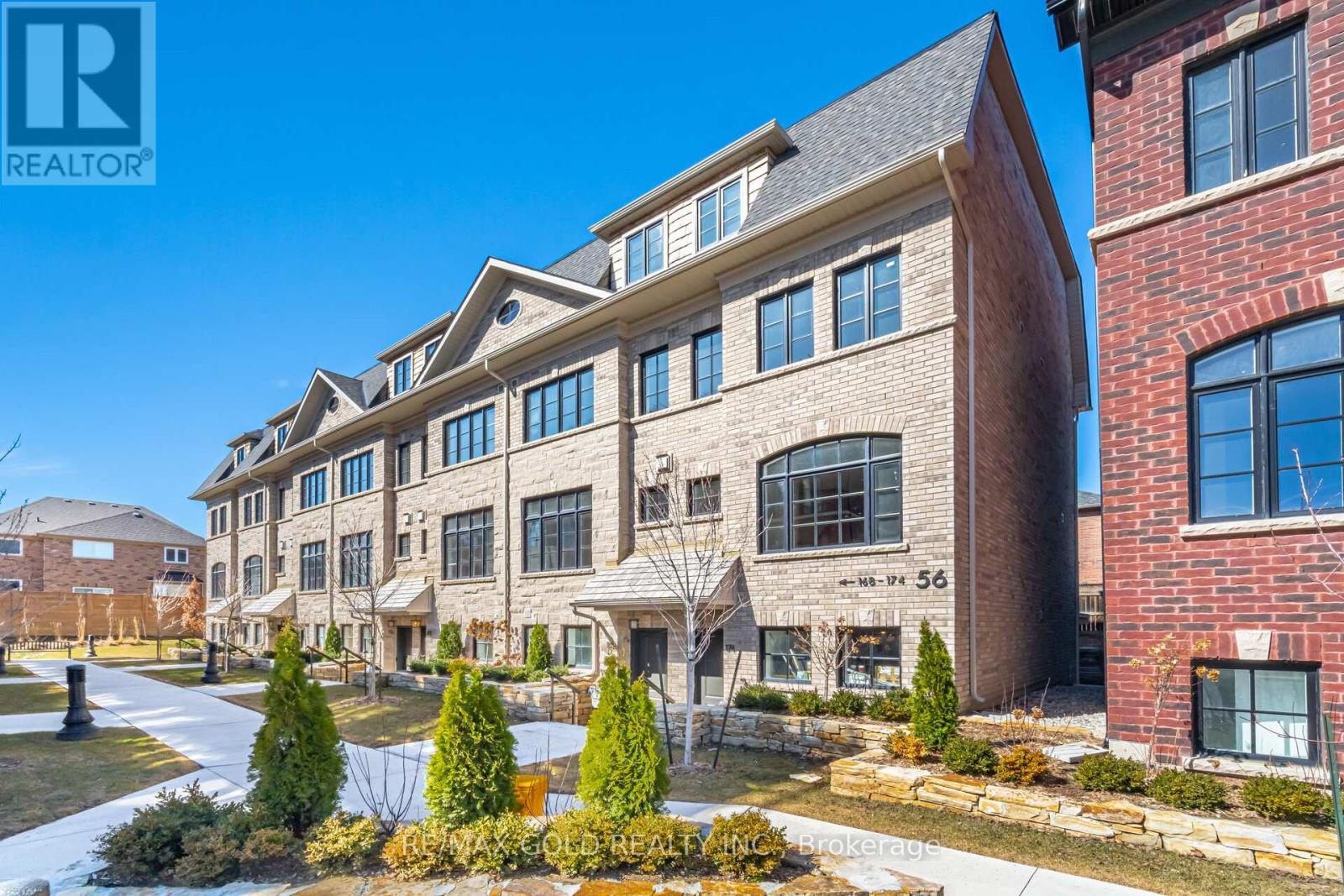 For Sale
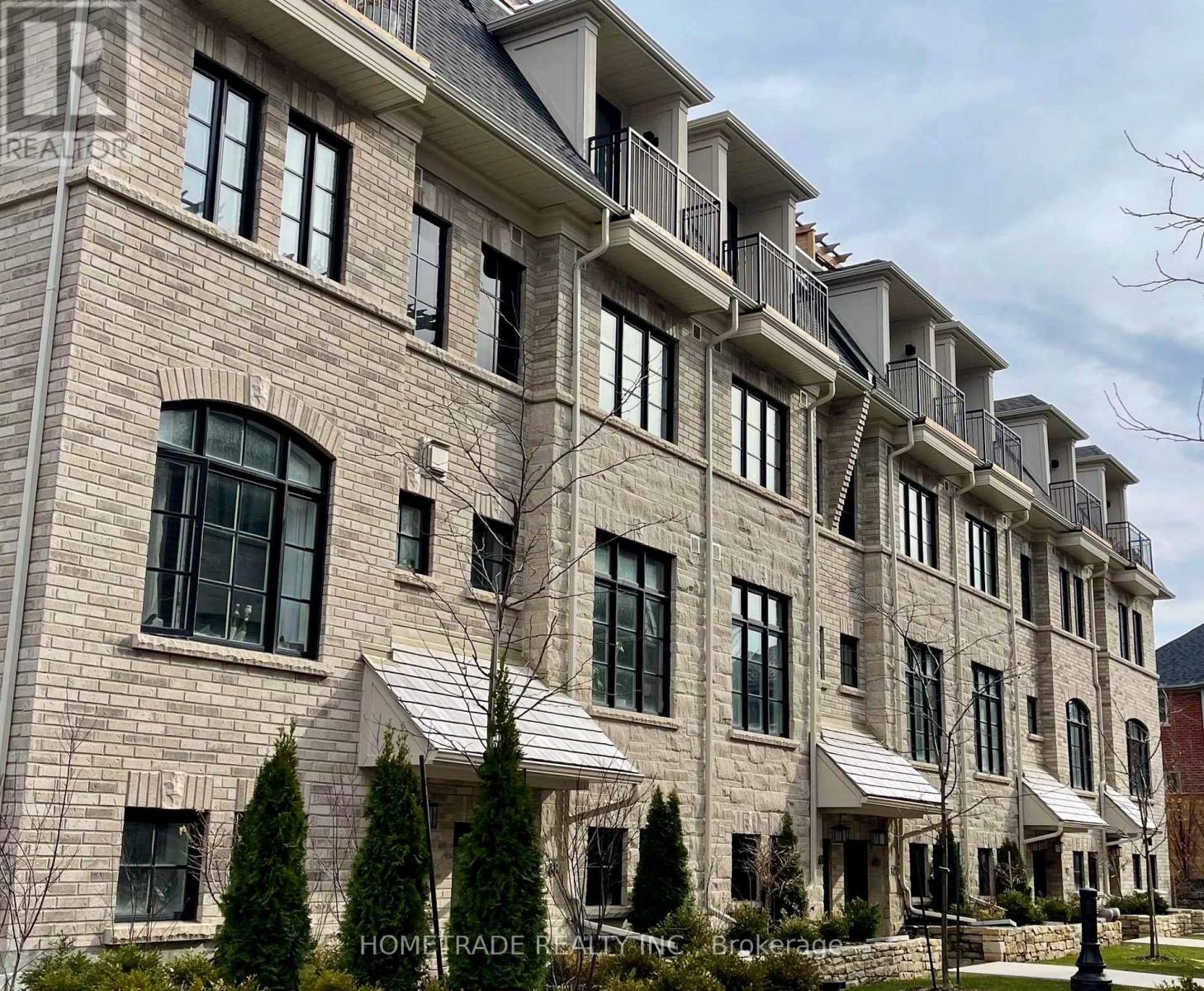 For Rent