
Summerhill Estates is a northeast Newmarket planned community developed in the late 1990s through 2000s, offering upper-middle market family homes with Highway 404 access, strong schools, and proximity to the Green Lane commercial corridor. A practical choice for families who commute via the 404 corridor and want planned community character below the Stonehaven-Wyndham price tier.
Summerhill Estates is a residential neighbourhood in the northeast part of Newmarket, developed primarily in the late 1990s and 2000s in the area east of Yonge Street and north of Mulock Drive, in the corridor that extends toward the Newmarket-East Gwillimbury boundary. It is a planned suburban community that sits at the upper-middle tier of the Newmarket market: not at the executive home level of Stonehaven or Glenway, but consistently above the mid-market Newmarket average in terms of home size, construction quality, and lot standards.
The neighbourhood’s northeast position gives it relatively direct access to Highway 404 via Green Lane and Mulock Drive, which is its primary commute asset for buyers who drive rather than take GO transit. The GO station is not walkable from Summerhill Estates, and the commute profile here is predominantly car-based, either to the GO station for rail commuters or directly onto the highway network for those driving to employment destinations along the 404 corridor.
Summerhill Estates shares some characteristics with the broader north Newmarket planned community development pattern, but it is distinct from Stonehaven-Wyndham in its lower price tier, its closer proximity to the Green Lane commercial and Highway 404 infrastructure, and its more standard suburban lot sizes. It serves a different buyer profile than the Stonehaven community — still family-oriented and professionally oriented, but at a price point accessible to households who have not yet reached the upper-end buying tier.
The neighbourhood is fully residential in its interior, with commercial services concentrated on the Green Lane and Mulock Drive arterials at its boundaries. The internal street network is the quiet, low-through-traffic suburban environment that planned communities of this era consistently produced, with parks and open space distributed through the neighbourhood at the scale appropriate to the home sizes and density of the development.
Summerhill Estates housing is predominantly detached two-storey homes from the late 1990s through the 2010s, in the 2,000 to 3,200 square foot range. Construction quality is consistent with upper-middle York Region suburban development of the era: brick fronts, sometimes full brick, two-car garages, four-bedroom floor plans, and the architectural variety within a consistent suburban template that builders provided to distinguish homes within the development while maintaining cost efficiency.
Lot sizes in Summerhill Estates are on the standard side for north Newmarket development: 40 to 50 foot frontages with adequate depth, slightly smaller than the more premium Stonehaven-Wyndham lots but consistent with the neighbourhood’s positioning below the executive tier. These lots provide functional rear yards for families with children without the additional lawn maintenance of the larger premium lots. The density reflects the market positioning between the more compressed new-build suburban development of recent years and the wider-lot premium communities.
The housing stock has benefitted from consistent ownership investment over its 25-year lifespan. Kitchen and bathroom updates are common in the neighbourhood’s better-presented properties, and the exterior maintenance standard is high, reflecting the professional demographic that has occupied the community. The homes are at the age where major mechanical systems require replacement on a rolling basis, and buyers should inspect carefully and budget for this capital expenditure horizon.
Some semi-detached and townhouse product exists within the Summerhill Estates planning area at the lower price tier, providing first-time buyer and smaller-household access to the neighbourhood community at prices below the fully detached market. These properties access the same school catchments and community amenities as the detached inventory at a meaningfully lower price point.
Summerhill Estates occupies the upper-middle tier of the Newmarket detached market, above the mid-century central neighbourhoods and below the premium Stonehaven-Wyndham and Glenway Estates tier. Prices reflect the construction quality and lot sizes that position it above the mid-market, but the neighbourhood doesn’t carry the full premium of the purpose-built executive communities at the city’s price ceiling.
The market here is moderately active with consistent turnover driven by the life-stage cycling of a family neighbourhood now 20 to 25 years into its existence. Move-up buyers arriving and long-term residents downsizing or relocating create a steady if not rapid transaction volume. Properties in good condition with updated interiors sell in a reasonable timeframe; properties in original condition or with significant deferred maintenance sit longer.
The Highway 404 proximity is a positive market factor for buyers whose commute destinations are along the 404 corridor, and it is reflected in the comparative pricing between Summerhill Estates and the comparable vintage neighbourhoods in west or central Newmarket. The price difference between comparable product in Summerhill Estates and in the 404-accessible east Newmarket area versus the 400-accessible west Newmarket area is modest but present, reflecting the commute value of each positioning.
Multiple offer competition occurs on the well-presented mid-range detached product in Summerhill Estates during active market periods, consistent with the pattern across Newmarket neighbourhoods in this price tier. The buyer pool is large enough to generate competition on properties priced at the right level, and sellers with well-maintained, updated homes in good condition can expect competitive interest in the spring and fall active market periods.
Summerhill Estates draws move-up families who want north Newmarket planned community character and highway commute convenience at prices below the Stonehaven-Wyndham ceiling. These are buyers who have done one or two previous moves, have a clear picture of what they want, and are targeting a specific price and size combination that the neighbourhood delivers more efficiently than either the more expensive Stonehaven community or the more distant suburban growth areas.
Highway commuters whose destinations are in the Markham technology corridor, the North York employment areas along the 404, or anywhere along the Don Valley Parkway routinely choose northeast Newmarket locations for the commute efficiency they provide. The drive to the Green Lane 404 interchange from Summerhill Estates takes under 10 minutes from most addresses, making the highway access genuinely convenient rather than nominally so.
The north Newmarket employment base in East Gwillimbury and the Newmarket industrial and business parks is accessible in a very short commute from Summerhill Estates. Households where one adult works locally and one commutes to Toronto find northeast Newmarket efficient: the locally-employed adult has a 5 to 15 minute commute, and the Toronto commuter has GO train or highway access. This practical household logistics calculus drives a consistent buyer segment.
First-time buyers entering the detached market are active in the semi-detached and smaller detached segment of the neighbourhood. The Summerhill Estates context — strong schools, Highway 404 access, planned community design — provides a compelling neighbourhood package at a price point that first-time buyers with adequate equity can access, particularly when downsizer inventory creates supply at the lower end of the detached market.
Within Summerhill Estates, the micro-location distinctions buyers make focus on park proximity, school walking distance, and whether a specific block is in the earlier or later phases of the development. The earlier phases, with the most mature landscaping and the longest-established trees, have a more settled character than the later phases built in the 2000s. The difference is modest — both are mature by now — but it is visible in streetscape character on a close comparison.
Properties backing onto or near the stormwater management ponds within the neighbourhood have the green space rear-yard adjacency that is consistently sought in planned communities. These properties command premiums within the neighbourhood, modest in dollar terms but consistent in the market’s valuation of the pond-backing feature. Buyers who specifically want the natural rear-yard setting should identify which streets have pond backing and focus their search there.
The proximity to the Green Lane commercial corridor at the northern edge of the neighbourhood is a convenience asset for some buyers and an adjacency concern for others. Properties on the streets closest to Green Lane have the shortest drive to the commercial area but also more awareness of the arterial at the neighbourhood edge. Interior streets set back from Green Lane have the quietest residential character.
School assignment within Summerhill Estates follows the York Region District School Board catchment configurations, which serve the north Newmarket planned communities with schools built to serve the community populations. The specific school for a given address depends on the catchment boundary, and buyers with strong school preferences should verify their specific address assignment before purchasing.
Summerhill Estates’ transit situation is typical of northeast Newmarket: car-dependent, with the GO station requiring a drive rather than being walkable. Newmarket GO Station is approximately 5 to 8 kilometres west and south, accessible in 10 to 15 minutes by car. The Barrie line GO service from Newmarket provides the primary transit commute option to Union Station in approximately 55 minutes. The East Gwillimbury GO Station is a second option, slightly north and more convenient for some Summerhill addresses depending on specific location.
Highway 404 access via Green Lane and Mulock Drive is the neighbourhood’s strongest transit asset for highway commuters. The drive to the Green Lane 404 interchange is under 10 minutes from most Summerhill Estates addresses, and from the interchange the 404 runs directly south to the Don Valley Parkway and the city grid. For commuters to Markham, Richmond Hill along the 404 corridor, or downtown Toronto by highway, this access is practical and efficient in non-peak conditions.
YRT bus service on Green Lane and the Mulock Drive corridors provides transit connections to the Yonge Street Viva service and to Newmarket GO Station for residents who don’t have a car available. The transit coverage on the arterials is reasonable by York Region suburban standards, but the walk from interior residential streets to the bus stops on Green Lane or Mulock can be 10 to 15 minutes, which limits the practical transit utility for residents who are not on the arterial edge.
Two-vehicle households are standard in Summerhill Estates, as they are throughout the north Newmarket planned communities. Single-vehicle households will find the northeast Newmarket location challenging for daily logistics if both adults need independent mobility. The highway commute efficiency and the local employment access mitigate this somewhat, but the transit dependency situation for non-driving household members should be understood before purchasing.
Summerhill Estates’ internal park and open space network provides the community parks, stormwater management pond environments, and trail connections that are standard in York Region planned communities of its era and standard. The parks are maintained by the City of Newmarket and serve the daily recreation needs of the neighbourhood’s family-oriented population with playground equipment, sports fields, and open green space.
The trail connections from Summerhill Estates link into the Newmarket active transportation network, providing cycling and walking routes toward the East Holland River corridor and the broader city trail system. These connections are incrementally improved as Newmarket’s active transportation plan progresses, gradually increasing the utility of cycling as a practical daily option for residents whose destinations are reachable by trail.
Conservation lands managed by the Lake Simcoe Region Conservation Authority are accessible within 15 to 20 minutes of the neighbourhood, providing the larger-scale natural landscape access — forest hiking, wetland areas, ecological diversity — that the urban park network cannot replicate. For families who use these conservation areas on weekends for hiking or nature activities, the northeast Newmarket position provides reasonable access without a long drive.
The East Gwillimbury GO station area, as East Gwillimbury develops the area around its station, is creating new community amenities and recreational infrastructure in the municipality immediately north of Summerhill Estates. As this development matures, it extends the range of accessible recreational, commercial, and community facilities available to north Newmarket residents, gradually improving the practical service environment for the neighbourhood over the medium term.
Summerhill Estates residents use the Green Lane commercial corridor and the Mulock Drive commercial areas as their primary retail destinations, with the Yonge Street and Upper Canada Mall concentration accessible in 10 to 15 minutes for the fuller range of services and retail that the arterial strip commercial doesn’t provide. The Green Lane big-box retail and grocery options are the closest to the neighbourhood and handle routine weekly shopping efficiently.
The Newmarket commercial concentration along Yonge Street — with its mix of chain and independent retail, restaurants, and professional services — is the practical service centre for most needs that the local arterial strips don’t cover. Upper Canada Mall at Yonge and Davis Drive provides the enclosed mall retail and department store access that suburban families use for clothing, specialty items, and the full range of national chain retail. From Summerhill Estates, these destinations are a 10 to 15 minute drive, adequate for routine shopping trips.
Southlake Regional Health Centre is approximately 7 to 10 kilometres from Summerhill Estates, accessible in 15 to 20 minutes. This is the longest Southlake access time of the Newmarket neighbourhoods reviewed, reflecting the neighbourhood’s northeast position in the city. For emergency situations, the drive is still within practical range; for regular medical appointments, the time is manageable. Buyers with frequent healthcare needs should assess whether the Southlake drive is consistent with their healthcare usage pattern before purchasing.
The East Gwillimbury commercial development north of the Newmarket boundary is adding retail, restaurant, and service options that are accessible from Summerhill Estates in under 10 minutes. As East Gwillimbury’s development matures, the commercial options available to north Newmarket residents will expand, reducing the degree to which the Yonge Street and Upper Canada Mall concentration is the primary destination for all needs above the basic arterial strip level.
Summerhill Estates falls within the York Region District School Board for public schools and the York Catholic District School Board for Catholic families. The schools serving the neighbourhood are among the newer elementary schools in the Newmarket system, built to serve the planned community population that developed in the north Newmarket area through the late 1990s and 2000s. The facilities are more modern than the mid-century central Newmarket schools, reflecting 1990s and 2000s construction standards.
Secondary students attend Newmarket’s public secondary schools, accessible by school bus. The York Catholic secondary system serves Catholic students through the Newmarket area Catholic high schools. The overall secondary school quality in Newmarket remains consistent across the city, and Summerhill Estates students access the same secondary school environment as students from the more central and southern neighbourhoods.
The north Newmarket planned community schools have a demographic of engaged parents consistent with the professional families who populate the neighbourhood. Parent councils are active, supplementary programming is sustained by volunteer effort, and the school community culture reflects the investment in children’s education that characterises the neighbourhood’s buyer demographic. These are not the most historic or prestigious-feeling schools in the city — they are purpose-built functional suburban schools — but they are well maintained, well staffed, and well supported by their community.
The private school access from Summerhill Estates is similar to Stonehaven-Wyndham: approximately 25 to 35 minutes to the King Township private schools, depending on traffic. For families planning private secondary education, this is the commute reality. It is practical for families who are committed to private schooling, but it requires two dedicated daily drives rather than a shorter local commute to a nearby institution.
Summerhill Estates is a substantially completed neighbourhood with limited internal development activity. The changes most affecting the neighbourhood context are external: the ongoing growth of East Gwillimbury immediately north, the expansion of the Green Lane commercial corridor, and the Barrie GO corridor investment that improves service on the Barrie line and expands the East Gwillimbury GO station capacity.
The East Gwillimbury residential development north of the Newmarket boundary has brought new housing and population to the immediate area north of Summerhill Estates. This is a relevant context for buyers at the northern edge of the neighbourhood: the agricultural or semi-rural land they may currently see from some northern-facing properties is East Gwillimbury development land rather than protected agricultural land, and the planning context anticipates continued residential development in that area over the coming decade.
The Green Lane commercial corridor continues to develop, with new commercial development adding to the retail and service options accessible from Summerhill Estates without requiring the drive to the Yonge Street core. This development improves the practical daily convenience situation for north Newmarket residents incrementally, reducing the dependence on a single commercial destination for all needs above the local strip commercial level.
High-speed internet infrastructure in Summerhill Estates is consistent with the urban Newmarket standard: Bell and Rogers service is available throughout the neighbourhood, and connectivity is not a variable requiring investigation. The planned suburban infrastructure of the neighbourhood includes the telecommunications conduit that ensures standard urban service delivery, unlike the rural and semi-rural addresses in the surrounding municipal area where coverage is variable.
How does Summerhill Estates compare to Stonehaven-Wyndham at different price points?
Summerhill Estates occupies the upper-middle tier of the Newmarket market, generally priced below Stonehaven-Wyndham for comparable home sizes. The key differences are lot size (Stonehaven lots are generally larger), the degree of planned community design investment (Stonehaven has more extensive internal green space and park infrastructure), and the executive home ceiling (Stonehaven has a higher top end). For buyers who want north Newmarket planned community character without the Stonehaven premium, or who are maximising square footage at a given budget, Summerhill Estates provides a practical alternative. The commute situation from both neighbourhoods is similar, which removes that variable from the comparison.
Is the Green Lane commercial area convenient enough to reduce the need to drive to Yonge Street?
For routine grocery, pharmacy, and casual restaurant needs, the Green Lane commercial options accessible from Summerhill Estates handle most weekly requirements without requiring the trip to Yonge Street. For major retail, specialty shopping, enclosed mall access, or the broader range of professional and medical services concentrated along the Yonge corridor, the Yonge Street destination remains necessary. Most Summerhill Estates residents make a weekly local run to Green Lane and a bi-weekly or monthly trip to the Yonge Street concentration, which is a practical routine rather than an inconvenient one.
What are the schools like in the neighbourhood?
The elementary schools serving Summerhill Estates are newer suburban schools built to serve the planned community population, well maintained and adequately staffed within the York Region District School Board system. The YRDSB is one of the stronger school systems in Ontario by provincial testing measures, and Summerhill Estates’ schools participate in that system quality. Parent council engagement is high, consistent with the neighbourhood’s professional demographic, which sustains supplementary programming beyond the base curriculum. Secondary school is at Newmarket High School or Dr. John M. Denison, both in the main city rather than in the north end, accessible by school bus.
Are there any flood risk concerns in the neighbourhood?
Summerhill Estates is generally not a flood risk area. The stormwater management ponds within the neighbourhood are designed infrastructure that manages stormwater on-site, reducing rather than concentrating flood risk. Properties adjacent to the ponds have the naturalistic setting benefit without the flood exposure of natural watercourse-adjacent properties. The East Holland River system, which has flood history in low-lying central Newmarket areas, is sufficiently distant from Summerhill Estates to not pose a direct flood risk to the neighbourhood’s residential areas.
Summerhill Estates is a well-traded neighbourhood for agents who work north Newmarket regularly. The housing type is consistent, the buyer pool is active, and the comparables are adequate for pricing because the neighbourhood has produced a reasonable transaction history over its 25-year existence. An agent who works the north Newmarket planned communities — Stonehaven-Wyndham and Summerhill Estates together — will have the comparable knowledge and buyer relationships to serve both sellers and buyers in the neighbourhood effectively.
The home inspection on late 1990s and 2000s construction is primarily a systems-and-surfaces assessment. The structural components of these homes are generally sound; the maintenance and update requirements are concentrated in HVAC systems approaching replacement age, roofs at or past the 25-year mark, and the cosmetic updates to kitchens and bathrooms that homes of this vintage accumulate over time. A competent inspector will produce a list of items that can be organised into immediate needs, medium-term capital plan items, and cosmetic updates, giving buyers a clear picture of the ownership cost horizon.
The East Gwillimbury land context for northern-edge properties is the one environmental and planning variable that is less stable than the internal neighbourhood conditions. Buyers who are attracted to any residual open-land views from northern streets should confirm the planning status of adjacent East Gwillimbury land before attributing a specific value to that view. Views over protected land have permanent value; views over development land do not, and the difference is a planning information question that should be answered before rather than after the offer.
Buyers who have done their homework on Summerhill Estates — the commute, the schools, the services, the highway access, and the north Newmarket lifestyle generally — consistently report satisfaction with the neighbourhood’s practical delivery of the family suburban environment they chose. The neighbourhood performs as described. The buyers who struggle are those who underestimated the car dependence, the Southlake distance, or the difference between the north Newmarket planned community and the more urban central Newmarket neighbourhoods they were also considering.
Street-level knowledge is hard to find online. Our team works in Summerhill Estates every day. They know which pockets hold value, where the school catchment lines actually fall, and what the market is doing right now. Talk to us before you make a decision about Summerhill Estates.
Talk to a local agent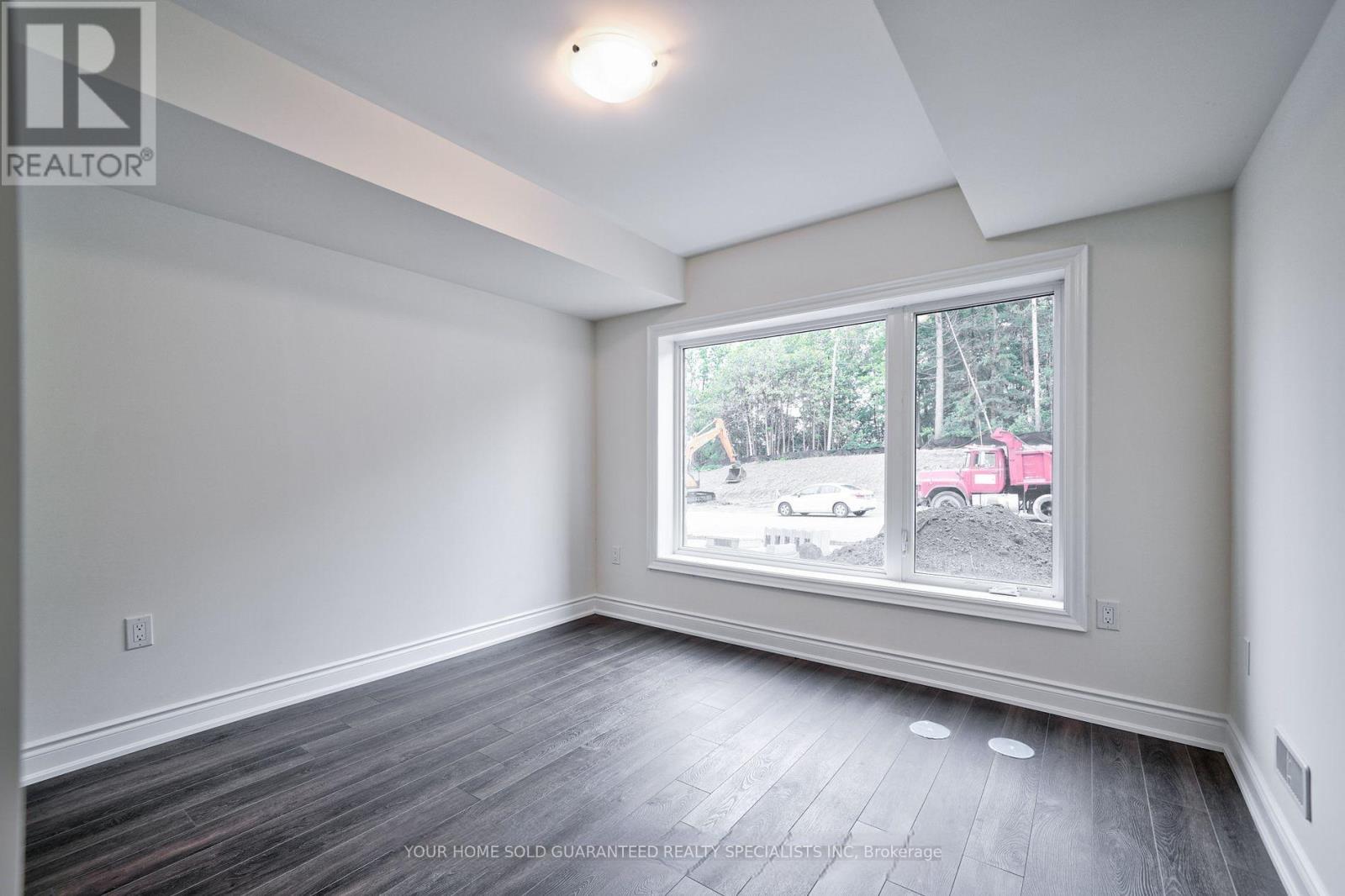 For Sale
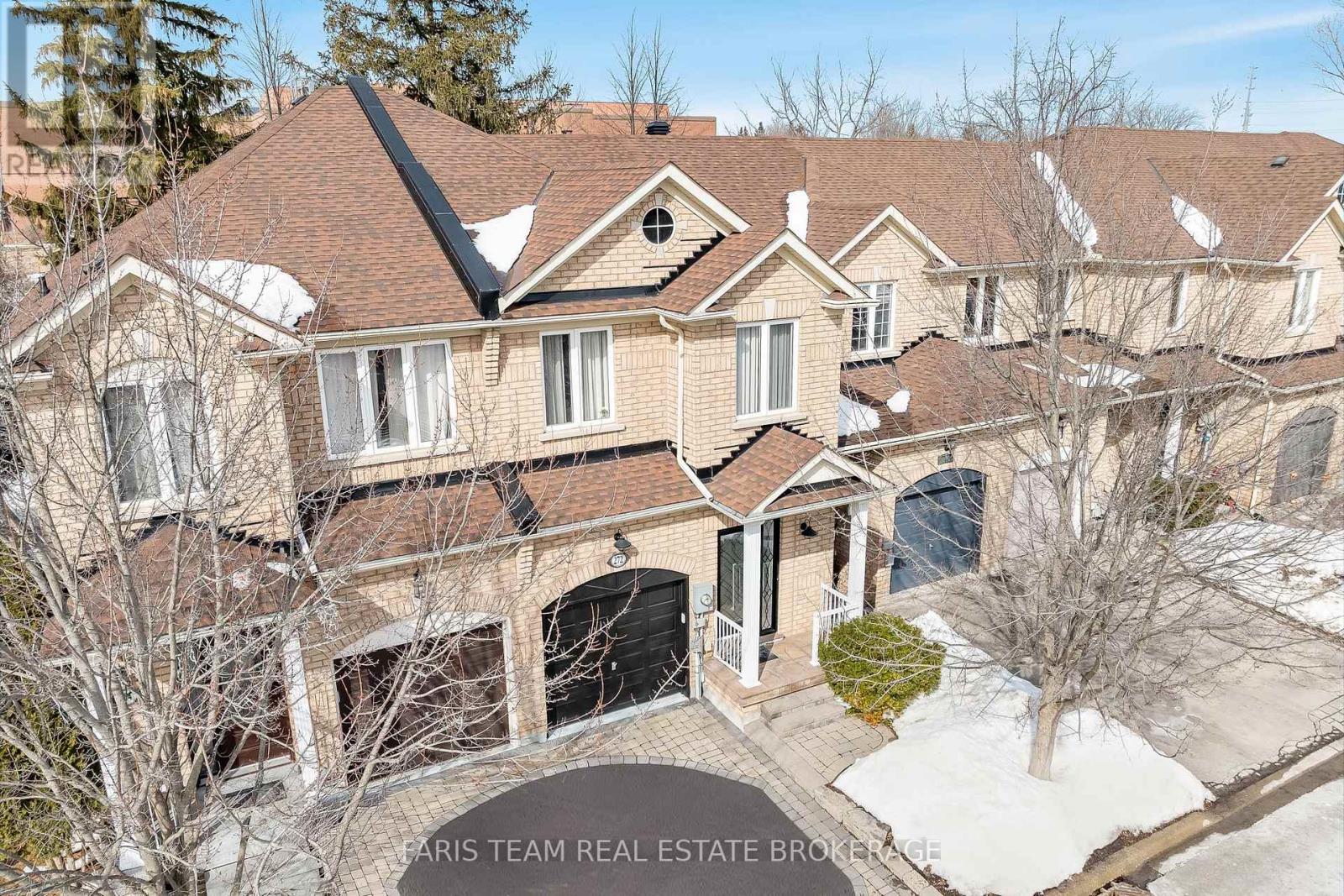 For Sale
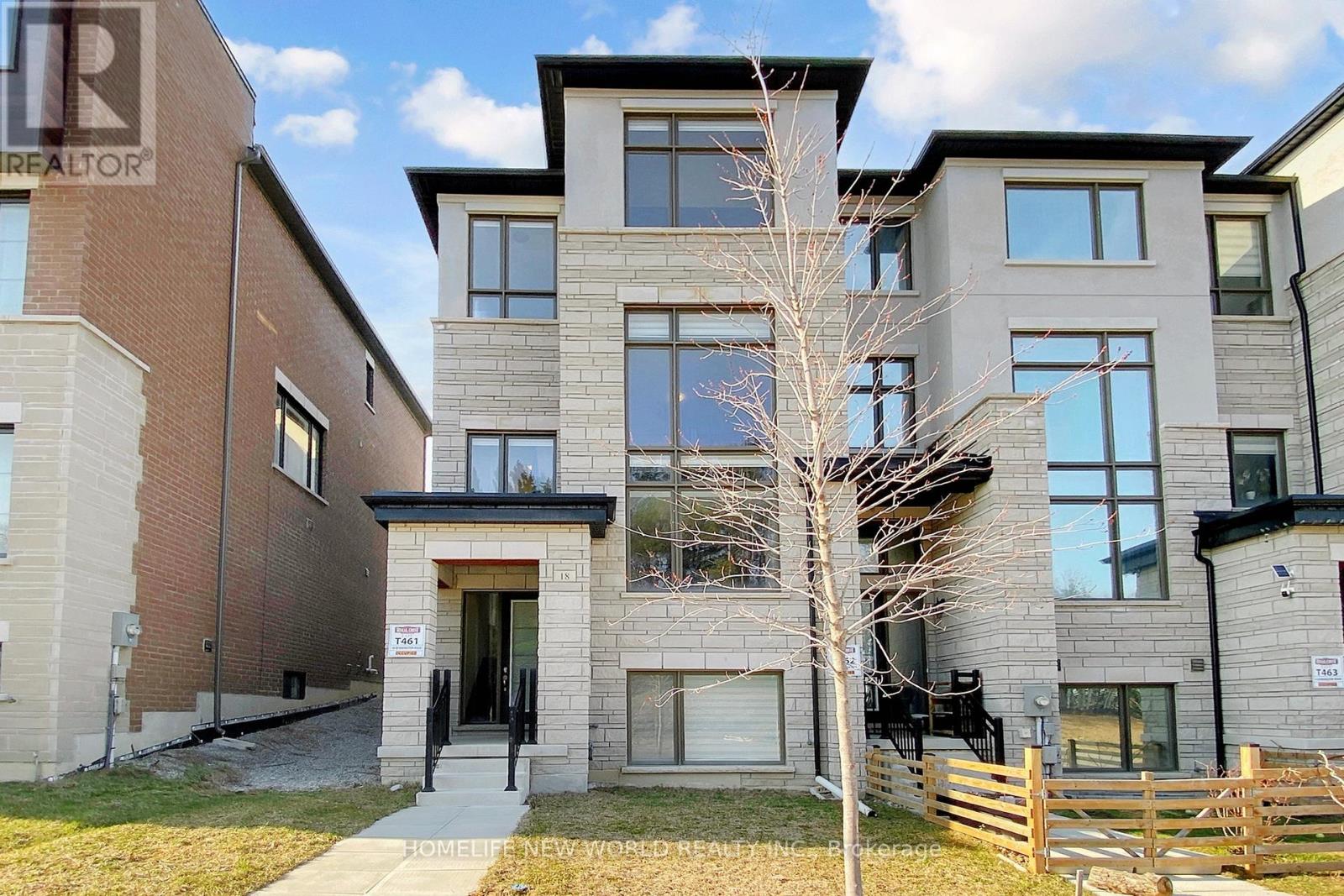 For Sale
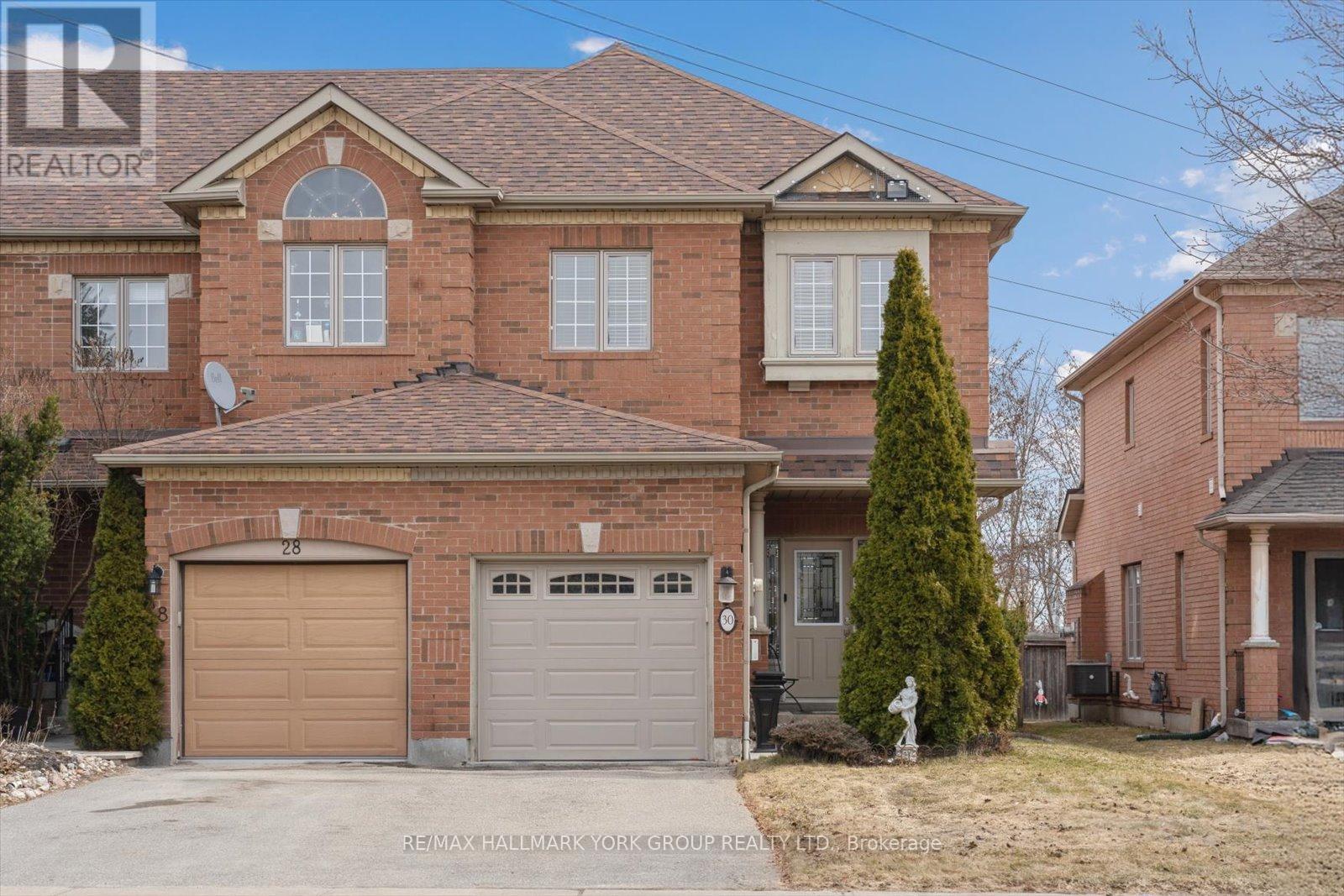 For Sale