
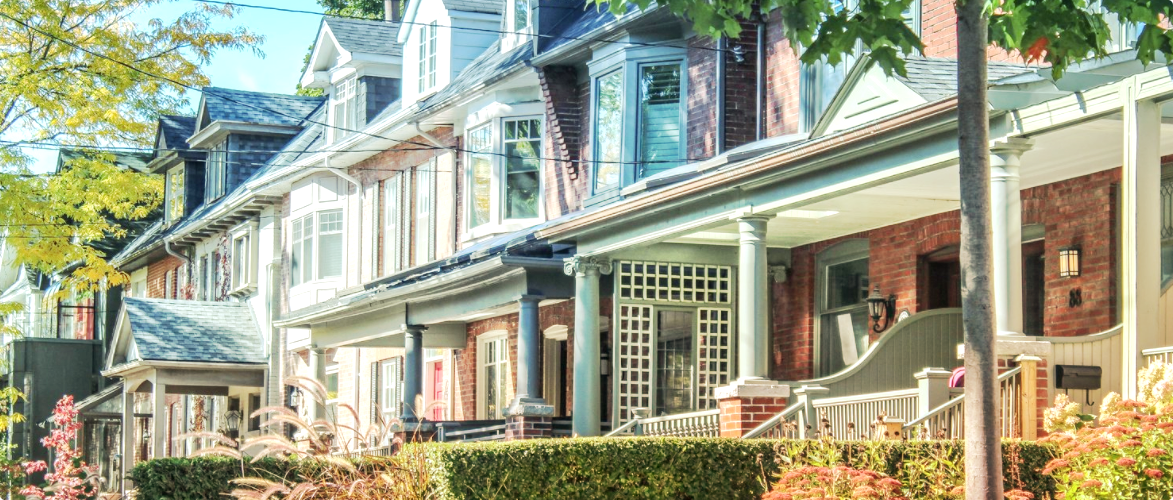
Summerhill sits between Rosedale and Davisville Village on the Yonge Street corridor, centred on the blocks around Summerhill subway station. It's a neighbourhood with a working commercial strip you use daily and a residential character behind it: 1910s and 1920s brick semis and detacheds on Shaftesbury, Farnham, and Chicora, with detached homes trading from $2 million to above $4 million and semis running $1.5 million to $2.2 million in early 2026. The Summerhill LCBO, housed in the original 1916 North Toronto train station, is the neighbourhood's most distinctive landmark.
Summerhill occupies a specific slice of the Yonge Street corridor: north of the Rosedale Valley Road and south of St. Clair Avenue, centred on the blocks around Summerhill subway station. It’s not Rosedale’s residential enclave and it’s not Davisville’s more modest post-war neighbourhood. What it is, specifically, is a place with one of Toronto’s better independent commercial strips running along Yonge and a residential grid of 1910s and 1920s brick behind it.
The key residential streets are Shaftesbury Avenue, Farnham Avenue, Chicora Avenue, and Pricefield Road. Roxborough Drive sits at the southern edge, where the neighbourhood meets Rosedale. The houses here are solidly built and predominantly brick, a generation younger than Rosedale’s Victorian stock, with most built between 1910 and 1935. The lots are narrower than Rosedale on average and the properties somewhat smaller, but the quality of construction is the same underlying logic: these were built for a professional and upper-middle-class population and the bones reflect that.
What distinguishes Summerhill from its neighbours on both sides is the commercial strip. Rosedale to the south is almost entirely residential, with the Rosedale ravine and large quiet gardens but essentially no commercial life to speak of. Davisville to the north is more practical and residential. Summerhill has independent restaurants, wine bars, and cafes on Yonge between St. Clair and the Rosedale Valley, and residents use them regularly. The Rosedale Diner on Yonge, Coffee and Wheat, and a dense concentration of food and hospitality businesses are what the neighbourhood looks like on a weeknight.
The Summerhill LCBO is the neighbourhood’s most frequently cited landmark, and for good reason: it occupies the original North Toronto railway station building at Yonge and Summerhill Avenue, a 1916 classically influenced station designed by John Lyle that operated as the city’s main commuter terminus for the Grand Trunk Railway. After the station closed to rail traffic, the building sat in various uses before the LCBO took it over and converted it into a flagship store. The result is one of the more architecturally striking retail spaces in the city: the former waiting hall, with its high ceilings and original detailing, houses the wine section.
The building matters to understanding the neighbourhood. Summerhill takes its name from a property that predates the residential development, and the station was the catalyst for the early-20th-century growth of the surrounding streets. Walking past it daily is a different experience than reading about it. Buyers who value having something specific and historically legible as the anchor of their commercial strip tend to respond to this neighbourhood strongly. Those who don’t care about that kind of thing will still find the LCBO useful.
The surrounding Yonge Street corridor between the station and St. Clair is where the neighbourhood’s commercial identity concentrates. The blocks immediately north and south of Summerhill station have a quality of independent food and hospitality that’s not common at that density anywhere else in midtown. It’s a practical reason to choose this address over Moore Park to the east or the quieter sections of Rosedale to the south, both of which require a deliberate trip to reach equivalent food options.
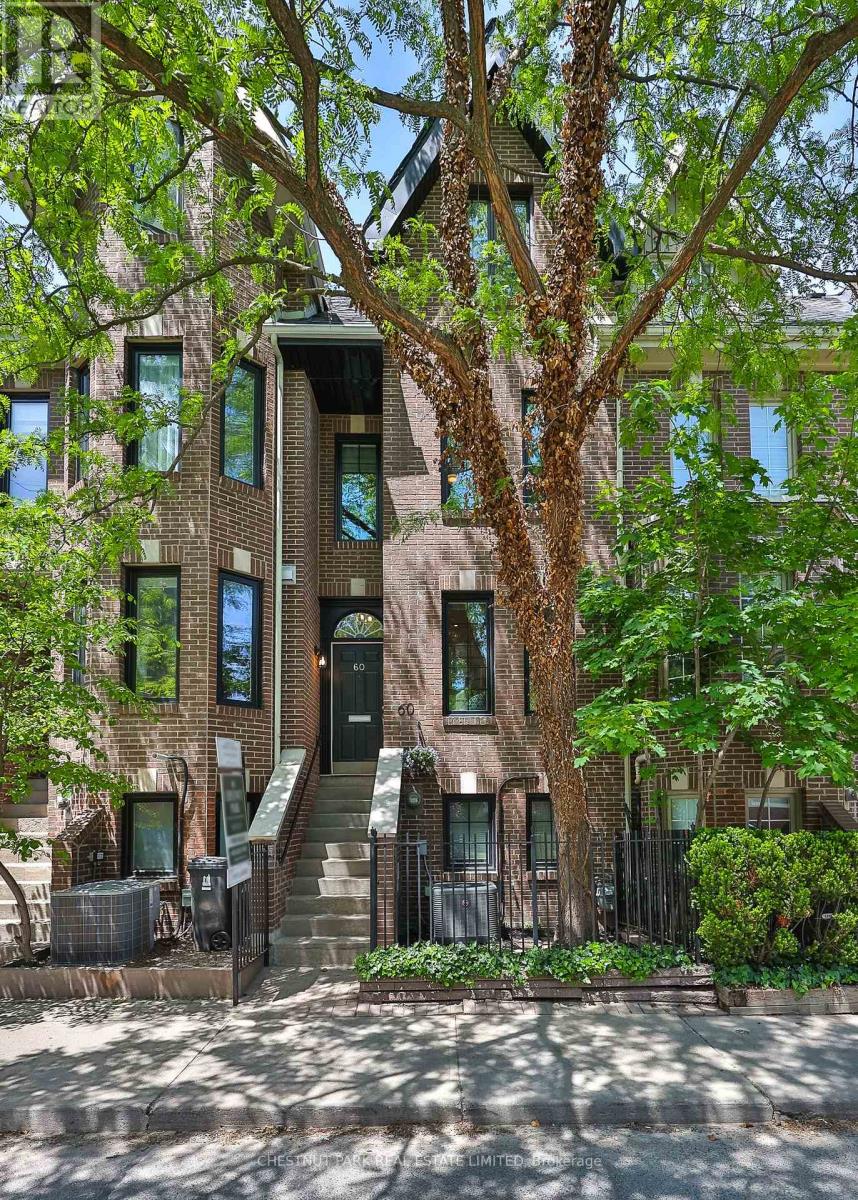
The dominant purchase in Summerhill is the semi-detached brick house, built between 1910 and 1935, on a 16 to 20-foot frontage. Most have three bedrooms, at least one full bathroom, and a rear yard. Renovation quality varies considerably street by street and even house by house. An updated semi on Shaftesbury or Farnham with a functional kitchen, refinished floors, and original character intact was trading between $1.5 million and $2.2 million in early 2026. Position on the street, lot depth, and the quality of the work done all move the number.
Detached homes are present but less common, and they carry a meaningful premium. A three-bedroom detached in solid condition starts around $2 million. Larger properties on wider lots, particularly on Chicora and Pricefield where the housing stock tends to be more varied and in some cases more generous, have sold above $4 million when the renovation is thorough and the lot justifies it. Roxborough Drive, at the Rosedale boundary, produces some of the neighbourhood’s highest prices because of its proximity to the ravine system and the Rosedale character of the street.
There’s no significant condo component to this neighbourhood. Summerhill is predominantly freehold. Buyers looking for a condo product with Yonge corridor access are better served by looking at St. Clair Avenue buildings or moving further north toward Davisville, where the inventory is larger. What Summerhill offers is freehold housing within walking distance of a subway station, on residential streets that are quiet despite their central location. That combination is what drives the pricing.
Three distinct groups make up most of Summerhill’s buyer pool. The first is families upgrading from Davisville Village to the north. Davisville is less expensive, more post-war in character, and offers less architectural and commercial distinction. The step to Summerhill is a meaningful one in price and in the quality of the built environment, and families who have outgrown Davisville or who want the Whitney Public School catchment make the move deliberately.
The second group is buyers downsizing from Rosedale who want to stay on the Yonge corridor. A household that has spent 20 years in a large Rosedale house and no longer needs the space may find Summerhill a practical move: same subway access, same general quality of neighbourhood, less maintenance, and a lower price that releases equity. These buyers know the area well and tend to be specific about which streets they’ll consider.
The third group is buyers entering the midtown freehold market at the level where Rosedale is beyond reach. Summerhill represents what Rosedale offers in character and transit access at a price that is genuinely 15 to 25 percent lower for equivalent street-level properties. That discount is real and persistent, and buyers who’ve run the comparison understand it. They’re choosing this address over Moore Park or the Davisville periphery because of the commercial strip and the school catchment, not because it’s the cheapest option in the corridor.
Summerhill operates as a relatively contained market. The buyer pool is deep compared to the number of properties that actually change hands, which means well-priced freehold listings attract serious interest quickly. In spring 2025 and into early 2026, most freehold properties were listed without a formal offer date, but the best-positioned semis on Shaftesbury and Farnham were still generating multiple-offer situations within the first week, particularly when priced slightly below the obvious comparable range.
Properties that sit are almost always overpriced or presenting a condition issue that buyers are pricing in. Summerhill buyers are experienced. They’ve been through the market before, they know the streets, and they’ve usually toured multiple properties in the corridor before making an offer. A price that doesn’t reflect actual condition is spotted quickly and the property sits while buyers wait for an adjustment.
Spring is when competition peaks, typically mid-February through late May. October produces the second meaningful window of buyer activity. December and January are slow, and listings that appear in those months sometimes sit into the new year before finding a buyer, which can produce better terms for buyers who are paying attention and willing to move in a quieter period. The fundamentals that drive this neighbourhood are stable enough that timing the market within the corridor is less consequential than being clear on what you’re actually buying.
The east-west split within the neighbourhood matters. The residential streets west of Yonge, including Shaftesbury and Farnham, are quieter and feel more removed from the commercial activity. Streets east of Yonge, toward Moore Park, have a somewhat different character: less commercial adjacency, larger lots in some cases, but a quieter and more purely residential feel that appeals to buyers who want the Yonge corridor access without being on top of the commercial strip. Price differences between the two sides are real but not dramatic.
Proximity to Yonge itself is worth understanding before you commit. The Yonge Street bus and the commercial strip generate noise and activity, particularly on weekend evenings. Houses directly on or facing Yonge trade at a discount to equivalent properties one or two streets back. Some buyers want the ground-floor commercial adjacency; most prefer the residential streets. Walking Yonge on a Friday night and then walking Farnham Avenue will make that tradeoff concrete.
The David Balfour Park ravine is accessible at the southern edge of the neighbourhood, providing walking trails and green space that the purely residential streets don’t otherwise supply. Properties near the ravine access on Rosedale Valley Road have a quiet distinctiveness that justifies the premium they tend to carry. If green space access matters to your daily life, this part of the neighbourhood is worth understanding before you assume Summerhill is uniformly built-up.
The Yonge Street stretch through Summerhill, roughly between Alcorn Avenue and the Rosedale Valley Road, is one of the better-maintained independent commercial strips in midtown. It’s not the volume of Queen West or Ossington, but it’s consistent: a few blocks of restaurants, cafes, wine bars, and specialty food shops that are actually good and that the neighbourhood uses regularly. The Rosedale Diner has been an anchor of the strip for years. Coffee and Wheat draws a morning crowd that reflects how the neighbourhood starts its day. The concentration of hospitality on this stretch is what makes Summerhill feel animated rather than residential in the way Rosedale and Moore Park do.
The Summerhill LCBO is the anchor of the strip and one of the few places in the city where the building itself is worth visiting independent of what you came to buy. The 1916 station building by John Lyle has a quality of civic ambition that most retail spaces don’t. The store inside is one of the better-stocked in the LCBO system, which practical residents notice.
What’s absent is worth mentioning. Summerhill doesn’t have a major grocery store on the strip. The nearest large-format grocery is north at St. Clair, or south toward the Rosedale area. Most households in the neighbourhood plan around this: a weekly trip to a grocery by car or subway, supplemented by the specialty food shops on Yonge for daily needs. Buyers who assume they can manage without a car entirely should walk through the weekly logistics before committing.
Summerhill station on the Yonge-University line is the neighbourhood’s primary transit asset. The Financial District is roughly 10 minutes south by subway. King Street, Bay Street, and Bloor and Yonge are all under 15 minutes. St. Clair station, one stop north, is walkable from the upper end of the neighbourhood and gives northern commuters a second option. For a midtown neighbourhood, the transit access is as good as it gets in the 416.
Most of the residential streets, Shaftesbury, Farnham, Chicora, and Pricefield, are within 10 to 15 minutes walking of Summerhill station. That walk is uphill for some residents coming home from the north end of the platform, which is a minor practical point that becomes meaningful over years. The streets are safe and well-lit. Walking the commute route before making an offer is worth doing regardless.
Cycling from Summerhill to the Financial District takes roughly 20 to 25 minutes on a direct route down Yonge or through the Rosedale streets. The terrain is manageable but not flat. Car ownership in the neighbourhood is common, driven largely by the absence of a nearby large grocery and by households with children doing school and activity logistics. Most properties have at least one parking spot. Buyers who need two parking spaces should confirm availability at the specific property, as many semis have only lane access for a single car.
Rosedale is immediately south and shares the Yonge corridor. It’s the comparison that most Summerhill buyers have run, and the differences are real and persistent. Rosedale has larger lots, deeper garden character, the ravine system winding through its eastern and western sections, and a residential quiet that Summerhill doesn’t match. It also runs 15 to 25 percent more expensive for equivalent positions on the street. South Rosedale in particular, with its very large detached homes and deep ravine adjacency, operates at a price level that puts it in a different category from most of what Summerhill offers. Buyers who can reach Rosedale and choose Summerhill are usually doing so deliberately: they want the Yonge commercial strip and are willing to give up some lot size and garden depth to have it.
Davisville is immediately north and is a materially different neighbourhood. The housing stock shifts to more post-war construction, the lots are smaller on average, and the character of the streets is less architecturally distinctive. Prices in Davisville reflect that: entry-level detacheds and semis come in below Summerhill equivalents, sometimes by 20 to 30 percent depending on the specific street. The step from Davisville to Summerhill is a meaningful one, and buyers who make it are paying for the housing quality and the Whitney catchment as much as anything else.
Moore Park is to the east, separated from Summerhill by the ravine system. It’s comparable in price, quieter, predominantly detached, and entirely residential in character. There’s essentially no commercial life in Moore Park itself. Buyers who want the Yonge corridor proximity without the commercial animation often find Moore Park more appealing than Summerhill. Buyers who specifically want to walk to restaurants and cafes on a weeknight will find Moore Park doesn’t satisfy that need without a deliberate trip.
Whitney Public School on Jackes Avenue is the primary draw for families with children in the elementary years. It has a consistent reputation among TDSB elementaries in the midtown corridor: strong parent involvement, active school council, and EQAO results that reflect the catchment’s engaged parent base. The school is small enough that most families know each other and large enough to have breadth in programming. It’s one of the concrete reasons buyers prioritise the Summerhill catchment over adjacent areas, and it’s a meaningful factor in the pricing of properties on Farnham, Shaftesbury, and Chicora that fall within its boundary.
For the Catholic stream, De La Salle College on Wellesley Street is a boys school with a strong academic and extracurricular reputation that draws from well beyond the immediate neighbourhood. Families in Summerhill with boys in the Catholic system often consider De La Salle as the secondary option. Branksome Hall, the independent girls school on Elm Avenue, is within the neighbourhood boundary and has one of the stronger academic profiles of any independent school in Toronto, with a day school and boarding program. It’s relevant context for buyers assessing private school options without wanting to commute far.
For public secondary school, the catchment flows to Marshall McLuhan Catholic Secondary or to North Toronto Collegiate Institute for the public stream. North Toronto Collegiate has a long-established reputation and draws competitive interest for its arts and academic programs. Families who are specifically buying for Whitney’s catchment should verify the precise address with the TDSB boundary tool before relying on any assumption. Catchment boundaries follow street-level lines that aren’t always intuitive, and a two-block difference can place a property outside the Whitney zone.
How does Summerhill compare to Rosedale for buyers? Rosedale is immediately south and shares the Yonge corridor, but the two neighbourhoods are distinct in character and price. Properties in Rosedale are generally 15 to 25 percent more expensive than equivalent Summerhill addresses, reflecting larger lots, deeper garden character, and the Rosedale ravine running through the eastern and western sections. Summerhill’s main practical difference is its commercial strip: the Yonge Street stretch between St. Clair and the Rosedale Valley has independent restaurants, cafes, and wine bars that residents use on weeknights, not just for special occasions. Rosedale is quieter and almost entirely residential. Buyers who choose Summerhill over Rosedale are usually prioritising daily commercial life and accepting somewhat smaller properties on narrower lots in exchange for a lower entry point into the same general corridor.
What are typical prices for homes in Summerhill in 2026? Semi-detached homes were trading between $1.5 million and $2.2 million in early 2026, with position on the street, lot depth, and renovation quality all moving the number within that range. Shaftesbury and Farnham represent the core of that semi-detached market. Detached homes start around $2 million for a three-bedroom in solid condition and reach above $4 million for larger properties with thorough renovation on wider lots. Chicora Avenue, Pricefield Road, and Roxborough Drive at the Rosedale boundary produce the neighbourhood’s upper-end transactions. These prices are consistently 15 to 25 percent below equivalent Rosedale addresses, which is a persistent driver of buyer interest from people who want the midtown corridor without stretching to the full Rosedale premium.
What schools serve Summerhill? Whitney Public School on Jackes Avenue is the main public elementary and has a strong reputation among TDSB midtown schools: high parent involvement, a consistent track record, and an engaged school community. It’s a genuine reason families buy in this specific catchment over adjacent Davisville or Moore Park neighbourhoods. For the Catholic stream, De La Salle College is a boys school with strong academics that draws from across the corridor. Branksome Hall, the independent girls school on Elm Avenue within the neighbourhood boundary, is one of the city’s more academically competitive private options. For secondary school, the public catchment flows primarily to North Toronto Collegiate Institute. Families buying specifically for Whitney should verify their address against the current TDSB catchment boundary before proceeding, as the lines are precise and don’t always follow intuitive geography.
Is Summerhill subway station convenient for commuters? Summerhill station on the Yonge line puts the Financial District about 10 minutes south by subway and Bloor and Yonge under 15 minutes. St. Clair station, one stop north, is walkable from the upper end of the neighbourhood and gives residents a second option. Most of the core residential streets, Shaftesbury, Farnham, Chicora, and Pricefield, are within a 10 to 15 minute walk of the station. For a midtown freehold neighbourhood, this is as good as the transit access gets: a direct line, two stations, no transfers required for the most common commute destinations. Most households in Summerhill own a car but don’t rely on it for daily commuting, which is a practical consequence of having this kind of subway access at the door.
The name Summerhill comes from a 19th-century estate that occupied the high ground north of the Rosedale ravine, on land that is now the residential streets between Yonge and the ravine edge. The estate itself is long gone, but the name stayed. What triggered the development of the present neighbourhood was the North Toronto railway station, built in 1916 at Yonge and Summerhill Avenue to serve the Grand Trunk Railway’s commuter traffic north of the city. The station brought commuters and density to the Yonge corridor, and the residential streets of brick semis and detacheds that now characterise Shaftesbury, Farnham, and Chicora were built largely between 1910 and 1935 to house the households that the station made possible.
The station closed to rail traffic in 1930 when Union Station consolidated the city’s passenger rail. The building was used for various purposes over the following decades, eventually becoming the LCBO’s Summerhill flagship store, which opened in 2000. The conversion preserved John Lyle’s original station architecture, including the high-ceilinged waiting hall that now houses wine, and gave the neighbourhood a permanent landmark that most commercial strips don’t have.
The neighbourhood’s character has been relatively stable since the mid-20th century. It didn’t go through the same period of decline and reinvention that many inner-city Toronto neighbourhoods experienced in the 1970s and 1980s. The housing stock was maintained, the commercial strip evolved gradually rather than transforming dramatically, and the Yonge corridor’s transit access kept the address desirable through conditions that emptied less well-connected neighbourhoods. What you see in Summerhill today, established brick houses, a working commercial strip, and a consistent buyer pool, reflects a neighbourhood that held its value through a century of urban change.
Street-level knowledge is hard to find online. Our team works in Summerhill every day. They know which pockets hold value, where the school catchment lines actually fall, and what the market is doing right now. Talk to us before you make a decision about Summerhill.
Talk to a local agent For Sale
 For Sale
 For Sale
 For Sale