
Sunderland is a small village in Brock Township, Durham Region, about 90 kilometres northeast of Toronto. It offers affordable detached housing in a quiet rural Ontario setting, drawing retirees and remote workers. Detached homes trade from $550,000 to $750,000 in 2025.
Sunderland is a small village in the south of Brock Township, sitting along County Road 12 about 90 kilometres northeast of Toronto. It’s the smallest of the three main settlements in Brock Township, with a population of around 1,200, and it has the character of a working Ontario village rather than a tourist or cottage destination. The main street runs a short block of older commercial buildings, the churches date from the 1800s, and the residential streets behind them carry a mix of Victorian-era homes, post-war houses, and a modest amount of newer construction.
What Sunderland offers is the most affordable entry point into Brock Township. It’s further from Lake Simcoe than Beaverton and further from the Highway 12 corridor than Cannington, which historically kept prices lower. For buyers who want a small-town Ontario address with a rural character and a manageable drive to the GTA for occasional visits, Sunderland provides that at a price that is difficult to match anywhere in the broader southern Ontario region.
The village draws buyers who want to leave the GTA rather than commute from it. Remote workers, retirees downsizing from expensive suburban equity, and young buyers who can’t afford anywhere closer are all present in the market here. The practical reality is that you need a car for almost everything and the drive to a full-service grocery store or medical clinic is 20 to 30 minutes. That’s the deal, and buyers who understand it going in tend to find the village exactly what they expected.
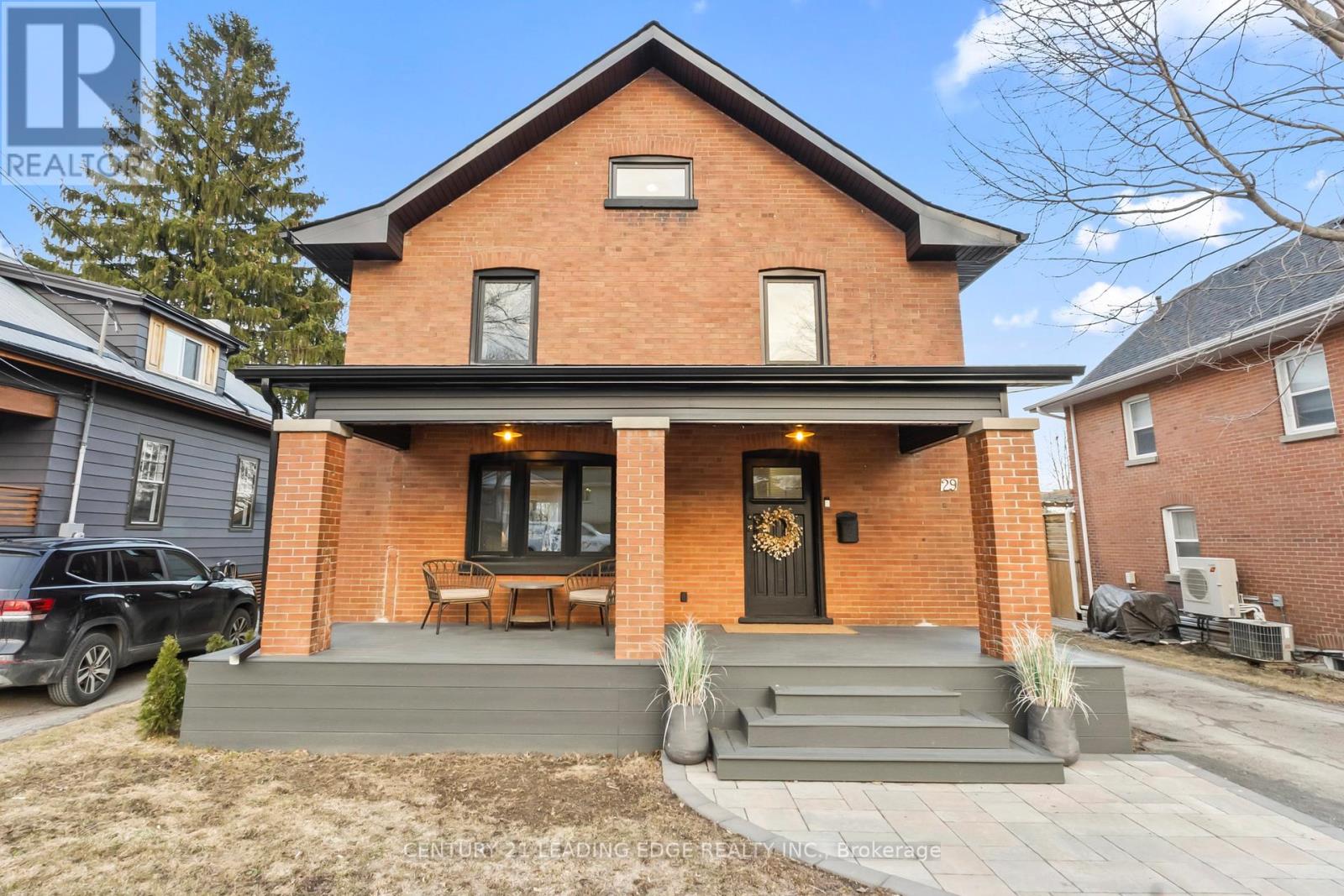
Sunderland homes were trading in the $550,000 to $750,000 range in 2025 for detached houses, making it the most affordable of the three Brock Township village markets. The housing stock reflects a range of construction eras: Victorian and Edwardian-era two-storey homes on the older streets near the village centre, post-war bungalows through the mid-century residential streets, and some 1970s and 1980s split-levels and detached homes on the suburban-pattern streets at the edges of the settlement area.
The older homes have the character advantages that come with age — higher ceilings, original wood floors, interesting exterior details — and the maintenance obligations that come with them. Buyers of Victorian-era homes in Sunderland should budget for deferred maintenance items including window replacements, exterior painting or repairs, updated heating systems, and electrical panels that may still be on fuse-based systems rather than breakers. A thorough home inspection is essential, not perfunctory.
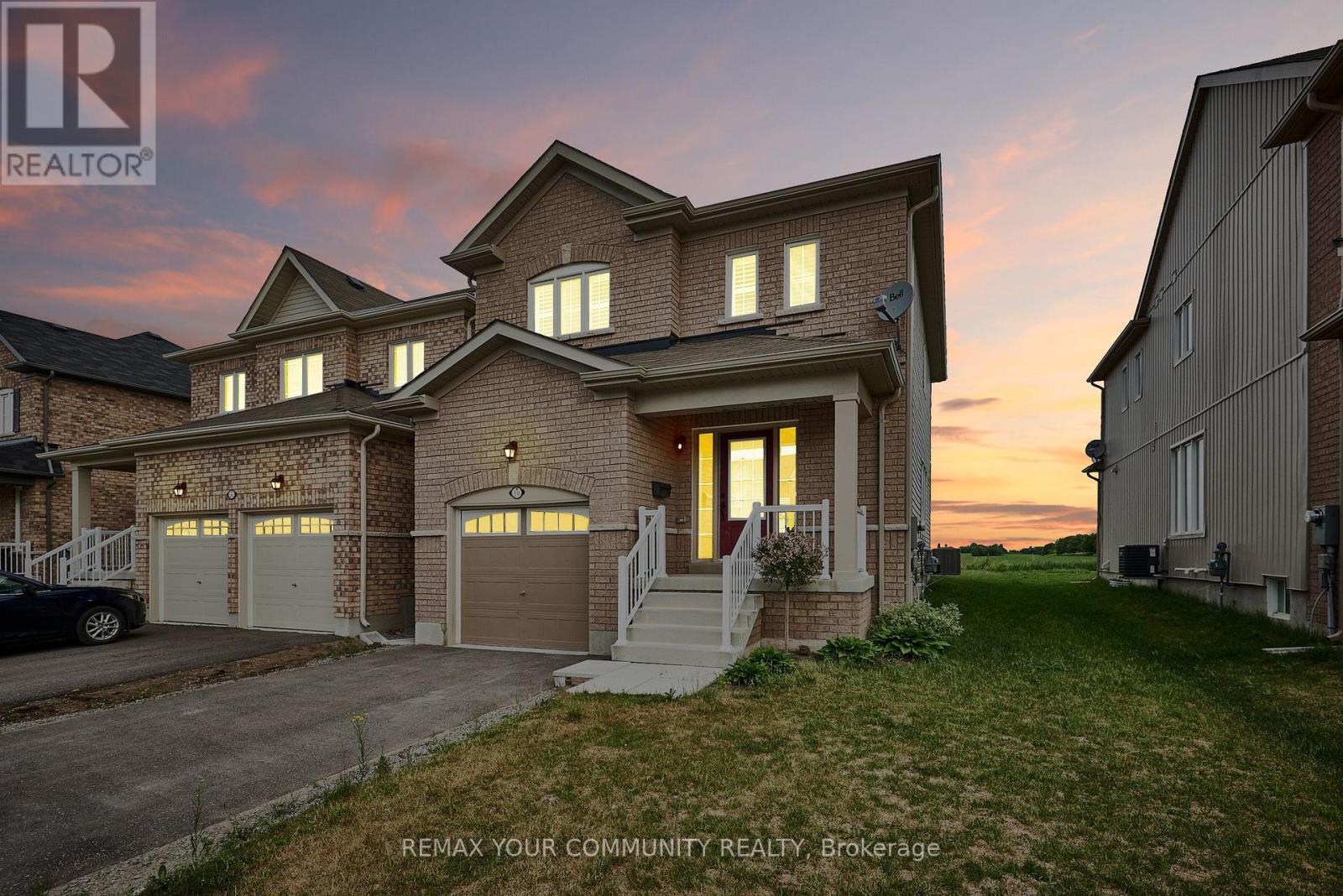
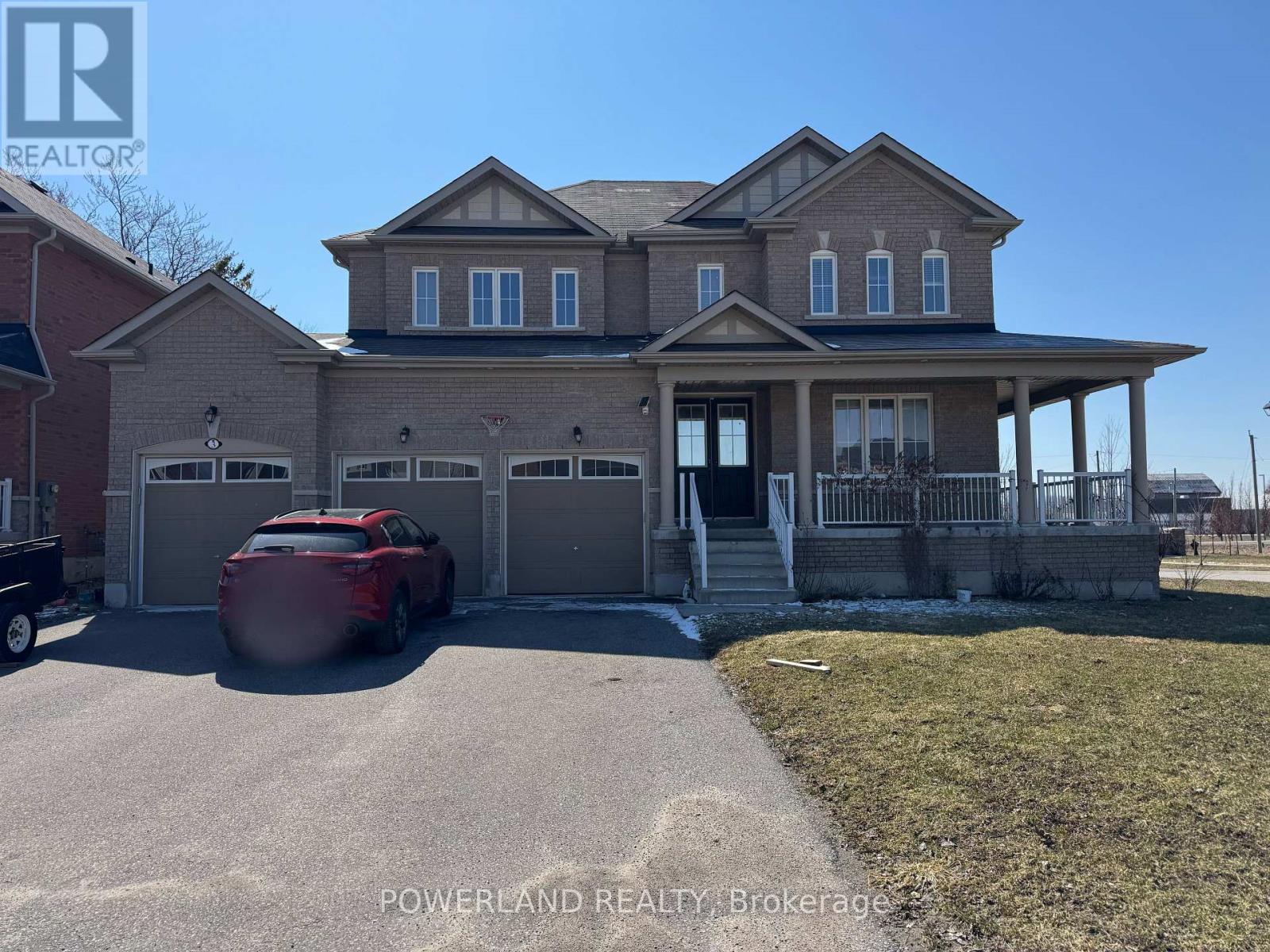
Newer homes in Sunderland were built in smaller volumes over the past 30 years and tend to be detached two-storeys on smaller lots at the village’s edges. These offer more predictable maintenance profiles and updated systems at generally similar price points to the older character homes, because the Sunderland market is thin enough that buyers of any type are a narrow group. New construction in the village is minimal, so inventory is predominantly resale.
The Sunderland real estate market is very low-volume. Fewer than 20 to 30 sales occur in a given year across the village, and comparable sales data is correspondingly thin. Properties can sit for 60 to 90 days without indicating anything is wrong with the price or the property — the pool of buyers who specifically want Sunderland is small, and matches take time. This is not a market for sellers who need a quick exit at a specific price.
Sunderland prices are generally the lowest in Brock Township and among the lowest for detached residential property in the Durham Region. That affordability has attracted more attention as buyers priced out of the southern Durham Region municipalities have widened their search radius. The pandemic period pushed some interest into Sunderland that has since moderated with higher interest rates, but the underlying affordability remains compelling for buyers who genuinely want to live this far from the GTA.
The rental market in Sunderland is small but functional for buy-and-hold investors willing to work in this market. Rents for detached houses in the $1,800 to $2,400 range reflect the affordability of the surrounding area. For investors seeking rental yield rather than appreciation, the cap rates here can be compelling relative to what the same capital would generate in the GTA, but the management of a rental property 90 kilometres from Toronto requires local relationships or a local property manager.
Sunderland attracts a specific type of buyer: people who are genuinely leaving the urban experience behind rather than looking for a quieter suburb. Retirees with GTA equity, trading down from a $900,000 Oshawa semi to a paid-off Sunderland century home and banking the difference, represent a meaningful segment. They’re not commuting to anything; they’ve chosen a life that is deliberately slower, cheaper, and more self-reliant.
Remote workers who need physical space more than urban proximity are the second significant group. A $600,000 Sunderland detached home with a proper home office, a workshop, and a fenced yard is the same price as a two-bedroom condo in Oshawa without any of those attributes. For buyers whose work is genuinely location-independent, the comparison makes sense, but it requires internet infrastructure that should be confirmed at the specific property before committing.
Young buyers who are priced out of anything closer to Toronto represent a growing segment. These buyers are making a deliberate trade-off of location for affordability and ownership, accepting longer drives for the ability to buy a detached house they can actually afford. They tend to be more realistic than the remote worker cohort about the limitations of village life and accept them as the price of entry into the ownership market.
Sunderland’s residential streets spread out from the intersection of County Road 12 and River Street in the village core. The oldest and most character-rich homes are closest to the village centre on the streets running off the main intersection: River Street, Helen Street, and the adjacent residential blocks. These are the streets with the Victorian and Edwardian homes that give Sunderland its historical character.
Moving east and west from the core, the housing transitions to post-war construction, and at the outer edges of the settlement boundary there are small pockets of 1970s and 1980s houses on straightforward residential lots. None of Sunderland is more than a few minutes’ walk from any other part — the village covers a small area and is navigable entirely on foot if you’re willing to walk 15 minutes from one end to the other.
The village sits on relatively flat terrain with the Beaver River running just south of the settlement area. There are no dramatic topographic features that create premium views or noise concerns. The agricultural fields start immediately at the village boundary, which gives most properties a clear rural outlook within a few blocks. Properties backing directly onto open farmland have a spacious feel that properties in the centre of the village don’t, and buyers who value that outlook often seek those streets specifically.
Sunderland has no transit service of any kind. Getting anywhere beyond the village requires a car. The village sits on County Road 12, which runs east to Cannington (15 minutes) and west toward Sutton and the Highway 48 corridor. From Highway 48 south, the drive to the Highway 404 interchange and on to Toronto runs about 80 to 90 minutes in normal conditions. The drive to Barrie is about 60 minutes via Highway 12 north.
The nearest GO station is at Barrie South, which is not on the Lakeshore West line and requires a separate train line and connection for Toronto travel. For practical purposes, buyers in Sunderland should assume they are driving to Toronto if they need to get there, or driving to a Highway 404 corridor park-and-ride to take the bus or a car to Union Station. There is no realistic transit option for daily commuting from Sunderland to downtown Toronto.
Local errands within Sunderland can be done on foot for buyers living near the village centre — the handful of businesses on the main street are walkable. For groceries, pharmacy, banking, and most services, residents drive to Cannington or Beaverton, both 15 to 20 minutes away. Larger shopping trips go to Barrie, Newmarket, or the Oshawa-Whitby corridor depending on preference and destination.
Sunderland’s outdoor amenities are modest within the village but extensive in the surrounding rural township. The Black River runs south of the village and is accessible at a few points for fishing and informal recreation. The Beaverton Thorah Eldon Trails network connects communities across the southern part of Brock Township, and sections of the trail system are accessible from the Sunderland area.
The rural roads and concession lines surrounding Sunderland are well-suited to road cycling and walking for residents comfortable with traffic-free rural driving speeds and sparse traffic. Brock Township’s OFSC snowmobile trail network runs through the area and provides winter recreation connectivity for snowmobile owners. The agricultural landscape surrounding the village offers hunting opportunities in season with landowner permission.
The larger outdoor recreation offer in the region is at Lake Simcoe, about 20 minutes northwest of Sunderland at the Beaverton waterfront. The Beaverton Harbour Park, the marina, and the public boat launch are accessible to Sunderland residents who drive there. Buyers who make lake access a significant part of their lifestyle calculation should factor in that Sunderland requires a short drive to reach it, whereas Beaverton offers it within walking distance.
Sunderland’s commercial offerings are very limited. The village has a handful of businesses on the main street, including a general store, a tavern, and a few small local businesses, but it does not have a full-service grocery store, a pharmacy, or a gas station within the village boundary. Residents drive to Cannington for most daily errands, and to Beaverton or Barrie for a fuller range of services.
The absence of local retail is the most significant quality-of-life adjustment for buyers moving from suburban GTA communities. Access to groceries, pharmacy, restaurants, and general services requires planning and a 15 to 30-minute drive rather than a walk or a short local trip. Buyers who are accustomed to the convenience of suburban commercial infrastructure should think honestly about whether this adjustment fits their household’s daily habits before purchasing.
Medical services are a particular consideration. The nearest walk-in clinic and full pharmacy are in Cannington or Beaverton. The nearest emergency department is at Uxbridge Cottage Hospital, about 30 minutes south, or the much larger Southlake Regional Health Centre in Newmarket, about 50 minutes south. For families with young children or residents with ongoing medical needs, the distance to emergency and specialist care is a real factor in the decision.
Sunderland falls within the Durham District School Board (DDSB). Elementary-aged students in Sunderland attend Sunderland Public School, a small K-8 school within the village that reflects the modest scale of the community. The school serves a small student population, which produces an environment where students are well-known to their teachers and to one another, but with limited breadth in extracurricular programs and specialist instruction compared to a larger suburban school.
Secondary students from Sunderland travel to Brock High School in Cannington, a 15-minute bus ride along County Road 12. Brock High School is the DDSB’s northernmost secondary school, serving students across Brock Township. Its enrollment is approximately 400 students across grades 9 to 12, which means the course selection and extracurricular programs available are narrower than at larger urban schools. Students seeking Advanced Placement courses, specialized arts programs, or a wide range of sports would need to look at alternatives or online learning supplements.
Catholic school families served by the Durham Catholic District School Board (DCDSB) have access to Catholic elementary programs in the region, with Catholic secondary students traveling to schools in the southern Durham Region municipalities. The distances involved mean busing is a daily reality for most families, and the logistics of after-school activities in Brock Township are more demanding than in communities closer to the GTA.
Sunderland is unlikely to change significantly in the near term. The village sits in a part of Brock Township that is not in the path of any planned growth, and the provincial planning framework for rural Ontario generally directs growth to existing urban and suburban centres rather than small rural villages. The settlement boundary around Sunderland is set, and major expansion would require a formal planning process that is not currently underway.
The village’s main street has the slightly hollow look of many small Ontario communities that have lost businesses to consolidation and regional retail. A few storefronts are empty or underutilized, which is characteristic of rural Ontario villages of this size rather than specific to Sunderland. There are no current major redevelopment or intensification plans that would change the commercial character of the village core.
The potential for remote work to sustain and modestly grow small communities like Sunderland is real. The pandemic period showed that a portion of GTA workers genuinely move to communities at this distance when they have the flexibility, and some of those residents stay. If that trend continues at any scale, Sunderland could see enough new households to support modest commercial revival. But the scale of this effect is limited by the community’s physical isolation and the absence of the amenity base that attracts permanent relocators to better-positioned rural communities.
Q: Is Sunderland a realistic choice for someone who occasionally needs to commute to Toronto?
A: It works for buyers who go into Toronto once or twice a week, not every day. The drive from Sunderland to downtown Toronto runs 90 minutes to two hours depending on where you’re going and what time of day. That’s manageable for a Tuesday meeting or a monthly client visit. It is not manageable as a five-day commute. Buyers who need to be in Toronto frequently should be honest with themselves about the drive before they buy, not after. The most successful Sunderland residents in this category either work fully remotely, own businesses in the local region, or travel to Toronto occasionally and accept the drive as an infrequent cost rather than a daily one. Hybrid workers who go in one or two days per week find it workable but tiring over time, particularly in winter when the drive adds time and uncertainty.
Q: What is the internet situation in Sunderland?
A: Internet quality in Sunderland has improved with rural broadband expansion programs, but it is not uniformly good across the village, and the quality varies enough between addresses that you should confirm the specific service available at any property you are seriously considering before making an offer. As of 2025, some properties in the village have access to fixed wireless internet with adequate speeds for video conferencing and moderate remote work loads. Others are on older DSL or satellite service that is more limited. Ask the current owners for their internet provider, speed tier, and typical performance during working hours. Call the provider to confirm whether service is available at the specific address and what the current plan options are. Do not rely on coverage maps, which tend to show theoretical availability rather than actual delivered performance.
Q: How does Sunderland compare to Cannington as a place to live in Brock Township?
A: The main practical differences are service availability and size. Cannington is larger and has a more complete range of services within the village, including grocery, pharmacy, and a broader range of retail. Sunderland has fewer on-the-ground services and requires a 15-minute drive to Cannington for most daily needs. Cannington also has Brock High School, which means secondary students in Sunderland are bused to Cannington regardless. In terms of price, Sunderland tends to be slightly cheaper for comparable properties, reflecting its smaller size and more limited local amenity base. The character and feel of the two villages are similar: both are small agricultural-country Ontario communities with Victorian-era housing stock and a quiet residential pace. The choice between them often comes down to which specific property is available at the time you are looking rather than a strong preference for one community over the other.
Q: Are there any zoning or planning restrictions I should know about in Sunderland?
A: Sunderland sits within Brock Township’s rural service village designation, which permits standard residential use including the addition of accessory dwelling units subject to compliance with the current zoning by-law. The township has updated its zoning by-law in recent years to align with provincial requirements around additional residential units. A legal basement apartment or garden suite may be permitted on a standard residential lot, but setbacks, lot coverage, and servicing requirements all apply and should be confirmed with the township planning department before purchasing a property with this intention. Properties at the edge of the settlement area may have agricultural land-use designations adjacent, which limits development on those adjacent parcels but does not restrict your use of the residential lot. Any significant renovation or addition requires a building permit from Brock Township.
Buying in Sunderland works best with an agent who understands rural and small-community Ontario real estate rather than one whose practice is concentrated in the GTA suburbs. The valuation challenge in a low-volume market like Sunderland is significant: there may be only five or six comparable sales in the past year within the village, and each property is different enough that comparable selection requires judgment rather than a formula. An agent who runs your neighbourhood report through a CMA tool and hands you a printout is not giving you the analysis this market needs.
The due diligence requirements for Sunderland properties follow the same rural pattern as the rest of Brock Township for older homes: home inspection by an inspector with experience in Victorian and pre-war construction, well and water testing if the property is on well water, confirmation of septic system condition and age, oil tank status for properties with older heating systems, and a review of any work done without permits. The older housing stock in Sunderland carries more deferred maintenance risk than newer suburban homes, and the inspection is where you find out what that means for your specific purchase.
Offer strategy in Sunderland is different from competitive suburban markets. Multiple offers are rare. Subjects and conditions are expected. The negotiation is typically one-on-one between buyer and seller, and the emotional dynamics of selling a home someone has owned for 30 years in a small community are often present. An agent with experience in small-community Ontario transactions will navigate that context better than one who applies GTA competitive-offer tactics to a market where they don’t belong.
Street-level knowledge is hard to find online. Our team works in Sunderland every day. They know which pockets hold value, where the school catchment lines actually fall, and what the market is doing right now. Talk to us before you make a decision about Sunderland.
Talk to a local agent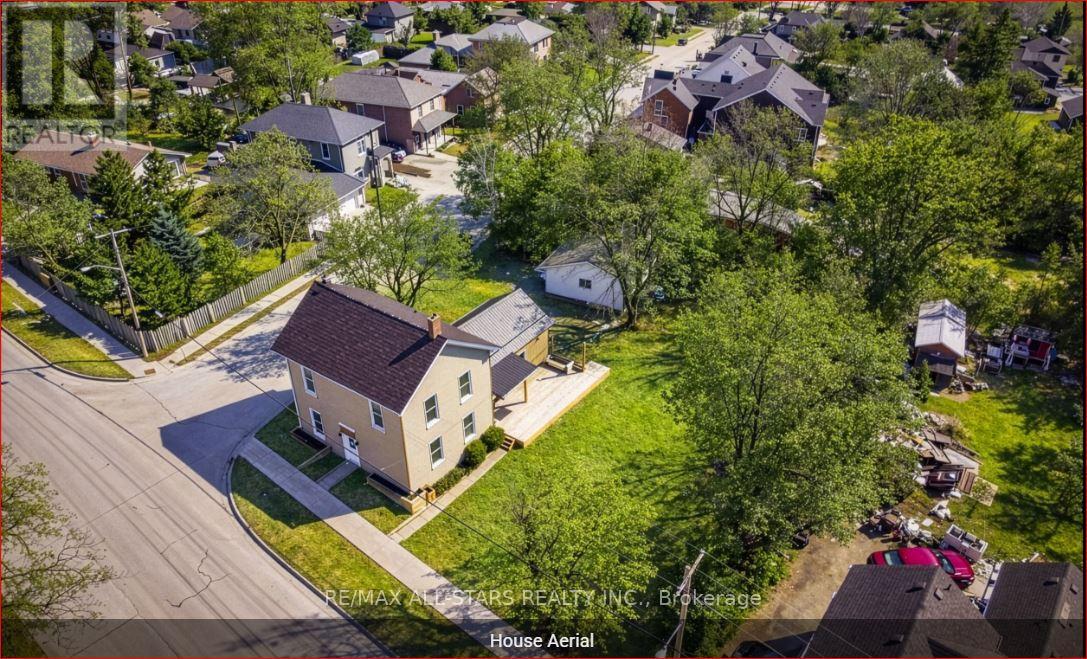 For Sale
 For Rent
 For Sale
 For Sale