

Tam O'Shanter-Sullivan sits in north Scarborough between Sheppard Avenue East and Consumers Road, with the Don Valley Golf Course along its western edge. Post-war bungalows and split-levels on quiet, tree-lined streets, well-maintained by long-term owners, selling from $950,000 to $1.4 million in 2026. It's one of Scarborough's more established and consistently well-kept residential neighbourhoods.
Tam O’Shanter-Sullivan occupies a quiet wedge of north Scarborough between Sheppard Avenue East and Consumers Road to the south, Warden Avenue to the east, and the Don Valley Golf Course to the west. It’s one of those neighbourhoods that doesn’t generate strong feelings in people who haven’t spent time in it, but consistently earns loyalty from residents who have. The streets are calm, the tree cover is mature, and the post-war housing stock is maintained to a standard that reflects decades of owner-occupancy by people who stayed.
The name comes from the Scottish poem by Robert Burns, which was applied to the area when it was developed in the mid-20th century as part of the broader suburban expansion of Scarborough. It’s one of a handful of Toronto neighbourhoods whose name is both unusual enough to stick in memory and specific enough to define a clear geographic area. Most people in Scarborough know where Tam O’Shanter is even if they couldn’t explain the name.
The Don Valley Golf Course along the western edge creates a natural boundary and a passive green buffer that gives the western-facing streets an openness that purely residential streetscapes don’t provide. It’s not accessible parkland but the presence of the golf course land means those streets have no development pressure on their western side, which is worth noting for buyers on those specific addresses.
Sheppard Avenue East is the neighbourhood’s main commercial corridor, providing everyday services, a handful of restaurants, and transit connections. The Consumers Road business park to the south adds employment density near the neighbourhood, which matters to some buyers for commute practicality. The overall character is suburban, established, and quiet in a way that reads as a genuine neighbourhood rather than a suburb-by-default.
The housing stock in Tam O’Shanter-Sullivan is predominantly post-war bungalows and split-level homes, built from the late 1940s through the 1960s. The lots are typical of Scarborough’s suburban period: 40 to 50 feet wide, 110 to 125 feet deep, with room for a garden, a deck, and in many cases a garage. The houses themselves vary considerably in their renovation histories. Some have been updated extensively by long-term owners; others are in original or minimally updated condition.
Bungalows in livable but unrenovated condition are selling in the $950,000 to $1.1 million range in 2026. Updated or renovated properties, particularly those with finished basements and modern kitchens and bathrooms, move into $1.2 to $1.4 million territory. The top of the range is reserved for fully renovated homes on premium lots, particularly those on the western streets with golf course adjacency, where some properties have reached $1.4 million in recent years.
The split-level homes that appear throughout the neighbourhood offer more above-grade square footage than a standard bungalow without the full commitment to a two-storey profile. These are popular with buyers who want more living space than a bungalow but find two-storey homes less practical for certain family configurations. They tend to sell at a slight premium to comparable bungalows when condition is equal.
Basement apartments are common in the neighbourhood, both permitted and informal. Given the age of the housing stock, many basements have been finished and converted over the decades. Buyers interested in rental income should verify permit status. Buyers who simply want a finished basement for their own use should assess the quality of the finish rather than assuming it’s functional as a rental unit without further work.
Tam O’Shanter-Sullivan trades at moderate volume with a buyer pool that skews toward families and move-up purchasers from smaller Scarborough properties. The market here doesn’t have the multiple-offer frenzy of in-demand west-end addresses, but it also doesn’t sit with stale inventory. Well-priced properties in good condition sell within two to three weeks. Overpriced properties sit and eventually negotiate.
The neighbourhood benefits from the established preference of Scarborough buyers who know the area and specifically want its quiet character. These are buyers who’ve lived in Scarborough, who understand the difference between the neighbourhood’s calm streets and the busier corridors further south, and who are willing to pay a modest premium for the established character. They’re not buyers who’ve been priced out of somewhere else and reluctantly landed here; they’re buyers who want this specifically.
In early 2026, the detached bungalow market in this part of Scarborough is steady. Prices have not recovered to the 2022 peak on a nominal basis in most cases, but values are stable and the floor is well-established. Sellers who bought in the mid-2010s or earlier have significant equity. Sellers who bought near the 2022 peak are roughly flat and some are mildly underwater on their purchase price before transaction costs.
The seasonal patterns are consistent with the broader Toronto market. Spring is the most active period, with the most inventory and the most buyer competition. Fall is active but slightly less intense. The winter period from December through February is slow. Buyers with flexibility should consider whether the off-peak seasons offer better negotiating conditions for a neighbourhood where the seller pool is not typically under urgent financial pressure.
The buyers who choose Tam O’Shanter-Sullivan are mostly looking for quiet, space, and a family-functional neighbourhood without paying the premium that comes with an established high-demand address. Many have considered Agincourt, L’Amoreaux, and the Warden-Lawrence area before arriving here and found Tam O’Shanter-Sullivan offers the best combination of street quality, lot size, and price for what they need.
Families with school-age children are a consistent buyer type. The schools in the area are functional and the neighbourhood character, quiet streets, low traffic, mature trees, is compatible with the kind of outdoor childhood that parents of young kids are often looking for when they leave a condo. The golf course along the western edge adds a level of openness that purely residential suburban streets can’t provide.
Older buyers, including downsizers from larger houses elsewhere in Scarborough and buyers relocating from suburban homes in the 905, also appear consistently. The bungalow stock is practical for aging-in-place in a way that two-storey houses are not, and the neighbourhood’s quiet character suits buyers who are reducing rather than expanding their life footprint. The price point is accessible enough that this demographic doesn’t need to stretch financially to buy here.
Investors looking at the rental market are a smaller share of buyers in this neighbourhood than in the condominium-heavy corridors further south. The single-family rental market in Scarborough is active, and a well-maintained bungalow in a quiet family neighbourhood commands a premium rental rate over equivalent space in a noisier area. Investors who buy here tend to hold rather than flip, which reinforces the neighbourhood’s ownership stability.
The neighbourhood’s internal street grid runs between Sheppard Avenue to the north and Consumers Road and the industrial park to the south. Tam O’Shanter Drive is the main internal curve that the neighbourhood takes its name from. Birchmount Road runs along the eastern edge, and the smaller residential streets between the main corridors are where most of the housing sits.
The streets along the western boundary, backing or near the Don Valley Golf Course, are the most prized. Properties on Tam O’Shanter Drive and the courts off it that have golf course views or adjacency benefit from the green buffer and the openness it provides. These sell at the higher end of the neighbourhood’s price range and they hold value well because the golf course land is not going to be developed. There’s a permanence to those sightlines that buyers at the price ceiling of this market are willing to pay for.
The streets in the interior of the neighbourhood are uniformly quiet and well-maintained. The housing quality is consistent enough that there aren’t notably weaker or stronger micro-pockets in the interior grid. Block choice here comes down to lot characteristics, tree cover, and proximity to the golf course or Sheppard, depending on whether the buyer values green adjacency or transit proximity.
The Warden Avenue side of the neighbourhood is the most commercial-adjacent. Warden has retail on it and the transition from residential to commercial character is visible at that edge. Buyers who want maximum quiet should focus on the interior streets rather than the Warden frontage. The difference isn’t dramatic but it’s noticeable.
Tam O’Shanter-Sullivan has no subway access and requires a bus connection for transit trips to the rest of the city. The Sheppard Avenue East bus runs east-west along the northern boundary, connecting west toward Don Mills station on the Sheppard subway line and east toward Scarborough Centre. Don Mills station is the closest subway connection and is reachable via Sheppard bus, though it’s not walking distance from the neighbourhood.
The Consumers Road bus provides a south connection toward the Bloor-Danforth line. The overall transit picture is functional but not convenient for downtown commuters. A trip from the neighbourhood to downtown by transit runs 45 to 55 minutes in typical conditions, involving a bus connection to the subway. That’s an acceptable commute for some and a hard limit for others; buyers should map their specific route before assuming transit practicality.
Car ownership is effectively required for this neighbourhood. Highway 401 access is available via Warden Avenue and Birchmount Road, connecting the neighbourhood to the broader highway network. The Don Valley Parkway is about 15 to 20 minutes west by road, providing downtown access by car. Consumers Road and the business park to the south are accessible without getting on a highway, which matters for buyers who work in that employment corridor.
The Sheppard East LRT, when it eventually extends further into Scarborough, will improve the surface transit connection along Sheppard. Current plans for the broader Scarborough transit expansion focus on the subway extension, not Sheppard East LRT. In practical terms, residents should plan their transit needs around the current bus network rather than counting on materially improved rapid transit access in the near term.
The Don Valley Golf Course along the western boundary is the neighbourhood’s most distinctive green feature. It’s a municipally operated public golf course, which means it’s accessible to residents as a recreational facility without private membership. The course occupies a significant area of land and its presence shapes the western streets of the neighbourhood with a more open, park-like feel than the residential grid alone would create.
Tam O’Shanter Park is the main neighbourhood park, with playing fields, a playground, and community green space that serves the residential population. It’s a modest park by city standards but it’s well-maintained and used regularly by families in the neighbourhood. The park’s relationship to the golf course land gives the western end of the neighbourhood a green space continuity that’s more generous than the park acreage alone would suggest.
The Don River trail system is accessible from the Warden area and provides connections into the broader ravine network that runs through Toronto’s east end. The trail access is not immediate from most addresses in the neighbourhood but it’s within cycling distance, and the ravine system is a genuine amenity for outdoor-focused residents. The Don Valley trail network connects south toward the waterfront and north toward the Oak Ridges Moraine, making it a practical recreational resource for cyclists and trail runners who want multi-hour routes.
The overall green space access in Tam O’Shanter-Sullivan is above average for Scarborough. The golf course adjacency, the neighbourhood park, and the proximity to the Don Valley ravine system provide more outdoor options than purely suburban neighbourhoods without ravine or golf course land nearby. Buyers for whom outdoor access is a daily priority, rather than an occasional weekend activity, will find the neighbourhood performs well on this dimension.
Sheppard Avenue East provides most of the neighbourhood’s day-to-day retail. The strip has grocery stores, pharmacies, a few fast food options, and a scatter of independent restaurants and service businesses. It covers everyday needs without requiring a long drive, which is the practical standard for a suburban neighbourhood commercial corridor.
The Agincourt Mall area, about two kilometres east on Sheppard, has a larger commercial cluster with more retail options, a food court, and the kind of bigger-box retail that the immediate neighbourhood’s strip doesn’t provide. It’s a short drive and provides the expanded service range that a primary commercial strip of this scale can’t support on its own.
Scarborough Town Centre is ten to fifteen minutes by car and provides the full regional mall experience for residents who need it. The STC’s national retail tenants, Cineplex, and food court handle the shopping and entertainment needs that can’t be met locally. Most residents make the STC trip periodically rather than regularly, treating local retail for everyday needs and the STC for larger purchases and special occasions.
The Consumers Road corridor to the south has office and light industrial tenants rather than retail, but the proximity to that employment concentration means the area around it has accumulated some additional service businesses, lunch spots, and convenience retail that serves the daytime working population. Residents of the neighbourhood who also work in the Consumers Road area find they can handle most daily errands within a very small radius, which is a practical convenience that doesn’t show up in standard neighbourhood descriptions but matters a great deal to daily life.
The public elementary schools serving Tam O’Shanter-Sullivan include Tam O’Shanter Public School on the neighbourhood’s own streets, along with several other TDSB schools in the surrounding area depending on the specific address. The schools here are consistent with the broader Scarborough east public system: functioning, diverse, and not among the high-ranking schools that drive purchase decisions in Leaside or North Toronto. Families for whom school catchment ranking is the primary purchase driver are looking at a different set of neighbourhoods.
French Immersion access is available through the TDSB’s French Immersion programs for families who want a bilingual education option. The application process is through the TDSB and placement is not guaranteed by address. Early application is advisable for families interested in this path.
The TCDSB serves Catholic families in the area with elementary school options. Boundary verification for both boards is essential before relying on neighbourhood-level catchment information for any specific address.
For secondary school, the area feeds primarily to Sir Wilfrid Laurier Collegiate Institute on Lawrence Avenue East, which has a full program offering including arts, technology, and cooperative education streams. Some families in the neighbourhood pursue the International Baccalaureate or specialized arts programs offered at other TDSB schools, which require separate applications. The neighbourhood’s proximity to the Sheppard corridor and the highway network means that bus or car access to alternative secondary programs across Scarborough and North York is manageable for families willing to make the commute.
Tam O’Shanter-Sullivan is one of the more stable and low-change neighbourhoods in Scarborough. The interior residential streets are zoned low-density residential and there are no major development applications proposing changes to the neighbourhood’s fabric. Buyers who want predictability in what their block looks like over the next decade can be reasonably confident here.
The Sheppard Avenue East corridor is a different story. The city’s planning framework encourages intensification along Sheppard, and mid-rise and taller residential development is the intended direction for properties fronting on the avenue and immediately adjacent to it. Several developments along Sheppard East in the broader area have proceeded and more are in the pipeline. Buyers on the residential streets off Sheppard are mostly insulated from this, but buyers on lots fronting or immediately backing Sheppard should understand that the planning direction for that corridor supports more density than currently exists.
The Don Valley Golf Course’s long-term future is worth noting. Municipally operated golf courses across the city have faced periodic review about whether their land should be repurposed for other uses, including housing or parkland. The course has remained operational, but its designation is not as permanent as protected park status. Buyers who are paying a premium for golf course adjacency should be aware that this is a long-term planning question rather than a settled matter, even though no imminent change is proposed.
The Scarborough subway extension, coming in the early 2030s, will improve general transit access in Scarborough without directly serving this neighbourhood. The likely effect is a modest positive on broader Scarborough property values and a reduction in the transit disadvantage that all bus-dependent Scarborough neighbourhoods currently carry relative to subway-adjacent addresses.
What makes Tam O’Shanter-Sullivan different from other Scarborough bungalow neighbourhoods? The combination of golf course adjacency and the neighbourhood’s overall maintenance level distinguishes it from comparable bungalow streets in other parts of Scarborough. The Don Valley Golf Course along the western boundary creates a green buffer that purely residential suburban neighbourhoods don’t have, and it prevents development pressure on the western-facing streets permanently. The neighbourhood also has a higher proportion of long-term owner-occupants than some comparable Scarborough addresses, which shows in the condition of houses, gardens, and common spaces. It’s quieter and better-kept than its price range alone would suggest, which is why buyers who’ve spent time here tend to come back to it after comparing alternatives.
Is the Don Valley Golf Course likely to be redeveloped? There’s no active proposal to redevelop the Don Valley Golf Course, but municipal golf courses across Toronto have been subject to ongoing policy review about land use priorities. The city has maintained the course as an operating public golf facility, but its status as a low-density recreational land use on a large parcel in a city with significant housing pressure means the question surfaces periodically in planning discussions. Buyers purchasing properties whose value is directly tied to the golf course adjacency should be aware of this as a long-term planning risk, even though the course is currently operational with no change proposed. It’s a different risk profile than purchasing adjacent to protected conservation land or regulated ravine.
How does this neighbourhood compare to Agincourt for buyers at the same price? Agincourt and Tam O’Shanter-Sullivan overlap in price at the $950,000 to $1.2 million range for detached bungalows. Agincourt has somewhat more commercial amenity density and better transit connections along Sheppard and Kennedy, as well as access to Agincourt GO station for some buyers. Tam O’Shanter-Sullivan is quieter and has the golf course buffer that Agincourt lacks. The school catchments differ and buyers with specific school preferences should verify which address serves their preferred school before making a decision between the two. For buyers who prioritize quiet streets and green adjacency over transit and commercial access, Tam O’Shanter-Sullivan is the stronger choice. For buyers who commute regularly and want more walkable retail, Agincourt wins on those dimensions.
What condition issues should I expect on a 1950s or 1960s bungalow here? Bungalows built in the 1950s and 1960s in Scarborough share a common set of age-related concerns that buyers should budget for. Electrical service in original condition is often 60-amp fused service, which doesn’t meet current standards and limits modern appliance loads; upgrading to 100-amp or 200-amp service runs $3,000 to $8,000. Plumbing in original condition may include clay or cast iron drain lines below the basement slab that are prone to root infiltration and collapse; a sewer scope inspection, typically $200 to $400, tells you the state of the underground drain before you commit. Attic insulation on original homes is often well below current energy code; blown-in insulation upgrades are relatively affordable but should be confirmed before assuming the house’s energy performance. None of these issues is unusual or disqualifying; they’re normal characteristics of mid-century housing stock that buyers should plan for rather than be surprised by after closing.
Tam O’Shanter-Sullivan is the kind of neighbourhood where an experienced buyer’s agent adds real value because the differences between streets, the golf course premium, the Sheppard-adjacent discount, the basement suite situations on individual properties, are specific enough to matter in price negotiation and not obvious from MLS photos alone.
A buyer’s agent who knows this neighbourhood should be able to tell you which streets trade at a premium, what a realistic conditional offer looks like in the current market, and how to assess whether an asking price reflects the actual condition and micro-location rather than a seller’s optimistic expectation. That’s a more useful service than simply showing you every property that fits your search criteria and waiting to see which one you like.
Pre-purchase home inspection is strongly advisable on properties of this vintage. The inspection cost, typically $500 to $600, is recoverable in negotiation on deferred maintenance items if the inspection surfaces them. Buyers who waive inspections on 1960s bungalows to be competitive are taking on material risk that a relatively modest cost could surface and price appropriately.
TorontoProperty.ca covers Scarborough thoroughly. If Tam O’Shanter-Sullivan is on your shortlist, get in touch for a current read on available properties and a realistic assessment of what your budget reaches in this specific market.
Street-level knowledge is hard to find online. Our team works in Tam O’Shanter-Sullivan every day. They know which pockets hold value, where the school catchment lines actually fall, and what the market is doing right now. Talk to us before you make a decision about Tam O’Shanter-Sullivan.
Talk to a local agent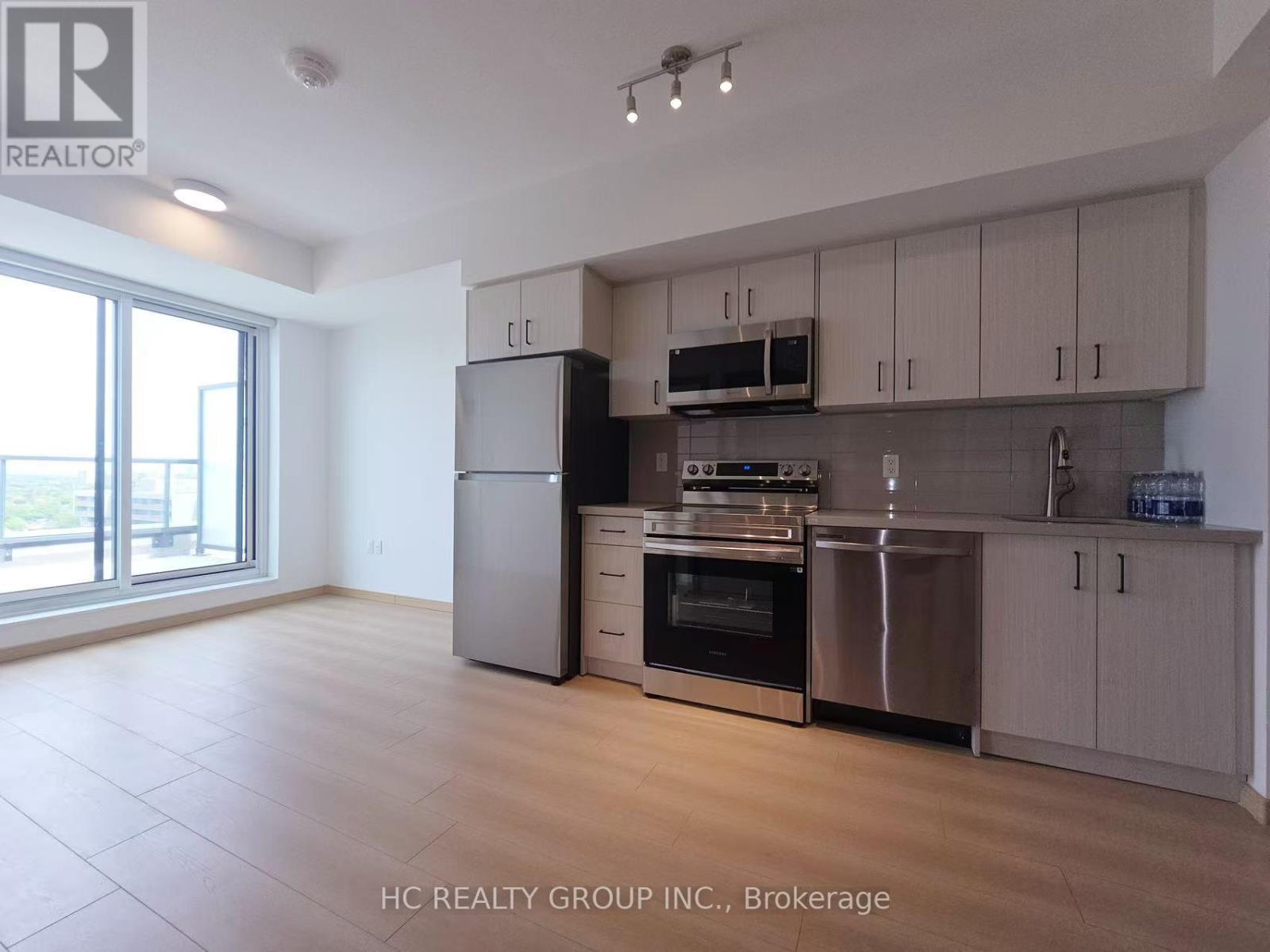 For Rent
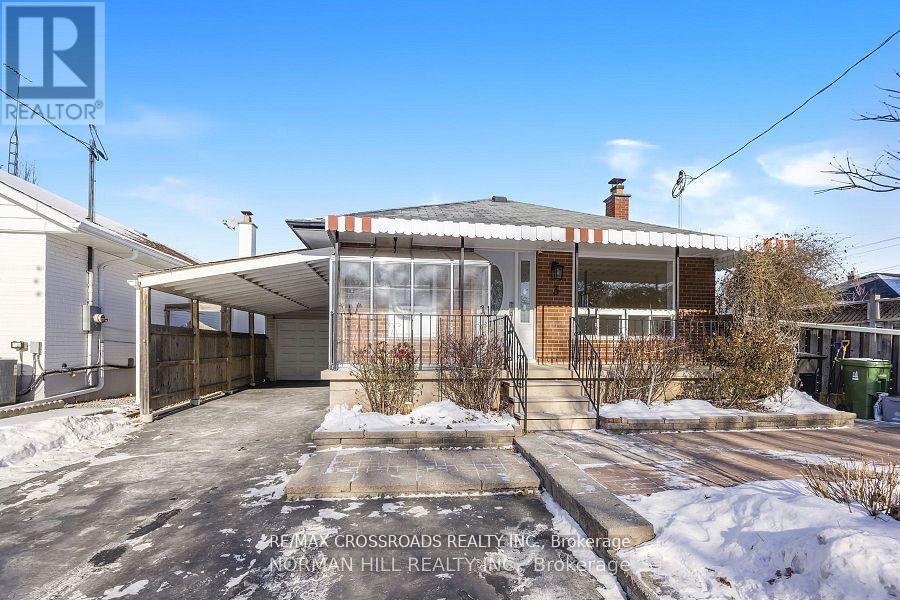 For Rent
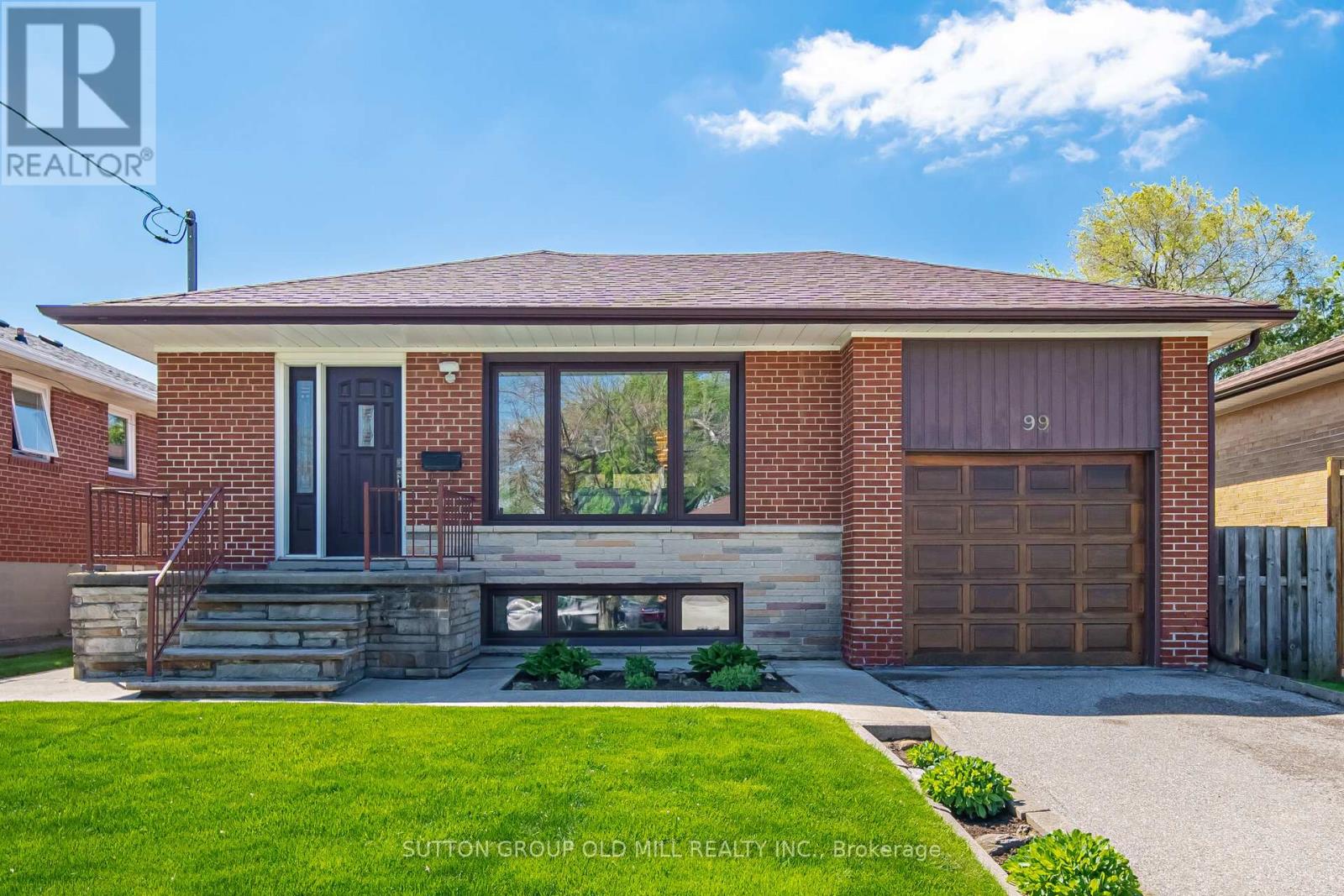 For Sale
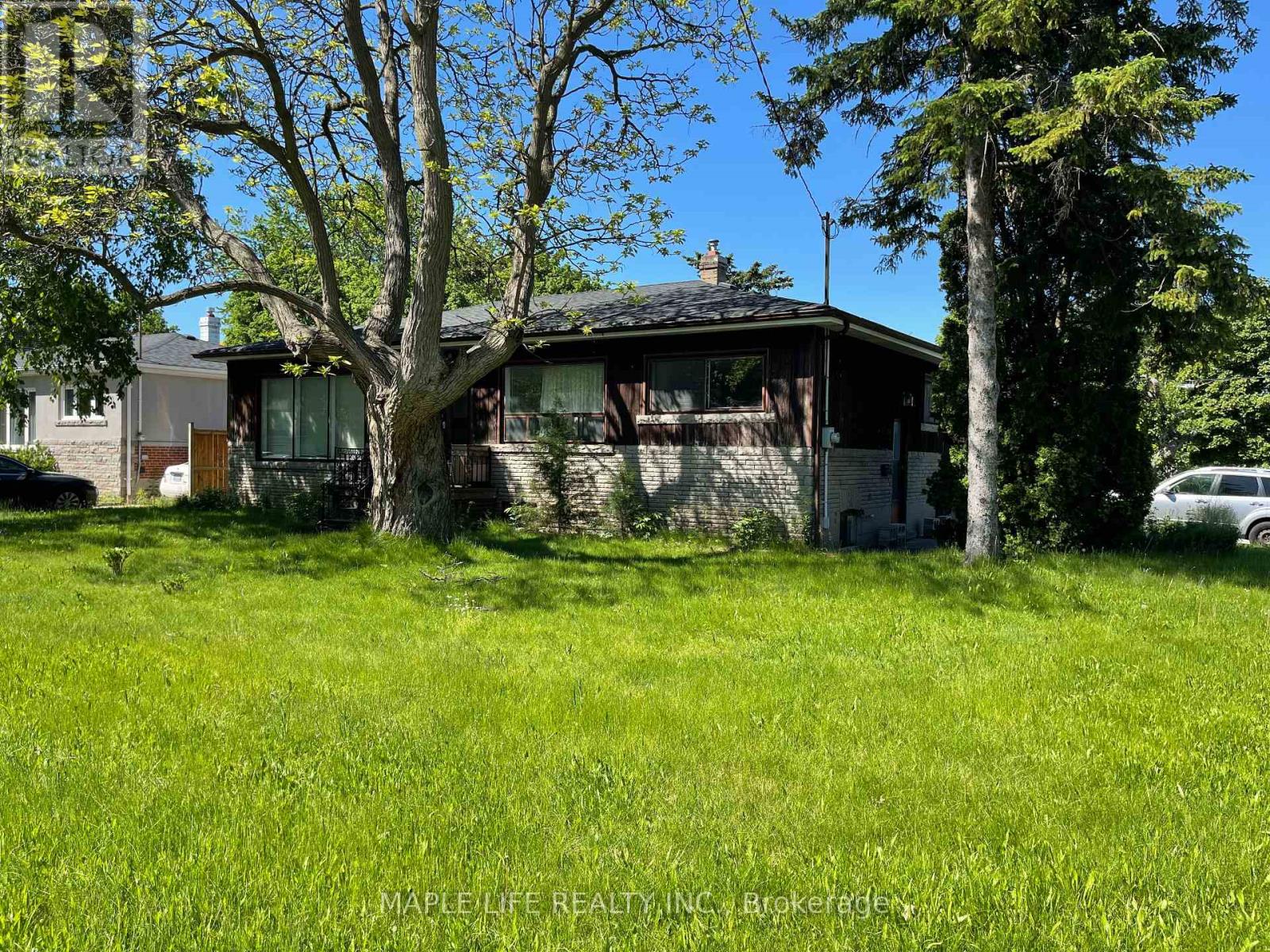 For Sale