

The Annex runs from Bloor Street north to Dupont, and from Spadina Avenue west to Avenue Road: a compact, walkable midtown neighbourhood where Victorian and Edwardian brick semis line streets named Admiral, Bernard, and Lowther, and where the University of Toronto's St. George campus defines the eastern boundary and shapes the character of the whole area. Semis on the core residential streets trade between $1.2 and $1.7 million in 2026, detached Victorians on Admiral Road and Lowther Avenue start at $2 million and climb well past it, and condos along Bloor range from $700,000 to $1.1 million. It's one of the few midtown neighbourhoods where academics, artists, and families with school-age children are all competing for the same properties.
The Annex occupies a specific slice of midtown Toronto: Bloor Street West on the south, Dupont Street on the north, Spadina Avenue on the east, and Avenue Road on the west. It’s a 15-minute walk from Yorkville, two subway stops from the financial district, and immediately north of the University of Toronto’s St. George campus. That geography is not incidental. The university has shaped the neighbourhood’s character for a century, drawing academics, writers, and researchers who bought the Victorian semis and stayed for decades.
The physical character is consistent in a way that midtown Toronto rarely manages. Red brick predominates. The residential streets, Admiral Road and Lowther Avenue in particular, are lined with mature trees and detached Victorians built for upper-middle-class families in the 1880s and 1890s. The lots are generous by Toronto standards. The houses are large. The side streets between Spadina and Brunswick, including Huron, St. George, and Madison, have narrower lots and denser semis, but the same era and the same material. The neighbourhood reads as a whole in a way that Yorkville, with its glass towers and converted townhouses, does not.
The comparison to Yorkville is worth making directly. Yorkville sits immediately to the east, separated by Avenue Road. It has similar transit access, similar proximity to downtown amenities, and similar prices at the upper end. What it doesn’t have is the Annex’s residential density of heritage housing stock, its walkable neighbourhood streets, or the quiet that comes from a neighbourhood where people actually live rather than shop. Annex buyers who considered Yorkville and chose against it almost always cite the same thing: Yorkville feels like a district; the Annex feels like a neighbourhood.
Seaton Village, immediately west of Bathurst, is the comparison at the other end. Similar housing type, similar era, meaningfully lower prices. The gap has widened over the past decade, not because Seaton Village has declined but because the Annex address has strengthened. A buyer choosing between the two is essentially pricing the question of how much an address matters to them over the next ten years.
The dominant property type in the Annex is the Victorian or Edwardian brick semi, built between the 1880s and the 1920s. These are 2.5-storey houses with basements, typically 16 to 22-foot frontages on narrow lots, with varying degrees of renovation over a century of ownership changes. A well-maintained semi in the core neighbourhood, on Brunswick, Huron, or the side streets between Bloor and Dupont, trades between $1.2 and $1.7 million in April 2026, depending on condition, lot depth, and the specific street.
Admiral Road carries a premium that buyers consistently underestimate until they’ve watched the sales. Detached Victorians on Admiral, Lowther, and Bernard sit on wider lots with rear laneway access and reflect the neighbourhood’s original ambition as an upper-middle-class suburb of large family homes. These properties start at $2 million and move well past it for anything properly renovated with original character preserved. A four-bedroom detached in good condition on Admiral Road has sold above $3.5 million in recent years. That tier is thin on supply and consistently contested when a property does come to market.
Properties along the northern edge, near the Dupont corridor, carry a discount. The CP Rail freight line runs roughly parallel to Dupont, and buyers who live close enough to the tracks experience noise during night freight movements. The discount is real and persistent, and worth knowing about before you make an offer on something that looks underpriced for the neighbourhood without an obvious explanation.
Condos are distributed along Bloor Street West and around the Spadina station area. Purpose-built buildings from the 1970s and 1980s dominate the older condo stock, with a small number of newer mid-rise buildings adding more recent inventory. A one-bedroom in good condition runs from $700,000 to $900,000. Two-bedrooms range from $900,000 to $1.1 million, occasionally higher in newer buildings with parking and larger floor plans. Converted semi-detached houses carved into stacked units or suites exist throughout the neighbourhood and vary more widely in quality than the purpose-built stock.
The Annex freehold market in 2026 is running at roughly 28 to 35 days on market for well-priced properties. That figure is longer than the competitive springs of 2021 and 2022, when the best semis moved in under a week with multiple offers, but shorter than what’s typical in softer neighbourhoods. The Annex retains a loyal buyer pool, partly because its supply of Victorian semi-detached is genuinely constrained and doesn’t grow year over year, and partly because the demand drivers, U of T, hospital proximity, and Bloor line transit, are structural rather than speculative.
Spring is the concentrated competition window. February through early May brings the majority of the year’s motivated buyers to the market simultaneously. Well-presented semis listed in this window regularly attract multiple offers, and formal offer dates have reappeared on the best properties. Buyers who need to move in this period should be pre-approved, should have reviewed the inspection report or commissioned their own, and should be prepared to act without extended conditions on properties where the competition is visible.
The condo market behaves differently. Days on market for Bloor Street condos runs longer, buyers hold more of the negotiating position than sellers, and conditional offers are more commonly accepted. Buyers considering condos here have time to be thoughtful. Buyers considering freehold semis on the core streets do not have the same latitude, particularly in spring.
Overpriced listings sit visibly in the Annex, and they sit for a long time before sellers adjust. The neighbourhood’s buyers are experienced and patient. An Annex buyer who has been looking for six months knows the comparable sales precisely and won’t overpay for a property that’s chasing a number the market won’t support. Price reductions in this neighbourhood are a reliable signal that something is wrong, either with the property or with the original pricing. Both require investigation before you assume you’ve found a bargain.
Annex buyers tend to be making a considered comparison against two or three other midtown options before they land here. The most common comparison is Yorkville. Buyers who started in Yorkville and moved west to the Annex are usually making a decision about density: they want the midtown location without the hotel-lobby atmosphere of Yorkville’s commercial streets. They’re willing to spend the same money, or close to it, for a Victorian semi rather than a condo, and they want a residential street that feels lived in rather than curated.
The comparison against Harbord Village, immediately south of Bloor between Spadina and Bathurst, is about profile. Harbord Village has virtually identical housing stock and similar character, but it’s less well-known by name and trades at a slight discount to the Annex streets. Buyers who discover Harbord Village during an Annex search sometimes end up there. Buyers who specifically want the Annex address, the schools, and the specific streets north of Bloor tend to stay on the Annex side of that boundary.
U of T adjacency draws a specific subset of buyers that’s worth naming: faculty members, senior researchers, and professionals who work at the hospital network clustered nearby. For this group, walkability to work is a genuine daily benefit, and the neighbourhood’s academic character feels like a fit rather than an accident. They tend to be long-term holders who buy carefully, maintain their properties, and don’t sell unless circumstances require it. That behaviour is part of what keeps the neighbourhood’s quality stable at the street level.
Families appear in the Annex buyer pool more than you might expect at these price points. The school options are real, the streets are quiet enough for children, and the combination of transit access, park space, and independent retail on Bloor satisfies the practical daily requirements that young families prioritise. They’re choosing the Annex over Leaside or Davisville Village because they want the urban environment and they’re willing to make the numbers work for it.
The Dupont corridor matters more than most listings acknowledge. Dupont Street itself is an arterial road with commercial and light industrial uses, and the CP Rail freight line runs north of it through the Davenport neighbourhood. Properties on the residential streets immediately south of Dupont, particularly the northern blocks of Brunswick, Kendal, and Wells, are genuinely quieter and more residential than the street name implies. Properties that back onto or sit very close to the rail corridor, however, experience noise during overnight freight movements. Walk the specific block at different times of day before you decide how much this matters to you. The discount on these properties is real but it doesn’t disappear when you own the house.
The Admiral Road premium is worth understanding before you start comparing properties. A semi on Huron Street and a detached on Admiral Road are technically in the same neighbourhood, but they’re not the same market. Buyers who put Admiral Road on their shortlist alongside comparable semis on Brunswick or Madison will find they’re looking at two different price tiers, not a range within one. Set expectations accordingly and search them separately rather than treating the neighbourhood as a single pool.
The laneway network through the Annex is dense, and many properties have or can add secondary suites in the form of laneway houses or basement apartments. The city’s laneway suite bylaw has been in effect since 2018, and uptake in the Annex has been significant. A property on a lane with sufficient lot depth and width may qualify for a laneway suite that adds meaningful rental income. Buyers who want to explore this option should request a preliminary assessment before purchase, not after. Not every lot qualifies, and the ones that don’t sometimes look identical to the ones that do from the street.
U of T’s presence drives investor activity in the condo and multi-unit market. Older purpose-built rental buildings along Bloor carry tenant populations that are stable in aggregate but variable in quality building by building. Before buying a condo in an older building near Spadina or Bathurst, review the status certificate carefully for reserve fund health, any pending special assessments, and the ratio of investor-owned to owner-occupied units. Buildings with higher investor ratios tend to have more variable maintenance standards and more complex governance.
Annex buyers are disproportionately educated and detail-oriented. A high percentage have professional or academic backgrounds, have bought property before, and are making a deliberate neighbourhood choice rather than a default one. They’ve researched the market, they know the comparables, and they notice deferred maintenance in a way that buyers in less-scrutinised neighbourhoods might not. Sellers who underestimate this buyer profile tend to leave money on the table or accept a longer time on market than necessary.
The properties that attract the strongest results here are the ones where renovation respects the Victorian bones rather than overwriting them. Original hardwood refinished and shown. Plaster ceiling medallions preserved, or replaced sympathetically. A kitchen that’s been opened up and modernised without trying to look like a Yorkville penthouse. The buyers who pay top dollar in the Annex are buying the house and the neighbourhood simultaneously, and a renovation that strips out the character they came for produces visible hesitation.
Spring is the right window if you have a choice. Listings that come to market in March, April, and the first half of May benefit from the largest and most motivated buyer pool of the calendar year. Properties listed in July or August sit in a thinner market. November and December listings occasionally attract buyers who are motivated on timing and willing to negotiate, which works in buyers’ favour more than sellers’.
Presentation standards matter at every price point but especially above $2 million. At $2.5 million, buyers expect the house to show as though it has been maintained by someone who cared about it. Fresh paint, clean windows, functioning everything. The cost of professional staging and pre-listing repairs at the upper end of this market is typically recovered many times over in either sale price or days on market.
Bloor Street West between Bathurst and Spadina is the commercial spine of the neighbourhood, and it has held its character as an independent retail and dining strip better than most of Toronto’s equivalent streets. Future Bakery at 483 Bloor West has been operating since 1956, reflecting the neighbourhood’s Eastern European immigrant history that predates the academic character by several decades. Greg’s Ice Cream on Bloor at Brunswick has been a neighbourhood fixture since 1981 and draws a line out the door in summer that’s become its own institution. Aroma Espresso Bar at Bloor and Brunswick anchors the daily coffee routine for a large chunk of the neighbourhood.
The Mirvish Village development at Bloor and Bathurst replaced Honest Ed’s discount store after its closure in 2017. The redevelopment kept the laneway market format: a mix of small independent vendors, food stalls, and rotating retail in a format that reflects what the neighbourhood actually wanted from that site. It’s not the destination that Honest Ed’s was in its prime, but it’s absorbed into daily neighbourhood life in a way that felt uncertain during the construction period.
The independent bookstore presence on Bloor is genuine rather than curated. BMV Books operates a large used and remainder stock. Seekers Books on Bloor handles new and second-hand with a specifically literary emphasis. The neighbourhood has had a bookstore identity since the mid-20th century and has retained it through periods when independent bookselling was under pressure across the city.
Taddle Creek Park on Devonshire Place is the neighbourhood’s hidden green space: a small, well-maintained park that most people who don’t live on the adjacent streets don’t know exists. The Toronto Reference Library branch on Huron Street and the Annex branch of the Toronto Public Library on Dupont both serve the neighbourhood’s reading habit without requiring a trip to Yonge Street. The weekly farmers market at Huron and Bloor operates through the warm season and serves produce directly from regional farms.
The Annex sits between two Bloor-Danforth subway stations: Spadina on the east and Bathurst on the west. Both are on the same line and provide the same downtown connection. From either station, Union Station is 12 to 15 minutes by subway. Bay Street and the financial district are reachable without a transfer. Bloor-Yonge, where you can change onto the Yonge line for trips north to Eglinton or south to King, is two stops east of Spadina. The transit access is as good as anywhere in midtown Toronto outside the Yonge corridor itself.
The Bloor bike lane runs east-west through the neighbourhood and extends west toward Christie and east toward the university. It’s a separated lane, not sharrows, which matters on a street with Bloor’s traffic volume. Cyclists can reach downtown via the U of T campus, which provides a largely car-free cut-through from the Annex south to College Street and beyond. A fit cyclist can reach King and Bay in 20 to 25 minutes from most of the neighbourhood, which competes genuinely with the subway on a good day and beats it when there are delays.
Parking is a persistent constraint. The neighbourhood’s permit parking is oversubscribed, and many of the Victorian semis were built before cars and have no driveway or garage. Buyers who need to bring a vehicle home daily should confirm the specific parking situation for the property before making an offer, not after. Some properties have rear lane access and a parking pad; many don’t. This is particularly important for two-car households, where one car may end up on a wait list for a permit that doesn’t clear for months.
The 94 Wellesley bus provides a north-south connection between the Annex and the hospital network around College Street. The 127 Davenport bus serves Davenport Road for trips northwest. Neither replaces the subway, but both extend the reach of the transit network for residents whose daily routes don’t run east-west.
Yorkville sits directly east of the Annex, separated by Avenue Road. At the top end, prices in Yorkville exceed the Annex substantially: luxury condos in the Mink Mile corridor, the Four Seasons residences, and the boutique buildings on Scollard and Hazelton trade at square-footage premiums that reflect both the Yorkville brand and the density of luxury amenity within walking range. At the $1.5 to $2.5 million range, Yorkville and the Annex overlap, with the Annex typically offering more house for equivalent money. The character difference is significant and buyers tend to feel it quickly: Yorkville’s streets are commercial and hotel-adjacent; the Annex’s residential streets are quieter and more domestic. Buyers who want to live in Yorkville are choosing the address and the luxury density. Buyers who want a neighbourhood in the midtown sense tend to land in the Annex.
Harbord Village is the comparison that confuses buyers the most because the physical boundary is invisible on the ground. Harbord Village sits south of Bloor between Spadina and Bathurst, and it shares the same Victorian and Edwardian brick semi stock as the Annex. Streets like Harbord, Major, and Robert are quiet, residential, and architecturally similar to the Annex blocks north of Bloor. The pricing difference is real but modest: comparable properties in Harbord Village typically trade 5 to 10 percent below equivalent Annex addresses, reflecting lower name recognition rather than any meaningful difference in daily life. School catchment is the practical reason buyers on the Harbord side may end up at different schools than Annex buyers, which matters for families. Transit access is nearly identical.
Seaton Village is the meaningful value alternative. West of Bathurst, bounded roughly by Bloor, Dupont, Bathurst, and Christie, it has the same housing stock in almost identical form: Victorian and Edwardian brick semis on narrow lots, similar lot depths, similar renovation eras. The discount against the core Annex has widened to 15 to 25 percent on comparable properties. The commercial strip on Bloor through Seaton Village is thinner than the Annex’s Bloor West concentration, but Christie Pits Park, on the western edge at Christie and Bloor, is a significant green space asset that the Annex doesn’t have an equivalent for. Buyers who run the numbers carefully often find Seaton Village hard to dismiss.
Huron Street Junior Public School on Huron Avenue is the primary elementary option for much of the core Annex. It draws strong parental involvement, runs a French as a Second Language program, and has consistent EQAO results. Jesse Ketchum Junior and Senior Public School on Davenport Road is the other significant public option, offering a French Immersion stream that draws families from across the catchment area. Immersion spots at Jesse Ketchum are sought after; applications should be made at the prescribed time in Junior Kindergarten rather than assumed to be available later.
The private school landscape near the Annex is concentrated and competitive. University of Toronto Schools, known as UTS, sits on Bloor Street West at the eastern edge of the neighbourhood and is one of the most selective secondary schools in Ontario. Admission requires an entrance examination taken in Grade 6, and the acceptance rate is low. The school draws academically motivated students from across the city, and its proximity to U of T gives it access to university facilities and faculty that no other secondary school in Toronto matches. For families for whom UTS is the target, buying in the Annex puts children within a short walk of the school building.
For secondary school within the public system, Harbord Collegiate Institute on Harbord Street is the neighbourhood catchment school. It has a general academic program and a functional arts component. Families with strong secondary school priorities often explore the city-wide program schools, including Rosedale Heights School of the Arts or the International Baccalaureate option at various campuses, which require applications but are open regardless of home address. The Catholic system, with St. Michael’s College School nearby for boys and Loretto Abbey Catholic Secondary School accessible by transit, is the other option families in the Annex investigate.
Verify every catchment boundary directly with the Toronto District School Board before relying on any specific address in your search. Boundaries shift periodically, and a two-block difference on some streets places a child in an entirely different school. The TDSB has a boundary lookup tool that’s accurate to the property level.
Is the Annex worth the premium over Seaton Village? It depends on what you’re optimising for. Seaton Village, west of Bathurst between Bloor and Dupont, has nearly identical housing stock in type and age and typically trades 15 to 20 percent below equivalent Annex properties. The transit access is comparable. Christie Pits Park on the western edge of Seaton Village is a larger and more varied green space than anything the Annex offers. What you’re paying for in the Annex is the address itself, the concentration of independent retail and dining on Bloor, and a buyer pool that has supported the neighbourhood’s value consistently for several decades. Buyers who work at or near U of T, or who weight the neighbourhood’s established cultural and academic identity, tend to find the premium justifiable. Buyers who simply want the housing type and general walkability of the area often find Seaton Village delivers more house for their money.
What are the best streets to buy on in the Annex? Admiral Road is the most prestigious residential street in the neighbourhood: wide, tree-lined, with large detached Victorians on generous lots with rear lane access. Lowther Avenue and Bernard Avenue carry the same character and similar prices, and the three together define the upper tier of the Annex market. Brunswick Avenue is the most practical family street, running north from Bloor with good access to Huron Street Junior Public School and both Spadina and Bathurst stations. Madison Avenue south of Bloor has strong transit access and a mix of semis and converted properties. The blocks between Huron Street and Spadina, including Willcocks and Sussex, sit near the Harbord Village boundary but regularly appear on Annex buyers’ shortlists. Properties on the blocks closest to the Dupont rail corridor carry a persistent discount that reflects noise exposure rather than any other neighbourhood characteristic.
How do Annex condos compare to houses as investments? Annex freehold has outperformed condos over most ten-year periods, reflecting the constrained supply of heritage semi-detached and detached housing against a broader condo market that adds new inventory across the city. Condos along Bloor benefit from rental demand driven by U of T and the hospital cluster, so yields can be reasonable relative to other Toronto neighbourhoods. The risk with older purpose-built buildings from the 1970s and 1980s is maintenance fees and special assessments: status certificates deserve careful review before any purchase in that building cohort. For buyers who can qualify for freehold, the long-term case for semis over condos in the Annex is stronger, particularly if the property can support a secondary suite to offset carrying costs.
Does proximity to the University of Toronto affect property values? Yes, and the effect runs in more than one direction. U of T creates consistent rental demand from graduate students, postdoctoral researchers, and visiting academics, which supports condo and basement suite yields throughout the year regardless of what the broader rental market is doing. It also attracts a stable buyer population of faculty and senior researchers who are long-term owners rather than speculators, and who tend to maintain their properties and hold them through market cycles. The other side of that proximity is that the eastern blocks closest to campus, particularly near St. George and Huron south of Bloor, have higher pedestrian traffic and more transient rental turnover in the surrounding units. Buyers who want U of T proximity for rental income should look close to campus. Buyers who want residential quiet with the same neighbourhood address should favour the mid-Annex blocks between Brunswick and Madison, where the character is more settled.
The Annex was built by a single developer on a deliberate timeline, which is unusual for a Toronto neighbourhood. Real estate speculator Simeon Janes purchased a large parcel of land north of Bloor Street in the 1880s and began developing it as a planned upper-middle-class suburb. The City of Toronto annexed the area in 1887, giving the neighbourhood the name that stuck. Janes laid out the streets and lot sizes to attract prosperous families who wanted space and greenery within reach of the city’s commercial core. The houses along Admiral Road and Lowther Avenue reflect that original ambition directly: they’re large, detached, and built with materials and craftsmanship that signalled permanence.
That original upper-middle-class character lasted roughly through the first half of the 20th century. As families dispersed to the suburbs after the Second World War, the large Annex houses were subdivided. A four-bedroom Victorian on Brunswick that had housed one family became three suites occupied by students, recent immigrants, and young professionals. The neighbourhood became Toronto’s most concentrated zone of cheap, central, walkable housing precisely because the houses were large enough to subdivide and the owners needed the income to carry them.
That transition produced the Annex that Pierre Berton, Jane Jacobs, and Margaret Atwood all called home at various points in the mid-to-late 20th century. Berton lived on Dunvegan Road. Jacobs, after her move from New York, settled in the neighbourhood and used it as a laboratory for the ideas she’d developed in “The Death and Life of Great American Cities.” Atwood has lived in the Annex for decades and remains one of its most visible residents. The cluster of writers, academics, and artists who chose the Annex between the 1960s and the 1990s was not coincidental. The neighbourhood was affordable, central, and populated by people whose company made the lack of luxury tolerable.
The gentrification of the Annex, such as it is, has been slow and incomplete compared to neighbourhoods like Leslieville or Trinity Bellwoods. The presence of U of T has kept a rental population in the eastern blocks. The size of the Victorian semis has meant that subdivision and conversion remain economically viable, so the stock of rooming houses and multi-unit properties hasn’t disappeared the way it has in other midtown neighbourhoods where houses were smaller and easier to convert back. The Annex in 2026 is more expensive than it was in 1990, but it retains a demographic mix that most comparable midtown addresses have lost entirely.
Street-level knowledge is hard to find online. Our team works in The Annex every day. They know which pockets hold value, where the school catchment lines actually fall, and what the market is doing right now. Talk to us before you make a decision about The Annex.
Talk to a local agent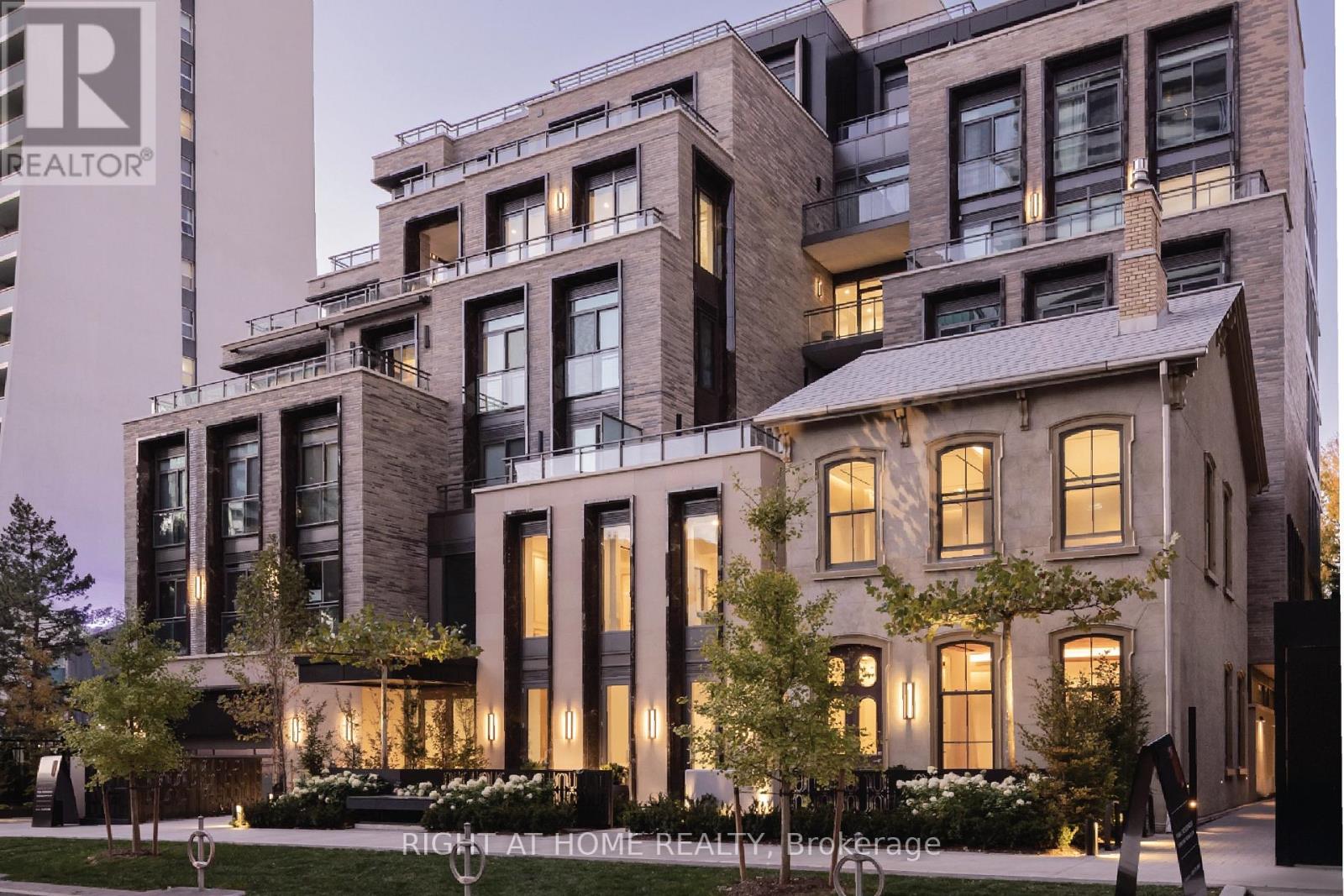 For Sale
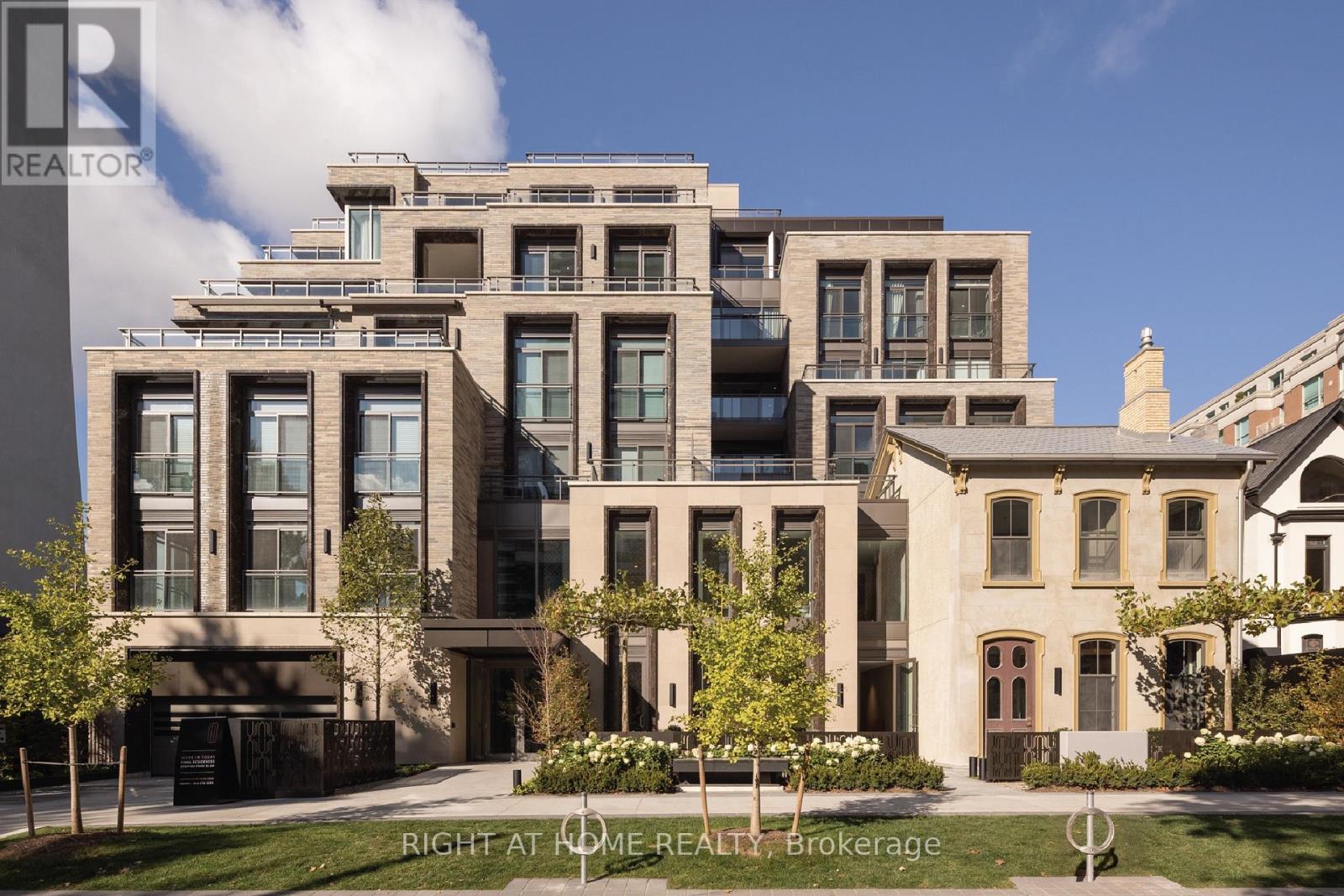 For Sale
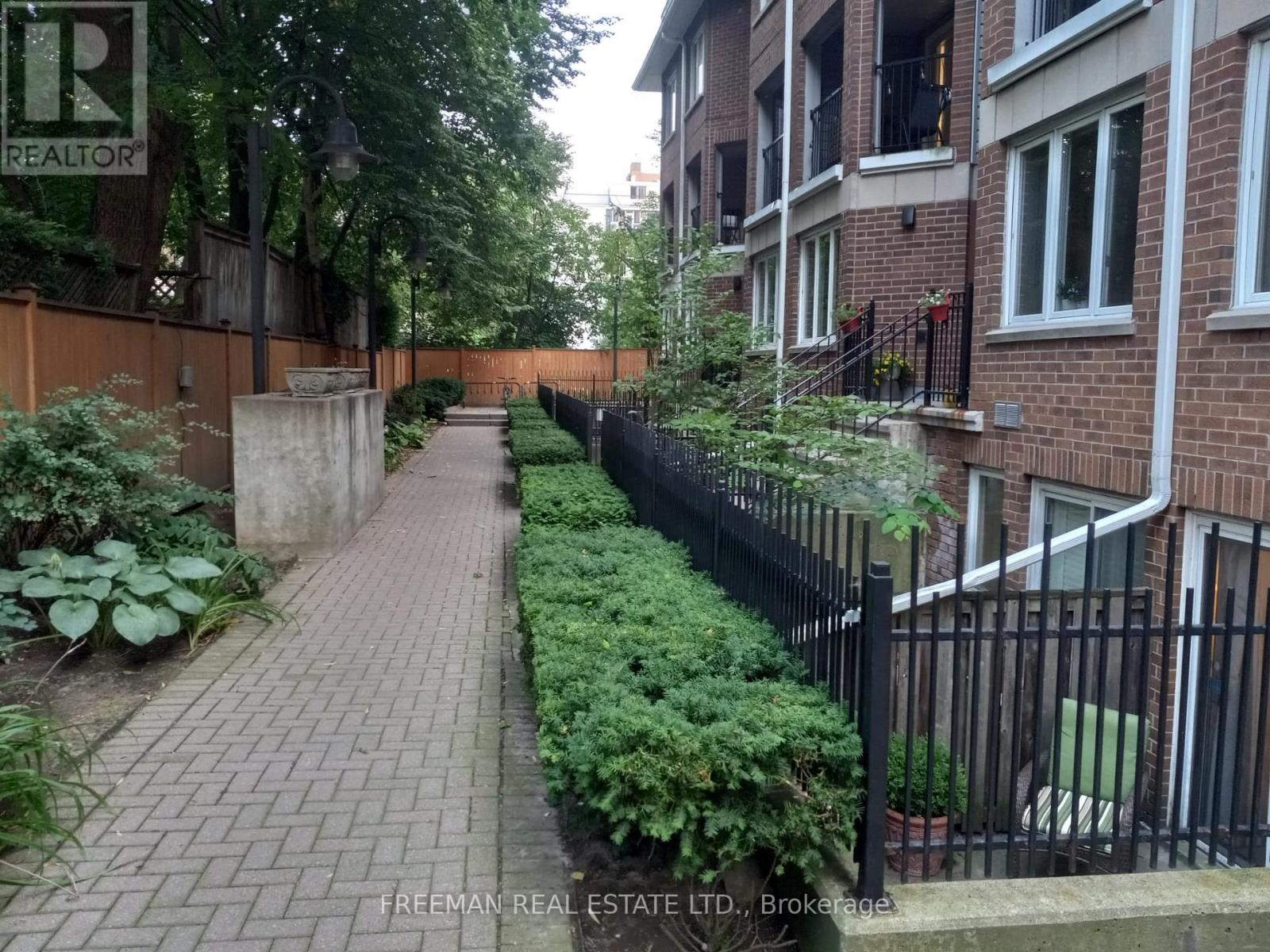 For Rent
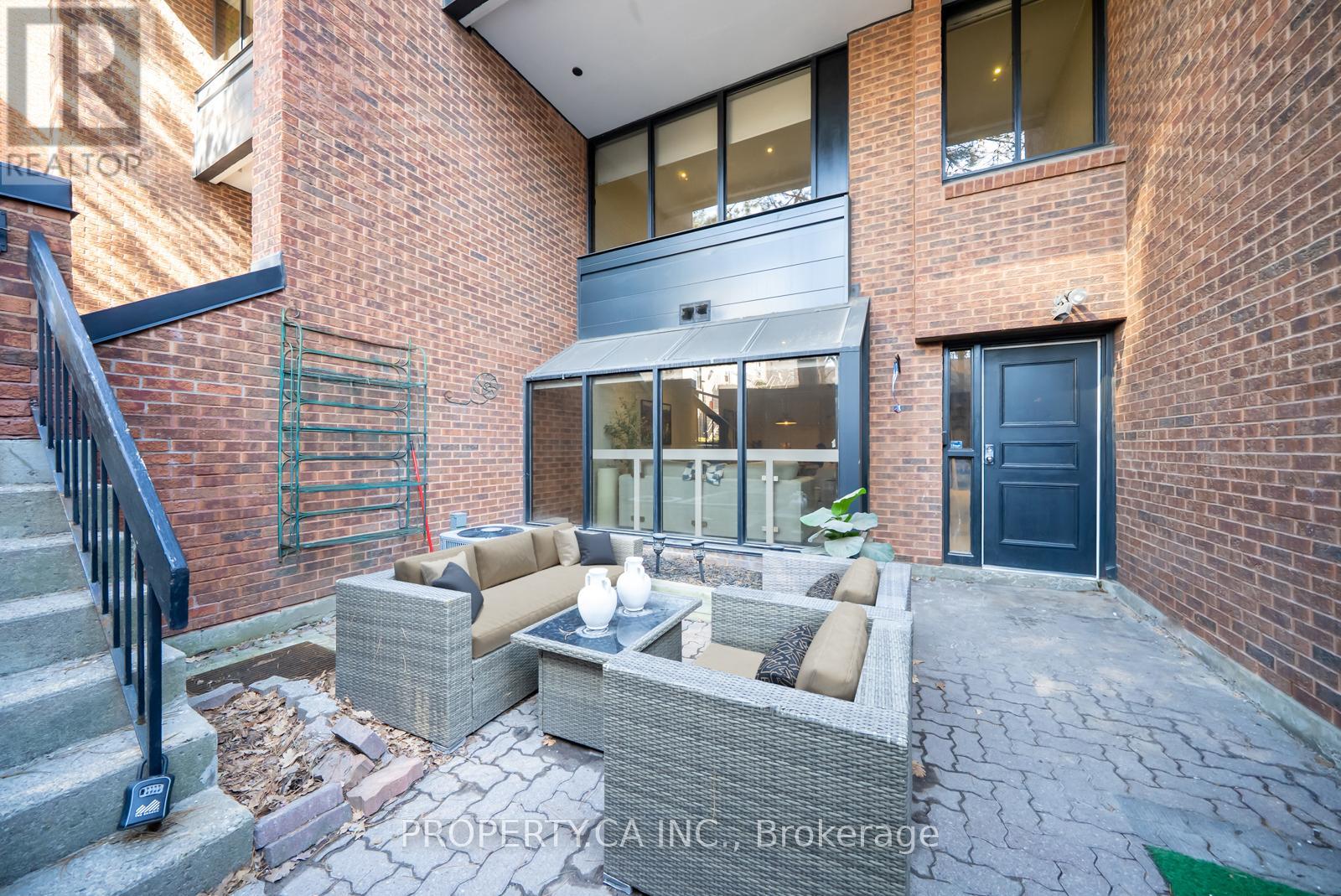 For Rent